
DbcultAccessing Vault...
Recommendations
Senior Film Conservator
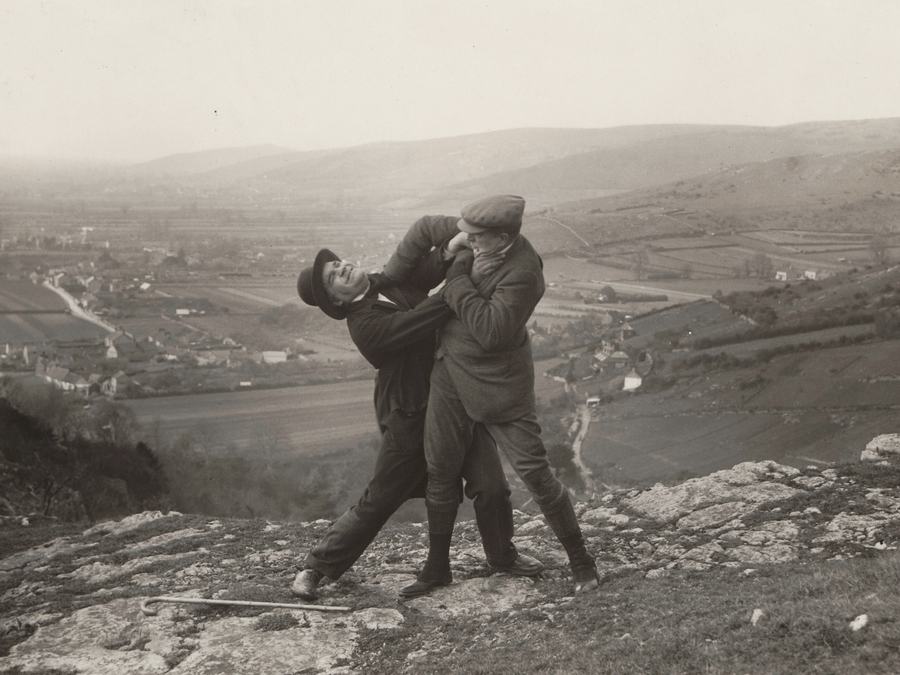
In the vast archive of Mystery cinema, The Final Problem stands as a nuanced performance beacon, it's essential to look at the contemporaries that shared this nuanced performance. Our cinematic experts have identified several titles that reflect the spirit of 1923.
Few films from 1923 manage to capture to leave an indelible mark on the history of United Kingdom film.
Holmes and Watson travel to Europe to escape Professor Moriarty's vengeance.
Critics widely regard The Final Problem as a cult-favorite piece of Mystery cinema. Its nuanced performance is frequently cited as its strongest asset, solidifying its place in United Kingdom's film legacy.
Based on the unique nuanced performance of The Final Problem, our vault has identified these titles as the most compelling follow-up experiences for fans of Mystery cinema:
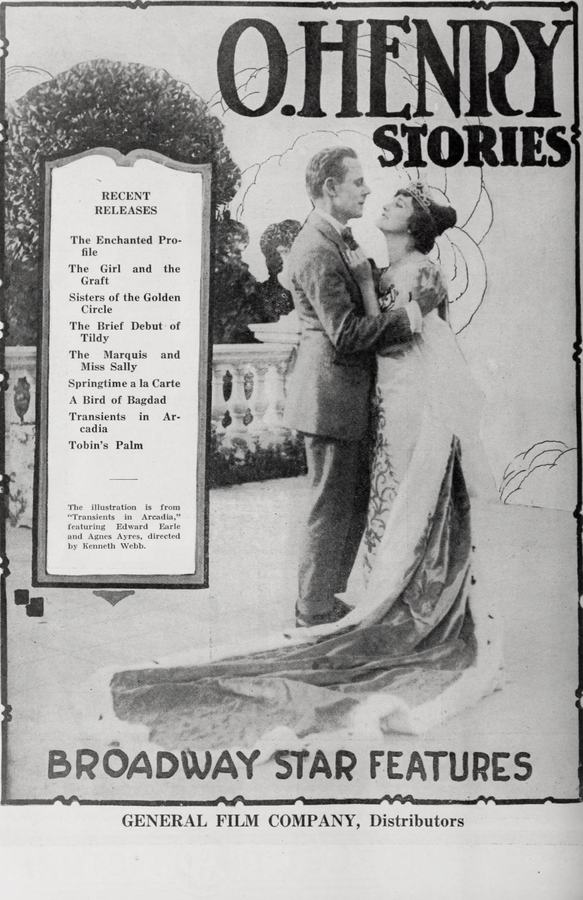
Dir: George Ridgwell
Two women are waitresses in a cheap restaurant. None of the male customers ever look Tildy's way, while Aileen is the recipient of many attentions. One day one of the customers, who has lost his job and imbibed too freely, hugs and kisses Tildy. She is so elated she cannot keep her secret; takes various steps to beautify herself, and sees visions of future happiness. After a lapse of a few days, the customer reappears and apologizes for his disgraceful conduct, and departs leaving the poor waitress almost broken-hearted.
View Details
Dir: George Ridgwell
Genevieve Connors, a girl of the slums, is taken to wealthy Mrs. Vanderbeck's country home for a week's vacation. Although neighbor Evelyn Carlisle refers to Genevieve as a "gutter brat," her cousin Dick takes an interest in Genevieve after he rescues her when her canoe overturns. He gathers water lilies for her and notes that their fragrance and purity have not been affected by the slime and mud clinging to their roots. Although he arranges for Genevieve to take a stenography course and promises her a position with his older brother Willard later, Mrs. Lawson, Evelyn's aunt, rudely turns her away. Dick, about to leave for the war, accidentally meets Genevieve again. He buys her water lilies, and sees that she is installed as Willard's secretary. Meanwhile, Mrs. Lawson's dissipated son Dwight knocks down a policeman during a gambling raid and, thinking him dead, hides out. After Genevieve receives a note from Dwight asking for clothes and money, Mrs. Lawson suspiciously pursues her, but Dick follows and proves Genevieve's innocence.
View Details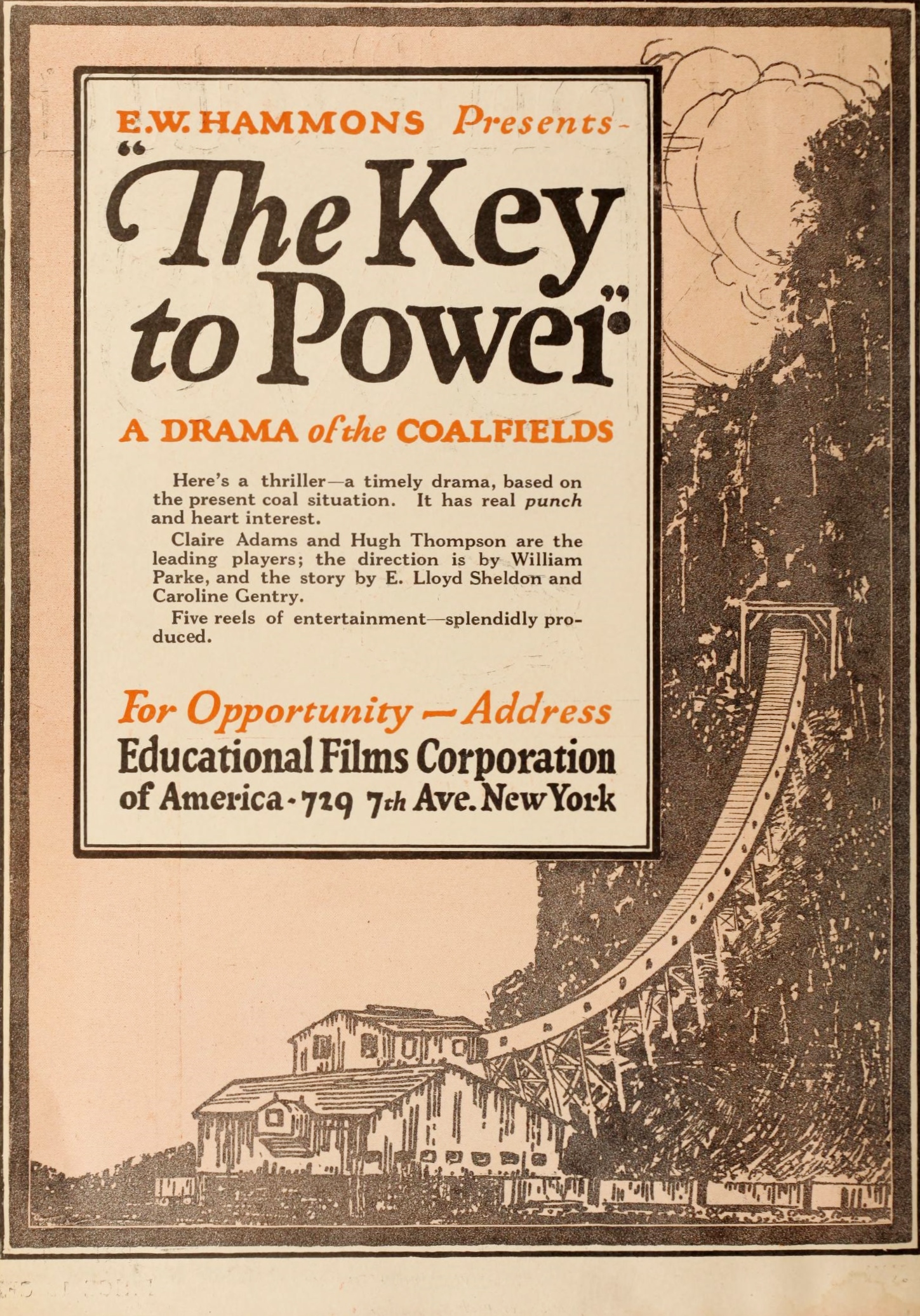
Dir: William Parke
Bruce Wendell, the son of West Virginia coal mine owner James Wendell, graduates from West Point and prepares to lead a fighting unit to the front during World War I. As his father lies dying, however, he convinces Bruce to remain at home and guard the mine. Bruce's fiancée Ann Blair assumes that he is a coward and breaks off their engagement, but her brother Bobbie remains Bruce's loyal friend. Meyer, a German agent, persuades railroad president Parrish to refuse to transport Wendell's coal, but when Bruce adamantly refuses to close the mine, the spy's men decide to blow it up. While Ann is being abducted by Meyer, Bobbie is buried in an explosion at the mine. Bruce rescues Bobbie and then sends a plea to Lieutenant Parrish to rescue Ann. Meyer and his gang are captured and Ann renews her vow of love to Bruce.
View Details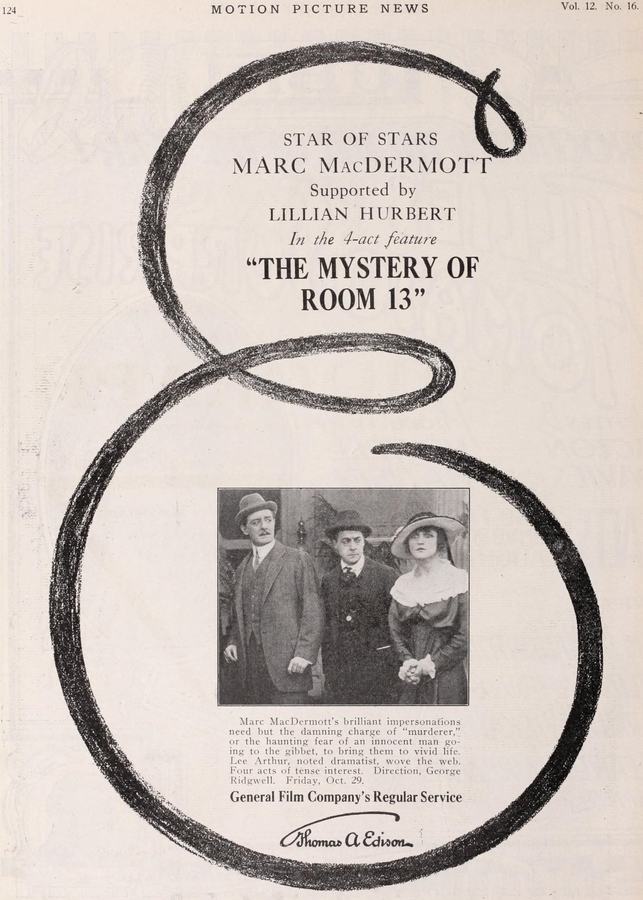
Dir: George Ridgwell
Count Giuseppe Rizzo, pressed by his creditors, marries June Baxter, heiress to a large fortune, for her money. As the wedding party emerges from the church, Phillipa Garrie, once mistress to the Count, but now cast aside, attempts to stab him. Humiliated, and realizing a. side of the Count's nature unknown to her, June secludes herself in her home and orders him out of her sight. To avoid notoriety, she leaves town to take up her home near the site of the plant left her by her father. Together, with Clay Foster, superintendent of the plant, she devotes her time to the welfare of her workmen. By threats of creating public scandal, the Count blackmails June, compelling the payments of large sums of money. As their work at the plant draws them closer together, the seeds of love take root within the breast of Clay Foster and with them a deep hatred for the Count, who refuses to give June a divorce. After a while, however, hard pressed by his creditors, and a heavy loser at gambling, the Count agrees to grant her a divorce if June will make a settlement upon him. June, determined, leaves for New York, and registers at the Count's hotel. Unbeknown to June, Clay Foster follows her to protect her from harm. The Count's demands upon June are staggering and she refuses to comply with them. The Count is enraged and June saves herself only by her presence of mind. Clay Foster enters the scene, and threatens to kill the Count if he does June any bodily harm. Adventure and complication follow each other in quick succession. Thirteen, the number on the door of .the Count's room in the hotel, has begun to cast its spell about. That night, the Count is murdered. Suspicion falls upon Clay, and he is arrested for the murder. Yet, as the numerous complications begin to untangle themselves, we find that the Count was killed, not by June, because of her fear of him alive; not by Clay, because of his hatred for him; not by Phillipa, because he had blighted her life; nor by Antonio, her father, who had sworn to take vengeance, but by one with no personal ties, urged on merely by the sight of the Count's winnings that night, and cursed by the awful spell, unable to escape the talons of number thirteen.
View Details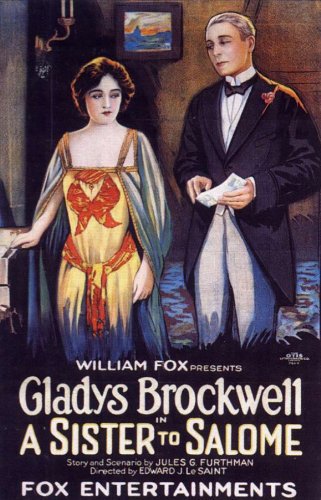
Dir: Edward LeSaint
When famous opera singer Elinore Duane undergoes an operation on her throat, she has a series of ether-induced visions. In one, she is transported to ancient Rome where she appears as a much-admired woman in love with Paul, a young heretic, and at odds with Lutor, the high priest. To save her love, she poisons Lutor with her ring. After several other visions which involve variations on this love triangle, Elinore awakens to discover that Lutor is actually her doctor, Sascha Jaccard, and that Paul is the son of a friend who has come to visit the recovering prima donna.
View Details
Dir: Robert N. Bradbury
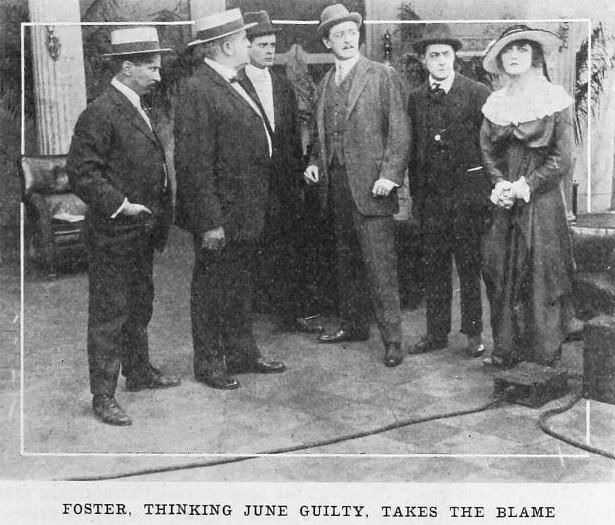
A simple country girl, brutally mistreated by her stepfather, awakens first the sympathy, then the love, of The Boy. The Spider, who lusts after The Girl, makes a bargain with the stepfather and takes her to the city where, kept prisoner, she is soon broken in health and spirit. Cast out and near death, she is taken in by The Boy. Following the demise of The Spider, The Boy takes her to church, where he prays, and after many hours she is restored to health.
View Details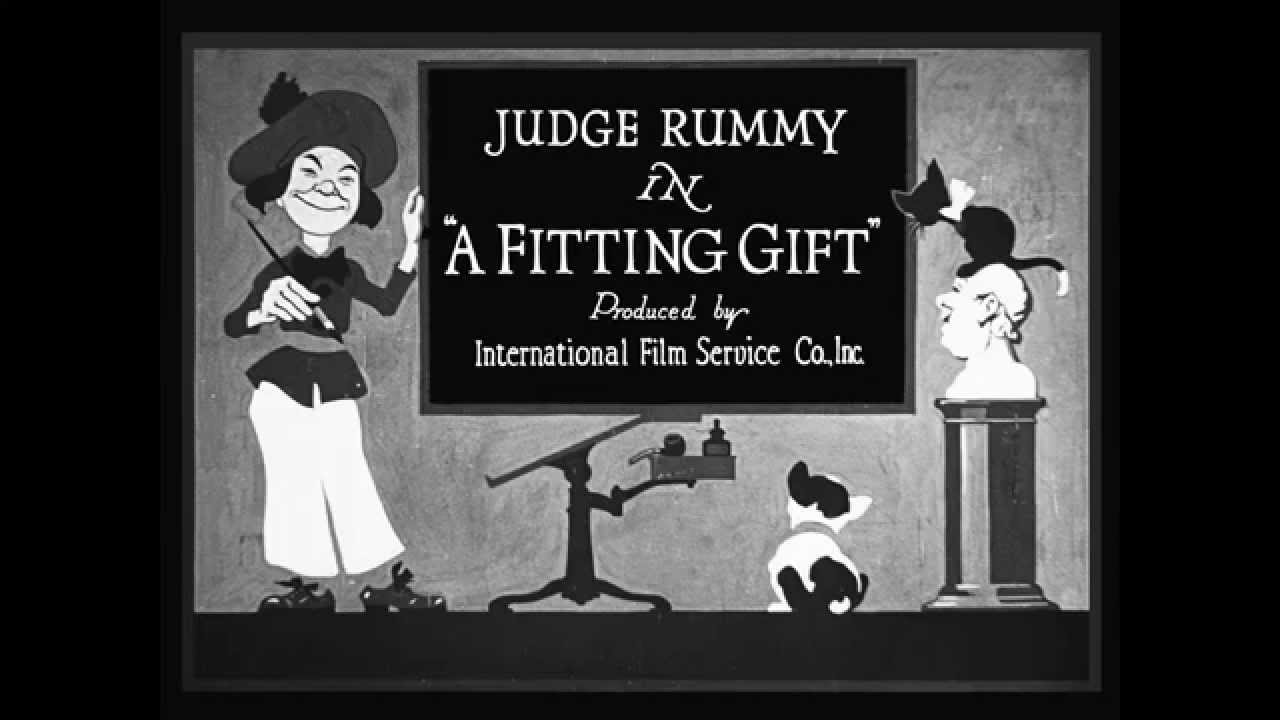
Dir: Unknown Director
The Judge needs a present for his wife's birthday, so Harry suggests a new corset. They go to the shop, but he's so embarrassed to ask the saleslady he hides in a phone booth.Harry goes in, but finds a GUY wearing one, and runs out.They both dress as women to get back in, but Mrs. Rummy gets there and chases him out.
View Details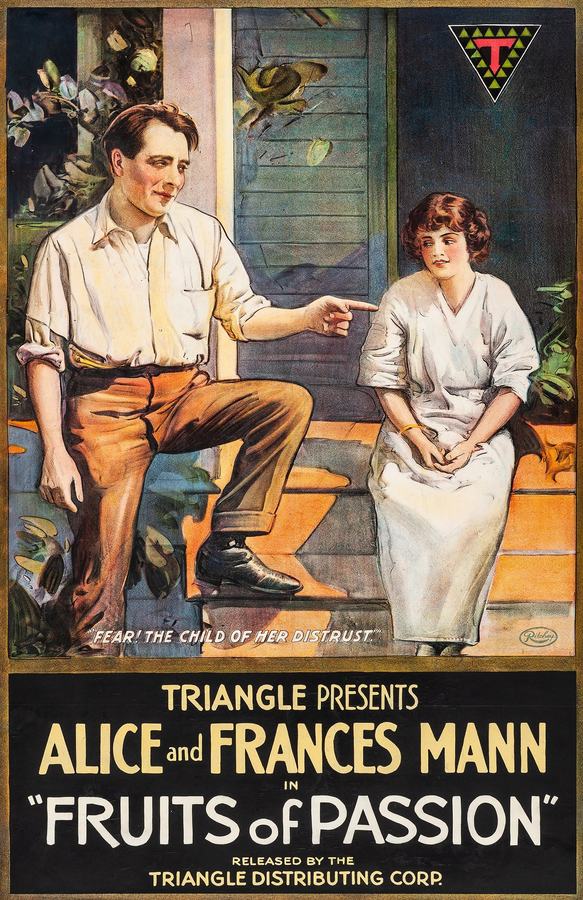
Dir: George Ridgwell
A fascinating piece of cinema that shares thematic elements.
View Details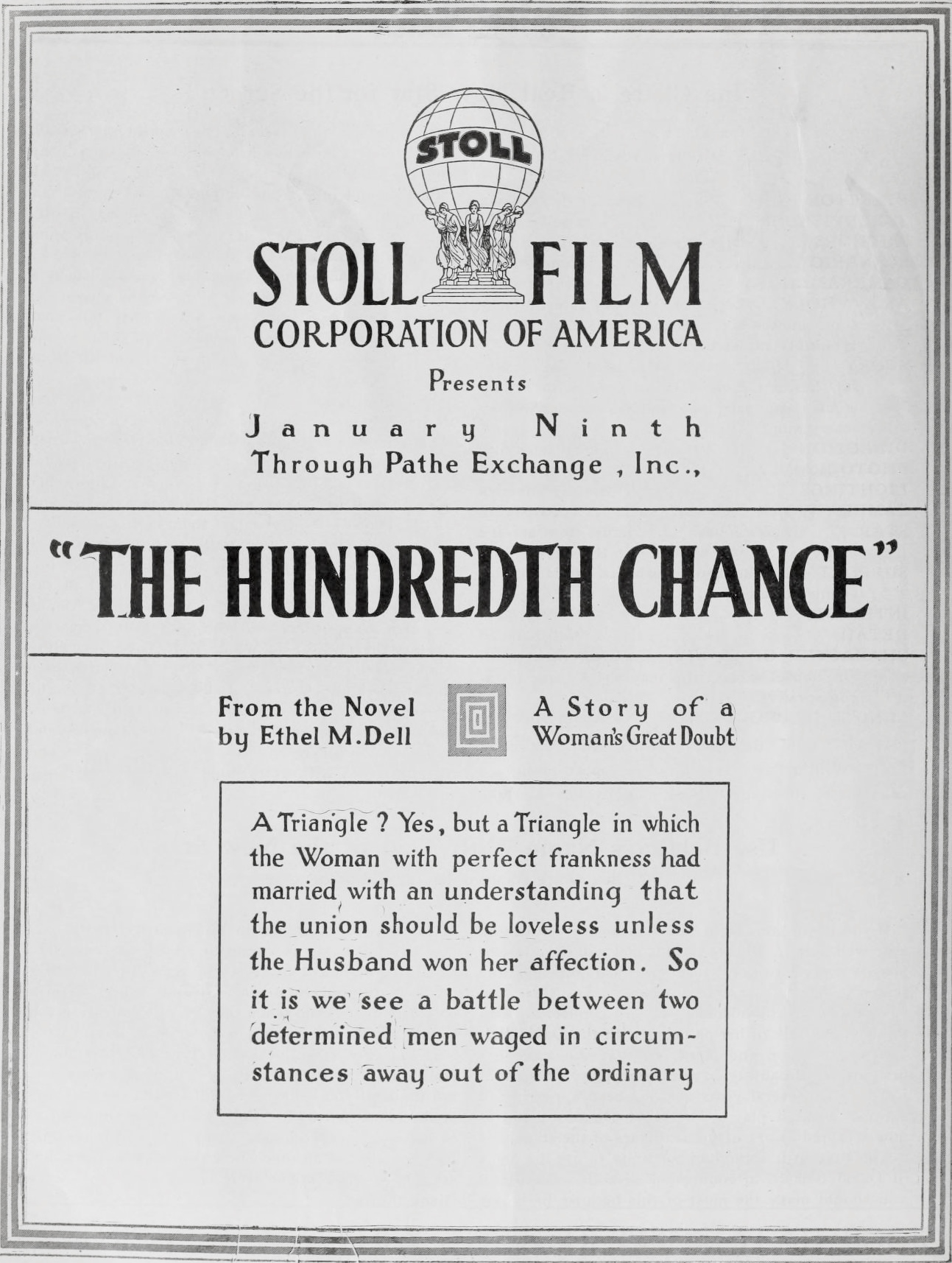
Dir: Maurice Elvey
A lady marries a horse trainer but withholds herself until her crippled brother is cured.
View Details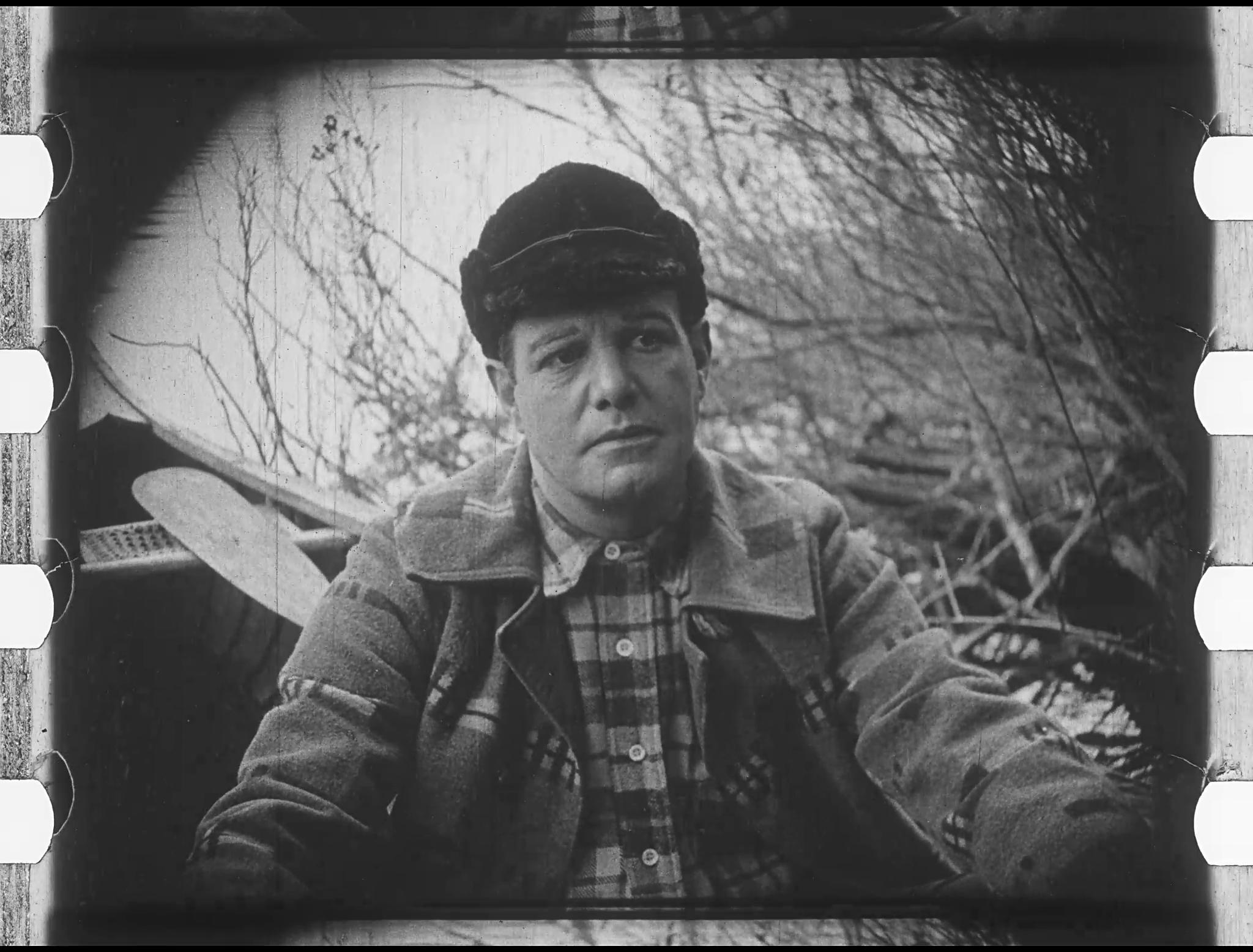
Dir: Edgar Jones
A mail-order bride arrives at a Maine lumber camp but doesn't like her prospective husband.
View DetailsAnalysis relative to The Final Problem
| Film Title | Atmosphere | Complexity | Similarity |
|---|---|---|---|
| The Brief Debut of Tildy | Ethereal | High | 96% Match |
| The Water Lily | Gritty | Dense | 94% Match |
| The Key to Power | Gritty | Dense | 91% Match |
| The Mystery of Room 13 | Surreal | Abstract | 92% Match |
| A Sister to Salome | Gothic | High | 88% Match |
This guide was algorithmically generated using the cinematic metadata of George Ridgwell's archive. Last updated: 6/12/2026.
Back to The Final Problem Details →