
DbcultAccessing Vault...
Recommendations
Senior Film Conservator
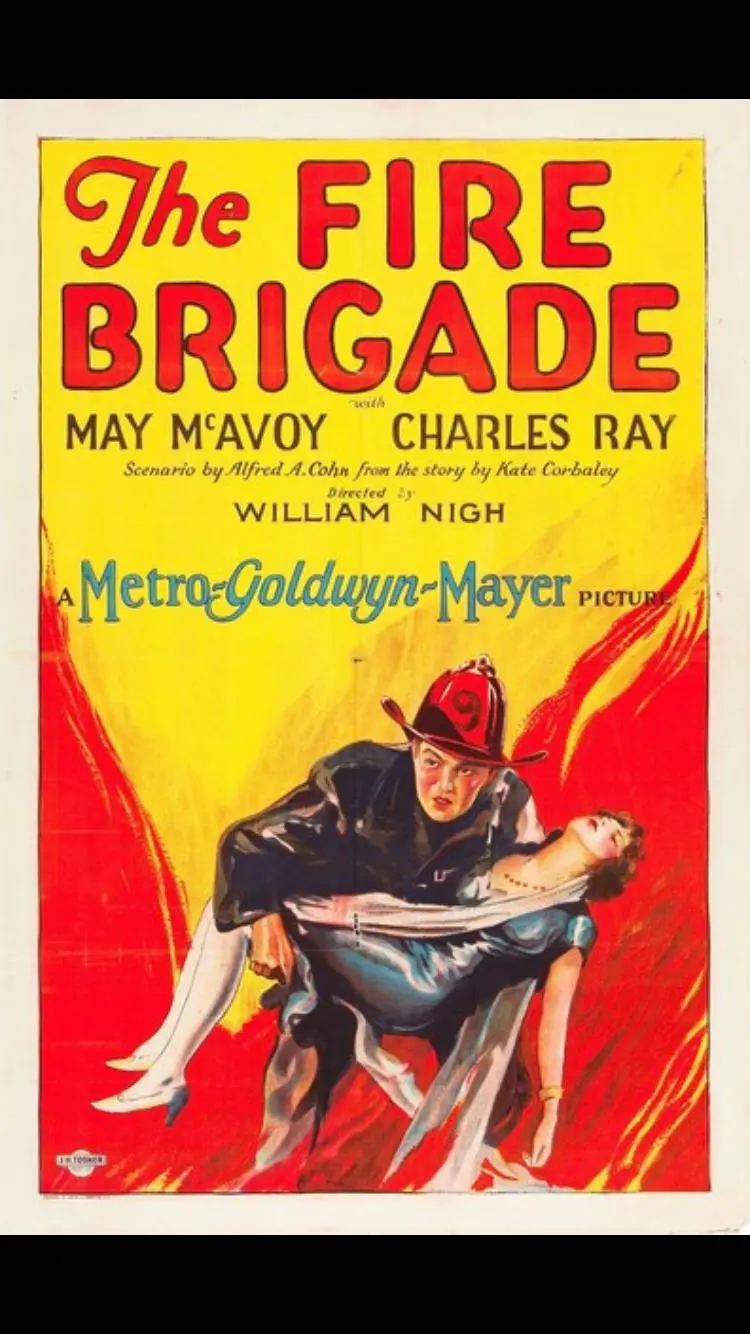
The artistic legacy of William Nigh was forever changed by The Fire Brigade, this Drama landmark continues to dictate the rules of its category. We've assembled a sequence of films that complement the tone of The Fire Brigade perfectly.
The vintage appeal of The Fire Brigade to maintain its cult relevance across several decades.
Terry O'Neill is the youngest of a family of Irish firefighters. He falls in love with Helen Corwin, but complications ensue when Terry learns that her father, a wealthy contractor, has cut costs by putting his buildings in danger of fire.
The Fire Brigade was a significant production in United States, showcasing the immense talent of Holmes Herbert, James Bradbury Sr., Bert Woodruff. It continues to be a top recommendation for anyone studying Drama history.
Based on the unique poignant storytelling of The Fire Brigade, our vault has identified these titles as the most compelling follow-up experiences for fans of Drama cinema:

Dir: William Nigh
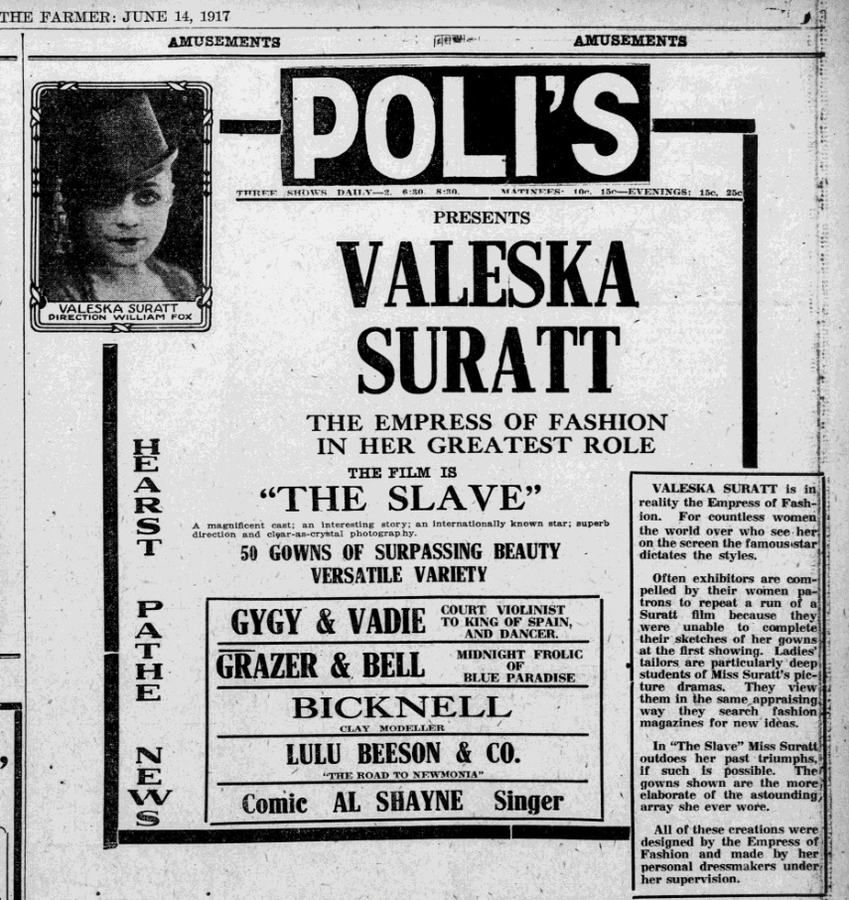
Caroline works at a hair dressing parlor. A wealthy man falls in love with her, takes her home and proposes to her. Caroline has a dream where she marries the man, who turns vicious and keeps her locked up in his mansion. He finally dies, and Caroline starts out having a good time with his money, but she sees the folly of her ways. She wakes up from the dream.
View Details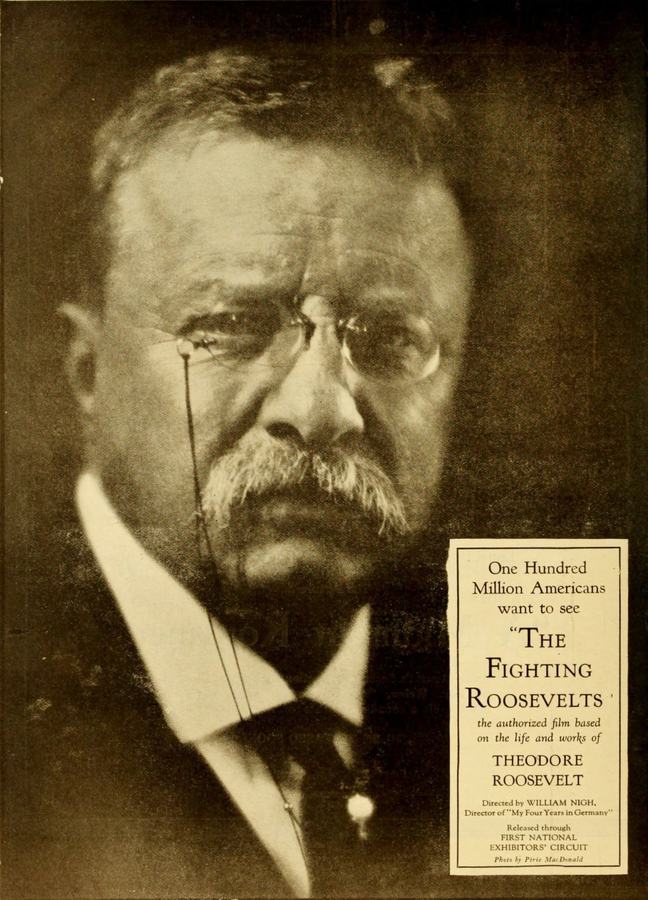
Dir: William Nigh
A dramatization of the life of Theodore Roosevelt leading up to his presidency of the United States. Included are depictions of his youth, his membership in the New York State Assembly, his days as a cowboy, police commissioner, Assistant Secretary of the Navy, and leader of the Rough Riders in the Spanish-American War.
View Details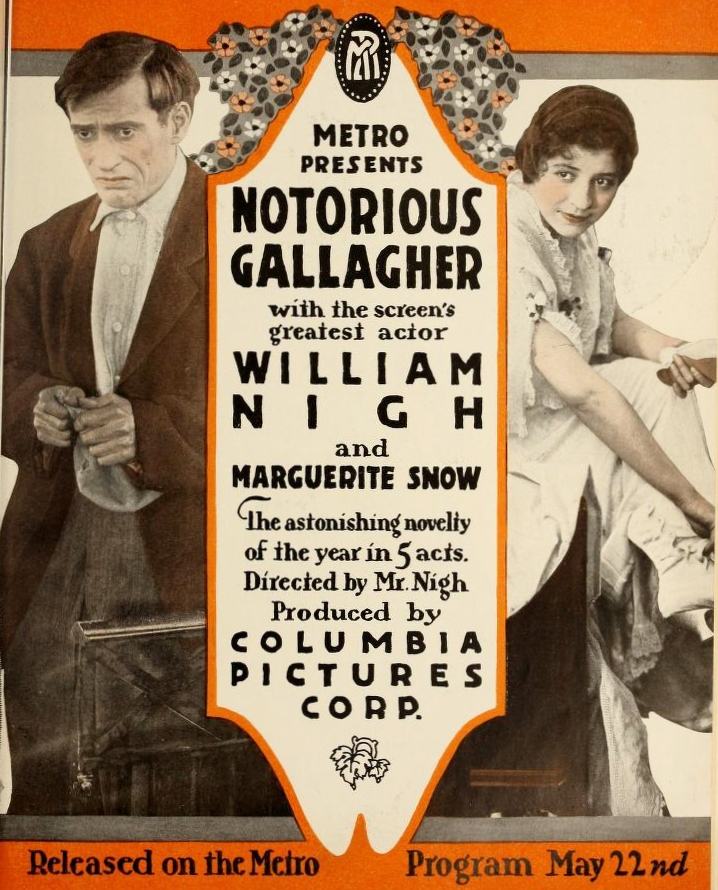
Dir: William Nigh
"Buttsy" Gallagher is a harmless young product of the slums. In all his life he has never been of the slightest importance. His spirit is so submerged that he has almost forgotten how to get angry. One night the gaiety going on in Judge Winters' home attracts him, and he crouches on the fire-escape to watch it. He becomes interested in the Judge, in his pretty daughter Peggy, in her cousin Flo, in Flo's admirer, the Count, and in Bob Ewing, a struggling young lawyer. Then he falls asleep on the fire-escape. Peggy is fascinated with the Count and decides to cut Flo out, if she can. She consents to meet him in the drawing-room after the household is asleep. Scarcely are they concealed in the window niche when the house is burglarized. "Frank the Mex" and "Lefty Jake," securing their booty, pass through Flo's room when Flo awakens and screams. A servant who runs to see what is wrong is killed, and the crooks escape through the window, where "Buttsy" is lying asleep. They roll him over into the room. "Buttsy" is arrested as the murderer. "Buttsy" finds himself suddenly famous. Women send him flowers. Great men argue about his case. The people in his home alley decide that he has more in him than they thought. Peggy, who was hidden in the other window and who knows that he is not the murderer, does not dare speak for fear of injuring her reputation. Bob Ewing takes up the case. He is sure "Buttsy" is not guilty, and finally makes Peggy tell what she knows. Her father, Judge Winters, makes her marry the Count. "Buttsy" is given a new trial and is released under a five-year probationary sentence for having committed perjury. He has "confessed" to the murder, delighted at having so much attention. Brought into prominence by "Buttsy's" trial, Bob is engaged by a firm of unprincipled men to condemn and take over for a reservoir some land belonging to Judge Winters and some farmers in his old home town. The two crooks, "The Mex" and "Lefty," are hired, and bind and gag the Judge when he tries to fight the matter in the town council. Peggy and the Count, who follow, are about to meet the same fate, when "Buttsy" intervenes. He has left the city because it is not interested in him except as a criminal. The Judge accuses him of being mixed up in the conspiracy and his long-buried spark of anger flames forth. He puts up the fight of his life. He and the Count turn on the hobos, and "The Mex," the slayer of the servant, is mortally wounded, confessing just before he dies. Flo gives Bob a piece of her mind. She tells him exactly what she thinks of him for having turned traitor to her uncle's interests in such a cowardly fashion. She rouses the sleeping manhood within him. He goes to the council meeting and argues, not against the Judge, but for him, winning the case. Flo forgives him, and they are married. Peggy cannot help admiring the Count's valor when she sees him fighting the crooks, and thereafter the marriage is a real one, as for "Buttsy" he sees again the girl known in his tenement home as "The Pest." Now she is a lovely young woman. She has become a trained nurse and he asks her to be his own private nurse as long as he lives.
View Details
Dir: William Nigh
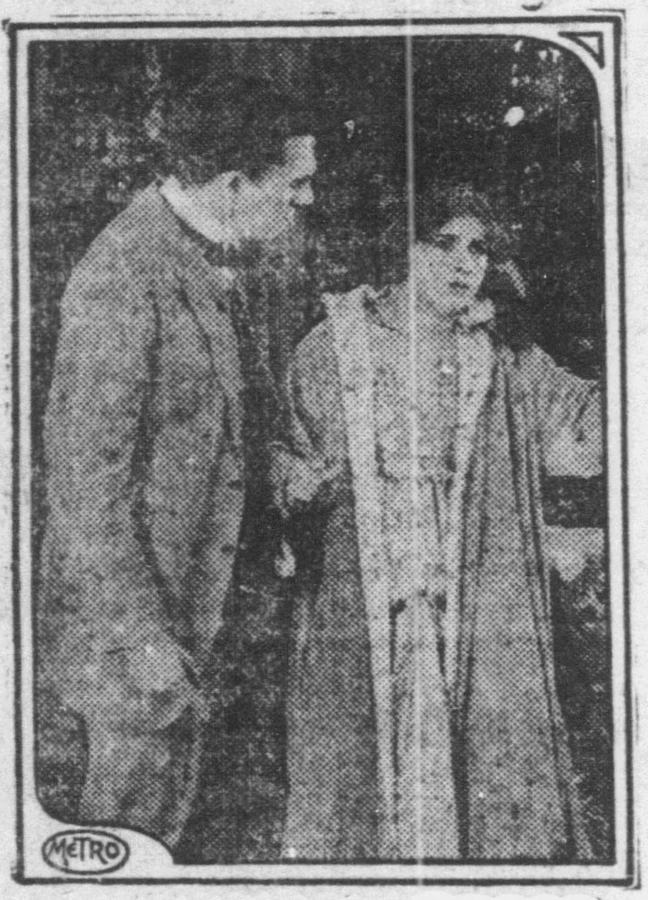
Alita, a child who has been left in the care of Mr. and Mrs. Putnam in a desolate swamp country, reaches the age when she is to be prepared for the world, and the Putnams send word to Judge Gates, her guardian, to come for her. Her life has been spent in the swamps with a half-witted boy, "Weird Willie," and many animals and birds of that country, as her only playmates. Judge Gates receives the letter at his bachelor apartment, which he shares with a younger friend and companion, Bob Stange. Through the accidental dropping of a marriage license the Judge discovers that Bob is about to become a benedict, despite the fact that they had a compact never to marry, on the theory that all women are deceitful. The Judge recounts a story about one ill-fated marriage that ended in the divorce courts, in which the real tragedy was the little baby which no one seemed to want. Bob turns a deaf ear to this and leaves in anger. Constance, the one woman Bob has idealized, is older than he. She plays upon his sympathies by telling of her hard work as a dressmaker, when, in reality, she is leading a dual life, and only wants Bob for his money. She is carrying on a liaison with a Calvin Baker, a man about town, and he is calling on her when Bob arrives and tells her a minister is on the way to marry them. Baker hides behind the screen and listens. Bob tells Constance that he has invited his best friend, Judge Gates, to the ceremony. When Constance hears this name she is startled and insists on the ceremony being hurried. The marriage is performed as the Judge arrives. He recognizes Constance as the one who has ruined his own and his best friend's life. He denounces her, and Bob realizes her perfidy when he finds Baker hidden in the room. Bob and the Judge leave, and go away for a fishing trip, hoping to forget. In the country Bob comes upon Alita, and through a strange chain of circumstances, she is slightly wounded by a shot which her constant protector, "Weird Willie," intended for Bob. Alita falls in love with Bob, for he is the first man she has come in contact with. The Judge decides to take Alita away. Judge Gates puts Alita in charge of a professor to educate her, but she proves, through her hoydenish ways, a source of annoyance to the teacher. Bob receives a letter from his sister, telling him she has found the right girl for him at a summer hotel, where she is stopping. The Judge buys an extensive wardrobe for Alita, and by chance, they go to the same hotel for which Bob is bound. Bob is startled when his sister leads him into the presence of Constance. Alita meets Constance and the girl is attracted to her. The Judge finds them together and afterwards upbraids Constance. Alita and Bob meet again. Bob goes to Constance, begs her to release him, and to grant him a divorce. The Judge sees Bob enter her room and follows. Alita waits until they leave. She goes to Constance and asks her if she knew Bob before. Constance tells her the truth. Alita leaves all, and goes back to the swamp country. She cannot face the Putnams, so she runs into the fields instead, where she wishes to die. After Alita leaves Judge Gates tells Constance that Alita is her child. Constance's better nature is aroused and she goes in search of her daughter. Bob and the Judge follow. Constance agrees with the Judge that it is best not to tell Alita the truth, and when Bob and "Weird Willie" find Alita in the swamps, Constance wanders away to her death that Bob may be free to marry the child she has wronged.
View Details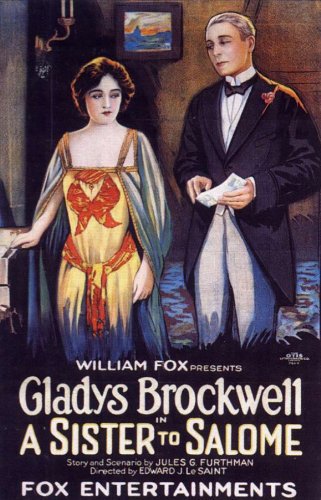
Dir: Edward LeSaint
When famous opera singer Elinore Duane undergoes an operation on her throat, she has a series of ether-induced visions. In one, she is transported to ancient Rome where she appears as a much-admired woman in love with Paul, a young heretic, and at odds with Lutor, the high priest. To save her love, she poisons Lutor with her ring. After several other visions which involve variations on this love triangle, Elinore awakens to discover that Lutor is actually her doctor, Sascha Jaccard, and that Paul is the son of a friend who has come to visit the recovering prima donna.
View Details
Dir: William Nigh
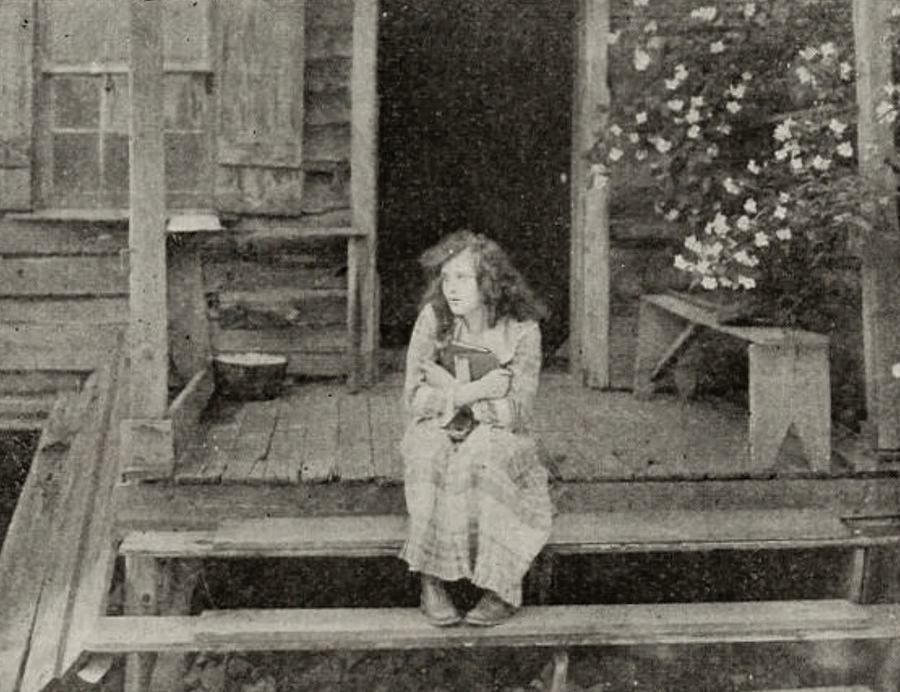
Mary Bruce is wooed by Lord Haverford but loves Roger Benton, her father's secretary. To finalize his marriage proposal, Lord Haverford offers her father a large sum of money and, being low on funds, Mr. Bruce accepts it, then places it in a safe. Horrified by her father's actions, Mary steals the cash from the safe that night, but on her way out is overcome by another thief whose wrist she bites in the ensuing tussle. When the theft is discovered, Mary, Benton and Mr. Bruce are suspected, but Dr. Steele, a detective, convinces Mary that Haverford, or the man who calls himself Haverford, is the actual thief. Steele tells how the phony Haverford attempted to kill the real one, stole his money, assumed his identity and is now extorting cash from Bruce. With the bitten wrist as proof, Steele exposes the impostor, then reveals himself to be the real Lord Haverford, whose sweetheart has been posing as the Bruces' maid. The mystery resolved, Mary and Benton happily reunite.
View Details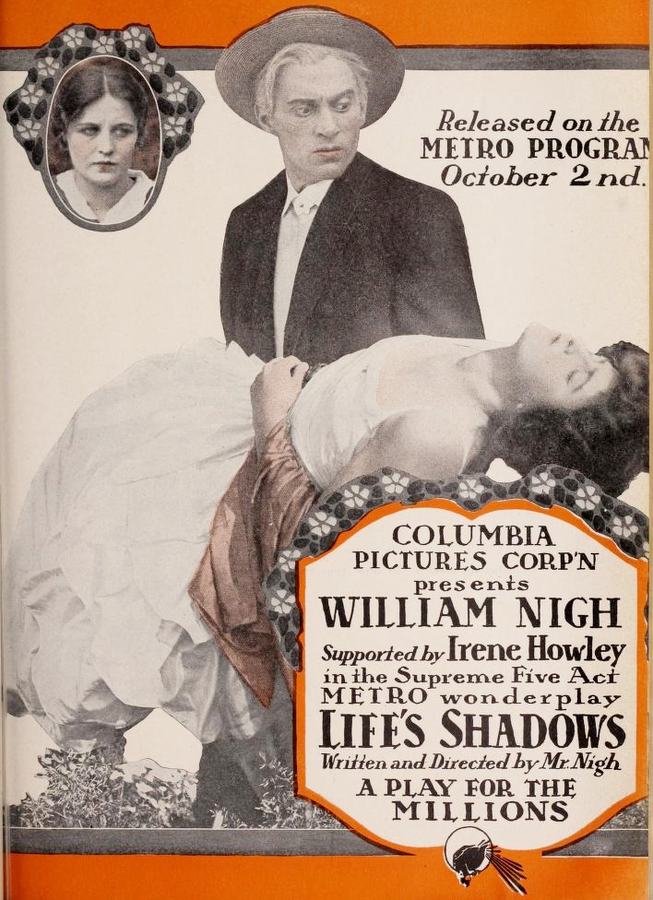
Dir: William Nigh
The townspeople of Purity despise Martin Bradley because of his heavy drinking, but he still does his best to make life better for the town. He helps to support two women who have been socially ostracized by the townspeople, and during the election campaign for mayor, exposes the corruption and dirty tricks of candidate James Durkel, resulting in the election of his opponent Chester Thorndyke. However, the voters of Purity insist that Thorndyake disavow his ties to Bradley, whom they regard as disreputable.
View Details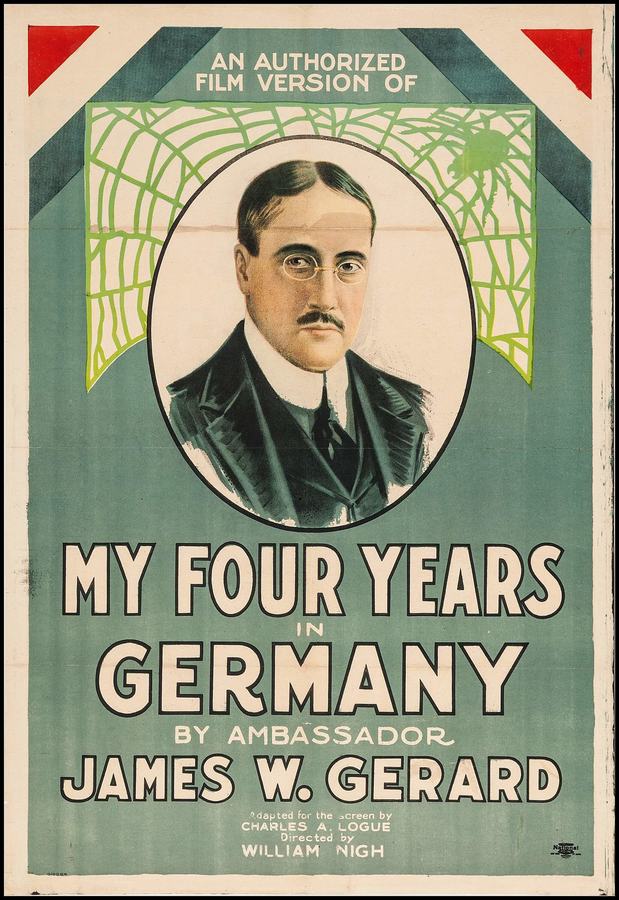
Dir: William Nigh
The experiences of the American ambassador to Germany, James Gerard, are recounted in this semi-documentary.
View Details
Dir: William Nigh
When Count Peter Turgeneff, his daughter Nadia, and his generous-hearted son Paul came to live in the Governor's palace in the Russian province of Valogda, there was rejoicing among the oppressed race whose home was in the Ghetto. Turgeneff was known as a just and merciful man who had done much to make the hard lot of the Jews bearable in the districts under his charge. Hence his coming was hailed with joy by Isaac, prophet of Israel, and his people. Quite other feelings did his arrival create in the breast of Michael Orzoff, the grim Prefect of Police of Valogda, who sat in his office in the fortress and received the reports of the secret agents of the Czar. It was known that Orzoff was the secret power behind the dreaded "Yellow Jackets," the dire organization whose avowed object was the extermination of the people of Israel. There seemed no help. The Prefect's influence reached far, even into the high places in far-off Petrograd. Even women, provided they were fair to look upon, found their sex no protection from his infamy. For all these reasons the coming of Count Turgeneff to Valogda was not at all to Orzoff's liking. Soon after his coming Orzoff learned two things: one was that the new governor had pledged his help to the Jews, and the other that his daughter Nadia was one of the most beautiful women he had ever seen and quite as ardent as her father in her support of the oppressed race. To think was to act with Orzoff. The governor was strong, but not more strong than he. In the high places in Petrograd, whence both received authority, the Prefect held the more power. In Russia the police are all powerful. The Count menaced Orzoff, for already word had been brought to the Governor, as Orzoff well knew, that the Prefect was the secret driving force behind the evil "Yellow Jackets." So Orzoff laid his plan. With his countless agents provocateurs and secret minions in the "Yellow Jackets," daring as that plan was, he felt it could not fail. On the night of the grand ball at the Governor's palace, the plan was consummated. Thither had come, at Nadia's urging. Isaac, chief of the Jews of the Ghetto, and Leah, the lovely daughter of old Samuels the cobbler, whose honor had been stained by the rude lust of Orzoff, with many others, there to accuse the Prefect face to face of the wrongs with which he had burdened them. But they did not reckon with the Prefect's plan. Suddenly there had been a cry without a rush of many feet and a frenzied mob had burst in among the guests of the Governor. "Death to the Jews," was their rallying cry. Then came Orzoff's own uniformed men and dispersed the rioters, but not before an assassin's bullet had found a resting place in the heart of Count Turgeneff. Nor did Orzoff stop there. Secure in his influence at Petrograd, he directed his men to seize the weeping Nadia, her brother Paul, and Isaac the Jew, and imprison them in the fortress under a charge of treason. And there on the day following he found a way to wreak his evil will upon the girl. The Prefect came to her in the cell, where she passed the night. He bent over her menacingly as she sat on the stone seat that had formed her couch. "You will give yourself to me," he said abruptly, "or your brother shall suffer the torture by fire ere he goes to Siberia." The as Nadia, in contempt and loathing, struck at him in the half-darkness he added, "Listen, and you shall hear for yourself; only your promised work can stop this pain."
View Details
Dir: Edgar Jones
A mail-order bride arrives at a Maine lumber camp but doesn't like her prospective husband.
View DetailsAnalysis relative to The Fire Brigade
| Film Title | Atmosphere | Complexity | Similarity |
|---|---|---|---|
| The Slave | Ethereal | Layered | 91% Match |
| The Fighting Roosevelts | Gritty | Layered | 85% Match |
| Notorious Gallagher; or, His Great Triumph | Gothic | Linear | 97% Match |
| The Child of Destiny | Surreal | Linear | 93% Match |
| A Sister to Salome | Gothic | High | 88% Match |
This guide was algorithmically generated using the cinematic metadata of William Nigh's archive. Last updated: 8/16/2026.
Back to The Fire Brigade Details →