
DbcultAccessing Vault...
Recommendations
Senior Film Conservator

Navigating the complex narrative architecture of The Flag: A Story Inspired by the Tradition of Betsy Ross is a poignant storytelling experience, the emotional payoff of the 1927 classic is what fans crave in similar titles. The following gems are essential viewing for anyone captivated by The Flag: A Story Inspired by the Tradition of Betsy Ross.
The artistic audacity of The Flag: A Story Inspired by the Tradition of Betsy Ross ensures it to define the very concept of poignant storytelling in modern film.
George Washington, commander of revolutionary American forces, ends a squabble among the colonies as to under which flag the Americans will fight the British by recommending a new flag for all the colonies. He asks Betsy Ross to design and create the first flag. Meanwhile, British officer Brandon has crossed enemy lines in order to secretly visit his wife, who boards in the same house as Betsy Ross. Ross helps Mrs. Brandon hide her husband, but then Washington himself discovers the hidden enemy and must decide whether love or the rules of war shall prevail.
The influence of Arthur Maude in The Flag: A Story Inspired by the Tradition of Betsy Ross can be felt in the way modern Short films handle poignant storytelling. From the specific lighting choices to the pacing, this 1927 release set a high bar for atmospheric immersion.
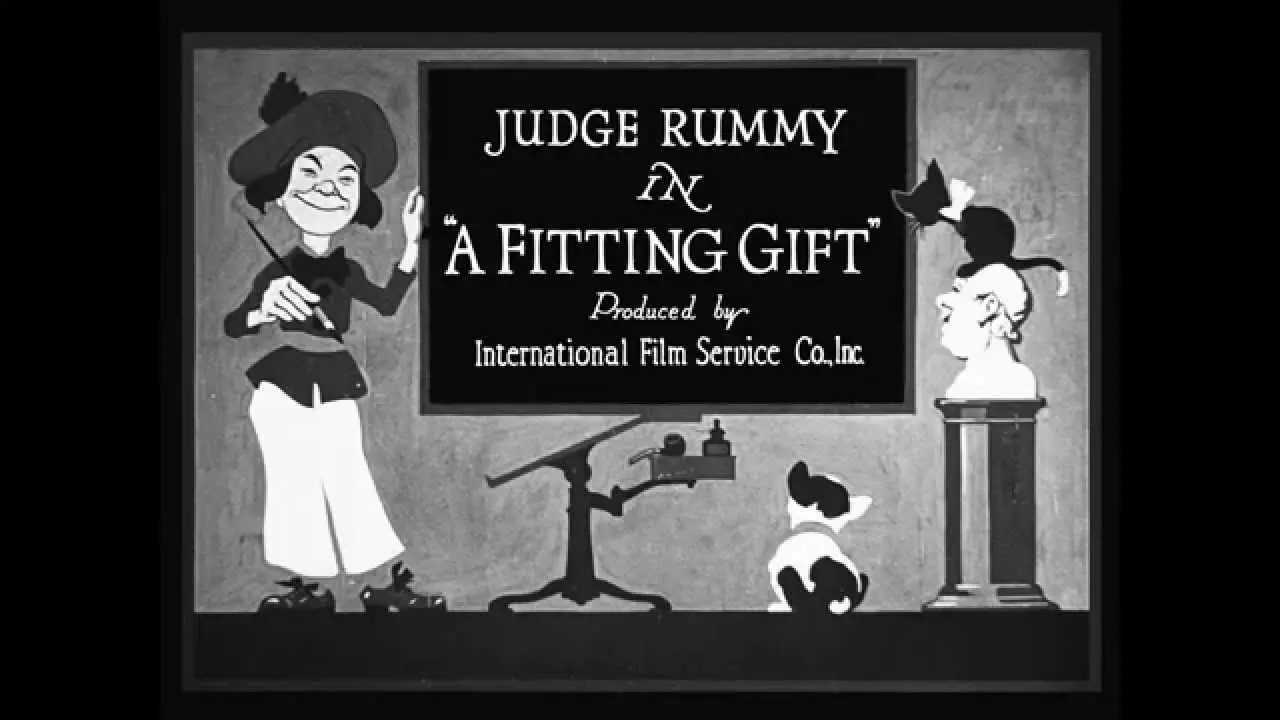
Based on the unique poignant storytelling of The Flag: A Story Inspired by the Tradition of Betsy Ross, our vault has identified these titles as the most compelling follow-up experiences for fans of Short cinema:
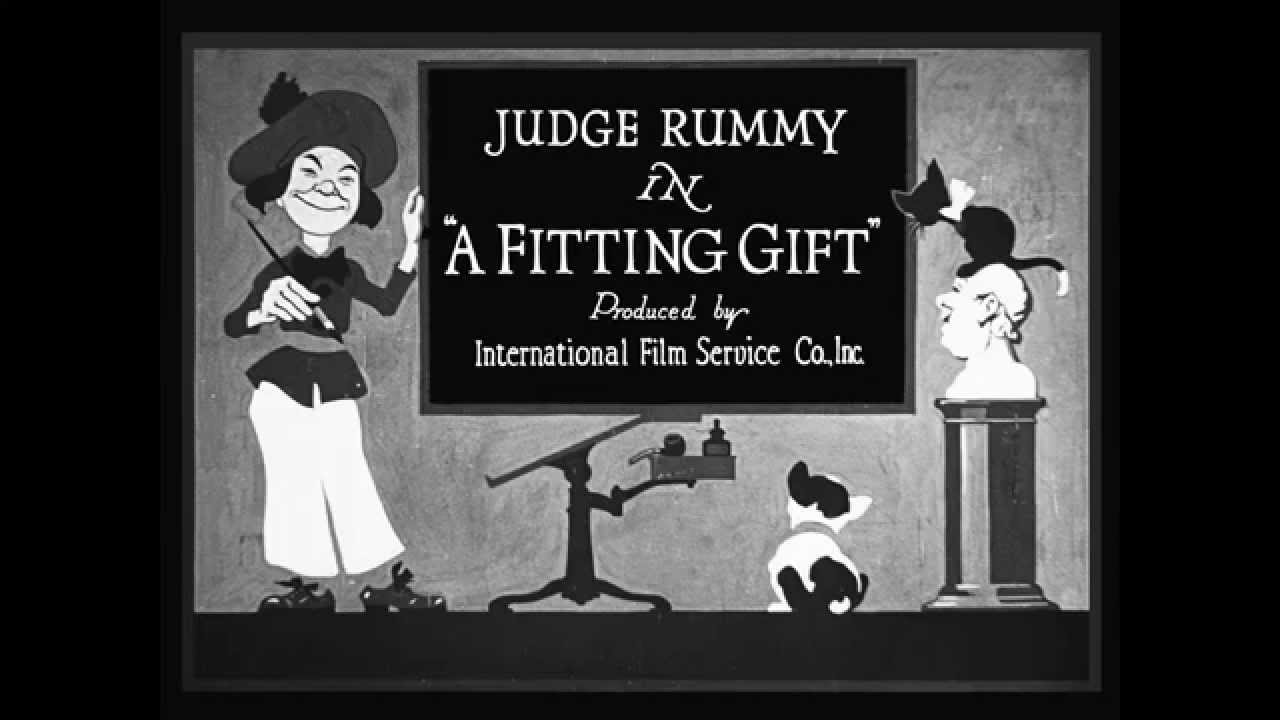
Dir: Unknown Director
The Judge needs a present for his wife's birthday, so Harry suggests a new corset. They go to the shop, but he's so embarrassed to ask the saleslady he hides in a phone booth.Harry goes in, but finds a GUY wearing one, and runs out.They both dress as women to get back in, but Mrs. Rummy gets there and chases him out.
View Details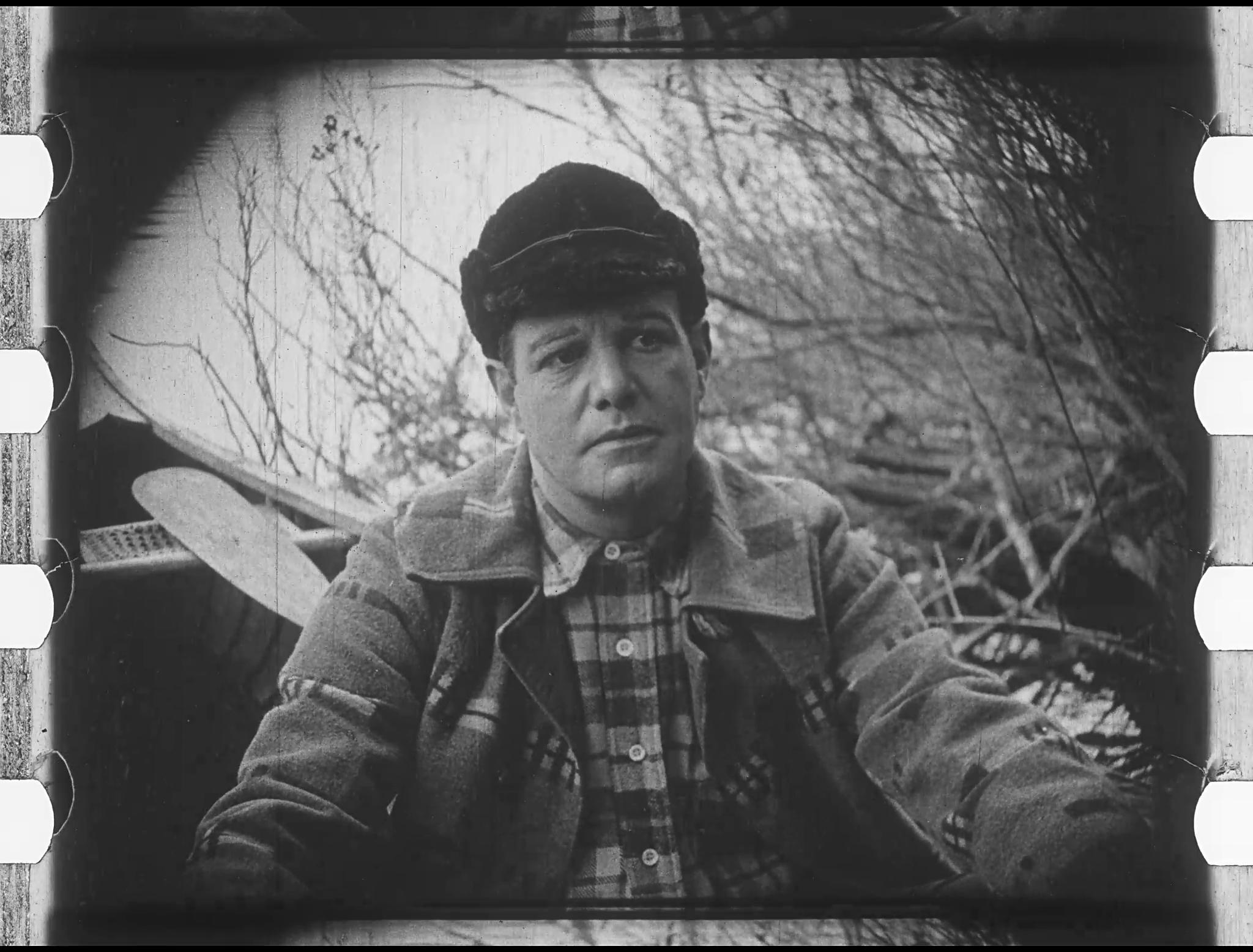
Dir: Edgar Jones
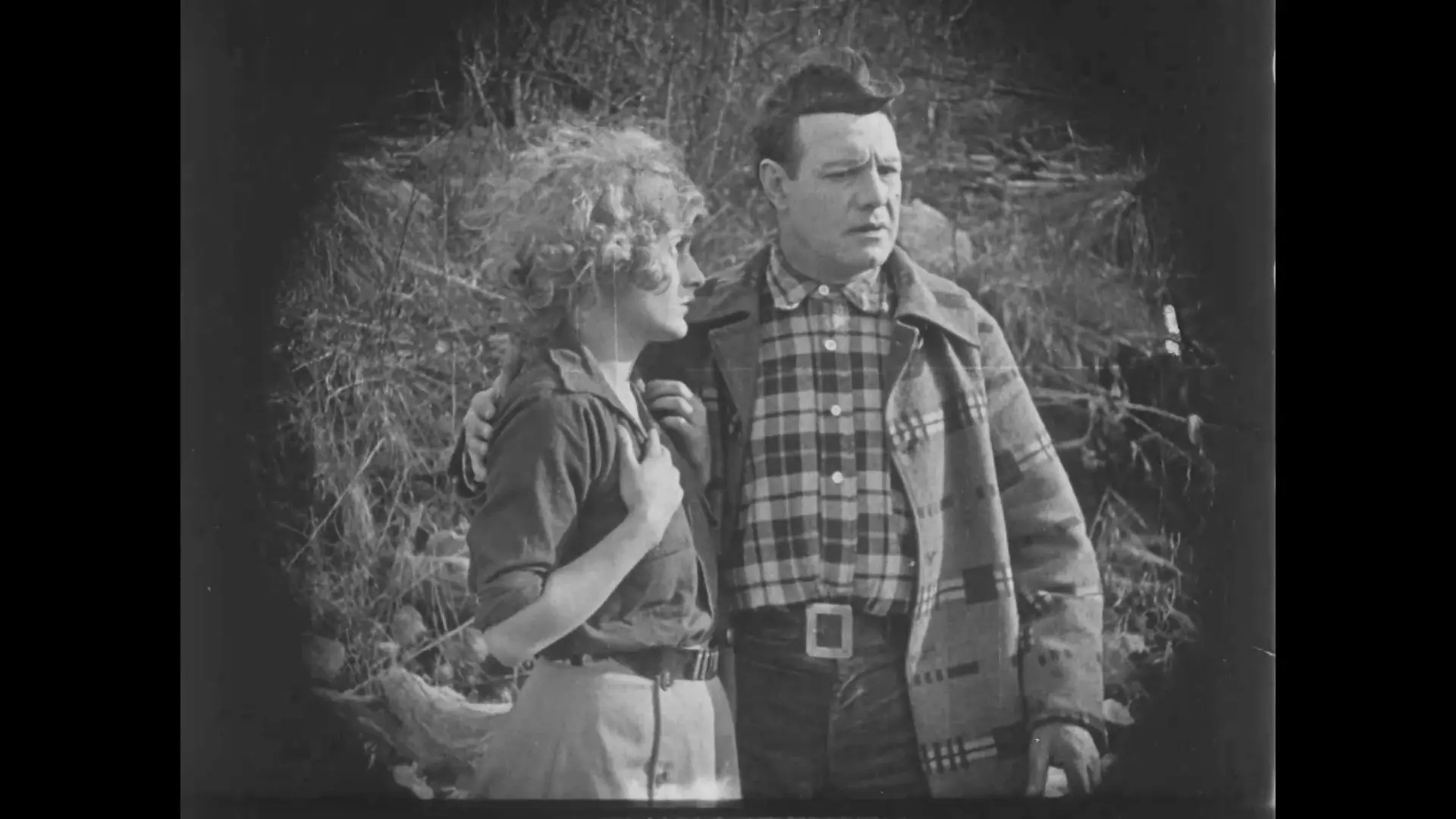
A mail-order bride arrives at a Maine lumber camp but doesn't like her prospective husband.
View Details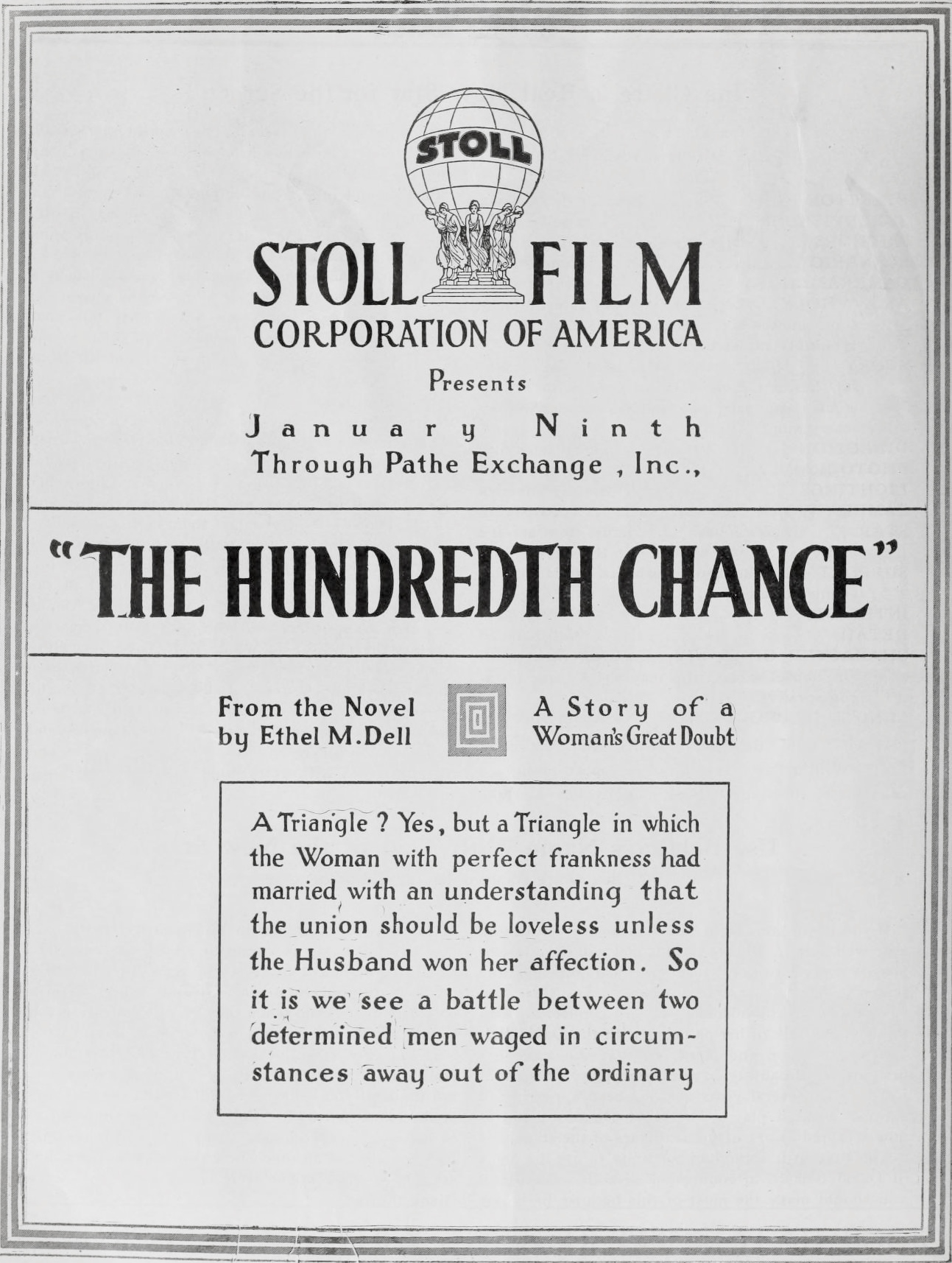
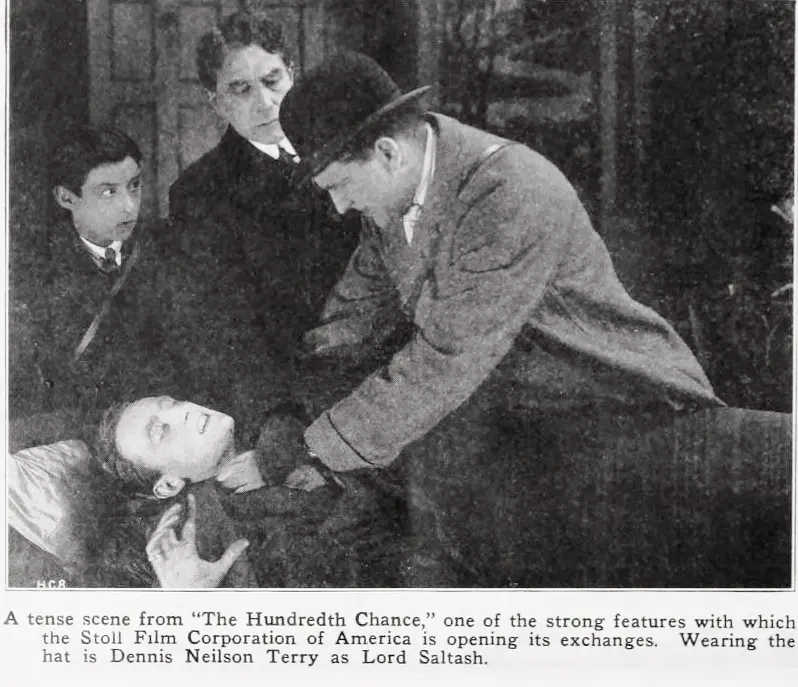
Dir: Maurice Elvey
A lady marries a horse trainer but withholds herself until her crippled brother is cured.
View Details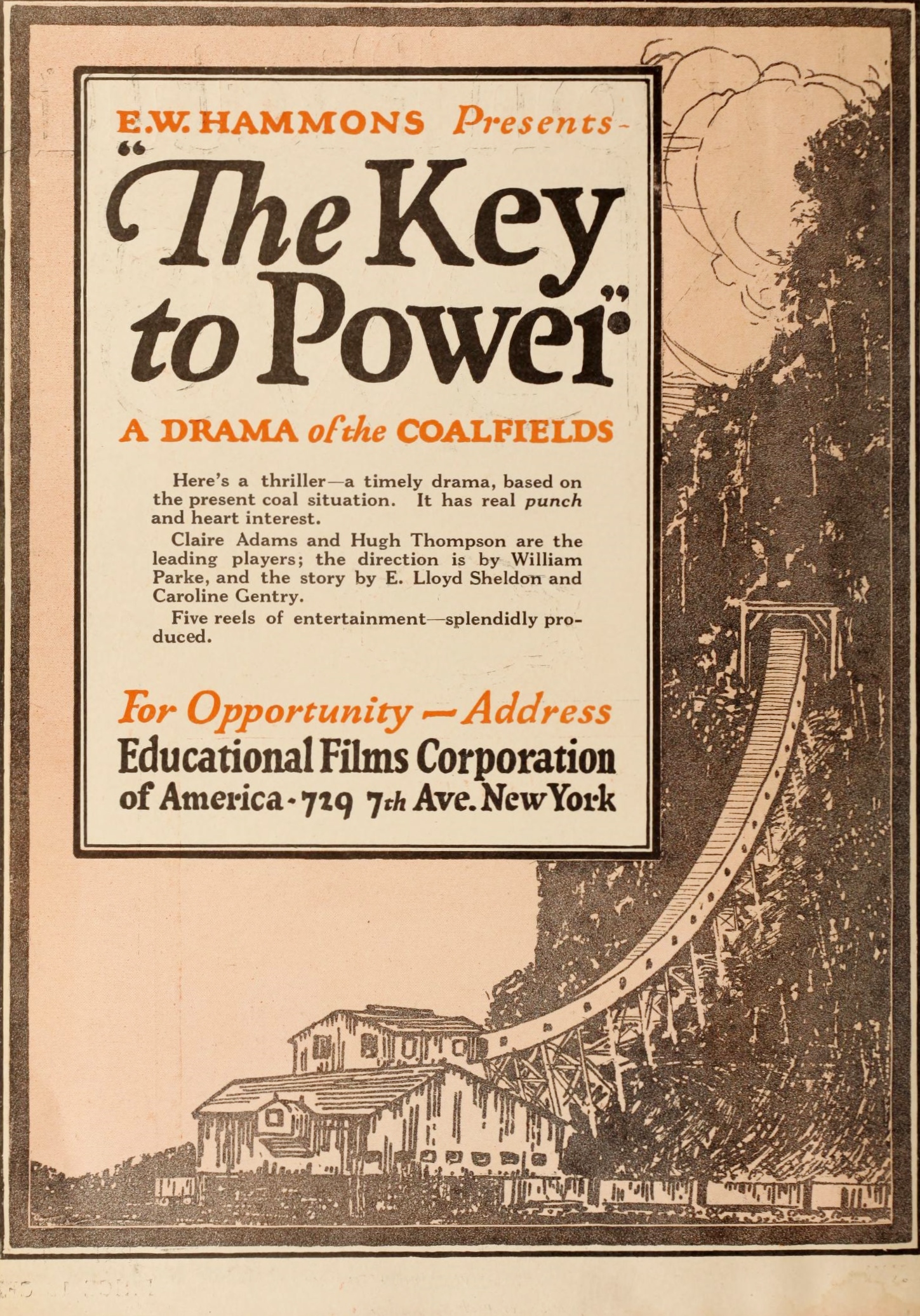
Dir: William Parke
Bruce Wendell, the son of West Virginia coal mine owner James Wendell, graduates from West Point and prepares to lead a fighting unit to the front during World War I. As his father lies dying, however, he convinces Bruce to remain at home and guard the mine. Bruce's fiancée Ann Blair assumes that he is a coward and breaks off their engagement, but her brother Bobbie remains Bruce's loyal friend. Meyer, a German agent, persuades railroad president Parrish to refuse to transport Wendell's coal, but when Bruce adamantly refuses to close the mine, the spy's men decide to blow it up. While Ann is being abducted by Meyer, Bobbie is buried in an explosion at the mine. Bruce rescues Bobbie and then sends a plea to Lieutenant Parrish to rescue Ann. Meyer and his gang are captured and Ann renews her vow of love to Bruce.
View Details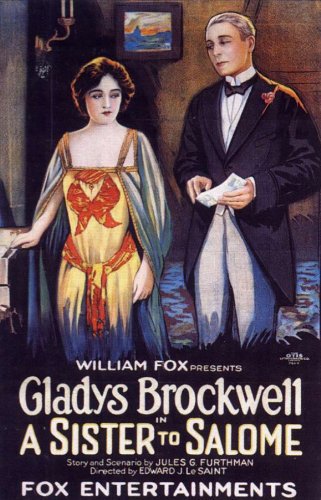
Dir: Edward LeSaint
When famous opera singer Elinore Duane undergoes an operation on her throat, she has a series of ether-induced visions. In one, she is transported to ancient Rome where she appears as a much-admired woman in love with Paul, a young heretic, and at odds with Lutor, the high priest. To save her love, she poisons Lutor with her ring. After several other visions which involve variations on this love triangle, Elinore awakens to discover that Lutor is actually her doctor, Sascha Jaccard, and that Paul is the son of a friend who has come to visit the recovering prima donna.
View Details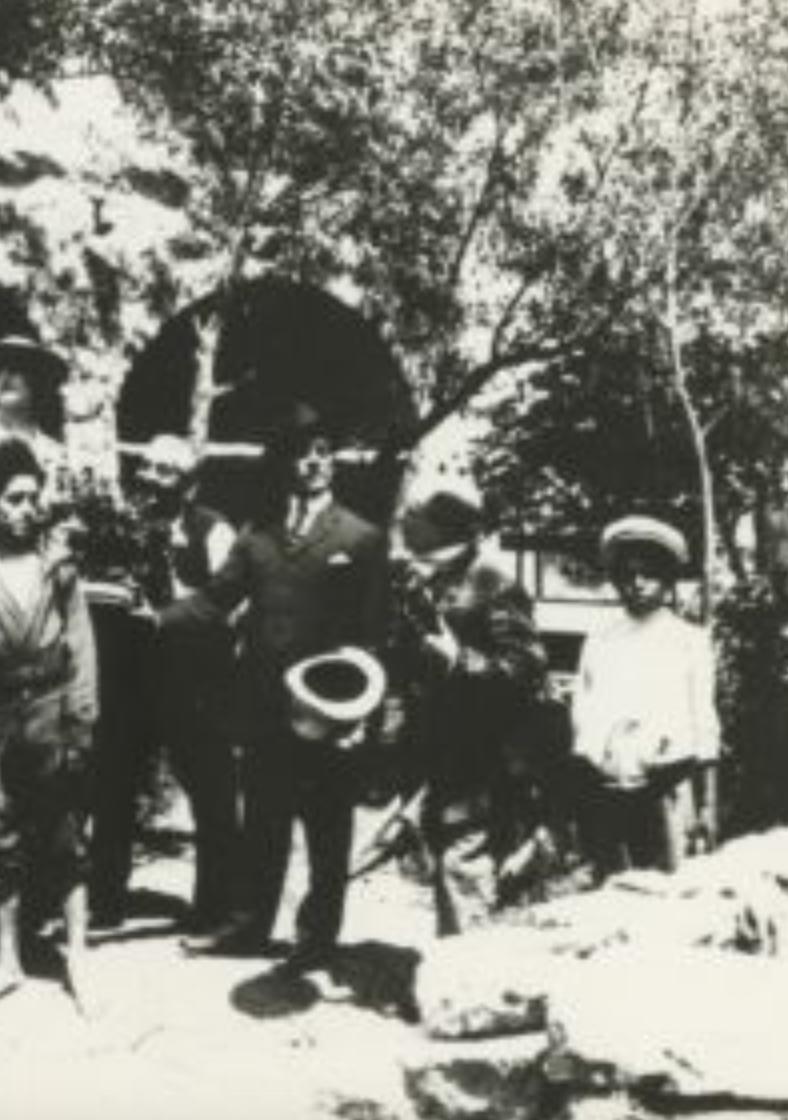
Dir: Eduardo Notari
A crime drama in the Gennariello-series. The police detective in Naples that is confronted with modern gangsters and crime events.
View Details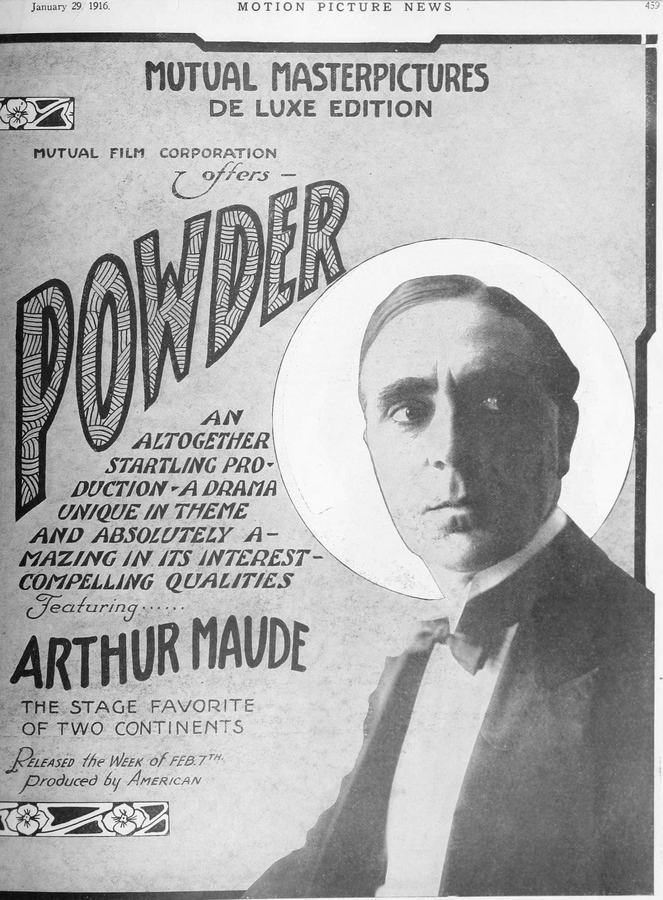
Dir: Arthur Maude
Judson Brand, a powder manufacturer, is approached by the envoys of two warring nations, but before entering into a contract with Baron Von Halstyn, envoy for Gravonia, he sends his son, Marshall, to investigate the country's financial condition. Burghoff, Sashofen's envoy, is advised of a blockade and instructed to halt shipments of munitions to the enemy. Both envoys try to enlist the help of Jan Bernheim, a clever political exile from Gravonia. Out of revenge, she promises to aid Burghoff, but patriotism prevails and she goes over to Von Halstyn, although pretending to remain in the employ of Burghoff. Elinor, Brand's daughter, is engaged to Fosdick, a humanitarian propagandist, who opposes Brand's mercenary attitude in furnishing munitions. Burghoff allies himself with Fosdick, and together they hope to control the vote of the congressional committee against furnishing munitions. The committee is divided in opinion and the deciding vote is with Hayes, the chairman who favors the non-participating policy. Brand quarrels with Fosdick about the issue and forces Elinor, in sympathy with Fosdick, to break her engagement, when Fosdick refuses to renounce his principle. Jan induces Burghoff to give Fosdick a check for a thousand dollars "for charitable purposes." Jan secures the canceled check which the unsuspecting Fosdick has accepted, for evidence against him, and when Von Halstyn urges her to win over Hayes to their side, she does so by showing him the check, which she makes him believe was accepted as a bribe from Burghoff. Burghoff refuses to accept defeat and proposes to Fosdick the blowing up of the powder mills, but Fosdick refuses to listen, so Burghoff undertakes it alone unknown even to Jan. Brand's son, traveling through the war zone, finds their Brandite shells being used by both sides, and is so absorbed in commercialism that he is untouched by the evidence of suffering about him. Fosdick saves the life of a child belonging to one o£ the men employed by Burghoff to blow up the mills. Brand receives a favorable report from his son and he and Von Halstyn ride over to the mill to sign up the contract, accompanied by Elinor and Jan. Fosdick, in Burghoff's office waiting for him, answers the telephone and learns of the plot to destroy the mills within an hour. He tries to reach Brand only to find that he and Elinor have gone to the mill. Fosdick drives to the mills, and through his efforts the plan only partially succeeds; no one is hurt but Mason, the man who was on the job. Fosdick is found trying to put out the fuse and is accused by Brand of attempting to blow up the mill. Mason, however, clears him when he recovers and Von Halstyn and Jan are arrested by a secret service man who has been trailing them. Brand stubbornly insists that Fosdick is to blame for it all and vows he will sign the contract away. Then the final argument presents itself, his beloved son has been killed by a Brandite shell. Later Von Halstyn and Jan are deported. Burghoff flees the country and Fosdick and Elinor are united. Brand turns from the manufacture of ammunition to Red Cross work.
View Details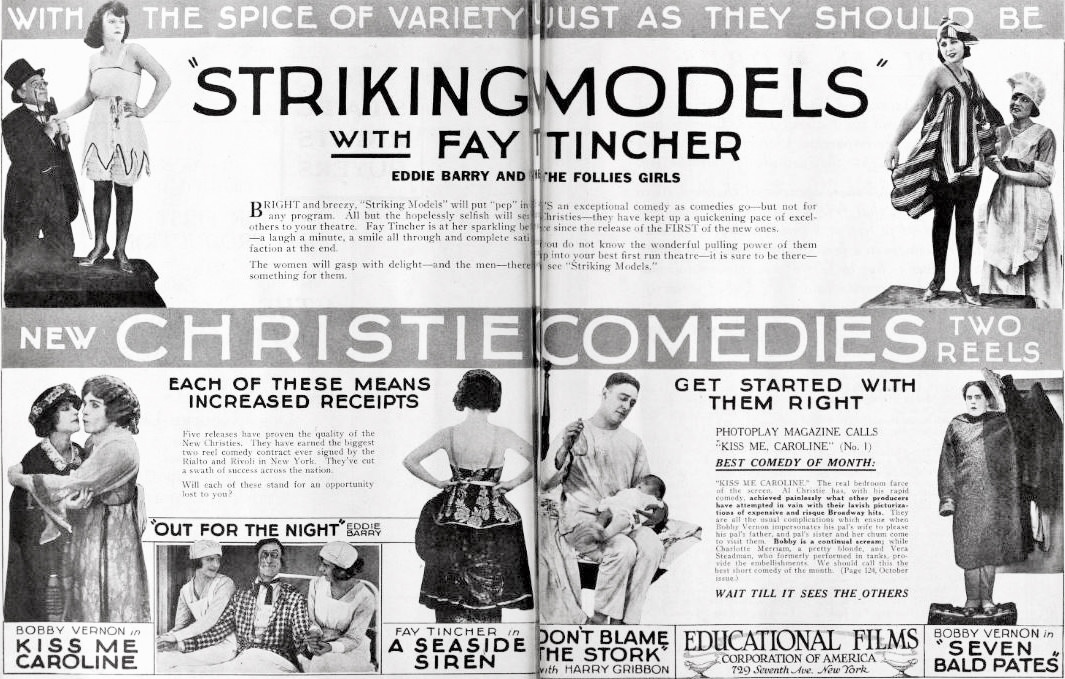
Dir: Reggie Morris
A fascinating piece of cinema that shares thematic elements.
View Details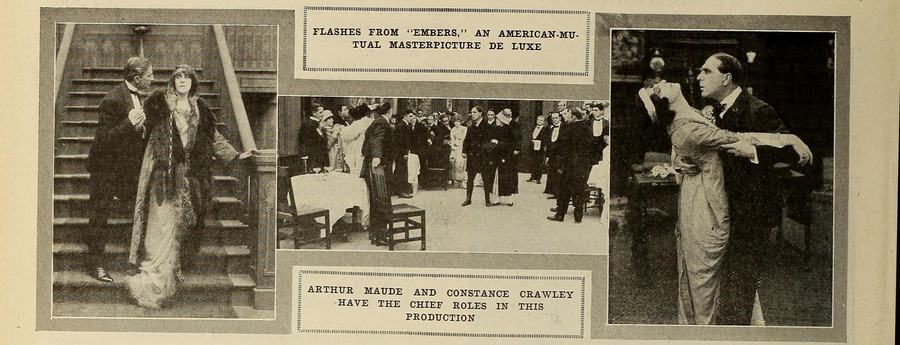
Dir: Arthur Maude
Rhea Woodley's child dies at birth, and the doctor tells Martin Woodley that his wife must never be subjected to such an experience again. This forms the basis of separation between them. Rhea is a semi-invalid, and Martin's virile manhood seeks the physical companionship he is denied and finds it in the person of Maysie, a young cousin of Rhea's, who comes to visit in their home. The breach between the husband and wife continues to widen. A former rejected lover of Rhea's discovers the situation and takes a malicious pleasure in exposing it to Rhea. Rhea offers her husband his freedom, but he will not admit his love for the other woman, even to himself and refuses to be released. As a last resort, Rhea permits the attentions of Welsey, and goes with him to a roadhouse, leaving an anonymous note advising her husband of their destination. Martin and Maysie follow Rhea and her lover and discover them together. Rhea pretends a passion for Welsey until her husband is gone, when she turns upon him in scorn and denunciation. Martin obtains a divorce and Maysie, with a chaperon, takes charge of the household. Rhea goes to a sanitarium, where the doctor, to save her life, hits upon the inspiration of giving her a motherless baby to care for. Martin, going to his wife's room, drawn by the memory of happier days, finds in her diary the record of her sacrifice and overcome by his injustice, breaks with Maysie and returns to find Rhea with the baby, which will have its part in helping to fulfill his dream of home and happiness.
View Details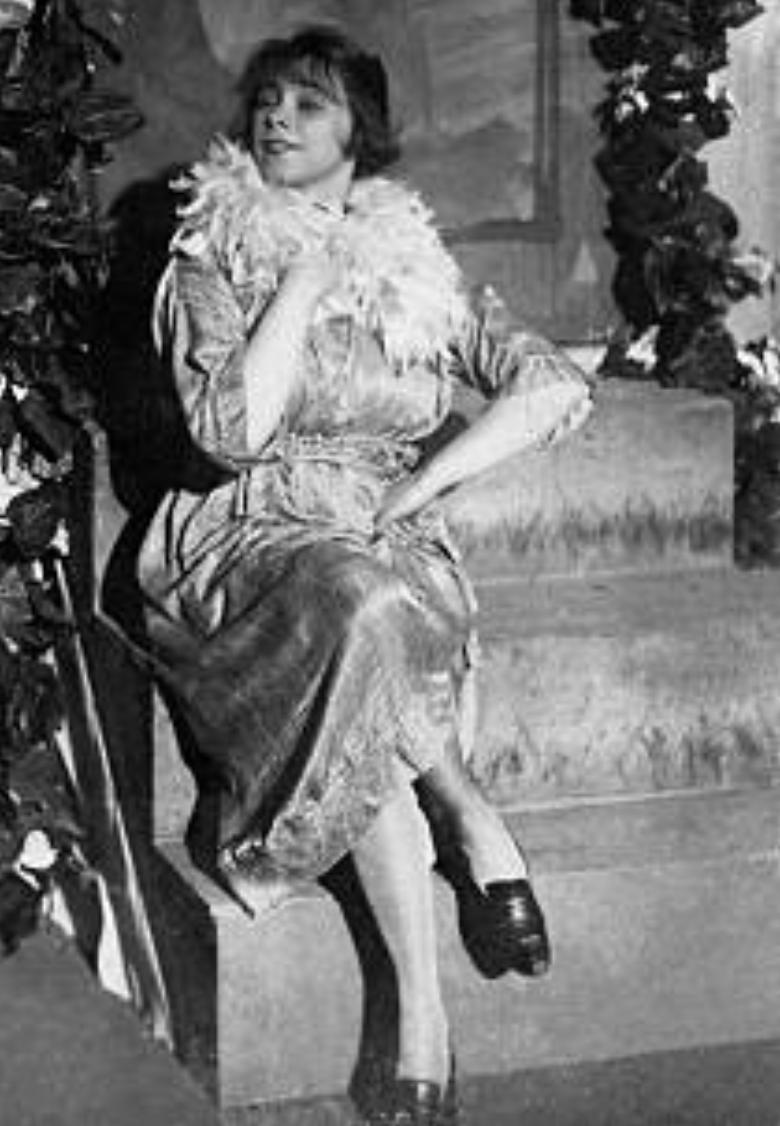
Dir: Bruno Ziener
A fascinating piece of cinema that shares thematic elements.
View DetailsAnalysis relative to The Flag: A Story Inspired by the Tradition of Betsy Ross
| Film Title | Atmosphere | Complexity | Similarity |
|---|---|---|---|
| A Fitting Gift | Surreal | Layered | 96% Match |
| In the River | Gritty | High | 92% Match |
| The Hundredth Chance | Gritty | Dense | 87% Match |
| The Key to Power | Gritty | Dense | 91% Match |
| A Sister to Salome | Gothic | High | 88% Match |
This guide was algorithmically generated using the cinematic metadata of Arthur Maude's archive. Last updated: 8/17/2026.
Back to The Flag: A Story Inspired by the Tradition of Betsy Ross Details →