
DbcultAccessing Vault...
Recommendations
Senior Film Conservator
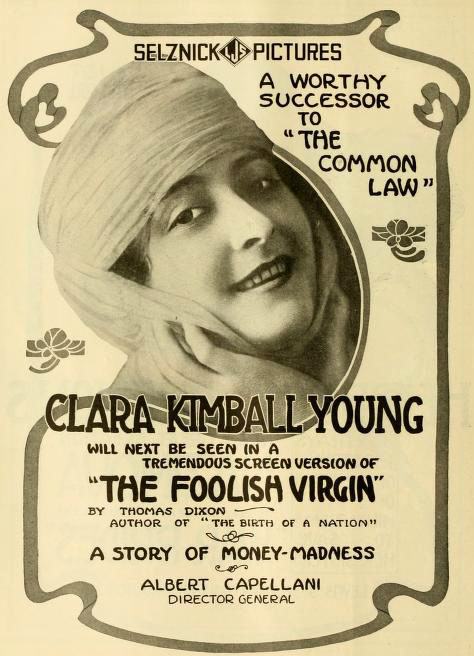
The 1916 release of The Foolish Virgin redefined the parameters of cult storytelling, the visual language established by Albert Capellani is something many try to emulate. Explore the following titles to broaden your appreciation for cult excellence.
Historically, The Foolish Virgin represents to synthesize diverse influences into a singular artistic statement.
When young schoolteacher Mary Adams is out of the classroom, she dreams of the days when the world was peopled by knights and beautiful ladies in distress. She is so imbued with the spirit of romance that when a strange young man rescues her from a street ruffian, she idolizes her hero, picturing him as a regular Sir Galahad. Mary's rescuer is Jim Anthony, a mechanic with inventive talents. Embittered after his invention is stolen, he becomes a burglar. Knowing nothing of this, Mary falls in love with him and marries him. He's a product of the slums, and in his wandering he has lost track of his mother. When he finally learns that she's living in the Carolina mountains, he persuades Mary to go with him to visit her. He takes with him a bag of jewelry, the plunder gained in his recent robberies. They find Anthony's mother living alone in a hut. The old woman has become a wretched creature. She fails to recognize her son, who asks for a night's shelter for himself and his wife. While unpacking, Mary discovers the jewelry and confronts Jim, who confesses his crime. Horrified, Mary orders Jim from the room, locks herself in, and goes to sleep on a couch in the main room. The old woman finds the jewels and her cupidity leads her to try to kill the man she doesn't know as her son. Mary finds Jim unconscious from his wound and hurries to the village for medical aid. She keeps away from him, and on his recovery he returns to the city and makes restitution of the stolen property. A reconciliation is brought about several years later.
Critics widely regard The Foolish Virgin as a cult-favorite piece of cult cinema. Its stylistic flair is frequently cited as its strongest asset, solidifying its place in United States's film legacy.
Based on the unique stylistic flair of The Foolish Virgin, our vault has identified these titles as the most compelling follow-up experiences for fans of cult cinema:
Dir: Albert Capellani
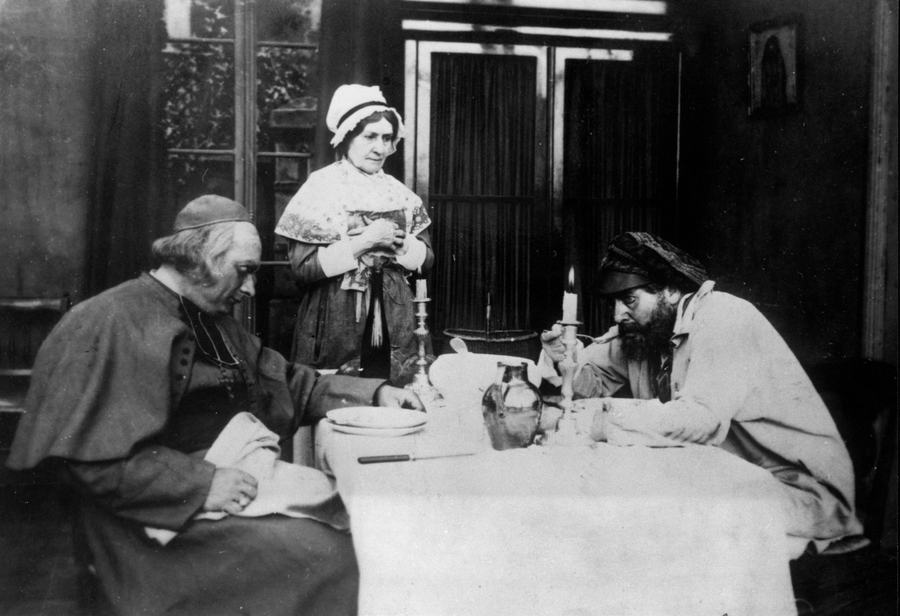
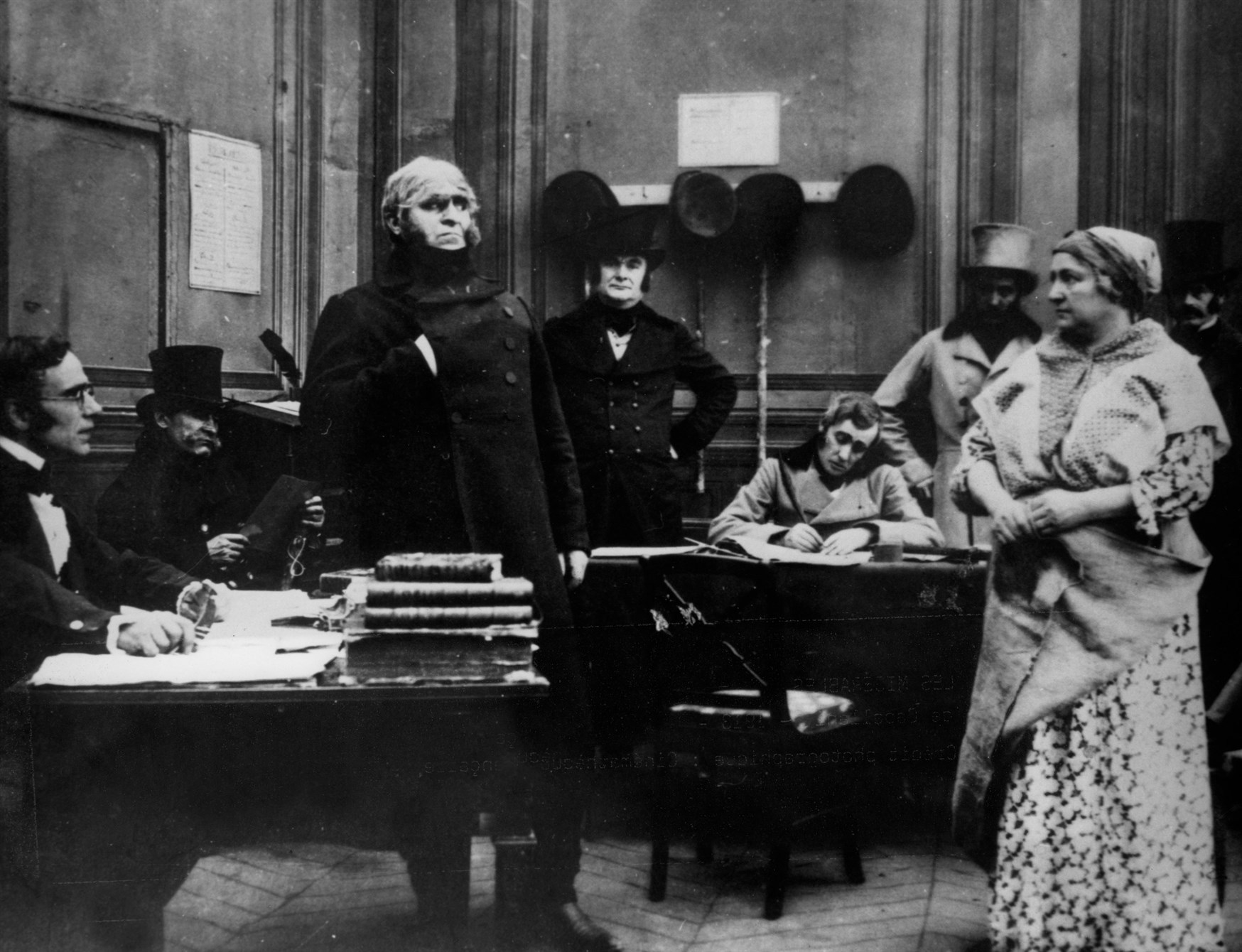
Jean Valjean, a good man convicted of a minor crime, escapes from imprisonment and spends the rest of his life running from the vindictive and implacable man of the law, Javert.
View Details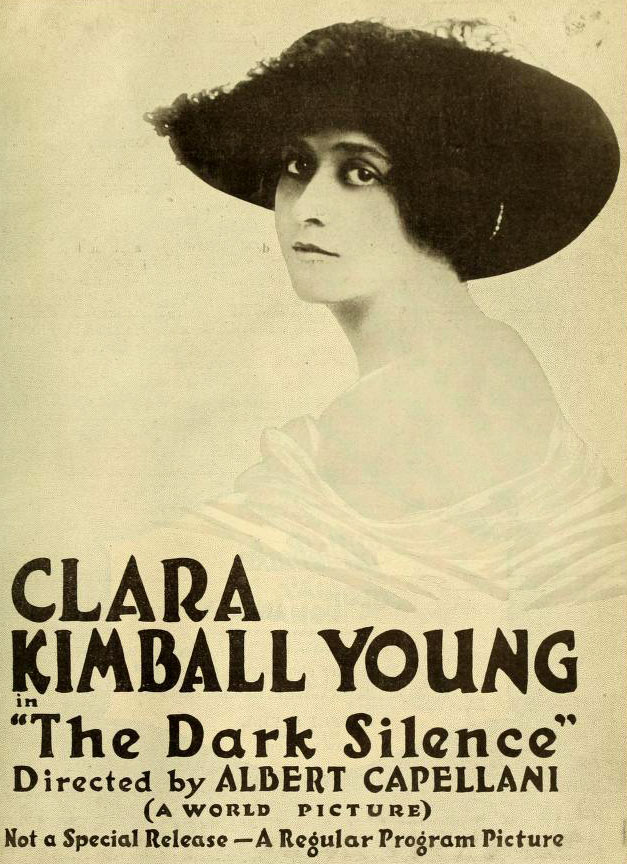
Dir: Albert Capellani
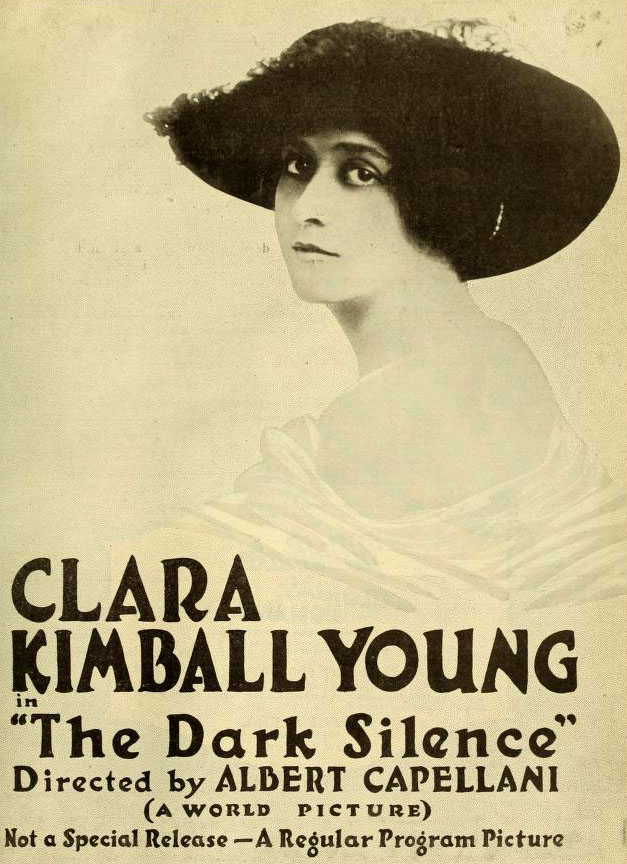
Mildred White becomes romantically involved with both Derwent Ainsworth and Dr. Mario Martinez while in Paris. She prefers Derwent, but when he leaves suddenly to see his dying father, Mario convinces Mildred that he has deserted her. When World War I begins, Derwent returns for Mildred, but upon learning that she is leaving Paris with Mario, he enlists in the army. Mildred discovers Mario's initial deception and joins the Red Cross to be near Derwent, who is blinded in battle and then tended to by Mildred. Unaware of the true identity of his nurse, Derwent falls in love with her, and the two are soon married. Mildred then prevails upon Mario to perform a special operation on Derwent's eyes. His vision restored, Derwent realizes that Mildred has returned to him, while Mario, after helping his former rival, dies in battle.
View Details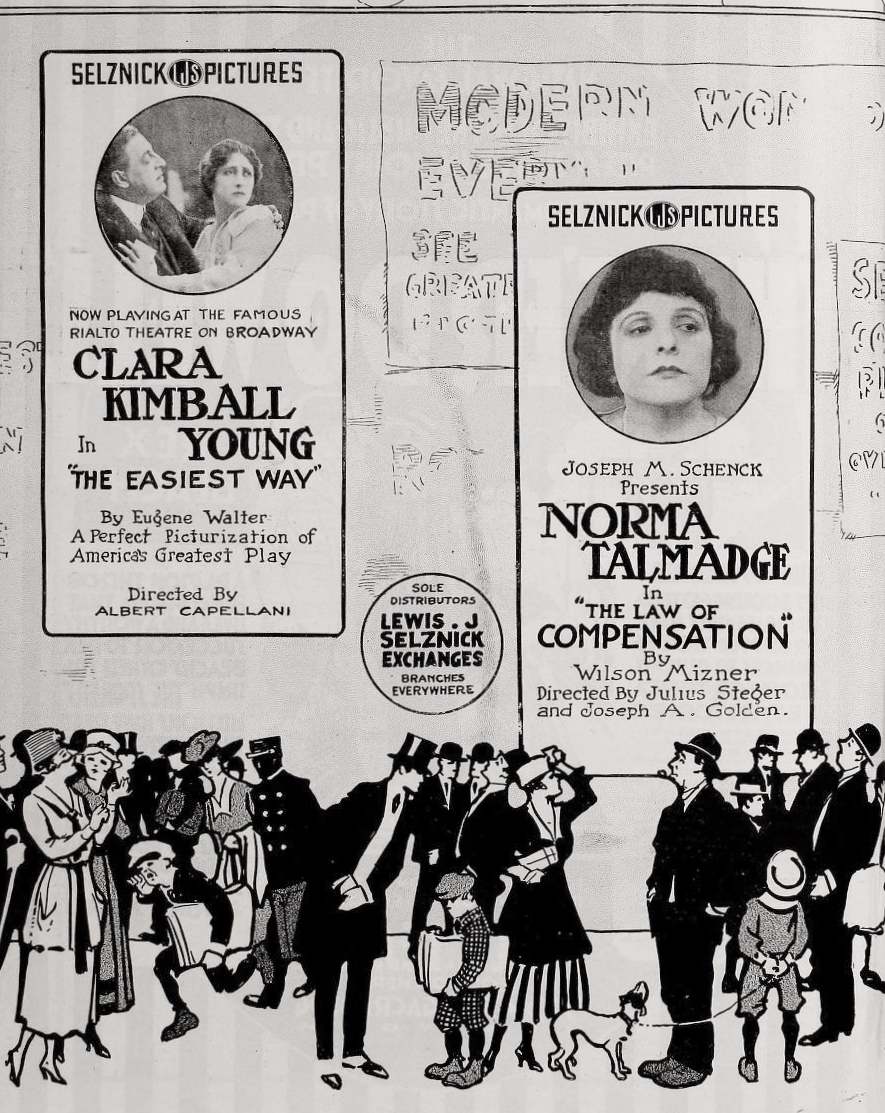
Dir: Albert Capellani
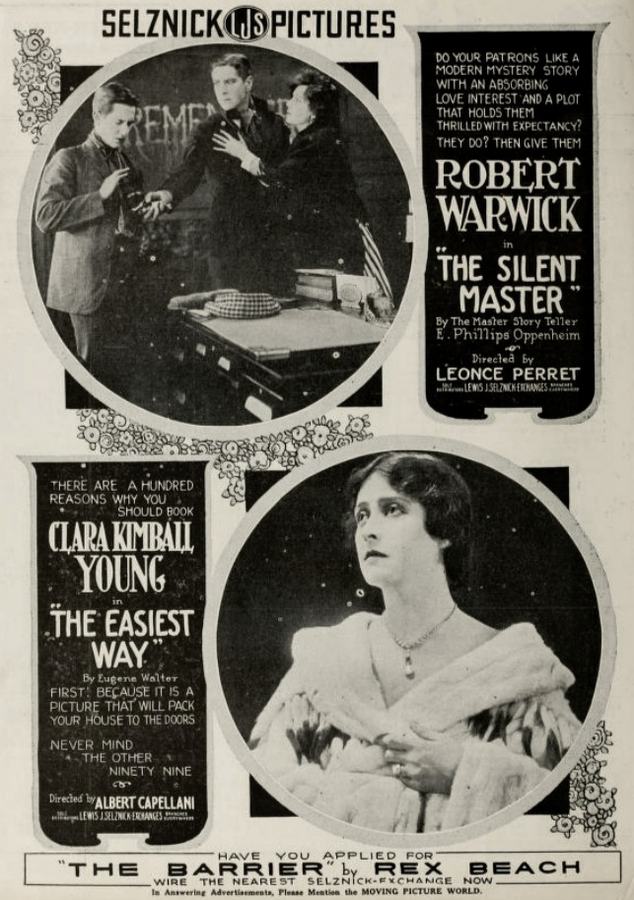
Laura Murdock is a young actress. Her husband, a drunkard, is killed by a fall. Laura goes to New York to get an engagement, and finds herself blocked at every turn by the petty jealousies and politics of the profession. Willard Brockton, a wealthy broker, has been asked to finance a production and has refused. He meets Laura and becomes interested, furnishes the producer with money, demanding in return that Laura be given the best role in the piece. Eventually Brockton claims the customary reward of such assistance, although Laura holds out as long as possible. The following summer she goes to Denver for a stock engagement, and falls in love with John Madison, a newspaper writer. He cannot afford to marry, and Brockton, who comes west to take Laura back with him, sneers at the idea of his marrying the luxury-loving Laura. Laura promises to wait, however, and Brockton promises Madison that if Laura returns to him he will let Madison know. Laura returns to New York, and Brockton's influence prevents her from getting an engagement. She reaches the end of her resources, and not hearing from Madison submits to what she regards the only course open, a renewal of her relations with Brockton. Brockton dictates a letter to Madison which Laura promises to mail, but she burns it instead. Madison finds gold and hurries to New York to marry Laura. He discovers the facts of the situation, and Laura confesses that she burned the letter Brockton had promised to send. Deserted by both men she becomes desperate, and tries to fling herself into the dissipations of the night life of Broadway. She is disgusted, however, and attempts to end her life in the river. She is rescued and taken to a hospital. Madison is notified, and learns also of the fight she made to remain true to him. He hurries to her side just in time to let her know he understands and forgives, and she dies in his arms.
View Details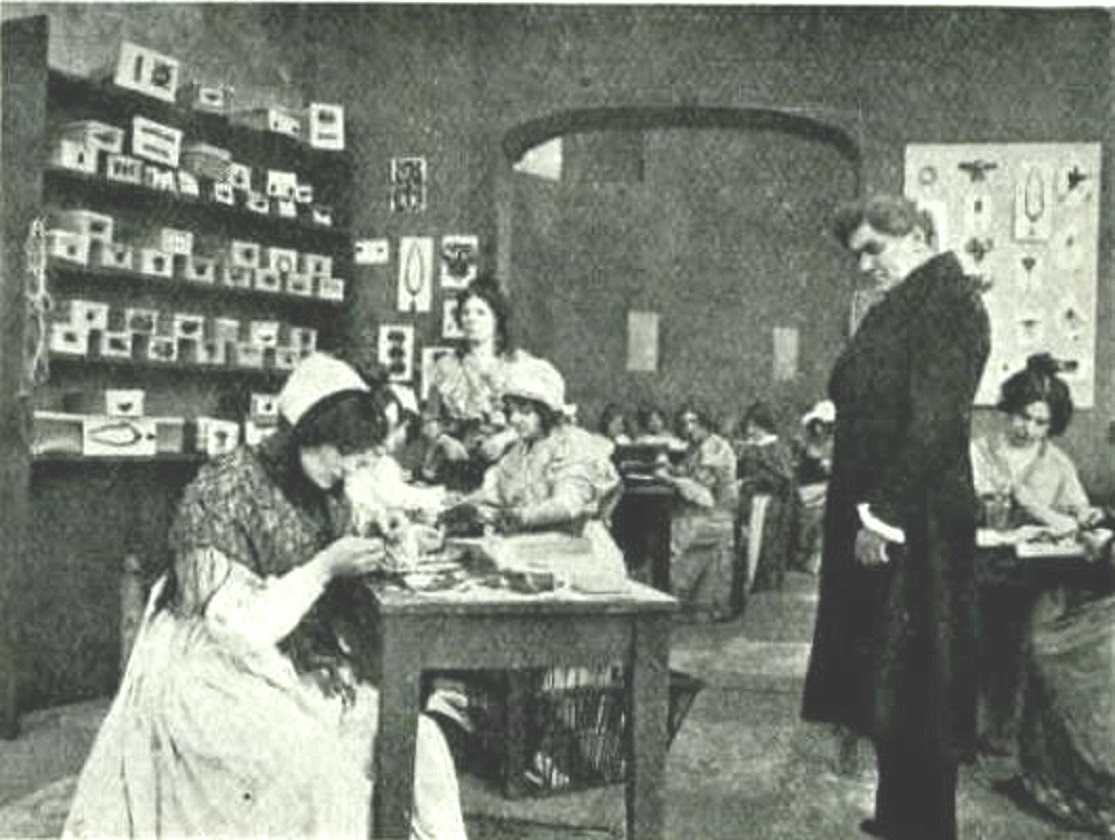
Dir: Albert Capellani
Jean Valjean, guilty of a minor theft of food, is pursued and hounded for years by a relentless lawman, Javert.
View Details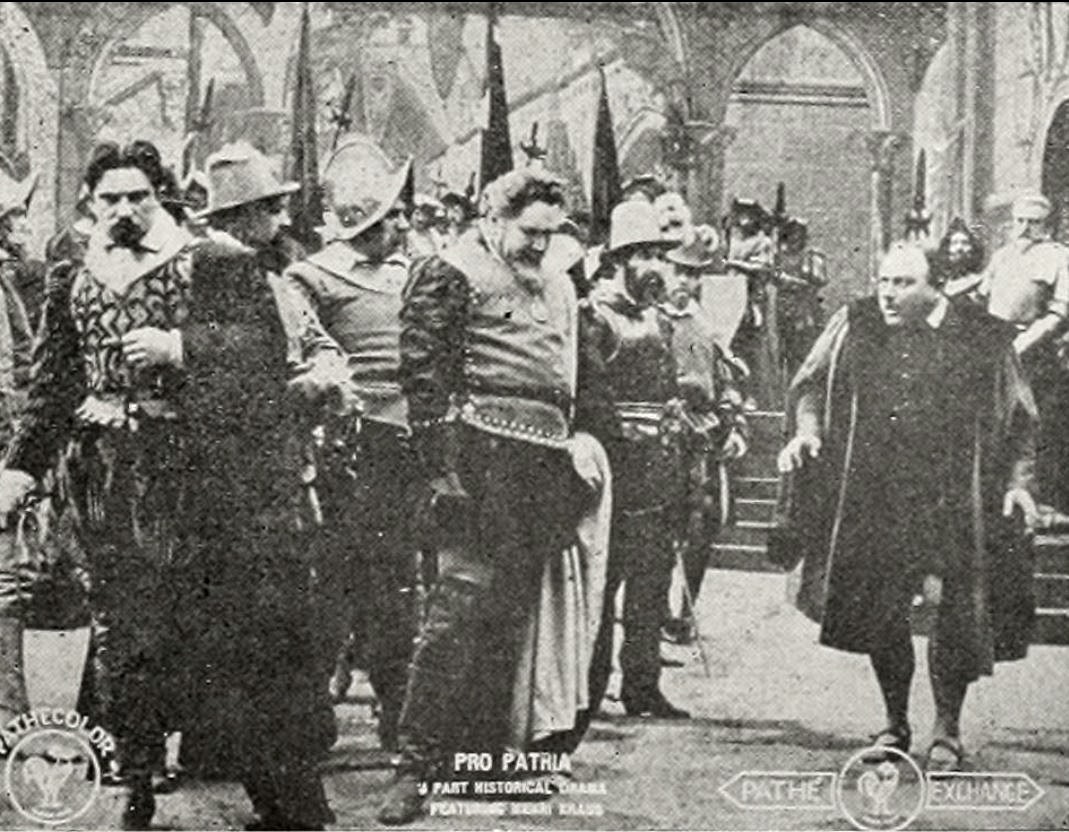
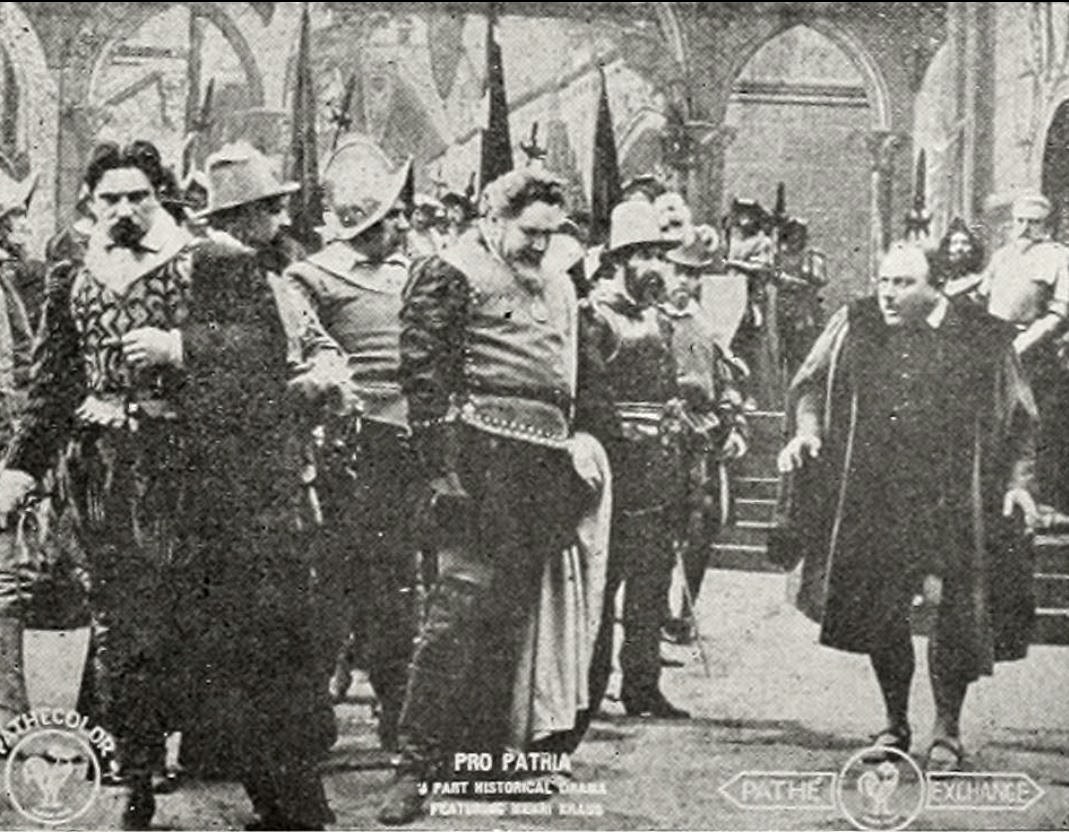
Dir: Albert Capellani
Paul Capellani, the famous star, plays the part of "Karloo." which gives him a chance to show his remarkable ability. This is a picturization of the play "Patrie," written by Victorien Sardou, the famous French dramatist. The author was noted for being a master of stage effect, and the film follows closely the stage production. "Pro Patria" deals with the efforts of the people of the Netherlands to throw off the iron rule of Spain, and the plots and intrigues which were perpetrated at that time. It was staged in Louvain, Belgium, that beautiful city which has since been ruined beyond redemption by German shells. The costuming, arms, customs and properties are absolutely accurate, and the whole production is most lavish. The acting is truly great and the entire six reels grip from start to finish.
View Details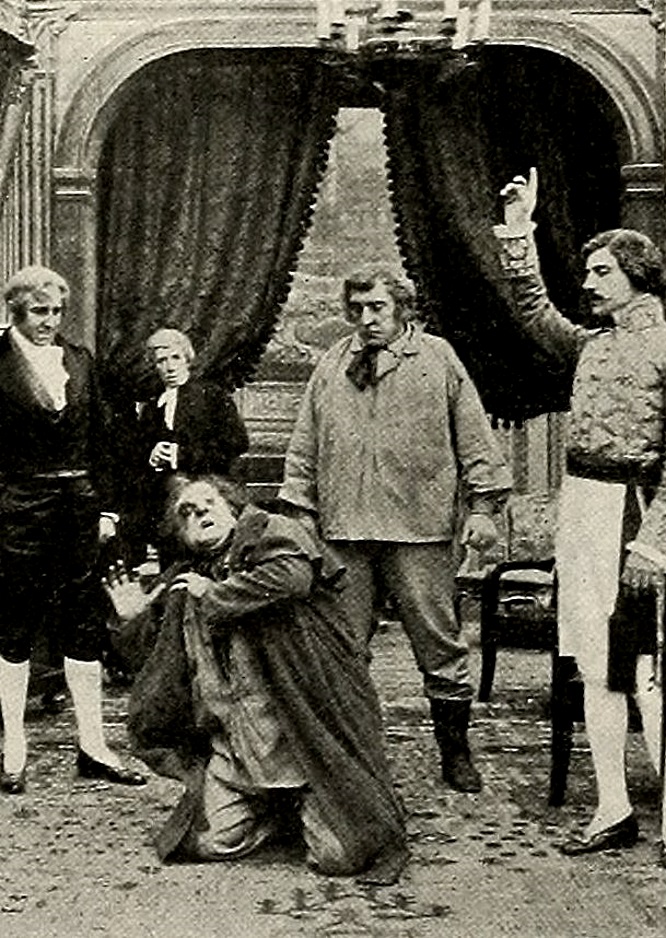
Dir: Albert Capellani
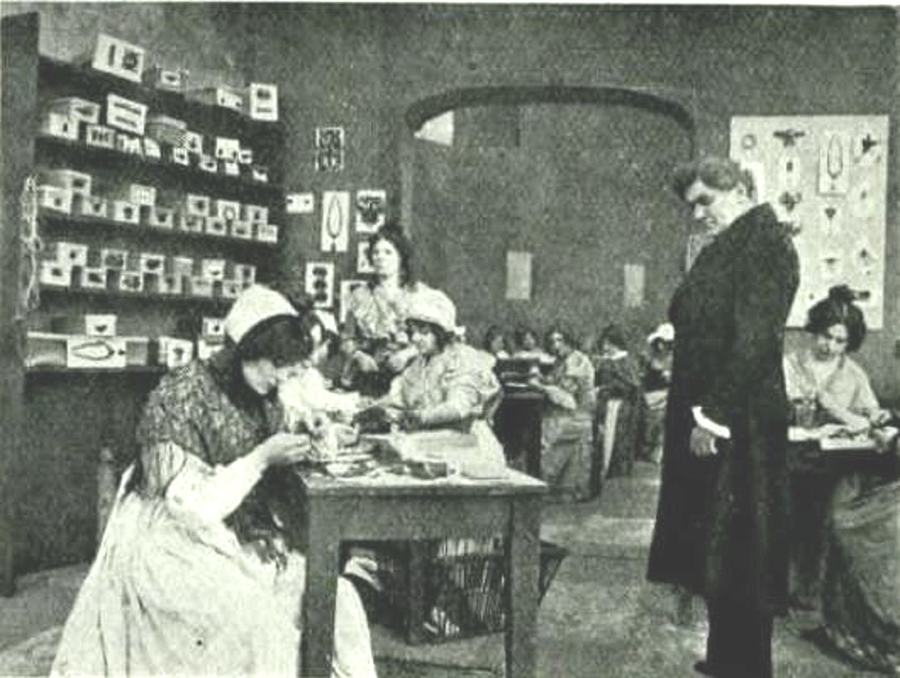
The Archduke Rodolphe d'Illyrie is secretly united to Countess Sarah Mac Gregor and they have a daughter together. The young woman learns that her father-in-law is potting to have the marriage annulled so she writes her brother to ask him to get rid of the old man. When her letter is intercepted, she leaves her child in the care of farmers near Paris and escapes to America. The Archduke finds the whereabouts of his daughter but he finds the house has been destroyed by a criminal fire and figures that she died. He sets out to find his daughter's murderers and meets the evil Schoolmaster and his friend la Chouette. They actually hide the child, that they call Fleur de Marie, and force her to beg for their profit.
View Details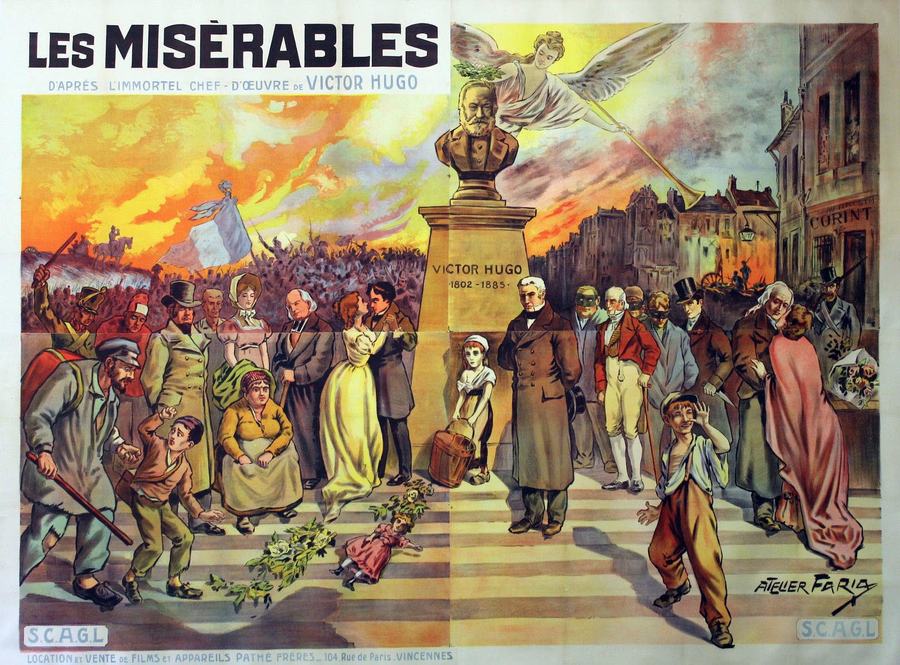
Dir: Albert Capellani
First feature length French film adaptation of the story of former convict Jean Valjean who is hunted down by ruthless inspector Javert in mid 19th century France. Released in four parts, like a serial.
View Details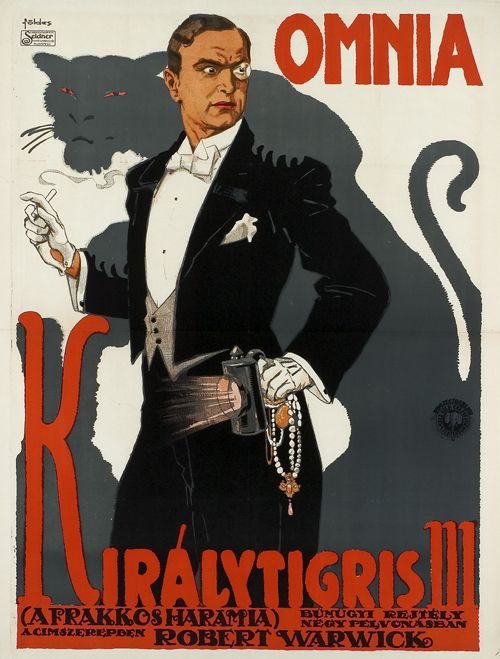
Dir: Albert Capellani
A crook bungles his biggest job, and when the police are put on his trail, he becomes hopelessly lost and commits suicide.
View Details
Dir: Albert Capellani
Aurora Fernandez, a poor Cuban girl, is persuaded against her will to become betrothed to Don Armada, a wealthy Cuban. She loves Pedro, a young fisherman, who lives with his uncle, Father Venture, and his sister Celida, who has been secretly stealing to Don Armada's villa, but is cast off by him on his engagement to Aurora. Longing for a sight of Pedro, disguised as a dancing girl, Aurora goes to an inn where Pedro comes with other fishermen for a nights revelry. He does not recognize her as his "Lady of the Lily" as he calls her, but falls a victim to the charms of the dancing girl. Celida, dying of a broken heart, confesses to Pedro and Father Venture, and Pedro, to avenge Celida, summons all the fishermen in the village and leads them against Armada in whose villa the wedding feast is being held. The guests fly in terror and Armada is wounded. Aurora alone remains undaunted, and Pedro, finding her, recognizes not only his love of the tavern, but Aurora, and that she is the wife of Armada. Notwithstanding her pleadings not to kill her husband, he is about to strike when he sees that Don Armada is blind. This awakens his pity and he leaves the house. Don Armada has an operation performed on his eyes which proves successful, but the physicians warn him that any shock may result in blindness for life. Aurora, in the meantime, has been carrying on clandestine meetings with Pedro and Armada, hoping to find out who Aurora's lover is, tells her that the operation has been a failure. He intercepts a note from Pedro and, locking Aurora in her room, stabs Pedro. He then returns to Aurora and she discovers he has tricked her. He tells her what he has done, but the shock kills him. Aurora escapes and finds Pedro still alive. She takes him home where she watches over him; and the crisis over, the lovers are reunited.
View Details
Dir: Albert Capellani
Based on Robert W. Chambers' novel about New York CIty life among the upper crust: Artist/model and philosopher Valerie West undergoes much sorrow and joy,many trials and tribulations ,and final triumph on her journey to become the living personification of sweet, noble womanhood.
View DetailsAnalysis relative to The Foolish Virgin
| Film Title | Atmosphere | Complexity | Similarity |
|---|---|---|---|
| Les Misérables, Part 1: Jean Valjean | Surreal | Abstract | 87% Match |
| The Dark Silence | Tense | Dense | 86% Match |
| The Easiest Way | Gritty | High | 92% Match |
| Les Misérables, Part 2: Fantine | Gritty | Abstract | 93% Match |
| Pro Patria | Gritty | Linear | 87% Match |
This guide was algorithmically generated using the cinematic metadata of Albert Capellani's archive. Last updated: 8/16/2026.
Back to The Foolish Virgin Details →