
DbcultAccessing Vault...
Recommendations
Senior Film Conservator
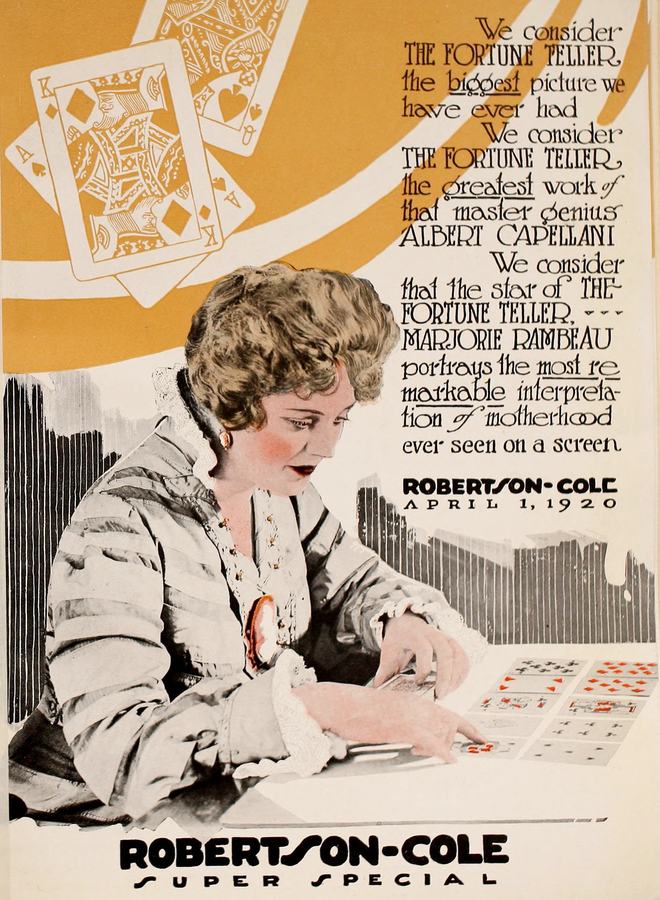
The evocative power of The Fortune Teller (1920) continues to haunt audiences with its unique vision, its status as a United States icon makes it a perfect starting point for discovery. The following gems are essential viewing for anyone captivated by The Fortune Teller.
The visceral impact of The Fortune Teller (1920) stems from to serve as a cornerstone for cult enthusiasts worldwide.
When Renee Browning is falsely accused of having an illicit affair with circus manager Tony Salviatti, her jealous husband Horatio divorces her and takes custody of their little boy Stephen, to whom she had been devoted. Renee accepts a position as a circus fortune-teller, where she gradually deteriorates into drunken degradation. Twenty years later, Stephen, discouraged and down on his luck, comes to have his fortune told. Upon learning his name, Renee encourages him without revealing her true identity. With the fortune-teller's inspiration, Stephen becomes a successful political candidate and becomes engaged to the governor's daughter. Inspired by Stephen's success, Renee reforms and finally wins the respect and recognition of her son.
Critics widely regard The Fortune Teller as a cult-favorite piece of cult cinema. Its unique vision is frequently cited as its strongest asset, solidifying its place in United States's film legacy.
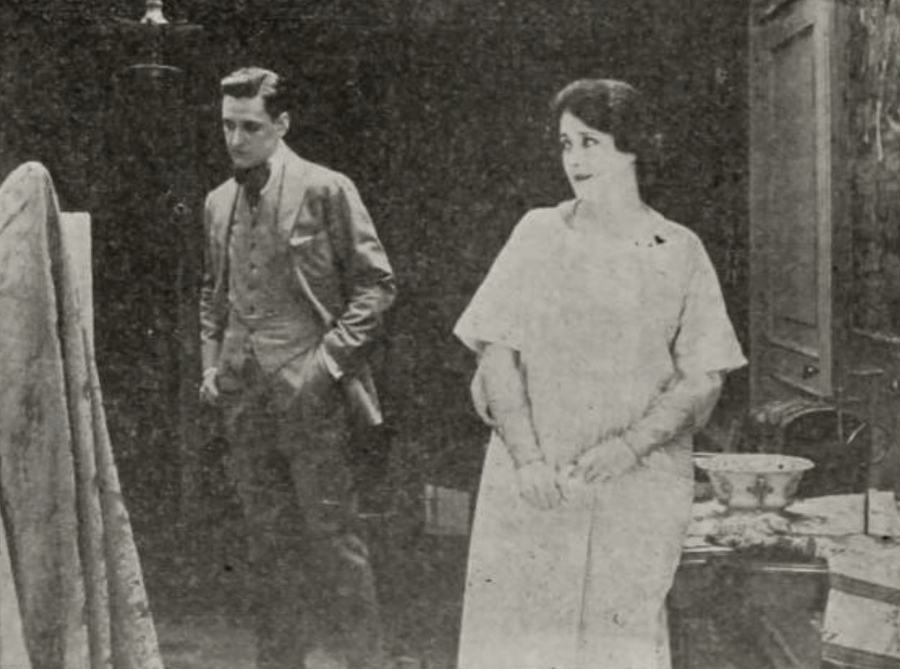
Based on the unique unique vision of The Fortune Teller, our vault has identified these titles as the most compelling follow-up experiences for fans of cult cinema:

Dir: Albert Capellani
Mildred White becomes romantically involved with both Derwent Ainsworth and Dr. Mario Martinez while in Paris. She prefers Derwent, but when he leaves suddenly to see his dying father, Mario convinces Mildred that he has deserted her. When World War I begins, Derwent returns for Mildred, but upon learning that she is leaving Paris with Mario, he enlists in the army. Mildred discovers Mario's initial deception and joins the Red Cross to be near Derwent, who is blinded in battle and then tended to by Mildred. Unaware of the true identity of his nurse, Derwent falls in love with her, and the two are soon married. Mildred then prevails upon Mario to perform a special operation on Derwent's eyes. His vision restored, Derwent realizes that Mildred has returned to him, while Mario, after helping his former rival, dies in battle.
View Details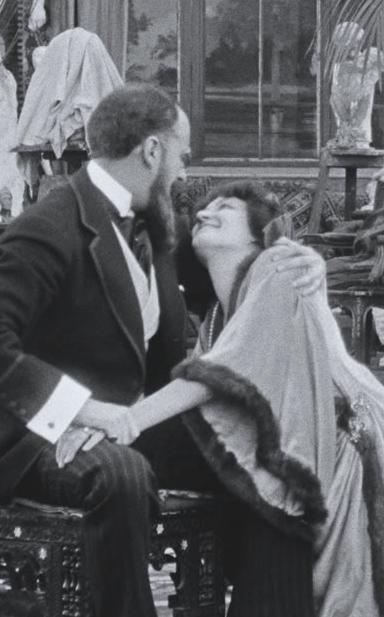
Dir: Albert Capellani
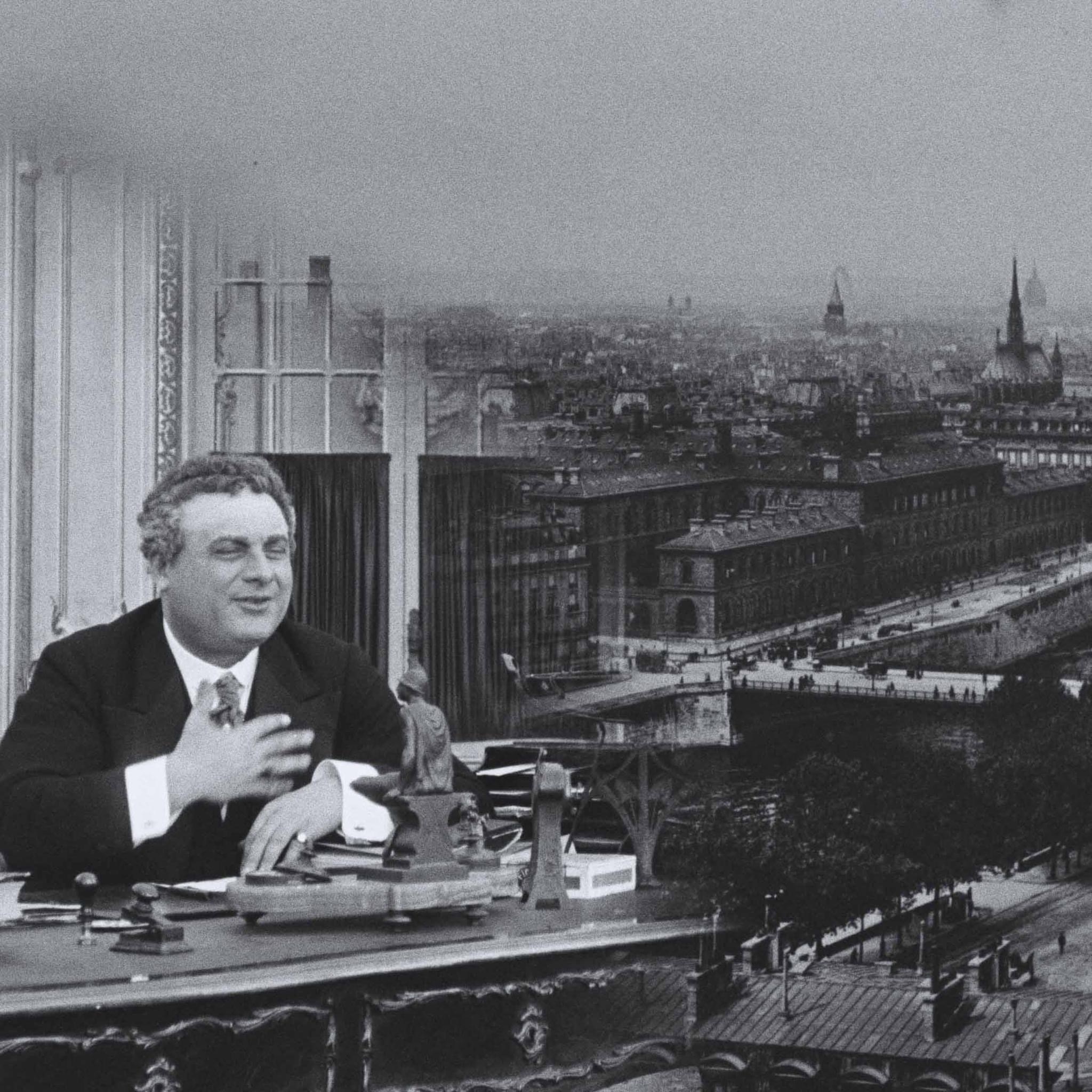
Bernard Jansoulet, a fine specimen of the sons of Vulcan, kept the little farmstead of the Jansoulets by means of the profits from his smithy. His aged mother, a dear old lady, and a good-for-nothing brother, Louis, were the other members of the household. One day as Bernard passed along the little village, he saw poor, wayward Louis being exhorted to join a bibulous crowd at the inn. Bernard, himself of a temperate disposition, at once interposed, and soon led his brother towards home. There a good meal, served in true French farmhouse style, soon mollified the erring Louis, and during a chat there came the postman on his usual round. The missive, in an unusual writing, proved to be a letter saying that a friend had secured a situation in Paris for Louis. The answer was sent, and a few days later preparations were made for Louis' departure this, however, Bernard, in his usual quiet manner, negotiated a loan of 200 francs from a neighbor, and as Louis was on the point of going pressed upon him the little fortune to help him along his way. Full of seeming gratitude and with the kisses of his sorrowing mother still fresh upon his lips, Louis departed, with a promise to redeem the past in a new life. Life in Paris proved a vastly different thing to what Louis had expected ; but having succeeded to some extent by dint of resolution, he soon found time to look around and visit the many show places of the "gay capital." One evening, at a ball in the Montmartre district, he succumbed to the advances of a lady of somewhat doubtful morals, and eventually became the object of a quarrel between the woman and another, who had also been in his company. Filled with rage and pique at the slight which followed, the adventuress trumped up a charge of theft against Louis. The Public Prosecutor made short work of Louis' defense, and a letter, addressed to Bernard, bore the following words : - " My dear Bernard,- I have been fool enough to get mixed up with a woman, who, in a fit of jealousy, has accused me of stealing her jewels, and, as I cannot prove my innocence, I have been condemned to five years' imprisonment. Don't tell mother; it would kill her. - Louis Jansoulet." Bernard from that day went about his work in a dazed way. After the thought of Louis' error he could not settle, and, finally, leaving his mother sufficient for her needs for some time, he set out for a life in South Africa. On the way, at Marseilles, he met one Bompain, who, also in need of a friend, arranged to take him to a ship he knew of. An introduction to the captain secured berths for both as firemen. In the hot and grimy depths of the stokehold, they toiled for the next five weeks, and were pleased indeed to end the period of servitude, and set foot on new soil. After some weeks of search they drifted to the diamond mines, and entered once more upon a period of toil, compared to which the previous task was child's play. Bernard, ever of a strong and lusty way, could dig all day and hew the hard quartz without a murmur, but little Bompain, although a willing worker, soon found the work a severe trial. He was practically at the end of his powers of endurance, when Bernard made a staggering discovery. Within half-an-hour the news had spread all over the mine. The Frenchman, Jansoulet, had made the discovery of the age. Such a diamond had never before been gazed upon, and Jansoulet had suddenly become one of the world's richest men. Some months later Bernard sat in his palatial house in Paris, Bompain at his elbow as major-domo, and dreamed of his desires to conquer the entire city. His mother still preferred the old country life, and he was free to scheme and to gain his ambitions. Knowing his ways, one Moessac, the editor of The Messenger, soon fixed upon him as the one man to turn the tide of lii-fortune from his publishing house. A ball was arranged, on Moessac's suggestion, at Bernard's house, and here Felicia Ruys was introduced to him. Bernard, now named the Nabob, bestowed gifts with great prodigality, and Felicia was soon destined to come in for a share of his attentions. A scheme, evolved by Moessac and fostered by Bernard's growing love for the beautiful sculptress, was set on foot to secure for Bernard the office of Deputy for Corsica. The price of the honor was to be £4,000, to be paid to Moessac. Needless to say, the election proved an easy win for Jansoulet. He was soon able to dispatch a letter informing his mother of his success. He was not destined to live long, however, in his fool's paradise, for during a visit to Felicia's studio he overheard a conversation which showed that she was really in league with Moessac. In consequence of Bernard's denunciation. the rascally editor decided upon vengeance, and published a paragraph to the effect that " a grave political scandal is afoot. The member for Corsica, we are informed, has served a term of imprisonment for theft." Bernard arrived one day at the Chamber to find his alleged crime the one topic of conversation. He, having seen The Messenger, came prepared with the evidence of Louis' letter, and awaited the Chamber's action. The motion came on, and soon the House was intent upon the discussion of their comrade's transgression. At last Bernard was called upon to mount the dais and defend himself. As he commenced, his mother, who had come to congratulate her son, entered the visitors' gallery. She heard, in a dramatic scene, her son's denial of the base charge and his splendid speech. He was about to produce the letter which would fasten the guilt upon Louis, when he saw his mother's face. An instant's thought, and the letter was torn to fragments. Puzzled by his silence from this point, the majority pronounced him guilty. In the entrance-hall mother and son met, and as they left the Deputies began to realize that some reason obtained for the strange result of Bernard's actions. Moessac was shunned by all who knew him, and, disgusted with Paris and its superficial life, Bernard returned to the farm. Here, one evening, came Louis, footsore and starving. With true fraternal charity, he was taken in and succored, and once more the trio led their former plain and unassuming life as of old.
View Details
Dir: Albert Capellani
Based on Robert W. Chambers' novel about New York CIty life among the upper crust: Artist/model and philosopher Valerie West undergoes much sorrow and joy,many trials and tribulations ,and final triumph on her journey to become the living personification of sweet, noble womanhood.
View Details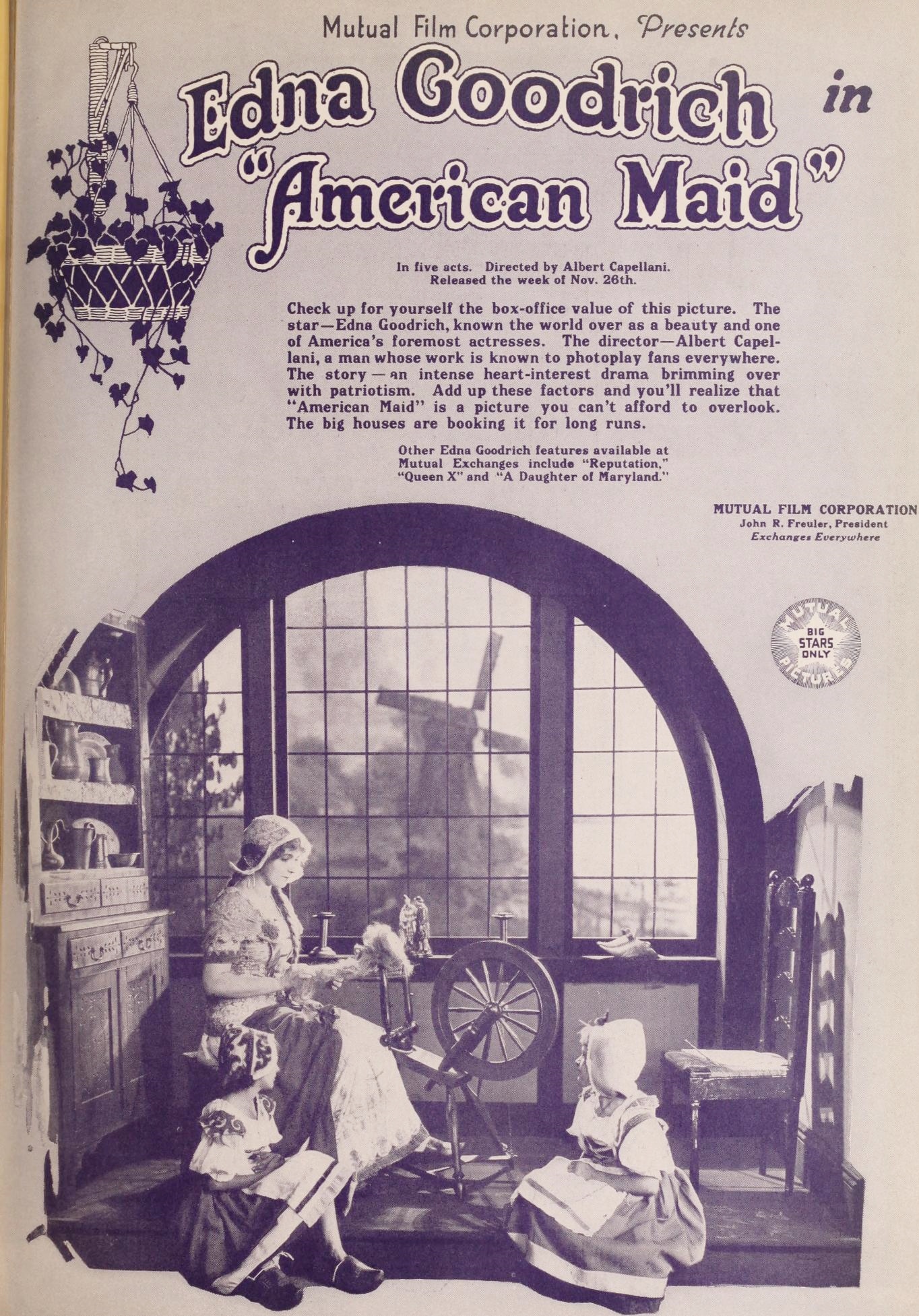
Dir: Albert Capellani
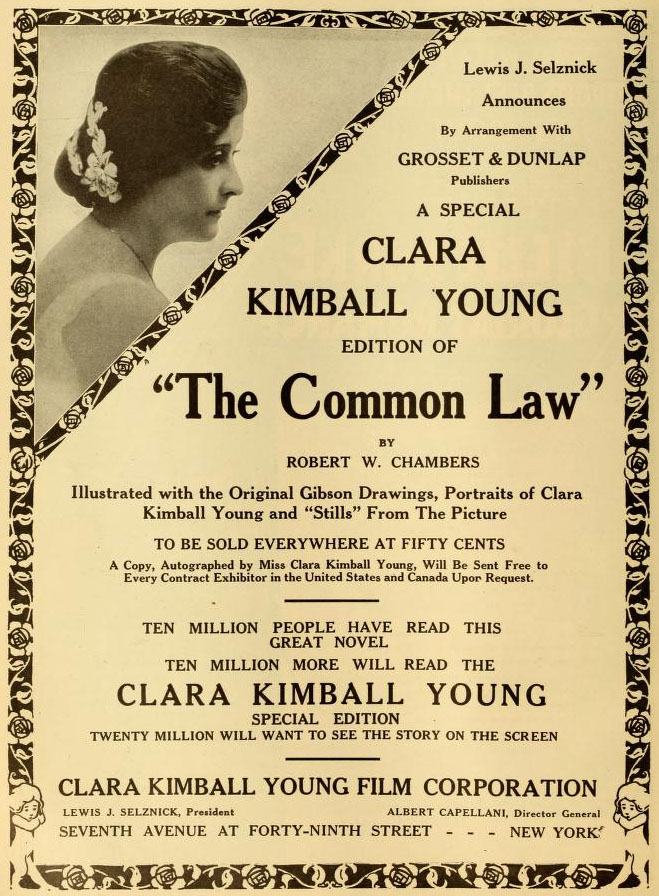
Virginia Lee, daughter of a United States Senator, meets David Starr, a wounded United States soldier, in a field hospital in which she is serving as a Red Cross nurse. Star returns to the trenches and Virginia's base hospital is moved. Starr is again wounded and invalided home. Virginia has lost sight of him. She returns to America; and in Washington, Starr sees her at a ball at the French Embassy. Feeling her too far above him, socially, he goes West, whither Virginia's father takes her, on a business trip, and there a vital drama is enacted.
View Details
Dir: Albert Capellani
A crook bungles his biggest job, and when the police are put on his trail, he becomes hopelessly lost and commits suicide.
View Details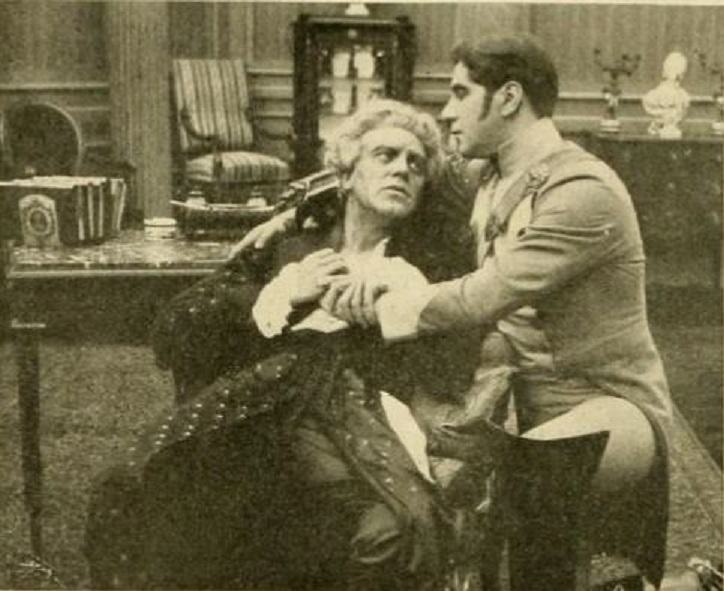
Dir: Albert Capellani
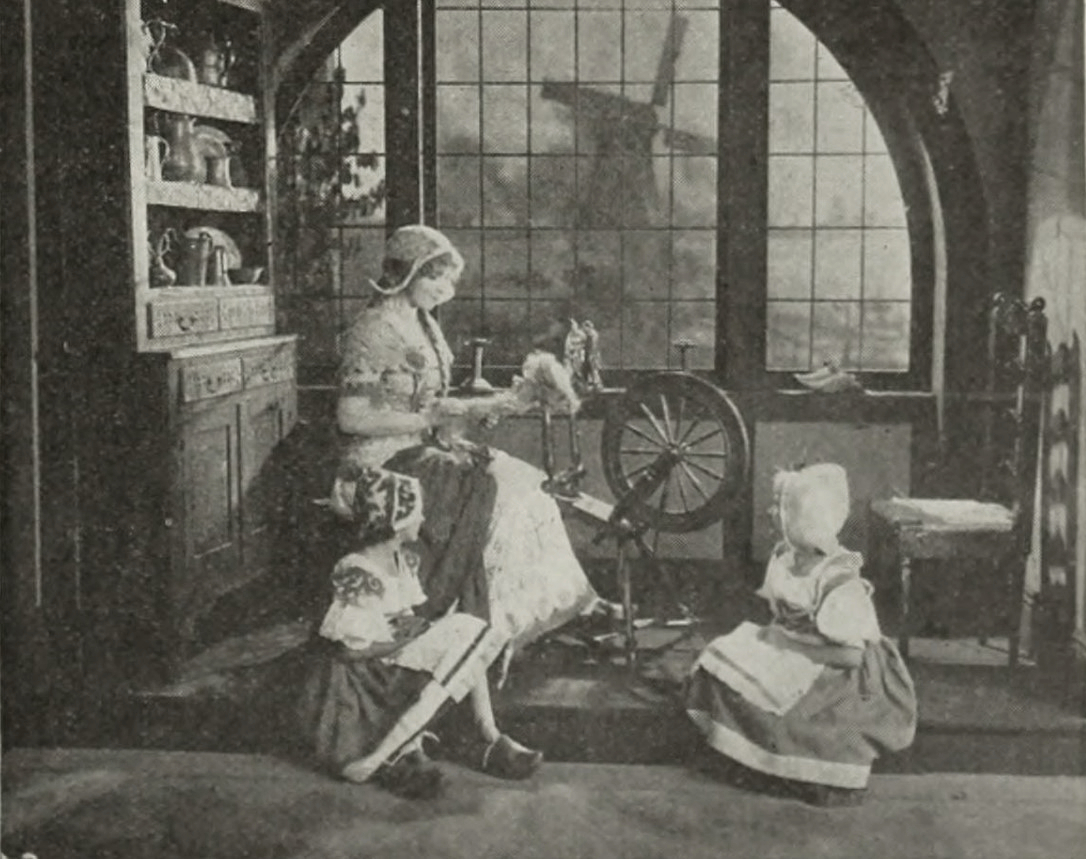
During the latter part of the reign of Louis XVIII, in France, Ambrose, an aristocrat, loves Jeanne Mailloche, a peasant girl, but is compelled to marry his cousin, Alice de Fontelles, to preserve their respective estates. Jeanne dies soon after, leaving a son, who is kidnapped and raised by a band of ruffians. Alice's son, receiving every advantage, is raised as an aristocrat. Twenty years later, at the time Napoleon was in exile, the young aristocrat, Victor by name, becomes a captain in the King's army. His half-brother, Rabat, son of Jeanne, has degenerated into a criminal, with a price on his head. Strangely enough, they look exactly alike, though neither knows of the whereabouts of the other. In fact, Rabat is ignorant of Victor's existence. The young Captain is told of Rabat's existence by his father when the latter is on his death bed. Victor is engaged to Lucille, the niece of Munier, who is Victor's father's secretary. Munier becomes associated with the conspirators, who are seeking to place Napoleon on the throne of France. In Munier's endeavor to steal the funds of the conspirators, he becomes associated with Rabat, the criminal. Victor is called to the army, and arranges with Lucile for their final adieu at the diligence office. Being unaware of the existence of Rabat. Lucile believes her lover guilty of the murder which she sees Rabat commit at the meeting place appointed by Victor. Rabat's face in the moonlight almost causes Lucile to abandon all faith in Victor. Victor is arrested for the murder, but before his execution, Lucile learns the truth concerning Rabat and forces her uncle, who has acknowledged his connection with the murder committed by Rabat, to intercede. This stays Victor's execution as a murderer, but as Napoleon has returned to power. Victor is arrested as a political prisoner, and ordered to be shot. Victor's release as the murderer has caused the arrest of Rabat for that offense. He is to be beheaded. Both Rabat and Victor's executions are scheduled for the same day. Lucile, knowing of her uncle's part in the actual murder, forces him to intercede with Napoleon, thus saving the life of Victor. Later, Victor meets Rabat, his half-brother, for the first time, and inspires him with the necessary confidence to face his death. Munier escapes from the country and with Napoleon's pardon for his political offenses, Victor and Lucile are happily married.
View Details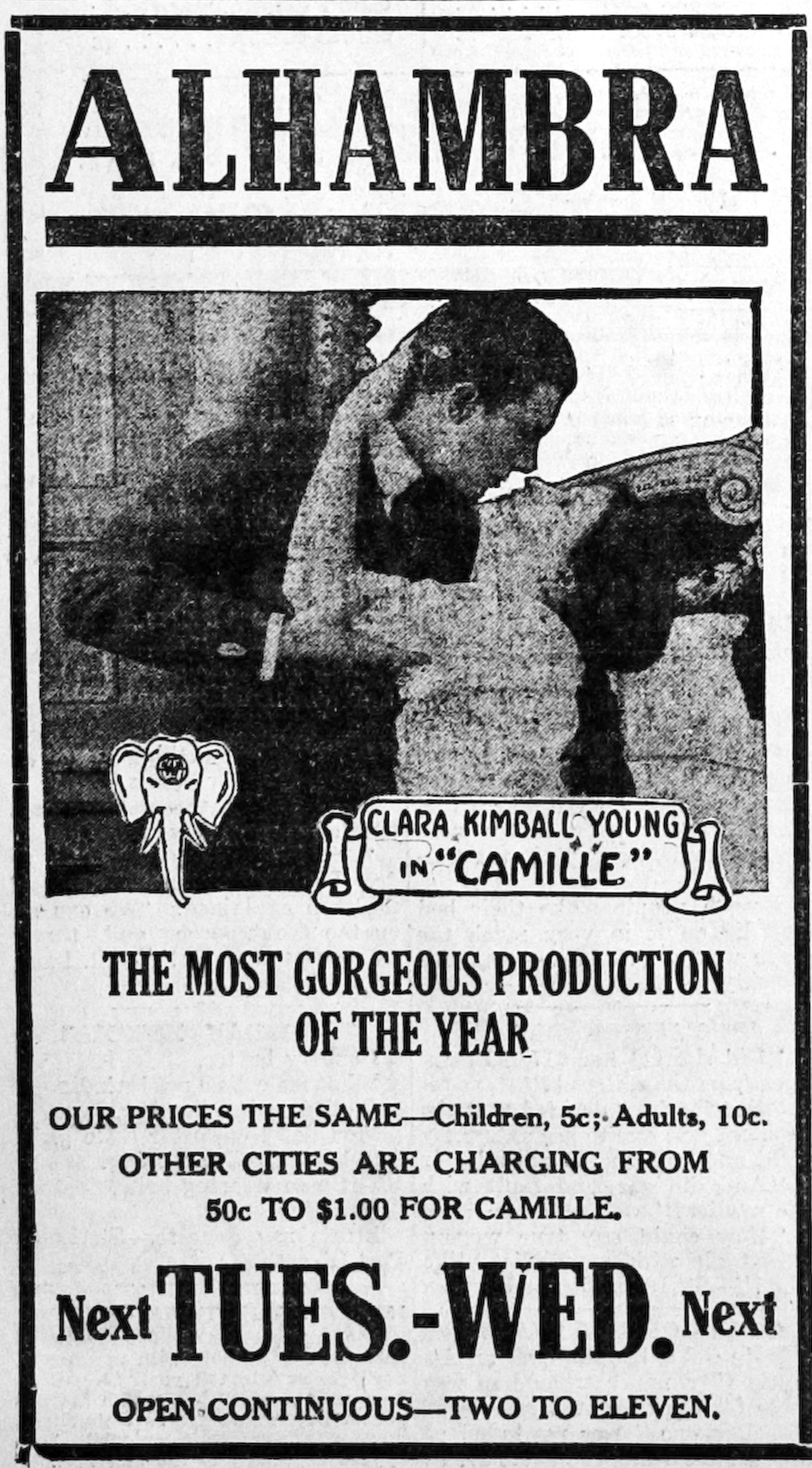
Dir: Albert Capellani
Marguerite Gautier, known as "Camille" on account of her fondness for camellias, is queen of the underworld. She has a wealthy lover in Count de Varville, whom, though he supplies her with plenty of money, she does not love in return. Her affections are set upon Armand, a young lawyer from the country. She suffers from her excesses, and the doctor warns her that she must change her mode of living, but she laughs at his advice. Armand's love for her renews her interest in life, and she goes with him and lives quietly in the country. But their happiness is short. Camille has had to sell her jewelry and horses in order to pay her debts, and, learning of this, Armand becomes suspicious. Armand's father, hearing of his son's attachment for Camille, demands that the woman should abandon Armand. For the sake of Armand's young sister, Cecile, Camille agrees to sacrifice herself and returns to her former life with Count de Varville. But Armand's love for Camille will not be suppressed. They meet again. He begs Camille to go away with him. She refuses. Armand accuses her of loving de Varville. The two men meet and quarrel. There is a duel, and Armand wounds de Varville. Armand learns that Camille always loved him and that her aim was to please the father by preserving Armand's family's good name. In the end Camille dies with a smile on her lips and expressing her love for Armand.
View Details
Dir: Albert Capellani
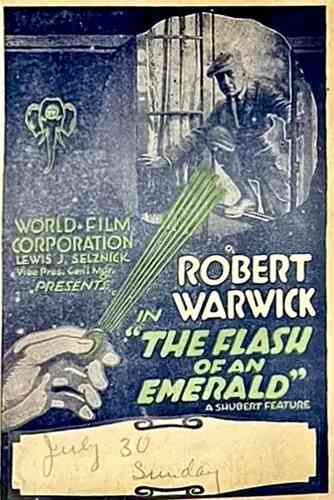
Lily Bart loves Lawrence Selden, a lawyer of moderate means, but she is also pursued by Simon Rosedale, a wealthy businessman, and Augustus Trenor-Dorset, a married man. When Dorset's wife Bertha announces that she is going to the country (although she really plans to meet Ned Silverton, with whom she is having an affair), Dorset asks Lily to dine at his home. Alone with him at the house, she rejects his advances, but when Mrs. Dorset returns, she publicly insults Lily, forcing her to move to another town. Lily's aunt dies and leaves her penniless, whereupon she reluctantly begins to seek employment. She is about to kill herself when Selden, who has never stopped loving her, enters the room and convinces her to marry him.
View Details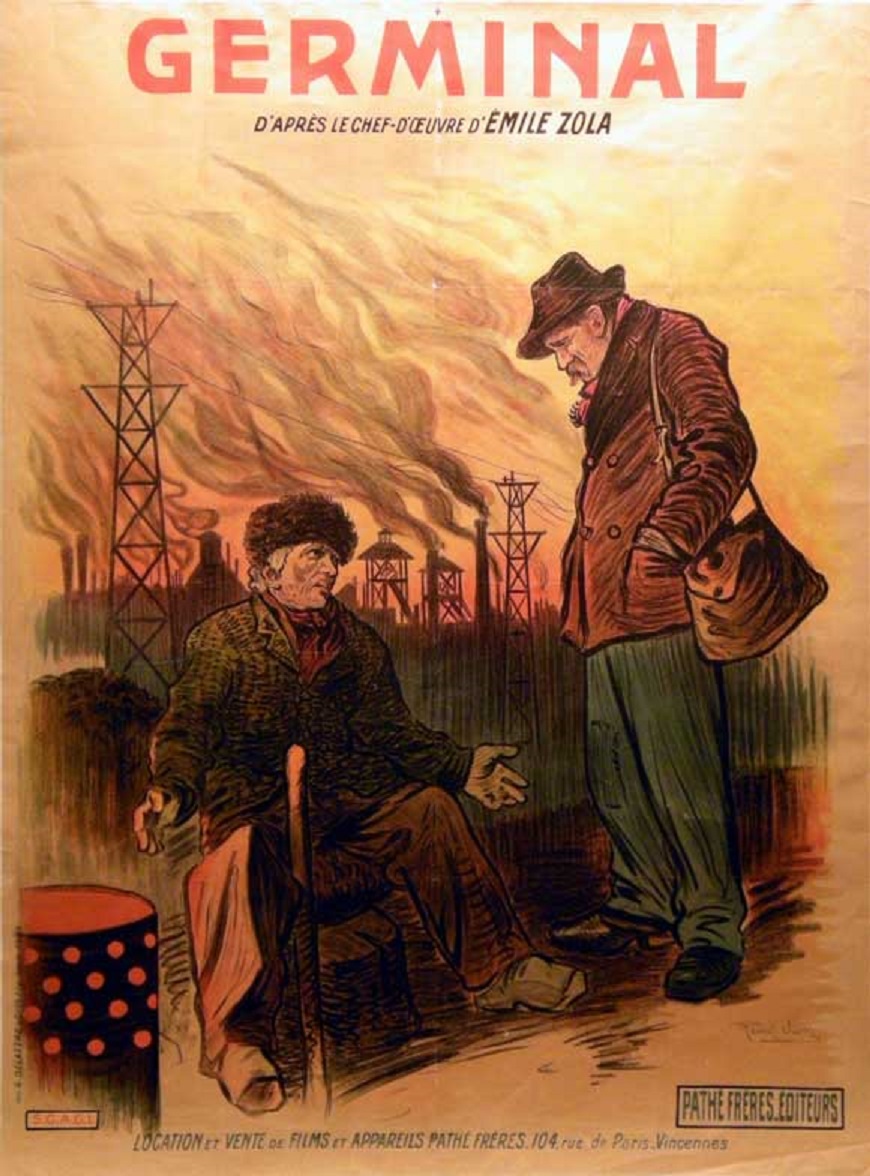
Dir: Albert Capellani
The mechanic Etienne Lantier is a competent workman out of a job, whose tempestuous disposition is more than atoned for by a good heart. With bundle in hand he looks for work from town to town and in vain until he comes to the coal mines of Montsou. Luckily for him there is a vacancy because of a workman being absent, and the foreman, Maheu, hires him at the suggestion of his daughter, Catherine, who dressed as a man is wont to work like a man in the mine. Lantier creates an impression on her and she takes his part much to the chagrin of her accepted lover, Chaval, an unworthy and violent man. Lantier fails to recognize her as a woman until after sharing her lunch with him in the depths of the mine, her hair falls from under her miner's headgear. From that moment he devotes his whole heart to her. At the end of the day's labor Lantier, who has excited a fierce jealousy in Chaval, is invited by Maheu to become a boarder at his house and he joyfully accepts. The engineer, Negrel, making his daily descent into the mine finds the shoring timbers holding up the earth in a bad state and ready to fall. He makes a report recommending that the woodwork he immediately and properly repaired so as to avoid accident. The company, however, posts a notice saying that because the woodwork has to be repaired the price received by the miners per car of coal mined will be decreased. This arbitrary and unfair notice causes much discontent and anger among the miners. A mass meeting is called for at the Cabaret Rasseneur; Souvarine, an anarchistic workman, advocates violent measures. Lantier opposes this and suggests concerted action. The anger of the workmen breaks out afresh when they begin to receive their reduced wages and urged on by Lantier, whose influence is growing, they vote to strike. In the meantime Catherine, though in love with Lantier, dares not go back on her word to Chaval and marries him. Chaval treacherously carries full information of the strike proceedings to Mr. Hennebeau, the chief director of the company, and accepts pay for being a spy. The strike is now on amid general enthusiasm. In the meantime, Negrel, the engineer, who is in love with Hennebeau's daughter, pleads with Hennebeau to answer the miners' requests. Miss Hennebeau also pleads with her father, but in vain. The stores refuse to extend credit to the striking workmen and famine soon stalks among them. Lantier discovers to his surprise that Chaval is an exception and that he has plenty of food and money. As yet he has not discovered that Chaval is the paid spy of the company. Catherine brings secretly to her starving relative food and money. Chaval follows her, drives her from the house and strikes her. Lantier seeing it interferes in her behalf, and being attacked by Chaval thoroughly thrashes him. Chaval, taking advantage of the growing misery among the miners, urges some of them back to work. While they are in the mines the other strikers cut the elevator ropes. There is a panic in the mine depths. The imprisoned miners finally escape by ladders, but have to run the gauntlet of the enraged strikers, who still hold out. When Chaval is dragged from the mine Lantier rashes at him, but Catherine steps in between and prevents harm being done to her husband. Blinded by hatred Chaval goes to Hennebeau and denounces the miners' leaders, especially Lantier. The police are called upon to arrest him, but warned in time he escapes to the abandoned shaft of Voroux. The strike becomes violent and the troops are called in to reinforce the police. In the absence of Lantier, Souvarine is called in to head the strikers. Hennebeau's house is attacked and stoned. Seeing the soldiers preparing to fire on the mob, the director's daughter rushes from the house to try and avert the coming calamity. She is caught in the storm of bullets and dies together with many of the miners and their wives, among them Catherine's father. This crushes the strikers' movement and instigated by Chaval they vote to resume work. Lantier, emerged from his refuge, tries in vain to dissuade them, but his influence is gone and bowing to the majority he also goes back to work. Souvarine, alone implacable, determines upon desperate measures. He releases the bolts binding the barriers that hold back water from flooding the mine and the flood breaks loose. He is drowned in the cataclysm that follows. The miners, caught like rats in a trap, run madly hither and thither. Some escape, others, among them Lantier, Catherine and Chaval, are caught. These latter three find themselves imprisoned in an abandoned working pit, where they sit in despair with the water up to their knees. They have little food and when after long hours Catherine attempts to give a little of her lunch to Lantier. Chaval furiously opposes. Chaval finally attempts to deprive his wife by force of her morsel of food. In righteous rage Lantier strikes him and kills him. His dead body, floating on the water, haunts them. Forgetting their animosities, directors and workmen unite in the work of rescue. Through an abandoned pit they come near to Catherine and Lantier. Their signals being answered by the prisoners they redouble their exertions. By imprudence, however, an explosion takes place, which kills many of the rescuers and sets back the work. Among those killed is Catherine's brother. When the workers finally pierce the intervening walls they find only Lantier alive, for Catherine lies dead in his arms. When the unconscious man is brought into the daylight and at last opens his eyes it is the bereaved Negrel who, with a heart of sympathy, comforts him in his grief when he sees the body of his dead sweetheart. Broken in spirit he sees injustice rule and the poor pay the piper.
View Details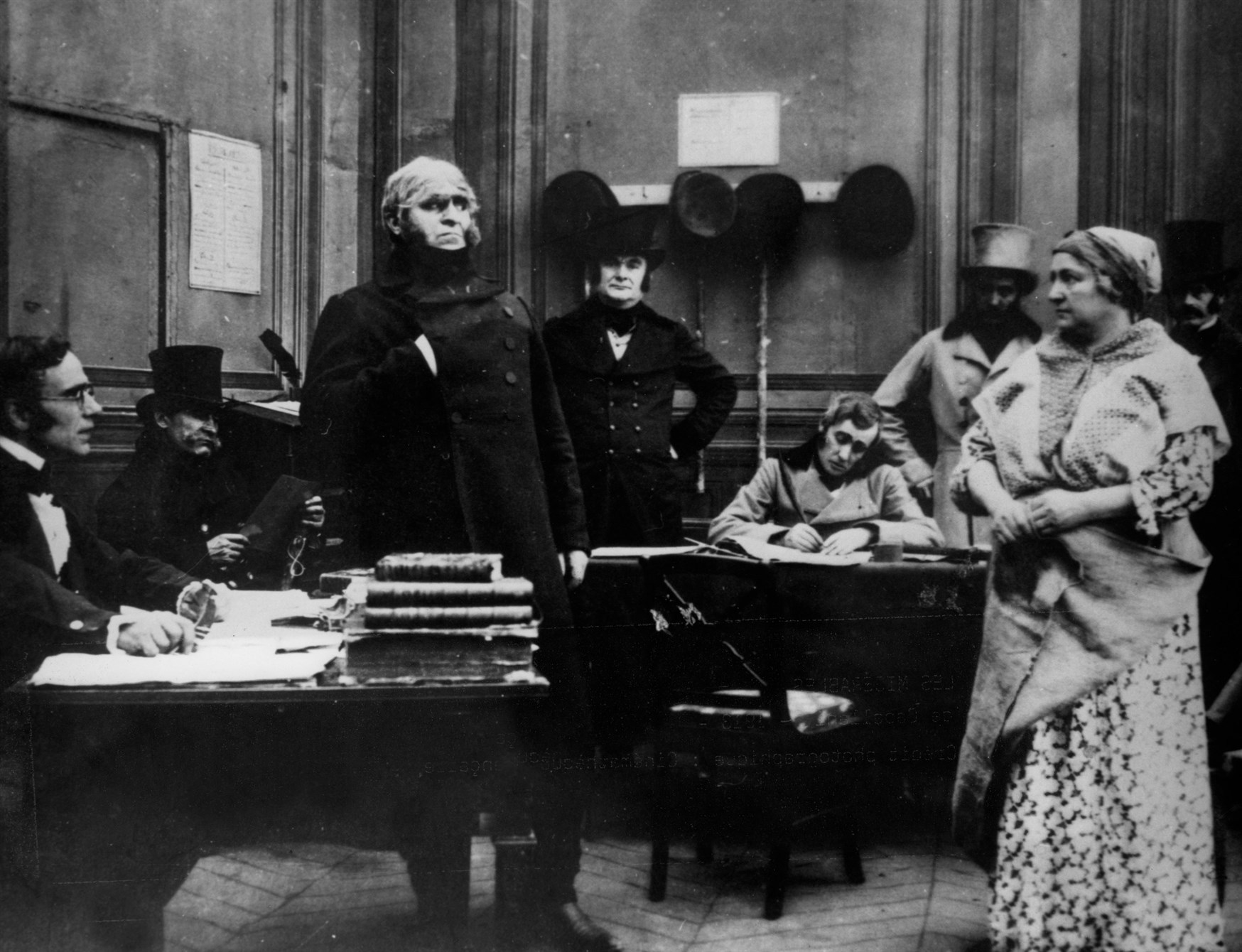
Dir: Albert Capellani
Jean Valjean, a good man convicted of a minor crime, escapes from imprisonment and spends the rest of his life running from the vindictive and implacable man of the law, Javert.
View DetailsAnalysis relative to The Fortune Teller
| Film Title | Atmosphere | Complexity | Similarity |
|---|---|---|---|
| The Dark Silence | Tense | Dense | 86% Match |
| Le nabab | Gritty | Abstract | 88% Match |
| The Common Law | Ethereal | Layered | 92% Match |
| American Maid | Tense | High | 96% Match |
| The Flash of an Emerald | Gothic | Abstract | 93% Match |
This guide was algorithmically generated using the cinematic metadata of Albert Capellani's archive. Last updated: 6/25/2026.
Back to The Fortune Teller Details →