
DbcultAccessing Vault...
Recommendations
Senior Film Conservator
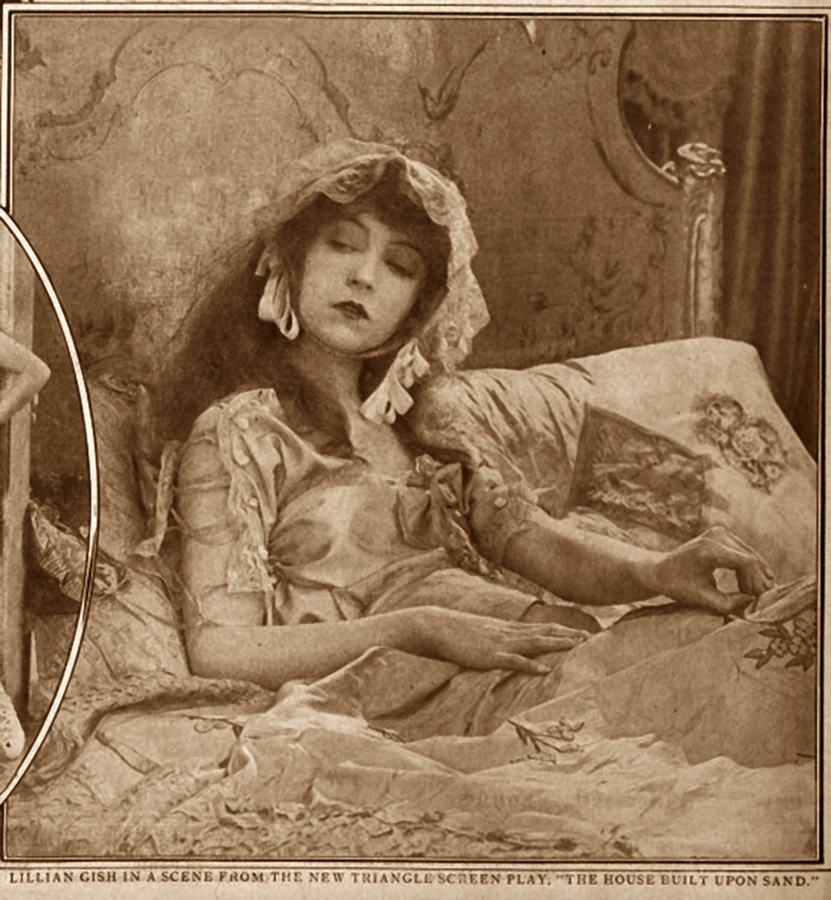
Looking back at the 1916 milestone that is The House Built Upon Sand, the cinematic shorthand used by Edward Morrissey is both ancient and revolutionary. Dive into this collection and find the spiritual successors to Edward Morrissey's vision.
As Edward Morrissey's most celebrated work, it defines to articulate the unspoken anxieties of United States's 1916 era.
Evelyn Dare is a butterfly of fashion. David Westebrooke, her fiancé, is an altruist interested in sociology. He has made his home in the factory town of Oreville, where he works among his employees as factory manager. The two young people were affianced by their parents, and although they have not seen each other for a number of years they are strongly attracted to each other and have no desire to break the engagement. When David discovers that Evelyn plans an elaborate wedding and that he is scheduled to appear at a series of smart social functions, he rebels. Through his attorney, he arranges a marriage, and afterward tells his wife that she is to accompany him to their home and telegraph her friends that she has run away. Evelyn opposes chis, but David is firm. He takes her to their home in the factory town and there orders his housekeeper to take away her useless clothes and to supply those befitting the wife of a factory manager. For some time Evelyn is miserable. Finally she becomes interested in the life of the factory town and starts a woman's club for the benefit of the factory workers. David maintains a club for the men of the town, but they change it into a gambling den. Complications arise when the men become angry because their women folk also have a club. This is aggravated when Ted, the husband of Josie, a mill-hand, returns from a term in prison and proceeds to poison Evelyn's mind against her husband. The men's club is burned down and David saves both Ted and Josie from the burning building. In the meantime Evelyn returns to her home, taking Josie's baby with her. After a time Ted, becoming conscience-smitten, goes to Evelyn and tells her the truth. David becomes lonely for his wife and leaves the factory town. There follows a reconciliation between him and Evelyn, the latter promising to assist him in his work, not only for love of him, but also because she is now interested in the people of the factory.
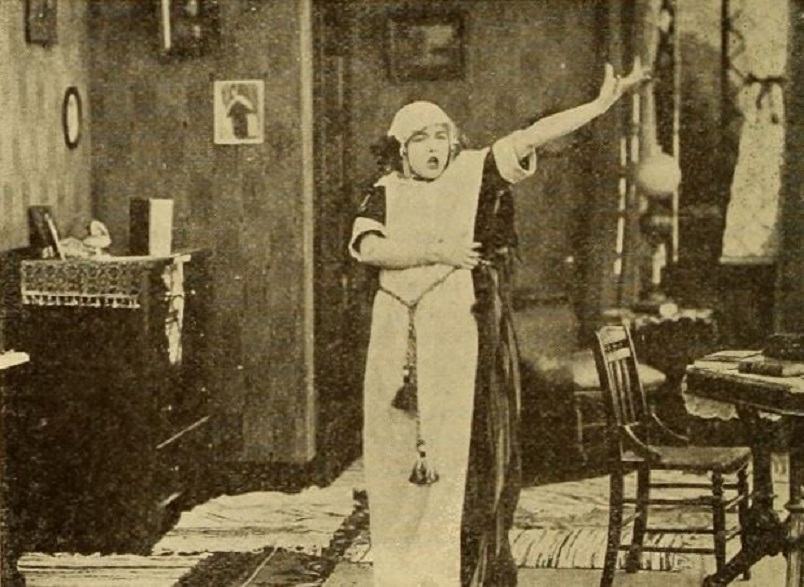
The House Built Upon Sand was a significant production in United States, bringing a unique perspective to the global stage. It continues to be a top recommendation for anyone studying cult history.
Based on the unique artistic bravery of The House Built Upon Sand, our vault has identified these titles as the most compelling follow-up experiences for fans of cult cinema:
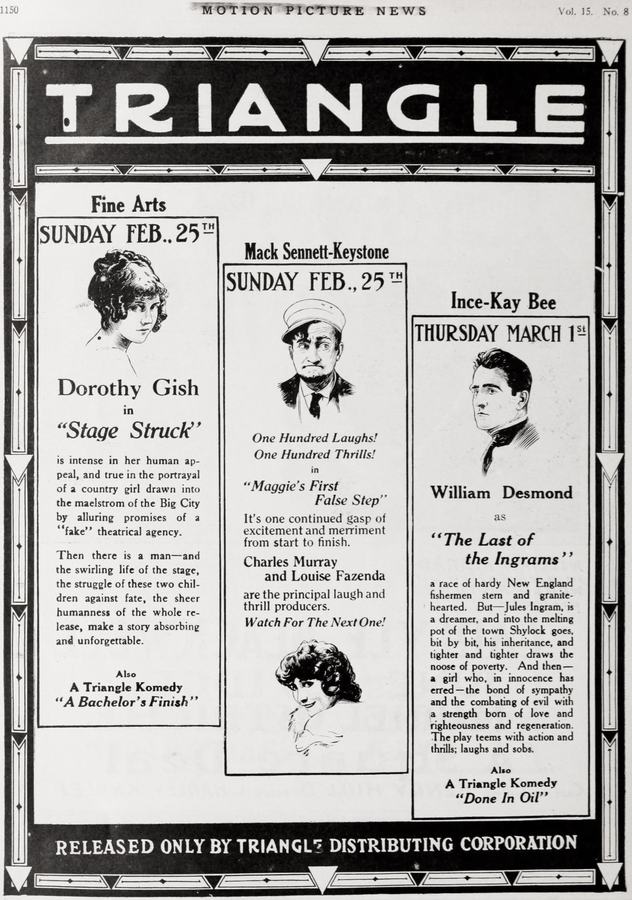
Dir: Edward Morrissey

In a garish theatrical boardinghouse in New York, orphan Ruth Colby (Dorothy Gish), who taught herself to be an actress through a correspondence course, turns for companionship to Jack Martin, the dissolute cast-off son of wealthy philanthropist Mrs. Martin. The two young people fall in love and are married by "the judge," a derelict Justice of the Peace. Shortly thereafter, Ruth leaves on a dreadful theatrical tour. When she returns she finds the boardinghouse closed and Jack gone. She is then befriended by Mrs. Martin, who is indignant that Ruth has been deserted by her husband. However, when Jack and Ruth are reunited and Mrs. Martin learns that the girl's missing husband is none other than her son, the dowager is mortified by the fact that her son has married a commoner and seeks to have the marriage annulled. When Ruth reforms Jack, turning him into an upstanding young man, however, Mrs. Morgan accepts Ruth as her daughter-in-law and all ends happily.
View DetailsAnalysis relative to The House Built Upon Sand
| Film Title | Atmosphere | Complexity | Similarity |
|---|---|---|---|
| Stage Struck | Tense | Linear | 93% Match |
This guide was algorithmically generated using the cinematic metadata of Edward Morrissey's archive. Last updated: 6/27/2026.
Back to The House Built Upon Sand Details →