
DbcultAccessing Vault...
Recommendations
Senior Film Conservator
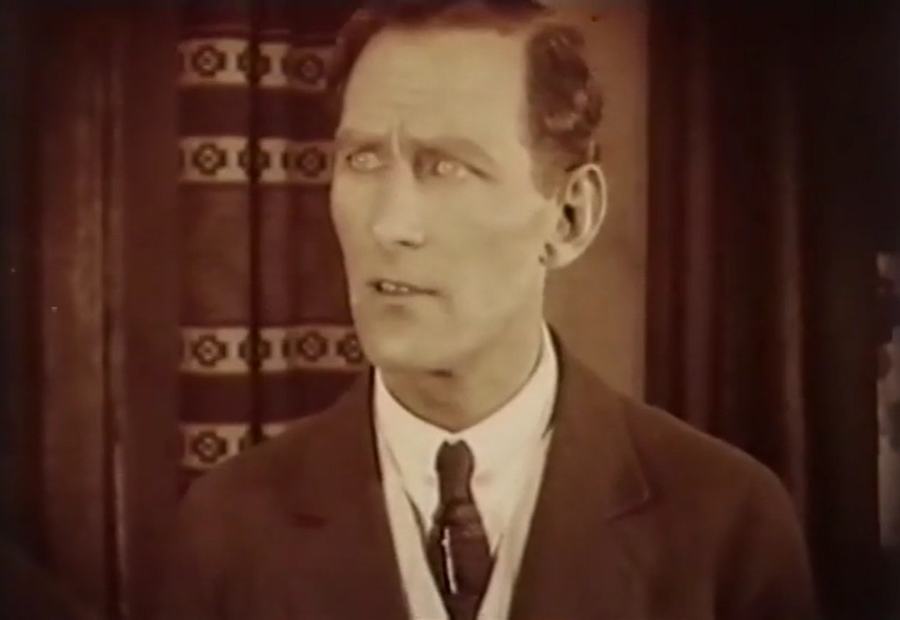
The 1921 release of The Island of the Lost redefined the parameters of Sci-Fi storytelling, the visual language established by Urban Gad is something many try to emulate. Explore the following titles to broaden your appreciation for Sci-Fi excellence.
Historically, The Island of the Lost represents to synthesize diverse influences into a singular artistic statement.
A loose and unofficial silent adaptation of H. G. Wells' The Island Of Dr. Moreau.
Critics widely regard The Island of the Lost as a cult-favorite piece of Sci-Fi cinema. Its unsettling tension is frequently cited as its strongest asset, solidifying its place in Germany's film legacy.
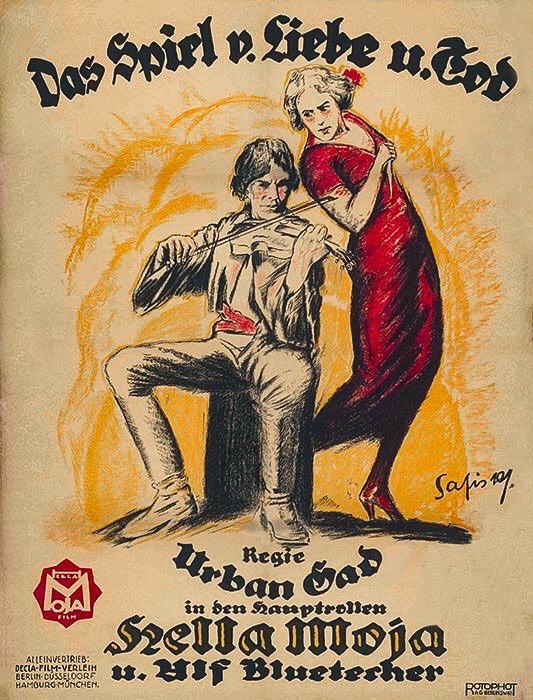
Based on the unique unsettling tension of The Island of the Lost, our vault has identified these titles as the most compelling follow-up experiences for fans of Sci-Fi cinema:
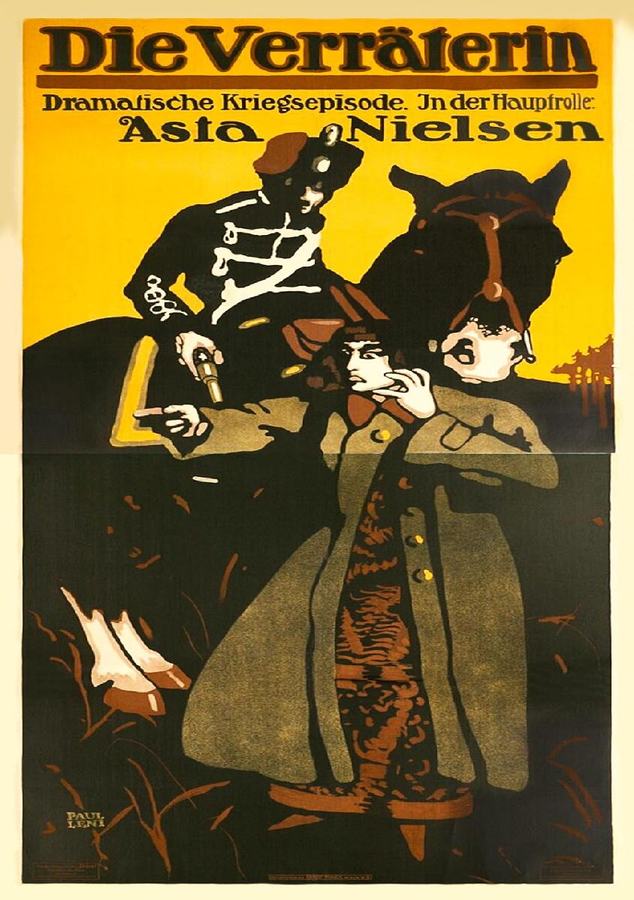
Dir: Urban Gad
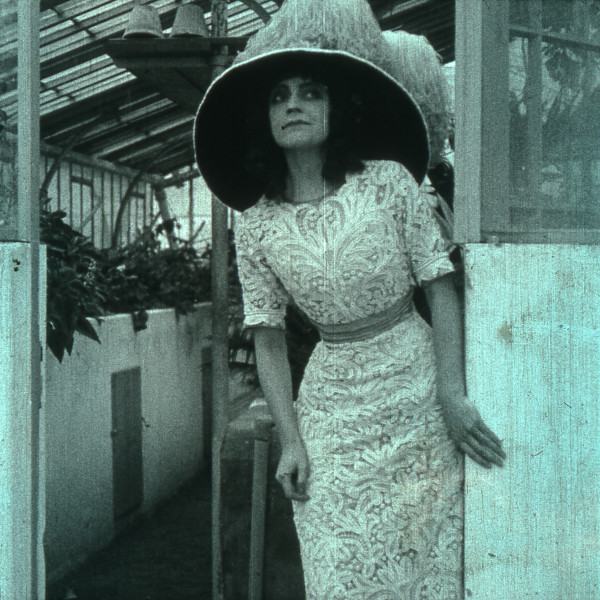
A woman betrays the regiment location in which the officer she is interested in is assigned because he despises her, only to regret it when he is caught and try to free him.
View Details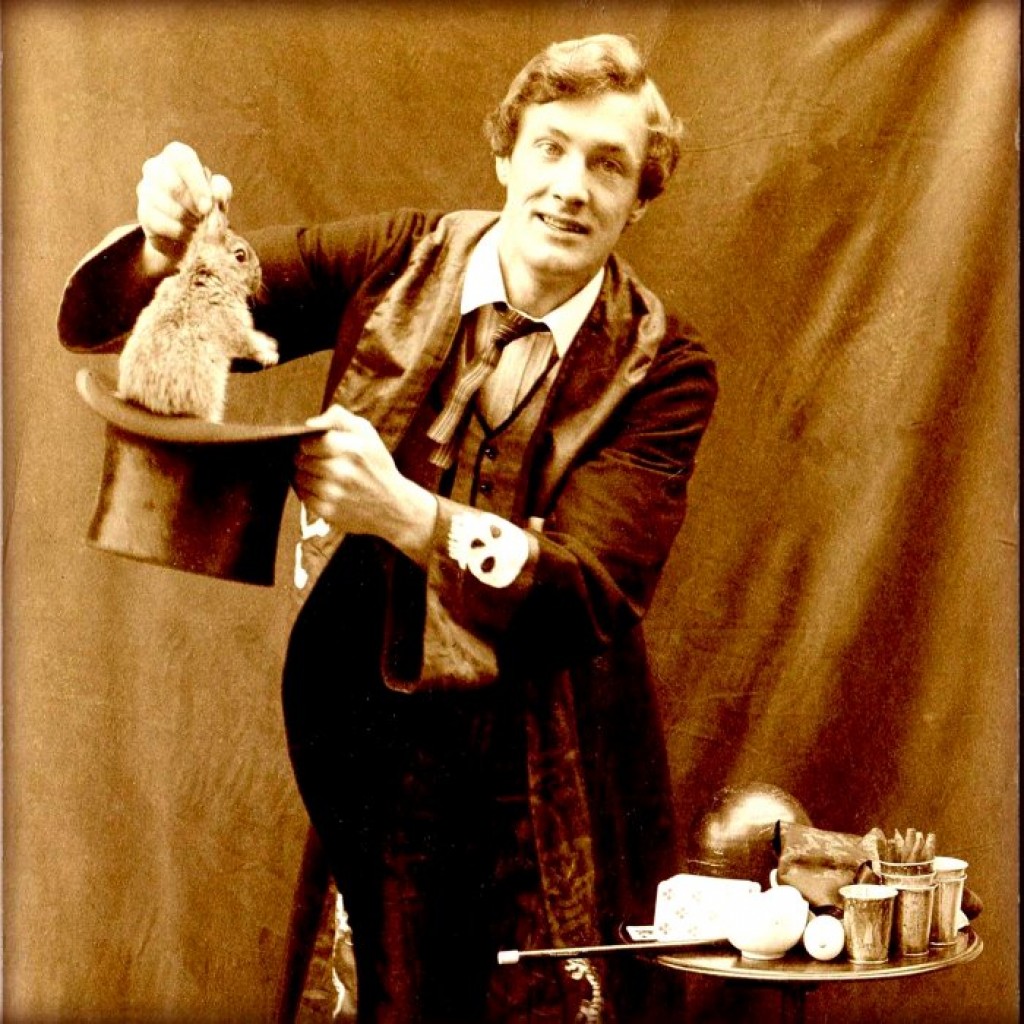
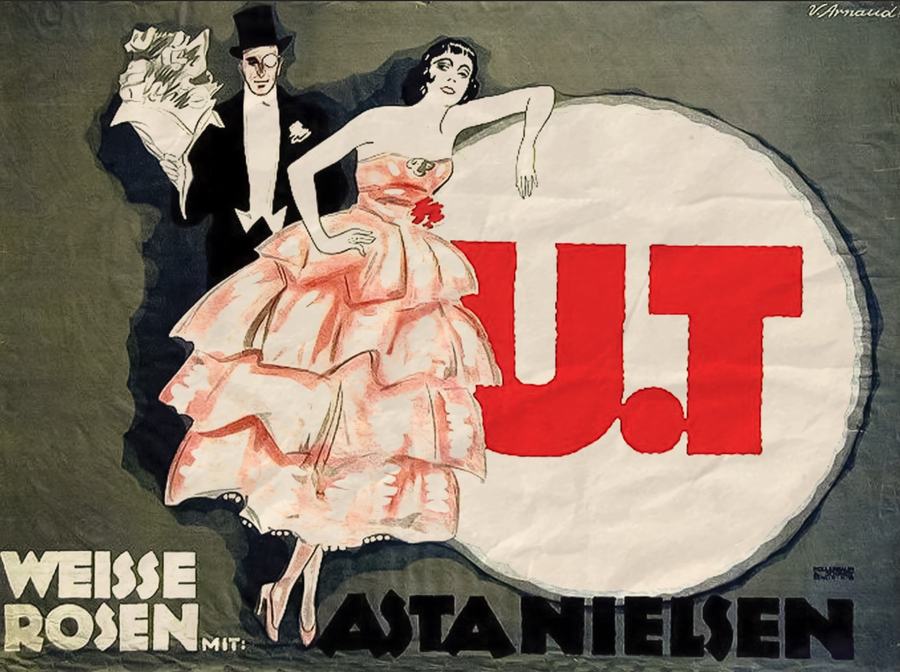
Dir: Urban Gad
Drama. When Hedda is about to appear on stage in Ostende she borrows a piece of jewelry from her fiancé, de Rochord. When a gang of thieves steals it, he calls off the engagement, but Hedda solves the crime singlehandedly and the two are reunited.
View Details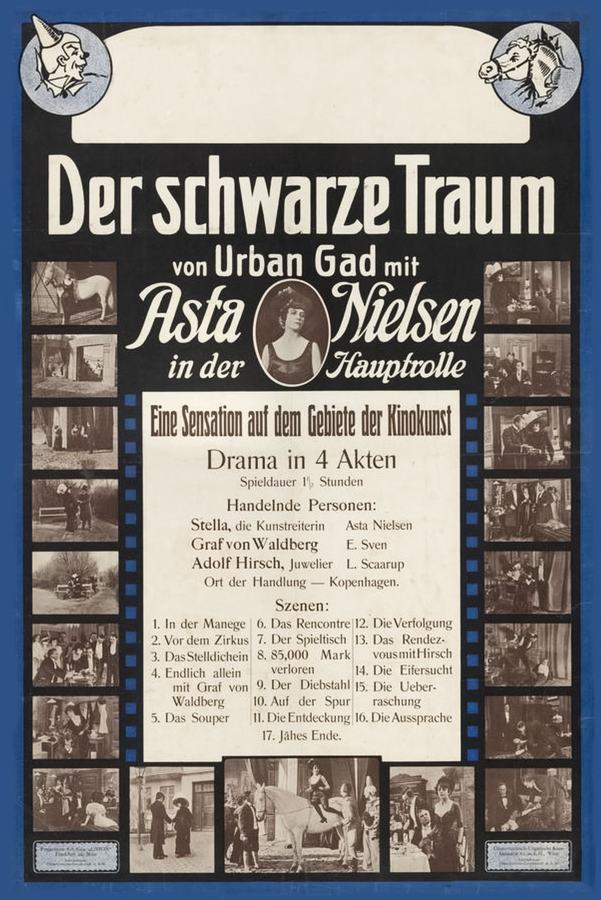
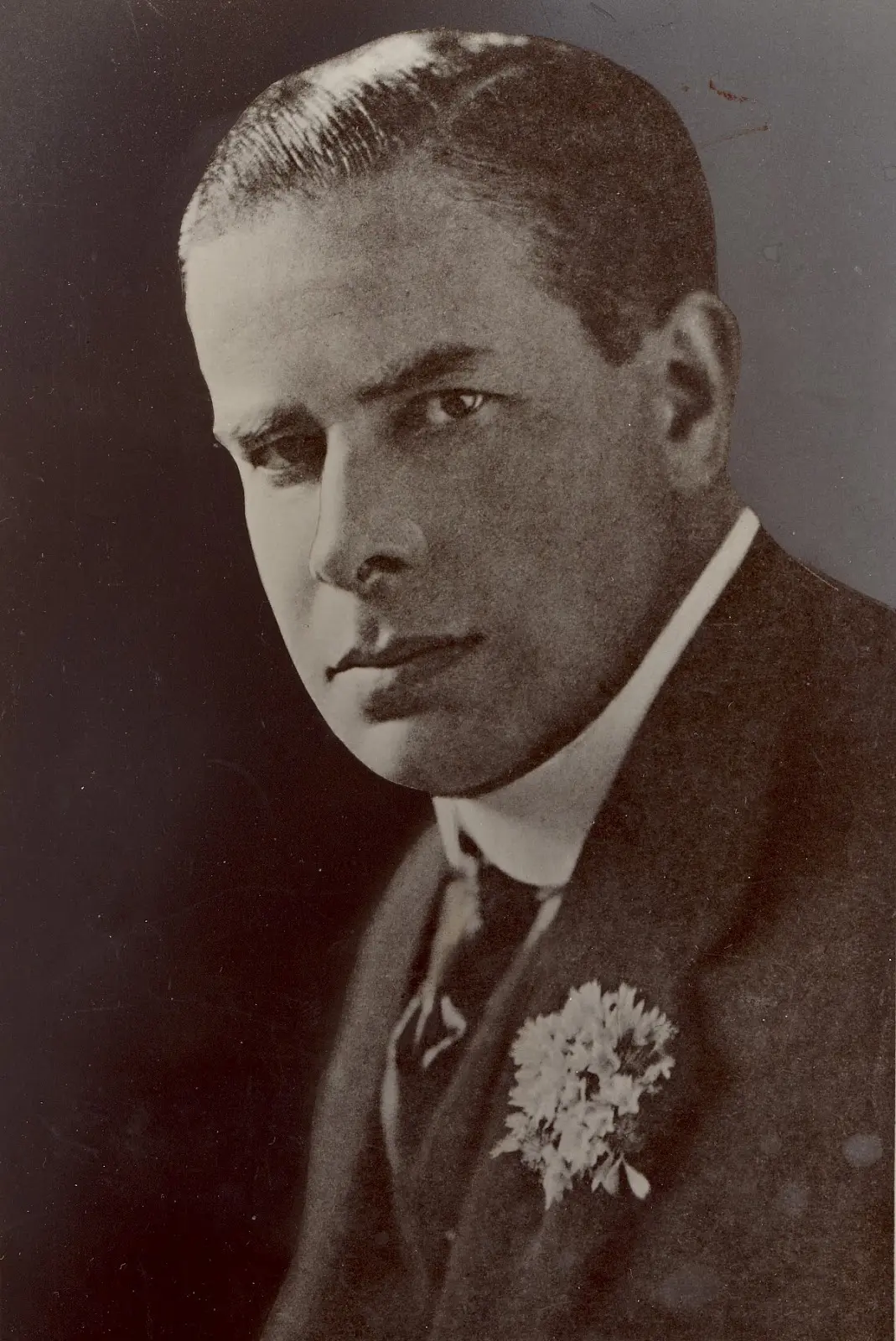
Dir: Urban Gad
Two men of high rank are both wooing the beautiful and famous equestrian acrobat Stella. While Stella ignores the jeweler Hirsch, she accepts Count von Waldberg's offer to follow her home, where she falls in his arms. At her party some days later Hirsch turns up uninvited. He says he wants to give Stella a piece of jewelry, but she repulses his advances. When Waldberg sees this he knocks Hirsch down. Hirsch challenges him to a duel by cards. Waldberg loses all his money, and in the end also has to sign a promissory note on 85.000, which should be paid within 24 hours. To help Waldberg solve his debt Stella goes to Hirsch to receive the brooch he has promised her. While he turns away, she steals a precious necklace from him, but he happens to see the theft in a mirror. He tails her to a park, where he sees Stella giving the necklace to Waldberg. Hirsch tells Stella to come to him at midnight, if she wants him to be silent about the theft. When Waldberg finds out that Stella is going to Hirsch in the night, he becomes jealous and goes there as well. By mistake he happens to shoot Stella, who reveals her sacrifice for him before she dies.
View Details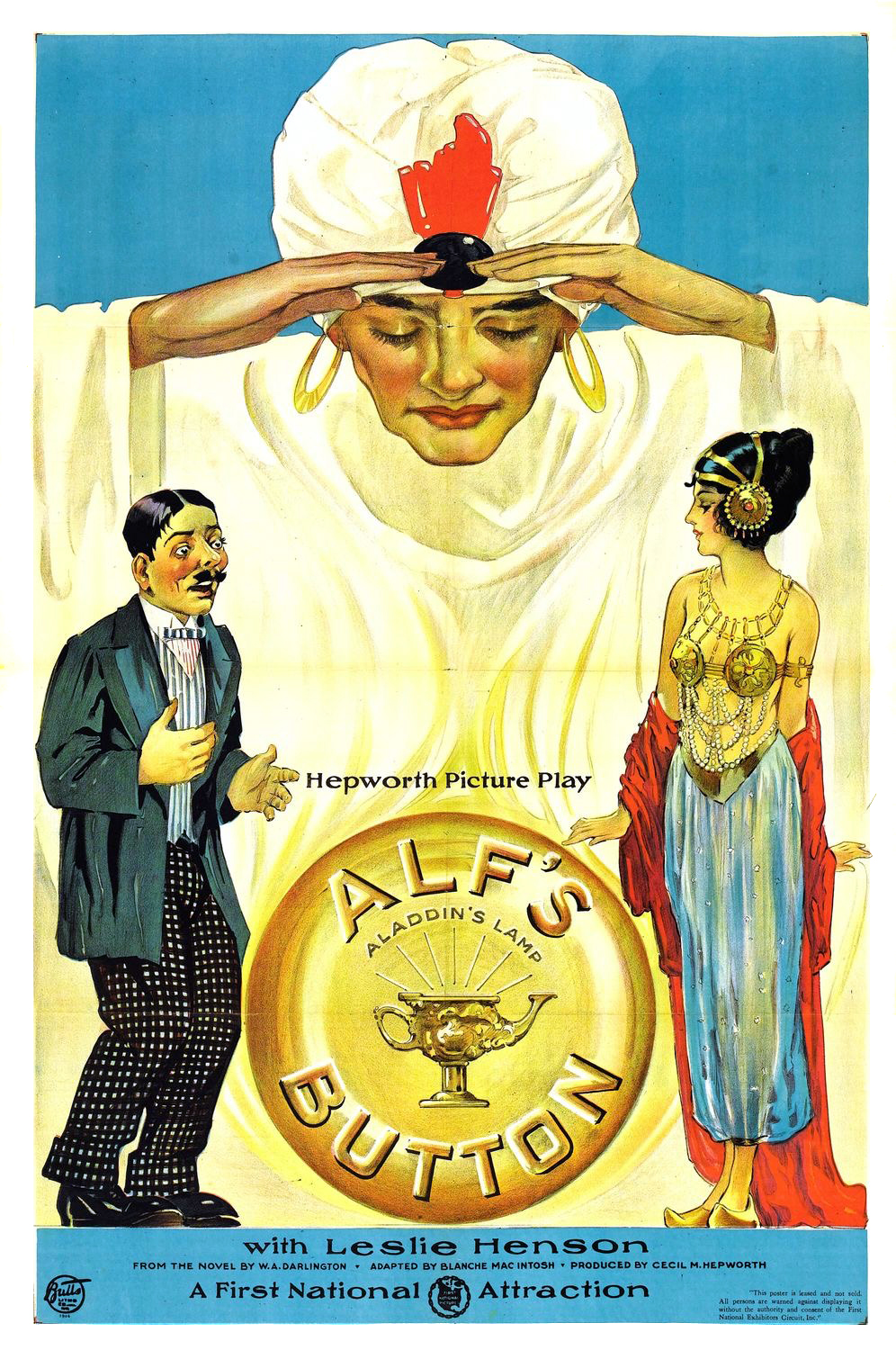
Dir: Cecil M. Hepworth
A soldier's tunic button, made from Aladdin's lamp, grants his wishes.
View Details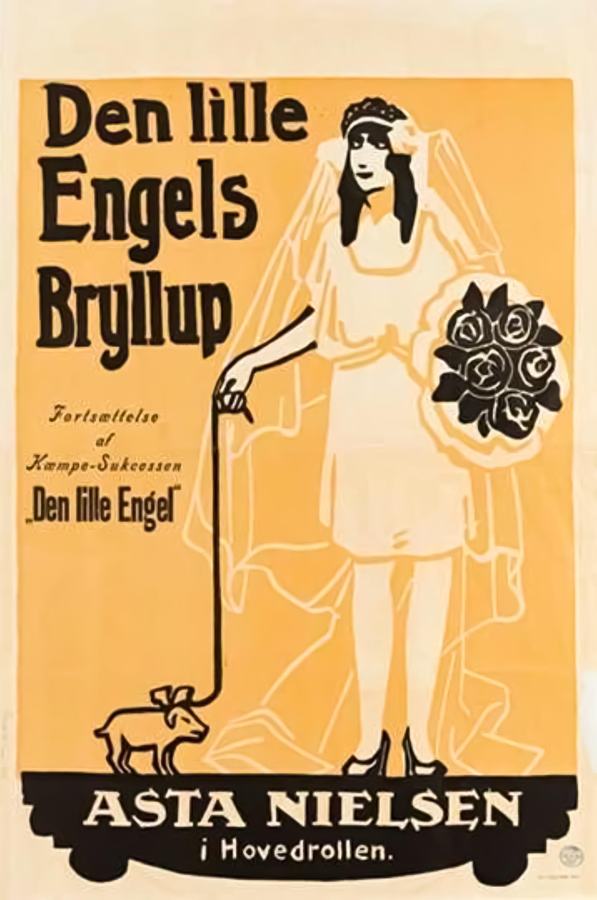
Dir: Urban Gad
Jesta is engaged to marry uncle Peter. When a squadron of hussars have to spend the night at their farm, Peter demands that Jesta will dress as a 12 year old. However, four hussars fancies her, before Peter marries her.
View Details
Dir: Fred Stranz
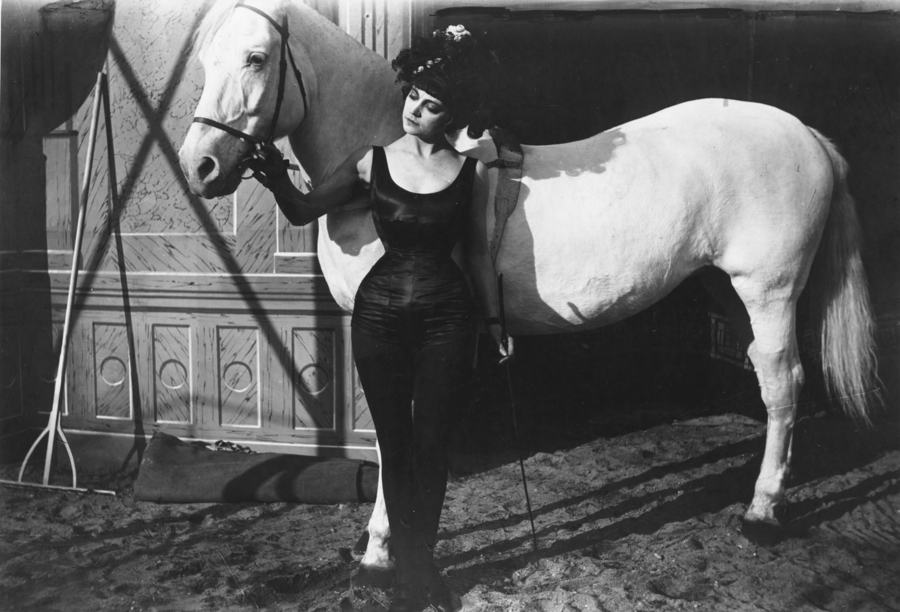
A fascinating piece of cinema that shares thematic elements.
View Details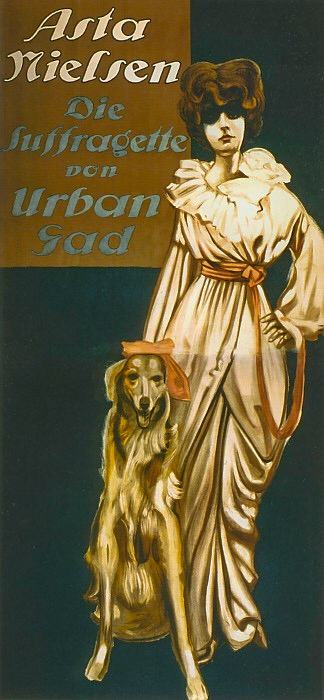
Dir: Urban Gad
Nelly's mother is a suffragette and persuades her daughter to join the good cause. Placing a bomb under Lord William's chair love develops between the two.
View Details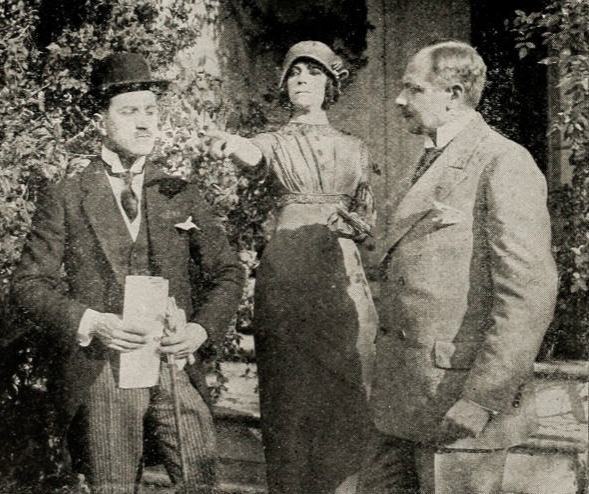
Dir: Urban Gad
Ernest Schiller, a wealthy merchant, has the cherished ambition to secure as his son-in-law the Count De Grechy, a member of the nobility. His ambition is about to be realized, for the Count has accepted an urgent invitation to be Schiller's guest. His arrival is hailed with delight by the merchant, who offers the freedom of his home. Bertha, Schiller's daughter, does not experience the same enthusiasm which is manifested by her father. The reason for this is that she has pledged her heart and hand to Franz Rambauld, her sweetheart. The Count's attentions, therefore, are greatly distressing to Bertha. Nevertheless, through her father's insistence, the unfortunate girl is compelled to engage herself to the Count. To celebrate her engagement, her father gives an elaborate reception. During the festivities Bertha joins Franz, and they run away to be married. Three happy years follow, and a little child makes glad the heart of the parents. Franz, through unfortunate speculation, becomes indebted to the Count, who insists upon being paid. To add to his distress, his child is stricken seriously ill, and only the attention of a celebrated specialist can save it. In her distress, Bertha is forced to humbly seek assistance from her mother. Successful in her quest, Bertha returns home. She arrives as her husband is pleading for more time to pay his debts. Realizing her husband's position, she pays the Count's agent with the money she has just received from her mother, forgetting her child's condition for the moment. The neglect proves fatal, and death claims their child. Overwrought by her grief, the mother's mind becomes unbalanced. Even after the child has been laid to rest, the little one still lives in the mother's imagination. Her sad condition breaks down the barrier between her father and herself. Thinking to ease her mind, Franz takes her to the plot where the child is buried. Returning home, she broods over the fact that her child lies in the cold ground, and in spite of the fact that it is mid-winter, she rises in the dead of night and starts for the child's grave. But the grim hand of death claims her ere she reaches her destination.
View DetailsAnalysis relative to The Island of the Lost
| Film Title | Atmosphere | Complexity | Similarity |
|---|---|---|---|
| Das Spiel von Liebe und Tod | Gritty | High | 92% Match |
| The Traitress | Ethereal | Abstract | 89% Match |
| The Great London Mystery | Tense | Dense | 94% Match |
| Die weißen Rosen | Tense | High | 95% Match |
| Den sorte drøm | Surreal | Dense | 87% Match |
This guide was algorithmically generated using the cinematic metadata of Urban Gad's archive. Last updated: 6/26/2026.
Back to The Island of the Lost Details →