
DbcultAccessing Vault...
Recommendations
Senior Film Conservator
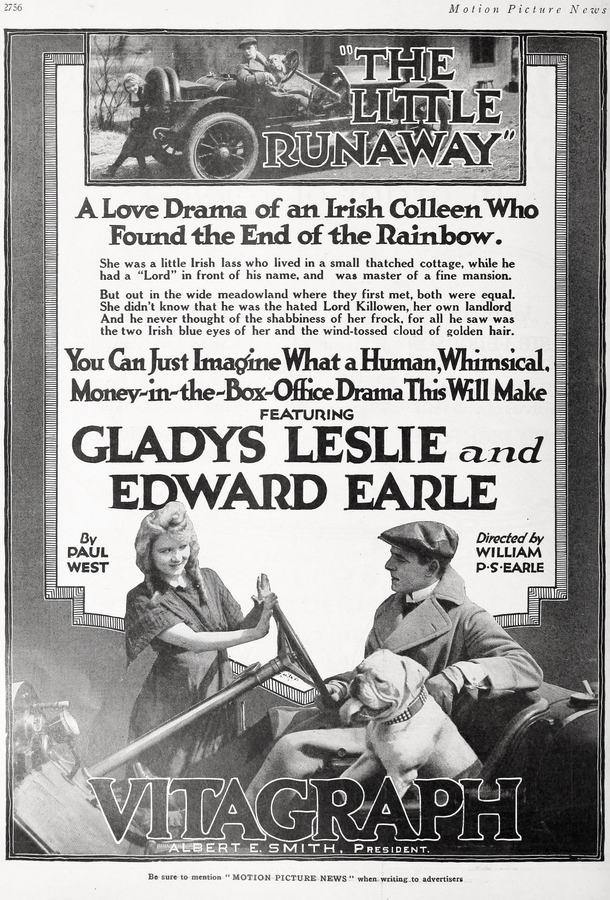
Since its 1918 debut, The Little Runaway has maintained a stylistic flair status, the legacy of The Little Runaway is a beacon for those seeking the unconventional. Our criteria for this list were simple: only the most stylistic flair and relevant titles.
The 1918 landscape was forever altered by the arrival of to sustain a sense of mystery that persists after the credits roll.
Lord Killowen, the landlord of a little village in Ireland, employs Harvey Dowd and his worthless son, Peter, to collect the rents. When Peter arrives at the modest home of Ann, a young lace maker who lives with her aunt and blind grandmother, he makes improper advances towards her, but Killowen, who is motoring through the area, rescues her. Without leaving her a receipt, Peter absconds with the rent money to America, and Ann's family is evicted. Determined to recover her money, Ann follows Peter to New York, where she is befriended by a policeman, who informs her that Killowen has come to America to court the wealthy Eileen Murtagh. Lord Killowen takes Ann to Eileen's home, but the latter, in a fit of jealousy, orders the girl to leave. When Ann returns during Eileen's engagement party, Killowen realizes that he prefers the little lace maker and proposes to her.
Critics widely regard The Little Runaway as a cult-favorite piece of cult cinema. Its stylistic flair is frequently cited as its strongest asset, solidifying its place in United States's film legacy.
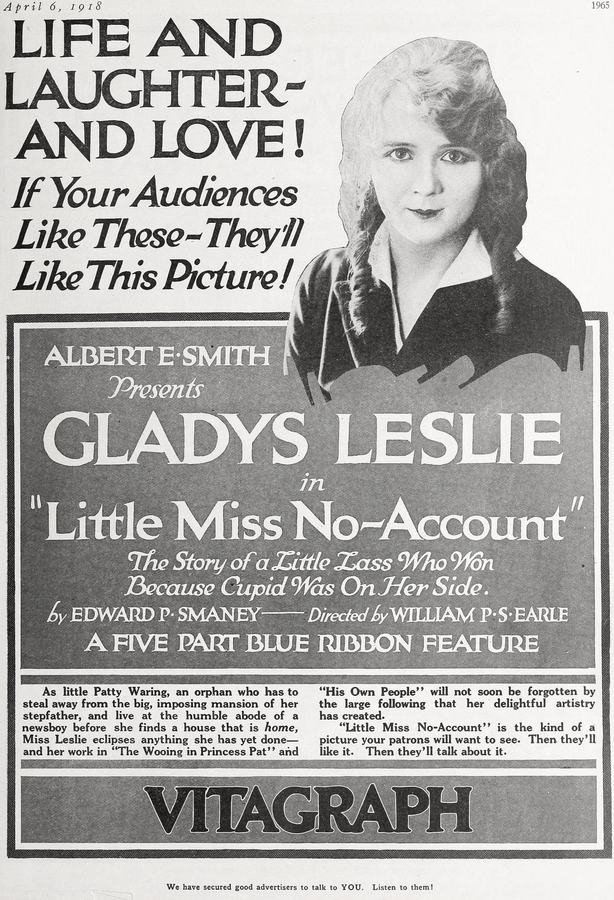
Based on the unique stylistic flair of The Little Runaway, our vault has identified these titles as the most compelling follow-up experiences for fans of cult cinema:
Dir: William P.S. Earle
Patty Baring will lose the fine old Washington Square house she is to inherit if her scheming stepfather Josiah Wheeler's plan to acquire it for himself is successful. Cruelly abused by Wheeler, a gambling hall owner, Patty runs away to live with a newsboy named Bobby and his grandfather Herman. There, in spite of her shabby dress and humble companions, she arouses the admiration of Edwin Sayer, the district attorney. Ned, a soft-spoken gambler, desires to possess Patty, and at the instigation of her stepfather, lures her into a gambling den that Edwin has been planning to raid. Patty is arrested, but Edwin secures her release and places her in the charge of his mother. Ned and Josiah are imprisoned, leaving Patty free to claim her inheritance and wed Edwin.
View Details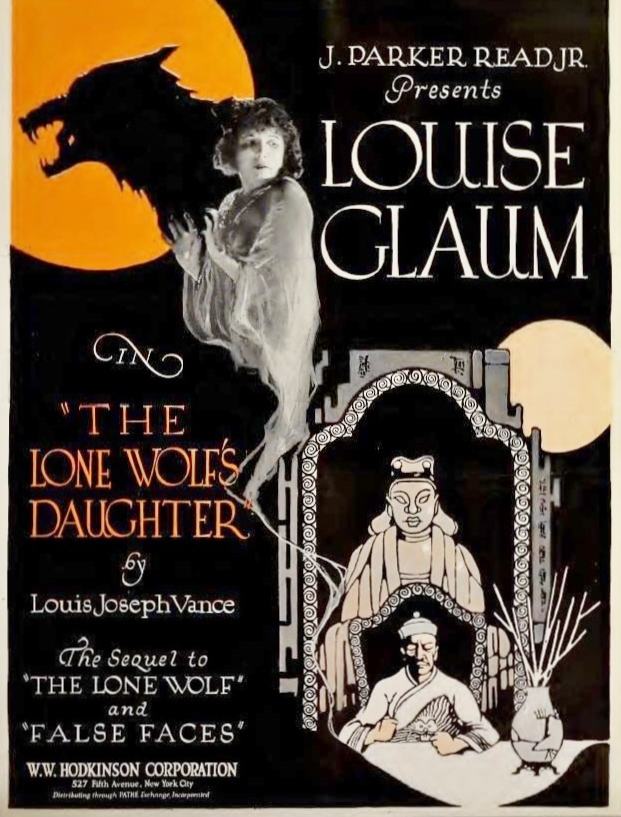
Dir: William P.S. Earle
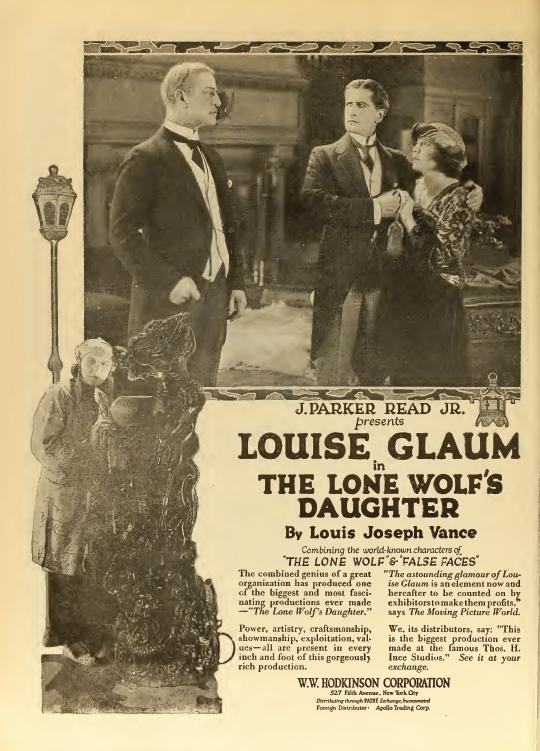
At a London auction, Princess Sonia bids against her husband, exiled Prince Victor, for a Corot landscape in which incriminating letters Sonia wrote are hidden, but it is bought by Michael Lanyard, who is suspected of being the mysterious, international thief "The Lone Wolf." After Lanyard gives Sonia the letters, she divorces Victor, marries Lanyard, and dies after bearing their daughter Sonia. Years later, Sonia, who thinks she is the daughter of the Princess' maid, is found by Victor, now the leader of an underworld gang of Asian crooks and Bolsheviks. Saying he is her father, Victor brings her to his home, hoping to entice Lanyard to make an appearance. When Sonia discovers the gang's plan to pump poisonous gas into Buckingham Palace and the homes of the wealthy so that Victor would be England's dictator, she tells Roger Karslake, Victor's secretary, whom she loves. Lanyard, who has been posing as Victor's Asian butler, and Karslake, both Scotland Yard agents, capture the gang amid fire and fights.
View Details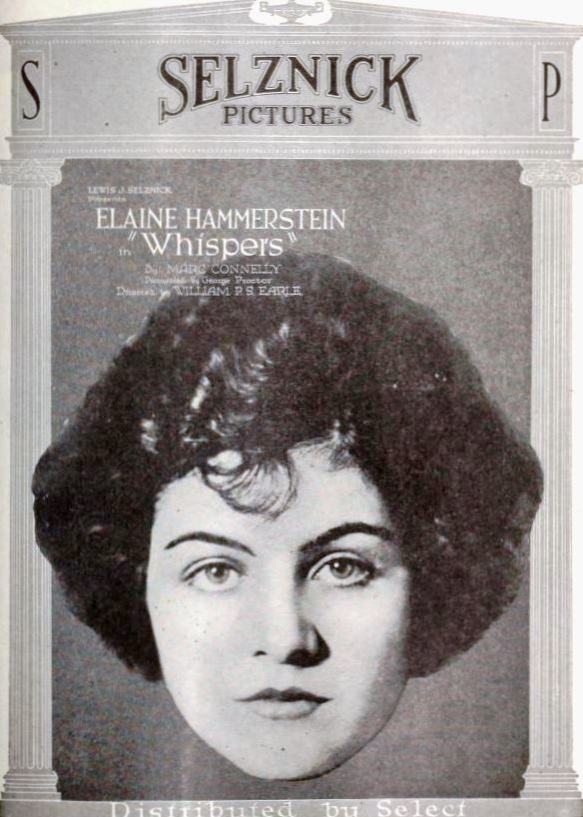
Dir: William P.S. Earle
Whispers are heard in the social circle of Daphne Morton because of her constant association with married man Dyke Summers. One night while Daphne is attending the opera with Summers, his wife spots the illicit couple, a clash erupts, and the account of the affair appears in the scandal sheet the next morning. After a quarrel with her aunt, the humiliated Daphne decides to go to Washington to seek out her father, whom she has not seen since she was a child. There she meets Pat Darrick, a young reporter assigned to the Summers scandal. Unaware that Daphne is the girl in the case, Darrick falls in love with her. Summers also follows Daphne to Washington, and when Darrick sees her with her alleged lover, he is hurt and disillusioned. Daphne finally locates her father in a nearby town, to which Darrick and Summers follow her. Learning the truth, Darrick abandons his job on the scandal sheet for the love of Daphne.
View Details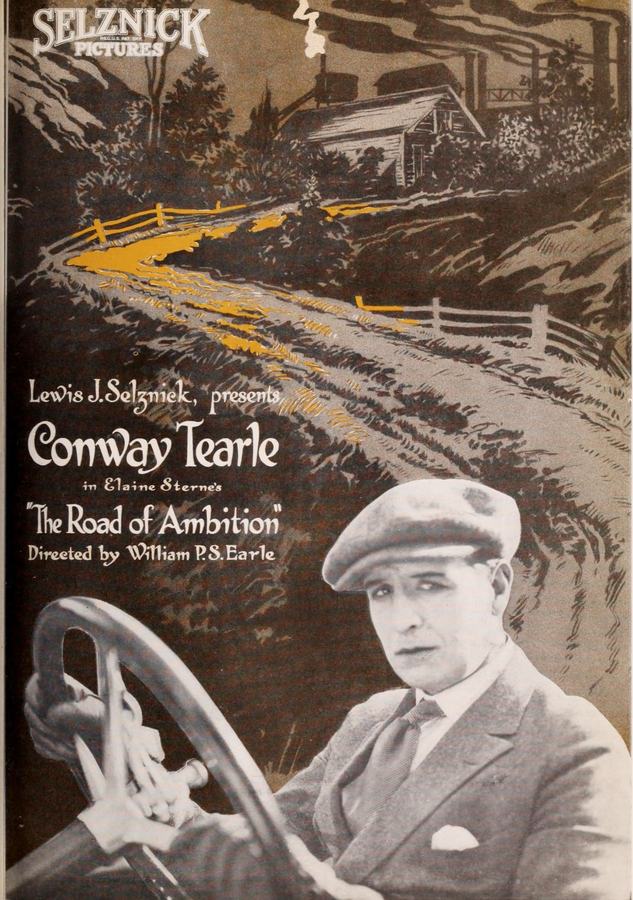
Dir: William P.S. Earle
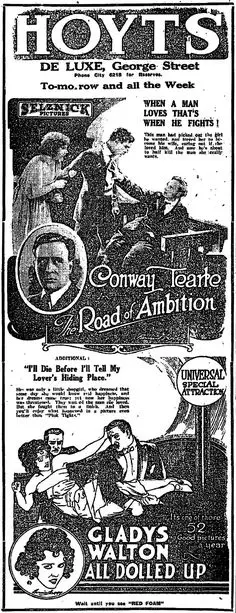
Bill Matthews, foreman for Bethel Steel, works hard to perfect a means for the elimination of waste in steel manufacture. Philip Colt, inheritor of the steel mill, is in love with Daphne Van Steer, whose father is in financial straits. One day, visiting the mill with Philip, Daphne witnesses Bill thrash an insolent workman, and is impressed with his strength though she then snubs him. Bill soon perfects his invention, and coming into great wealth, resolves to become Daphne's social equal by employing socialite May Larrabee to coach him. May schemes to win Bill and his money for herself; however, Bill still wants to marry Daphne and help out her father, a plan to which Daphne finally agrees. Philip's continued pursuit of Daphne ends in a struggle from which Bill rescues her, after which Daphne finally realizes that she has come to really love Bill.
View Details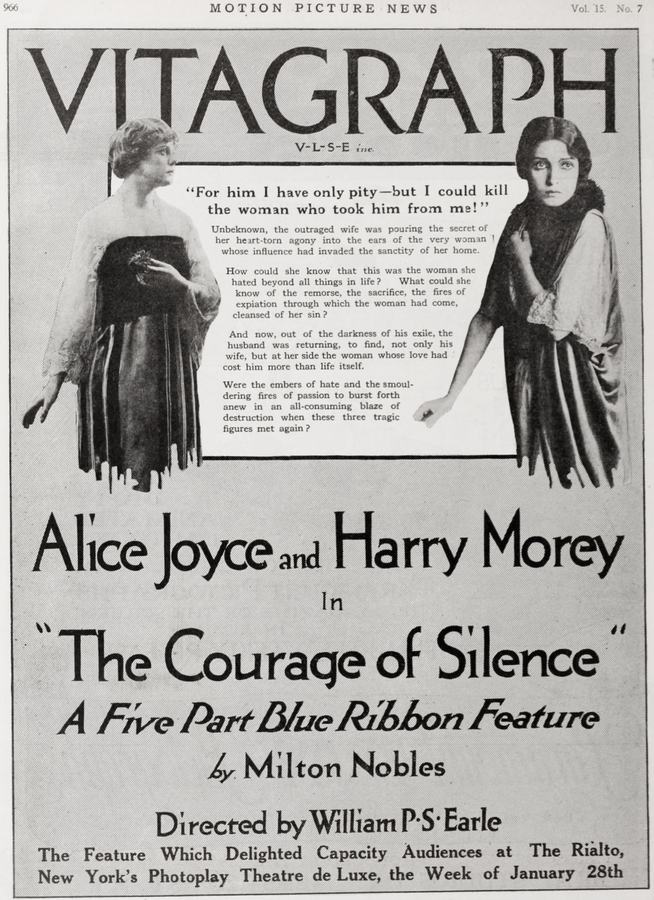
Dir: William P.S. Earle
Bradley, who is happily married and loves his family, is called to London on business. There he meets Mercedes, wife of the Spanish Ambassador. The marriage has been forced upon her, and her husband is cruel. Unaware that Bradley is married, she falls in love with him, and he is also infatuated. His better nature finally prevails, and he returns home and is happy until he receives a photograph from Mercedes. On pretext of business, he again goes back to Mercedes, finds there has been a quarrel, and that the ambassador has struck her. She and Bradley go away together, and while crossing the channel, he inadvertently discloses the fact that he is married. Mercedes unwilling to come between husband and wife, flees to a convent, and Bradley, unable to find her, joins an expedition to the forests of South America. Bradley has written his wife that he is a coward. Her health fails and her father takes her and the children for a trip abroad. The children are attacked by an epidemic of fever, and Mercedes, now a nurse, is summoned. She learns the identity of the family, and, when the boy calls for his father, she starts a search for him. After the crisis, Mercedes who has concealed her identity by use of a veil, wins her fight against a renewal of their relations, and warns Bradley, who has recognized her, to keep his wife in ignorance. Recovering from the fever which has now claimed her, she sees the reunited family depart for America, and knows her heart is empty and closed forever to love.
View Details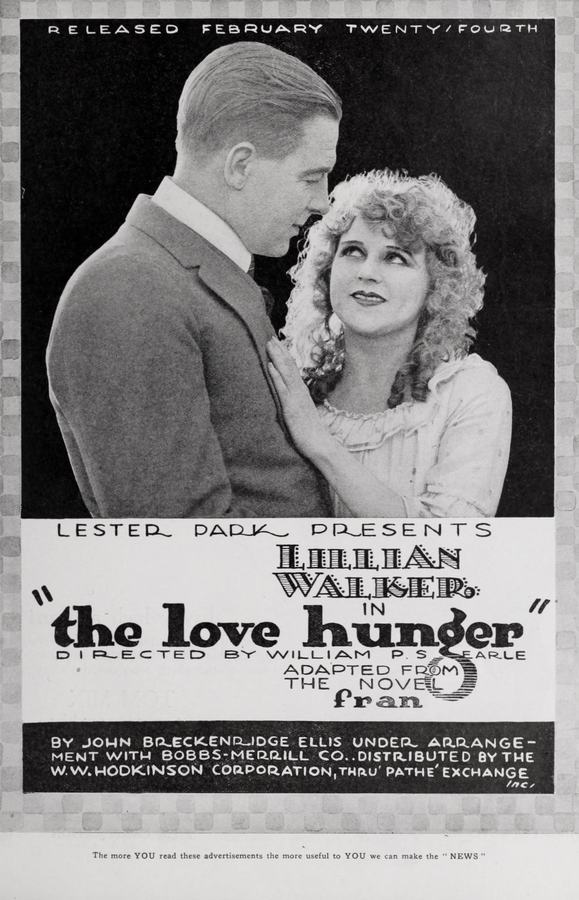
Dir: William P.S. Earle
After preaching at a camp revival meeting that charity begins in the home, Littleton minister Hamilton Gregory finds a girl calling herself only Fran on his doorstep and takes her into his home. Fran soon finds that Mrs. Gregory is unhappy because Gregory has no affection for her, preferring instead his secretary Grace Noir. When Fran admits to Gregory that she is his daughter by an abandoned woman, and attempts to have him get rid of Grace, Grace has Bob Clinton make inquiries concerning Fran's past. When the circus comes to town, Fran, in disguise, substitutes for an ill lion tamer, because the circus is her hidden background. Seeing her in danger, Gregory realizes his familial responsibilities and refuses Grace. Fran then marries the superintendent of her school.
View Details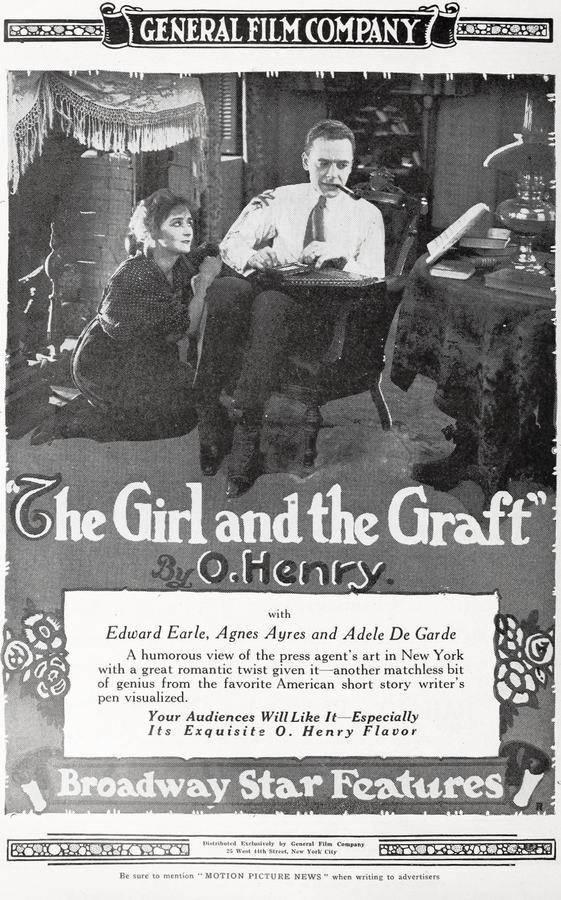
Dir: William P.S. Earle
Quiet, unassuming dreamer Poque wanders over the country propagating various grades of graft so he can spend his first vacation in the great metropolis, New York. During his ramble he encounters millionaire businessman Vancross, who longs for fame (notoriety). After talking with Poque he decides that he is just the right sort to act as publicity man for him. Poque balks at the idea of making such an unpretentious figure famous, but finally accepts his proposition. He arranges with a girlfriend to strike up an acquaintance with his employer, leading him on for a time, then suing him for jilting her. But things pan out quite differently from the way Poque intended. Instead of trying to get away from his employer, the girlfriend decides to marry him. But Poque gets a good sum of money, so he should worry.
View Details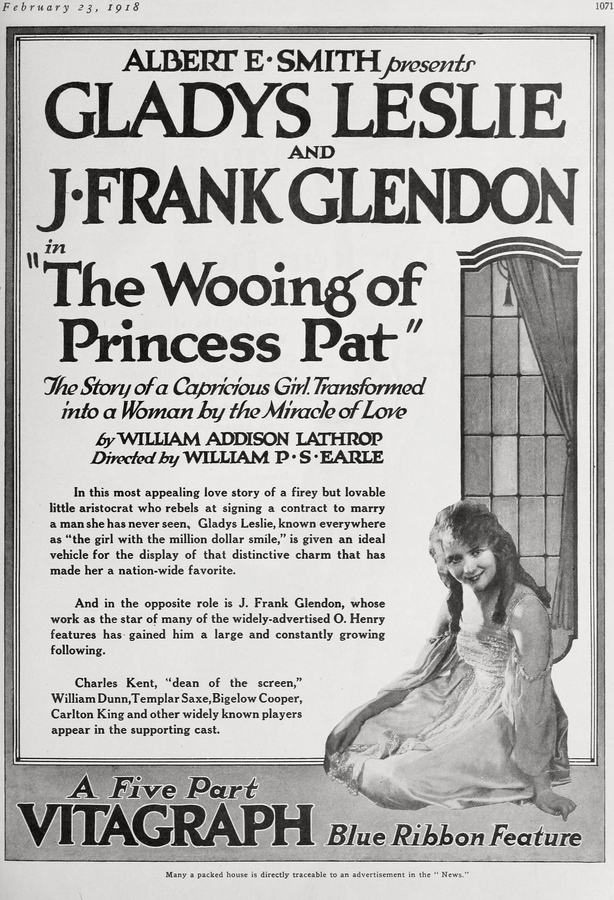
Dir: William P.S. Earle
To stave off war with a neighboring kingdom, Princess Pat of Paxitania agrees to marry Warburg's King Eric. Still very young and rebellious, the new queen finds it difficult to adjust to court life, and when she accepts an invitation to take a ride with the villainous Count Ladislaus, King Eric's patience gives out and he rebukes her severely. The banished count informs Pat's father, the Grand Duke of Paxitania, that she is cruelly abused, whereupon Pat's three brothers set out to bring her back home. In the end, however, King Eric and Princess Pat come to love each other dearly, and she sends her brothers home reassured of their sister's happiness.
View Details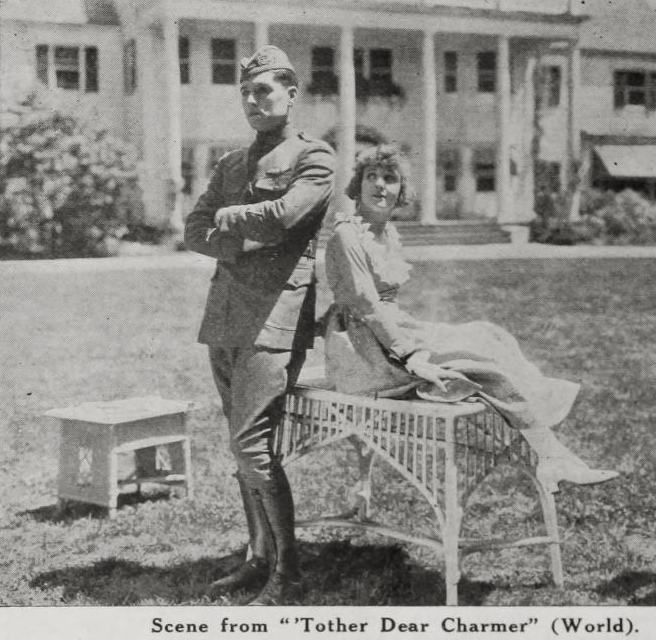
Dir: William P.S. Earle
When heiress Betty Hallowell organizes a Red Cross bazaar to raise money for the American effort in The Great War, she is disappointed that the event is not a success, so she decides to lease her beautiful country house to Mrs. Wentworth, a wealthy widow whose son Tom is recuperating from injuries received overseas. When Mrs. Wentworth suddenly demands the services of a maid for the summer, Betty, unable to secure a servant on such short notice, dons a dark wig and poses as "French maid Bettina." Much to his mother's embarrassment, Tom and "Bettina" fall madly in love, but necessity forces Betty to temporarily drop her disguise and reappear as the mistress of the house. Confused, Tom falls just as madly in love with Betty. Finally, he decides that he prefers Bettina to Betty, but Betty's uncle arrives and her deception is revealed. Tom explains his infidelity by stating that Betty's sweetness caused him to love her in both of her identities, and she is satisfied.
View Details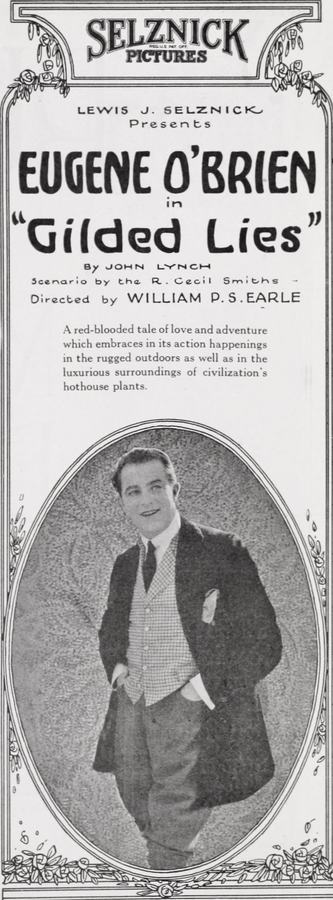
Dir: William P.S. Earle
When Keene McComb, a young explorer on an expedition to the North Pole, is given up for lost, his fiancée, Hester Thorpe, is coerced by an ambitious aunt into marrying Martin Ward, a man of reputed wealth. McComb survives, however, and returns to New York a few hours after the marriage. Later, Hester seeks his protection when Ward strikes her because of her refusal to ask McComb for money, and when it appears that Ward has committed suicide she and McComb are married. Ward is still alive, however, but he meets his death on a rocky precipice.
View DetailsAnalysis relative to The Little Runaway
| Film Title | Atmosphere | Complexity | Similarity |
|---|---|---|---|
| Little Miss No-Account | Ethereal | Abstract | 93% Match |
| The Lone Wolf's Daughter | Gritty | Dense | 87% Match |
| Whispers | Tense | High | 91% Match |
| The Road of Ambition | Gothic | Dense | 90% Match |
| The Courage of Silence | Tense | Abstract | 86% Match |
This guide was algorithmically generated using the cinematic metadata of William P.S. Earle's archive. Last updated: 6/27/2026.
Back to The Little Runaway Details →