
DbcultAccessing Vault...
Recommendations
Senior Film Conservator
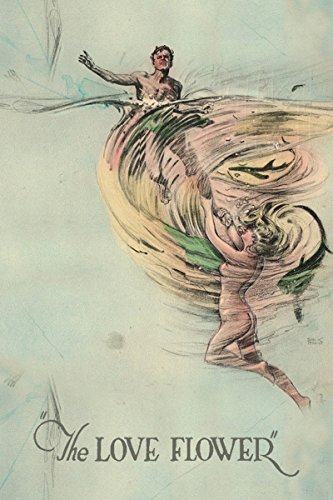
Delving into the atmospheric depths of The Love Flower reveals a master at work, the artistic provocations of The Love Flower demand a follow-up of equal intensity. These hand-selected movies are designed to satiate your craving for cult quality.
The enduring power of The Love Flower lies in to transcend the limitations of its 1920 budget and technology.
A man murders his wife's lovers, escapes with his daughter to the South Pacific. A detective pursues him, joined by a young man who eventually falls in love with the daughter.
The influence of D.W. Griffith in The Love Flower can be felt in the way modern cult films handle artistic bravery. From the specific lighting choices to the pacing, this 1920 release set a high bar for atmospheric immersion.
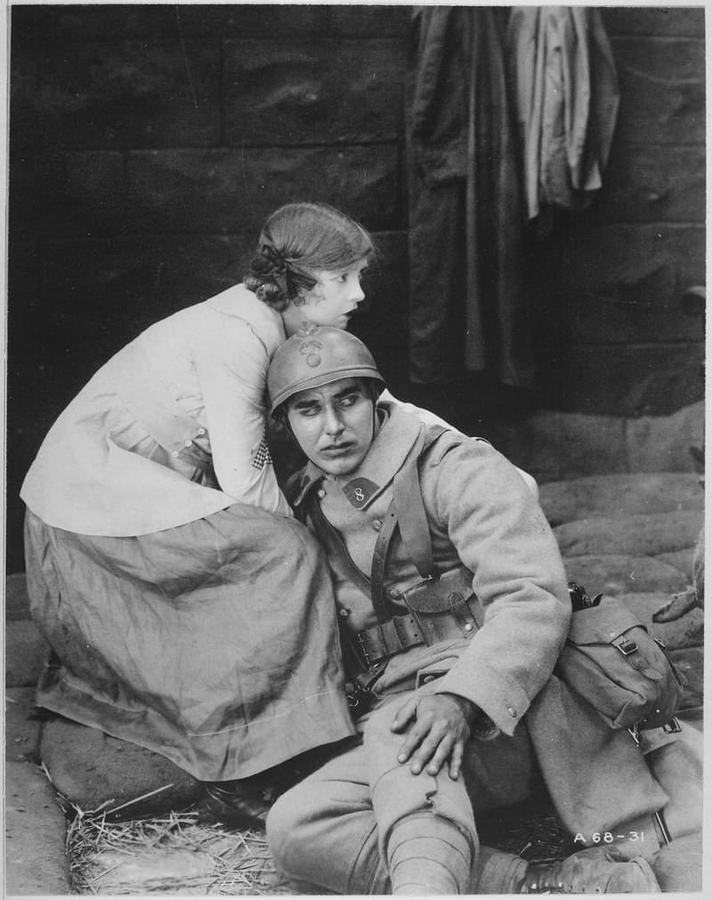
Based on the unique artistic bravery of The Love Flower, our vault has identified these titles as the most compelling follow-up experiences for fans of cult cinema:
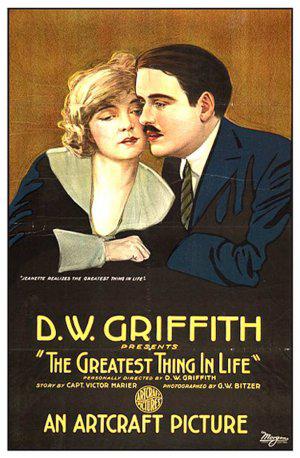
Dir: D.W. Griffith
Jeannette Peret, daughter of a cigar-store owner, leaves her Greenwich Village home for France in hopes of finding there the love which eludes her at home. She becomes enamored of le Bebe, a giant of a vegetable peddler, but his unsophisticated ways disillusion her. Edward Livingston, a wealthy young man from home who had spurned Jeannette, now turns up and realizes the error of his ways. But he, too, has a great flaw, and only the outbreak of war , ironically, is able to lead Jeannette to a peaceful conclusion to her quest.
View Details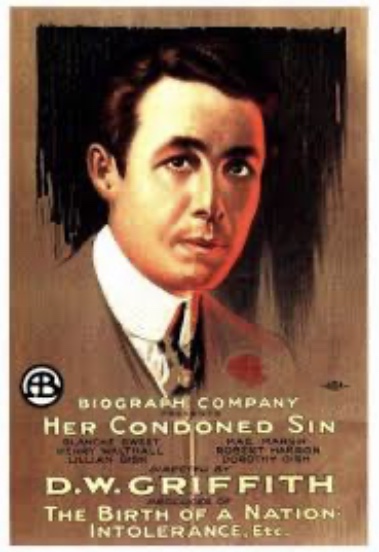
Dir: D.W. Griffith
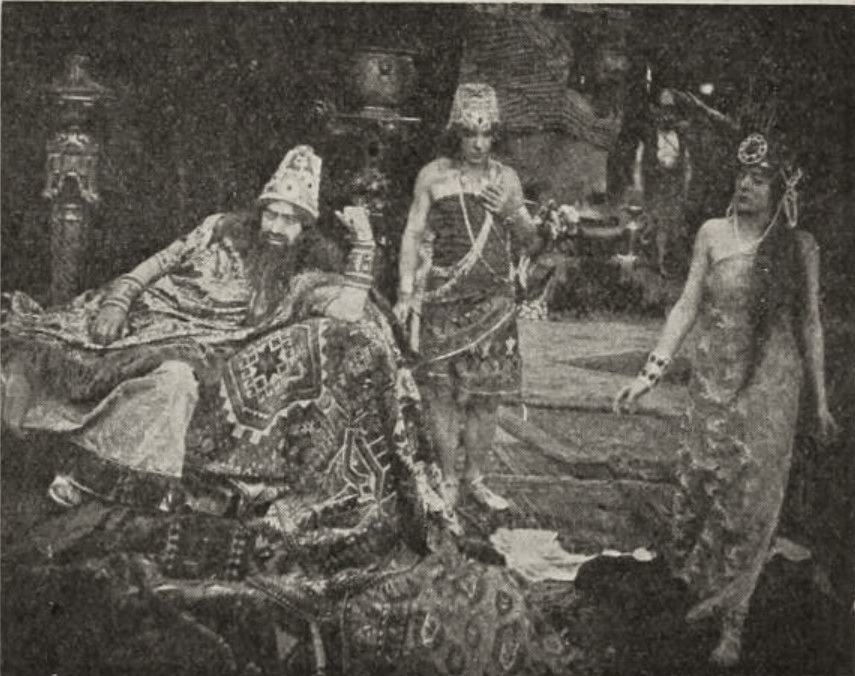
The Biograph Company's reissue of D. W. Griffith's "Judith of Bethulia" (1914), misleadingly re-titled and expanded with previously deleted footage.
View Details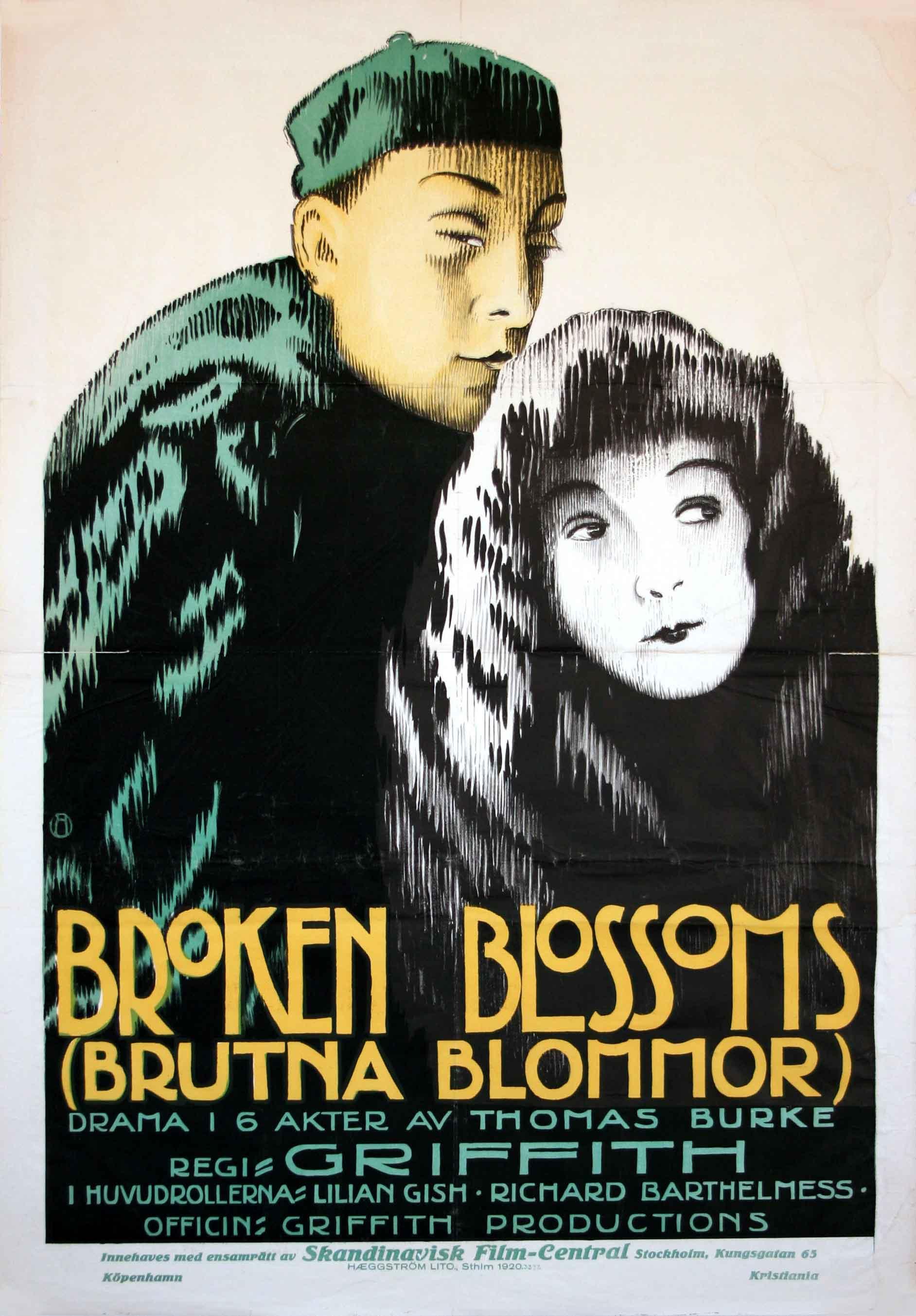
Dir: D.W. Griffith
A frail waif, abused by her brutal boxer father in London's seedy Limehouse District, is befriended by a sensitive Chinese immigrant with tragic consequences.
View Details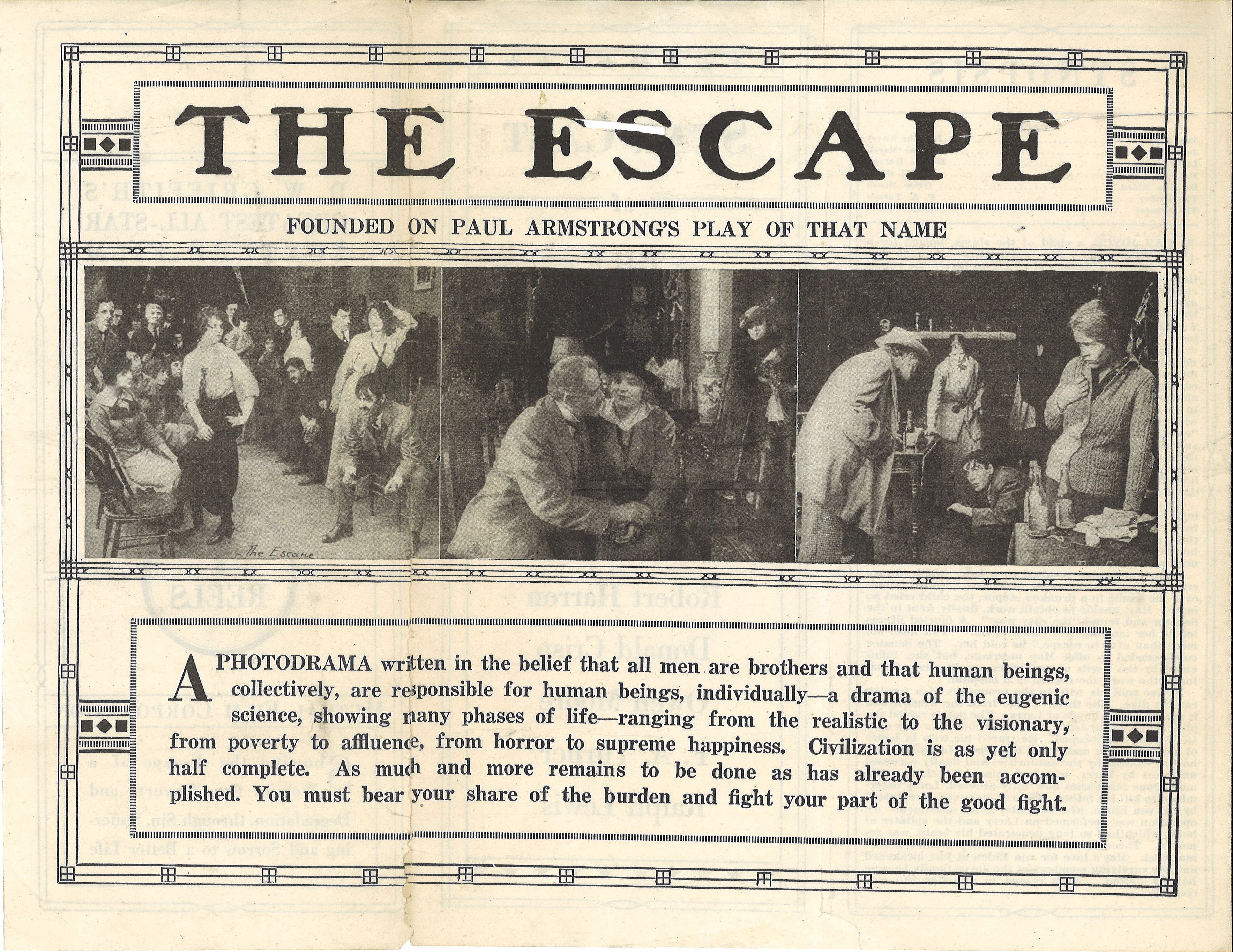
Dir: D.W. Griffith
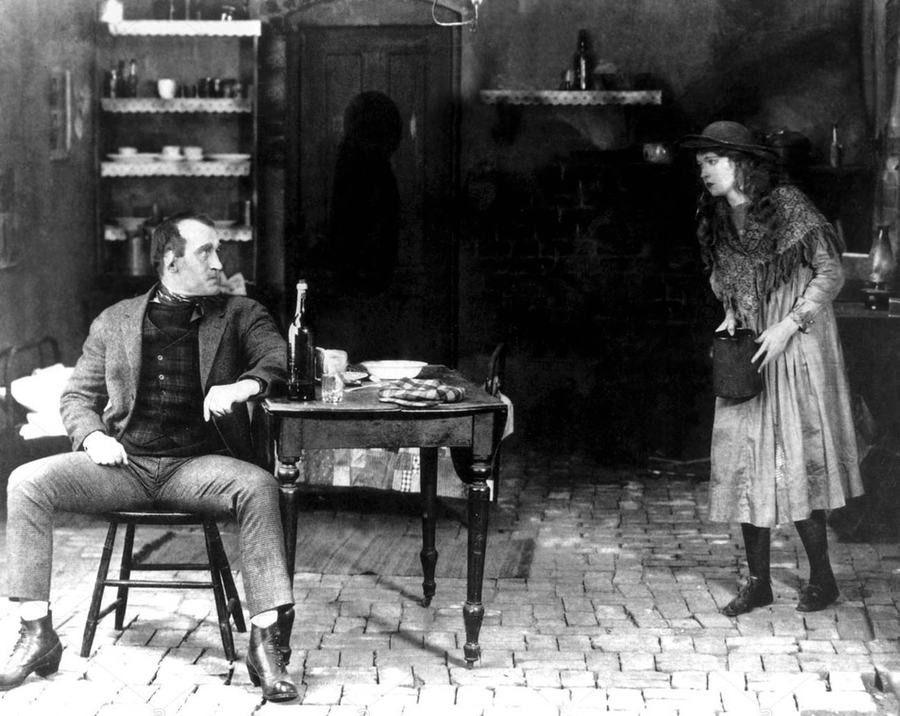
A dramatic comparison between the mating habits of animals and the way humans choose their own partners.
View Details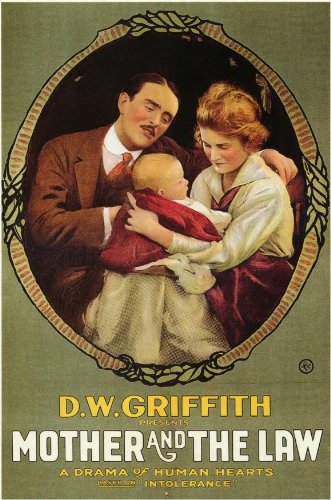
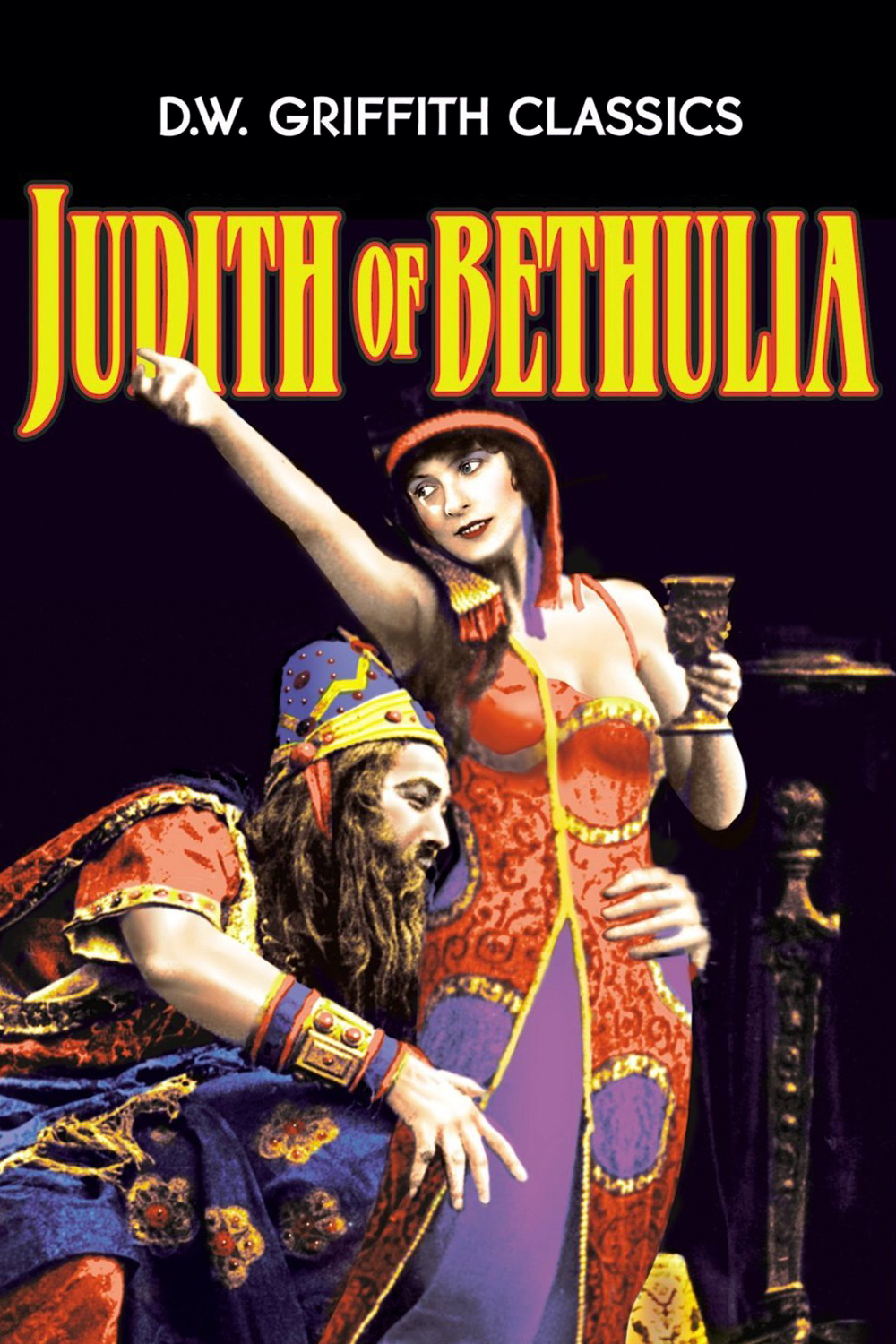
Dir: D.W. Griffith
A religious woman seeks to save her people from destruction by seducing and murdering the enemy leader, but her plans get complicated once she falls for him.
View Details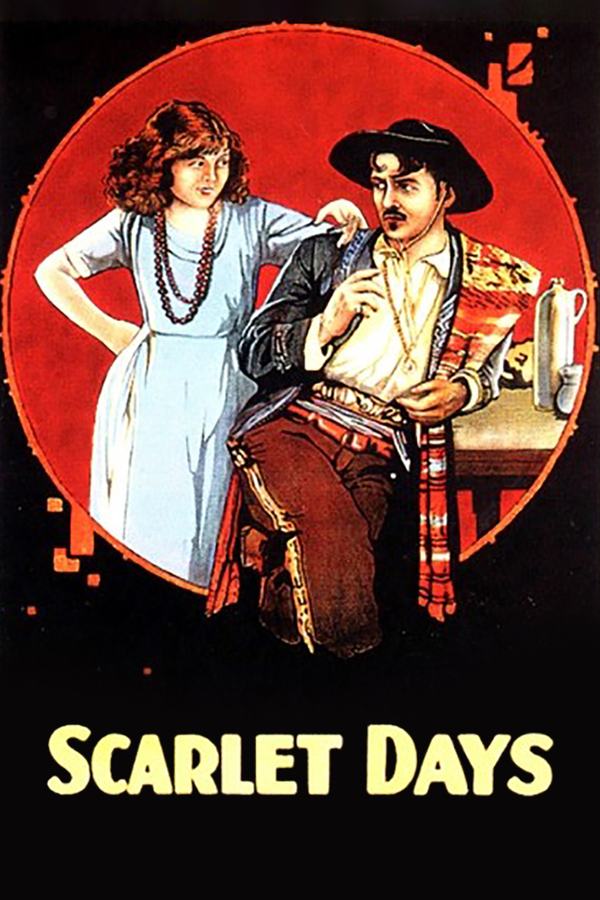
Dir: D.W. Griffith
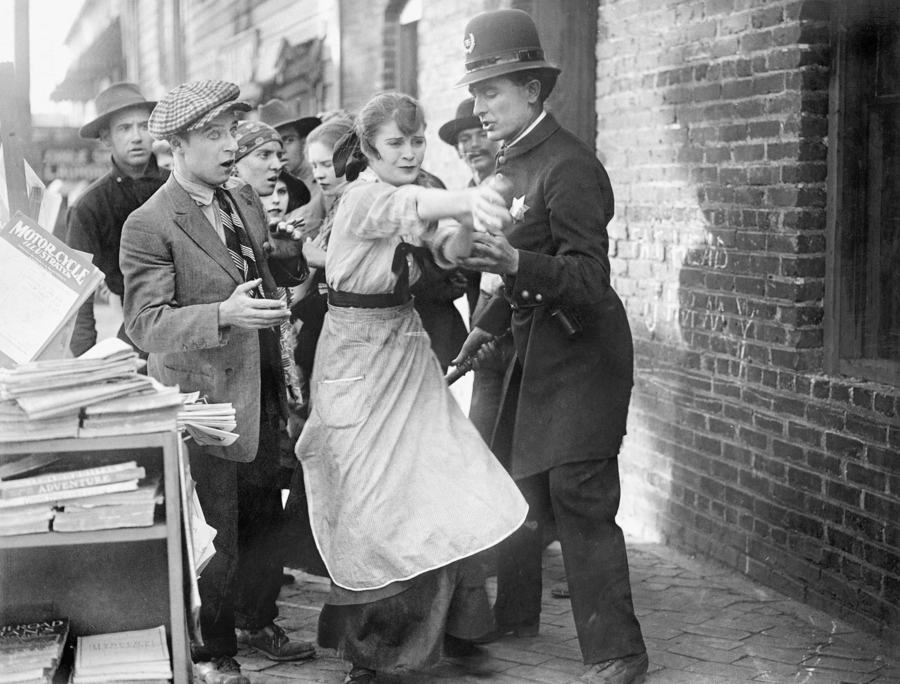
A romantic bandit named Alvarez, wanted for raids on the mining camps of the California gold rush in 1849, is reformed by the love of a good woman.
View Details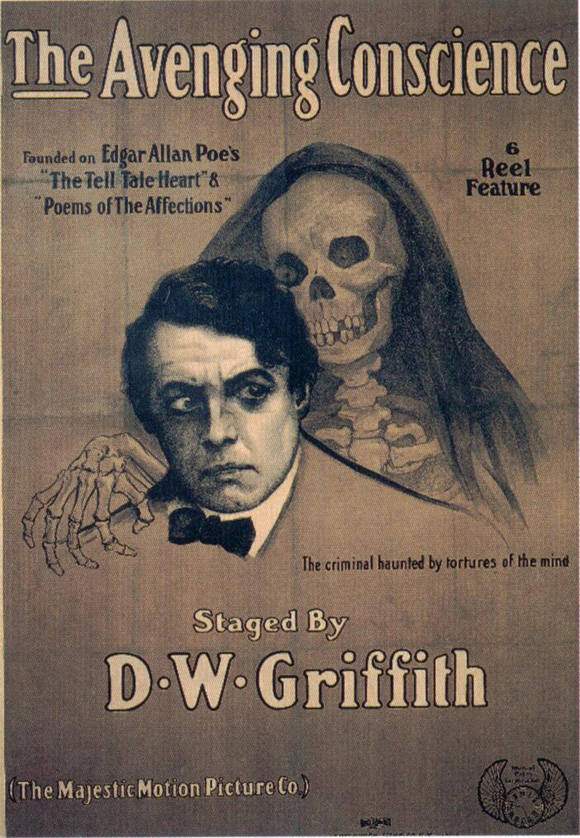
Dir: D.W. Griffith
Prevented from dating his sweetheart by his uncle, a young man turns his thoughts to murder.
View Details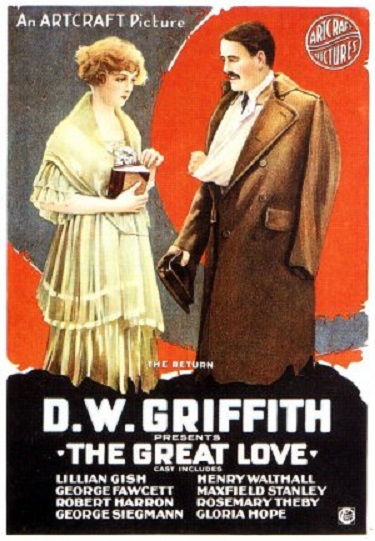
Dir: D.W. Griffith
An idealistic young American during World War I, itching to fight the Germans and not wanting to wait until the U. S. joined the war, journeys to Canada and enlists in the British army. He is sent for training to England, and then to the front in France, where he is wounded. Returned back to England to recuperate from his wounds, he falls in love with the daughter of an Australian minister.
View Details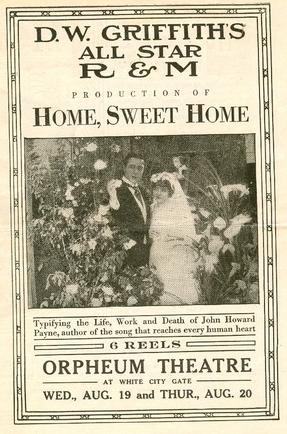
Dir: D.W. Griffith
John Howard Payne at his most miserable point in life, writes a song which becomes popular and inspires other people at some point in their lives.
View DetailsAnalysis relative to The Love Flower
| Film Title | Atmosphere | Complexity | Similarity |
|---|---|---|---|
| The Greatest Thing in Life | Gothic | Dense | 95% Match |
| Her Condoned Sin | Tense | High | 93% Match |
| Broken Blossoms | Tense | High | 94% Match |
| The Escape | Gritty | Dense | 89% Match |
| The Mother and the Law | Tense | High | 86% Match |
This guide was algorithmically generated using the cinematic metadata of D.W. Griffith's archive. Last updated: 6/27/2026.
Back to The Love Flower Details →