
DbcultAccessing Vault...
Recommendations
Senior Film Conservator
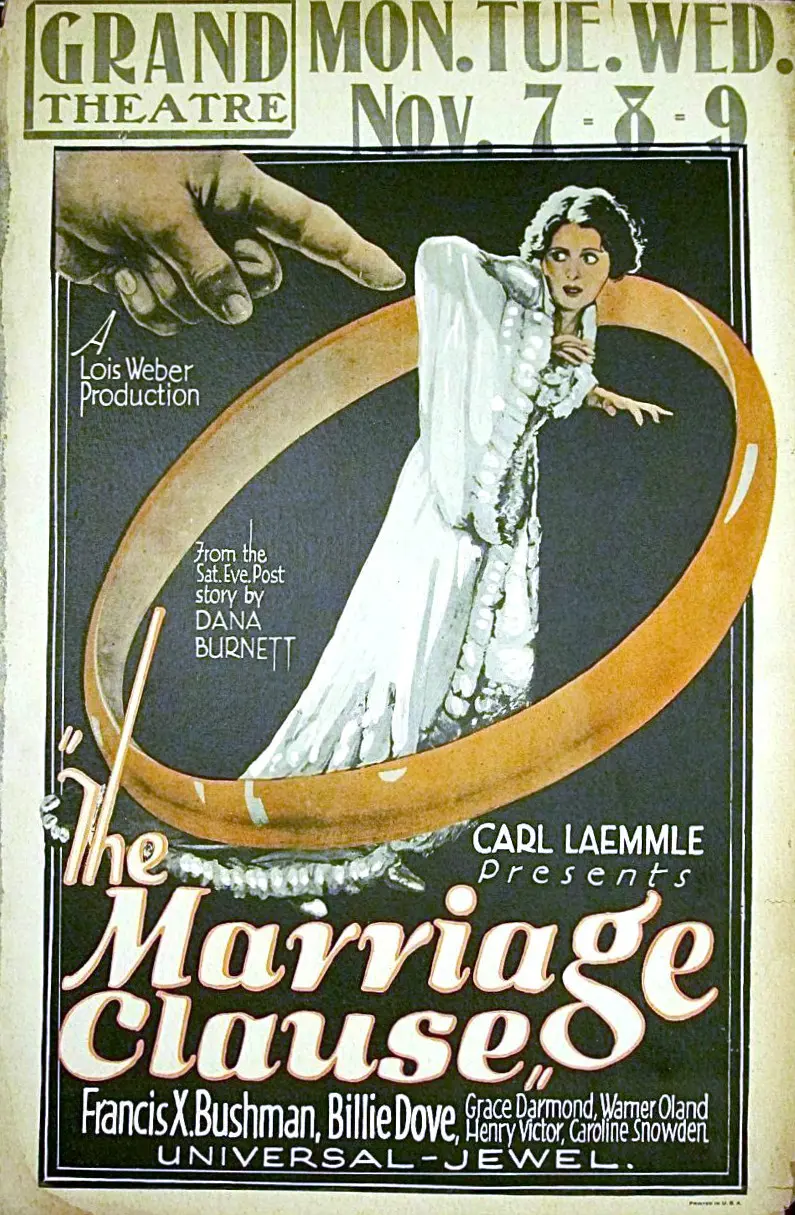
Since its 1926 debut, The Marriage Clause has maintained a nuanced performance status, you are likely searching for more films that share its specific artistic vision. We have meticulously scanned our vault to find hidden gems that resonate with this work.
The 1926 landscape was forever altered by the arrival of to push the boundaries of conventional storytelling.
A Broadway actress becomes a star due to the guidance of her director. The two fall in love, but are prevented from marrying due to a clause put into her contract by her producer.
The influence of Lois Weber in The Marriage Clause can be felt in the way modern Drama films handle nuanced performance. From the specific lighting choices to the pacing, this 1926 release set a high bar for atmospheric immersion.
Based on the unique nuanced performance of The Marriage Clause, our vault has identified these titles as the most compelling follow-up experiences for fans of Drama cinema:
Dir: Lois Weber
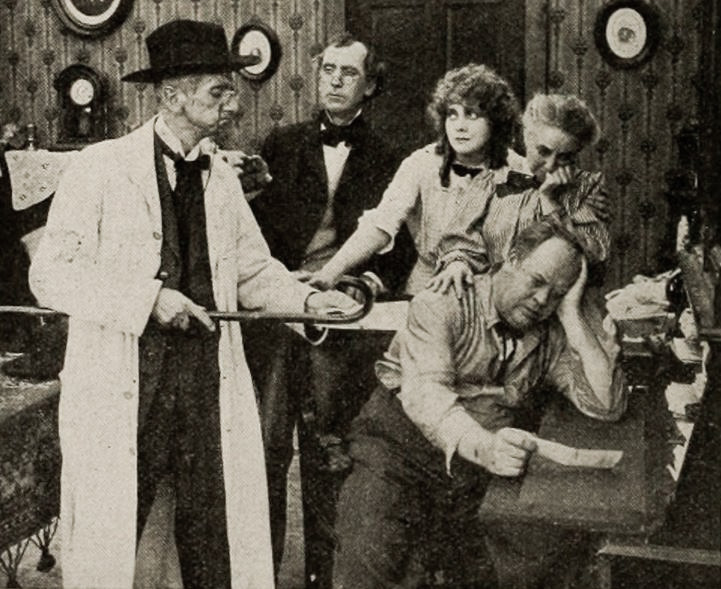
Hi Judd, poet, postmaster and philosopher, is the sunshine of the village, a veritable doctor of happiness. His right arm the little world of the village leans on, the kind words he scatters broadcast reap their harvest of love for the old postmaster and the verses he writes (sometimes when he should be working) proclaims him the wit of the village. And because of the verse writing Mrs. Judd is often discouraged. Hi confides in his daughter, Bess, that he often stands in awe of Mrs. Judd when she catches him pencil in hand, with the woodpile untouched and the chores not done. But Bess is consoling and when Hi is not around she makes a collection of the verses and sends them on to a great newspaper. Theirs is a peaceful life that must have its dramatic climax and it all descends upon them at once. Jim Skinner, an unscrupulous, grasping old miser, holds the mortgage on the house and also has designs upon Hi's position as postmaster. Then the bank fails and shadows hang low. In the meantime drama is stirring within their home. Bess who had thought she cared for Hal, the station master is under the spell of Sam who has come from the city to be the new ticket agent. Hi, dubious of his character and regretting his daughter's change of heart, before it is too late, finds a picture of Sam, his wife and their baby. Hi recognizes in the wife, Belle, the long-missing daughter of Mother Wilkins, a widow of the village whose home has burned and who would have suffered privation had it not been for the generosity of Hi. He sends for Belle, making her believe the money and message come from Sam and when Sam is confronted with the wife and baby he sees there is nothing to be done but face the unexpected situation. The mortgage is due. Heartbroken, they are preparing to leave the little home when word comes from the newspaper: "Verses accepted, send them as fast as you can write them." Thus ends the story. Hi, with his $500 check from the newspaper pays off the mortgage, the future holds its promise; Mother Wilkins is happy with her daughter and the little baby, and Hal and Bess are engaged to be married.
View Details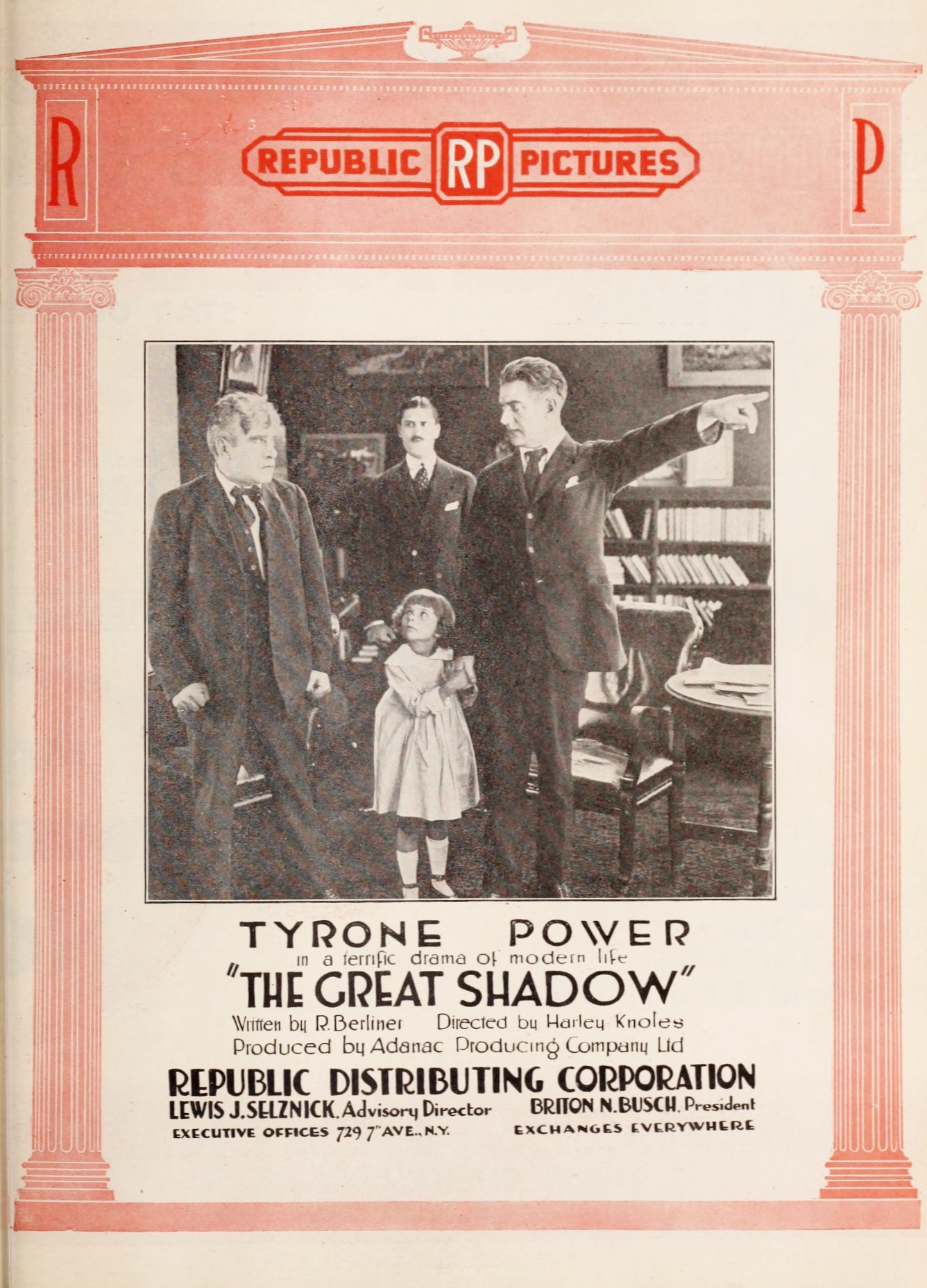
Dir: Harley Knoles
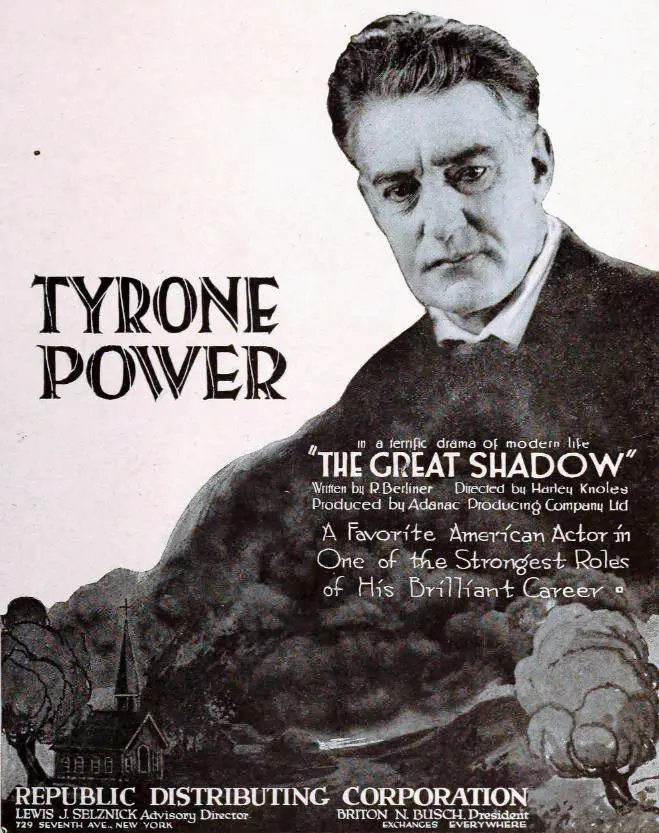
Jim McDonald, the foreman of a shipbuilding plant and head of the labor union, strives to combat the anarchistic propaganda being put forth by Klimoff, the leader of a Bolshevik gang whose goal is to disrupt the country with strikes and anarchy. Despite McDonald's efforts, a strike is called, resulting in chaos. McDonald's child is knocked down by runaway horses abandoned by their striking driver, and dies. Mob scenes take place in America, as well as in Russia. Eventually, the unrest is quelled with an armistice called between Capital and Labor for a year, during which time wages are to be increased to reflect the cost of living, and leaders are to work out a common plan for their mutual advantage. The strikers now realize that they have been pawns of the Bolsheviks and call off the strike, agreeing to the plan.
View Details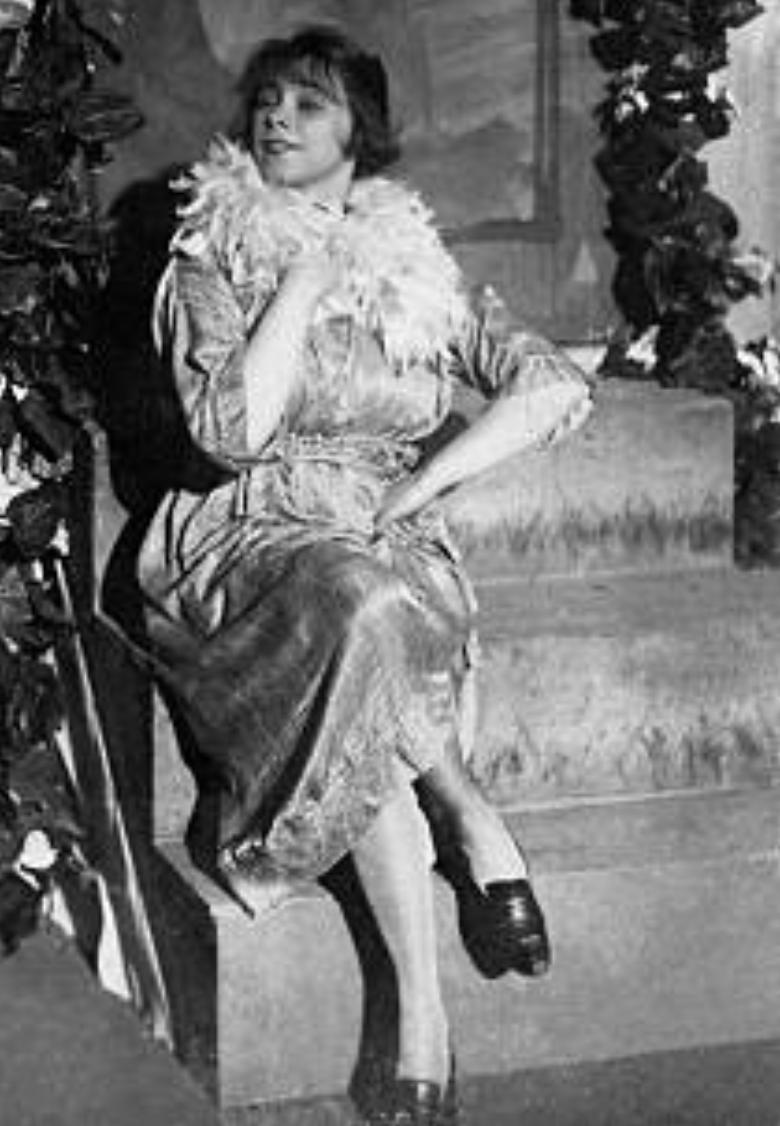
Dir: Bruno Ziener
A fascinating piece of cinema that shares thematic elements.
View Details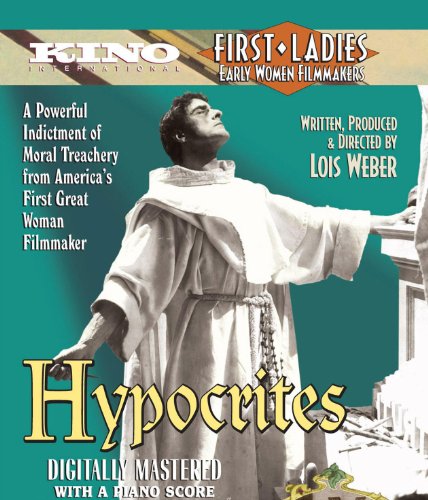
Dir: Lois Weber
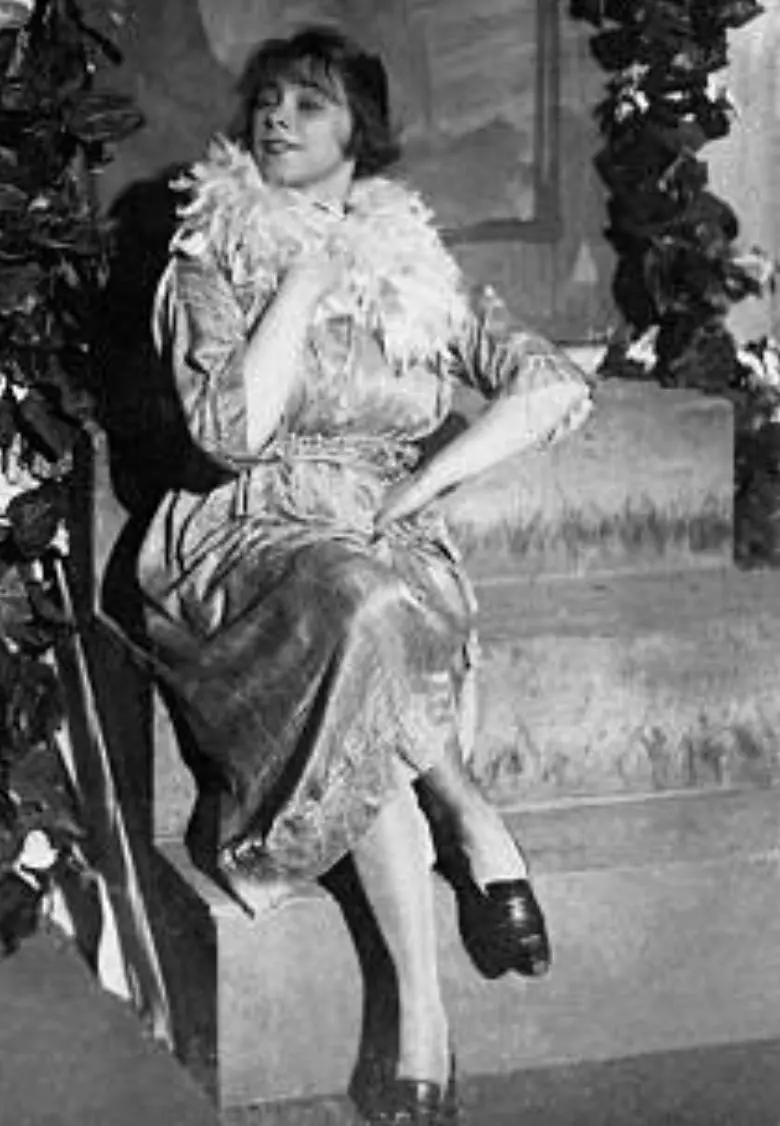
The parallel stories of a modern preacher and a medieval monk, Gabriel the Ascetic, who is killed by an ignorant mob for making a nude statue representing Truth, which is also represented by a ghostly naked girl who flits throughout the film.
View Details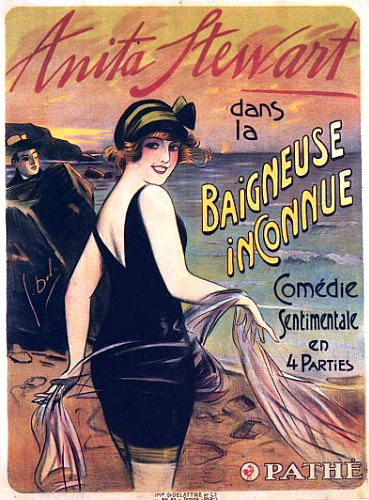
Dir: Lois Weber
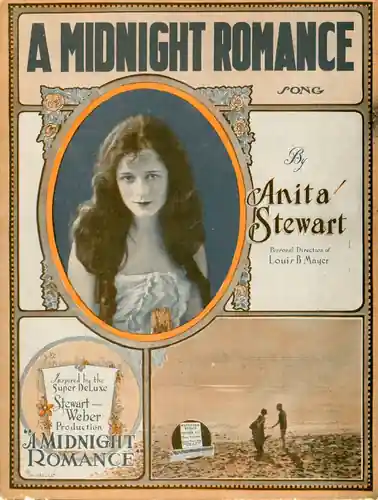
Marie, a hotel maid, falls in love with millionaire's son Roger, but Roger cannot marry her because of her inferior station and his unwillingness to make his family unhappy thereby. They separate. When next they meet, Roger discovers that Marie is actually a princess. Now their renewed romance cannot continue because Roger is a mere commoner. But the Bolshevik revolution provides complication and at last resolution to their dilemma.
View Details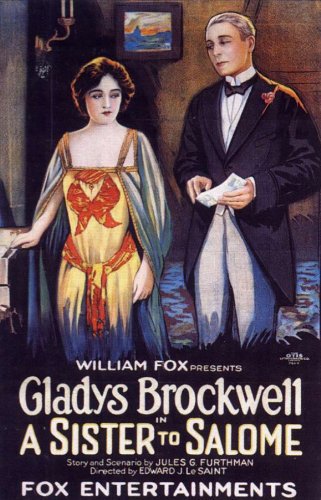
Dir: Edward LeSaint
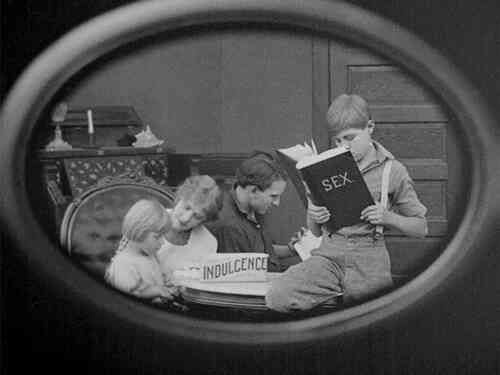
When famous opera singer Elinore Duane undergoes an operation on her throat, she has a series of ether-induced visions. In one, she is transported to ancient Rome where she appears as a much-admired woman in love with Paul, a young heretic, and at odds with Lutor, the high priest. To save her love, she poisons Lutor with her ring. After several other visions which involve variations on this love triangle, Elinore awakens to discover that Lutor is actually her doctor, Sascha Jaccard, and that Paul is the son of a friend who has come to visit the recovering prima donna.
View Details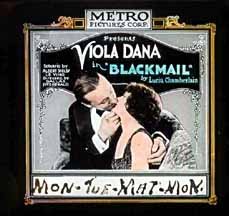
Dir: Dallas M. Fitzgerald
Confidence artist Flossie Golden attempts to fleece foolish but wealthy James Venable with a breach-of-promise suit. Venable's shrewd attorney, Richard Harding, outwits Flossie by proposing that she marry Venable and live on an allowance of $3,000 per year. Flossie is determined to get even with Harding for ruining her plans. In an attempt to con him, she poses as Innocence Page, but falls in love and marries him instead. Larry, Flossie's former accomplice, endeavors to blackmail her with her errant past, but Harding is already cognizant of the facts and Larry fails.
View Details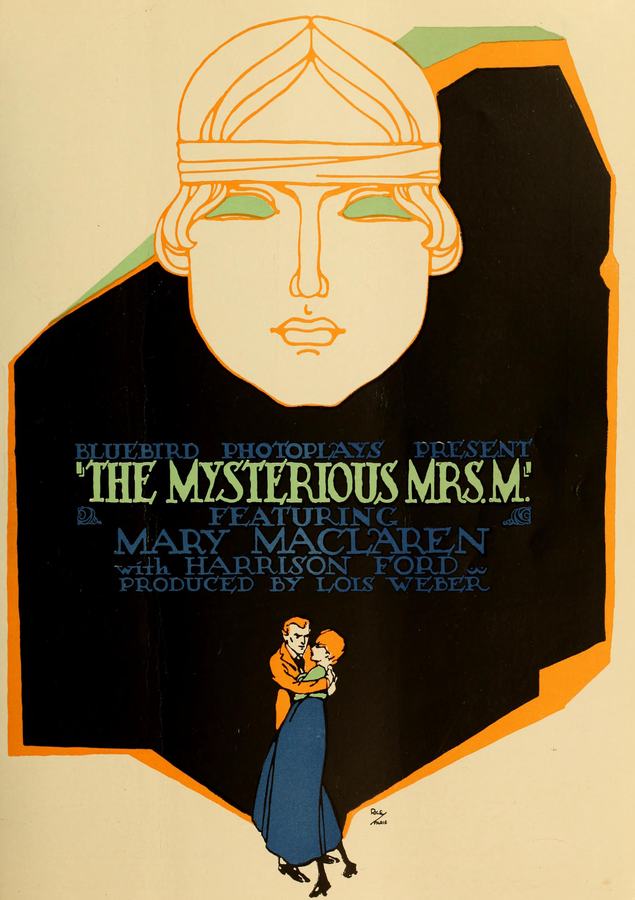
Dir: Lois Weber
A young man, told by a psychic that he will die soon, puts his affairs in order and begins to enjoy and treasure life. However, the appointed hour of death passes without his demise, and he begins to suspect something is awry.
View Details
Dir: Lois Weber
Envious of the wealth of her classmates at the fashionable boarding school to which her parents struggled to send her, Millicent Rankin hides the fact that her father is a plumber. She invites her friend Beatrice Deering to her home, which she describes as lavish, for the vacation, but thinks that Beatrice will refuse. The embarrassment Millicent feels when she receives a wire that Beatrice is coming causes her mother pain, but when Millicent's sister becomes ill with scarlet fever, Millicent goes instead to Beatrice's country residence where she hopes to meet a rich husband. At the Deerings', Millicent is soon disappointed with society's mores. After almost succumbing to the advances of Elmer Lacy, who secretly is carrying on an affair with Beatrice's stepmother, Millicent protects Mrs. Deering's reputation by humiliating herself. When she learns that her mother is ill, Millicent rushes home and discovers happiness with her family and her old sweetheart.
View Details
Dir: Edgar Jones
A mail-order bride arrives at a Maine lumber camp but doesn't like her prospective husband.
View DetailsAnalysis relative to The Marriage Clause
| Film Title | Atmosphere | Complexity | Similarity |
|---|---|---|---|
| It's No Laughing Matter | Gothic | Layered | 92% Match |
| The Great Shadow | Gothic | High | 94% Match |
| Eva, wo bist du? | Gothic | Dense | 86% Match |
| Hypocrites | Gritty | High | 92% Match |
| A Midnight Romance | Gothic | Linear | 88% Match |
This guide was algorithmically generated using the cinematic metadata of Lois Weber's archive. Last updated: 8/16/2026.
Back to The Marriage Clause Details →