
DbcultAccessing Vault...
Recommendations
Senior Film Conservator
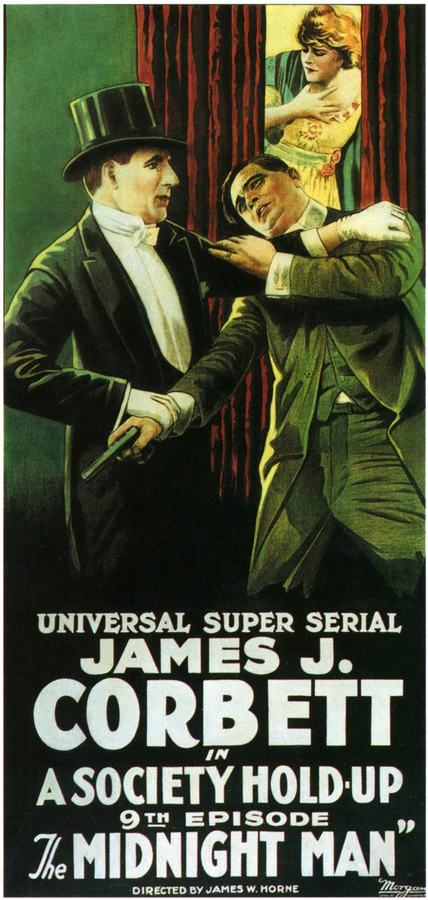
The 1919 release of The Midnight Man redefined the parameters of cult storytelling, the visual language established by James W. Horne is something many try to emulate. Explore the following titles to broaden your appreciation for cult excellence.
Historically, The Midnight Man represents to synthesize diverse influences into a singular artistic statement.
Young clubman Bob Gilmore is called by telephone to his home, where his parents are giving him a birthday party. He overhears one of the male guests make a slurring remark about his mother's appearance, and punishes him right there, throwing the entire gathering into an uproar. Later in the evening he assumes guilt for a check which had actually forged by his foster father, in order to save the mother's feelings, but obtains a written confession from the guilty man for future use if necessary. Learning that he had been adopted from a foundling asylum in infancy, Bob decides to go to New York to see if he cannot learn his real name, which he understands begins with "Mor." He disguises himself and enters many homes, attired in evening clothes, and is soon known to the police as "The Midnight Man." In the meantime he has come into contact with members of the White Circle gang, and has many close physical encounters with them.
Critics widely regard The Midnight Man as a cult-favorite piece of cult cinema. Its artistic bravery is frequently cited as its strongest asset, solidifying its place in United States's film legacy.
Based on the unique artistic bravery of The Midnight Man, our vault has identified these titles as the most compelling follow-up experiences for fans of cult cinema:
Dir: James W. Horne
Jack Dunbar, needing a job, meets millionaire Nicholas Small, who gives him advice and presents him as a colleague. Small would like his daughter, Anne, to marry inventor Gillen Jolyon. Dunbar perfects and successfully demonstrates Jolyon's wireless power transmitting device in spite of Small's attempts to sabotage it, and he rescues Anne when she is caught in an electric power fracas caused by her father's villainy. Anne breaks her engagement with Jolyon and marries Dunbar.
View Details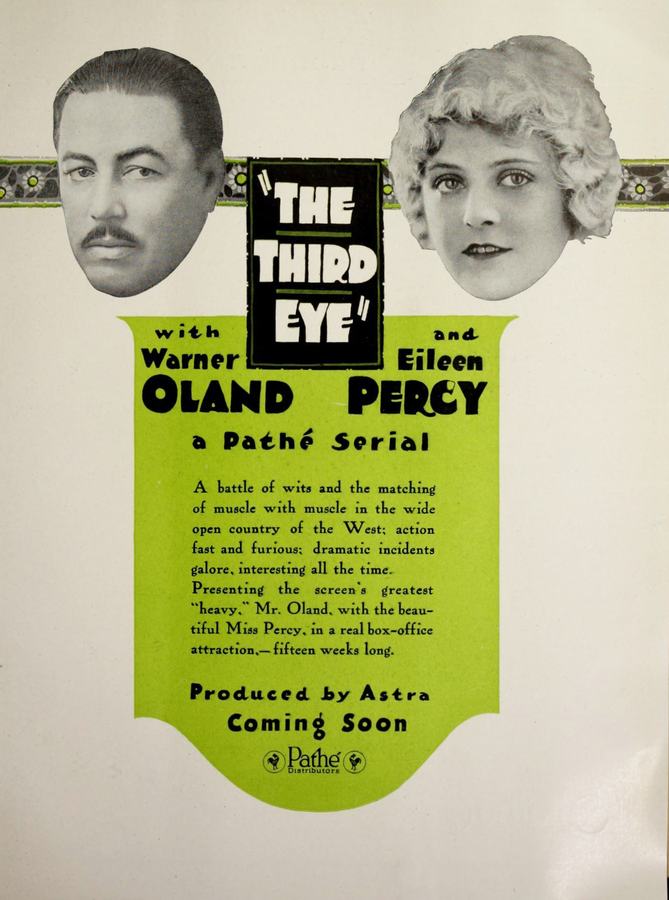
Dir: James W. Horne
A fascinating piece of cinema that shares thematic elements.
View Details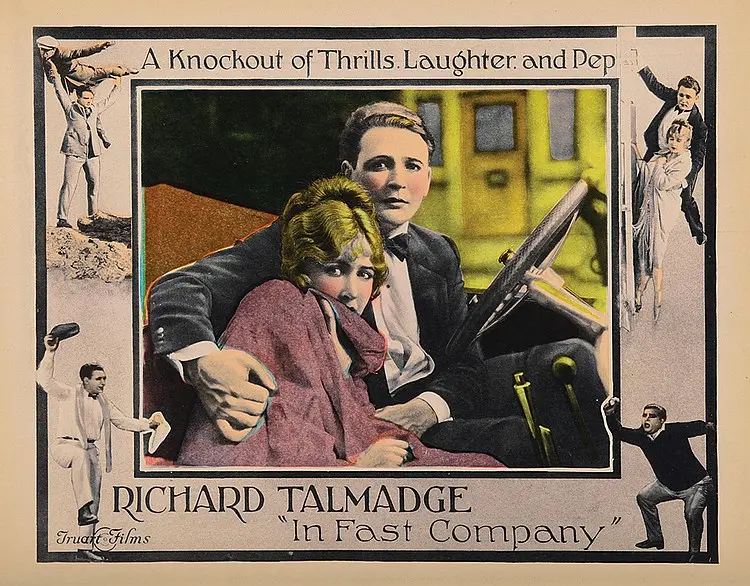
Dir: James W. Horne
Perry Whitman's wild escapades result in his being expelled from college, an event he celebrates by holding a wild party to which he invites the impoverished members of a theatrical troupe. He is disowned by his father and turned adrift with a $100 bill, which he loses. In trying to recover the money he saves a girl from becoming the victim of a matrimonial scheme; she eludes capture by kidnappers and marries him to save her fortune. Thus he wins his father's forgiveness.
View Details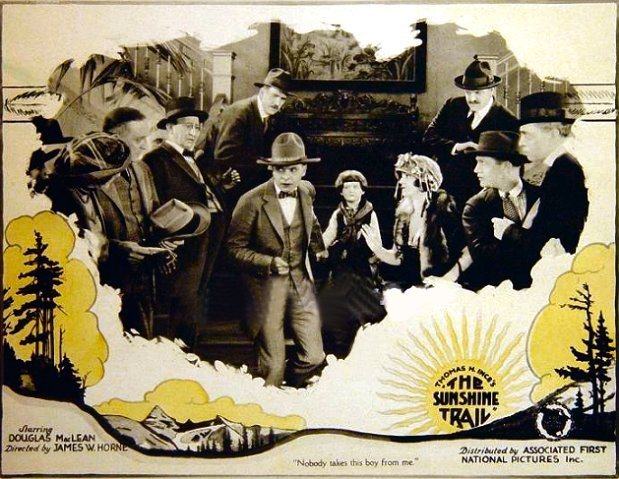
Dir: James W. Horne
War veteran James Henry "Jimmy" MacTavish returns to his hometown in the West to see his childhood sweetheart, June Carpenter. Despite his penchant for doing good deeds, Jimmy soon finds himself robbed of his clothes and money, and accused of kidnapping a child. Because the townspeople believe he was killed in the war, Jimmy is then jailed as an impostor, while others attempt to claim his inheritance. Jimmy's identity is ultimately verified, the townspeople give him a hero's welcome, and he is reunited with June.
View Details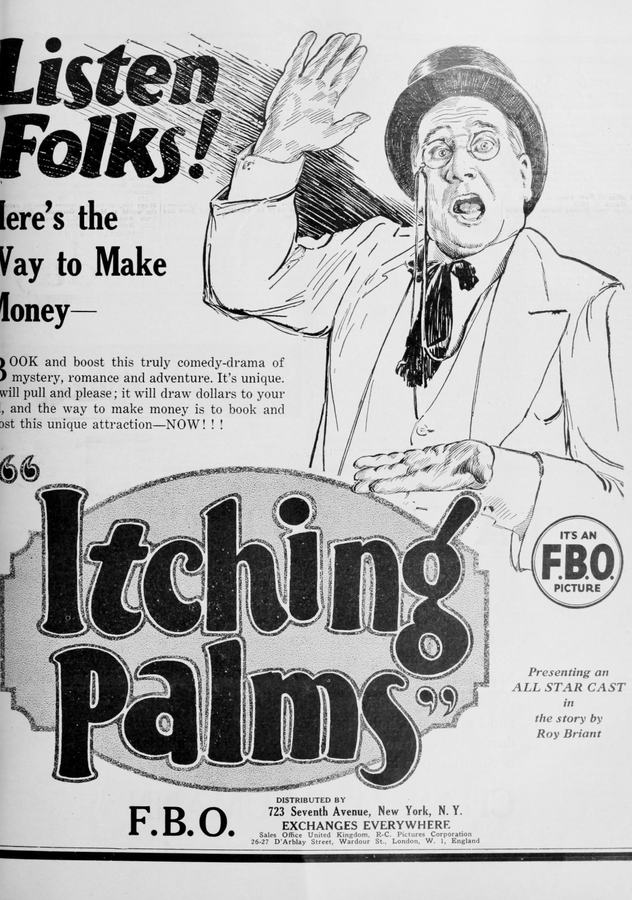
Dir: James W. Horne
The search is on for a bank robber's hidden stash in a house they all say is haunted.
View Details
Dir: James W. Horne
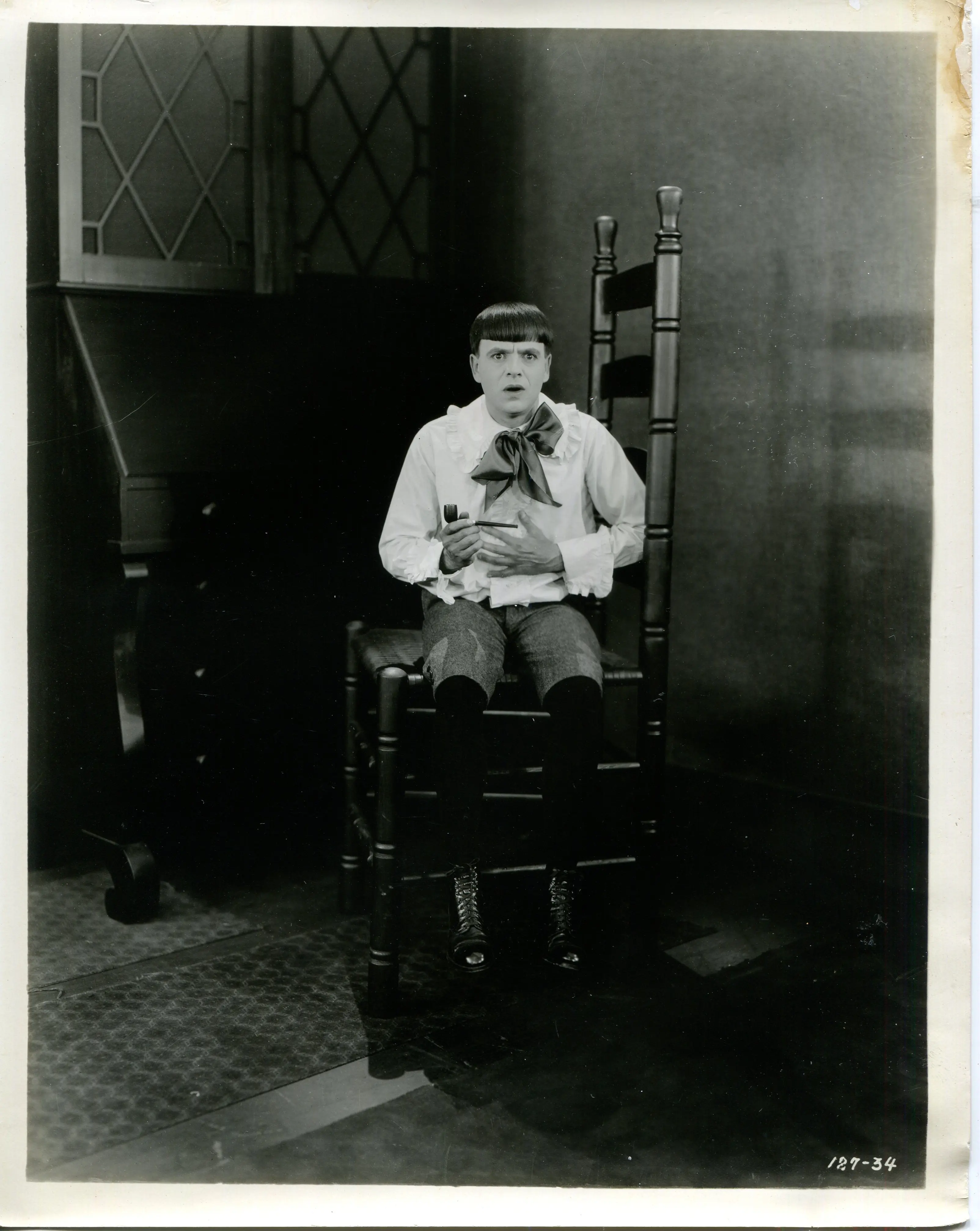
A series of 12 2-reel mystery thrillers, each story complete in itself. Episode titles: #1: The Strangler's Cord (1915); #2: The Disappearing Necklace (1915); #3: The Secret Code (1915); #4: The Riddle of the Rings (1915); #5: The Substituted Jewel (1915); #6: A Double Identity (1915); #7: The False Clue (1915); #8: When Thieves Fall Out (1915); #9: Under Oath (1915); #10: _The Wolf's Prey (1915)_; #11: The Man on Watch (1915); #12: The Man in Irons (1915).
View Details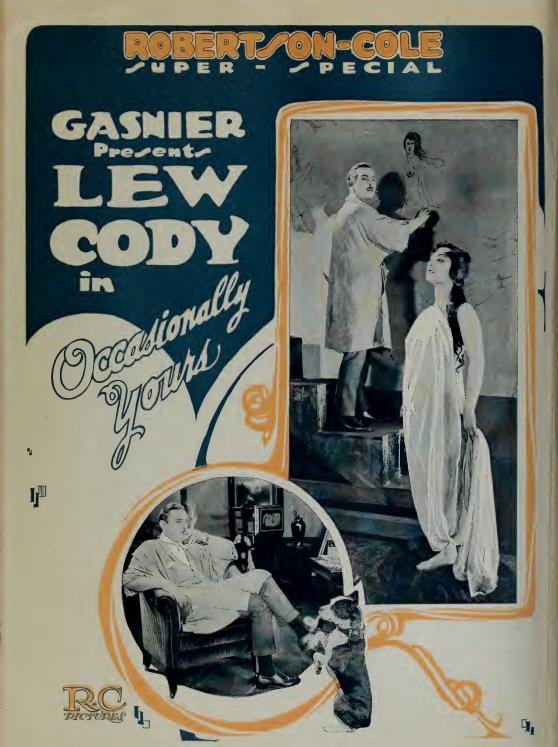
Dir: James W. Horne
When Bruce Sands, a dilettante artist with a history of amorous peccadilloes, discovers that his latest flame Bunny Winston wants to marry him, he seeks refuge at his friend John Woodward's country home, unaware that Woodward has asked Bunny to marry him. Bunny follows the artist to Woodward's estate, where Bruce begins a flirtation with Woodward's daughter Audrey. After Audrey is injured in a fall from a horse, Bruce promises to marry her, thinking that she is on her deathbed. Upon hearing the news, Bunny assumes that Bruce will now be a member of the family and so marries Woodward. When Audrey recovers, the engagement is broken, Bruce returns to town, and Bunny follows. Bruce rejects Bunny and begins his campaign for his next victim, leaving Audrey and her father to console each other.
View Details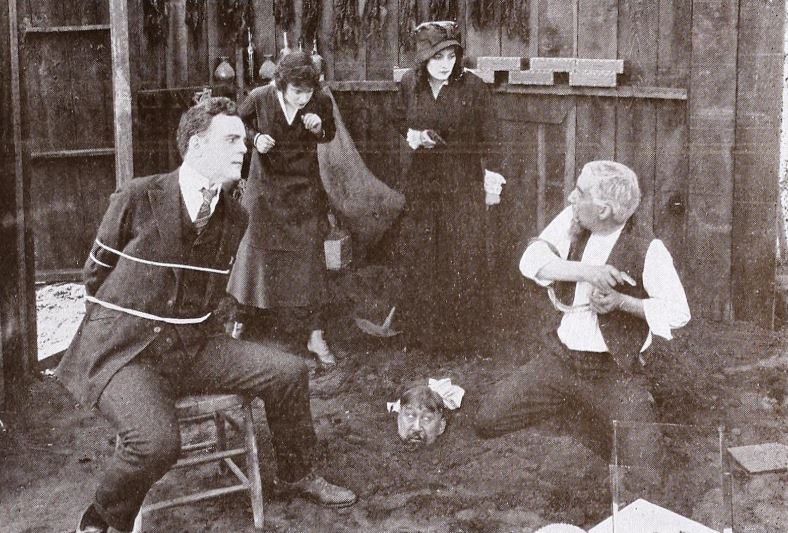
Dir: James W. Horne
A series of remarkable attempts are made upon the life of Don Louis, who is stopping at the Grand Hotel. About to retire, he finds a cobra coiled in his bed. Later, a strangler's cord swishes through the air and encircles the Spaniard's neck. The man escapes death by a miracle. The third attempt occurs when a huge chandelier suspended directly above the table at which Don Louis sits, crashes down. Unnerved, the Spaniard begs Hilton, one of the hotel detectives, to spend the night with him. A few hours later, Hilton is found bound and gagged. He tells of a mysterious visitor who overpowered him and kidnapped Don Louis. No trace of the culprit and his victim can be found. Renee, daughter of Valdez, the cigarmaker who supplies the hotel with his wares, informs Hilton that her father has disappeared. The sympathetic detective accompanies the girl home. The two hear strange noises in the curing house back of the cottage. Investigating, Hilton comes upon Valdez and Don Louis. The latter is buried neck deep in the ground. Hilton, attempting to interfere, is overpowered by Valdez, who appears insane. The man informs him that years before, Don Louis had him kidnapped, after which the scoundrel stole his wife. The woman later died in want. From the hour he learned the truth, the wronged man lived only for revenge. His story told, Valdez kneels beside the don's head and slowly shoves a cobra toward the man's face. Frances Ballou, summoned by Renee, arrives just in time to save the don's life. Hilton tells her the story while liberating Don Louis. The terrible ordeal has revealed to the latter the depths of his infamy and he slinks away. Her heart touched. Frances resolves to keep the matter from the police.
View Details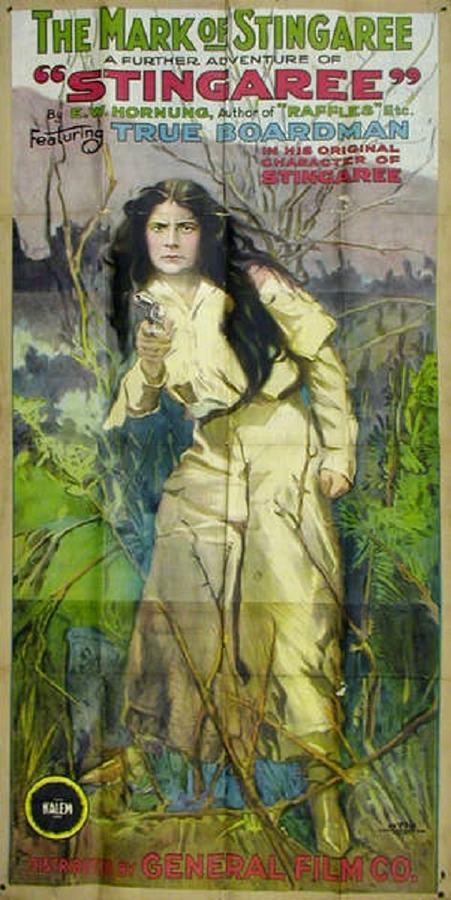
Dir: James W. Horne
In the Australian outback, a young woman falls for a dashing bandit known as Stingaree, who is actually a wealthy Englishman cheated out of his fortune by his greedy brother.
View Details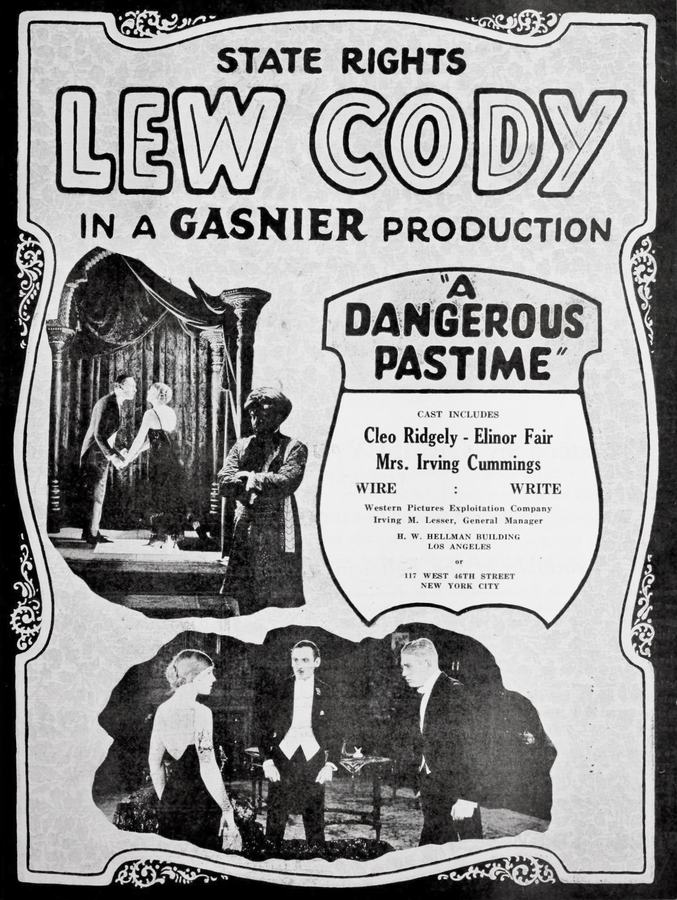
Dir: James W. Horne
Young Barry Adams is determined to marry the beautiful Celia and has continuously proposes to her, only to be turned down each time because she doesn't think he's mature enough to settle down yet. One day he receives a note from a woman who turns out to be an obsessed former girlfriend. What happens next convinces him that he is indeed ready to settle down with Celia.
View DetailsAnalysis relative to The Midnight Man
| Film Title | Atmosphere | Complexity | Similarity |
|---|---|---|---|
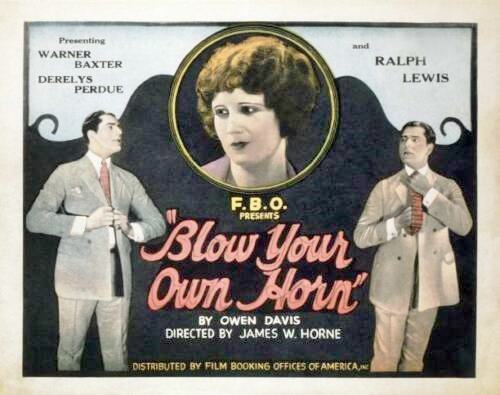
| Blow Your Own Horn | Tense | Dense | 89% Match |
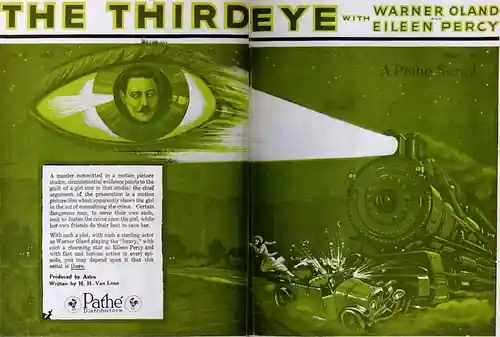
| The Third Eye | Surreal | Layered | 89% Match |
| In Fast Company | Gritty | Layered | 90% Match |
| The Sunshine Trail | Gothic | High | 92% Match |
| Itching Palms | Ethereal | High | 92% Match |
This guide was algorithmically generated using the cinematic metadata of James W. Horne's archive. Last updated: 6/27/2026.
Back to The Midnight Man Details →