
DbcultAccessing Vault...
Recommendations
Senior Film Conservator
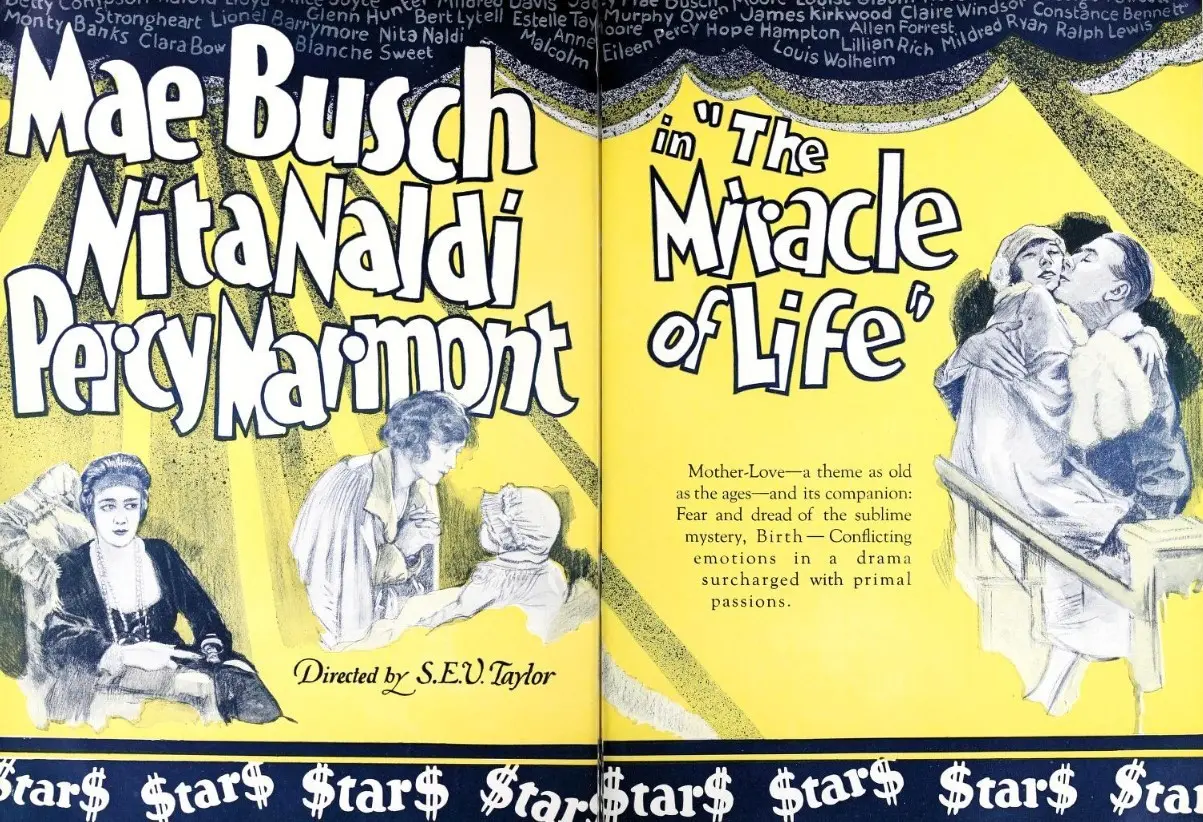
If you found yourself captivated by the thematic gravity of The Miracle of Life (1926), the quest for comparable cinema becomes a journey through the fringes of film history. Below, we've gathered a list of films that every fan of Stanner E.V. Taylor's work should explore.
The Miracle of Life remains a monumental achievement to create a hauntingly beautiful cinematic landscape.
Blissful newlyweds Blair and Janet Howell disagree on only one thing: he loves children; she prefers her freedom. When Janet learns that her husband's wishes are to be fulfilled, she calls upon her friend Helen, who once suggested that she could help in such a situation. She makes an appointment with Helen's physician friend but has a change of heart and happily accepts her fate.
Based on the unique thematic gravity of The Miracle of Life, our vault has identified these titles as the most compelling follow-up experiences for fans of Drama cinema:
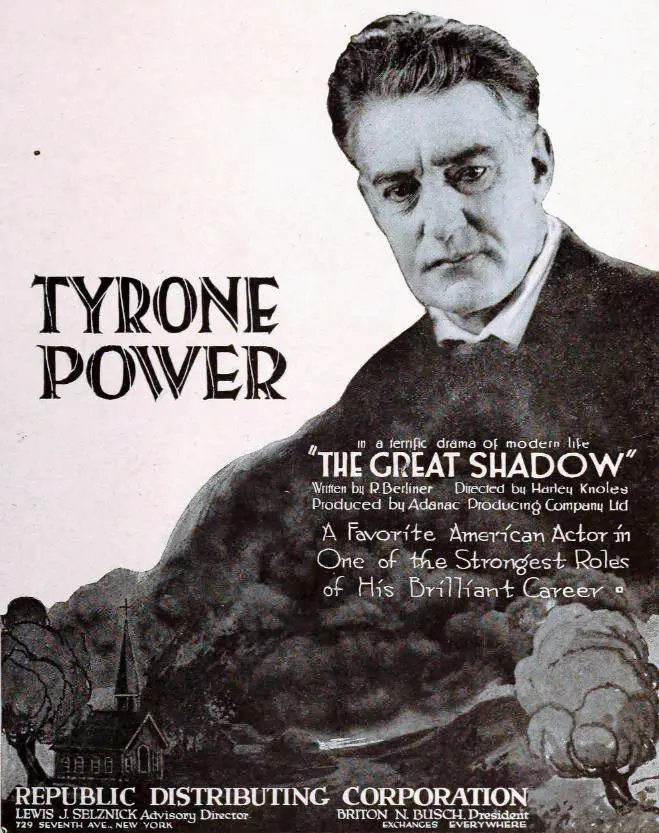
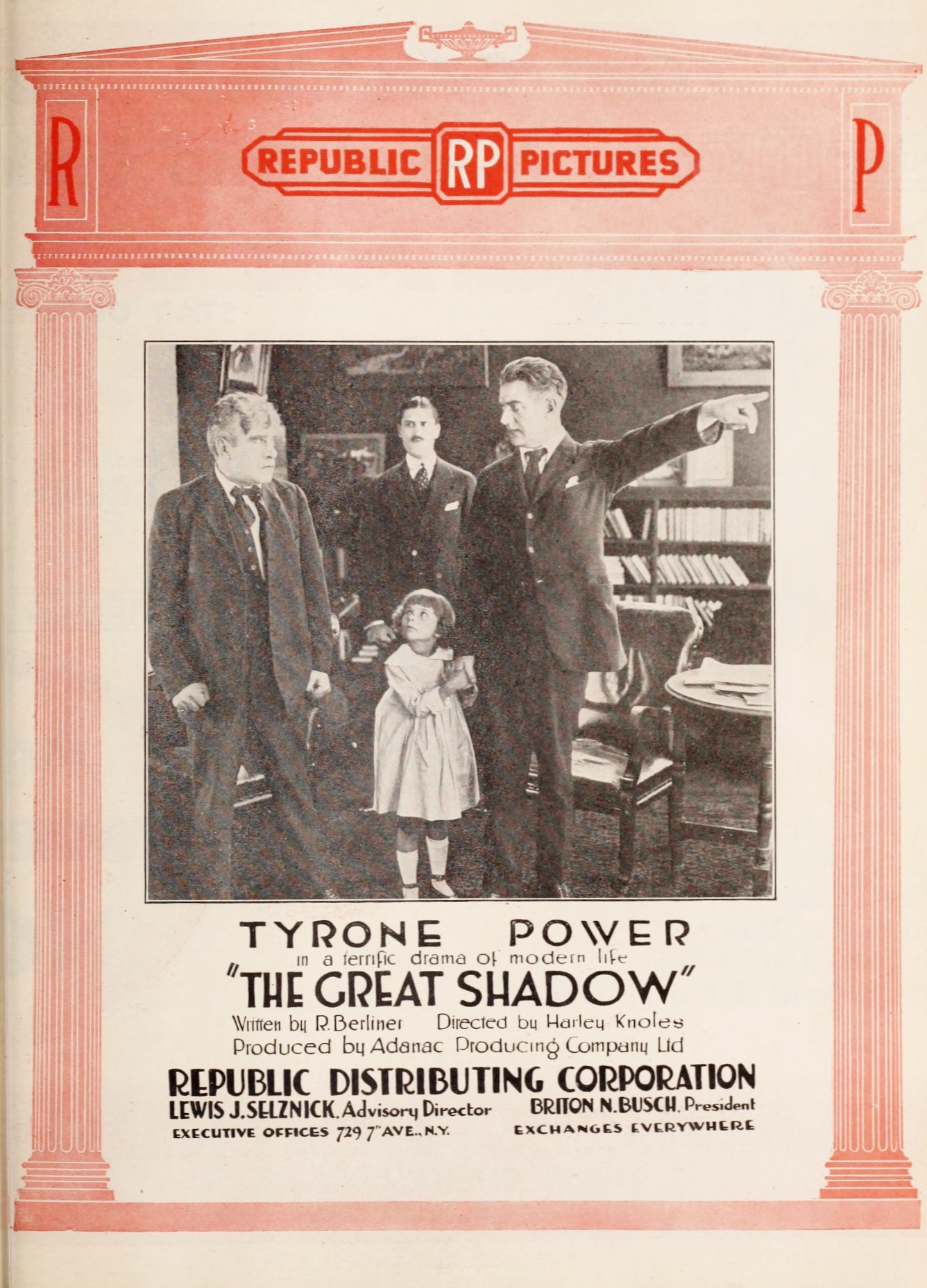
Dir: Harley Knoles
Jim McDonald, the foreman of a shipbuilding plant and head of the labor union, strives to combat the anarchistic propaganda being put forth by Klimoff, the leader of a Bolshevik gang whose goal is to disrupt the country with strikes and anarchy. Despite McDonald's efforts, a strike is called, resulting in chaos. McDonald's child is knocked down by runaway horses abandoned by their striking driver, and dies. Mob scenes take place in America, as well as in Russia. Eventually, the unrest is quelled with an armistice called between Capital and Labor for a year, during which time wages are to be increased to reflect the cost of living, and leaders are to work out a common plan for their mutual advantage. The strikers now realize that they have been pawns of the Bolsheviks and call off the strike, agreeing to the plan.
View Details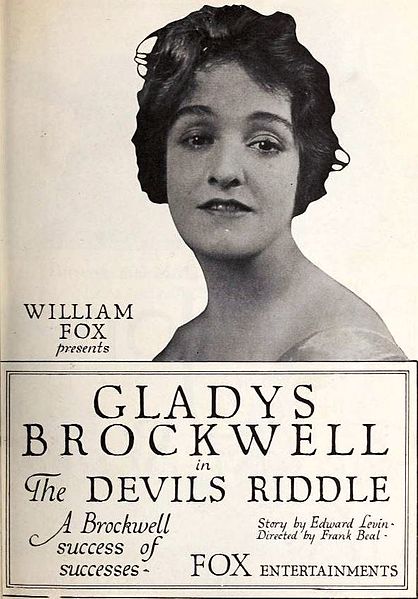
Dir: Frank Beal
During a raging Montana snowstorm, Doctor Jim Barnes collapses at Esther Anderson's cabin door. Esther offers Jim refuge, but when he discovers that their food supplies are running dangerously low, he braves the journey into town in order to replenish them. On the way, he is overcome with exhaustion and fails to return. Esther, unaware of Jim's condition and abused by her stepfather, joins a theatrical troop and leaves home. Time passes and Jim finally finds Esther, but a vindictive member of her troupe accuses her of having an affair with the manager and Jim believes the accusation. He leaves and Esther goes to New York City where she becomes engaged to a jealous artist, although she still loves Jim. Sam Tuttle, a long time friend, is aware of Esther's continuing love, and so brings Jim to New York City in time to save Esther from an unhappy marriage.

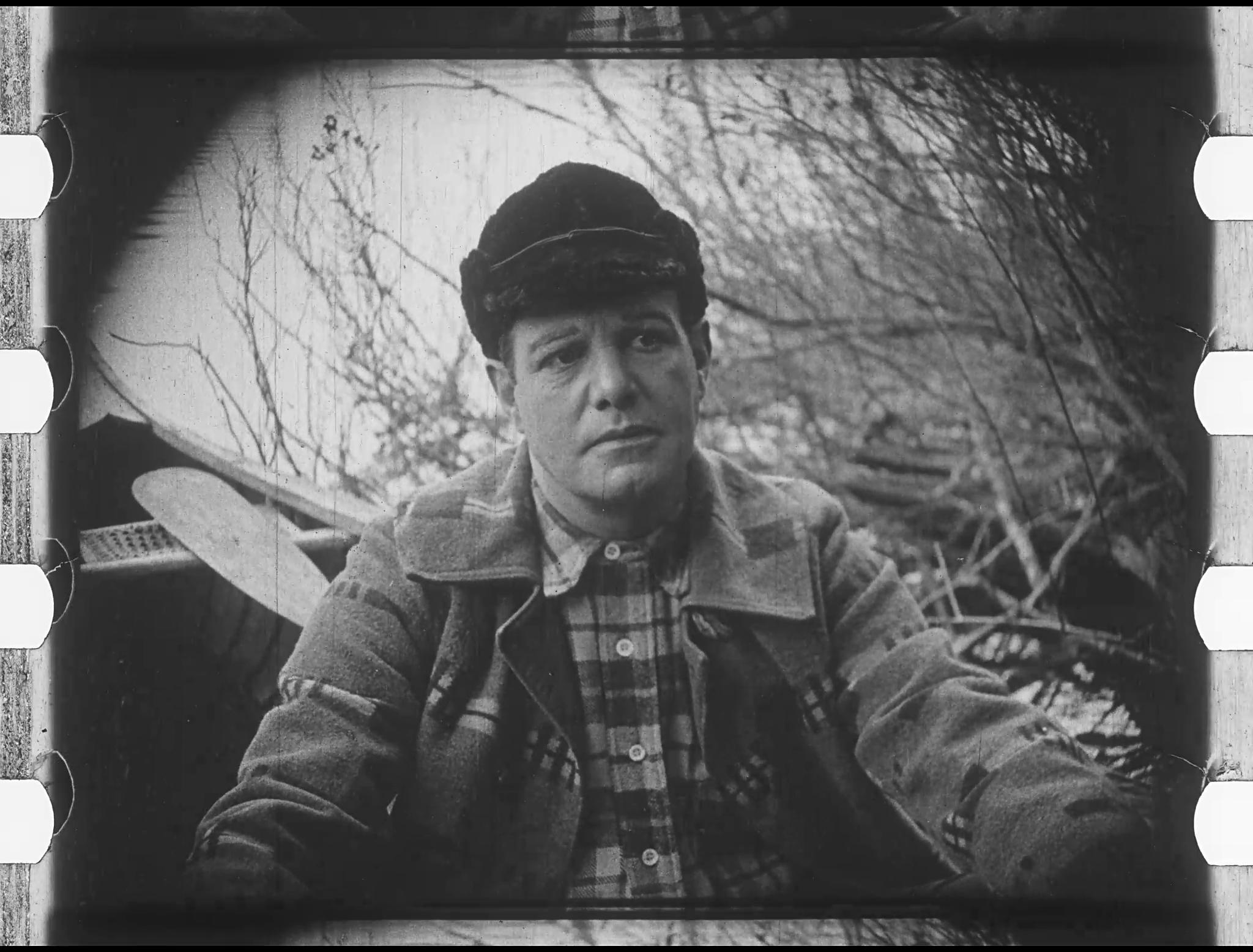
Dir: Edgar Jones
A mail-order bride arrives at a Maine lumber camp but doesn't like her prospective husband.
View Details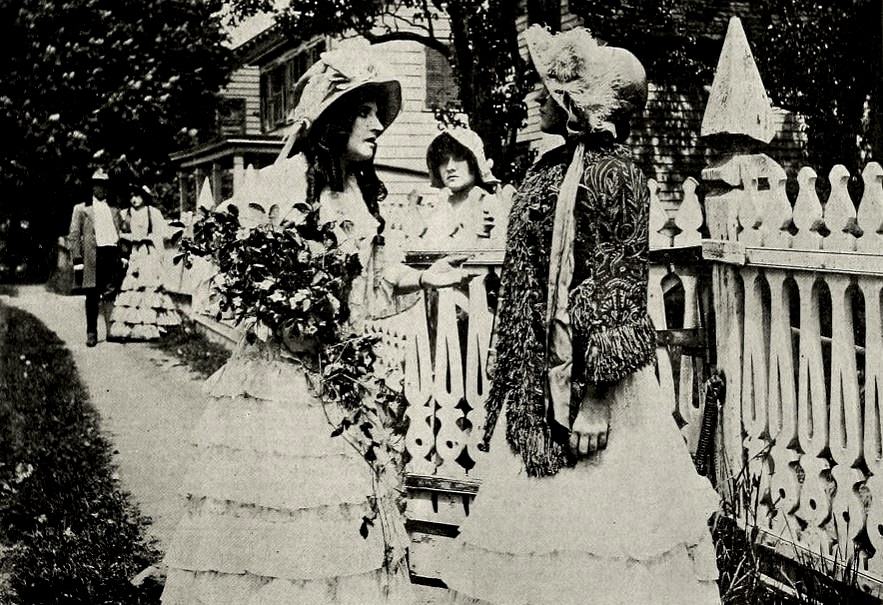
Dir: Stanner E.V. Taylor
A woman realizes that her son is following the same path of corruption pursued by her father, a Civil War traitor, and her husband, an embezzler.
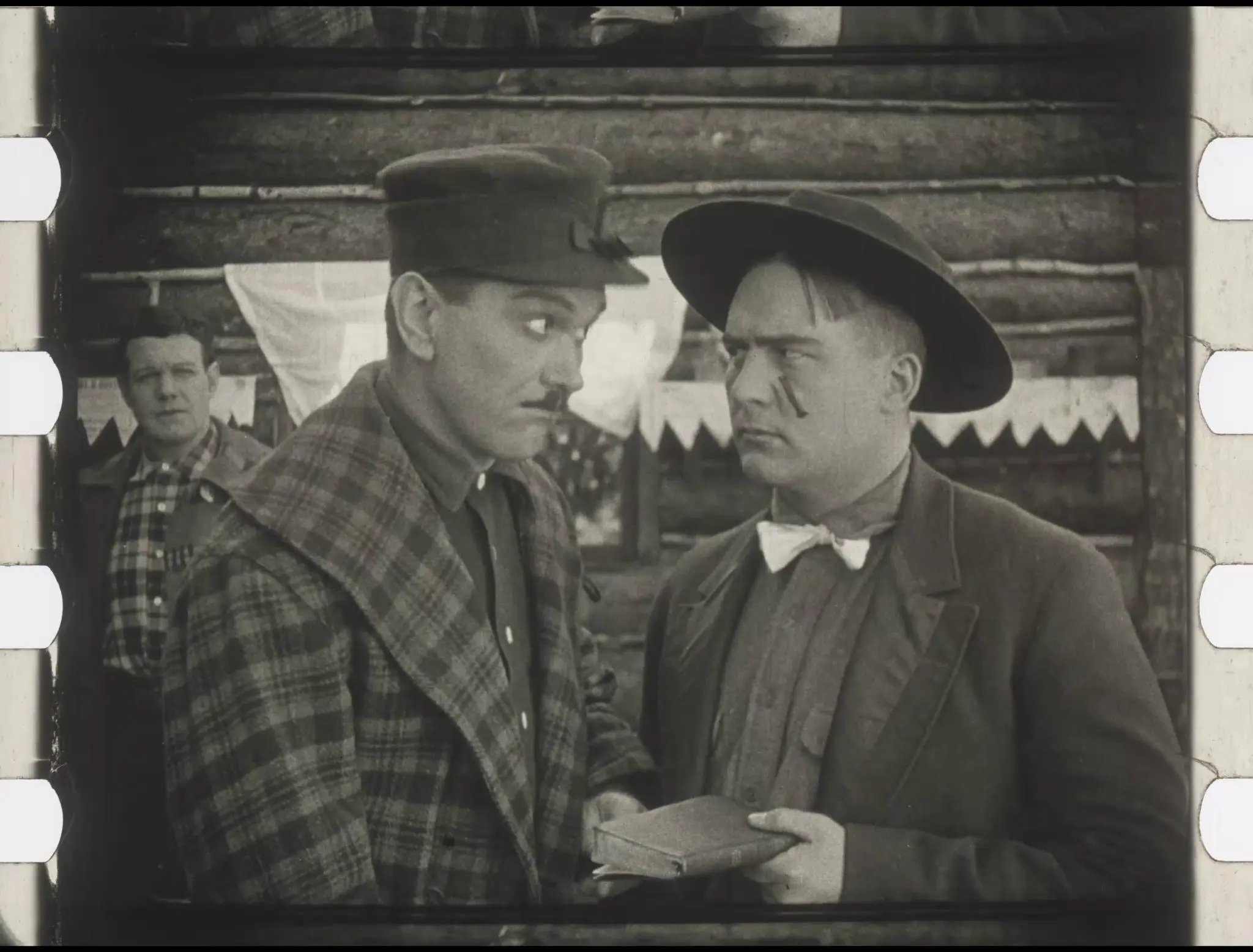
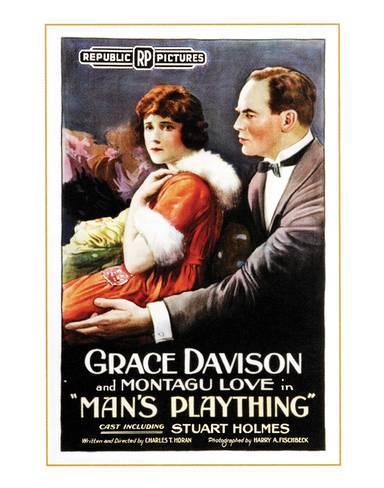
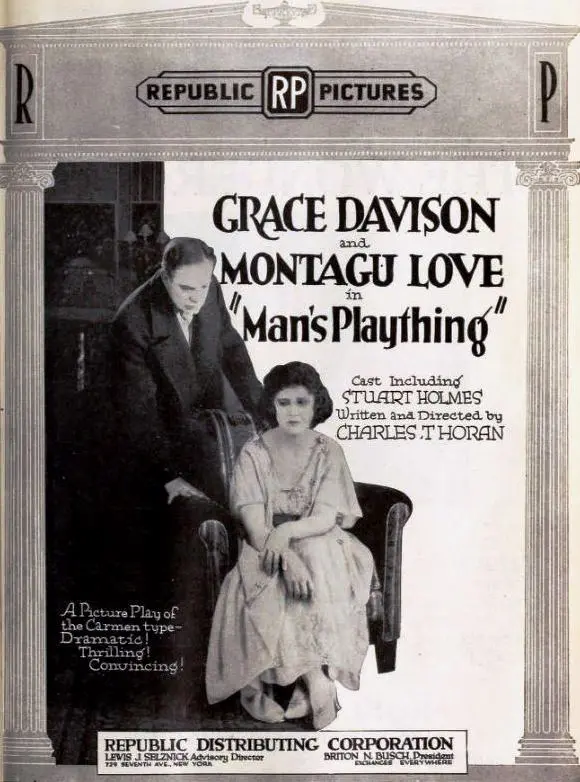
Dir: Charles Horan
While working as a flower girl in Devlin Maddox's nightclub, Nellie Vaughan meets wealthy young Pelton Van Teel and falls in love. Maddox, desirous of using Nellie to blackmail Van Teel, spreads a rumor that she is his mistress. This makes Nellie uncomfortable, and she demands that Van Teel marry her immediately, to which he agrees. Meanwhile, Van Teel has been losing money gambling to Maddox, who threatens to break up the marriage by producing a worthless check that the young husband has written. Venturing to Maddox's apartment for a showdown, Nellie pulls a gun and demands the check, accidentally shooting Maddox when he throws a lamp at her. Maddox plans to charge Nellie with assault, but when the police arrive, his butler, actually a detective employed by the elder Van Teel, exposes Maddox, who is then arrested, clearing the path for the couple's happiness.
View Details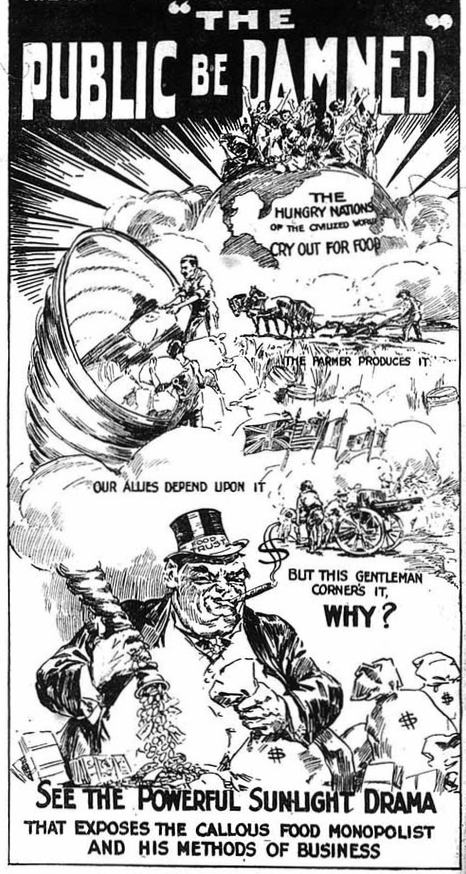
Dir: Stanner E.V. Taylor
A prologue shows United States Food Administrator Herbert Hoover in his office and gives excerpts from Mr. Hoover's speeches. The story begins in the country as young farmer Robert Merritt is unable to make a profit because of the low prices offered by the food trust. At the suggestion of his wife Marion, he organizes a society of farmers to fight the trust, but finally sells out to the trust's representative, David Higgins. Disgusted, Marion leaves him and journeys to the city where she undertakes a fight against John Black, the head of the trust and an old suitor. Marion is successful in introducing a bill in the state senate that would make all food distribution centers state controlled, but political boss Bill Garvin inserts a clause that would defeat the bill. Black, experiencing a change of heart, joins forces with Robert to prevent a vote on the false bill, substituting the original one in its stead. Her duty done, Marion is reconciled with Robert.
Dir: Stanner E.V. Taylor
A fascinating piece of cinema that shares thematic elements.
View Details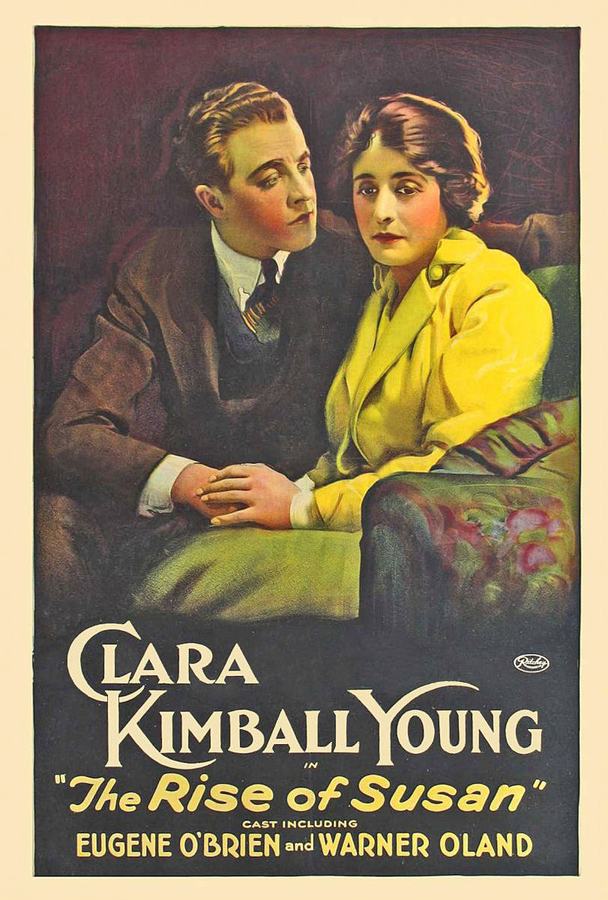
Dir: Stanner E.V. Taylor
Susan, a young girl, the support of her old uncle, earns her living in Madame Millet's fashionable shop. She almost loses her position through her rebuff of the advances of Madame's son, but the arrival of a rich customer renders he services as model necessary. The customer, Mrs. Luckett, a parvenu, struggling desperately to get into society, is struck by Susan's beauty and ladylike bearing, and when a Countess, whom she intended to use as an entering wedge into society, fails to appear, she prevails upon Susan to assume the role of Countess for a night. Susan is a great success and society goes mad over the titled lady. Mrs. Luckett is delighted and insists that Susan continue to play the role. At first Susan refuses, but Mrs. Luckett's pleas and the sudden death of her uncle cause her to change her mind, and she decided to go through with the part. As the Countess, Susan wins the heart of Clavering Gordon, a wealthy and attractive young bachelor. Mrs. Luckett had hoped to "land" Gordon as husband for her daughter, Ninon, and she resents Susan's rivalry. She tells Susan that the disappointment of losing Gordon is killing Ninon, and urges her to go away. Though now deeply in love with Gordon, Susan decides to sacrifice her own feelings to save Ninon. She is about to leave when La Salle, Mrs. Luckett's scheming social secretary, tells her that Ninon is a confirmed drug fiend, and would only ruin Gordon's life. He persuades Susan that she owes it to Gordon to marry him, and save him from Ninon and at last Susan is won over by his arguments. Just before the marriage ceremony, the scheming secretary reveals his true motives. He demands a large sum of money from Susan on penalty that, if she refuses, he will reveal to the assembled wedding guests that she is not a Countess, but a poor working girl and an impostor. Susan is dismayed. Determining that she will go no further with the deception, and scorning the secretary, she rushes into the midst of the wedding party and confesses all. Before the astonished Gordon or any of the other guests can stop her, she disappears. Seeking to forget he sorrow and unhappiness, Susan becomes a nurse and by her sweet unselfishness, wins the love of all whom she meets. After Susan disappeared, Gordon searched in vain, and finally despairing over the results and giving up all hopes of ever finding her, her marries Ninon, in the hope of reforming her. His hopes are vain, for with the years Ninon has grown continually worse, until she has become a shattered wreck. Susan is called upon to nurse her, and though town with conflicting emotions, when she learns that Ninon is the wife of Gordon, the man she loves, Susan tries desperately to save the drug-crazed woman. After a fierce struggle, the maddened Ninon succeeds in blinding Susan with a pair of scissors and then flings herself from the window to her death in the court below. Gordon meets the blinded Susan, and after a brief courtship, the two are married. In their great love they are rendered doubly happy by indications that Susan's sight is about to be restored.
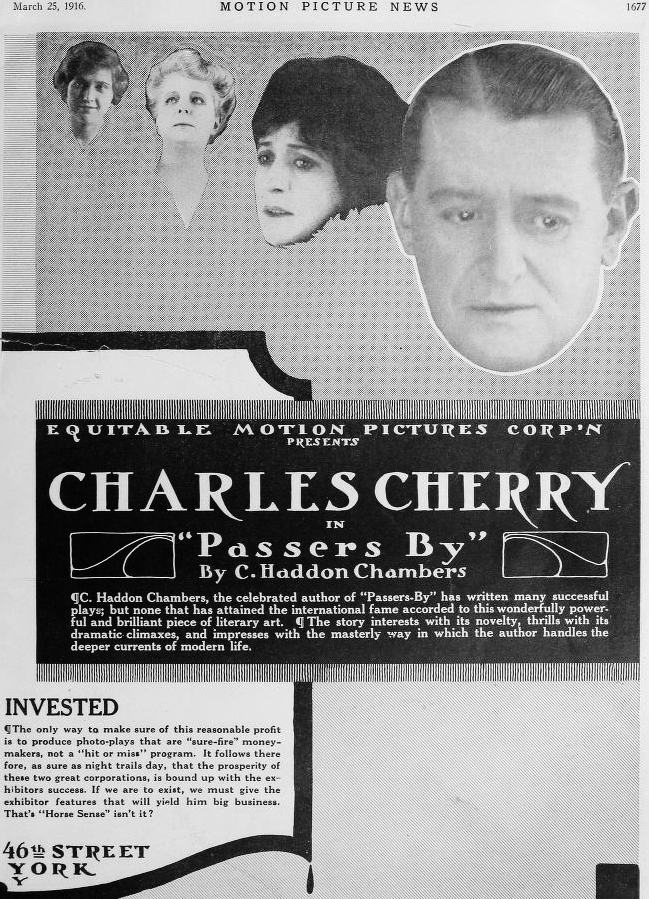
Dir: Stanner E.V. Taylor
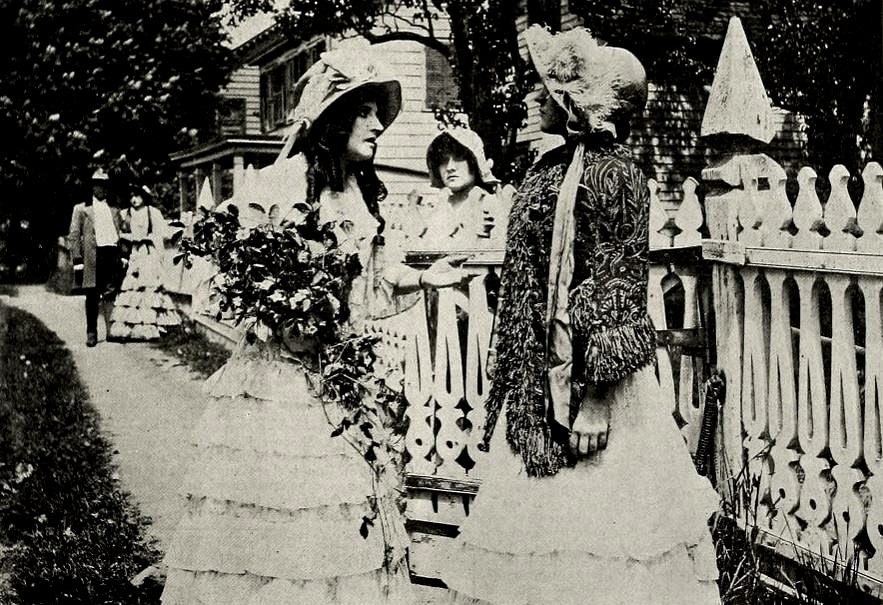
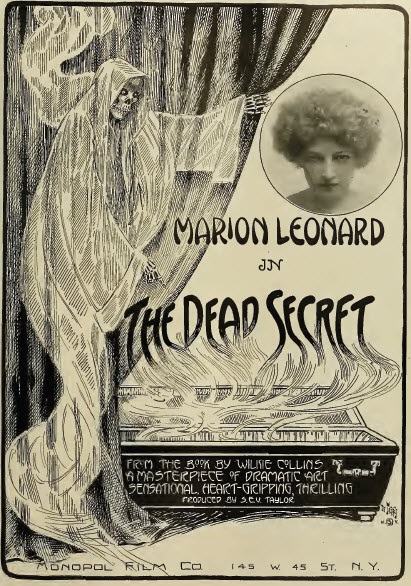
Young Englishman Peter Waverton loves his fiancee Beatrice Dainton, but can't get Margaret Summers, with whom he had an affair eight years before, out of his mind. Peter's sister Lady Hurley broke up the Peter/Margaret affair by convincing Margaret, her maid, that Peter, who had traveled to the Continent on business, had actually abandoned her. However, Peter is shocked when Margaret accidentally runs into him in London shortly before his wedding is to take place. He's even more shocked when he sees who is accompanying her.
View Details
Dir: Bruno Ziener
A fascinating piece of cinema that shares thematic elements.
View DetailsAnalysis relative to The Miracle of Life
| Film Title | Atmosphere | Complexity | Similarity |
|---|---|---|---|
| The Great Shadow | Gothic | High | 94% Match |
| The Devil's Riddle | Ethereal | Dense | 86% Match |
| In the River | Gritty | High | 92% Match |
| The Seed of the Fathers | Gothic | High | 95% Match |
| Man's Plaything | Surreal | High | 98% Match |
This guide was algorithmically generated using the cinematic metadata of Stanner E.V. Taylor's archive. Last updated: 6/26/2026.
Back to The Miracle of Life Details →