Summary
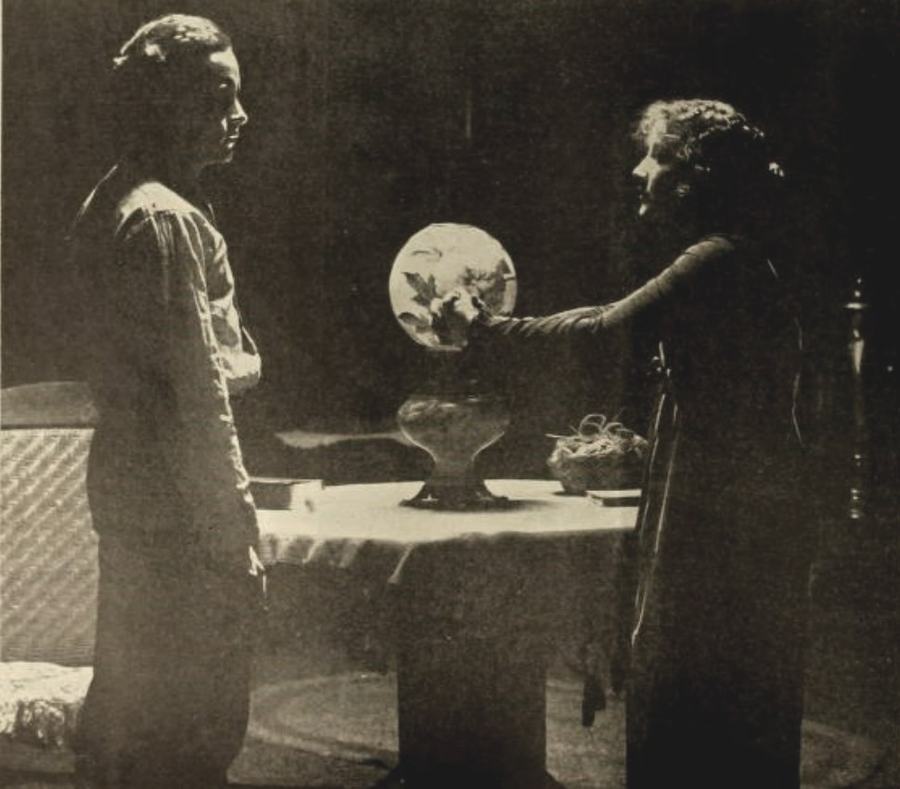
Herbert Hoover’s austere silhouette haunts the prologue—grainy footage of a bureaucrat promising abundance while the nation’s soil hemorrhages value. Cut to sylvan furrows where Robert Merritt’s calloused palms cradle wheat worth less than the burlap that holds it; his scarecrow silhouette looms like a crucifix against a copper sunset. Marion, his wife, eyes blazing with the feral lucidity of a peasant Joan, whispers sedition: co-operatives, boycotts, a farmers’ soviet. Their barn becomes a clandestine agora of stubble-bearded men who speak in Biblical cadences about parity and dignity. Yet Higgins—trust envoy, urban wolf in worsted wool—arrives with a cigar that smells of distant stock exchanges, tempting Robert with a single check large enough to silence ancestral ghosts. Marion, betrayed, flees to the city’s electric labyrinth, neon signs reflecting in her pupils like stained glass of a secular cathedral. She infiltrates marble corridors where John Black, monopolist kingpin and former lover, presides over a mahogany empire that reeks of smoked capitalism. Black’s face—half tycoon, half ruined Romantic—softens when he recognizes the woman who once read Shelley to him by candlelight. Together they draft a legislative spear aimed at the trust’s heart: state-run food depots, price ceilings, a bureaucratic guillotine for speculators. Enter Garvin, cigar-chomping Svengali with a pocketful of commas and semicolons, who slips a lethal clause into the bill like a slow-acting poison. On the eve of the vote, Black—wracked by a conscience as weathered as his derby hat—enlists the same Robert he once fleeced; the two men, former predator and prey, scramble through backrooms and ink-stained archives, substituting the sabotaged text for the pristine original at the stroke of dawn. Marion watches from the gallery, breath suspended like a held note, until the gavel falls and the auditorium erupts in a tempest of cheers and boos. Outside, she descends the capitol steps; Robert waits with dirt still under his nails, eyes asking forgiveness the way soil asks for rain. No words—only the mute choreography of reconciliation beneath a sky rinsed clean by first light.
Synopsis
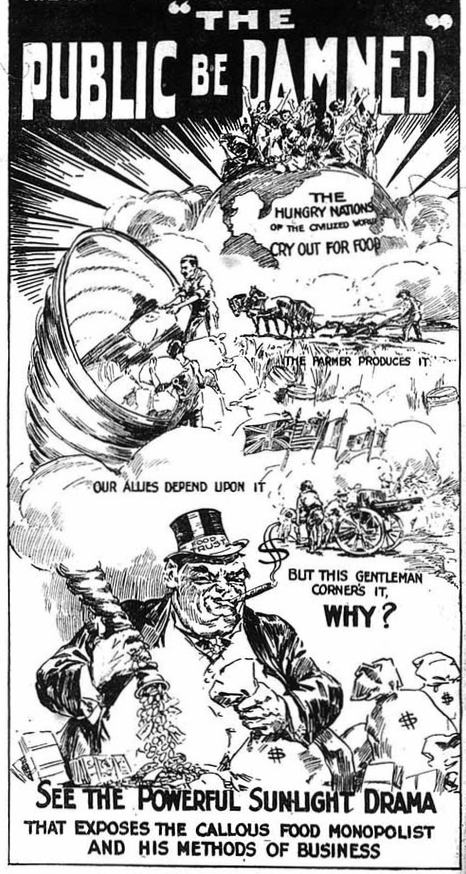
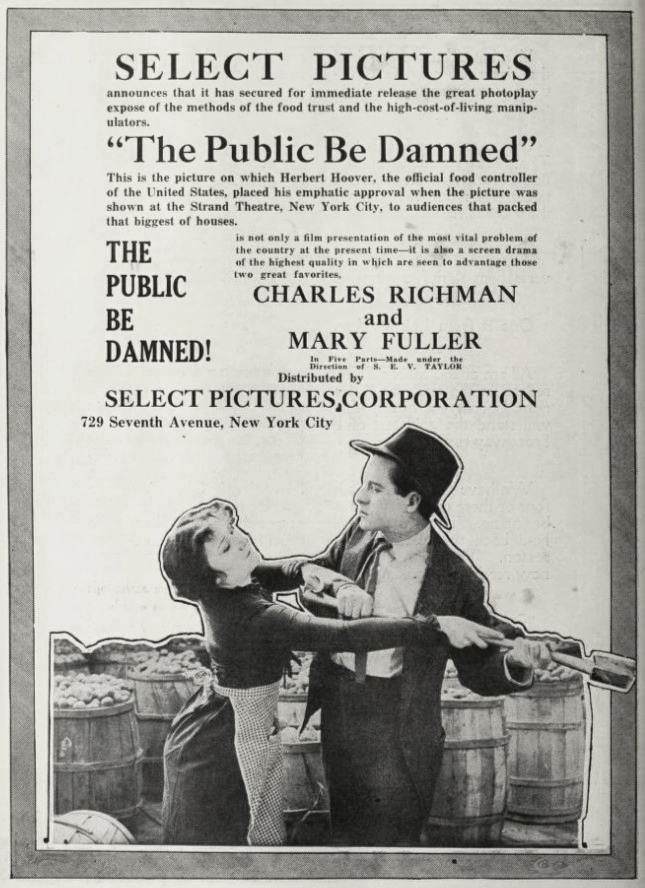
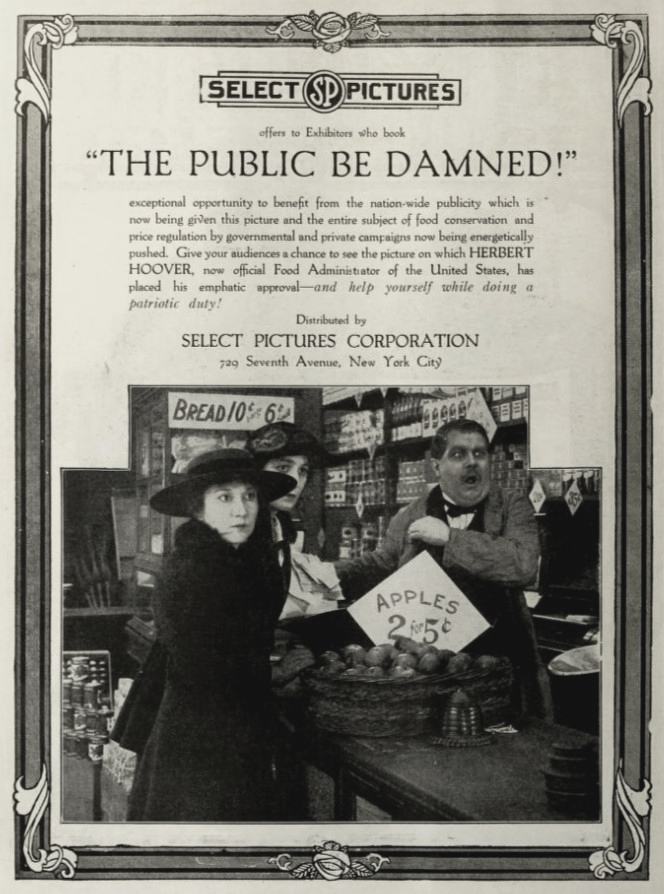
A prologue shows United States Food Administrator Herbert Hoover in his office and gives excerpts from Mr. Hoover's speeches. The story begins in the country as young farmer Robert Merritt is unable to make a profit because of the low prices offered by the food trust. At the suggestion of his wife Marion, he organizes a society of farmers to fight the trust, but finally sells out to the trust's representative, David Higgins. Disgusted, Marion leaves him and journeys to the city where she undertakes a fight against John Black, the head of the trust and an old suitor. Marion is successful in introducing a bill in the state senate that would make all food distribution centers state controlled, but political boss Bill Garvin inserts a clause that would defeat the bill. Black, experiencing a change of heart, joins forces with Robert to prevent a vote on the false bill, substituting the original one in its stead. Her duty done, Marion is reconciled with Robert.
Review Excerpt
"
Grain, graft, and the American grotesque—Taylor’s 1917 one-reel missile Public Be Damned detonates the pastoral myth faster than you can say “commodity futures.” Shot on Paragon stock that now crackles like campfire emulsion, the film arrives at a moment when Hoover’s wartime rhetoric still clanged in newsreels and country grain elevators smelled of rust and desperation.
The prologue is a coup: real footage of the future president juxtaposed with intertitles that slice like paper cuts. Hoover..."