
DbcultAccessing Vault...
Recommendations
Senior Film Conservator
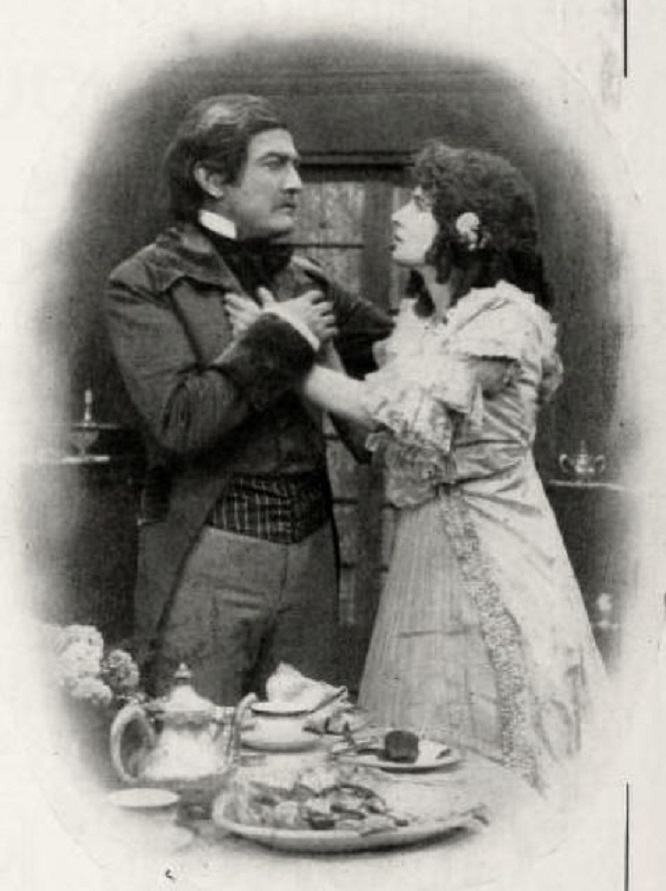
Navigating the complex narrative architecture of The Ploughshare is a artistic bravery experience, the legacy of The Ploughshare is a beacon for those seeking the unconventional. Unlock a new level of cinematic understanding with these cult alternatives.
The artistic audacity of The Ploughshare ensures it to sustain a sense of mystery that persists after the credits roll.
By the death of his father, old Judge Lawrence, William Lawrence inherits the family's vast Southern estates. The slaves welcome him as their new master, but they all dislike "little Jim," William's half-brother, who is left by the father in William's guardianship. Twenty years elapse, and William is elected governor of his state. Little Jim has grown to young manhood, but with the passage of the years, his nature has become worse. It is discovered that Jim has had a secret intrigue with Jenny Strong, a simple country girl, who implores him to keep his promise and make her his wife. Meanwhile, she has kept all knowledge of what has transpired from her brother, Jack. At the state capital are two important families, the Leighs and the Claytons. Evelyn Clayton has fallen deeply in love with Jim Lawrence. William Lawrence has met and fallen in love with Helena Leigh. Arthur Willet, a friend of both families, who has had from the first an instinctive dislike for Jim Lawrence, overhears Jim talking with Jenny Strong. Later, at the home of the Leighs, he comes upon Jim making love to Helena. He thereupon tells her father how he has heard Jenny Strong pleading with Jim to right the wrong he has done her. Dr. Leigh drives Jim from his house. There follows a violent quarrel between Helena and her father, during which the doctor falls to the floor, overcome by heart trouble. On his deathbed he begs Helena to marry the governor. Helena consents because it is her father's dying wish, though she fancies herself in love with Jim. Strong discovers the trouble with his sister and determines to get satisfaction. To revenge the exposition of his guilt, Jim writes to Willet to fight a duel with him. Willet, who is a crack shot, accepts and leaves to indulge in a little practice. Jack comes upon Jim, and before he has finished talking, Jim shoots him with one of Willet's pistols. Willet is accused of the crime and is placed in jail. Jenny takes her own life and an unsuccessful appeal is made for Willet by Curwood, a political leader and uncle of the accused. Moved by Helena's pleadings, Jim confesses to his brother, but still maintains that he committed the murder in self-defense. His brother, the governor, pending the arrival of the sheriff, locks Jim in a room, but he is released by Helena, who, having taken two horses from the stable, rides away with him. Inasmuch as the governor had been to the stable, and seeing that he is accused of intrigue, he says that he did spirit his brother away. He resigns, and Helena, who realizes that she is the cause of her husband's downfall, declares herself in court as the accomplice in the murderer's escape. Helena, now that she is to be indicted in her husband's place and being cognizant of his great love, which she feels is lost forever, is about to commit suicide when her husband appears and tells her that the law has been satisfied by the death of Jim, whom they have learned was drowned in South America. The governor and his wife are reconciled.
Critics widely regard The Ploughshare as a cult-favorite piece of cult cinema. Its artistic bravery is frequently cited as its strongest asset, solidifying its place in United States's film legacy.
Based on the unique artistic bravery of The Ploughshare, our vault has identified these titles as the most compelling follow-up experiences for fans of cult cinema:
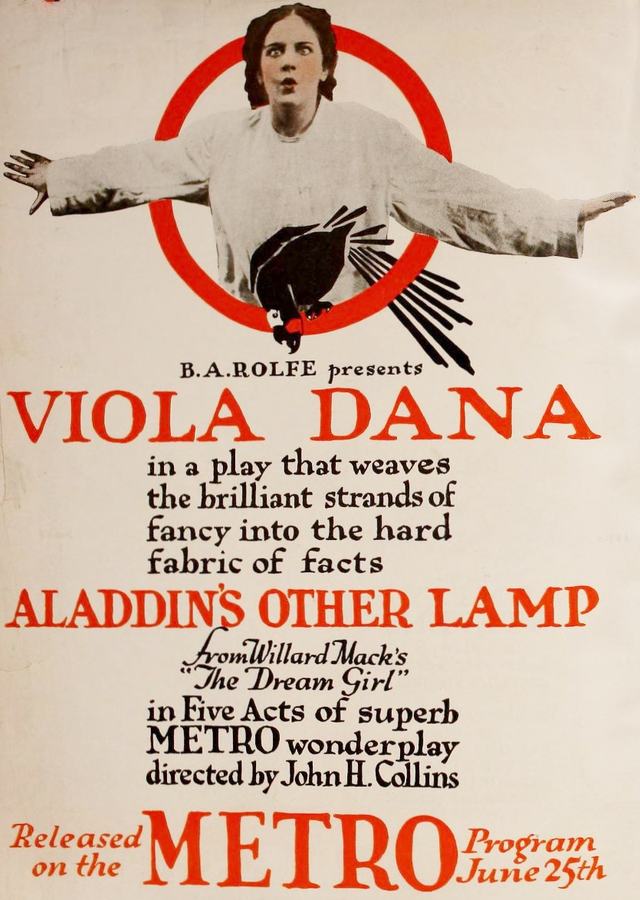
Dir: John H. Collins
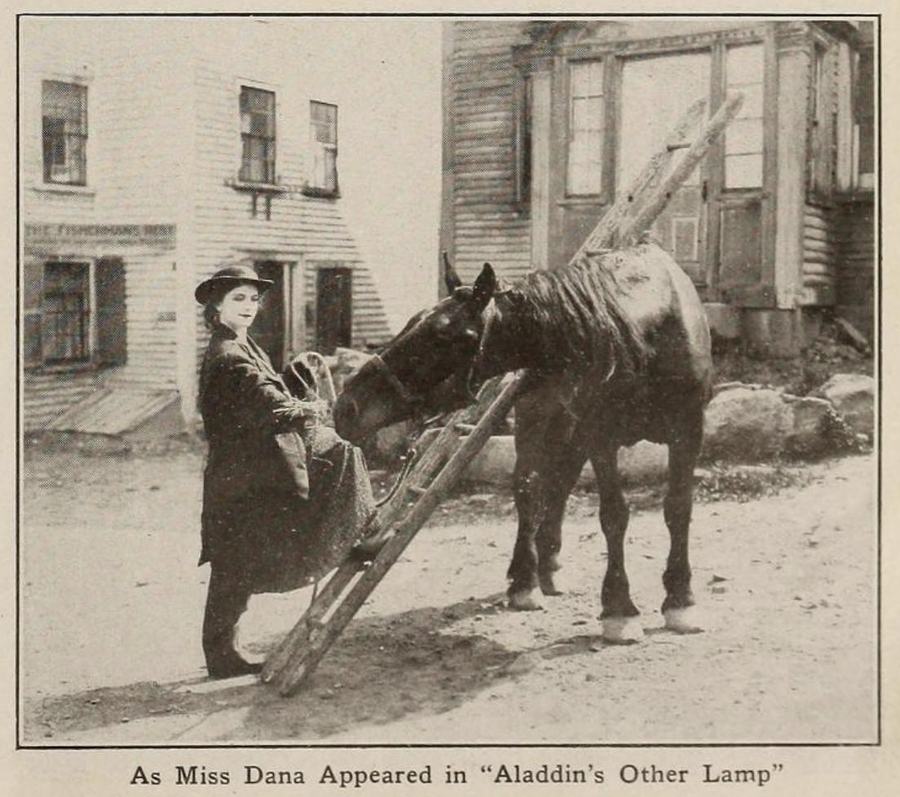
When she was a baby, Patsy Smith's father quarreled with his wife and kidnapped Patsy. After her father died at sea, Captain Barnaby took Patsy to Mrs. Duff's boardinghouse for seafarers. Dissatisfied with drudgery, Patsy, inspired by Barnaby's tales of Aladdin, searches for her father's Oriental lamp which Mrs. Duff sold to a junk peddler. Patsy buys the lamp and after rubbing it, the Genie Jehaunarara appears. He beautifies her room, restores Barnaby's leg, and turns Mrs. Duff into a rag doll. Because love is beyond his magic, however, the Genie cannot reunite Patsy with her mother. At a masquerade ball, when the Genie's costume wins first prize, Patsy's applause unwittingly causes him to disappear. Clad only in her underwear, Patsy runs to her mother, and awakens from a dream. Disheartened, she throws the lamp out the window, and it nearly strikes her friend Harry, a grocer's boy who wants to become a lawyer, and then, like Lincoln, president. From letters found in the lamp, they locate Patsy's mother, who arrives with her brother, a distinguished judge. Taken under his wing, Harry now imagines himself president with Patsy as his first lady.
View Details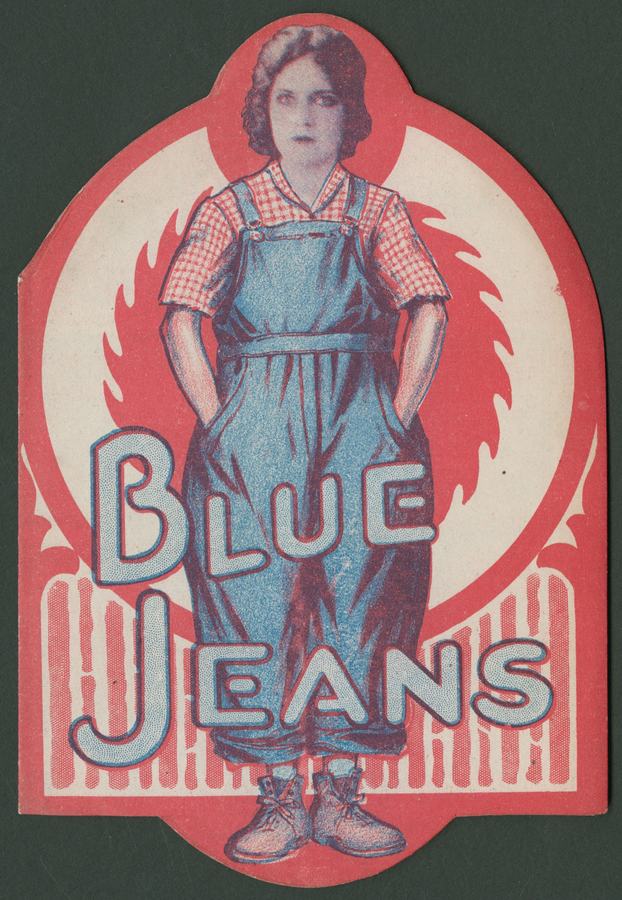
Dir: John H. Collins
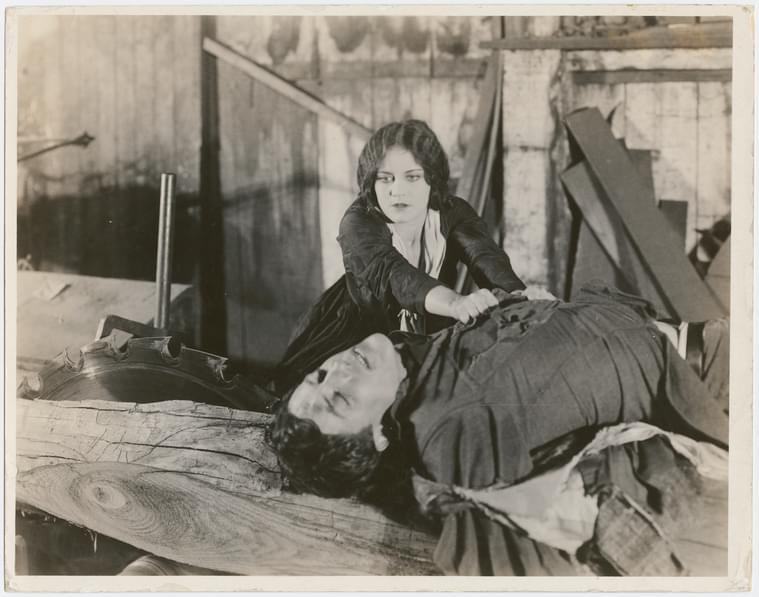
Perry Bascom comes to the town of Rising Sun, Indiana, to take charge of the sawmills which have for years been managed by his father's best friend, Col. Henry Clay Risener. His father's half-brother, Jack, has brought the name into disrepute in the town, so he (Perry) decides to be known as Jim Nelson. Perry sees June, who has been sent away from the poorhouse. He shares his lunch with her and protects her from the attentions of Ben Boone, the political bully of the town. June finds a home with old Jacob and Cindy Tutwiler, taking the place of their own daughter, whom Jacob had banished from home eighteen years before, and whose picture has been turned to the wall. Perry becomes the conservative candidate for Congress, opposing Ben Boone, who is the candidate of the liberal party. Perry asks June to marry him if he proves successful. Perry receives a call from Sue Eudaly, with whom he has gone through a marriage ceremony, but whom he left on finding she had a husband living. Her husband, Jim White, has disappeared, and she defies Perry to prove her previous marriage. She threatens to go to the rival candidate with her information, and Col. Risener, as Perry's campaign manager, buys her off. June is alarmed at the interest Sue shows in the man she loves, and Perry urges her to marry him at once, secretly. June continues to live with the Tutwilers. She has discovered that their daughter, who had married a hated Bascom, was her own mother, and that she is the granddaughter of Jacob and Cindy. Ben Boone has fallen in love with Sue, and his affection is returned. At the political rally June leads the village band, trying to drown out the voice of Boone when he harangues the crowd. The tide seems to be turning against Boone. Sue, deciding to explode a bomb in the camp of his opponents, takes her stand beside Perry and tells them he is a Bascom. She says she knows the wife he has deserted. June says that it is not true, since she herself is his wife. But the townspeople will not listen. They believe that he has deceived June, and refuse to believe anything good of a Bascom. The Tutwilers take June home with them and Perry is ordered to get out of town. Perry goes to the Tutwilers' to see June before he leaves. Sue is there. He denies that she is his wife, but she horrifies them all by saying that if Perry's father lured June's mother away from home. Perry and June are brother and sister. Cindy dispels that thought by producing a photograph of June's father. It is Jack Bascom, the half-brother of Perry's father, not a true Bascom by birth. Perry goes away to obtain proof of Sue Eudaly's husband, and June leaves the house, refusing to have anything to do with her grandfather until he retracts his insults to Perry. Ostracized by the townspeople, June lives in a humble cottage, where her child is born. Cindy goes to see the little one, but June will not permit Jacob to come until he admits that he is sorry. Perry at last returns with proof of Jim White's marriage to Sue. He seeks Boone at the mill. Boone cannot understand why Sue refuses to marry him. She finally tells him it is because she has a husband living, and that husband is Perry. Boone attacks Perry and overpowers him. Placing him on the log-carriage, he turns the great lever. He has locked June, who has followed her husband, inside the office. Then he and Sue make their escape. Through the glass door June watches her husband's body approaching the teeth of the saw. Breaking the glass of the door, she plunges out, and, reversing the lever just in time, saves Perry from the saw. Misfortune overtakes Sue and Boone, and with their baneful influence removed, June, Perry and the little one begin a happier life in the little town, with the love and respect of all.
View Details
Dir: John H. Collins
President of the Buttonhole Makers' Union Abe Cohen, loses his job in Sam Blumenthal's East Side sweatshop when he endorses Timothy Murphy for alderman over Steve O'Roque, to whom Blumenthal is indebted. After Murphy helps Cohen start a kosher restaurant, Cohen learns that he and his former co-worker, Kitty McGee, won $10,000 in the lottery. He gives free meals to his customers, but when Kitty discovers that her purse containing half of the ticket was stolen, Cohen clears the "loafers" out. Cohen's daughter Minnie, in love with Blumenthal, secretly marries him, but Blumenthal, already married although separated from his wife, keeps Minnie's ring and their marriage certificate. Doubting the marriage, Cohen turns Minnie out, but when Blumenthal's wife appears, and Minnie's suitor, David Moss, whom Cohen likes, finds her, the marriage is invalidated and Cohen reconciles with his daughter. Mixing with the underworld, Cohen outwits the thief who stole Kitty's ticket. Despite a flood coming down from the apartment above, the ensuing celebration marks Minnie and David's engagement.
View Details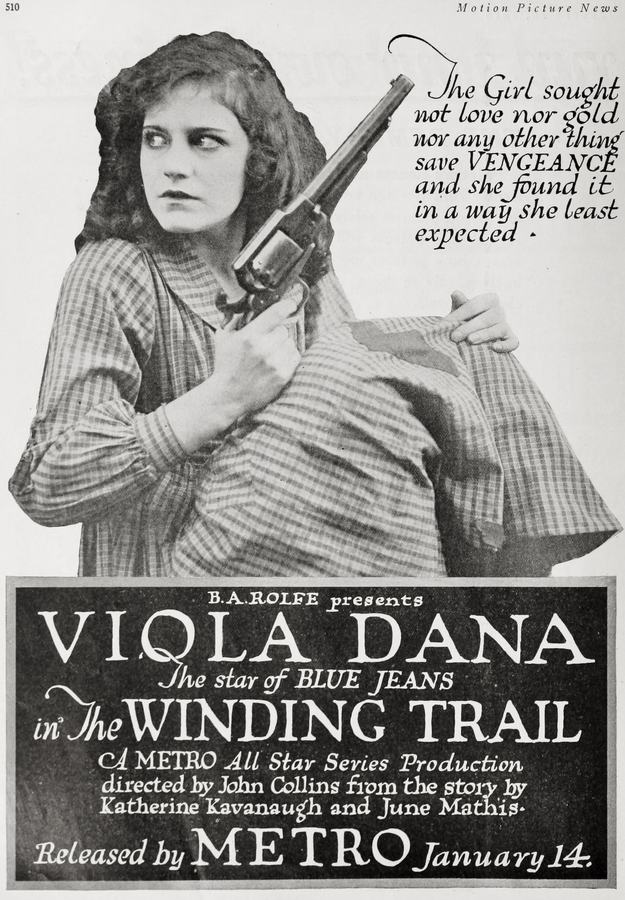
Dir: John H. Collins
In order to avenge the disgrace and subsequent death of her sister, New York theatrical star Audrey Graham joins an 1870's caravan bound for the Western town of Silver Bar, where Alvin Steele, the man who betrayed Audrey's sister, now lives. The homesteaders run out of supplies and are dying of thirst on the parched Western plains when they reach the hideout of an outlaw named Zachary Wando. Zachary at first refuses them water, but Audrey, disguised as a child, melts his heart and he relents. After learning of Audrey's deception, however, he threatens to hold her captive unless she brings Steele, with whom his wife Lou is having an affair, to his camp. Audrey locates Steele, captivates him with her beauty, and then leads him to Zachary, who gives Lou a gun and orders her to choose between them. Lou shoots Steele and is then reconciled to her husband, while Audrey returns to New York, her desire for vengeance satisfied.
View Details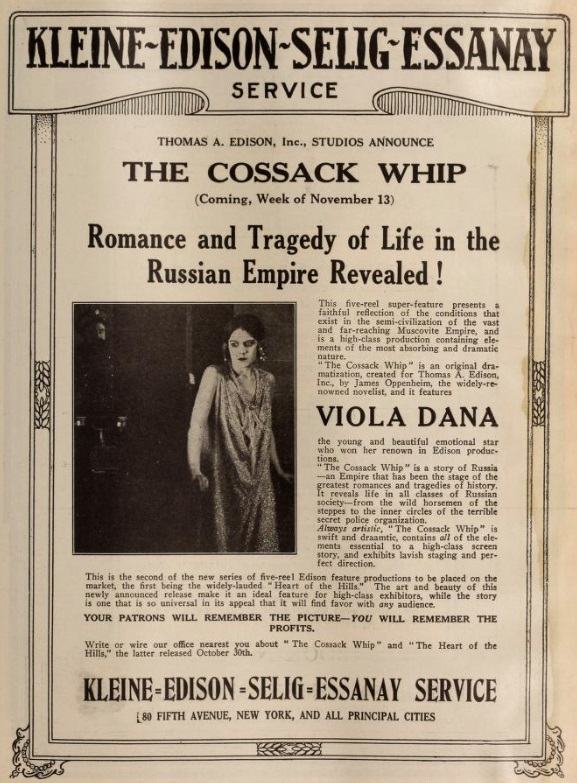
Dir: John H. Collins
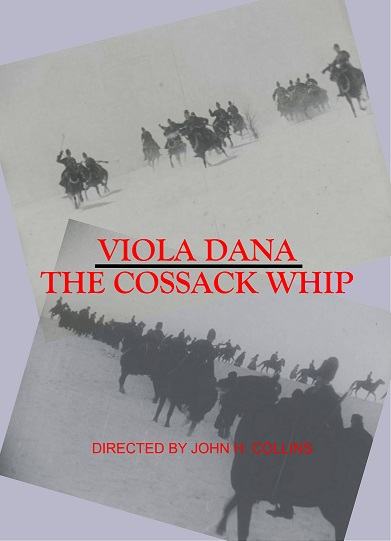
Feodor Turov, chief of the Russian Czar's secret police, orders his Cossacks to attack a village he believes to be infested with rebels. The Cossacks attack the village and massacre almost everyone, and the young Katerina is whipped to death. Before escaping to England, her sister Darya swears to avenge her sister's death. Years later--now one of the world's most famous prima ballerinas--she returns to Russia. Turov falls in love with her and manages to secure a meeting. She coyly asks him to take her to see a prison first. As it turns out, what he has planned for her is nothing compared to what she has planned for him.
View Details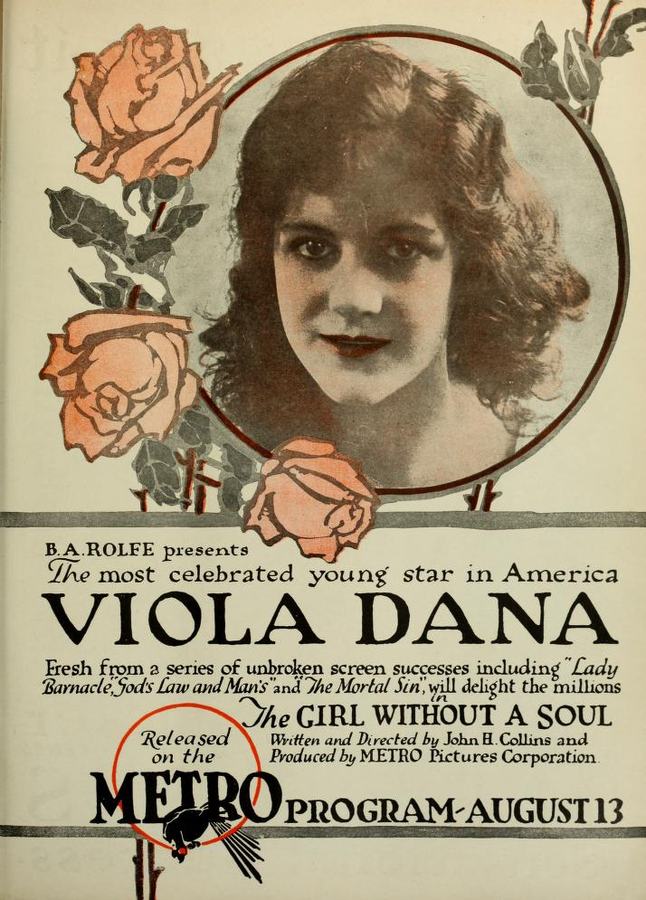
Dir: John H. Collins
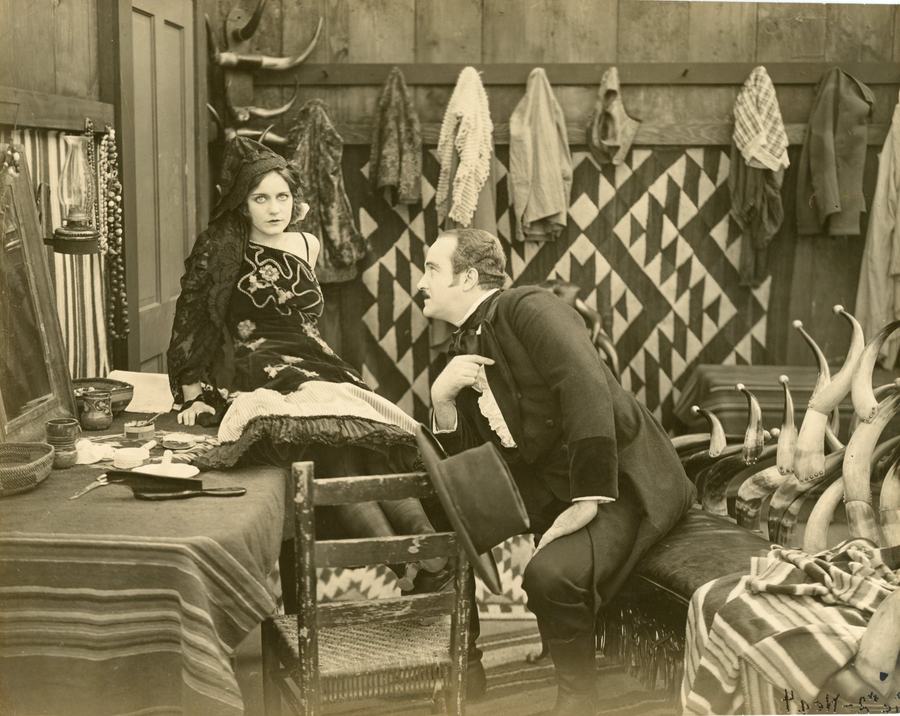
The story of two young sisters: one a demure musician in love with a scoundrel who's no good for her; the other a wild free spirit who is the object of a shy young carpenter's affections.
View Details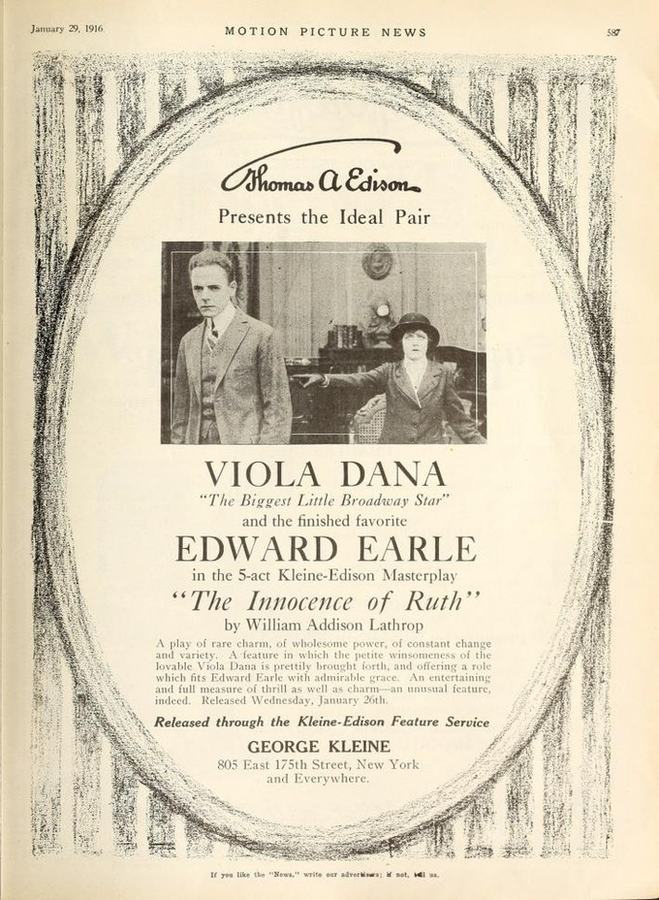
Dir: John H. Collins
Jimmy Carter, a millionaire, leading an idle, indulgent life, gets an urgent message from his friend, Reginald Travers. Travers, who is dying, has been ruined in the stock market by Mortimer Reynolds, and penniless, he leaves his little daughter in care of Carter, who promises faithfully to look after her. After the death of Travers, Carter takes Ruth to his luxurious home and gives her to the motherly care of Mrs. Jenkins, his housekeeper, Mortimer Reynolds, anxious to add Ruth to his list of unfortunates, instructs his mistress, Edna Morris, to make her acquaintance and to gain her confidence. Carter and Reynolds become bitter enemies because of Reynold's sarcastic reflections on the relationship between Carter and Ruth. As time passes, Ruth, by her winsomeness and innocence gradually changes Carter's mode of life. He no longer feels an interest in the gay life of former days, and even loses his taste for the morning nip. Unconsciously, Ruth is transforming his sympathetic dutiful interest in her to love. In a moment of ecstasy he crushes her in his arms. At the Charity Ball, where Ruth is taking part in a tableau, she meets Edna Morris. Fearful of Reynold's wrath should she fail, the unhappy girl works her way into the graces of Ruth. Carter sees this and immediately takes Ruth home, refusing to explain his conduct to her. Meeting Ruth in the park the following day, Edna denounces Carter for his action of the previous evening, "Why should he object to me, pray? Everybody knows that your father didn't leave you a penny, and that you are living on the, shall I say, generosity, of Mr. Carter." Stunned by the revelation that she is looked upon as Carter's mistress, the impetuous little girl rushes to the house, and in a burst of fury, screams her hatred of Carter. In the still of the night, she makes her way out of the house to Edna's apartment. It is here that Reynolds finds her. Impelled by a fiendish lust, he forces her to partake of his wines, and slowly they begin to work their effect. Carter, who, in desperation, has been searching for her, finds her in the apartment, stupefied and disheveled. Disgusted and heartsore, he looks upon her contemptuously and leaves, feeling that she has gone the way of Edna. Mrs. Morris, Edna's mother, prompted by a subconscious feeling that all is not well with her child, comes to the house from her little cottage in the country. She takes both penitents back home with her, hoping that they may forget and begin life anew. Meanwhile, Reynolds, whose financial affairs have taken a turn for the worse, and who is being sought by the police for forgery, attempts to make his escape. He is caught by the police and so made to pay for the misery and misfortune which he has brought upon others. Miserable and despairing because Carter has mistaken her, Ruth can find no peace. But Edna, she who has dragged her to darkness and degradation, succeeds in lifting her once more to the light of hope. The once impetuous Ruth is again folded in the arms of Carter, knowing that there only will she find eternal happiness and peace of soul.
View Details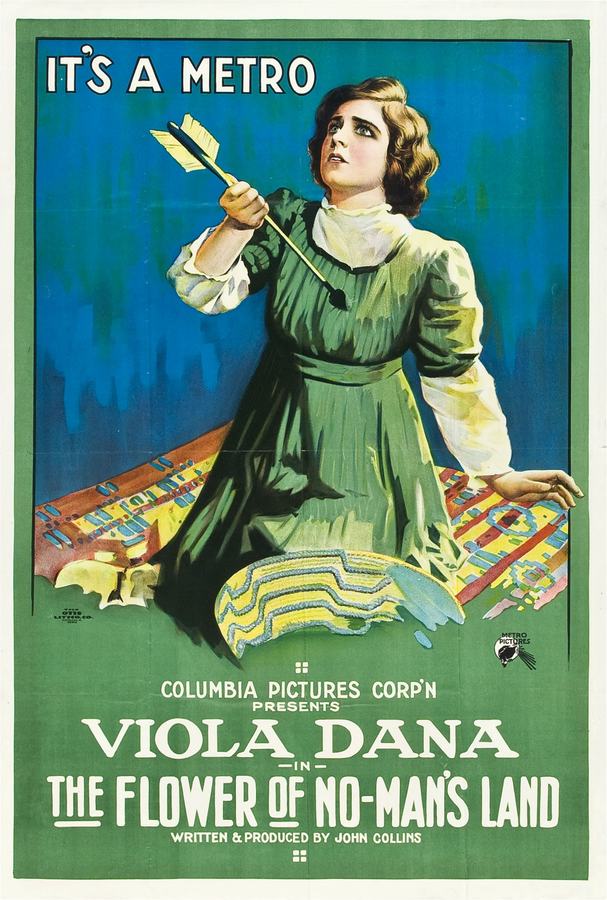
Dir: John H. Collins
Echo, the orphaned "flower of no man's land," has been raised by an Indian foster father, Kahoma. Then, when opera singer Roy Talbot goes West to recover his health, Echo falls instantly in love and forgets all about Big Bill, her cowboy sweetheart. Roy marries Echo and takes her back East, but soon after returning to his adoring public, he loses all interest in her. Finally, Echo leaves Roy and goes back to the wilderness, where she discovers that Roy had already been married when they met and had deserted his wife years before. For so deceiving his adopted daughter, Kahoma tracks Roy down and kills him, while Echo forgets about her big-city unhappiness and returns to Big Bill, with whom she makes plans to marry.
View Details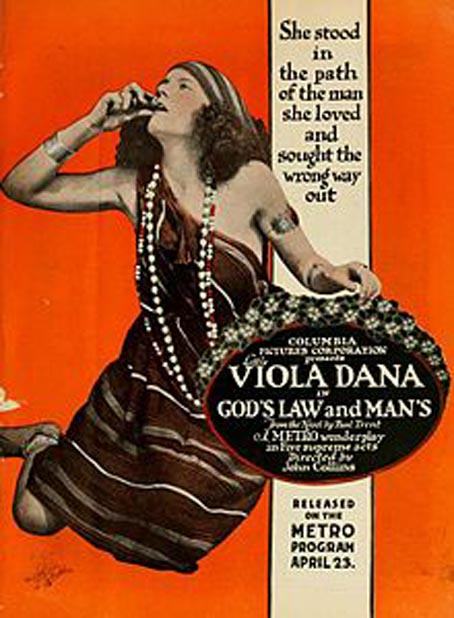
Dir: John H. Collins
Dr. Claude Drummond, a young English doctor in India, saves Ameia, a young girl, from being sacrificed to the priests of the temple of Krishna by buying her as his wife. Returning to England upon the death of his elder brother, who was the heir to the estate, Claude finds that his father has arranged a marriage between himself and Olive Dennison, the daughter of the Major-General. To please his father, Claude is about to submit to the marriage, although neither he nor Olive love each other, when Ameia arrives from India. Discovering that her existence is a barrier to her husband's advantageous alliance, Ameia takes poison but is saved by an antidote administered by Claude. It is then discovered that Ameia is actually the daughter of Major-General Dennison, by a native wife whom he had deserted. Thus, Claude finds it possible to be true to his love and to his father's wish that he marry the general's daughter.
View Details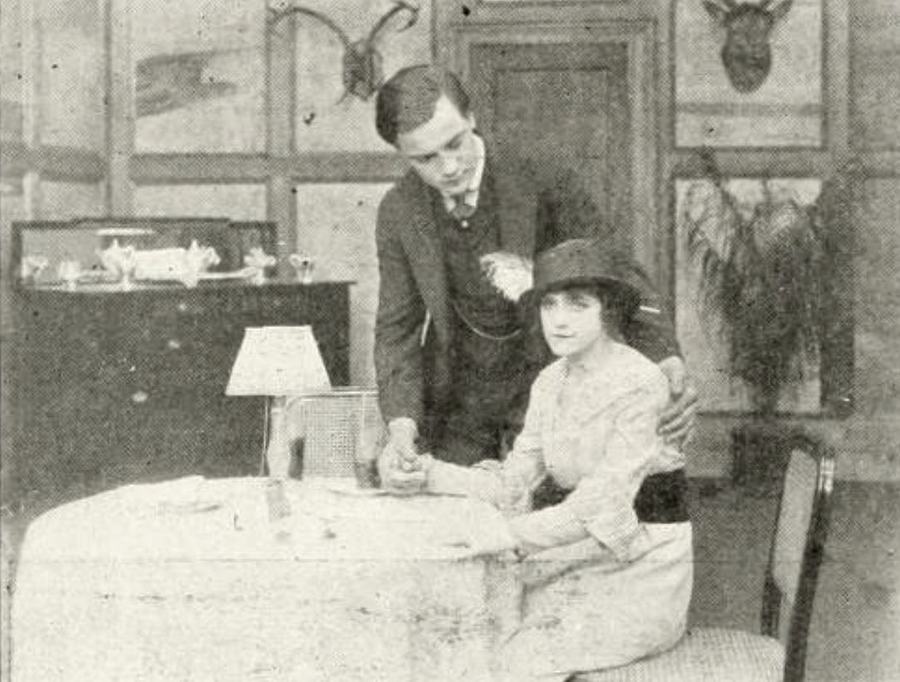
Dir: John H. Collins
"On Dangerous Paths" Is the story of a foolish young girl who insisted upon learning the lesson of life through experience rather than take the advice of those who had already gone through the mill. It's only saving grace is that it is a story taken out of life, a story that nearly every young girl has to learn. Viola Dana in the leading role is winsomely pretty. As an unsophisticated young girl with the whole world before her, Miss Dana was eminently pleasing. Pat O'Malley playing opposite gave his usual finished performance, and the balance of the cast was good. Though the recipient of the love of a very desirable young man and though she returns this affection. Eleanor Thurston feels that she must be independent and earn her own living. She leaves for the city and obtains a position as nurse in one of the large hospitals, where one of the young doctors with a reputation as a lady killer becomes infatuated with her fresh young beauty and pays ardent attention to her. She is carried off her feet and not realizing that his intentions are not honorable, is placed in a compromising situation from which she is rescued by her country lover.
View DetailsAnalysis relative to The Ploughshare
| Film Title | Atmosphere | Complexity | Similarity |
|---|---|---|---|
| Aladdin's Other Lamp | Gothic | Linear | 92% Match |
| Blue Jeans | Surreal | Layered | 98% Match |
| Cohen's Luck | Gritty | Dense | 90% Match |
| The Winding Trail | Surreal | Layered | 97% Match |
| The Cossack Whip | Ethereal | Abstract | 98% Match |
This guide was algorithmically generated using the cinematic metadata of John H. Collins's archive. Last updated: 6/23/2026.
Back to The Ploughshare Details →