
DbcultAccessing Vault...
Recommendations
Senior Film Conservator

Delving into the atmospheric depths of The Right of Way reveals a master at work, the visual language established by Frank Lloyd is something many try to emulate. From hidden underground hits to established classics, these are our top picks.
The enduring power of The Right of Way lies in to synthesize diverse influences into a singular artistic statement.
Snobbish attorney Charles 'Beauty' Steele loses his wife due to his drinking and his heirs at the same time that his brother-in-law absconds with funds belonging to one of Steele's clients. In search of the thief, Steele is attacked and left for dead. He is rescued by a kind couple, but suffers from amnesia. He starts life afresh and is happy, until the return of his memory sends him back to resolve his old involvements.
Critics widely regard The Right of Way as a cult-favorite piece of Romance cinema. Its character-driven intensity is frequently cited as its strongest asset, solidifying its place in United States's film legacy.
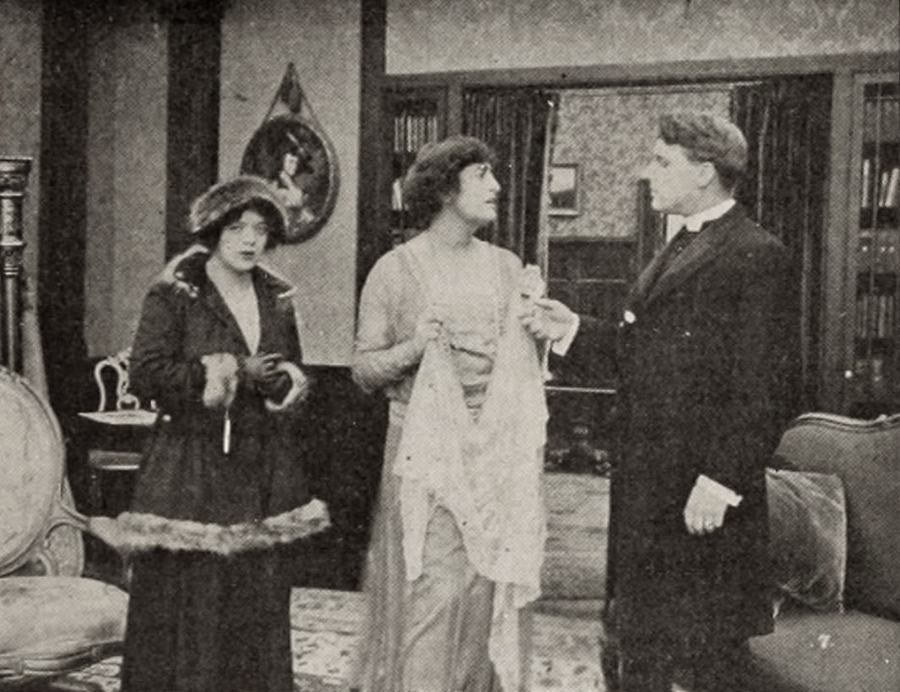
Based on the unique character-driven intensity of The Right of Way, our vault has identified these titles as the most compelling follow-up experiences for fans of Romance cinema:
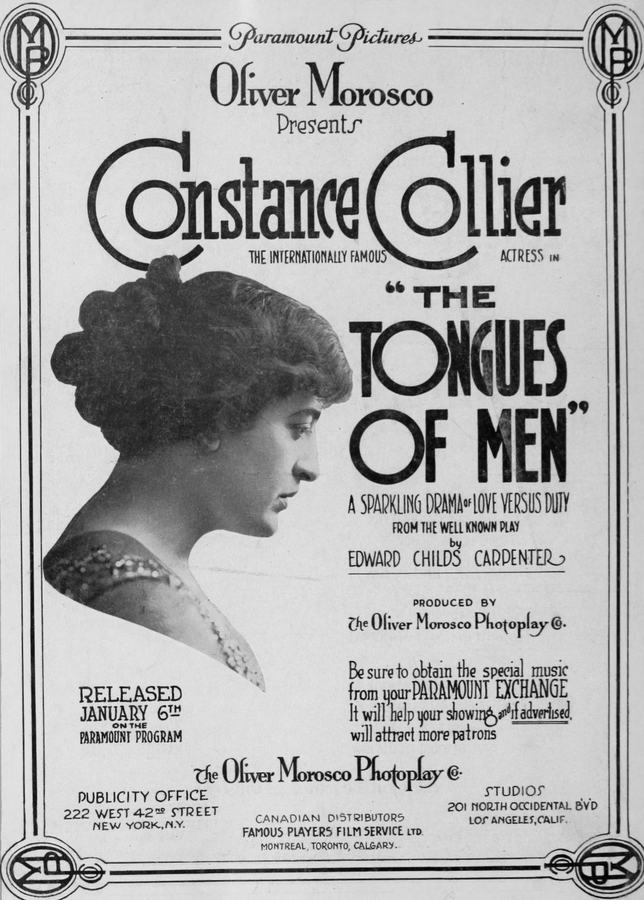
Dir: Frank Lloyd
Rev. Dr. Penfield Sturgis, of fashionable St. Martins-in-the-Lane, finds himself face to face with Jane Bartlett, a grand opera prima donna whose opera he has denounced on grounds of morality, and who comes to his very vestry room to make him "eat his sermon word for word." Out of the encounter a strange acquaintance develops, Jane Bartlett interested through vindictive reasons, the rector through the challenge to his church. She prevails upon him to visit the notorious opera, which but deepens his previous convictions, but meanwhile he discovers a surprising humanity in the woman herself. Just as it is beginning to dawn upon him that maybe he takes himself a shade too seriously, word comes that the Mayor has closed "Zaporah" on the strength of his own condemnatory sermon. Repentant, Sturgis decides to apologize in an open letter to the newspapers, at which his vestry and congregation, already perturbed by the ascendancy of the Bartlett woman, are up in arms. To preserve her dignity the young rector offers to marry her, and she accepts him, thus at last making him "eat his sermon word for word," as she had set out to do. But her vanity appeased, Jane Bartlett proceeds to make peace between her young rector and Georgine Darigal, daughter of the rector emeritus and formerly his fiancée, and the reconciliation assured, Jane Bartlett gracefully withdraws.
View Details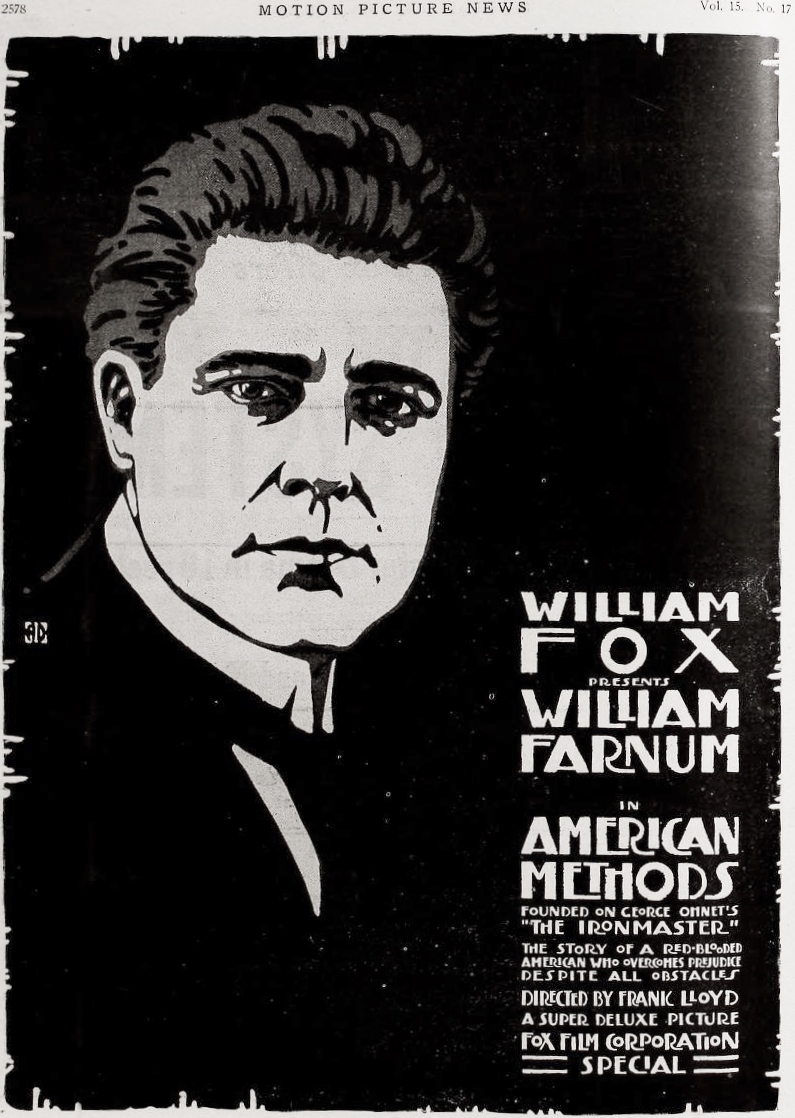
Dir: Frank Lloyd
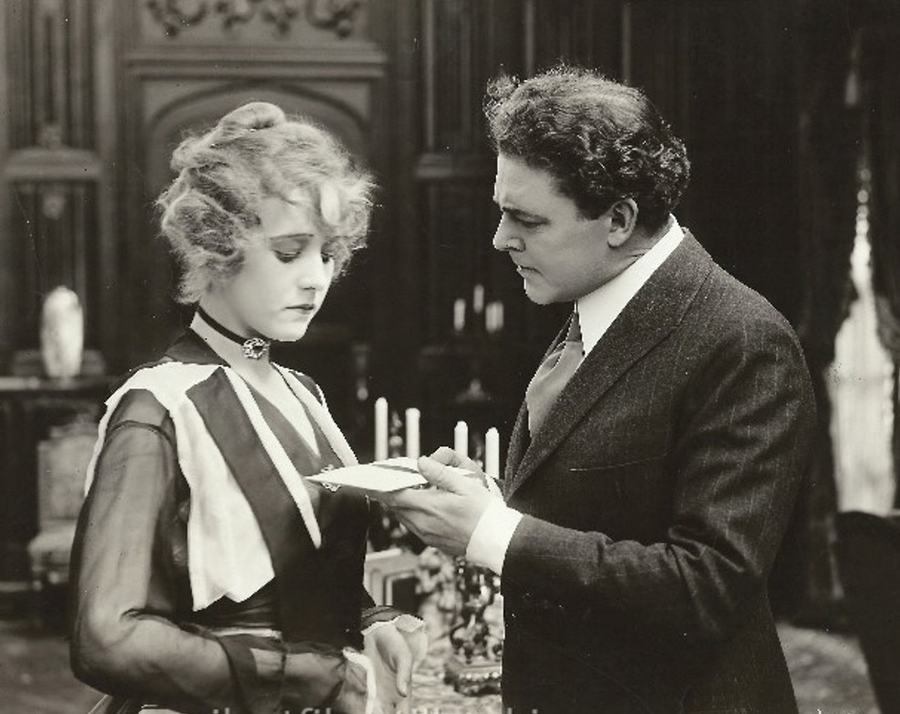
William Armstrong, an American whose family is from France, inherits an iron mine in France. With his sister Betty, he travels to France to take over the business. In the village near the mine lives Claire, the daughter of a wealthy family, who is engaged to the scheming Duc de Bligny. When Claire's family loses all their money, the Duc dumps her for the daughter of a wealthy manufacturer. Armstrong and his sister find themselves caught up in this intrigue, which becomes more complicated when Armstrong falls for Claire.
View Details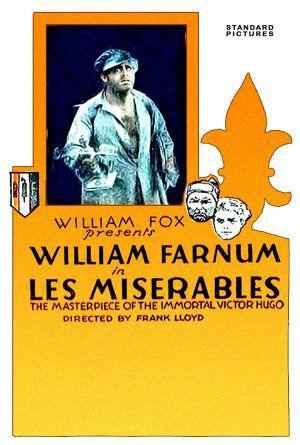
Dir: Frank Lloyd
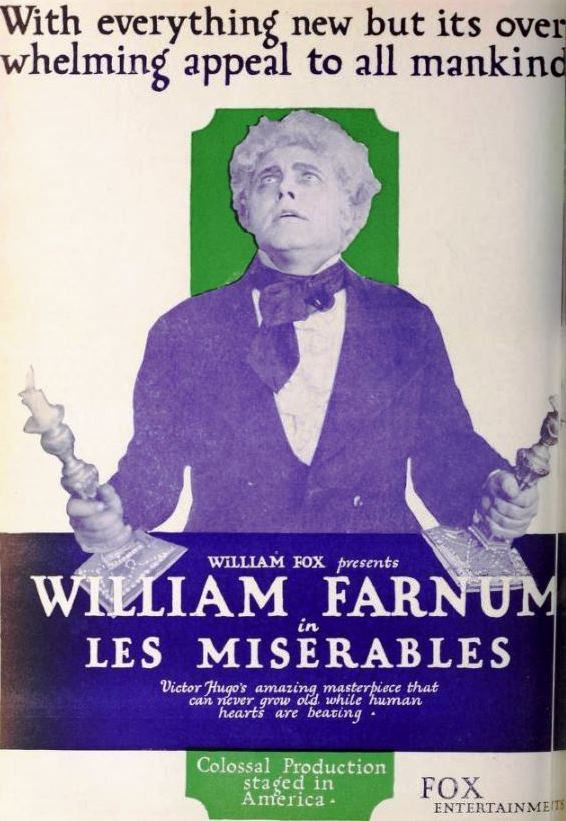
Jean Valjean, a good and decent man who has committed a minor crime, is imprisoned but escapes. He is pursued thereafter for years by Javert, the cruel and implacable arm of the law.
View Details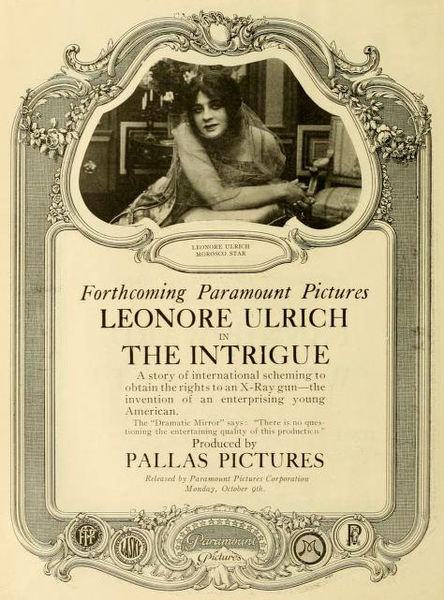
Dir: Frank Lloyd
A sci-fi/espionage film in which world powers vie for control of a death ray during World War I.
View Details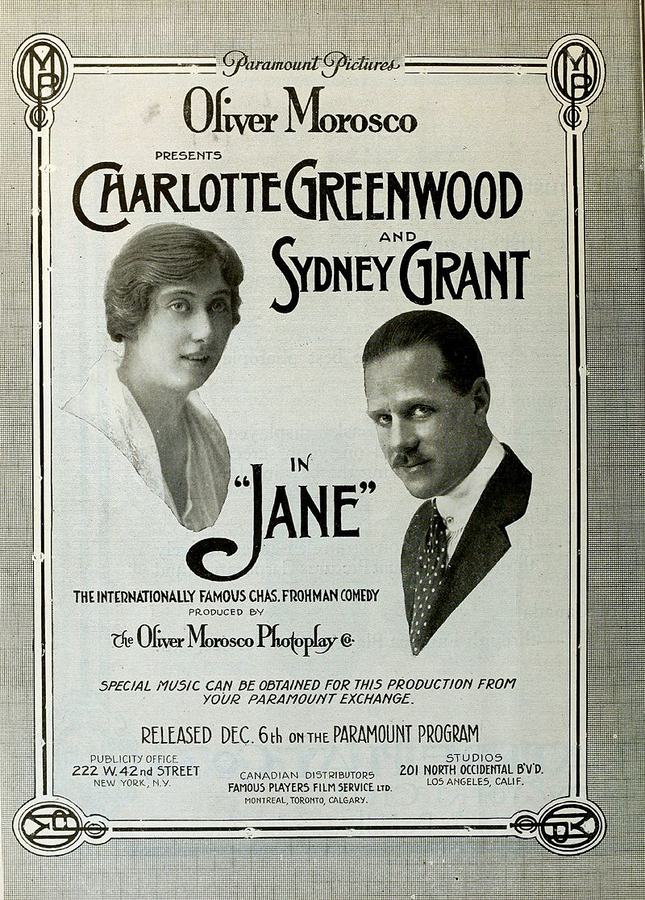
Dir: Frank Lloyd
To obtain an increase in his income from his wealthy uncle, Charles Shackleton must stop his wild bachelor ways and marry. Charles proposes to Lucy Norton, but her father refuses his permission. Undaunted, Charles tells his uncle he has married and receives his increased allowance. A year later the uncle announces an upcoming visit, and Charles begins a frantic search for a temporary wife, offering Jane, the maid, five hundred dollars to play the part of Mrs. Shackleton. Secretly married to William, the butler, Jane undertakes the role without her husband's knowledge, causing him much confusion and jealousy. When the uncle demands to see "the baby," Jane snatches one from an unsuspecting washerwoman, who later catches the uncle with her child and calls the police on him. Further complications lead to Charles' pleading proposal to Lucy and then finally to the truth, which leaves everyone satisfied.
View Details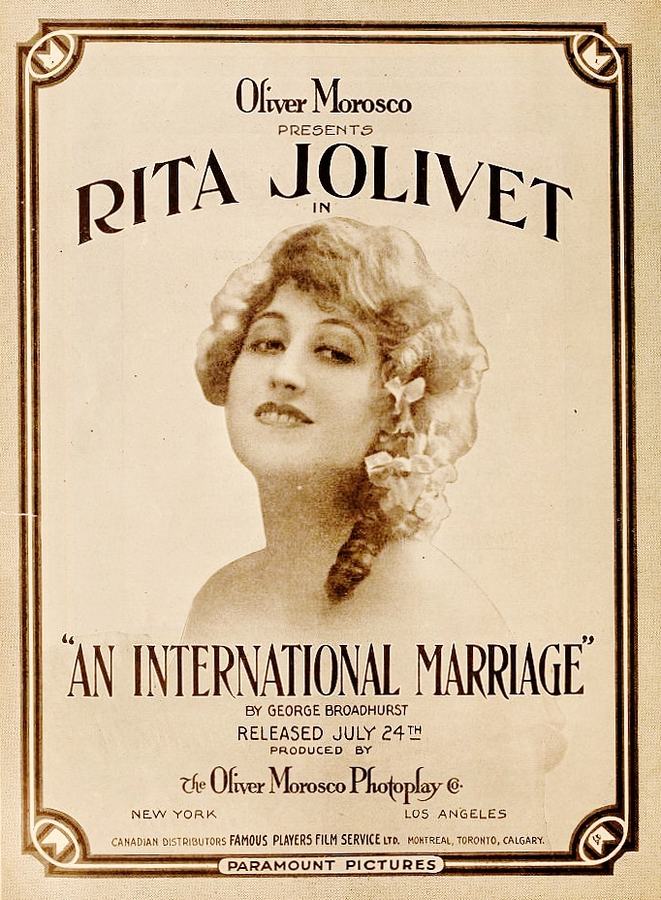
Dir: Frank Lloyd
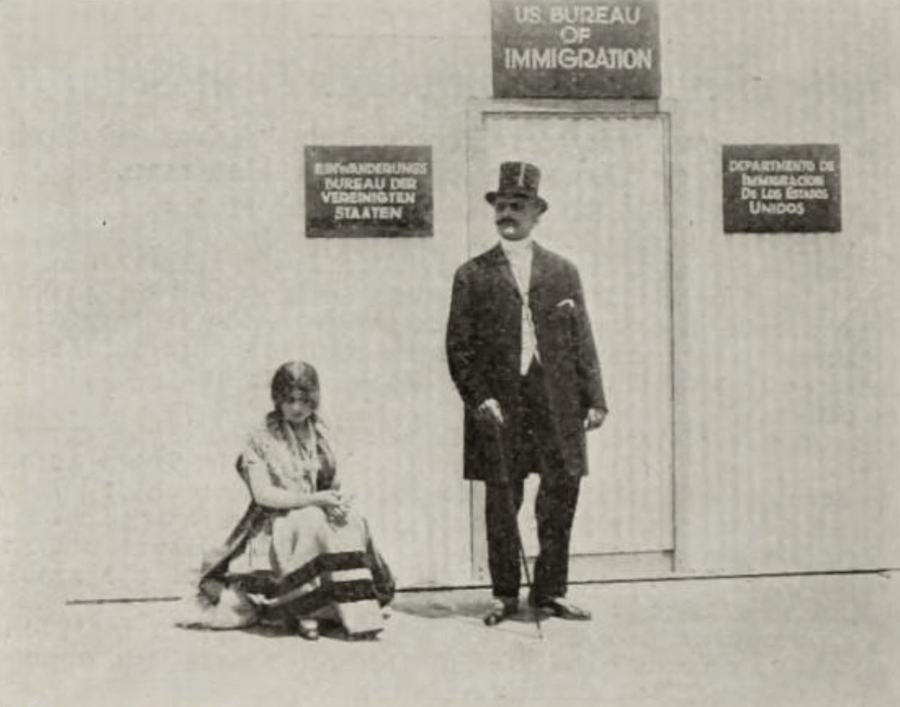
Florence Brent is the daughter of Bennington Brent, who runs a successful laundry business. Florence's childhood friend, John Oglesby, is a Congressman. When Florence visits her friend, Eleanor Williamson, in Washington D.C., she meets Eleanor's fiancé, who is a Count. The Duke of Buritz, a countryman of the Count, tries to corrupt Oglesby for political reasons. Meanwhile, the Count breaks his engagement to Eleanor, having become enamored of Florence. Oglesby eventually exposes the duplicity of the Count and Duke.
View Details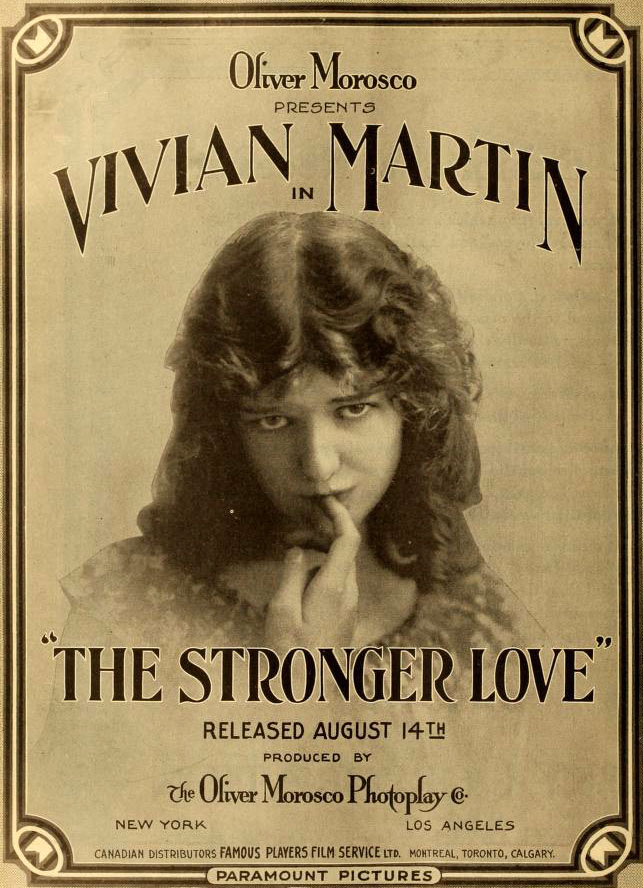
Dir: Frank Lloyd
Nell, a beautiful mountain girl, is a member of the Serviss family, rivals of the neighboring Rutherford family. Nell is engaged to Jim Serviss, who is the head of their clan, but when, by accident, she meets a stranger who has come to stay with the Rutherfords, they become infatuated. The stranger spends much of his time examining and chipping away at rocks, causing an intense curiosity among the mountaineers, who suspect that he is a "revenuer." When Nell learns that the stranger is searching for radium, she shows him a deposit rich in ore located near the Serviss still. On the night of a big dance, the Serviss still is burned by revenue officers and the mountain people are convinced that the stranger is to blame. Nell rushes to the Rutherford cabin to warn the stranger who is revealed to be Rolf Rutherford. When Jim arrives, Nell saves Rolf's life by telling Jim that she will marry the stranger. Soon after Jim leaves, however, Nell goes after him and admits that it is only he who she loves and that she lied to save him from committing murder.
View Details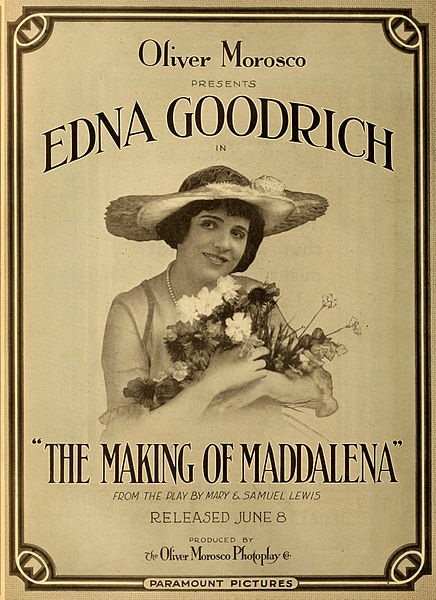
Dir: Frank Lloyd
George Hale, a rather good-for-nothing son of wealthy parents, is engaged to marry Marie, a young society girl. She refuses to marry him until he has made good. Young Hale's chum, Augustus Foster, an art student, induces Hale to join him in his studio in Rome. To win the admiration of his sweetheart, Hale accepts his chum's offer and starts his career as an artist. Being of a carefree, happy disposition, he dallies with his work. Here he meets Maddalena, a very beautiful young Italian girl, who poses as his model. Her father, a rough and muchly-dissipated Italian of the poorer class, has abused his daughter most shamefully, using the money she earned selling flowers to buy his drink. Young Hale is greatly attracted to the beautiful Maddalena. One night at the studio, where a number of his friends were celebrating the Fourth of July, in true American fashion, the studio gaily decorated with American flags, bunting of red, white and blue, a letter is received by Hale from the American sweetheart denouncing him and announcing her engagement to Signor Pastorelli, a great artist, who was then living in America. Leaving her home because of her father's abuses, Maddalena seeks refuge in the studio of Hale. In a fit of rage over the news of his sweetheart's betrothal to Sig. Pastorelli, Hale announces to his friends his intentions of marrying his beautiful model, Maddalena. He marries her, a son is born to them. Hale finds the struggle for existence a very difficult one and seeks employment. He becomes ill, loses his position. Hale's father, who has learned of his marriage and illness, decides to go to his son and bring him to America, to his mother, who is grieving for him. This he does, takes his son away until he is well enough to go to America. He would like to take the child, but the mother will not give him up. Maddalena's brutal father, seeing an opportunity to get a few dollars from the elder Hale if he should bring him the child, kidnaps the baby. Grandfather Hale, with his son and grandson, leave for America. Months later, Hale's chum, Augustus Foster and his aunt, Mrs. Wright, go to find young Hale, only to learn from poor little broken-hearted Maddalena of her desertion. Mrs. Wright takes the girl as her companion to Paris. Here she is educated. They finally come to America. Here Maddalena becomes interested in settlement work, meets Dr. Comstock and interests him in her great work among the poor. She becomes a trained nurse, nursing in the homes of these poor people. An epidemic breaks out in the city, a most dreaded disease and one day she learns through the newspaper that her child has been stricken with this disease. She goes to the home of the child's grandfather, acts as nurse to her child. The child becomes very ill, the elder Hale does not recognize the young nurse as his daughter-in-law, and thinking the child is dying, says: "Oh, if the child's mother was only here." Hale, who has been out of the city, has been called home because of the seriousness of his child's illness, comes into the room and recognizes his wife. A reconciliation takes place, the elder Hale recognizes the great change in the girl, sees the noble character, and takes her into his home.
View Details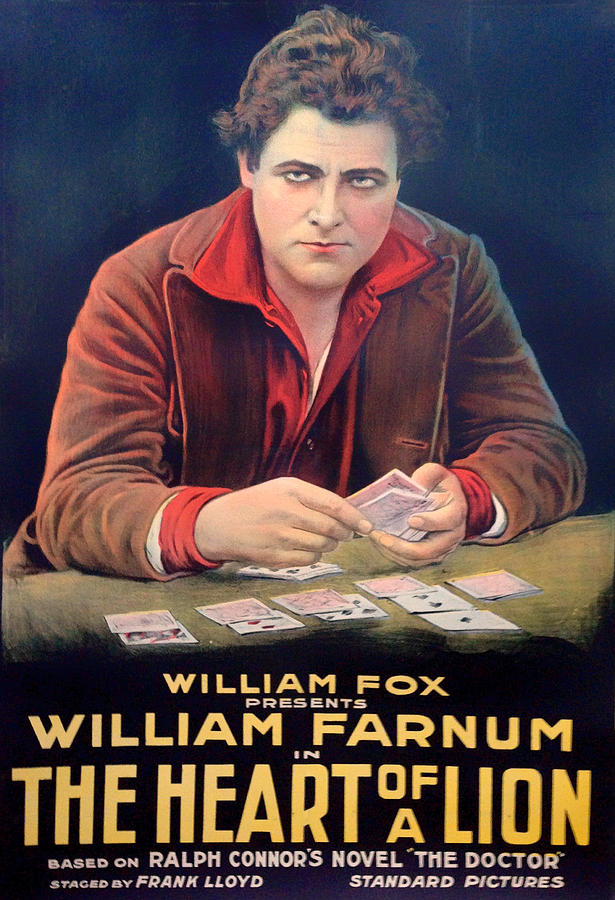
Dir: Frank Lloyd
Barney Kemper works hard on a farm so his younger brother Dick can go to college. However, Dick squanders Barney's money. Margaret Danford, daughter of the village doctor, loves Barney from afar and tries to educate him. A girlfriend of Margaret's comes for a visit and steals Barney's heart. The young girl turns to Dick, and Barney discovers them together. Embittered, Barney goes west to work in a lumber camp. But Dick reforms, and becomes a minister, and is assigned to the lumber camp. Margaret goes along to start a hospital. Tex Daly, leader of the lumbermen, resent Dick and try to frame him with a saloon girl. When Dick is shot by Tex, Barney appears and helps his wounded brother by taking charge of the church. Dick dies, and Barney kills Tex. Barney and Margaret are united.
View Details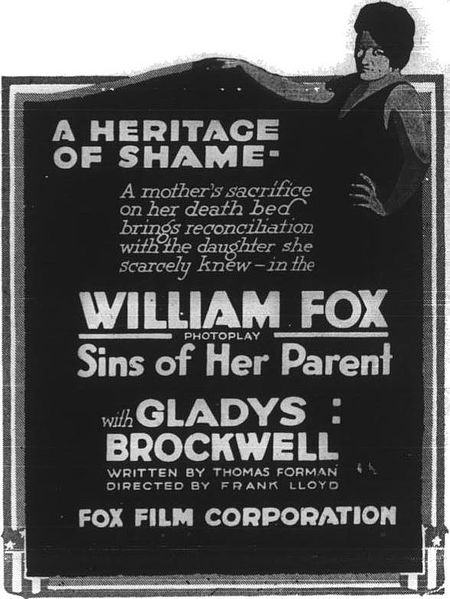
Dir: Frank Lloyd
Unhappy with her shotgun marriage to Southern aristocrat Arthur Heatherway, Valerie Marchmont leaves her new husband and, after giving her infant daughter to a Virginia family, goes to Alaska to work in a dance hall. Years later, the daughter, Adrian Gardiner, wants to marry Richard Carver. Richard's father Robert, refuses them to marry because Adrian cannot provide any information about her parents. Following a hunch, Richard goes to Alaska to find the mother Adrian never knew, but just after locating Valerie, he is shot by saloon owner Jim McNeil. When Adrian and Robert go to Alaska to be with Richard during his recuperation, Robert recognizes Valerie as the wife of his old friend Arthur. As a result, he approves of the marriage, but the celebration accompanying the news is cut short when Valerie and Jim kill each other in a fight.
View DetailsAnalysis relative to The Right of Way
| Film Title | Atmosphere | Complexity | Similarity |
|---|---|---|---|
| The Tongues of Men | Tense | Linear | 88% Match |
| American Methods | Tense | Abstract | 97% Match |
| Les Misérables | Surreal | Abstract | 95% Match |
| The Intrigue | Gritty | Dense | 87% Match |
| Jane | Gritty | Dense | 92% Match |
This guide was algorithmically generated using the cinematic metadata of Frank Lloyd's archive. Last updated: 6/20/2026.
Back to The Right of Way Details →