
DbcultAccessing Vault...
Recommendations
Senior Film Conservator
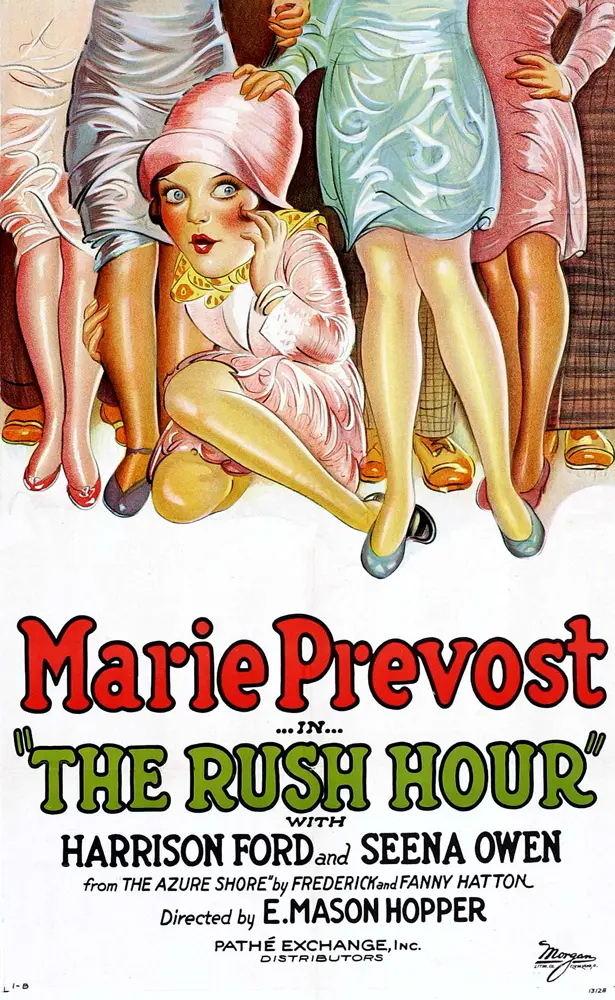
For cinephiles who admire the character-driven intensity within The Rush Hour, its lasting impact ensures that its spirit lives on in modern recommendations. Each of these movies shares a piece of the character-driven intensity that made The Rush Hour so special.
At its core, The Rush Hour is a study in to provoke thought and inspire awe in equal measure.
Margie Dolan, a ticket agent in a steamship office, dreams of endless pleasure and adventures abroad, while her sweetheart, Dan Morley, a drugstore owner, is devoted to his business and his eventual marriage to Margie. When the horrors of commuting become unendurable, Margie suggests they take a honeymoon trip to Niagara Falls, but he is shocked at her extravagance; as she boards an ocean liner on a business errand, Margie decides to stowaway, and when discovered she is put to work in the linen room. Dunrock and Yvonne, an unscrupulous pair who plan to relieve Finch, an oil millionaire, of his fortune, hire Margie as a companion to Finch. On the Riviera, Yvonne becomes jealous of Dunrock's attentions to Margie, provoking a riot that culminates in the arrival of Dan, who promises the terrified Margie a fine honeymoon.
Based on the unique character-driven intensity of The Rush Hour, our vault has identified these titles as the most compelling follow-up experiences for fans of Comedy cinema:
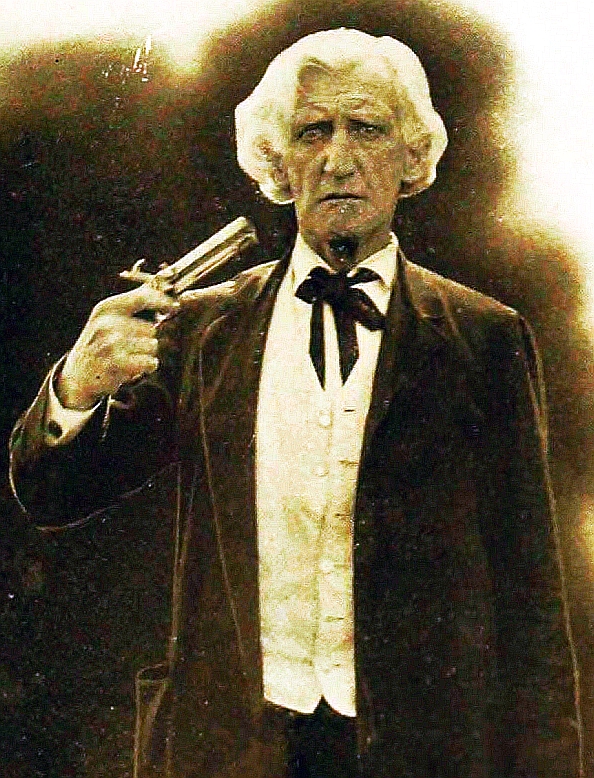
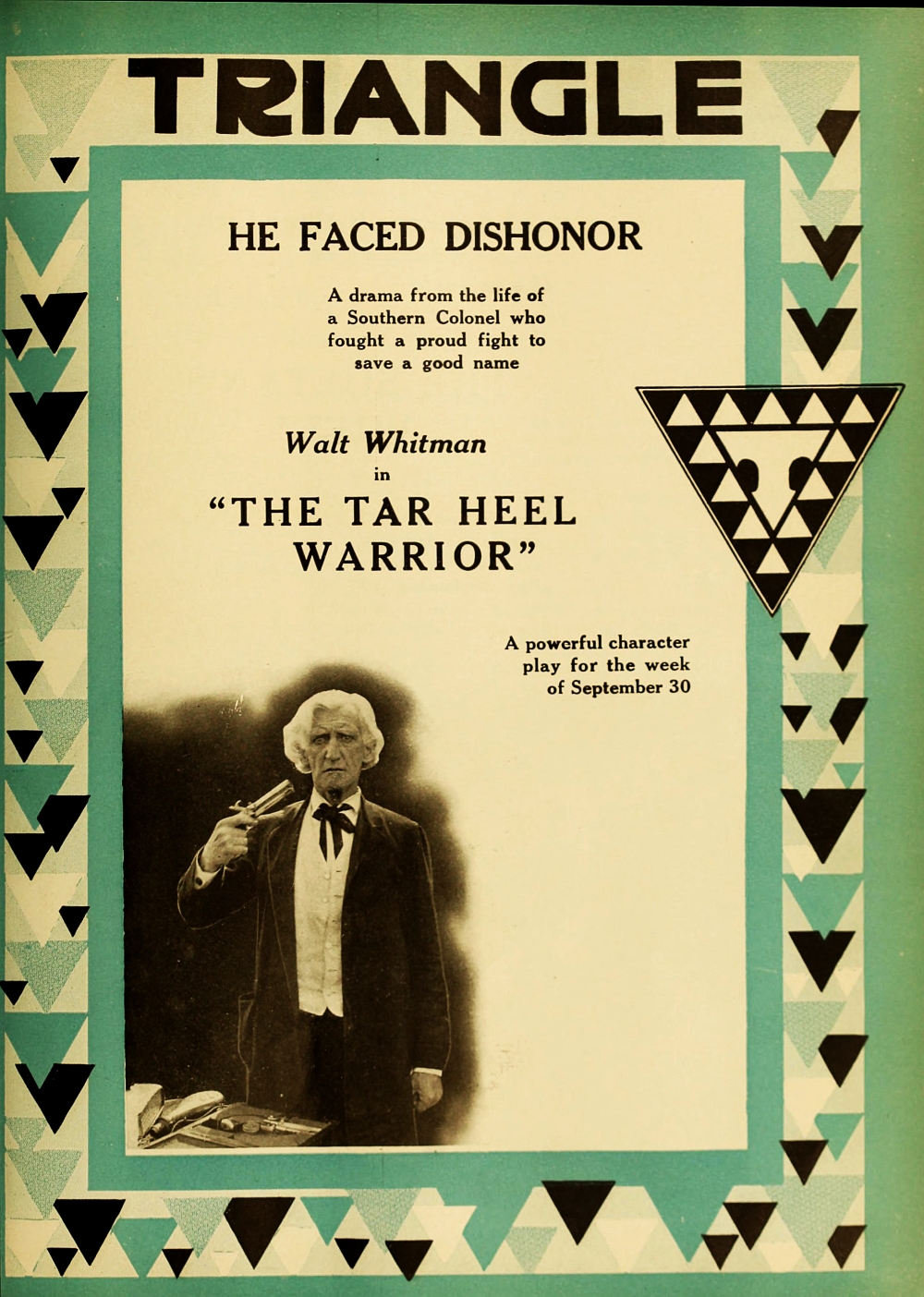
Dir: E. Mason Hopper
Colonel Dabney Mills, whose Southern plantation is heavily mortgaged, makes a trip to New York hoping to borrow money from James Adams, his granddaughter Anna Belle's husband. When the colonel arrives, he learns that Adams's entire capital is tied up in a big stock deal, and that he is therefore unable to lend the colonel any assistance. While Adams is away, one of his business partners entrusts the colonel with $5,000 to retain for his grandson-in-law. Desperate, the colonel speculates in cotton on the tip of an old friend and loses the money. Conscience-stricken, the colonel returns to his plantation determined to take his life, but Adams, successful in his deal, arrives just in time to prevent the tragedy.
View Details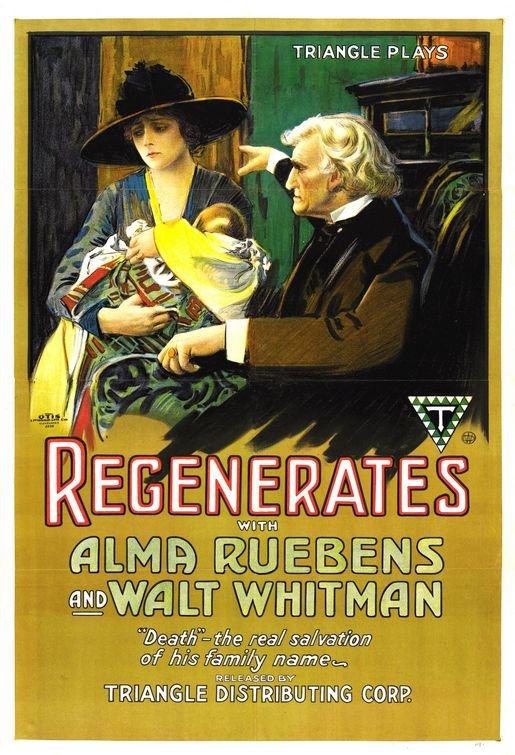
Dir: E. Mason Hopper
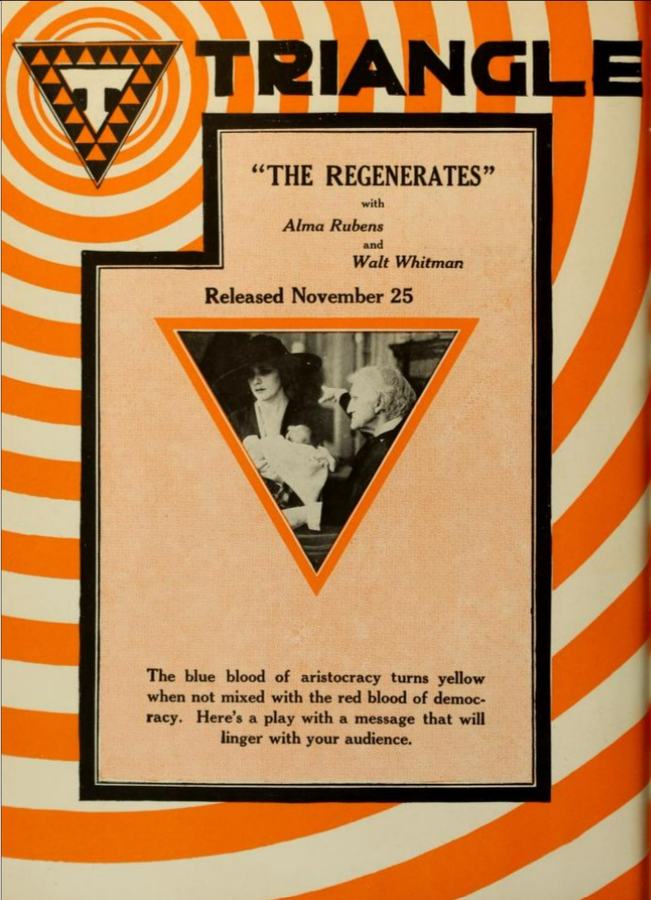
Mynderse Van Dyun, a wealthy old New York aristocrat, has one goal in life, to see his granddaughter Catherine and grandson Pell married; for, although they are cousins, the marriage would perpetuate the family name. Catherine, however, is in love with Paul La Farge and detests her drug-addicted cousin, who seduces and then secretly marries her maid, Nora Duffy. After a son is born to Nora, who dies in childbirth, the infant is taken to the Van Dyun house where, only a few days before, Pell, in a dispute involving drugs, had been thrown from a window by his valet and killed. When the old man refuses to acknowledge the child, Catherine and Paul adopt the baby, leave the Van Dyun house and are married. Five years later, Catherine comes to visit the old man with his great-grandson, and, seeing what a fine boy he is, the old aristocrat is forced to admit that the boy is worthy of bearing his name.
Dir: E. Mason Hopper
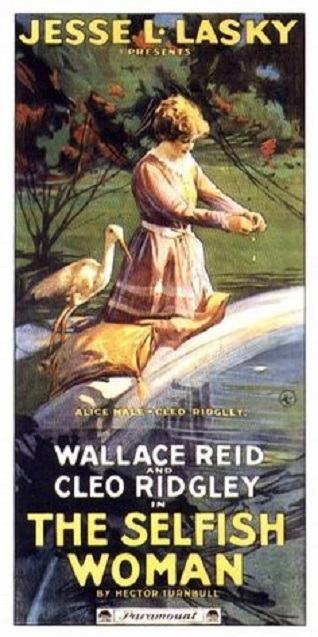
Young engineer Tom Morley is building a railroad through Imperial Valley. Tom's father also wants the job and tries to persuade his son to give up the work, but Tom refuses. Tom falls for a society girl named Alice Hale, who marries him to bring prestige to her family. Initially, Alice plots against Tom, but Tom wins her over and they work together to defeat those who are plotting to destroy Tom's work.
View Details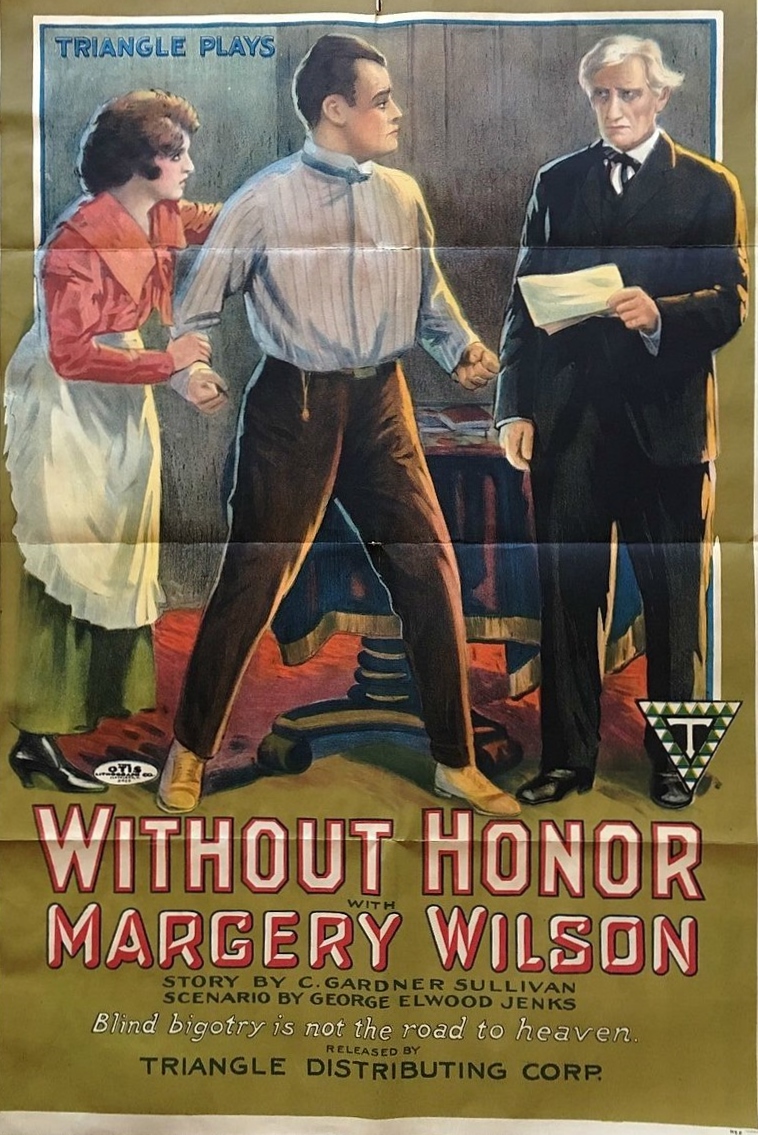
Dir: E. Mason Hopper
Weak-willed Roy Hanford, driven from his father's house by the coldness of his stone-hearted wife and the sanctimonious attitude of his father, the deacon, flees to the city. There he is befriended by Breeze Ballard, a salesman for the Ajax Hardware Company who arranges for Roy to work in the office. Roy falls in love with the firm's secretary, Jeanie MacGregor, and the two are married. A year later, Roy is happy with his wife and newborn child when his father appears, accompanied by an officer carrying a warrant that charges Roy with bigamy. To save himself from the penitentiary, Roy denies the marriage and deserts Jeanie. Jeanie follows her drunken husband, who falls from a cliff and dies. She then becomes a target for the hypocritical deacon who attempts to rally the villagers to drive her from town. The deacon is defeated by the appearance of Breeze, who produces proof of Jeanie's marriage and pledges his own love to her.
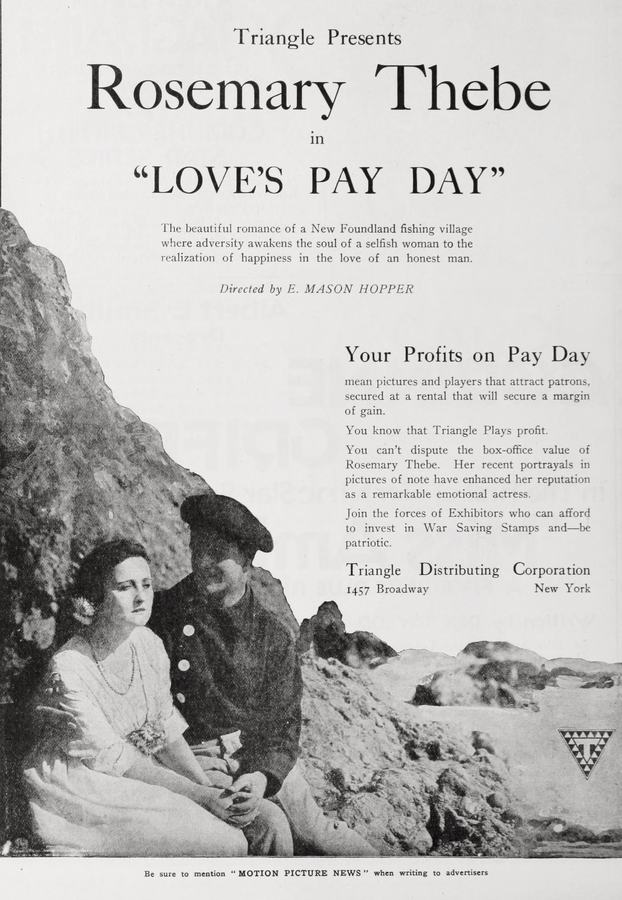
Dir: E. Mason Hopper
Representing a large New York fish packing concern, George Wilton travels to the Newfoundland fishing village of Hearts Desire to purchase a packing plant, but he soon learns that the plant's owner, Jean Laroque, has no intention of selling. Wilton promises Jean's restless young fiancée, Judith Bretans, that he will finance her move to New York City provided she give him the deed to the plant. On the night of the wedding, Judith secures the papers from her new husband, and when Jean realizes that he has lost the plant to Wilton, he denounces Judith and leaves town. As the new owner, Wilton operates the plant with such cruelty that the outraged fishermen decide to revolt and are about to attack the building when Jean appears. Although he succeeds in dispersing the mob, Wilton is killed, and Judith, who has realized her foolishness, is reunited with her husband.
View Details
Dir: E. Mason Hopper
The valet of Lord Harold Varden, on a secret mission to our Government, has been murdered. Dick Holloway, a reporter, detailed to the story, calls on Lord Varden just as the latter feels the effects of poison administered to him. He takes the place of the nobleman when his American cousins come for him, and not only saves his lordship's papers, but captures the spies detailed to get them.
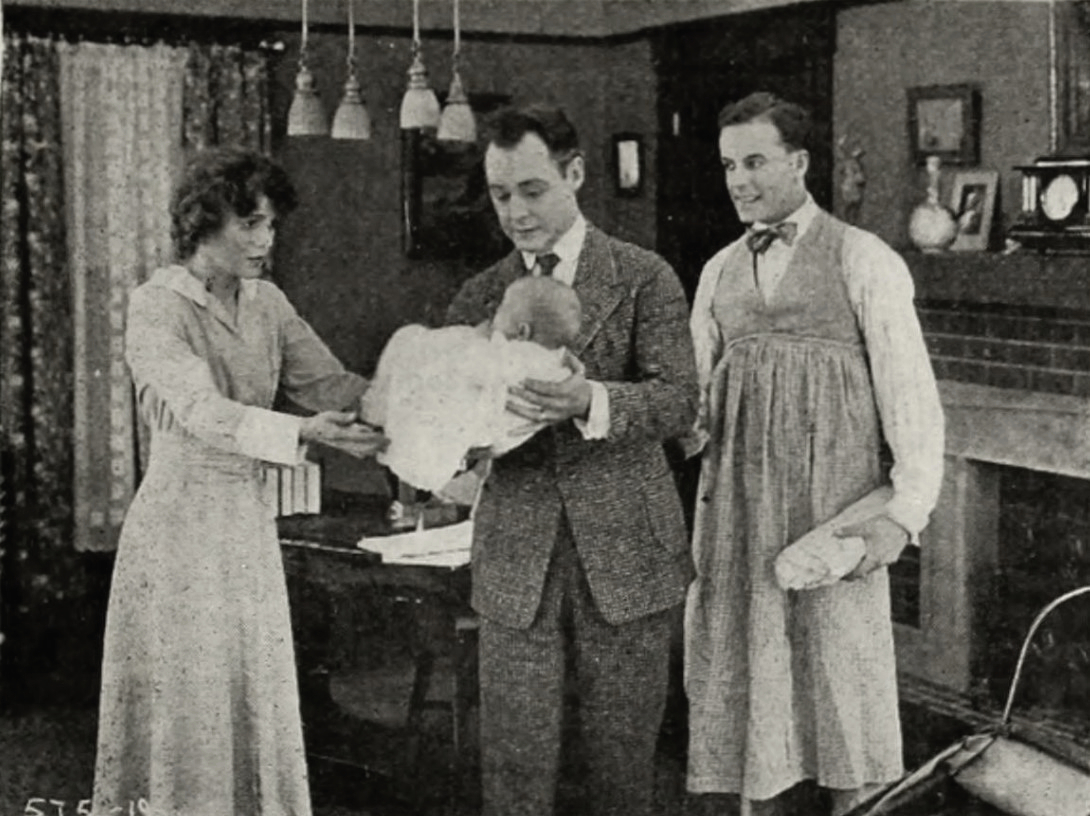
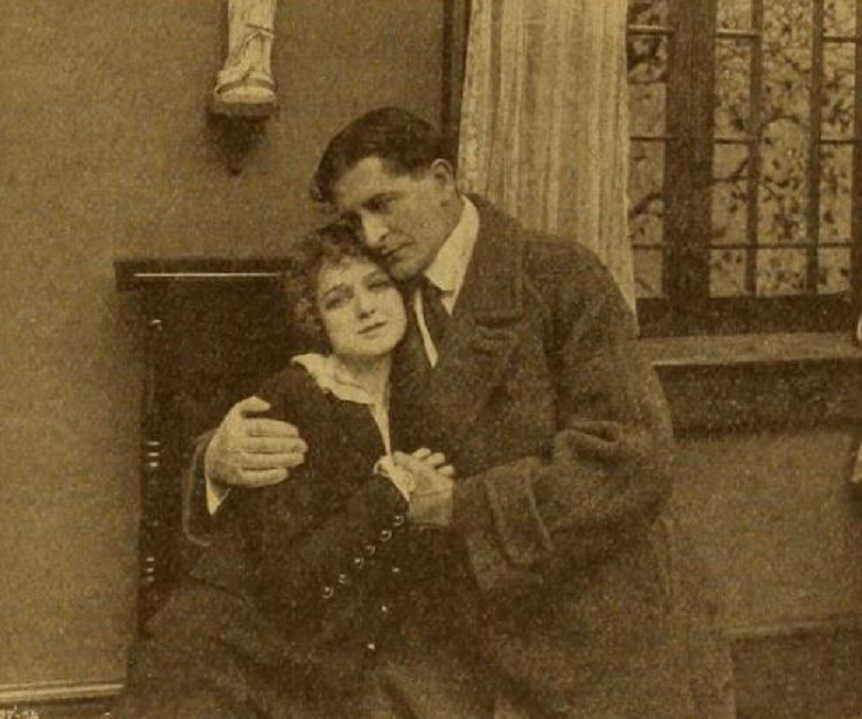
Dir: E. Mason Hopper
Julie Davenant is the neglected daughter of a Parisian dancer who, tired of her life, commits suicide. With her last breath she tells Julie not to trust men. Julie begins her battle with life as a nursemaid. Sculptor John Ramsey spies the beautiful little girl, gives her his card, and when she is discharged from her nursemaid position she becomes his model. She becomes the most talked-of model in Paris, and modiste Hermineux pays her a handsome sum to have her likeness made in wax, on which he displays his gowns. Julie meets Melville Ilchester, who seems "different." He also falls deeply in love with her. Ilchester, to satisfy a query in his mind if Julie is really "different," goes to her flat at night and walks in just as she, on a dare, takes a sip of wine and lights a cigarette. He refuses to listen to her explanation. In a moment of despair, Ilchester smashes both window and model at the Hermineux shop. Julie surmises Helen (Ilchester's sister) and Ramsey's plan to elope, sends Ilchester a note to go to Ramsey's because a friend is in danger, tells Helen that Ramsey is married, and hides her as Ilchester enters Ramsey's studio. Ilchester, believing this is a ruse of Julie's, leaves, still refusing to allow Julie to explain. Heartbroken she abandons her profession as a model and becomes destitute. She sends Ilchester a last note of appeal, which Helen accidentally sees, and after hearing the truth from his sister, Ilchester hastens to Julie, explanations are made and their happiness is assured.
View Details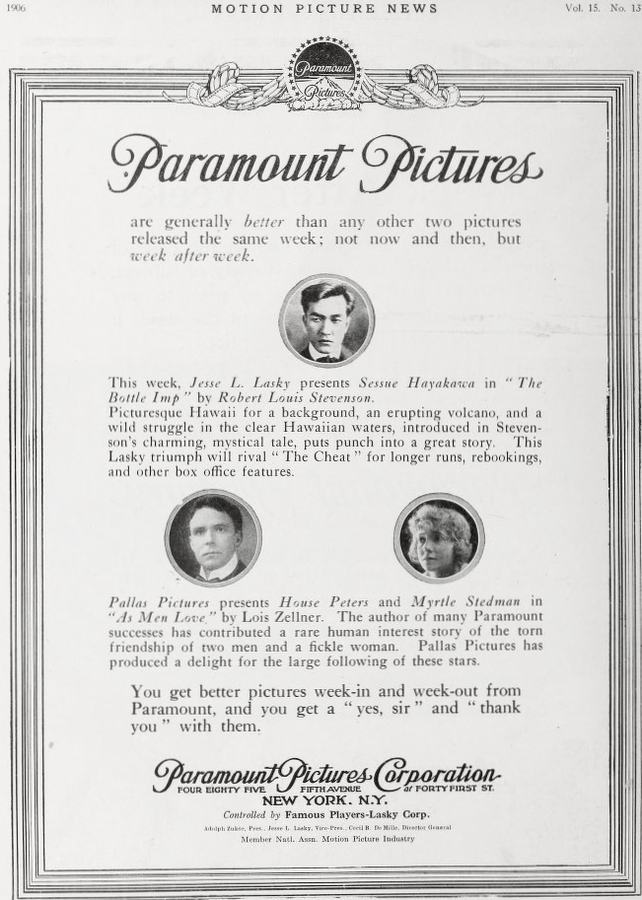
Dir: E. Mason Hopper
Diana Gordon a socialite, falls madly in love with Dr. Paul Russell, her husband Keith's best friend. Russell, however, is in love with Keith's sister Marjorie, who is spending the winter with the Gordons. Overhearing Russell's proposal to Marjorie, Diana is extremely jealous and when alone with the physician, throws herself into his arms. At that moment, Gordon enters the room, and to protect Diana's reputation, Russell takes the blame and is banished from the house. Sometime later, polio sweeps the city and Russell becomes an expert in treating the disease. The Gordon's young daughter is stricken and Diana summons the physician, but Gordon forbids him to enter their home. In order to save her child, Diana reveals the truth to her husband and sister-in-law. All are then reconciled and the little girl recovers.
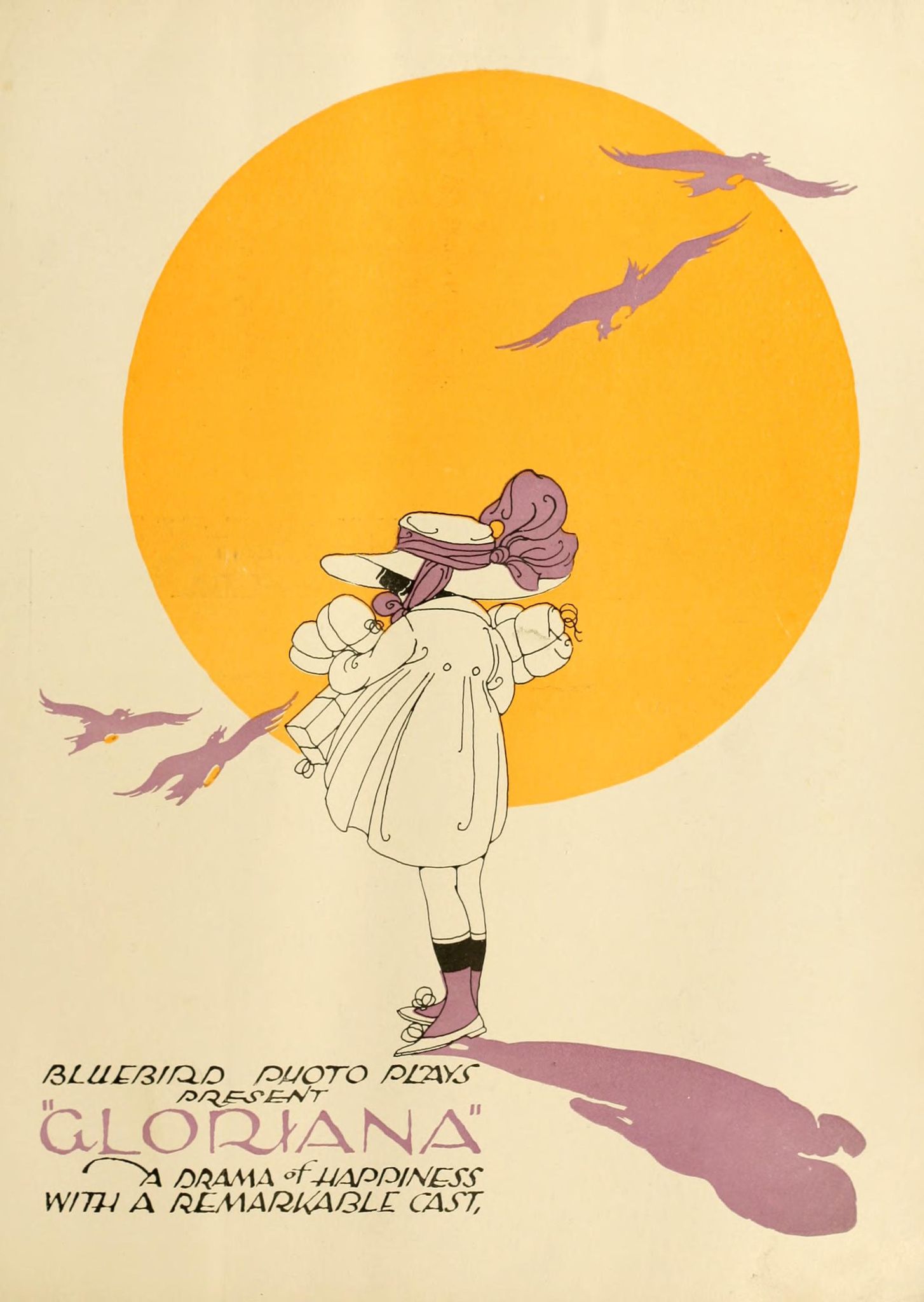
Dir: E. Mason Hopper
Dr. Manning cherishes Gloriana, his newly-adopted young daughter, but Mrs. Manning, who directs overseas charity projects, has as little concern for Gloriana as she does for the poverty-stricken people in her own city. After listening to her new mother philosophize about the importance of charity, Gloriana takes some money from Mrs. Manning's desk and gives it to Miriam, her impoverished governess. Mrs. Manning at first accuses Miriam of theft, but when Gloriana confesses, Mrs. Manning suddenly realizes that she has been blind to the poverty that surrounds her, and she vows to start devoting her energy into helping those who are closer to home.
View Details
Dir: E. Mason Hopper
Social worker John Warfield meets socialist radical Guido Garcia, and together they establish a refuge in San Francisco for life's unfortunates. Goldie Shepard, whose father is an alcoholic, develops an interest in socialism and becomes Warfield's stenographer. Goldie's hatred of the rich increases when her father is killed by an automobile in which society woman Lorraine Van Allen is riding. As a result of the accident, Lorraine becomes a supporter of the refuge. Meanwhile, Warfield's mother dies in England and leaves him a large estate. When Warfield marries Goldie and takes her to England, he is shocked to see her fondness for luxury, and soon decides to donate his estate to the poor and return to San Francisco. Guido, who had been Goldie's suitor, learns of her marriage and murders her, after which he leaps from a bridge to his death. Later, Warfield marries Lorraine, and they convert the English mansion into a children's home.
View DetailsAnalysis relative to The Rush Hour
| Film Title | Atmosphere | Complexity | Similarity |
|---|---|---|---|
| The Tar Heel Warrior | Gritty | Dense | 85% Match |
| The Regenerates | Ethereal | Abstract | 87% Match |
| The Selfish Woman | Ethereal | Dense | 97% Match |
| Without Honor | Gothic | Abstract | 87% Match |
| Love's Pay Day | Gritty | Linear | 85% Match |
This guide was algorithmically generated using the cinematic metadata of E. Mason Hopper's archive. Last updated: 6/27/2026.
Back to The Rush Hour Details →