
DbcultAccessing Vault...
Recommendations
Senior Film Conservator
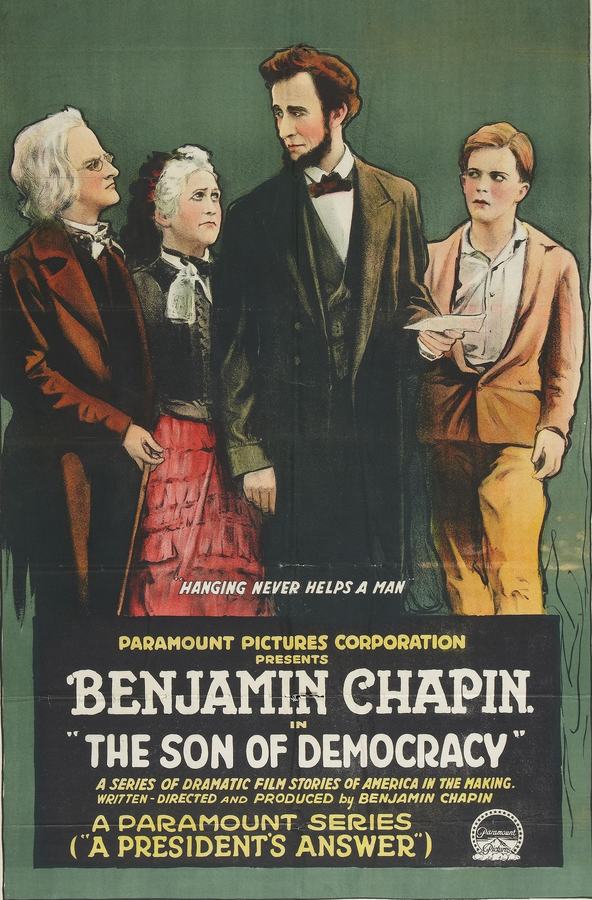
Ever since The Son of Democracy hit screens in 1917, fans have sought that same unique vision, it's essential to look at the contemporaries that shared this unique vision. Prepare to discover your next favorite movie in our hand-picked collection.
Whether it's the unique vision or the thematic depth, this film to leave an indelible mark on the history of United States film.
Critics widely regard The Son of Democracy as a cult-favorite piece of cult cinema. Its unique vision is frequently cited as its strongest asset, solidifying its place in United States's film legacy.
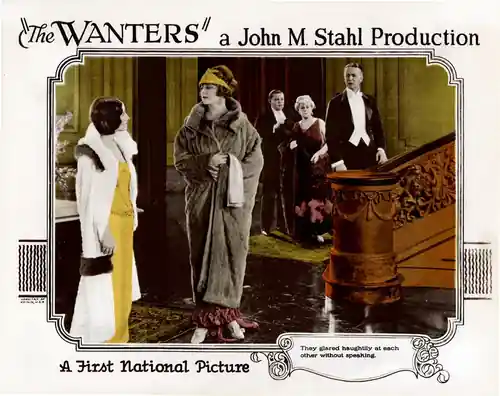
Based on the unique unique vision of The Son of Democracy, our vault has identified these titles as the most compelling follow-up experiences for fans of cult cinema:
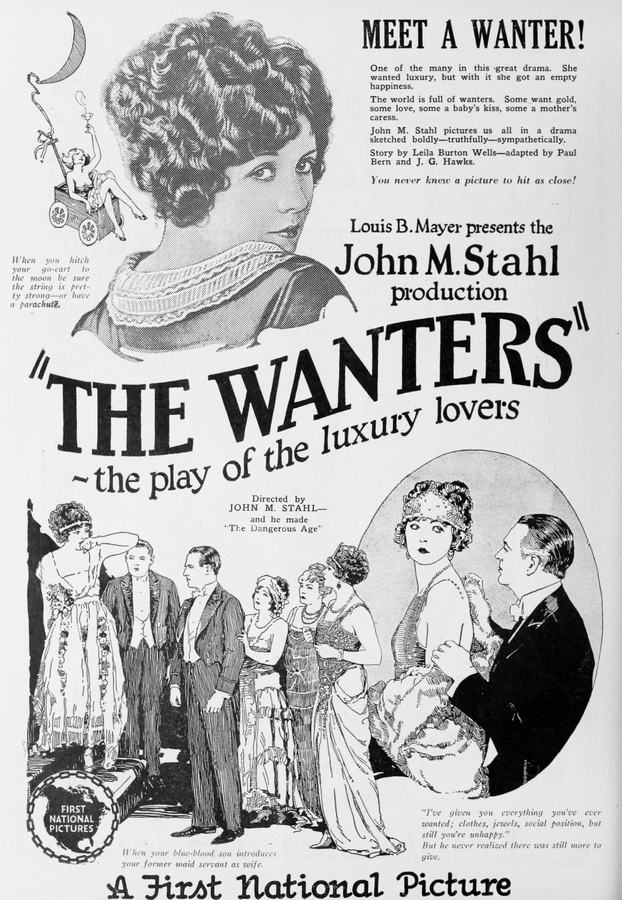
Dir: John M. Stahl
Elliot Worthington falls in love with Myra, the maid in his sister's household. Myra is dismissed; Elliot finds her, proposes marriage, and returns home with his new bride. She is snubbed by his relatives and shocked by the hypocrisy of his wealthy friends. Disillusioned, she runs away: Elliot follows and saves her from being hit by a train when her foot gets caught in a switch.
View Details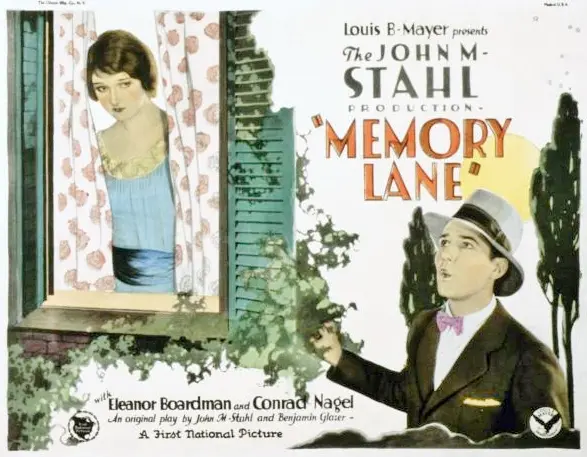
Dir: John M. Stahl
On the day of her wedding to Jimmie, Mary finds she has not lost her affection for another sweetheart, Joe. A confrontation arises when Jimmie discovers that Joe has come along on their honeymoon.
View Details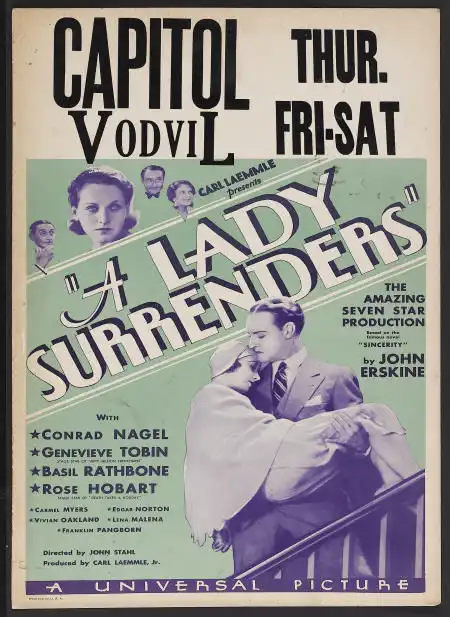
Dir: John M. Stahl
A wealthy industrialist's wife gets into a big argument with him; to cool off, she goes on an ocean trip. He thinks she's left him for good, so he marries another woman. When his first wife returns, complications ensue.
View Details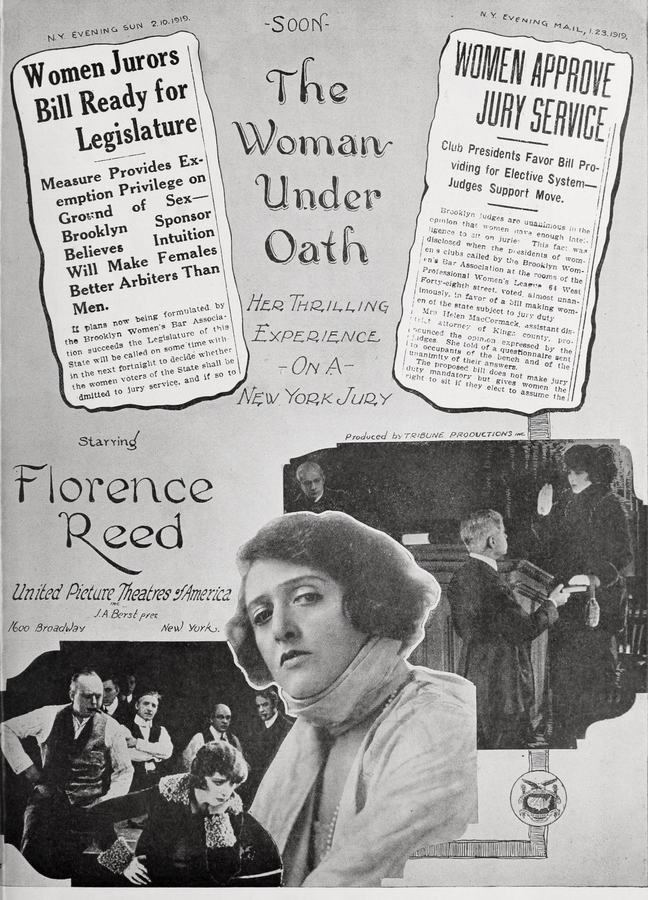
Dir: John M. Stahl
After a foreword introduces the question of whether women are temperamentally suited for jury duty, young shipping clerk Jim O'Neil is found holding a revolver over his dead employer, Edward Knox. Celebrated novelist Grace Norton, selected to be on the jury at Jim's trial, becomes New York's first female juror. Although Jim pleads innocence, he refuses to elaborate until his sweetheart Helen testifies that Knox raped her when she pleaded for Jim, who was fired unjustly, to be reinstated. Jim testifies that he intended to kill Knox but found him dead already. During an angry all-night deliberation, the jury remains deadlocked 11-to-1, with Grace voting against a guilty verdict. In the morning, when she learns that her sister Edith has died, Grace confesses to killing Knox for seducing Edith and failing to honor his promise of marriage. After the foreman reminds the jury of their oath to keep their proceedings secret, they agree not to reveal Grace's story, and vote to acquit Jim.
View Details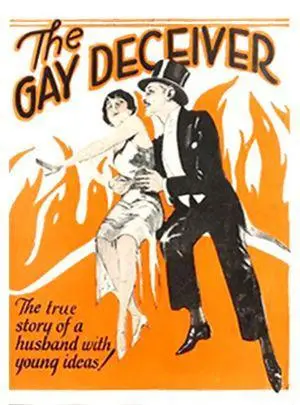
Dir: John M. Stahl
Antoine de Tillois leaves his puritanical wife and in Paris becomes known as King Toto, leader of the bohemian set. Their daughter, Louise, spends 8 months of each year with her mother in Blois and 4 in Paris with her father, her sole concern being to see them reunited. Although Louise has fallen in love with Robert Le Rivarol, she vows not to marry until she accomplishes her aim; consequently, Toto pretends to reform and announces he is giving up his Paris life to return to his wife. Merinville, her accountant, and his nephew--both after Louise's money--discover that Toto has been corresponding with the Countess de Sano, his latest mistress; they try to blackmail Toto and scheme to get an annulment of Louise's marriage, but Toto thwarts their plot. When the countess absconds with her husband's secretary, Toto and his wife are happily reconciled.
View Details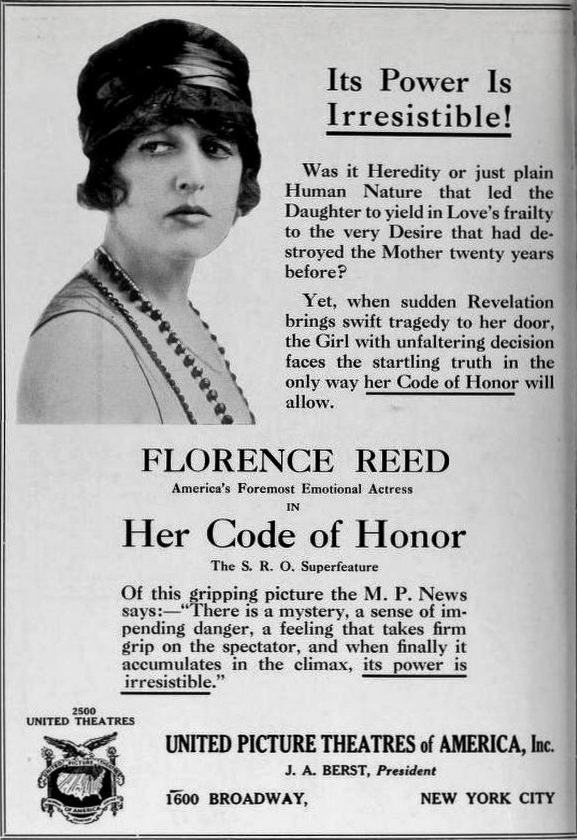
Dir: John M. Stahl
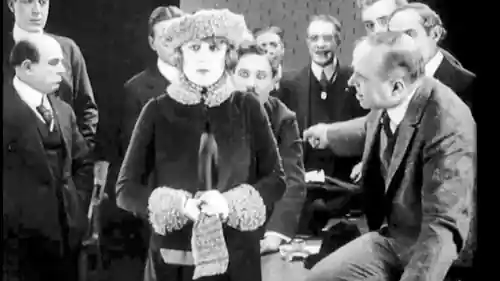
A man brings up, on Long Island, the illegitimate daughter of a deceased woman who'd been an art student in love with a married Parisian. Is a French man the daughter, now grown up, attracted to a descendant of that same Parisian as well?
View Details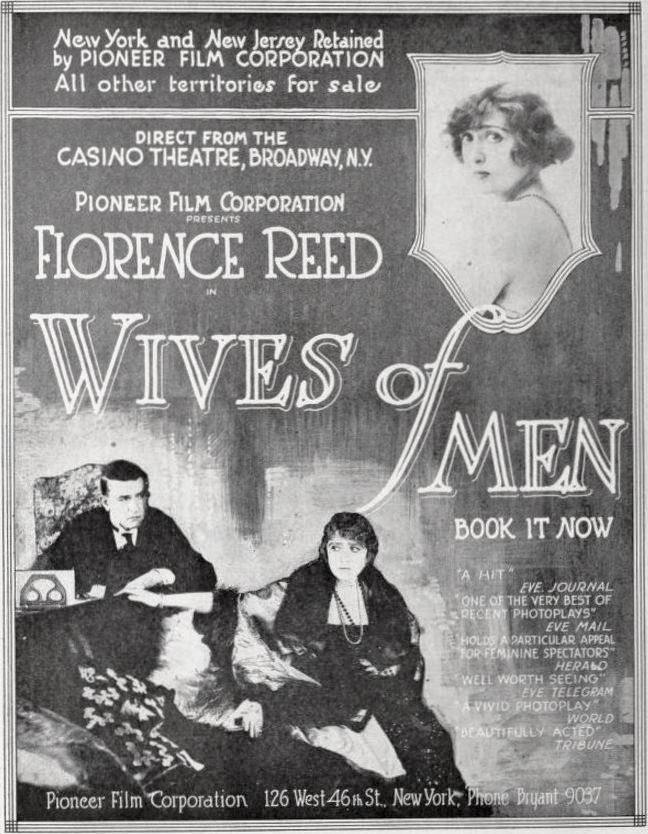
Dir: John M. Stahl
Just as Mr. and Mrs. James Randolph Emerson, Jr. are about to depart on their honeymoon, Lucille Emerson discovers her husband gazing at a photograph that bears the inscription, "With love to my husband, Grace." Too proud to question James about the photograph, Lucille is tormented by the image of the woman for many years. Finally Lucille becomes involved in a flirtation with another man, and when her husband learns of her infatuation, he becomes insanely jealous. Enraged, he is choking her when a small boy rushes into the room and collapses. James leaves Lucille, who returns the boy to his tenement home. While there, Lucille discovers that the child is James's son, born to a woman who died in childbirth. Finding that James has long forgotten Grace, however, Lucille is reconciled to her husband.
View Details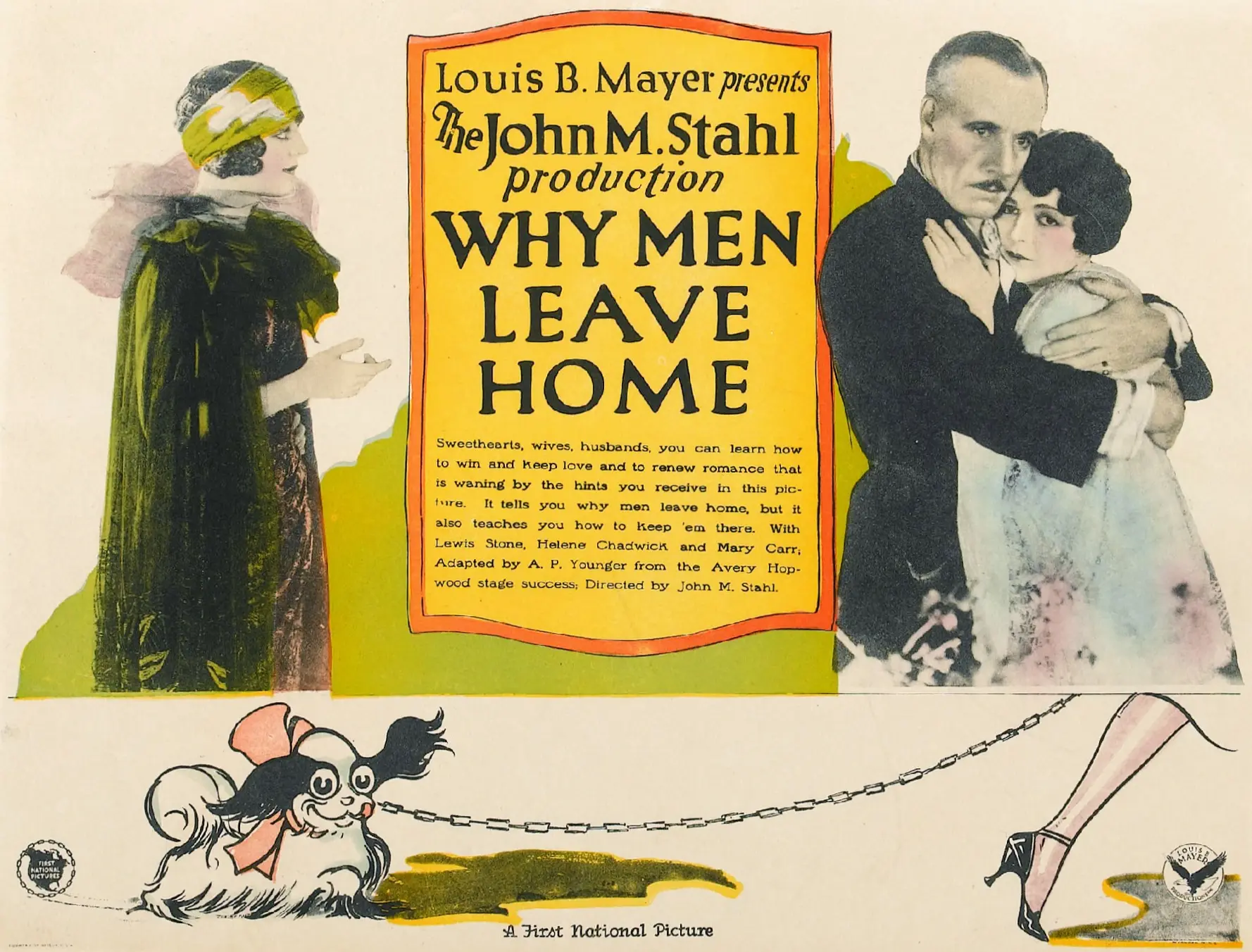
Dir: John M. Stahl
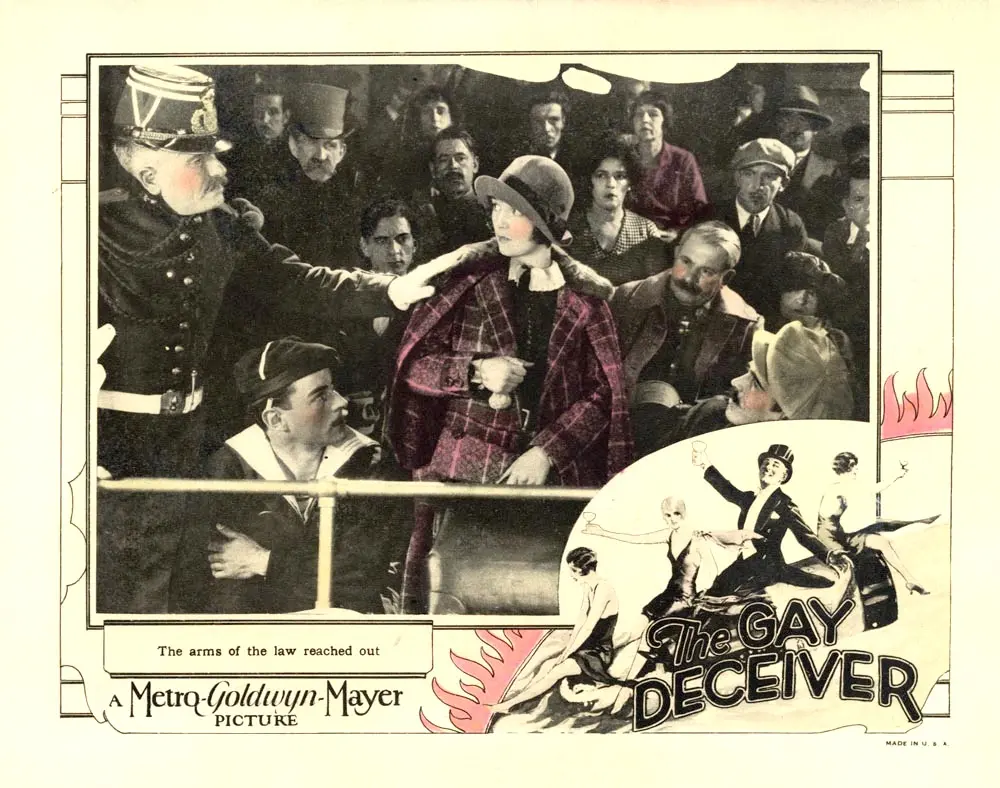
John and Irene Emerson's marriage begins well enough, but it is not long before John becomes less attentive. Feeling neglected, Irene spends more time with her girl friends, and John, consequently, falls prey to the vamping wiles of his secretary, Jean Ralston. When John comes home from the theater smelling of Jean's perfume, Irene procures a divorce; John then marries Jean. Grandma Sutton cleverly maneuvers John and Irene into her house and has it quarantined. They realize they love each other; John divorces Jean, remarries Irene, and takes her on a second honeymoon.
View Details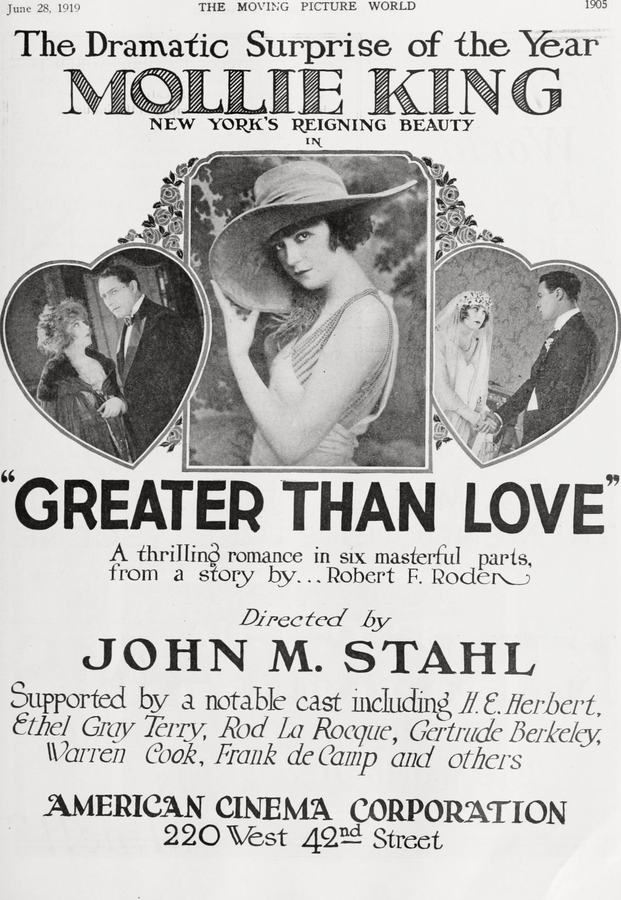
Dir: John M. Stahl
Faced with deciding between two suitors, James Brunton and Bob Standing, Grace chooses James. Aristocratic Mr. Brunton gives his son James a sumptuous wedding at home, which is interrupted when the father is suddenly shot through a window. Before he dies, Mr. Brunton speaks with James, making him promise not to apprehend the murderer. Later, the marriage is troubled when Grace is led to believe that James is involved with another woman, Helen, and is giving her money. Crushed, Grace leaves home and has a miscarriage after settling in another town. Meanwhile, James believes that she has run off with Bob. One day, James has a car accident and is taken to Grace's house nearby, where she cares for him. The mystery is solved with the arrivals of Helen and Bob, when it is revealed that Helen is actually James's sister, and that Mr. Brunton had abandoned Helen's mother Alice years before. Mr. Brunton knew that it was Alice who had shot him, and he wanted James to try to make up for his neglect of the mother and daughter. Bob then becomes interested in Helen, and James and Grace are reconciled.
View Details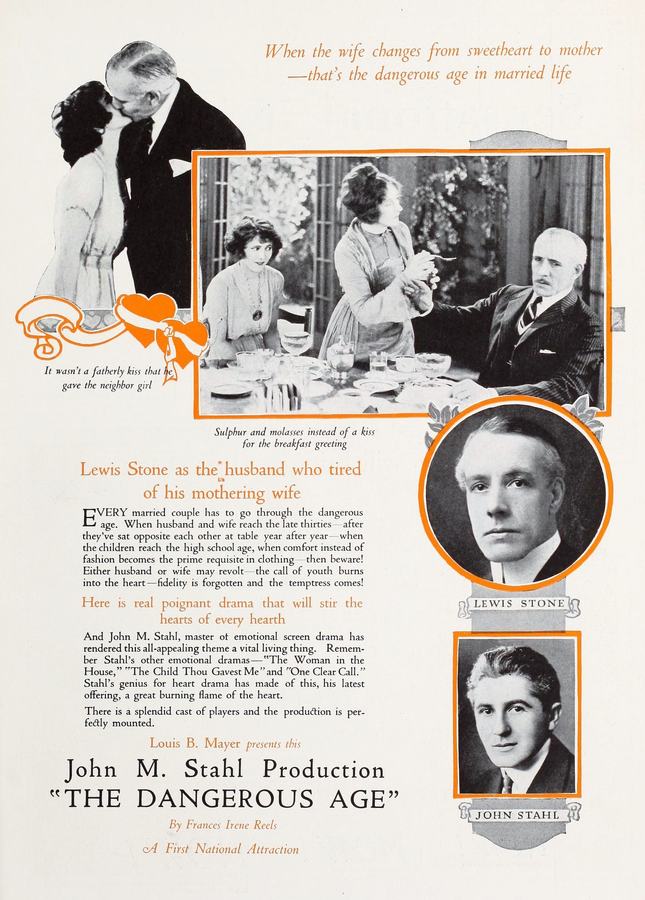
Dir: John M. Stahl
Mary and John Emerson have been married for 22 years, and she treats him more like a son than a husband. Stung by her rebuffs, he succumbs to the youthful charms of Gloria Sanderson, whom he meets on a business trip. But just after he mails a letter to Mary telling her that he will not return, John finds Gloria in her fiancé's arms. Realizing his foolishness, he races to the train to retrieve the letter. He fails, and Mary receives and reads the letter; but she too has seen her error, conceals her knowledge of the letter's contents, and accepts John's professions of love.
View DetailsAnalysis relative to The Son of Democracy
| Film Title | Atmosphere | Complexity | Similarity |
|---|---|---|---|
| The Wanters | Gritty | Layered | 92% Match |
| Memory Lane | Ethereal | High | 94% Match |
| A Lady Surrenders | Tense | Linear | 86% Match |
| The Woman Under Oath | Surreal | Linear | 90% Match |
| The Gay Deceiver | Surreal | Abstract | 93% Match |
This guide was algorithmically generated using the cinematic metadata of John M. Stahl's archive. Last updated: 6/24/2026.
Back to The Son of Democracy Details →