
DbcultAccessing Vault...
Recommendations
Senior Film Conservator
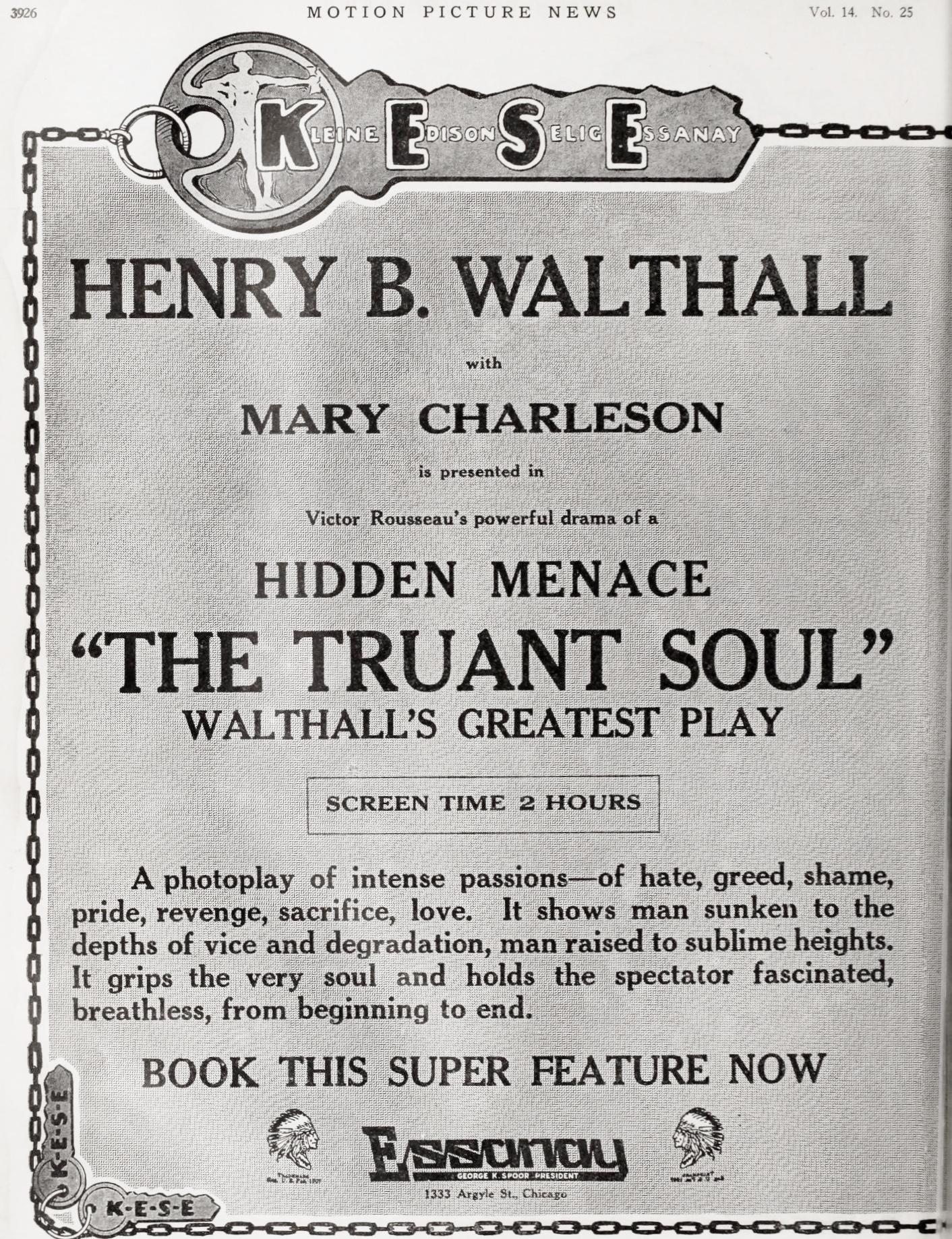
Ever since The Truant Soul hit screens in 1916, fans have sought that same artistic bravery, it's essential to look at the contemporaries that shared this artistic bravery. Prepare to discover your next favorite movie in our hand-picked collection.
Whether it's the artistic bravery or the thematic depth, this film to leave an indelible mark on the history of United States film.
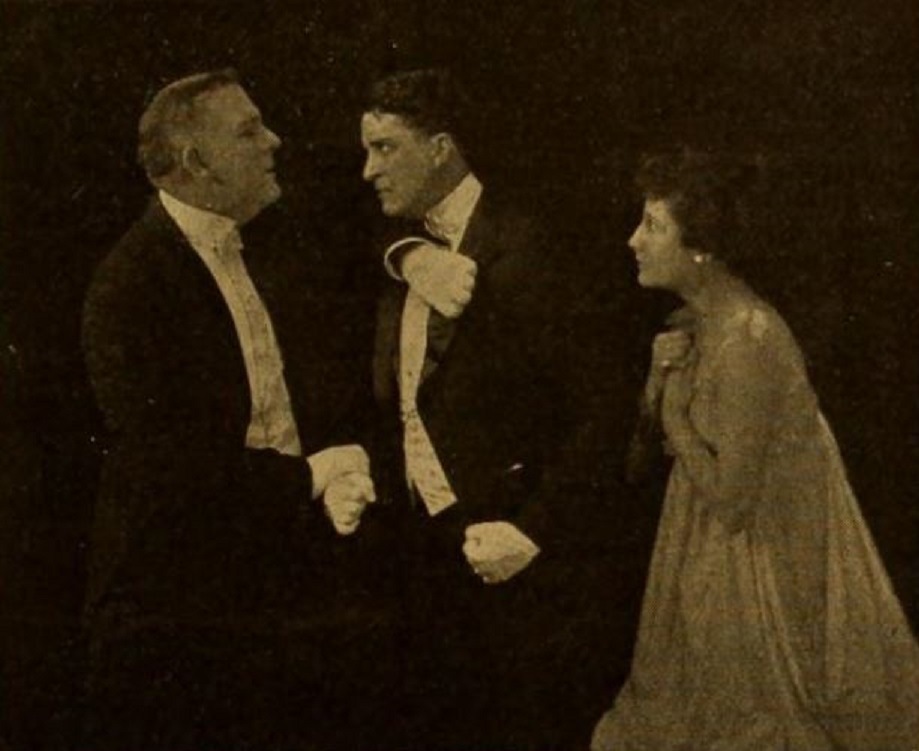
DR. John Lancaster lives in dread of a family secret from his past being exposed, and makes him act in irrational ways, even with his fiancée Joan Wentworth.
Critics widely regard The Truant Soul as a cult-favorite piece of cult cinema. Its artistic bravery is frequently cited as its strongest asset, solidifying its place in United States's film legacy.
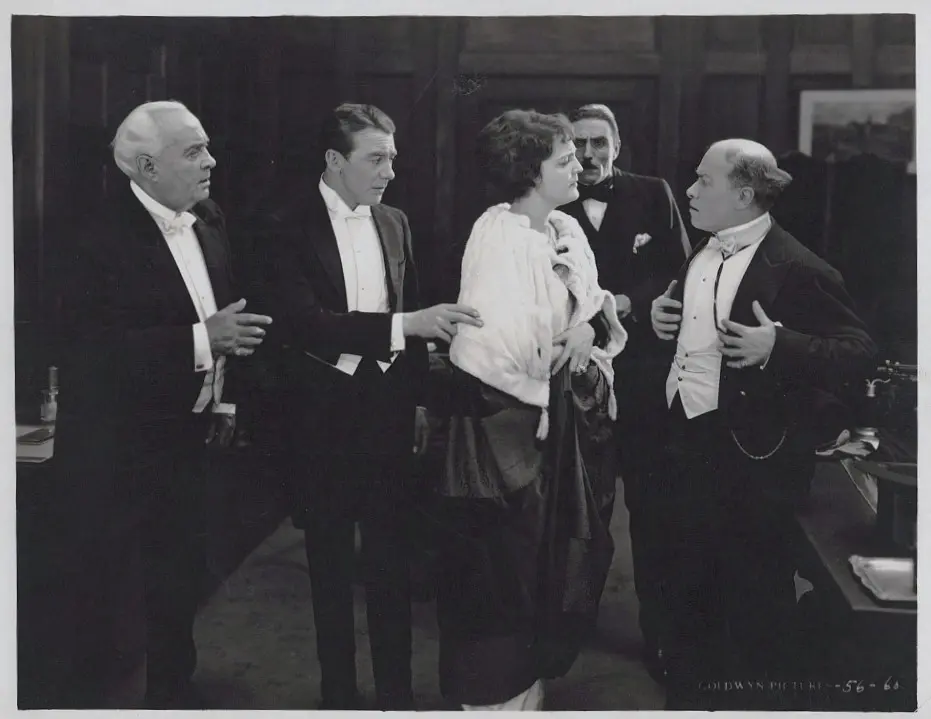
Based on the unique artistic bravery of The Truant Soul, our vault has identified these titles as the most compelling follow-up experiences for fans of cult cinema:
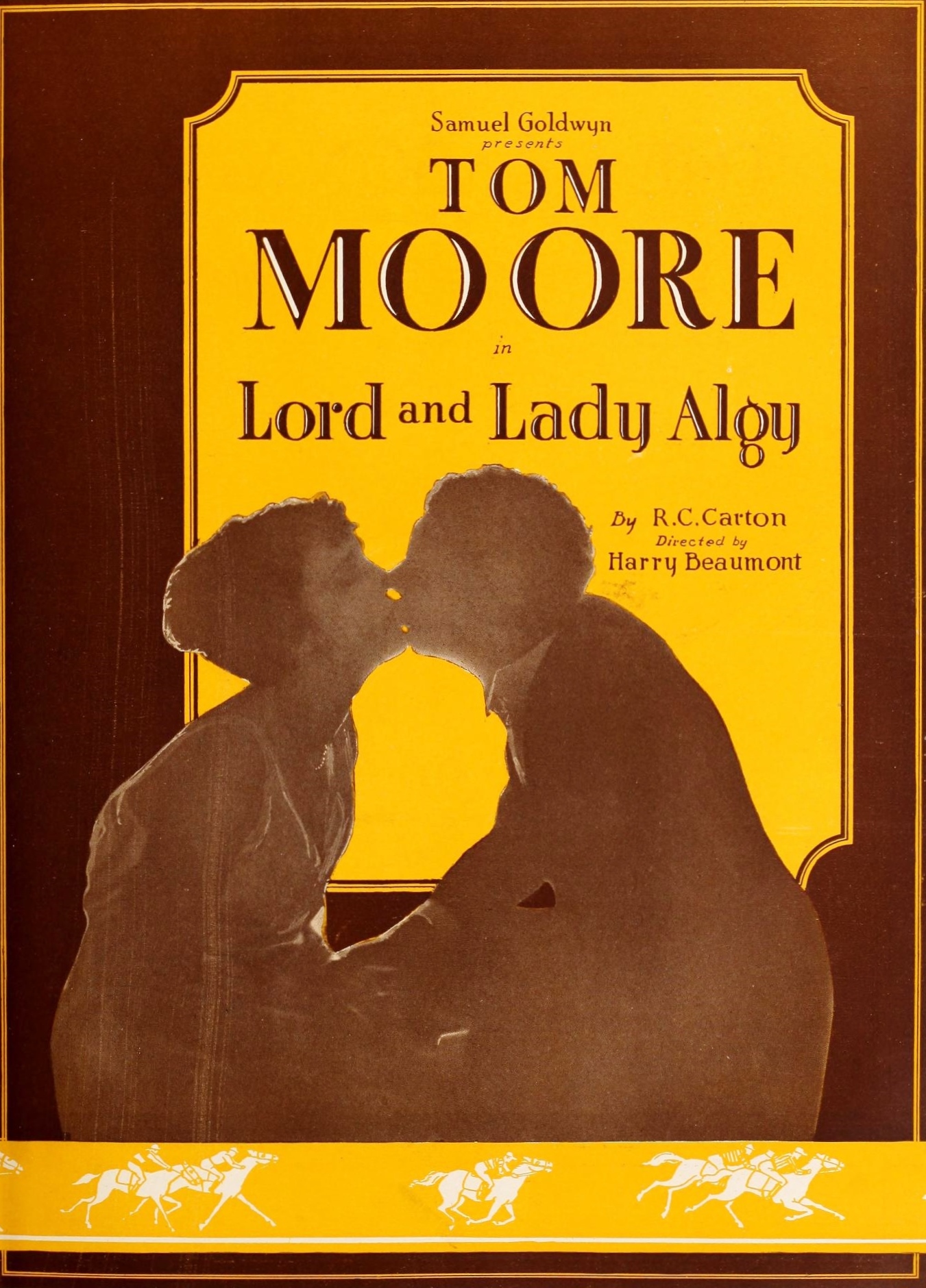
Dir: Harry Beaumont
Lord and Lady Algy separate on cordial terms, after he breaks his promise not to gamble again on the horses. When the wife of soap magnate Brabazon Tudway, is courted by Algy's philandering elder brother, Algy tries to help his brother escape Tudway's wrath by hiding Mrs. Tudway in his apartments. Tudway discovers her there and is about to accuse Algy when Lady Algy appears and, believing Algy to be innocent, tells Tudway that his wife was there to meet her. Although Algy and his jockey disgrace Lady Algy by getting drunk at a masked ball on the eve of the Grand Derby, the race in which Algy plans to stake his entire fortune on his pet racehorse, Lady Algy saves his fortune by betting her own money on a dark horse that wins. Algy know penitent, swears he will give up gambling forever, thus reuniting with his loving wife.
View Details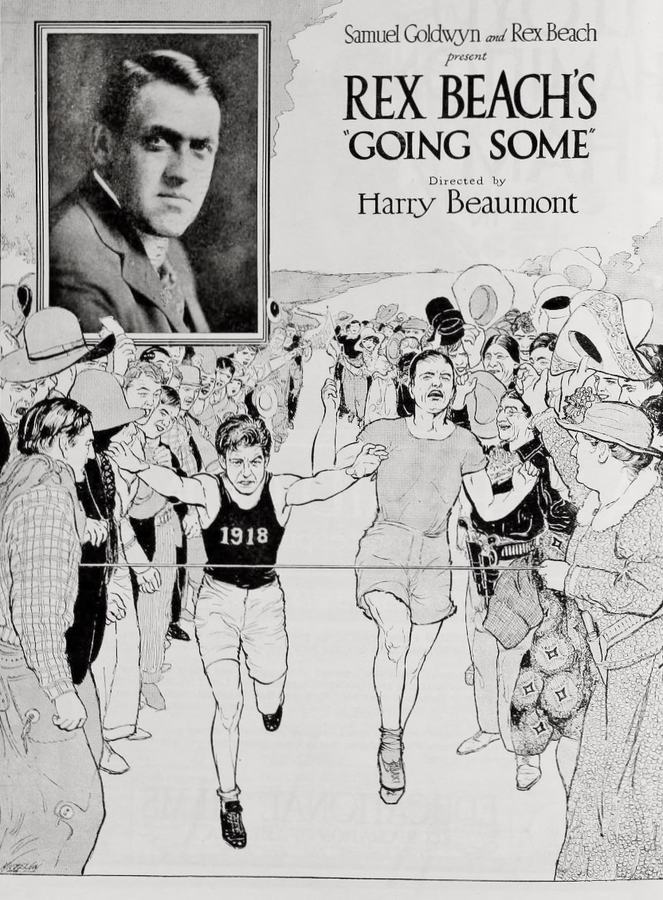
Dir: Harry Beaumont
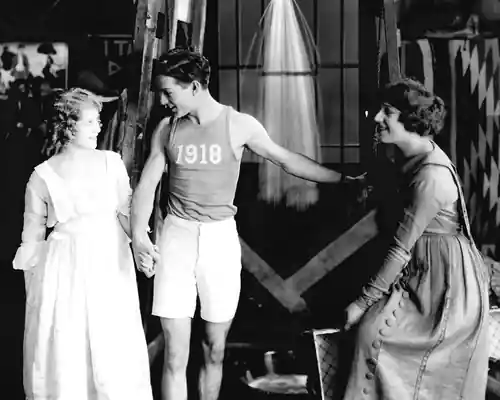
Upon observing the adoration that track star Culver Covington receives, his friend, J. Wallingford Speed, decides to impress Helen Blake by also posing as a sprinter. Meanwhile, when Roberta Keap decides to retire to her Western ranch while awaiting her divorce, Speed, Helen and various friends accompany her while her husband Donald takes up residence at the neighboring Gallagher ranch. A rivalry springs up between the two ranches, and Helen persuades Speed to challenge the Keap homestead in a footrace. Matters become serious when Roberta and Mrs. Gallagher bet their entire holdings on the race. It begins to look ominous for the Keaps when their star sprinter develops a lame foot, thus placing the burden of winning on Speed. Miraculously, the intense competition of the race spurs Speed to win both his match and Helen's love, while also accomplishing the reconciliation of Donald and Roberta.
View Details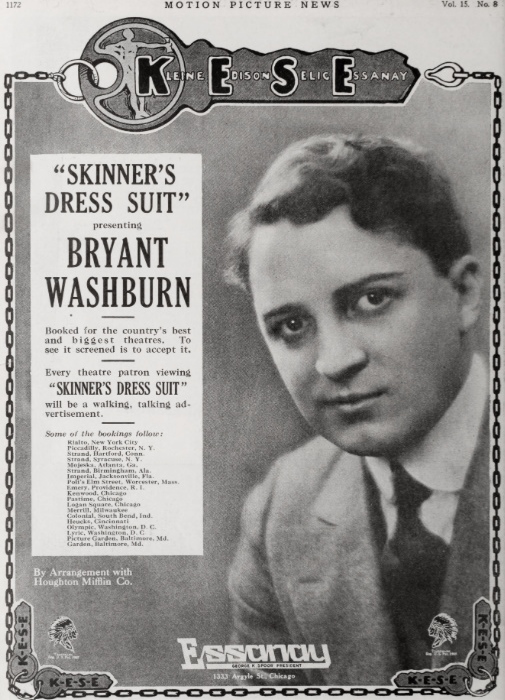
Dir: Harry Beaumont
Skinner is afraid to strike his employer for a raise for fear he will be discharged. Mrs. Skinner scoffs at his fears, however, and finally induces him to demand an increase. Her humble spouse gets the proverbial "cold feet" at the final moment; so to "cover up" before his wife, he fibs a little and tells her he got the raise, taking the money from his private bank account. She forthwith makes him purchase a dress suit and "spruce up." Although it almost wipes Skinner's bank account out, he buys the clothes. Skinner is frantic; he sees the wolf at the door. But, by virtue of his dress suit and good appearance, he gets acquainted with some wealthy people and is enabled to put over a big business deal for his firm. Rushing into his company's office with the order, he demands a raise and a partnership in the firm. He gets both.
View Details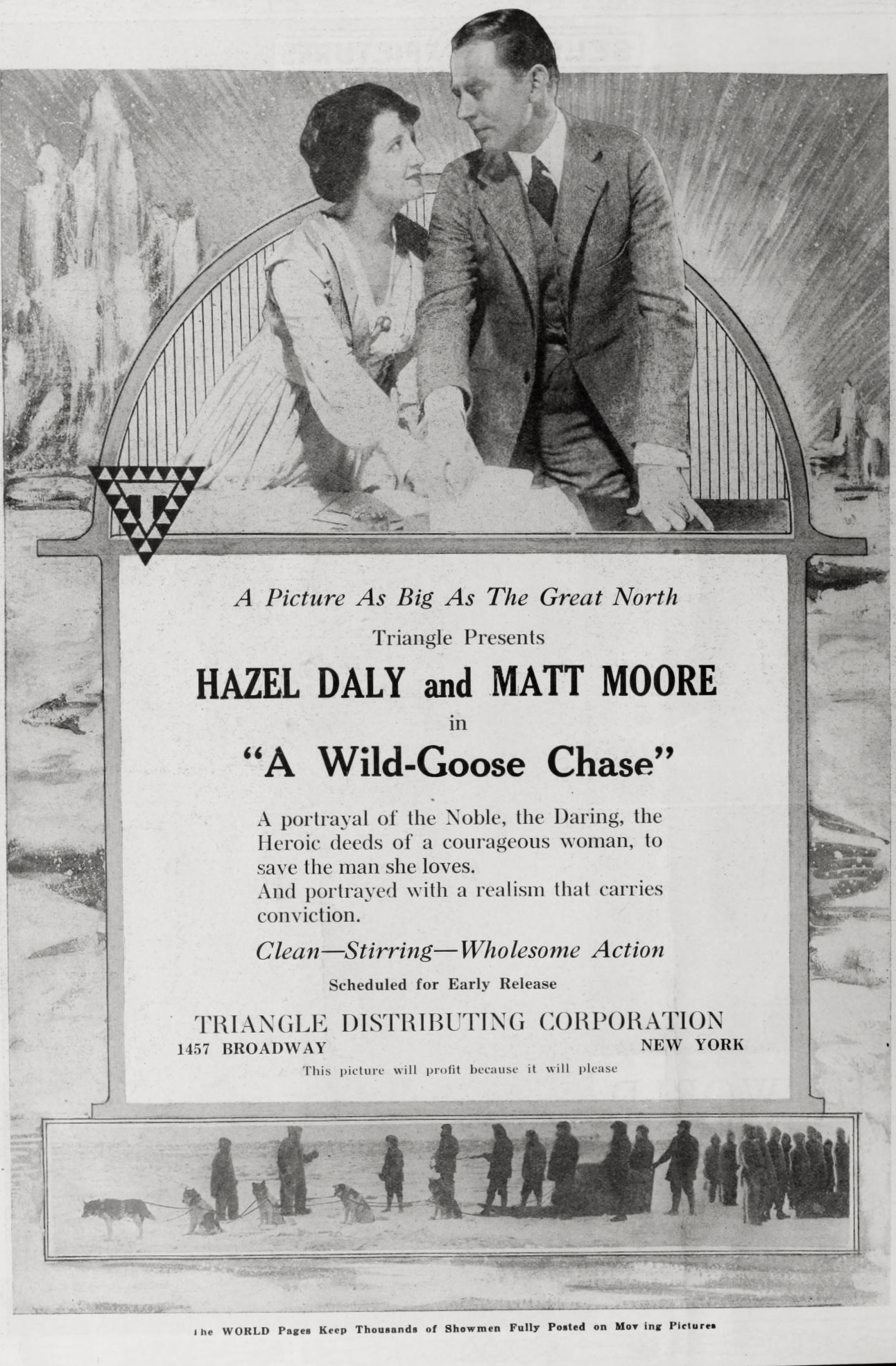
Dir: Harry Beaumont
Margaret Sherwood's fiancé has disappeared in the Arctic and she hasn't heard from him in two years. Yet she does not believe he died. Price Latham, in love with Margaret, offers to organize a new expedition to prove otherwise. In return, she promises to marry Latham, come what may. Latham sneakily tries to sabotage the trip but Providence, in the form of an Eskimo hunter with a spike, dispenses Margaret from keeping her word. The fiancé, found at last, takes the young girl back to friendlier skies under the northern lights.
View Details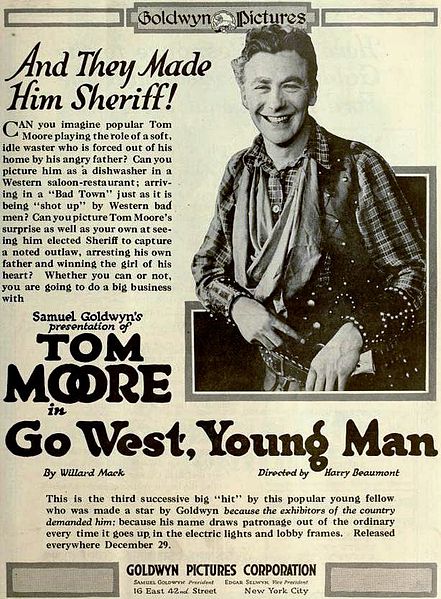
Dir: Harry Beaumont
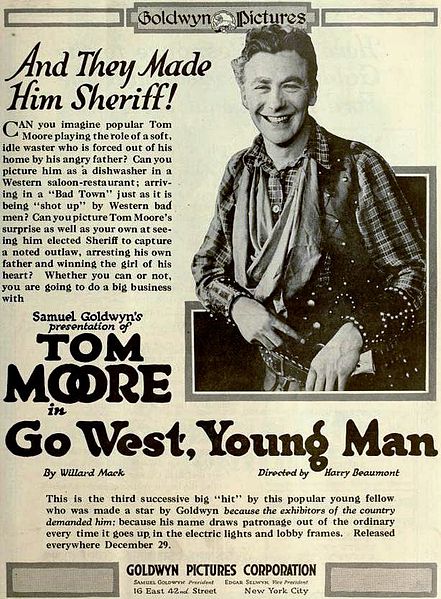
Wealthy Easterner Dick Latham, determined to disprove his father Amos' accusation that he is an idler, rides the rails West to the mining town of Twin Bridges. Hugh Godson, the town's corrupt political boss, appoints Dick sheriff, supposing him an easily manipulated tenderfoot. To Godson's dismay, Dick proceeds to clean up Twin Bridges, closing the saloons and gambling dens, and forcing even the most hardened miners to attend church. Godson schemes to cheat Rosa Crimmins and her ailing father out of their ranch, which is rich in gold deposits, but Dick foils the plot and makes Rosa his deputy. When Dick learns that some rich Easterners are gambling in the hotel, he arrests them all, despite the fact that his father is among them. Amos, proud of his son's newfound manliness, buys the Crimmins ranch and gives his hearty approval to Dick and Rosa's romance.
View Details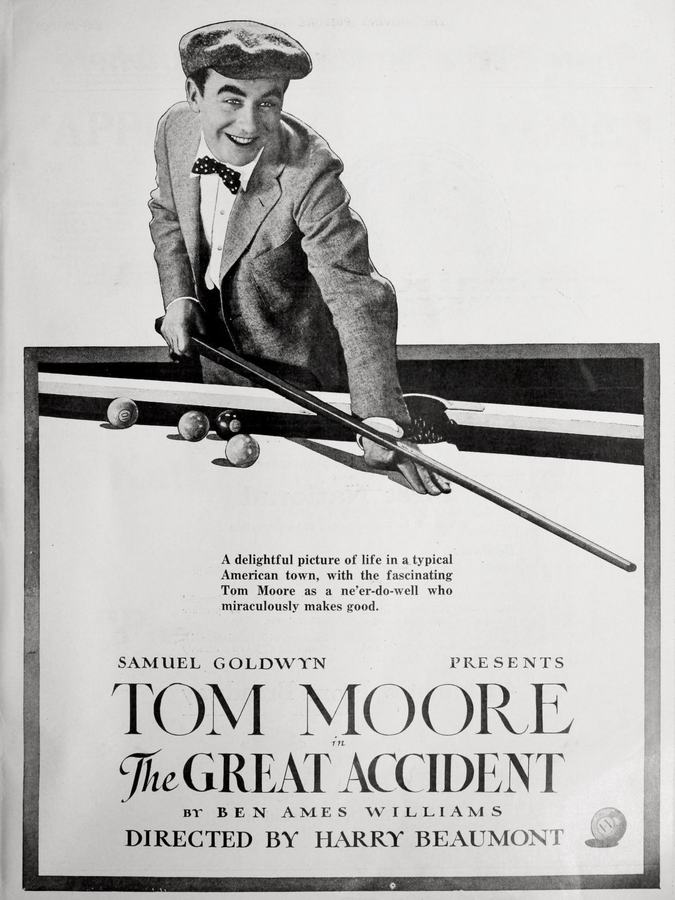
Dir: Harry Beaumont
Winthrop Chase is running for mayor on the prohibition ticket in a town where his irresponsible son Wint is infamous for his drunken sprees. Wint is in love with Joan Caretall, whose father Amos is a big political boss. Amos fears Winthrop's power and decides to stalemate him by substituting Wint's name on the ballot for that of his father. The morning after the election, Wint awakens from a drunken stupor and finds himself the mayor. With Joan's support, Wint reforms and begins to clean up the town. Wint's actions earn the enmity of the town saloon owners who induce Hetty Morfee, an old schoolmate, to frame him with a fake paternity suit. At the crucial moment, however, Hetty admits the truth, thus clearing Wint, who is reconciled with his father and wins Joan's love.
View Details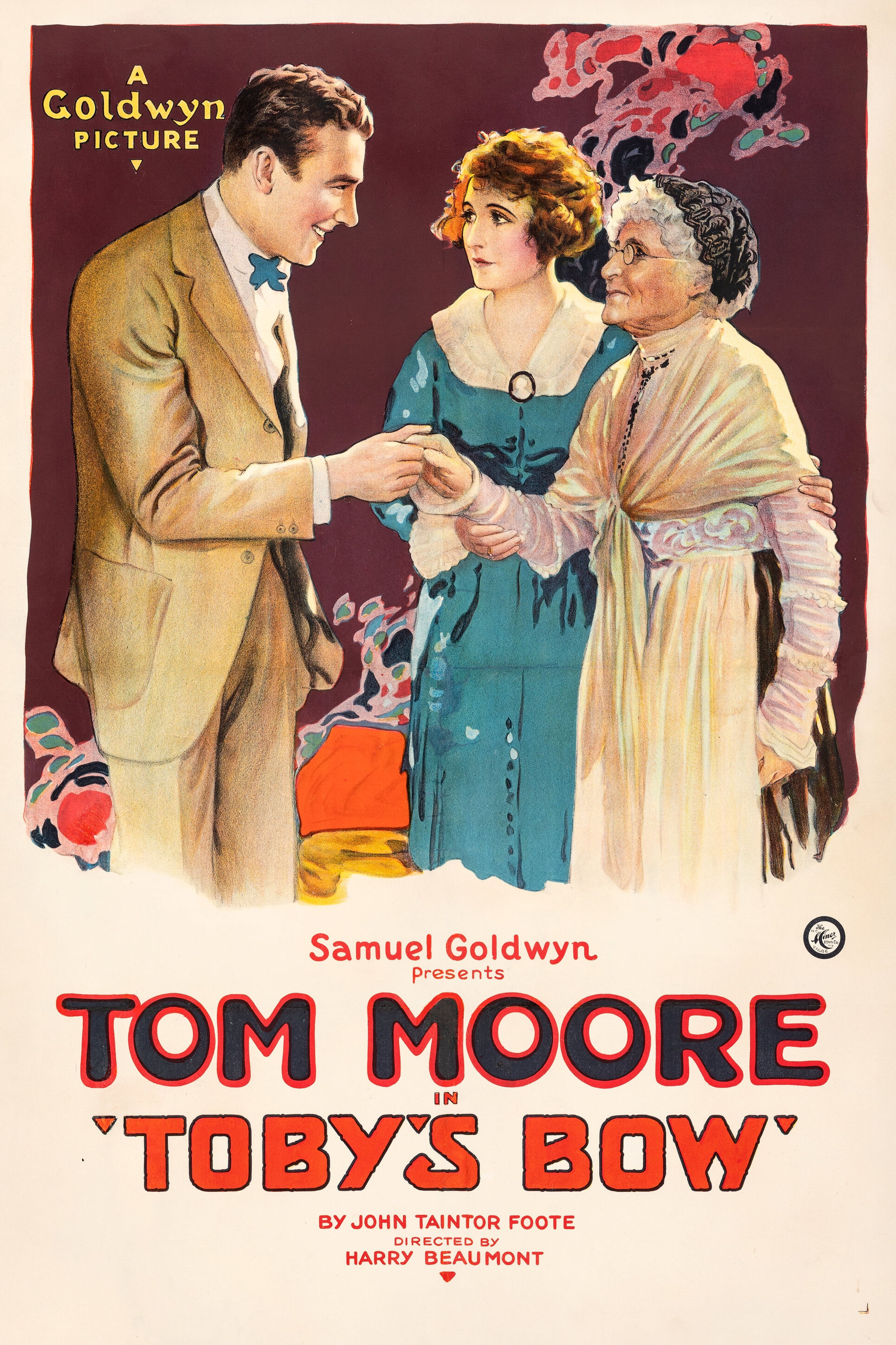
Dir: Harry Beaumont
When the wild Bohemian life style of Greenwich Village has destroyed successful novelist Tom Blake's ability to write, his publisher refuses to advance him more money until he forsakes that environment. A friend of Tom's arranges for him to become the boarder of her Southern friend Eugenia, a fledgling writer inspired by Tom's first novel, so he can find the quiet he needs for work. Using an assumed name, Tom is introduced to Eugenia's proud, aristocratic grandmother as a guest, since she would never condescend to taking in boarders. Toby, the Black servant, defers to Tom, but does not give him the elaborate, courtly bow he reserves for family members. After Tom helps turn Eugenia's poor manuscript into a novel by virtually rewriting it himself, the book's success allows Eugenia to pay the estate's mortgage, but, when she learns Tom's identity, she furiously declares that she wants no charity. After experiencing Greenwich Village however, Eugenia returns, forgives Tom, and they marry. Tom then receives his long-awaited bow from Toby.
View Details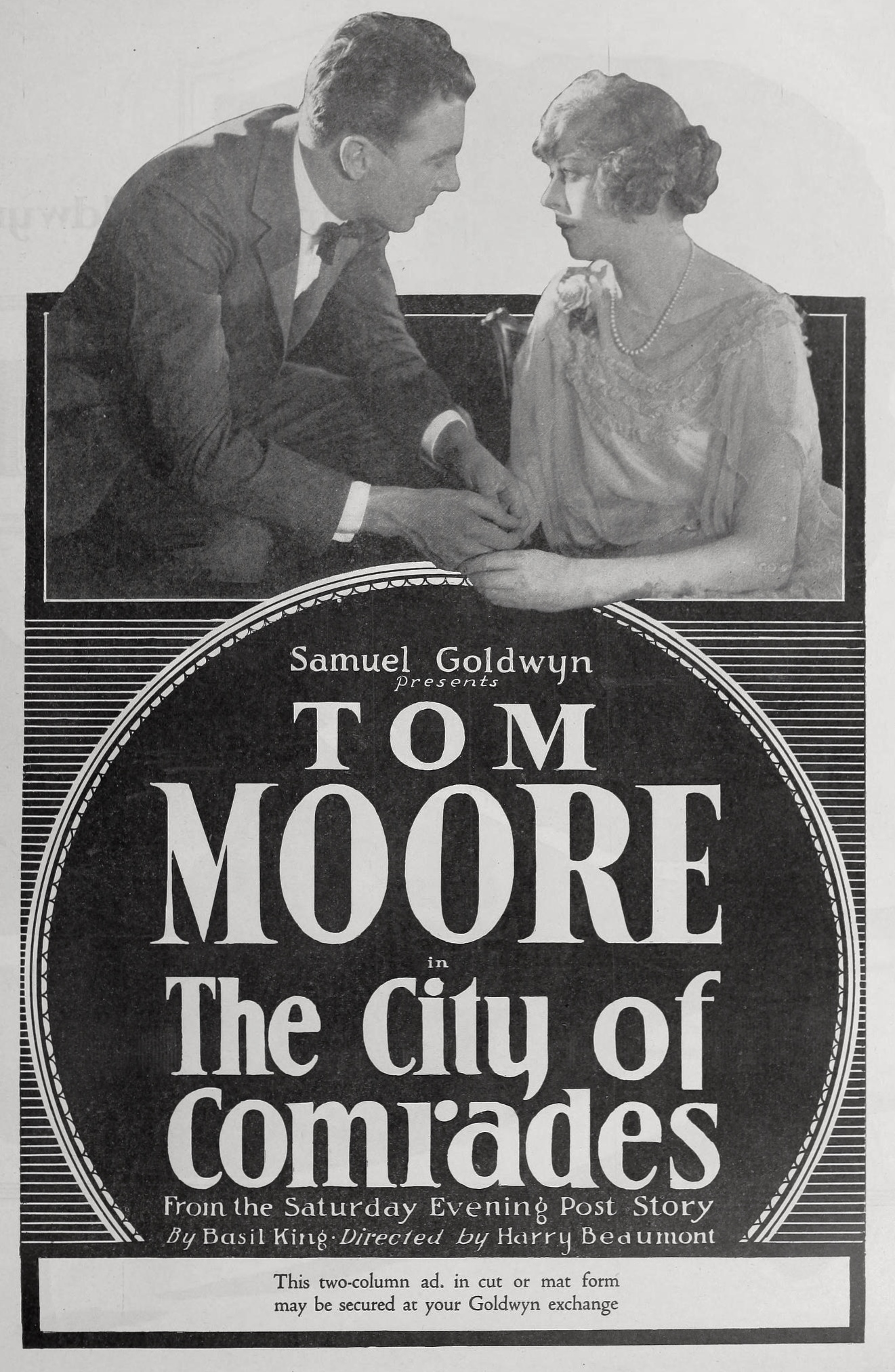
Dir: Harry Beaumont
Architect Frank Melbury, whose drinking has made him a social outcast, and "Lovey," his derelict friend, are both hungry, so Frank burglarizes Regina Barry's home. He takes food and jewels, but when he overhears Regina telling her friend Elsie of her dissatisfaction with her fiancé Dr. Stephen Cantyre because she desires more out of the ordinary man, he decides to return the jewels. He is confronted by Regina, but she allows him to flee. Frank and "Lovey" then seek the help of "The City of Comrades," a social welfare home for the regeneration of derelicts. There Frank is helped by Dr. Cantyre, and is so reformed that he gets a job as an architect. Regina does not recognize him when they meet again, but he later reveals himself and she rejects him. He then enlists in the Canadian forces and is blinded in the Halifax explosion. Later, when Regina is about to marry Cantyre, she hears that Frank is ill in the hospital. She nurses him and agrees to be his wife.
View Details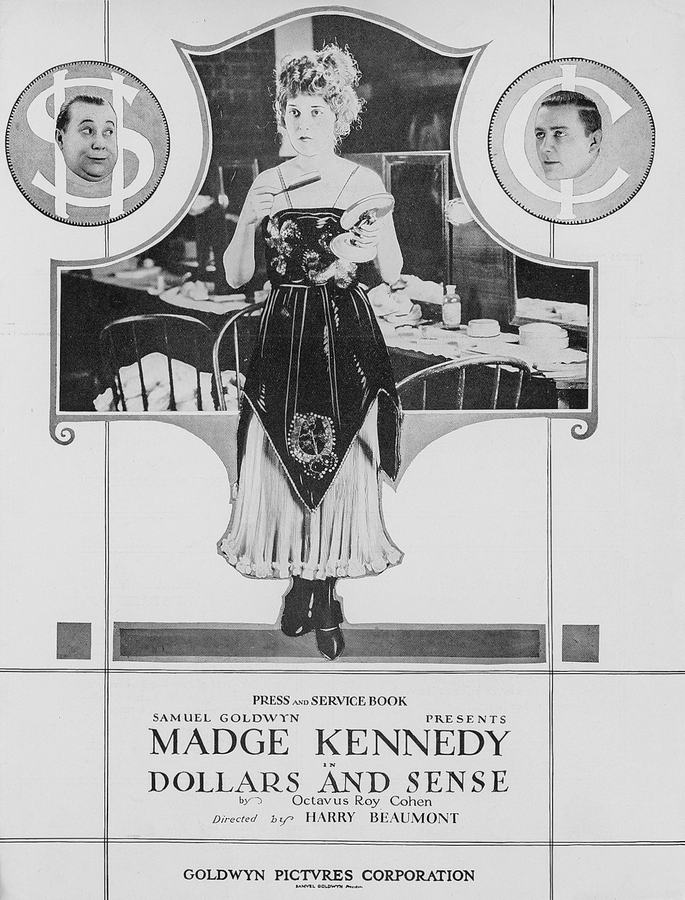
Dir: Harry Beaumont
Destitute, Hazel Farron is offered employment and comfort from bakery owner David Rogers. When Rogers' bakery slips into debt, he collapses from exhaustion and anxiety, forcing Hazel to turn to former admirer Geoffrey Stanhope for financial aid. Stanhope consents in return for a night alone with Hazel, but when she arrives at his hotel room for the appointed tryst, she discovers Stanhope waiting with Rogers and a minister so that Hazel can marry her employer.
View Details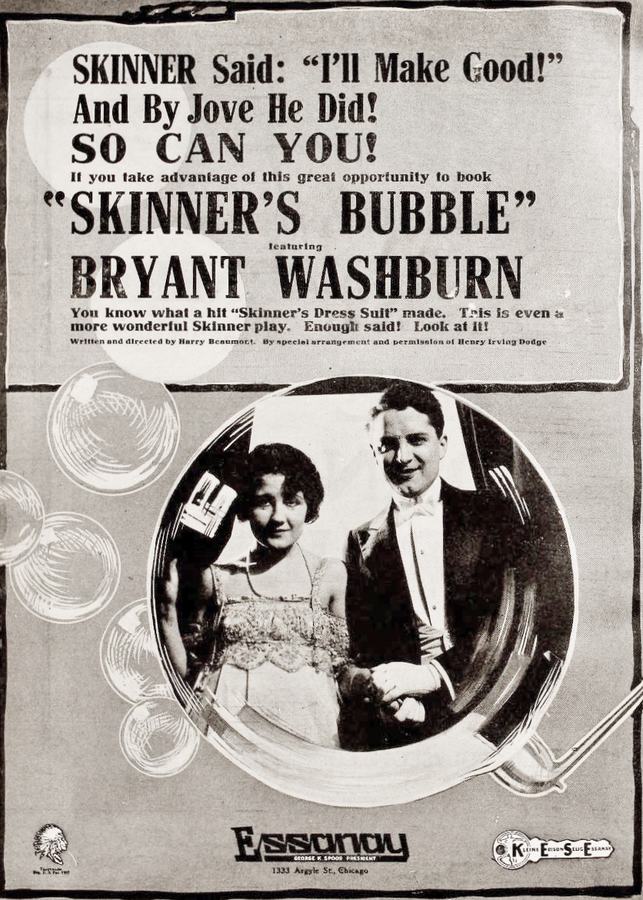
Dir: Harry Beaumont
William Manning Skinner, having attained a junior partnership in the firm of McLaughlin and Perkins, aspires to higher things. He figures that by working for himself he can become the Napoleon of the industrial world. He resigns his position and sets up in business for himself on a big scale. Skinner runs onto the verge of bankruptcy. He neglected to note that the prestige of the old-established firm he left had been largely responsible for his past success. Does he confess his failure to Honey, his adoring little wife? No. He informs her casually he is making money so fast he cannot count it. Honey confides to Mrs. McLaughlin, who in turn tells her husband. McLaughlin and Perkins decide they have made a tremendous mistake in letting Skinner get out of the firm. So it happens that just as Skinner is preparing to go into bankruptcy, a miserable failure, the partners make him a staggering offer to become again a member of their firm. It was Skinner's bluff that did it, coupled with Honey's unfailing belief in her husband's Napoleonic might.
View DetailsAnalysis relative to The Truant Soul
| Film Title | Atmosphere | Complexity | Similarity |
|---|---|---|---|
| Lord and Lady Algy | Tense | Layered | 92% Match |
| Going Some | Gothic | Dense | 87% Match |
| Skinner's Dress Suit | Gritty | Layered | 95% Match |
| A Wild Goose Chase | Surreal | Dense | 95% Match |
| Go West, Young Man | Tense | High | 96% Match |
This guide was algorithmically generated using the cinematic metadata of Harry Beaumont's archive. Last updated: 6/23/2026.
Back to The Truant Soul Details →