
DbcultAccessing Vault...
Recommendations
Senior Film Conservator
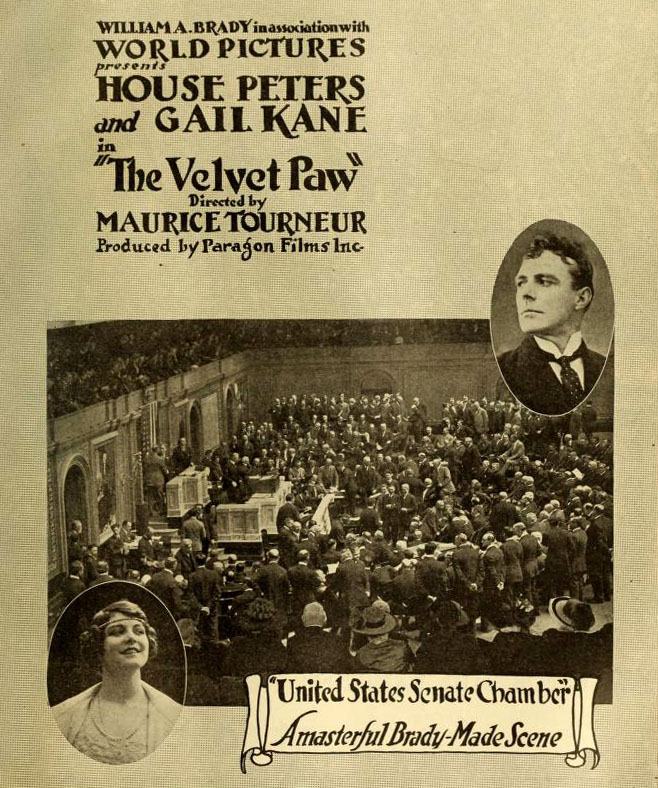
The United States-born brilliance of The Velvet Paw offers a unique unique vision, the juxtaposition of unique vision and narrative makes it a cult outlier. Dive into this collection and find the spiritual successors to Maurice Tourneur's vision.
In the Pantheon of cult cinema, The Velvet Paw to elevate cult to the level of high art.
Mary Dexter comes to Washington with her husband, Phillip, to get his invention, an appliance for battleships, adopted. He runs against graft and influence on all sides and finally realizes he can do nothing without money and "pull." Unknown to Phillip, Mary goes to Senator Barring and by her beauty and charm so interests him that he promises to help her husband. When she rushes to tell the good news to Phillip, she is horrified to find him dead by his own hands. Senator Barring recognizes in Mary a clever tool and under the guise of friendship and kindliness wins her to his side. He and his wife take her into their home, help and comfort her, and when she asks to be allowed to repay them, he enlists her assistance for some of his measures. She falls in with his plans and is successful in winning to her side the vote of various members of Congress. Clifford Drake, a young. clean-cut congressman, despite bribes and threats, refuses to side with the interests. Barring persuades Mary to use her influence. She lures Drake on and finally on a vague promise of marriage induces him to forsake his principles and vote with the interests. His infatuation costs him his seat in Congress; his party is disgusted with his deflection and turn from him, electing in his stead, Moorehead, a strong, capable, honest westerner. Drake, maddened with love for Mary, begs her to marry him despite his defeat, but she laughs his proposal to scorn and he goes, threatening revenge for his blighted career. Mary is attracted to Moorehead and succeeds in meeting him and winning his interest. Like all other men, he falls for her charms, but despite his infatuation, he will not yield his principles and refuses to vote against the Child Labor Bill at Mary's request. Finally, however, on her urgent plea, he promises her that he will be absent when the vote is called. When Mary reports this to Barring, he is furious; they must have Moorehead's help in defeating the bill. Mary realizes at last how infamous has been her part in the political game. Love for Moorehead has awakened her true nature, and she determines to undo part of her work. The Child Labor Bill is up for discussion. Madly Mary pursues Moorehead, who, true to his promise, has remained away from the House. Finally, she comes upon him and begs him to return and cast his vote for the bill. Believing she is trying to "use" him further, he breaks away from her, but at last she convinces him that through him she has come to see things in their true light and is anxious to fight with him for the right. Moorehead rushes to the House and delivers an impassioned address in favor of the Child Labor Bill. His strong arguments carry the day and the bill is passed. Congratulations are showered on him. Mary in the gallery, rejoices in his victory when suddenly a shot rings out and Mary falls wounded. Drake, drunk and half crazed in his desire for revenge, followed Mary and fired with intent to kill. The House is in an uproar. Drake is seized by angered members and hurled from the gallery. Moorhead rushes up to Mary and is overjoyed to find that her wound is only slight and together they rejoice over his victory and her narrow escape.
Based on the unique unique vision of The Velvet Paw, our vault has identified these titles as the most compelling follow-up experiences for fans of cult cinema:
Dir: Maurice Tourneur
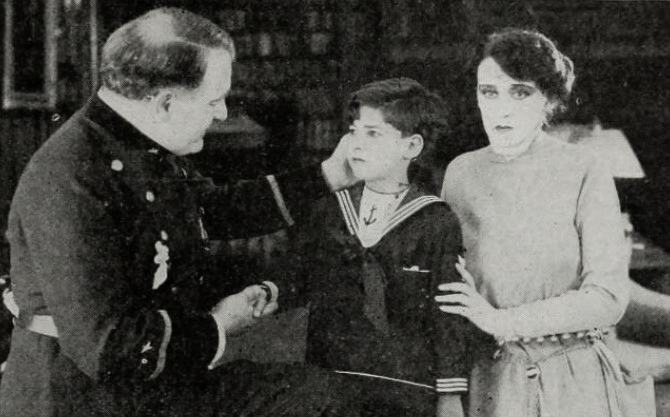
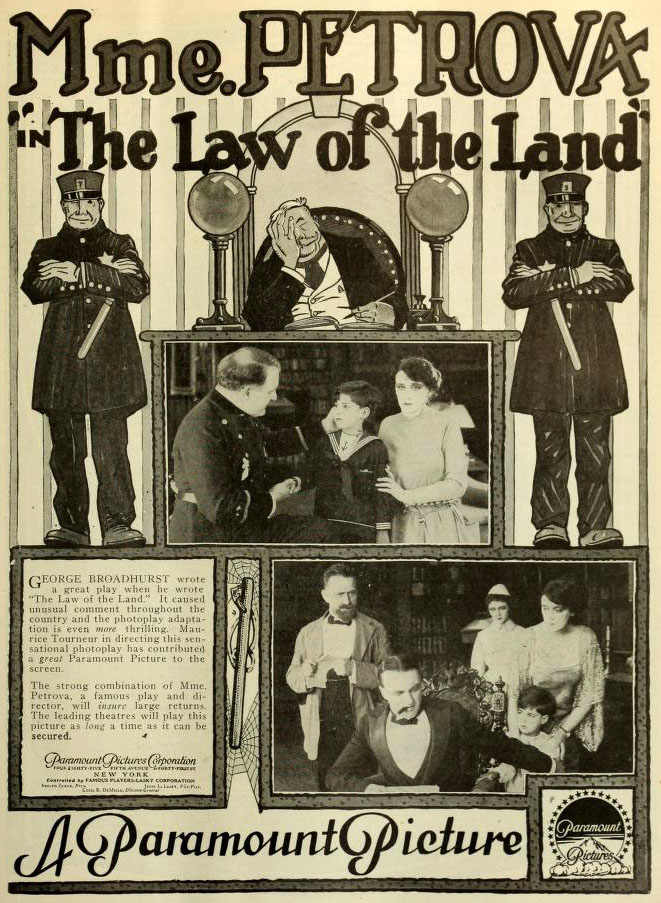
In order to save her mother from disgrace, Margaret marries Richard Harding even though she really loves Geoffrey Morton. Five years later, the Hardings have a little son, and Margaret's life has been made almost unbearable by her husband; she lives for nothing but her son. Morton, returning after an absence of two years, learns that Harding has made some false accusations against him and goes to his home to demand a retraction. While there, he witnesses an exhibition of Harding's cruelty as he whips his little son. After Morton leaves, Harding threatens to beat the boy again, and Margaret tells him that she will shoot him if he does. Harding defies Margaret's plea, and she carries out her threat. Together, Harding's secretary and Margaret place the revolver so that it will appear to be a suicide, but the police are not deceived. After a desperate defense by her lawyers, however, the death is ruled accidental and Margaret is free to begin life anew.
View Details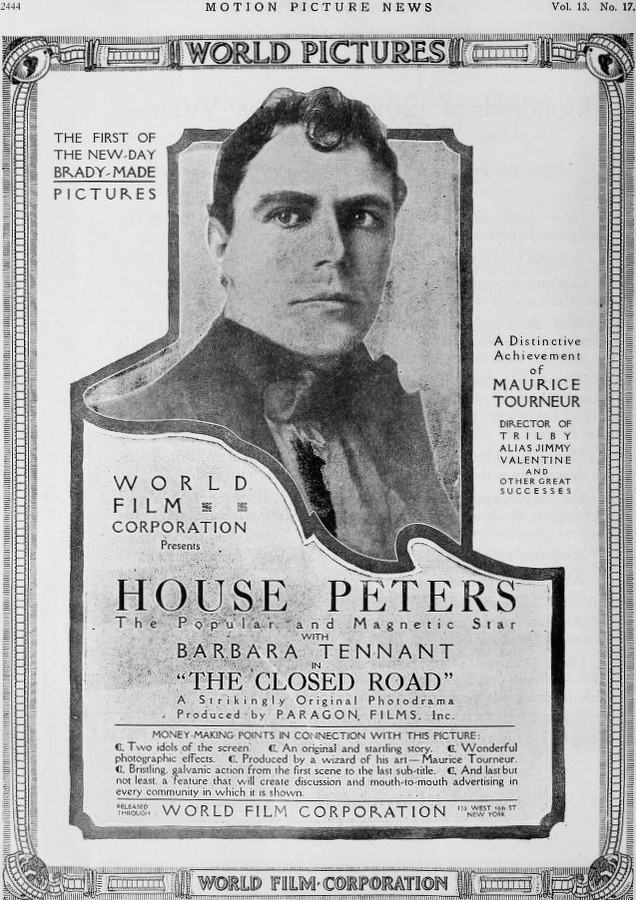
Dir: Maurice Tourneur
Dr. Hugh Annersley, assisted by Dr. Appledan, has succeeded in finding a cure for cancer. Julia, Dr. Annersley's sister, comes home with Griswold, a former client of the doctor, and to whom he still owes money. Griswold did not enter the house, Annersley saying to Appledan that if Griswold would pay him what he owes, he could then continue his work with the medical discovery. Griswold, now being attended by Appledan, Annersley decides to write him a letter, in which he states that unless he is paid within twenty-four hours, that he will go to Griswold's apartment to collect the account himself. Appledan takes the letter to Griswold himself. In giving medicine to Griswold, Appledan gives him an overdose, resulting in his sudden death. To ward off suspicion, Appledan places Annersley's letter threatening violence to Griswold on the latter's table, and firing two shots out of a revolver, the aged doctor leaves the room. When the police investigate they find the revolver on the floor, and on it is carved Hugh Annersley's name. Circumstantial evidence in the form of the revolver and letter points to Annersley. He is placed under arrest and charged with the murder. Julia, calling upon Appledan, notices the old doctor laughing hysterically as Frank Sargeant, a well-to-do young man, leaves his office. He tells Julia that he has just warned Sargeant he could not live more than a couple of months on account of the poor condition of his heart. With this knowledge, Julia starts in search of Sargeant, and finds him in an old quarry just as he was to commit suicide. She persuades him to listen to her. She unravels to him the story of her brother's plight, and of the fact that he could save millions of lives were he able to continue with his cancer cure. That as he, Sargeant, could not live long and was on the verge of committing suicide, would assume the murder of Griswold, clear Annersley of the charge, and thereby be of some good to humanity. Sargeant agrees and fabricates circumstantial evidence against himself so strongly that he is arrested and convicted of the crime. While awaiting electrocution, Sargeant learns that his heart was never affected, that old Doctor Appledan was mentally unbalanced, and then confined to an insane asylum. Upon learning this, Julia sets out to clear Sargeant and reverse the wheels of destiny against him. The old doctor confesses that he gave Griswold an overdose of medicine and to clear himself had placed Annersley's letter and pistol near him, thereby clearing Sargeant. How Julia repaid Sargeant for his great sacrifice by her love and affection brings the picture to a dramatic and happy ending.
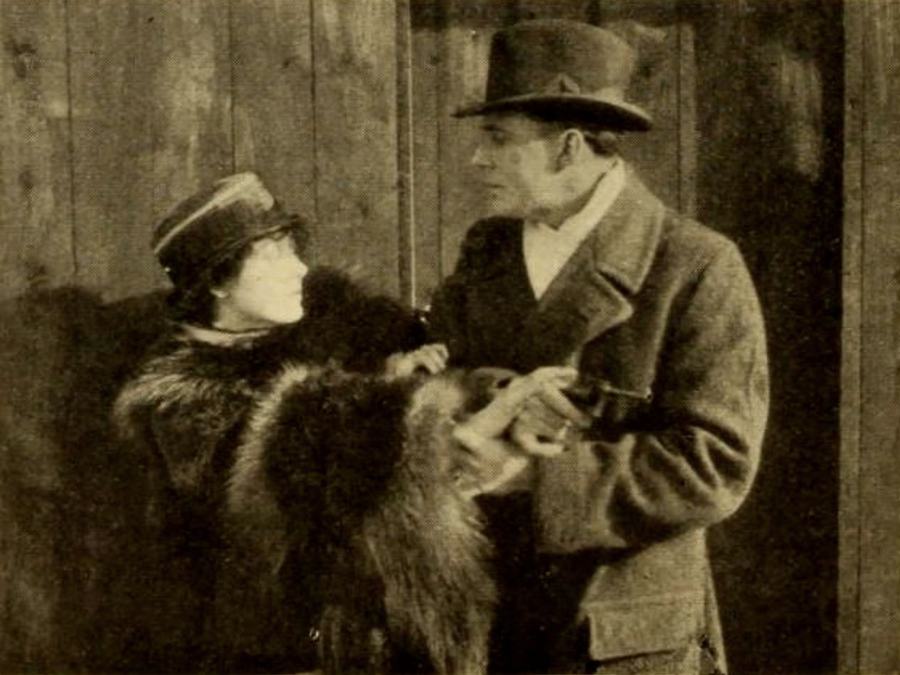
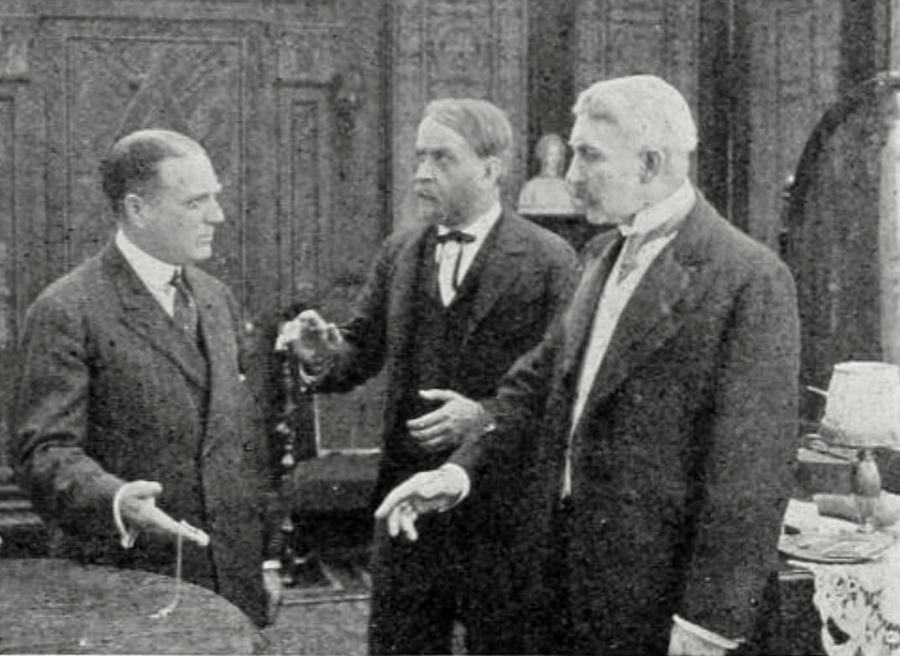
Dir: Maurice Tourneur
Richard Duvall is a young American detective in the employ of the French Secret Police. While in Paris he meets Grace Ellicot, also an American, with whom he falls in love. He marries her and is about to start on his honeymoon when he is called on by Mons. Lefevre, chief of the secret police. The French Ambassador to England, Monsieur De Grissac, has lost an ivory snuff box which must be found. They depart for London to interview the Ambassador. In London they go to the Embassy. There the Ambassador tells them that he was robbed of the snuff box while he was dressing and suspecting his valet, Noel, he locked him in his room. When Duvall goes to interview the valet, he finds that he has been murdered. Meanwhile, in Paris, Lefevre has broken the news to Duvall's wife of his departure to London. She, wishing to follow Duvall, asks Lefevre where she can find him. Lefevre tells her that if she will help in the recovery of the snuff box she will find Duvall. She consents, and Lefevre tells her to go to Brussels and try to place herself in the sanitarium run by Dr. Hartmann. who is supposed to be a German spy and whom Lefevre believes to be instrumental in the theft of the snuff box, which box, Lefevre hints, is of diplomatic importance. Richard Duvall, aboard the boat for Antwerp, finds the man whom he is following, asleep in a saloon, and during the night he opens the stranger's suitcase. He finds the package given the stranger in the barber shop, and on opening it, discovers the contents to be rice powder. By this time Duvall has learned that Grace is in the sanitarium, and that she furnished the news to Lefevre's agents. He feels that Grace should leave the sanitarium as soon as possible. He goes to Mr. Phelps, the American Ambassador, and has him invite Grace to dinner, planning to escape after dinner. During dinner that night, Dr. Hartmann, who is beginning to suspect Grace and Duvall, turns up at Mr. Phelps' house as an unexpected guest. When Richard and Grace leave on the pretext of Duvall's escorting Grace back to the sanitarium, Hartmann asks if he might ride with them. Because of no plausible reason, Duvall is forced to consent. On arriving at the sanitarium, Duvall is taken prisoner by two of Dr. Hartmann's attendants. His failure to discover the snuff box angers Dr. Hartmann. He knows that Duvall must have it with him, as his luggage has been searched and his friends imprisoned on various trumped-up charges. He gives Duvall until the next evening to confess the whereabouts of the box. The time allotted him is up, and Duvall refuses to confess. Hartmann resorts to torture. Finally Richard, at night, finds his opera hat behind a packing case and secures the box from the hat. Experimenting with several ornaments on the top of the box, he discovers that it has a double top. Inside the box is a piece of tissue paper, on which a series of numbers are written. Duvall substitutes another set of numbers, and conceals the set found in the box. In order to make Grace confess where the box is, as Dr. Hartmann believes she knows, he lets her see Duvall being tortured. She is almost crazed by watching his pain, so gets the box and delivers it to Hartmann. They are at once released, and proceed to Paris. They are not able to deliver the box to Lefevre, but they give him the series of numbers. Duvall and Grace at last start on their delayed honeymoon.
View Details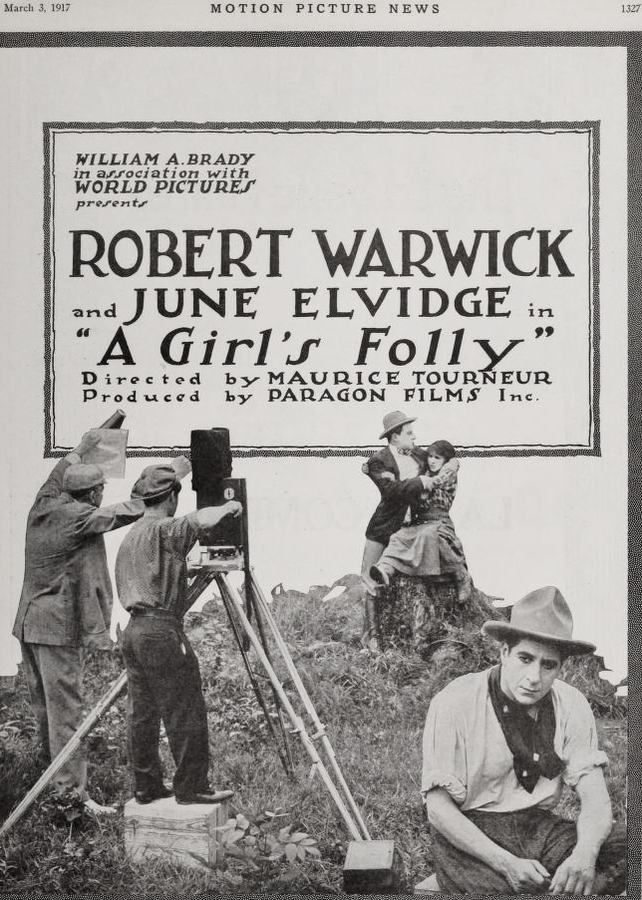
Dir: Maurice Tourneur
A restless young girl yearns to leave her rural environment and "get away from it all." One day she stumbles upon a film crew shooting a Western near her home. She makes friends with the film's leading man, who encourages her to try her luck as an actress, so she leaves her small town and goes to the big city to break into the picture business. However, things don't turn out quite the way she planned.
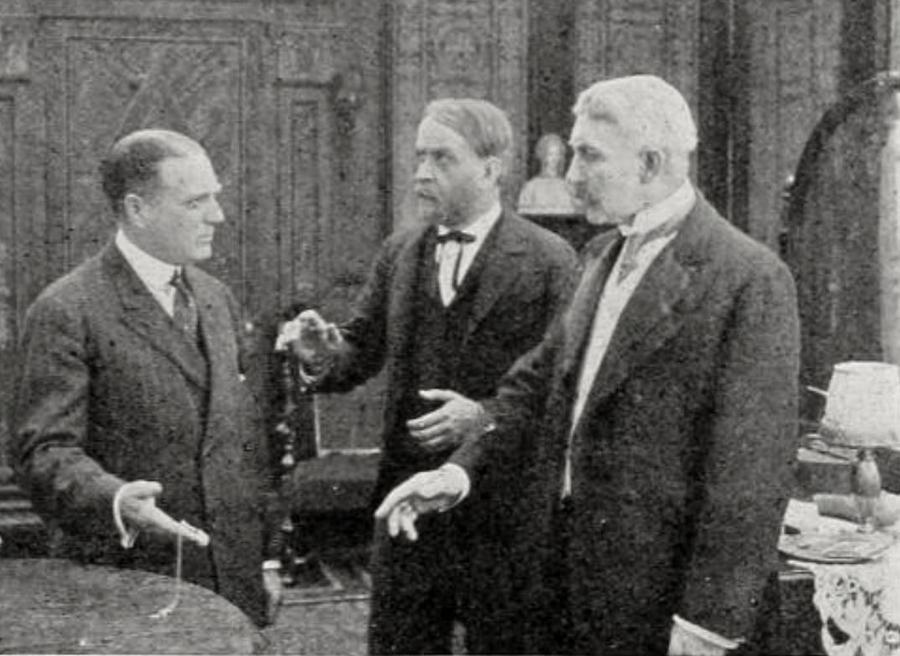
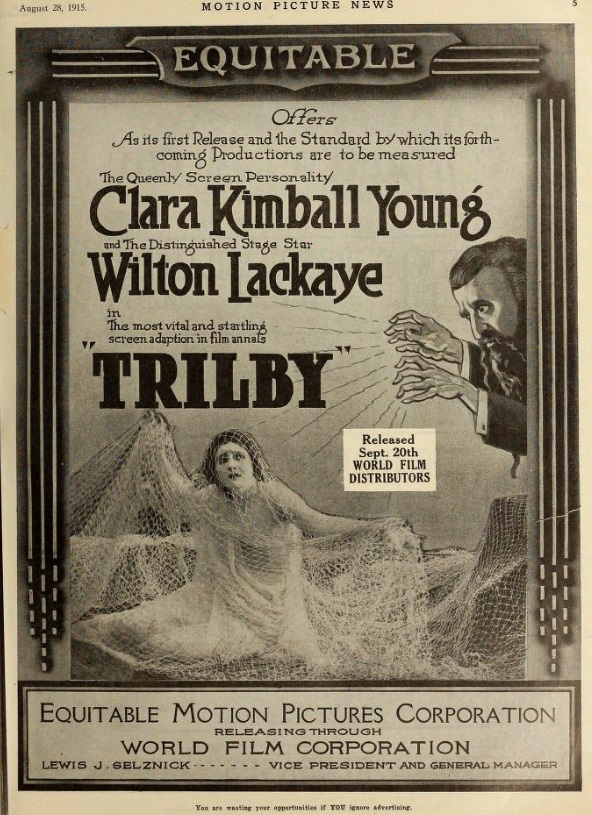
Dir: Maurice Tourneur
A hypnotic Svengali controls the singing voice of a young starlet, but he cannot control her heart.
View Details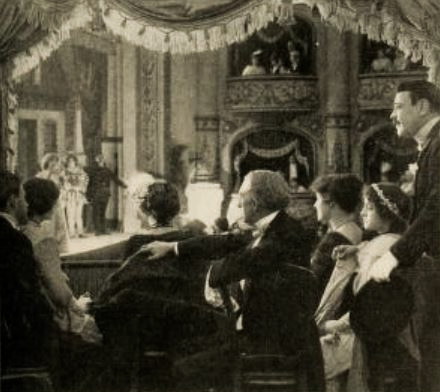
Dir: Maurice Tourneur
Novice businessman Curtis Jadwin ( Wilton Lackaye ) is introduced to the world of grain speculation by veteran broker Charles Cressler ( Alec B. Francis ). At a performance of Faust , Curtis meets and falls in love with Laura Dearborn ( Gail Kane ), the sweetheart of artist Sheldon Corthell ( Milton Sills ). Curtis pursues Laura and finally convinces her to marry him, but soon after their wedding, he neglects her for his business. In her loneliness, Laura renews her relationship with Sheldon and the lovers plan to elope. When Curtis is ruined on the market, however, Laura rejects her lover and comforts her husband.
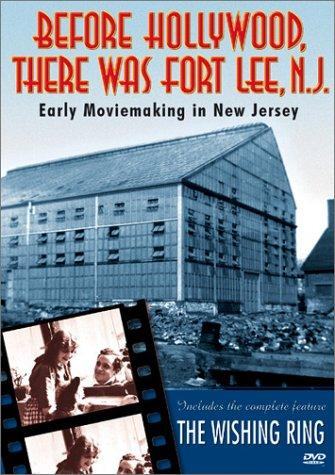
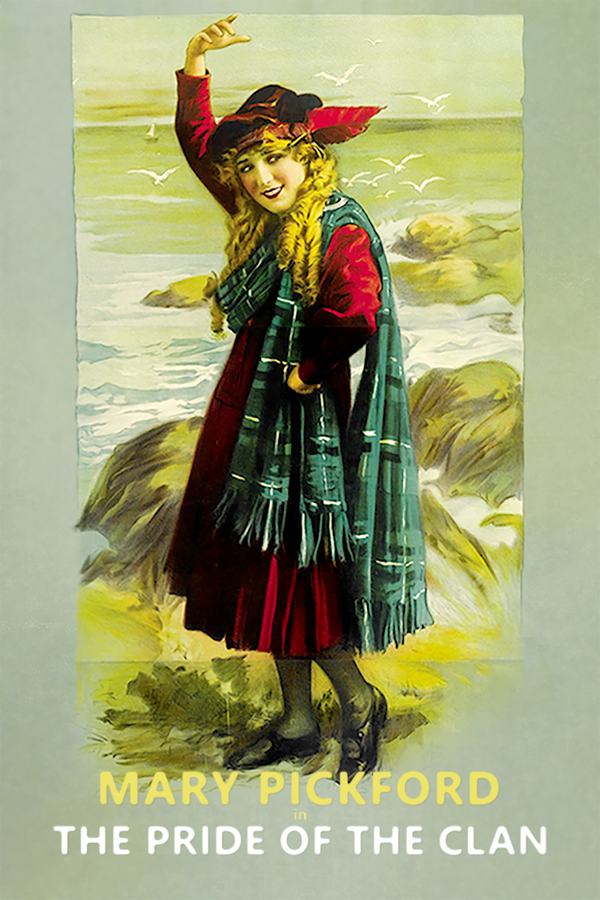
Dir: Maurice Tourneur
Among the simple fisher-folk of a little island off the west coast of Scotland lives MacTavish, head of a clan. Here he rules as a chieftain, and his word is law. One day a hurricane sweeps across the Hebrides and the fishermen turn their boats to the inlet for shelter. On the shore the women and children watch the fight of their men with the waves. Among those who wait is Margaret MacTavish, who sees her father's boat dashed to pieces in the roaring surf. A party of men headed by Jamie Campbell tries to rescue the old chieftain but the waves close over him before they can reach the battling craft. With MacTavish lost, according to the law of the island the succession of authority passes to his daughter Marget, just 18. She, with a spirit of kindness and in a tender, sweet and girlish way, rules the fishermen and their families. Her disposition wins them. Jamie Campbell, a young fisherman, has won Marget's heart. Jamie has always been regarded as the son of Mrs. Campbell, one of the clan. The old lady, realizing that Jamie is reaching his 21st birthday, feels that she cannot keep her secret longer. So she writes to the Countess of Dunstable that the baby of her first marriage, which she left with the old woman of the island, did not die but grew to be a fine young man, and is now known as Jamie Campbell. The Countess, accompanied by her husband, starts out to seek her son. It is on the eve of Jamie's betrothal to Marget that, the Countess finds the young man and tells him of his real identity. She swears him to secrecy even from his own sweetheart. The Countess goes to watch the quaint betrothal ceremony of her son and Marget. Meeting him they are seen by those who do not know the relation to embrace and this fact is told to Marget. The disappearance of the Countess has aroused the suspicions of the Earl, and he, having learned of her secret meeting with, Jamie and not knowing the relation, confronts her. The wife breaks down and confesses that the young man is her son. There having been no children by the second marriage the Earl is delighted with the news and at once starts to plan for Jamie's future. The Earl, however, means that Jamie shall cut loose from all of his former associates. He persuades Marget to believe that she is an obstacle to Jamie's future and she reluctantly decides to make the sacrifice and give up her sweetheart. As chief of the clan, Marget commands him to leave. Jamie with heart torn asunder departs for his mother's yacht. Marget decides to sail out to somewhere in the west where her father and his father were wont to sail with the fishing boats. Before she cuts the ropes that hold the frail old hulk in which she lives to the island shore she sets ashore her pets and writes a note, places it on the strap collar of her favored little goat, and sends it abroad. Grouchy, gloomy Pitcairn, the village atheist who feared no one and hated himself, has always refused to obey the rulings of Marget. Pitcairn is in a troubled sleep the night Marget cuts loose in her unseaworthy craft, and in a wakeful moment he hears the bleating of the goat at his door. He is about to drive the animal away when he finds the note Marget has written. Looking seaward he sees the old craft tossing in the sea and he realizes what has happened. The village is aroused and the church bell set to ringing. Down to the surf line rush the people. Pitcairn sends a messenger to the yacht to get Jamie. Lowering a boat he rushes to the hulk and just as the waters are closing in on the cabin he rescues his sweetheart and the atheist falls to his knees and utters a prayer for the first time in his life. Jamie takes Marget back to the yacht, a reconciliation between the girl and the Earl follows and the dreams of the courtship begin all over again but they are real dreams because they have come true.
View Details
Dir: Maurice Tourneur
Mafflu, the old clown, out walking is greatly surprised to see a baby girl, fast asleep, holding in her hand a chunk of bread, at which a large number of sparrows are pecking. Mafflu decides to take the child away with him and care for it. He does this, but upon arriving at the circus where he is employed, the owner and the rest of the company have but a cold greeting for the little newcomer. However, Mafflu clings to the child. The Sparrow, as she is called, grows up and becomes the drudge of the circus. One evening, though worn out by fatigue and hunger, she must still prepare for the evening show. Scarcely has she mounted her horse and made a few rounds of the arena, when she falls and lies unconscious in the center of the arena. Romarin is in a rage and strikes the girl. Mafflu is disgusted and sends an official to the mayor. M. de Ganges, who that night happened to be a spectator. M. de Ganges takes the Sparrow with him to his home and she bids farewell to the only two beings she has ever loved, her adopted father and a poodle. Next morning, on awaking, she can hardly believe that all the beautiful things about her are a reality. The dream is indeed but a fleeting one. The Sparrow is received with jeers and mockery when she puts in an appearance in the servants' dining-room for her meals. A few days later a horse runs away in the park and the Sparrow cleverly manages to master it. This makes the groom, Charley, madly jealous. Charley abuses the Sparrow and a free fight ensues. M. de Ganges intervenes, and, disgusted with the groom's impudence, discharges him. The Sparrow is now received into the intimacy of the Mayor's family. She has fine clothes and jewels. A friend of the family, the banker Schlemmer, spends a few days at the mansion and is strangely attracted to the Sparrow. The attraction is not reciprocated, for, by degrees, the Sparrow falls in love with M. de Ganges. Alas, one day, she surprises him in a close embrace with his cousin. She is jealous. Schlemmer still persecutes the Sparrow to the extent of doing her violence. She decides to leave the house. In a few lines she thanks her benefactors for their goodness and announces her departure without, however, revealing its real cause. The Sparrow signs a very profitable contract with a new circus and she forgets, to a certain extent, her former disappointments. However, her troubles are not over yet. Charley, engaged as groom at the circus, finds occasion to exercise his hatred. After a first performance, the Sparrow goes to her dressing-room to change her costume for a second appearance. When, on hearing a noise, she turns around, and is horrified to see Schlemmer, introduced there by the groom, and who endeavors to abuse the girl, who defends herself energetically. Fortunately for her, Mafflu and the stage manager, wondering why she does not appear, enter her room and put an end to the trouble. Although not quite recovered from the shock, the Sparrow, nevertheless, takes her place on the central platform, where she is to perform her aerial act. M. de Ganges and his young wife are also spectators. In seeing the one she loves and who is forever lost to her, the Sparrow is painfully affected and, without ceasing to look at him, she makes a sudden leap, misses the rope along which she was to glide to earth, and crashes to the ground. Mafflu, in tears, picks up the girl, whose back is broken, and carries her away. M. de Ganges, deeply moved, comes to her and the Sparrow has, at least, the consolation of beholding before her death the dear face of the loved one.
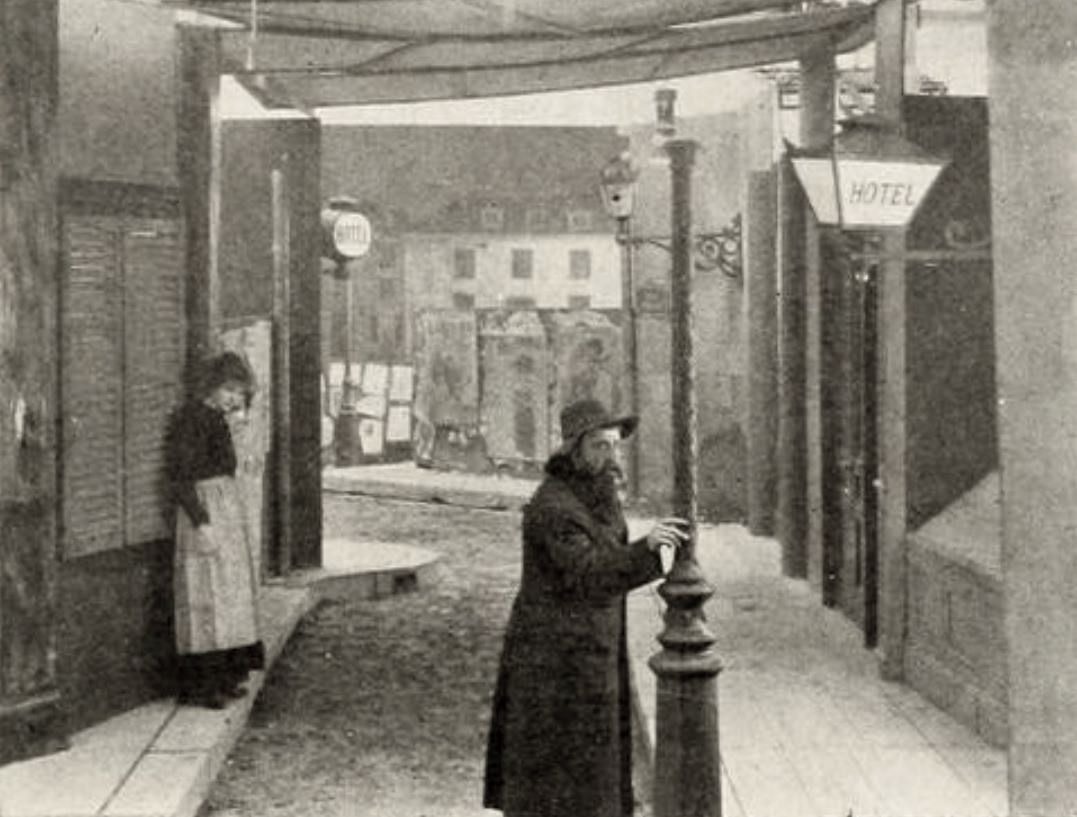
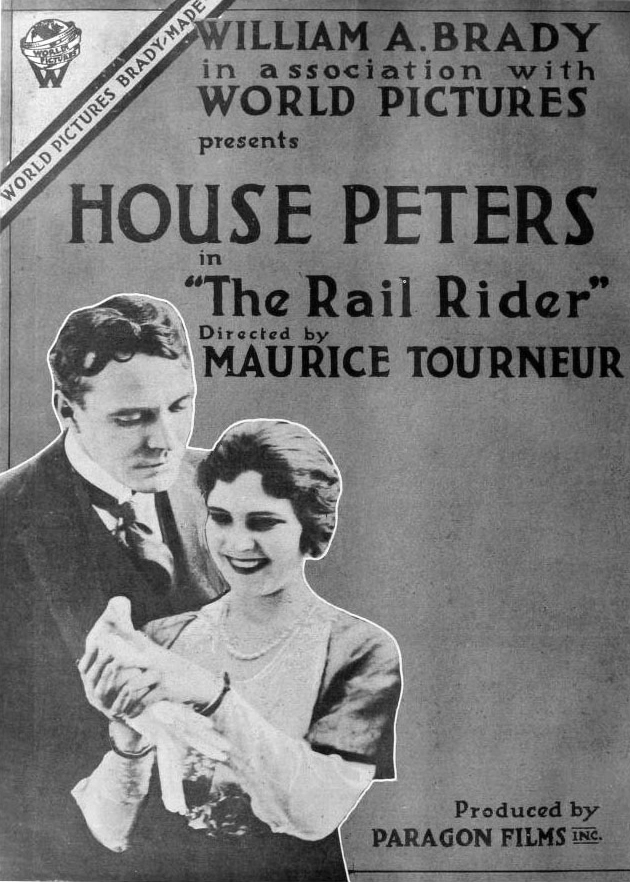
Dir: Maurice Tourneur
For 10 years the men of the D. and O., a short line, have been at the mercy of "B," supposedly Barker, president of the railroad. The line itself is run from the executive offices in New York, far distant, and none of the men have ever laid eyes of "B," yet the smallest transgression, accidental or otherwise, of the railroad's rigid and economical discipline results in a telegraphed order from "B," decreeing the fine, suspension or other punishment for the offender. Latterly, it has amounted to almost persecution and the men are on the verge of a strike. The climax comes when 48, the passenger train driven by Jim Lewis, goes off the rails on a soft spot and ties up the whole system for a day. When 48 finally limps into Wellsdale, the eastern terminus, "B's" decision is waiting for Lewis, two weeks' pay as a fine and six months' probation on a yard engine. The punishment starts a riot. The men agree to send Lewis to see Barker. Lewis calls on Barker. Barker receives Lewis, and instead of the hulky, brutal man he expected to find, Barker is an elderly, kind old gentleman, with a charming family. Mildred, his daughter, impresses Lewis. At last, Lewis, much bewildered, accepts an invitation to dinner with the family. In the morning Lewis learns that "B" is Brown, the manager. With a card from Barker he seeks an interview, but learns the manager has decamped, taking all the negotiable funds of the road. Lewis, thinking of the girl he met the night before, asks for and gets the job of running down "B." After considerable detective work he locates a man he has reason to believe is his quarry. With the aid of a bellboy, he gets a tip on the departure of the suspect and as the fleeing man enters a machine Lewis grabs him. There is a fight, which ends in Lewis's victory. Jim Lewis returns in triumph to New York with the stolen goods licked in a brand-new bag, and reaches Barker's house in the early evening, just as a group of D. and O. magnates are deciding that the road is gone and done for. Jim is the sort of stuff the road needs in its executive offices, and barker states that he is to come in to New York to be trained. Jim parts with Mildred on his way out, but to their mutual satisfaction it is only "au revoir." The future is rosy for Jim Lewis, and the boys of the road have gained more than they hoped when they sent him to see "B."
View Details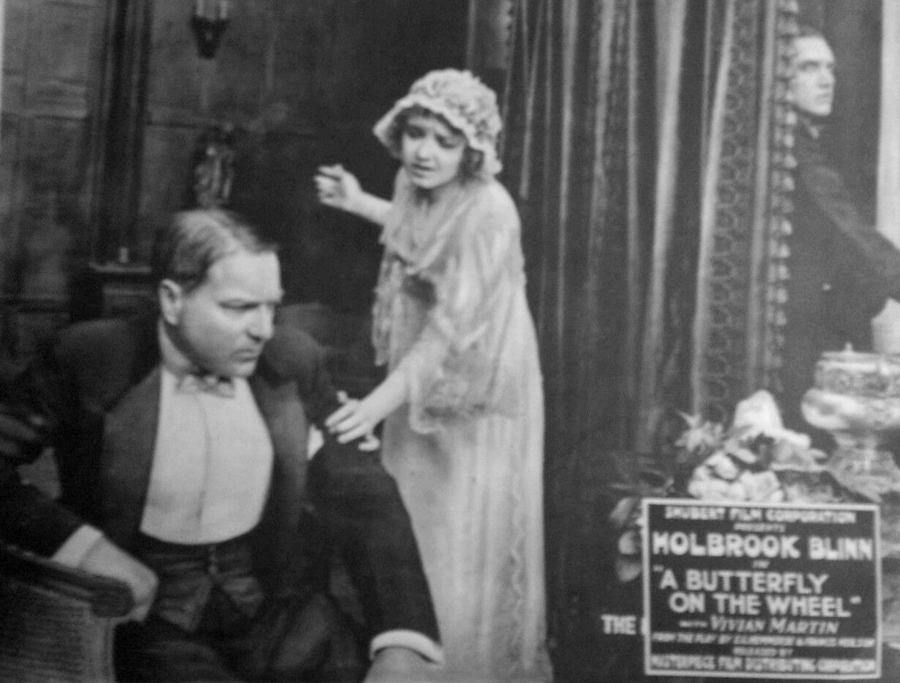
Dir: Maurice Tourneur
Peggy Admaston and her husband are socialites whose happy marriage quickly deteriorates as Admaston neglects his young wife for business matters, and is unaware of her loneliness and vulnerability. When Peggy is wooed by Admaston's friend Collingwood, who acts on his feelings without regard to consequences, she grows fond of him, but remains faithful to Admaston. After socialite Lady Attwill causes Admaston to doubt his wife's fidelity, his suspicions are furthered when a fire erupts one evening at the theater, and Admaston returns home unexpectedly to find that Peggy, who refused to accompany him because she said that she did not feel well, entertained a male visitor that evening. Admaston arranges to trap Peggy and Collingwood together at a country roadhouse, and begins divorce proceedings based on the resulting strong circumstantial evidence. Later, Lady Attwill convinces Admaston that Peggy's friendship with Collingwood was innocent and the couple is reunited.
View DetailsAnalysis relative to The Velvet Paw
| Film Title | Atmosphere | Complexity | Similarity |
|---|---|---|---|
| Law of the Land | Surreal | Dense | 98% Match |
| The Closed Road | Gritty | Layered | 95% Match |
| The Ivory Snuff Box | Tense | Layered | 96% Match |
| A Girl's Folly | Surreal | High | 96% Match |
| Trilby | Ethereal | Dense | 97% Match |
This guide was algorithmically generated using the cinematic metadata of Maurice Tourneur's archive. Last updated: 6/17/2026.
Back to The Velvet Paw Details →