
DbcultAccessing Vault...
Recommendations
Senior Film Conservator
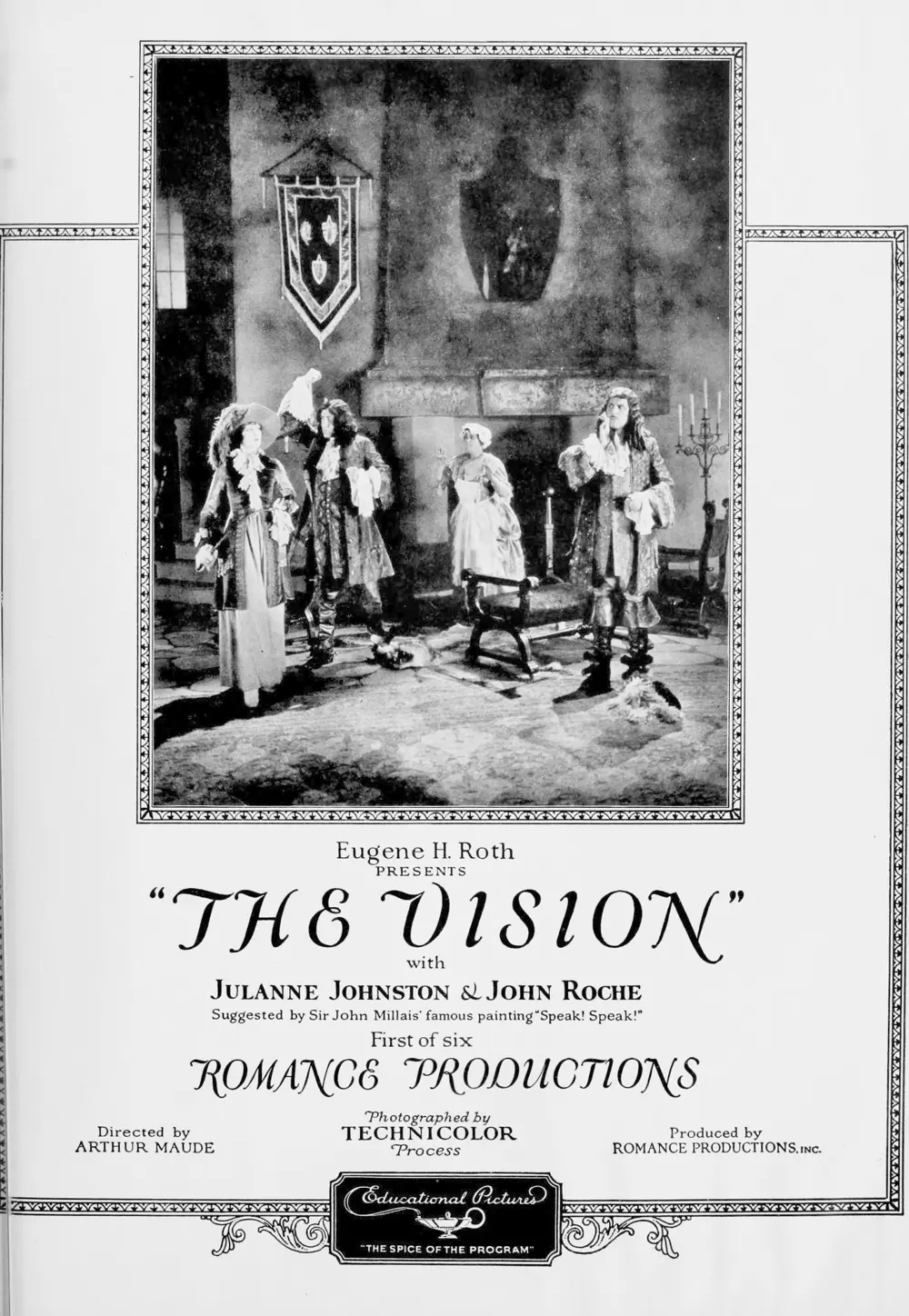
The evocative power of The Vision (1926) continues to haunt audiences with its poignant storytelling, the artistic provocations of The Vision demand a follow-up of equal intensity. Explore the following titles to broaden your appreciation for Short excellence.
The visceral impact of The Vision (1926) stems from to transcend the limitations of its 1926 budget and technology.
The story, credited to Arthur Maude, and suggested to him by Sir John Millais' painting, "Speak. Speak!" lends itself particularly well to the remarkable color effects produced by the Technicolor process. As to the story itself, it concerns a vision which appears to Edgar Graythorpe, sick and confined to his home at Roxton Castle; and alone with the exception of one servant. Graythorpe's queer actions - his conversations with someone unseen - have led the other servants to leave. Millais visits him and while there, the "Vision" again appears to Graythorpe. And then - the story unfolds - telling of a thwarted romance between Lucy Cludde and Charles de Lacey, and de Lacey's subsequent assassination at the hands of another suitor favored by Lucy's father. Pursued by the rival suitor, Lucy takes her life by leaping over a high cliff. Her spirit is the vision which appears to Graythorpe at intervals - and will continue to appear - until Graythorpe, who along with Roxton Castle has inherited the spirit of de Lacey - joins her. This is all revealed to Graythorpe by an old diary. Graythorpe dies and the two spirits meet.
The influence of Arthur Maude in The Vision can be felt in the way modern Short films handle poignant storytelling. From the specific lighting choices to the pacing, this 1926 release set a high bar for atmospheric immersion.
Based on the unique poignant storytelling of The Vision, our vault has identified these titles as the most compelling follow-up experiences for fans of Short cinema:
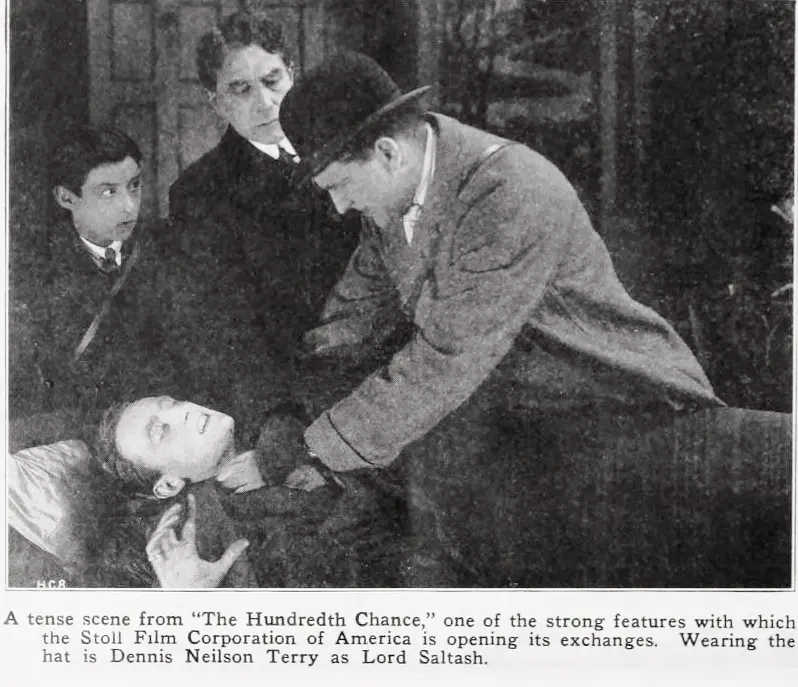
Dir: Maurice Elvey
A lady marries a horse trainer but withholds herself until her crippled brother is cured.
View Details
Dir: Dallas M. Fitzgerald
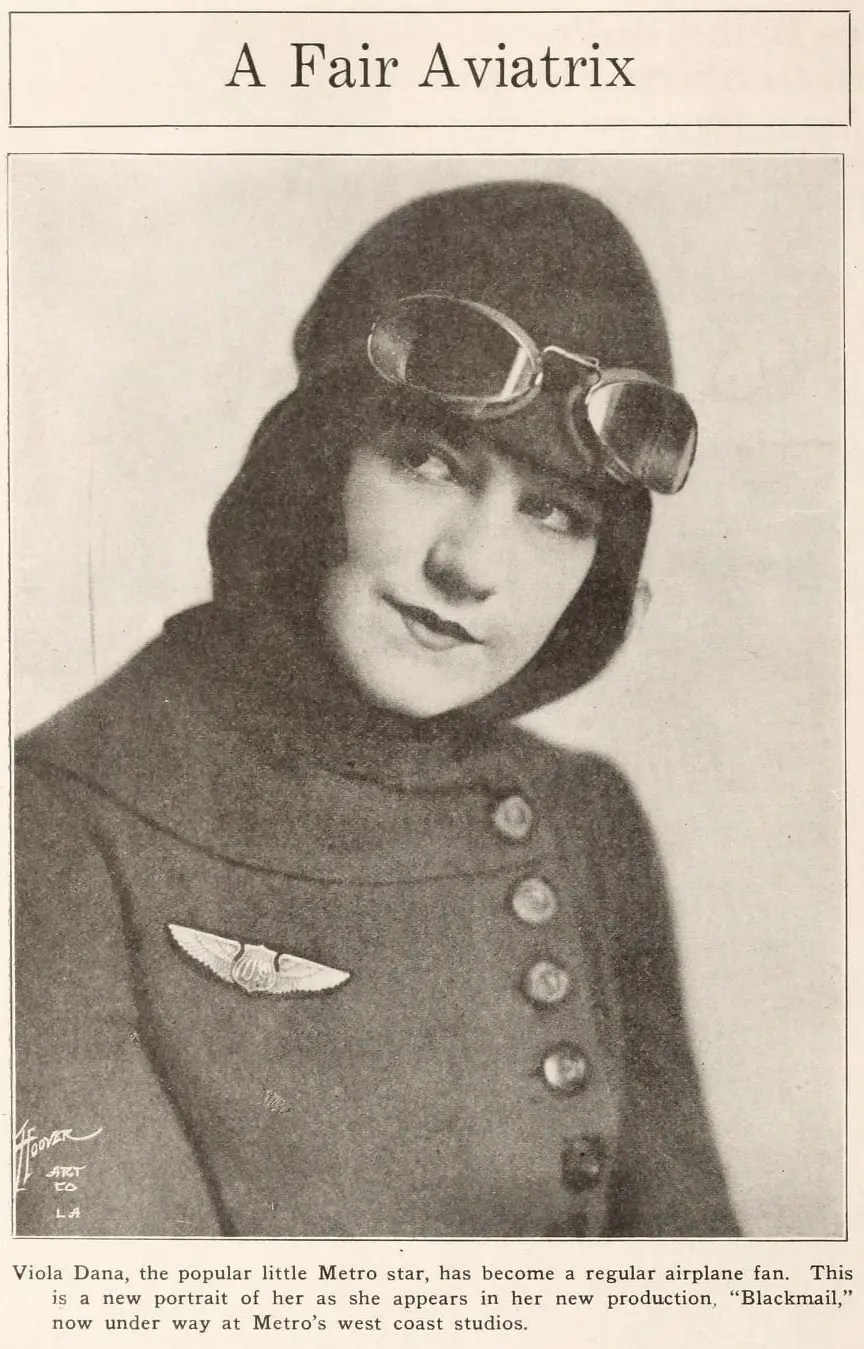
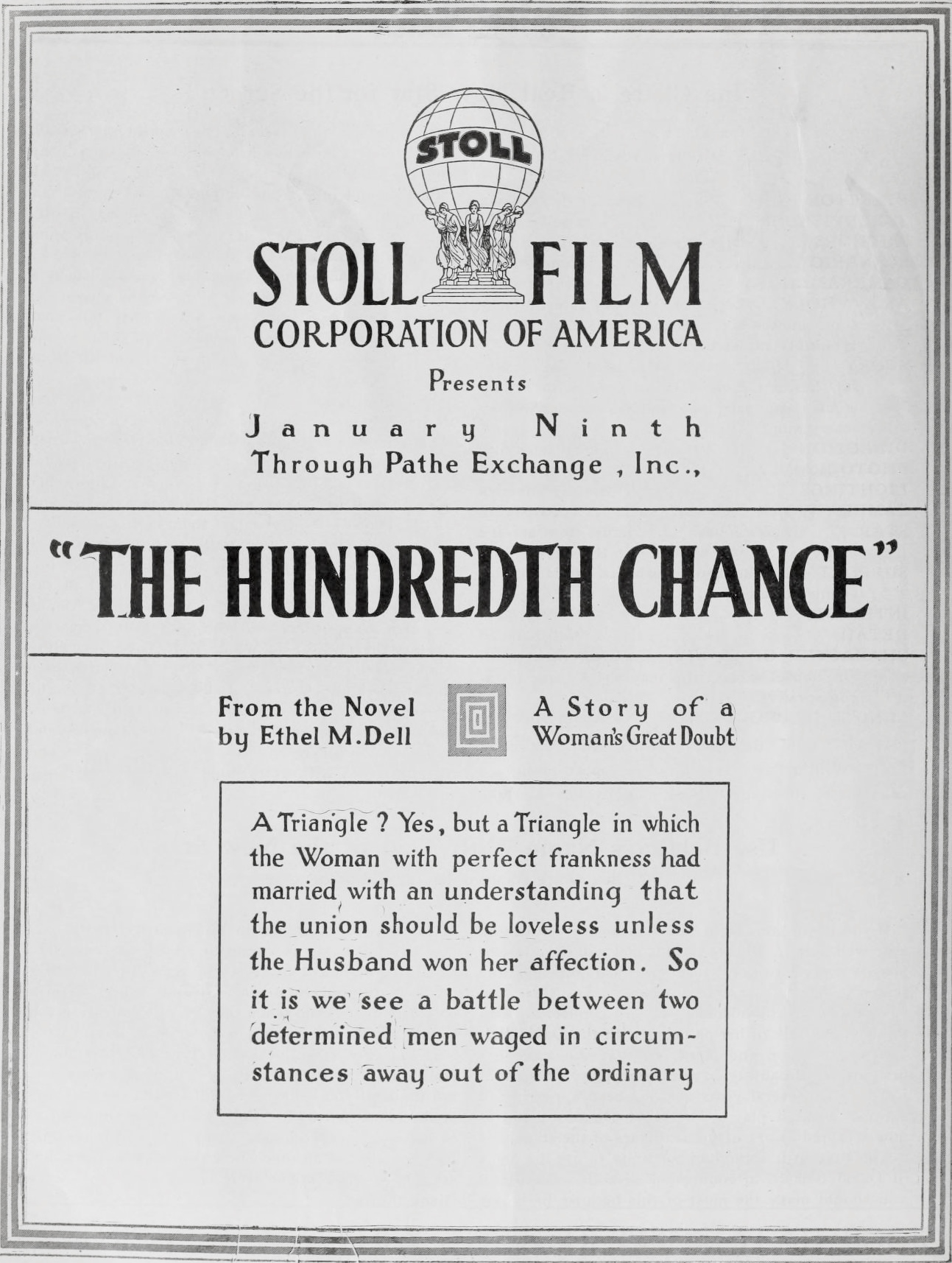
Confidence artist Flossie Golden attempts to fleece foolish but wealthy James Venable with a breach-of-promise suit. Venable's shrewd attorney, Richard Harding, outwits Flossie by proposing that she marry Venable and live on an allowance of $3,000 per year. Flossie is determined to get even with Harding for ruining her plans. In an attempt to con him, she poses as Innocence Page, but falls in love and marries him instead. Larry, Flossie's former accomplice, endeavors to blackmail her with her errant past, but Harding is already cognizant of the facts and Larry fails.
View Details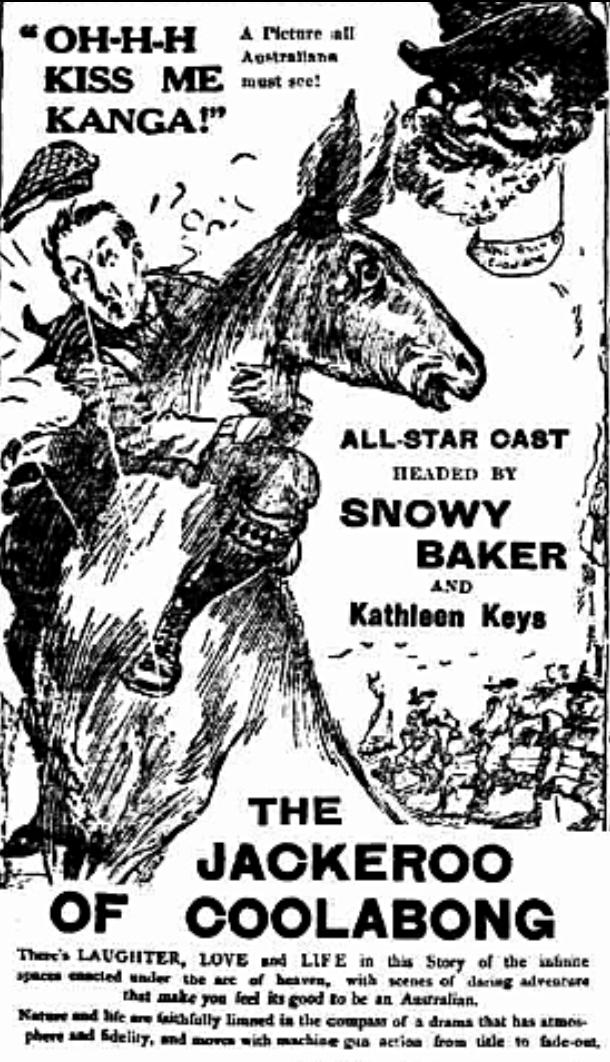
Dir: Wilfred Lucas
Brian O'Farrell (Snowy Baker), is an English 'new chum' who takes a job at an Australian cattle station. He is teased by station hands because of his appearance (including spats and a monocle) but he soon impresses them with his skills at riding and boxing. The station manager, John MacDonald (Wilfred Lucas), takes O'Farrell to Sydney to meet his daughter Edith (Kathleen Key) who is working in the slums. Edith is kidnapped by criminals after witnessing a crime but O'Farrell rescues her. It is later revealed he is the owner of the station.
View Details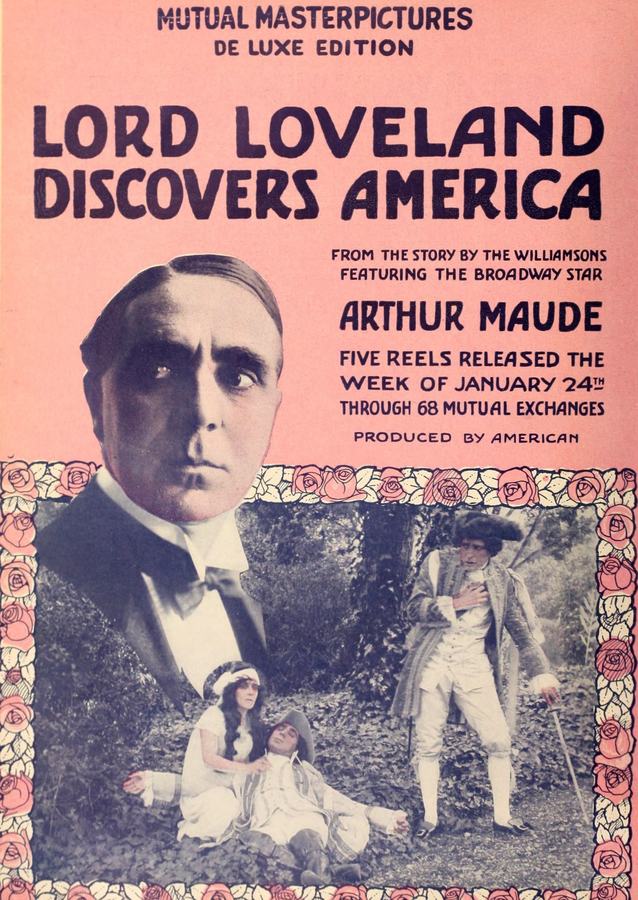
Dir: Arthur Maude
Lord Loveland in England is besieged by his creditors and consults his mother as to what he should do. He is advised to go to America and marry an heiress. He plans to sail on a certain ship, but at the eleventh hour changes his plans and departs on another vessel without informing his relatives of the change. Meanwhile, In England, his valet, annoyed at not having been paid a year's wages, impersonates Lord Loveland. At New York's most expensive hotel Lord Loveland discovers he has but forty cents in his pocket. He goes to bank and presents his letter of credit, but the bank determines that he is a bogus Lord and will not honor the draft. Disgusted, Lord Loveland returns to his hotel, where he finds he has no credit. He is ejected and his baggage is held in lieu of the bills he has already accumulated at the hostelry. Lord Loveland is alone in a strange world and with forty cents in his pocket. He applies to a friend for aid, but the friend, thinking the card presented is that of the bogus Lord Loveland. refuses to even see the visitor. Disheartened and disgusted, the nobleman betakes himself to Central Park, where through the thrilling rescue by Lord Loveland of a mongrel puppy, he forms a fast friendship with one Bill Willing, a likable old man out of work. Willing takes Lord Loveland to a cheap hotel where his forty cents is more than sufficient to procure two beds. In the morning he takes the English peer to a restaurant where in payment for meals, Willing draws artistic signs which advertise the day's tempting viands at Alex's restaurant. Lord Loveland, attired in evening clothes and monocle, has no trouble in getting employment as a waiter. He hopes thus to earn sufficient funds to pay his passage back to the dear old British Isles, but Tony Kidd, an enterprising New York reporter, learns of the monocled waiter and writes a story for his paper. Crowds come daily to Alex's restaurant to be waited on by this unique garcon. Among them is Leslie Dearmer, a woman playwright with whom Lord Loveland had become acquainted on shipboard. There is an explosion in the kitchen and the guests flee panic-stricken from Alex's restaurant. Lord Loveland becomes a hero when he extinguishes the blaze and causes the guests to return to their tables. Later, he loses his job through the apparent affection he has for Izzy, who is Alex's daughter. He takes up with a 10-20-30-cent troupe of theatrical players with whom he plays minor parts. Miss Dearmer seeks out the manager of Lord Loveland's troupe, intending to sue that individual for the use of one of her copyrighted plays. She calls and is surprised when her gaze meets that of the British nobleman. To her, the Lord relates his plight and she engages him as her chauffeur. The nobleman falls head over heels in love with his fair employer. The two are out for a spin when the Englishman summons up courage and declares his love. So ardent does he become in his proposal that he fails to heed the path his automobile is taking. The machine leaves the road, crashes into a tree and both occupants are thrown violently from their seats. When consciousness returns, Miss Dearmer is in Lord Loveland's arms, and the two plight their troth. The tide of Lord Loveland's fortunes have turned, By a combination of circumstances, he becomes recognized as the real Lord Loveland and he is restored to the position which is rightfully his. Henceforth, all is love and happiness and the nobleman has no desire again to see dear old Britain's shores.
View Details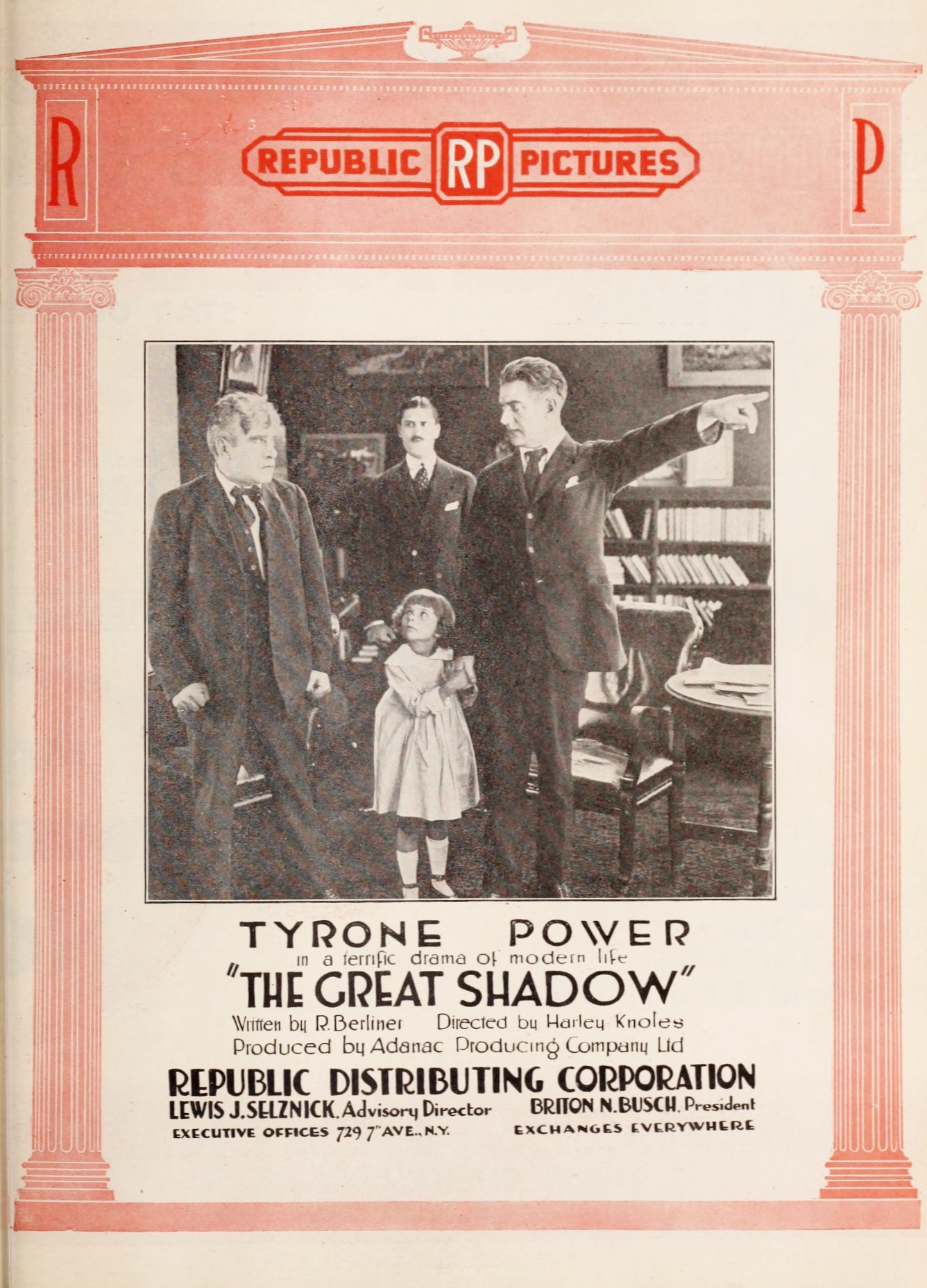
Dir: Harley Knoles
Jim McDonald, the foreman of a shipbuilding plant and head of the labor union, strives to combat the anarchistic propaganda being put forth by Klimoff, the leader of a Bolshevik gang whose goal is to disrupt the country with strikes and anarchy. Despite McDonald's efforts, a strike is called, resulting in chaos. McDonald's child is knocked down by runaway horses abandoned by their striking driver, and dies. Mob scenes take place in America, as well as in Russia. Eventually, the unrest is quelled with an armistice called between Capital and Labor for a year, during which time wages are to be increased to reflect the cost of living, and leaders are to work out a common plan for their mutual advantage. The strikers now realize that they have been pawns of the Bolsheviks and call off the strike, agreeing to the plan.
View Details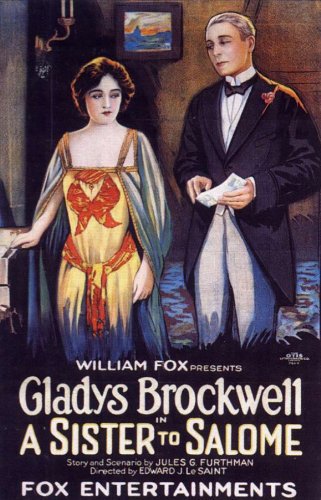
Dir: Edward LeSaint
When famous opera singer Elinore Duane undergoes an operation on her throat, she has a series of ether-induced visions. In one, she is transported to ancient Rome where she appears as a much-admired woman in love with Paul, a young heretic, and at odds with Lutor, the high priest. To save her love, she poisons Lutor with her ring. After several other visions which involve variations on this love triangle, Elinore awakens to discover that Lutor is actually her doctor, Sascha Jaccard, and that Paul is the son of a friend who has come to visit the recovering prima donna.
View Details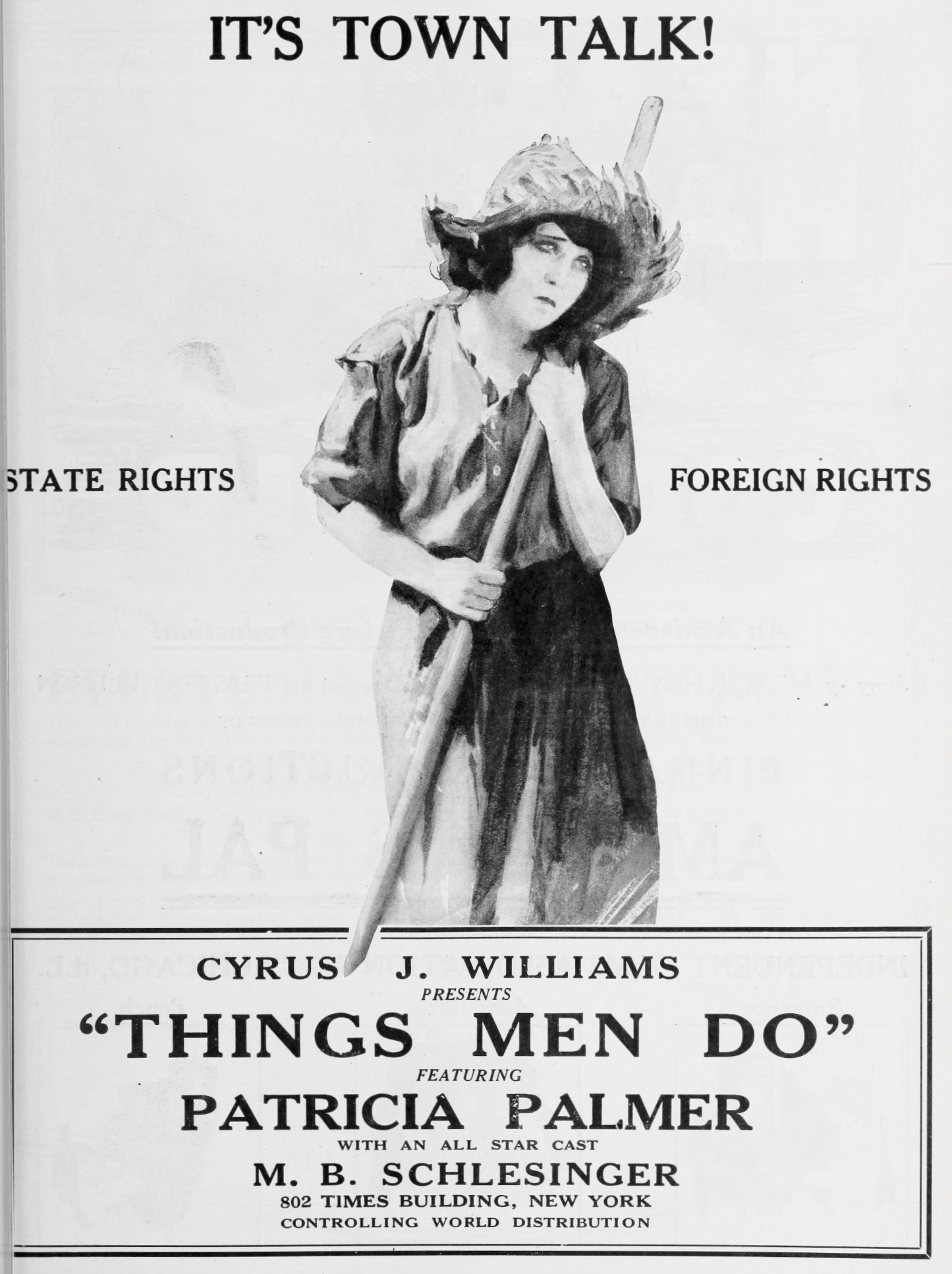
Dir: Robert N. Bradbury
A simple country girl, brutally mistreated by her stepfather, awakens first the sympathy, then the love, of The Boy. The Spider, who lusts after The Girl, makes a bargain with the stepfather and takes her to the city where, kept prisoner, she is soon broken in health and spirit. Cast out and near death, she is taken in by The Boy. Following the demise of The Spider, The Boy takes her to church, where he prays, and after many hours she is restored to health.
View Details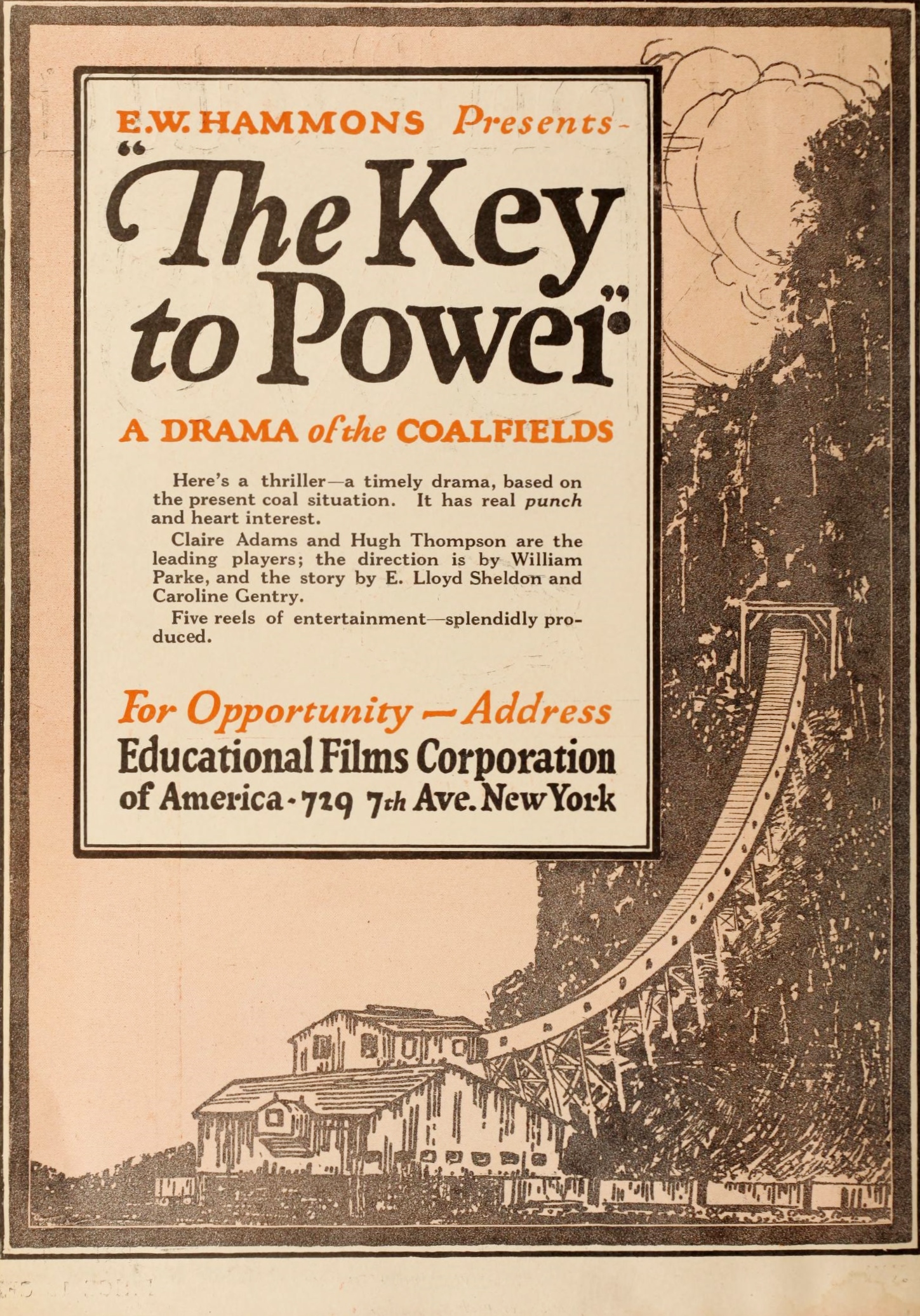
Dir: William Parke
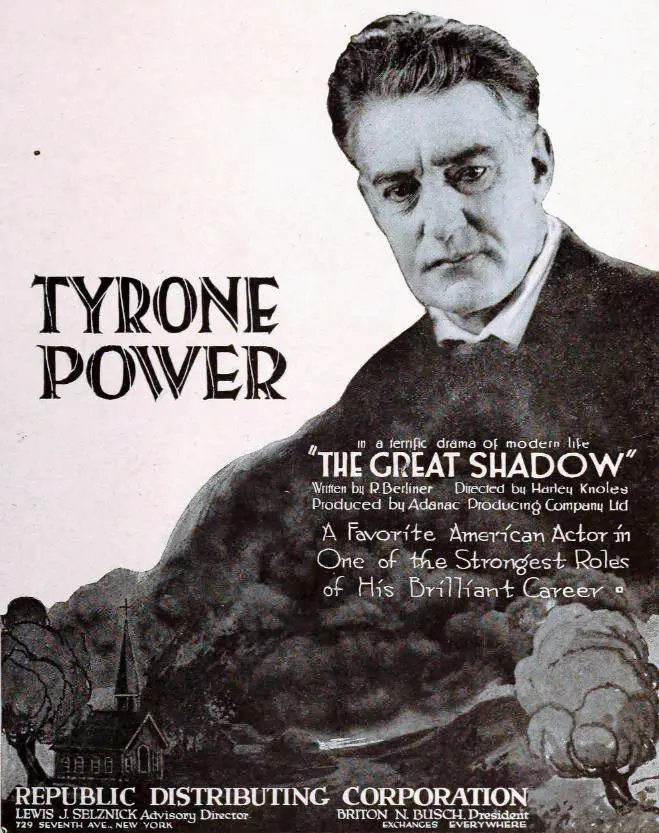
Bruce Wendell, the son of West Virginia coal mine owner James Wendell, graduates from West Point and prepares to lead a fighting unit to the front during World War I. As his father lies dying, however, he convinces Bruce to remain at home and guard the mine. Bruce's fiancée Ann Blair assumes that he is a coward and breaks off their engagement, but her brother Bobbie remains Bruce's loyal friend. Meyer, a German agent, persuades railroad president Parrish to refuse to transport Wendell's coal, but when Bruce adamantly refuses to close the mine, the spy's men decide to blow it up. While Ann is being abducted by Meyer, Bobbie is buried in an explosion at the mine. Bruce rescues Bobbie and then sends a plea to Lieutenant Parrish to rescue Ann. Meyer and his gang are captured and Ann renews her vow of love to Bruce.
View Details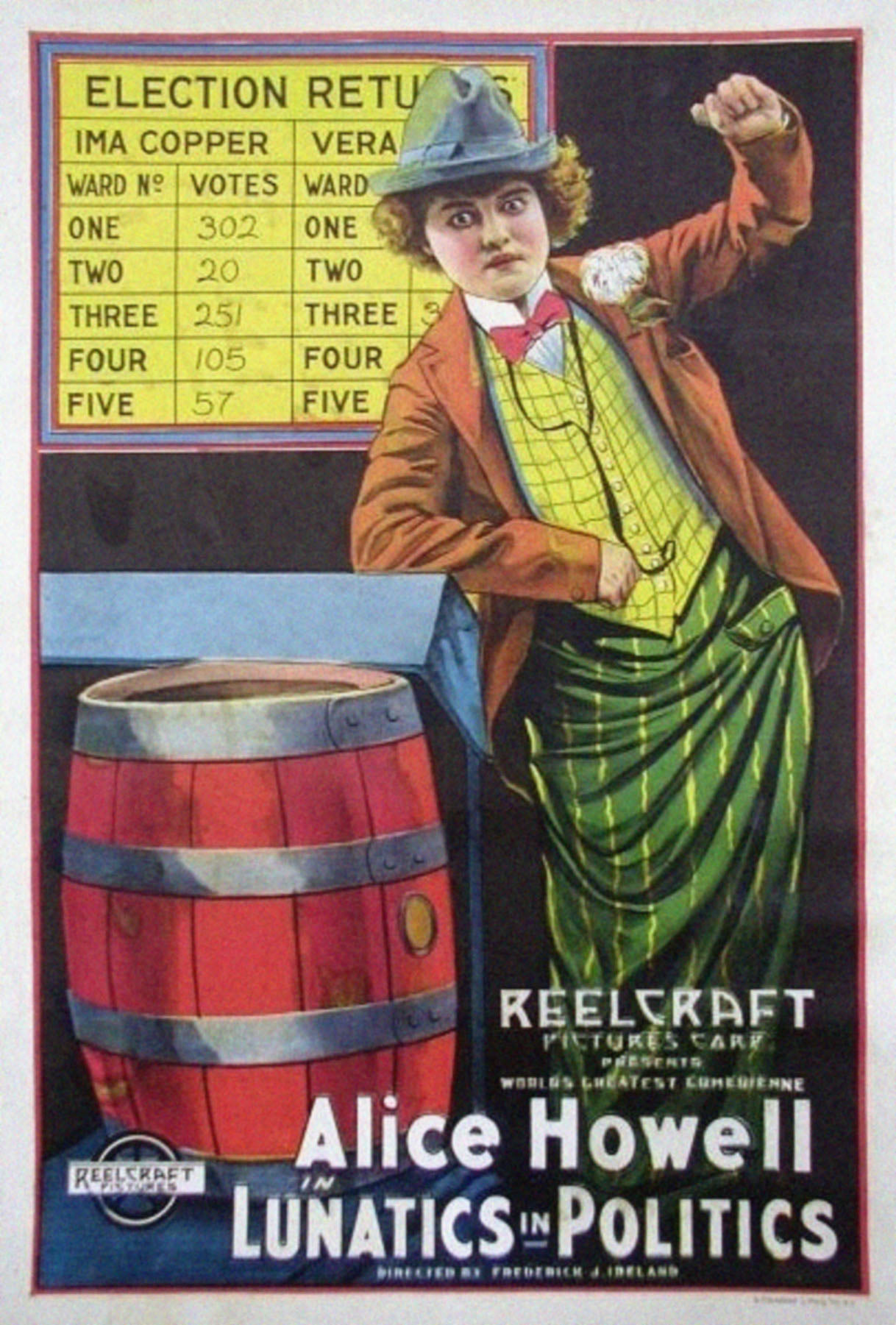
Dir: Richard Smith
Two female candidates for Chief of Police live across the hall from each other, and their political rivalry follows them home, leading to plenty of hi-jinks.
View Details
Dir: Alexander Butler
In Alberta, Canada, a Cornish emigrant unmasks a rustler posing as the girl's "blind" father.
View DetailsAnalysis relative to The Vision
| Film Title | Atmosphere | Complexity | Similarity |
|---|---|---|---|
| The Hundredth Chance | Gritty | Dense | 87% Match |
| Blackmail | Surreal | High | 88% Match |
| The Jackeroo of Coolabong | Ethereal | High | 85% Match |
| Lord Loveland Discovers America | Ethereal | Linear | 89% Match |
| The Great Shadow | Gothic | High | 94% Match |
This guide was algorithmically generated using the cinematic metadata of Arthur Maude's archive. Last updated: 8/17/2026.
Back to The Vision Details →