
DbcultAccessing Vault...
Recommendations
Senior Film Conservator
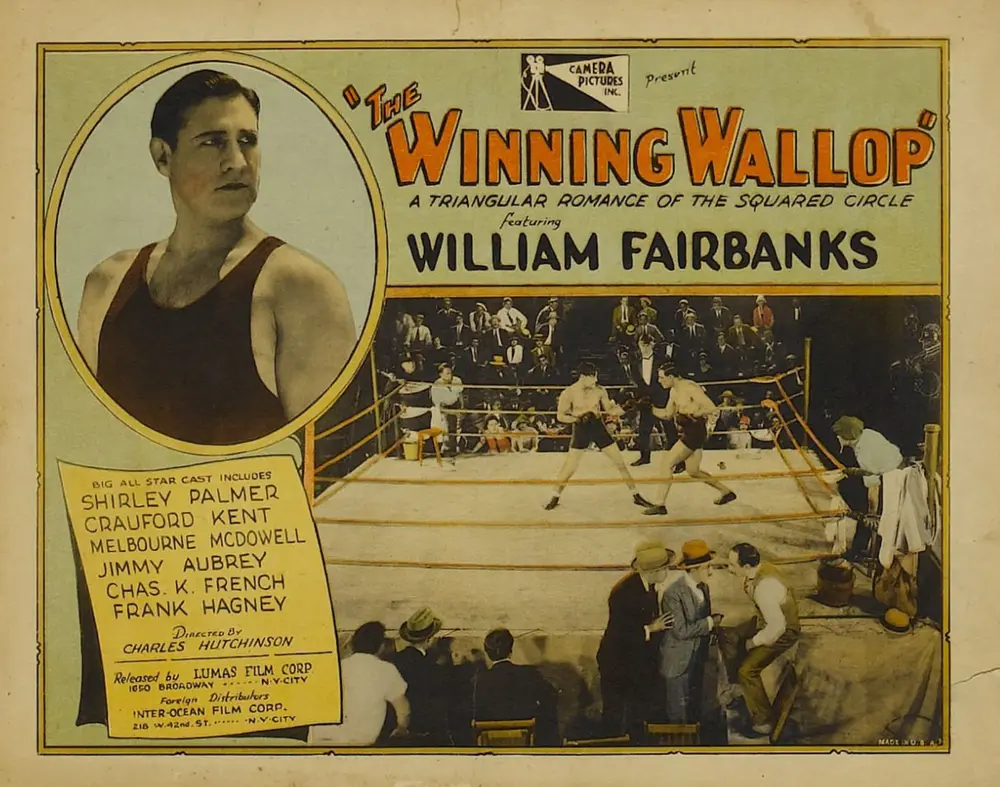
The evocative power of The Winning Wallop (1926) continues to haunt audiences with its character-driven intensity, the artistic provocations of The Winning Wallop demand a follow-up of equal intensity. Explore the following titles to broaden your appreciation for Drama excellence.
The visceral impact of The Winning Wallop (1926) stems from to transcend the limitations of its 1926 budget and technology.
After Rex leaves his father to follow his dream of being a professional boxer, he becomes the trainer at a women's gym owned by his girlfriend.
The influence of Charles Hutchison in The Winning Wallop can be felt in the way modern Drama films handle character-driven intensity. From the specific lighting choices to the pacing, this 1926 release set a high bar for atmospheric immersion.
Based on the unique character-driven intensity of The Winning Wallop, our vault has identified these titles as the most compelling follow-up experiences for fans of Drama cinema:
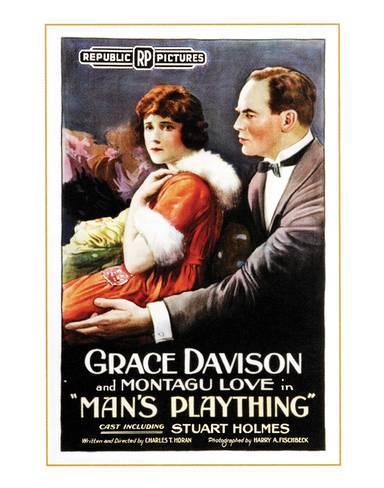
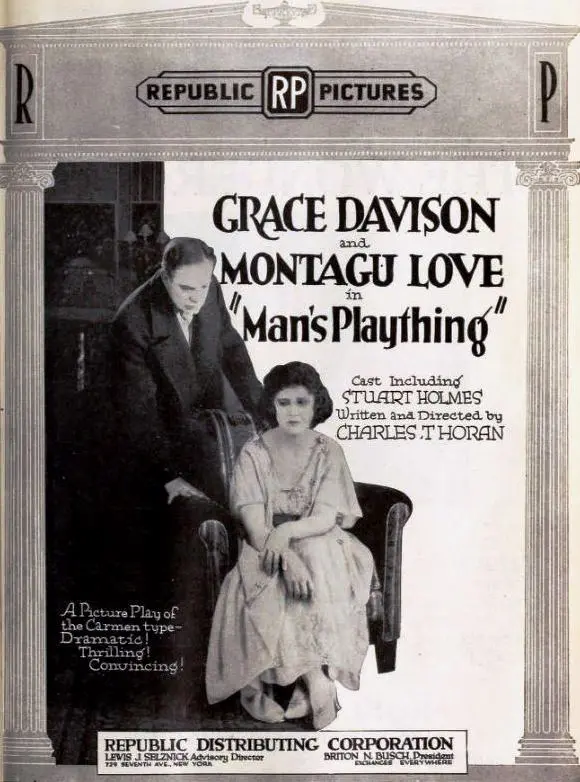
Dir: Charles Horan
While working as a flower girl in Devlin Maddox's nightclub, Nellie Vaughan meets wealthy young Pelton Van Teel and falls in love. Maddox, desirous of using Nellie to blackmail Van Teel, spreads a rumor that she is his mistress. This makes Nellie uncomfortable, and she demands that Van Teel marry her immediately, to which he agrees. Meanwhile, Van Teel has been losing money gambling to Maddox, who threatens to break up the marriage by producing a worthless check that the young husband has written. Venturing to Maddox's apartment for a showdown, Nellie pulls a gun and demands the check, accidentally shooting Maddox when he throws a lamp at her. Maddox plans to charge Nellie with assault, but when the police arrive, his butler, actually a detective employed by the elder Van Teel, exposes Maddox, who is then arrested, clearing the path for the couple's happiness.
View Details
Dir: Dallas M. Fitzgerald
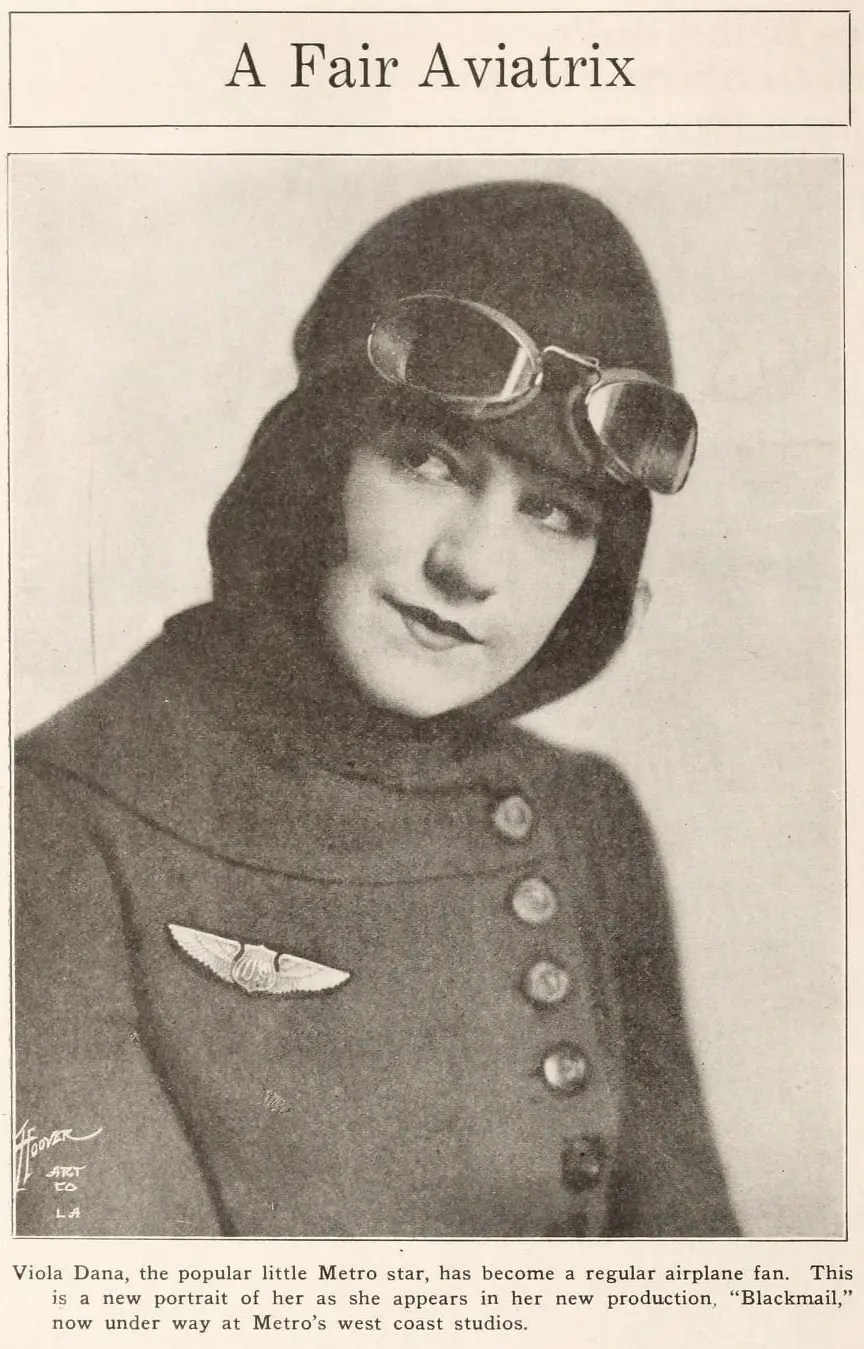
Confidence artist Flossie Golden attempts to fleece foolish but wealthy James Venable with a breach-of-promise suit. Venable's shrewd attorney, Richard Harding, outwits Flossie by proposing that she marry Venable and live on an allowance of $3,000 per year. Flossie is determined to get even with Harding for ruining her plans. In an attempt to con him, she poses as Innocence Page, but falls in love and marries him instead. Larry, Flossie's former accomplice, endeavors to blackmail her with her errant past, but Harding is already cognizant of the facts and Larry fails.
View Details
Dir: Eduardo Notari
A crime drama in the Gennariello-series. The police detective in Naples that is confronted with modern gangsters and crime events.
View Details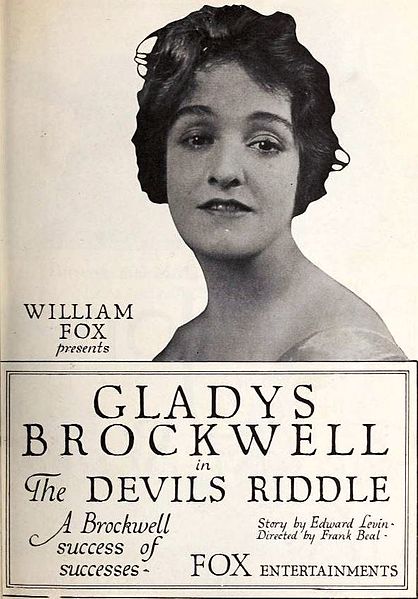
Dir: Frank Beal
During a raging Montana snowstorm, Doctor Jim Barnes collapses at Esther Anderson's cabin door. Esther offers Jim refuge, but when he discovers that their food supplies are running dangerously low, he braves the journey into town in order to replenish them. On the way, he is overcome with exhaustion and fails to return. Esther, unaware of Jim's condition and abused by her stepfather, joins a theatrical troop and leaves home. Time passes and Jim finally finds Esther, but a vindictive member of her troupe accuses her of having an affair with the manager and Jim believes the accusation. He leaves and Esther goes to New York City where she becomes engaged to a jealous artist, although she still loves Jim. Sam Tuttle, a long time friend, is aware of Esther's continuing love, and so brings Jim to New York City in time to save Esther from an unhappy marriage.
View Details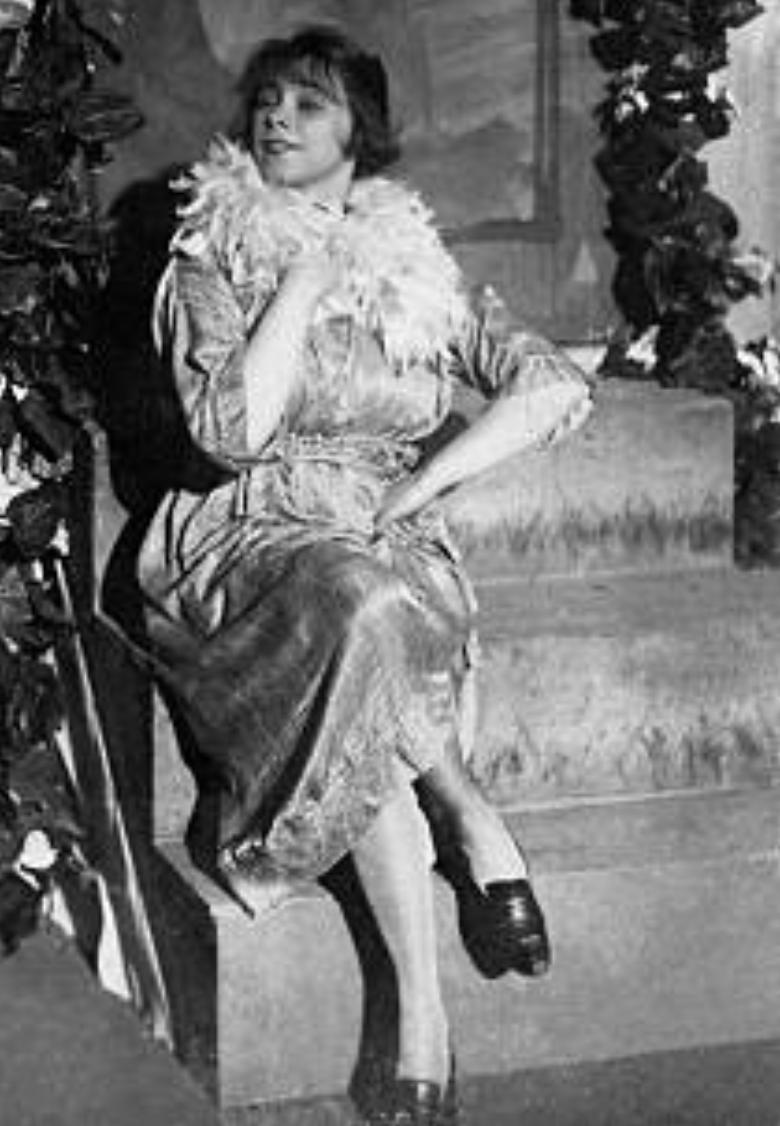
Dir: Bruno Ziener
A fascinating piece of cinema that shares thematic elements.
View Details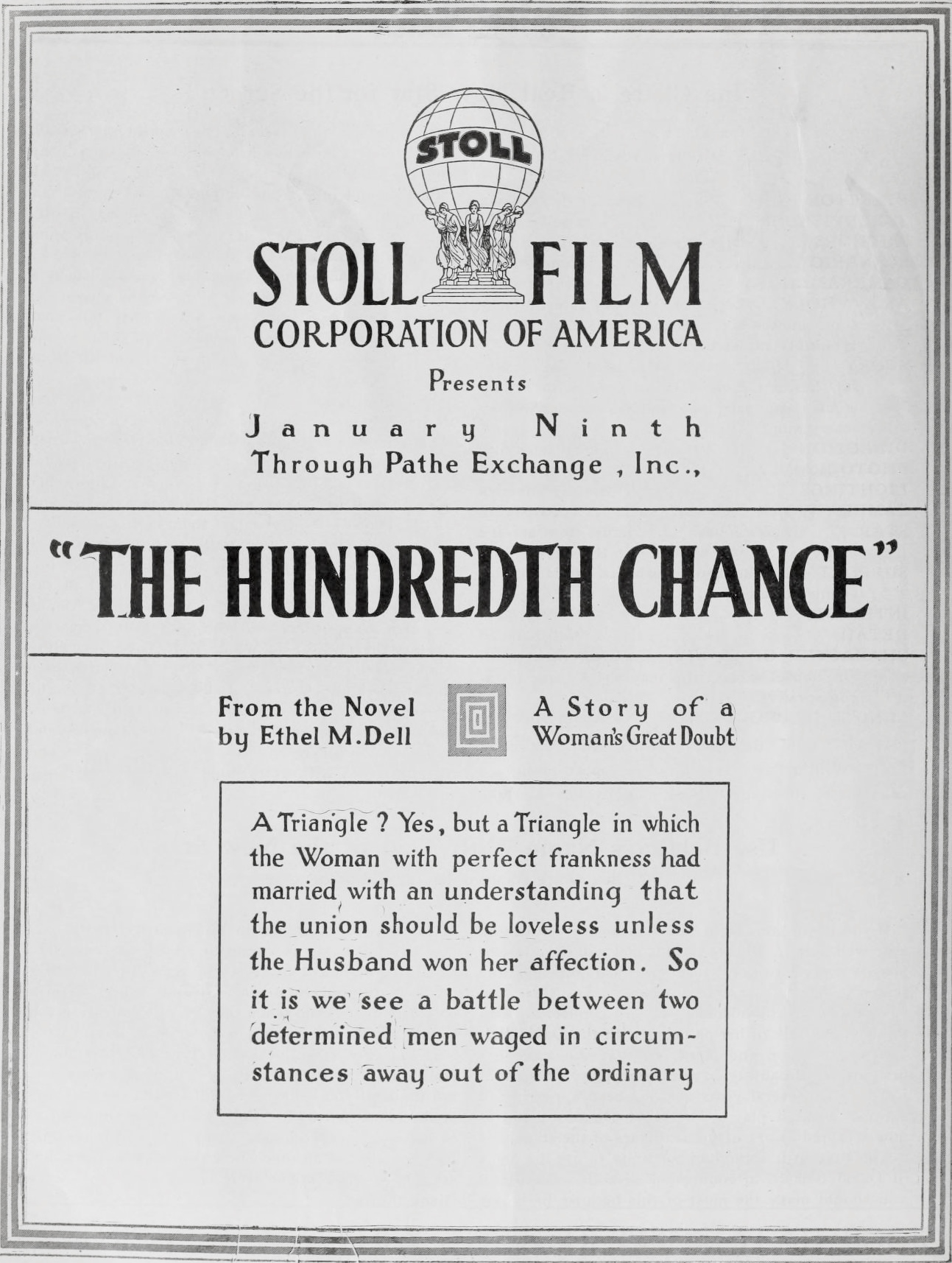
Dir: Maurice Elvey

A lady marries a horse trainer but withholds herself until her crippled brother is cured.
View Details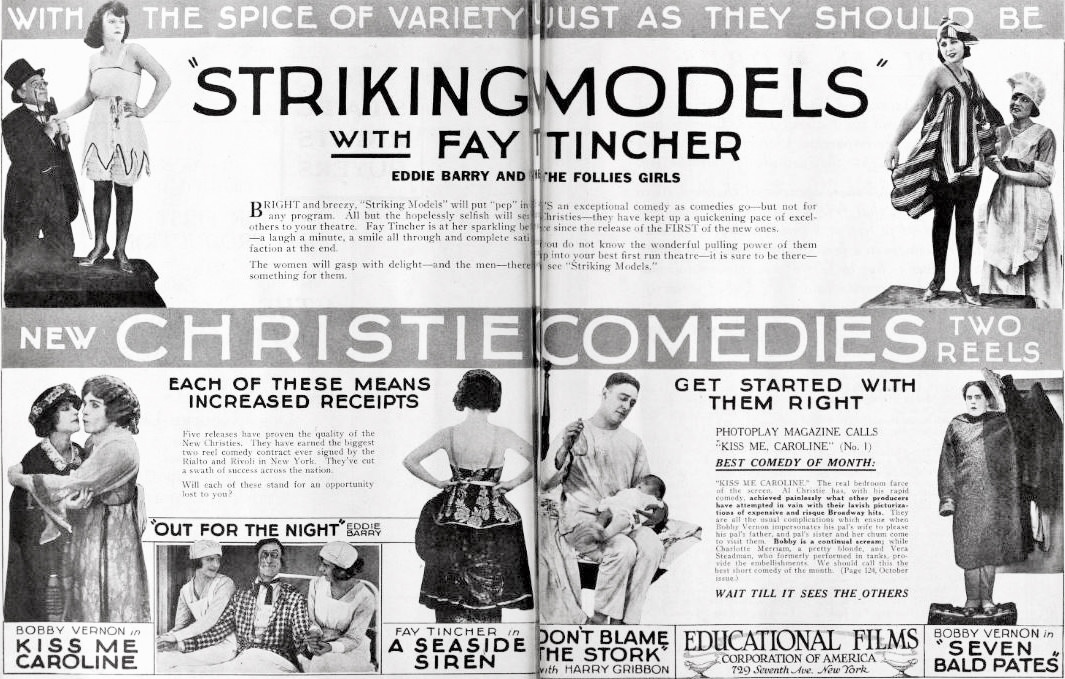
Dir: Reggie Morris
A fascinating piece of cinema that shares thematic elements.
View Details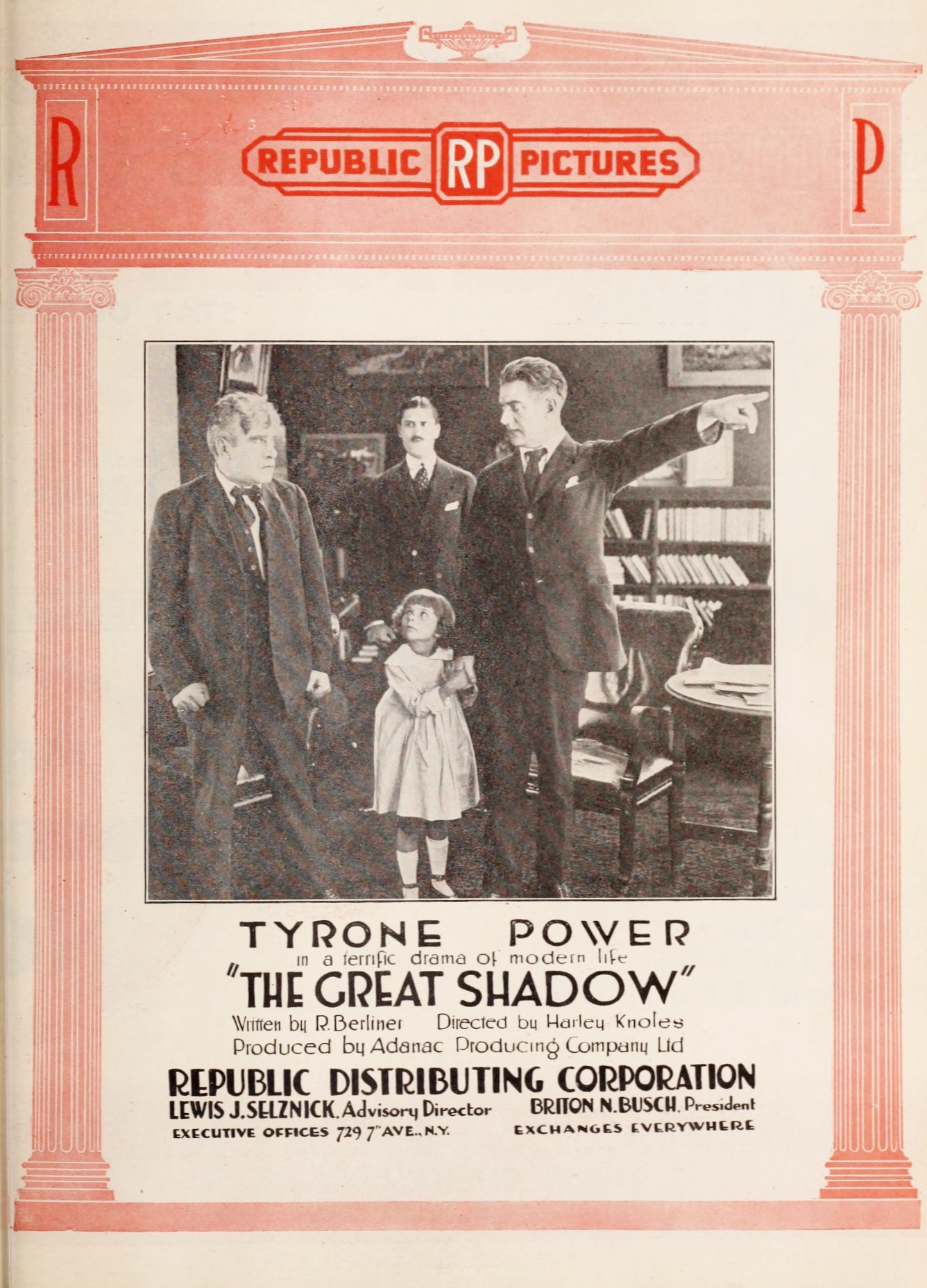
Dir: Harley Knoles
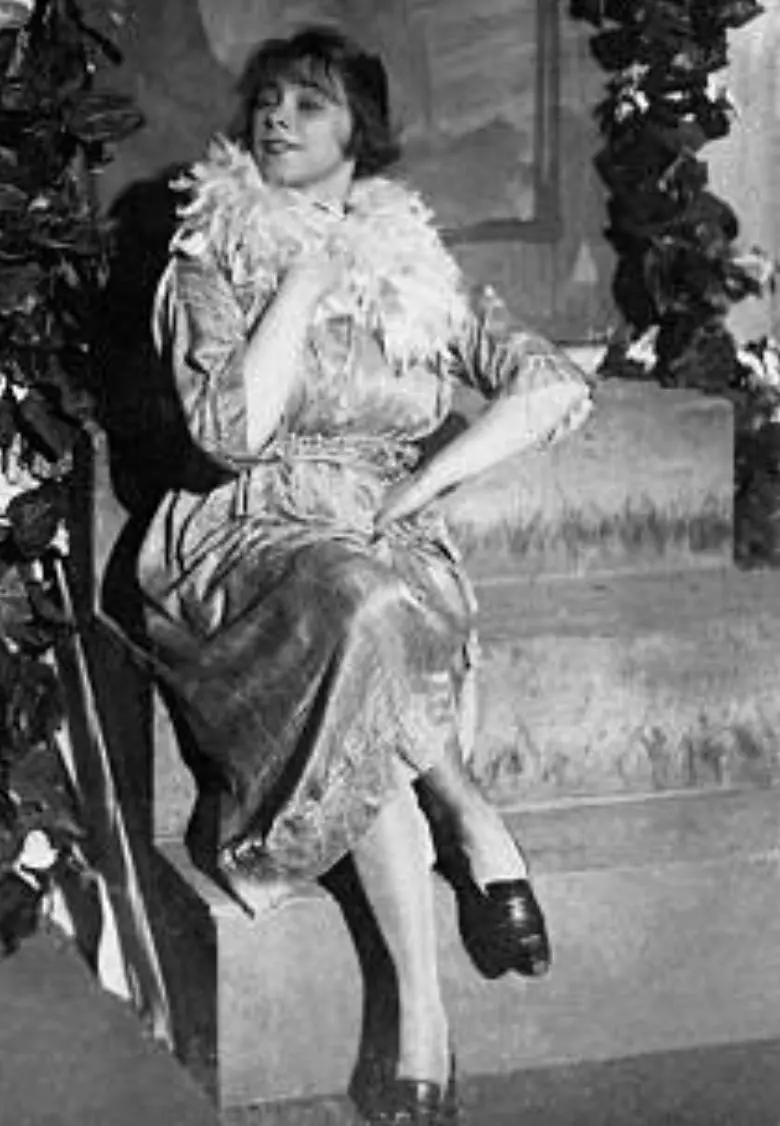
Jim McDonald, the foreman of a shipbuilding plant and head of the labor union, strives to combat the anarchistic propaganda being put forth by Klimoff, the leader of a Bolshevik gang whose goal is to disrupt the country with strikes and anarchy. Despite McDonald's efforts, a strike is called, resulting in chaos. McDonald's child is knocked down by runaway horses abandoned by their striking driver, and dies. Mob scenes take place in America, as well as in Russia. Eventually, the unrest is quelled with an armistice called between Capital and Labor for a year, during which time wages are to be increased to reflect the cost of living, and leaders are to work out a common plan for their mutual advantage. The strikers now realize that they have been pawns of the Bolsheviks and call off the strike, agreeing to the plan.
View Details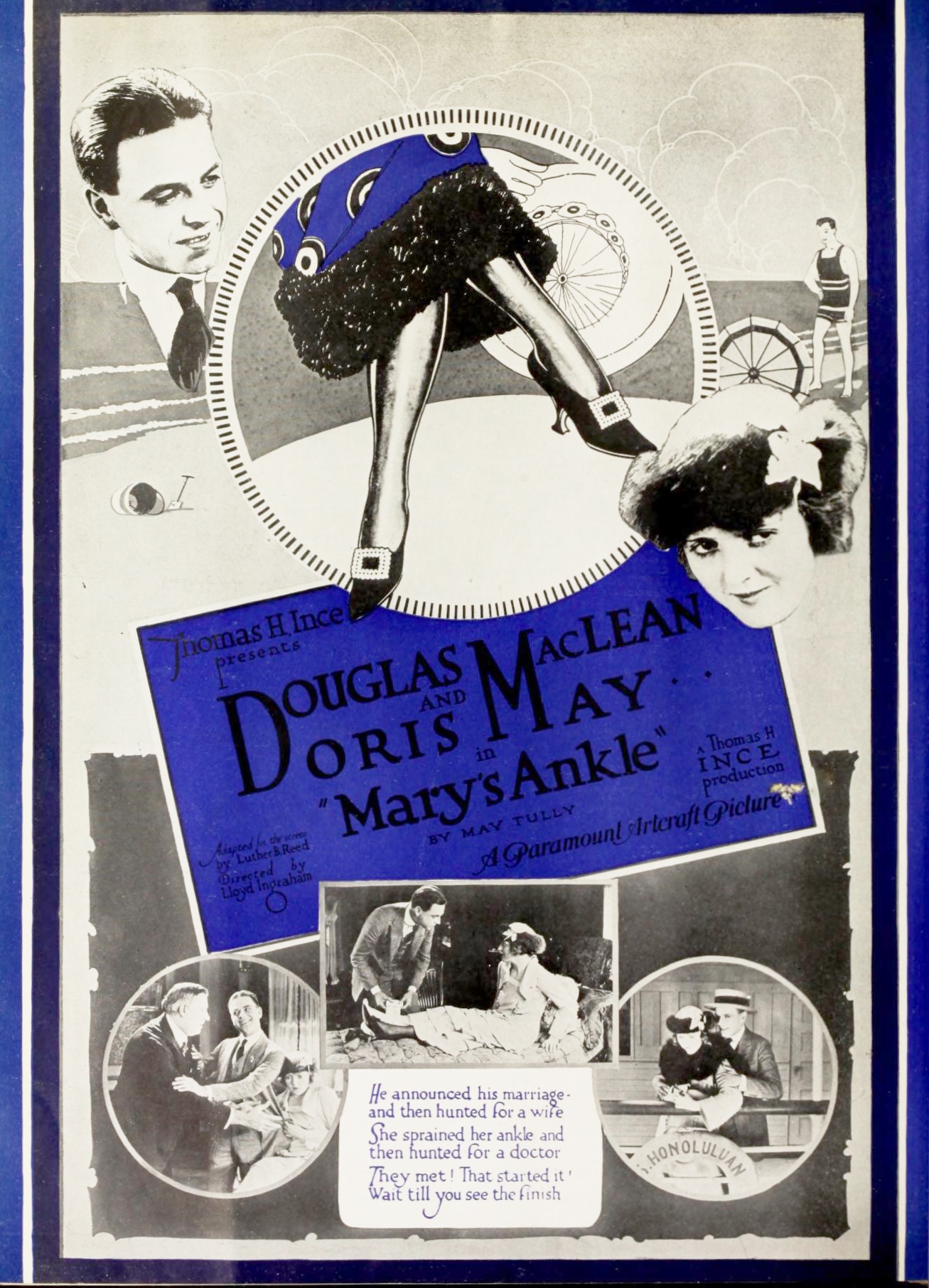
Dir: Lloyd Ingraham
While walking along the street one day, Arthur P. Hampton, an impoverished young doctor, and his chums, Stub Masters and Johnny Stokes, are persuaded to part with their last remaining funds by tag day solicitor Mary Jane Smith, with whom the doctor promptly falls in love. Doc's friends then hit upon a get-rich-quick scheme. Knowing that his Uncle George has promised a large sum of money upon his nephew's marriage, they persuade Doc to send out fake wedding invitations naming Mary Jane as the blushing bride. Uncle George, elated at the good news, writes to Mary Jane's aunt, Angelica Burns, an old sweetheart, to invite Mary Jane and Angelica to be his guests on an ocean voyage. Meanwhile, Mary Jane pays a visit to the doctor's office and, upon seeing the wedding invitations, becomes so flustered that she trips and sprains her ankle. Doc comes to her rescue and then begs her to pose as his wife. She agrees, but at ship-side, Stub and Johnnie confess all to Uncle George, who flies into a rage until Doc announces that he and Mary Jane have chosen a wedding at sea.
View Details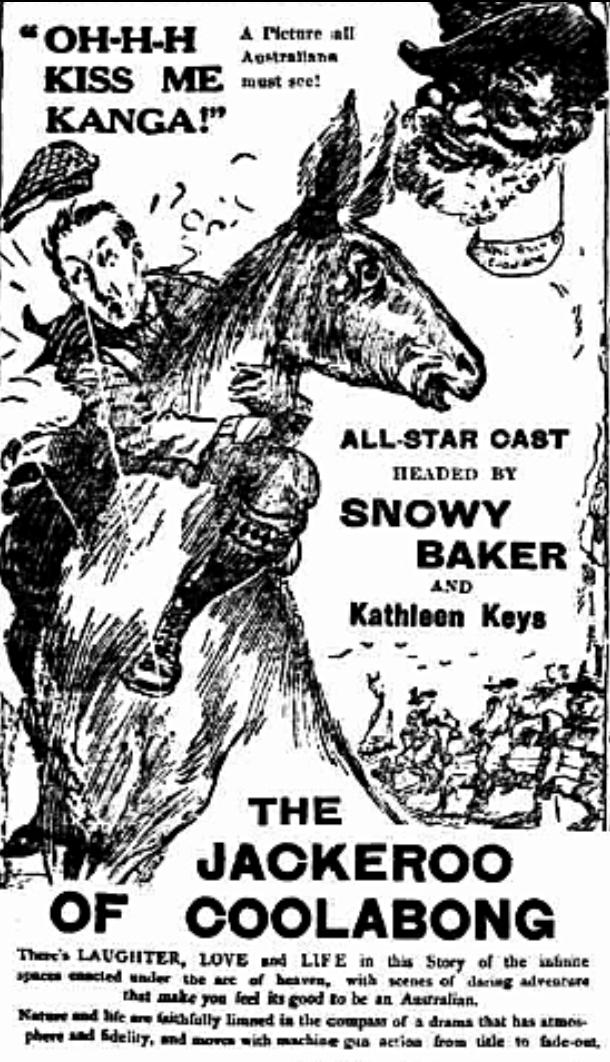
Dir: Wilfred Lucas
Brian O'Farrell (Snowy Baker), is an English 'new chum' who takes a job at an Australian cattle station. He is teased by station hands because of his appearance (including spats and a monocle) but he soon impresses them with his skills at riding and boxing. The station manager, John MacDonald (Wilfred Lucas), takes O'Farrell to Sydney to meet his daughter Edith (Kathleen Key) who is working in the slums. Edith is kidnapped by criminals after witnessing a crime but O'Farrell rescues her. It is later revealed he is the owner of the station.
View DetailsAnalysis relative to The Winning Wallop
| Film Title | Atmosphere | Complexity | Similarity |
|---|---|---|---|
| Man's Plaything | Surreal | High | 98% Match |
| Blackmail | Surreal | High | 88% Match |
| 'A mala nova | Surreal | Layered | 92% Match |
| The Devil's Riddle | Ethereal | Dense | 86% Match |
| Eva, wo bist du? | Gothic | Dense | 86% Match |
This guide was algorithmically generated using the cinematic metadata of Charles Hutchison's archive. Last updated: 6/24/2026.
Back to The Winning Wallop Details →