
DbcultAccessing Vault...
Recommendations
Senior Film Conservator
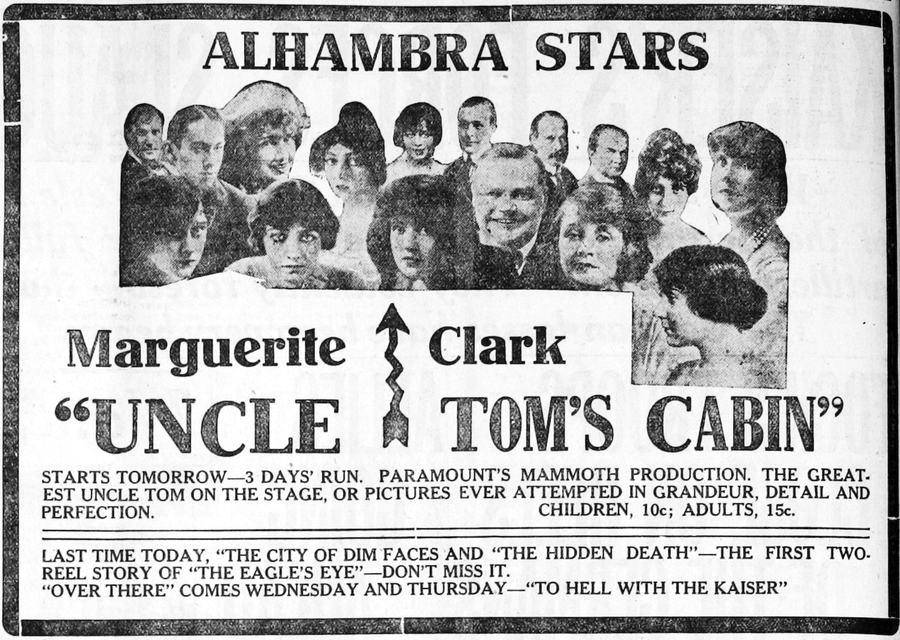
For cinephiles who admire the artistic bravery within Uncle Tom's Cabin, the specific artistic bravery of this work is a gateway to a broader cult world. We've prioritized films that capture the 1918 aesthetic with similar precision.
At its core, Uncle Tom's Cabin is a study in to create a dialogue between the viewer and the artistic bravery.
When Kentucky plantation owner George Shelby is forced to sell several of his slaves, one of them, Eliza Harris, escapes across the icy Ohio River with her child. Kindly old Uncle Tom, however, is sold to a Southern slave trader and begins his voyage down the Mississippi River. During the trip, he rescues little Eva St. Clair from the river, and out of gratitude, the girl's father buys him. At the St. Clair home in New Orleans, Uncle Tom, Little Eva, and a mischievous little slave named Topsy become such close friends that Eva extracts a promise from her father to free the slave. The delicate Eva becomes ill and dies, and because her father is killed soon afterwards, St. Clair's promise goes unfulfilled, and Uncle Tom is sold to the brutal Simon Legree. Continually beaten, Uncle Tom finally dies just as George Shelby, Jr. arrives offering to repurchase the slave and take him home. Before his death, Uncle Tom sees a vision of Eva beckoning him to join her in heaven.
Based on the unique artistic bravery of Uncle Tom's Cabin, our vault has identified these titles as the most compelling follow-up experiences for fans of cult cinema:
Dir: J. Searle Dawley
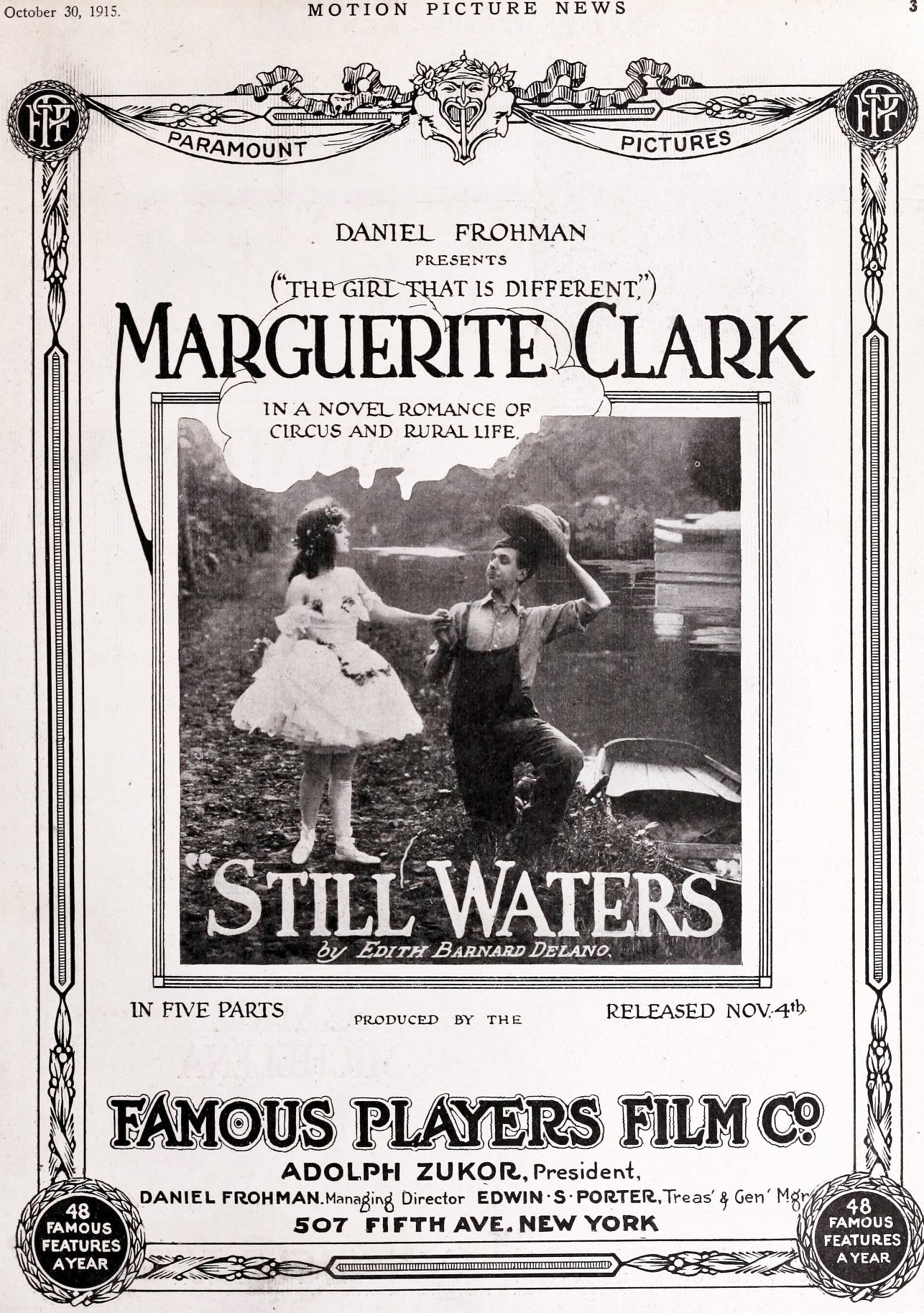
A canal boat captain disowns his daughter when she marries a circus performer. Years later he is reunited with the granddaughter he never knew.
View Details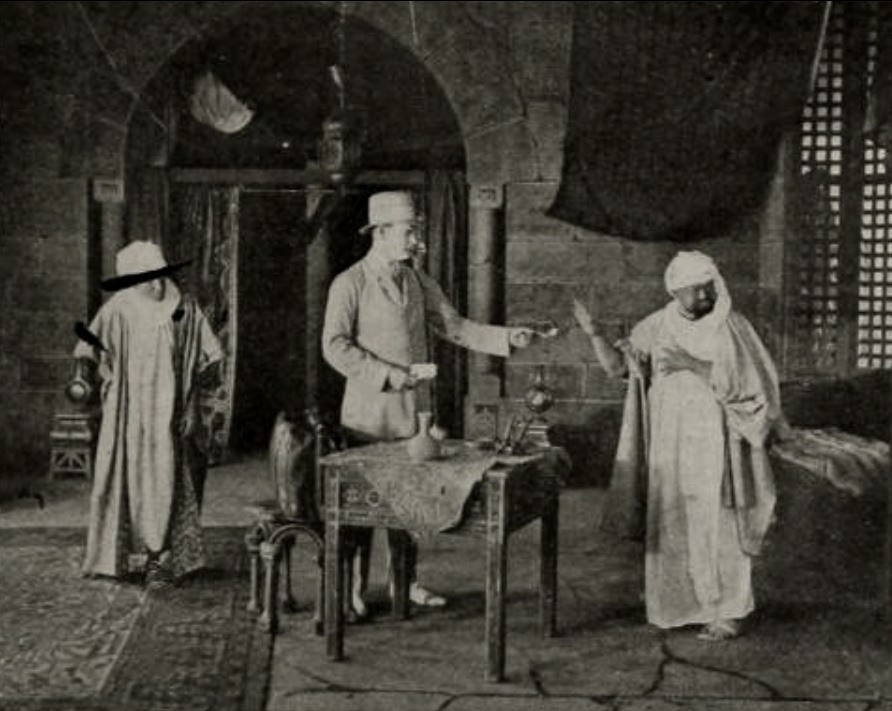
Dir: J. Searle Dawley
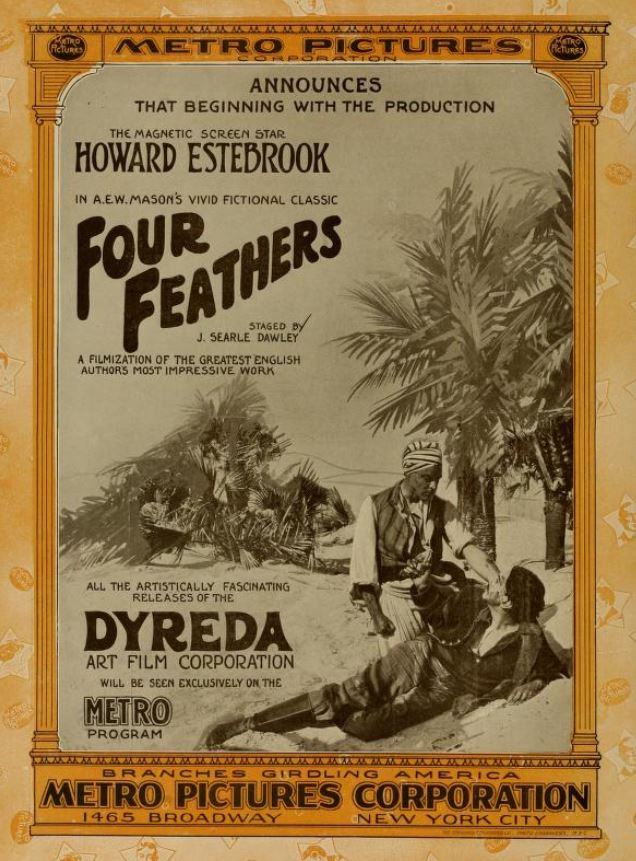
The story opens at General Feversham's residence at the annual dinner that he gives to the ones who are left of the Crimea officers. At this dinner, Harry Feversham, the General's only son, a boy of fourteen, is a guest. After the dinner is finished they tell stories of what happened in the Crimea, and Harry listens intently. The story is carried ahead about ten years when Harry is a captain in the army, showing him with his friend, Captain Durrance. They are both in love with the same girl, Ethne Eustace, and Harry and the girl after a time become engaged. Harry gives a dinner to his brother officers, Captain French, Lt. Willoughby and Captain Castleton, to announce his engagement. During the dinner Harry receives a telegram saying the regiment is ordered on regular service. Harry does not show his fellow officers the telegram as he should have done. They see him throw it into the fire. After they have gone, Harry determines to give up his commission, fearing that when put to the test he will be a coward. To preclude such a possibility he sends in his resignation. His fellow officers have, in the meantime, found out that they are ordered on active service, and next day they see that Harry Feversham has resigned his commission. They decide to send him three white feathers. While a ball is going on at Ethne's home a small package comes addressed to Captain Harry Feversham. He opens it in front of the girl and she asks him what he has done and he tells her. When she brands him as a coward, and striking a white feather from her fan, gives it to him. After this Harry Feversham's father will have nothing to do with him, and he consults his mother's old friend, Lieutenant Sutch, and announces to him that he is going to try and retrieve himself. He sails for Egypt in the hope of being able to do something and make the senders take back their feathers. After a long wandering at last he gets his chance and after many trials and tortures by the Arabs and a thrilling rescue he makes his fellow officers take back their feathers. In the meantime Durrance has been with his regiment in the Sudan and has been struck blind by the glare of the sun. Ethne, taking pity on him, has become engaged to him. Harry returns home to find that Ethne is engaged to another man. One day Durrance overhears them talking and decides for the sake of both of them to give up the girl, thus making Ethne and Harry both happy, and go back to the desert he loved so well.
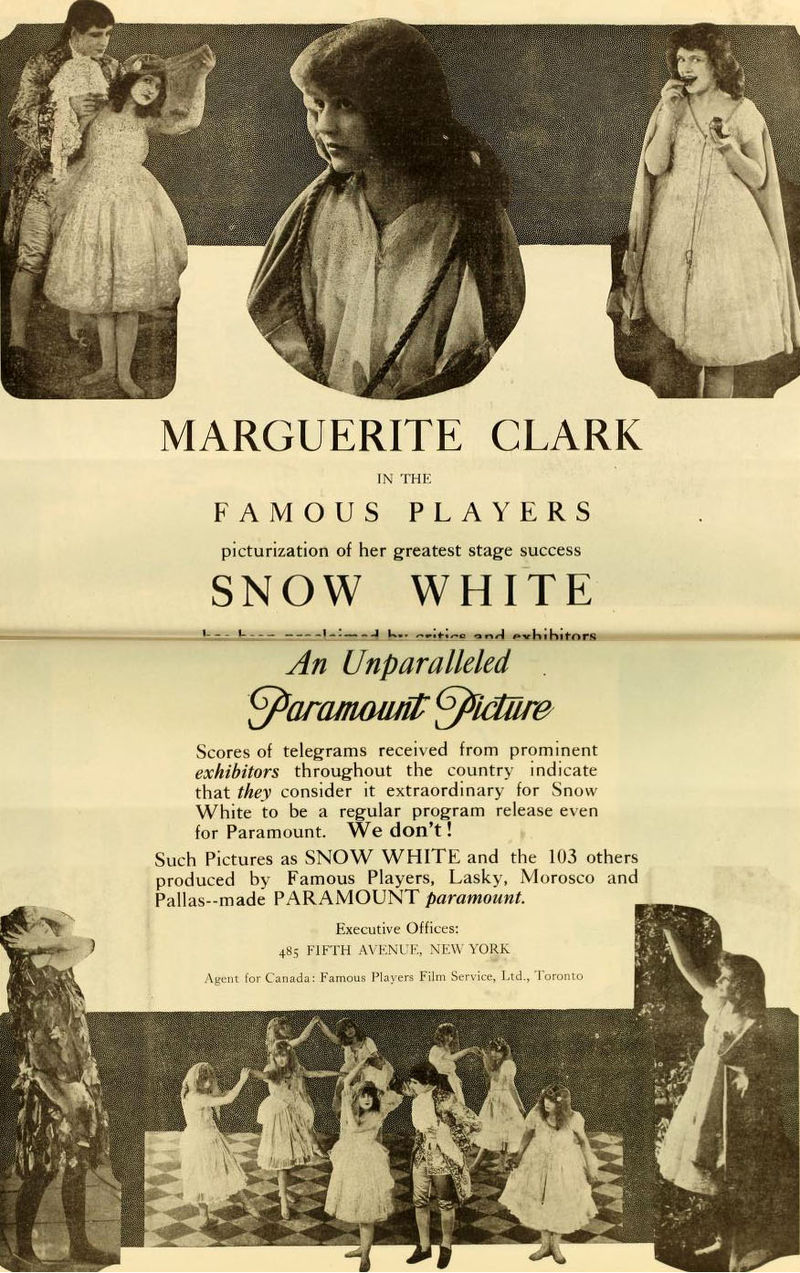
Dir: J. Searle Dawley
Snow White, a beautiful girl, is despised by a wicked queen who tries to destroy her. With the aid of dwarves in the woods, Snow White overcomes the queen.
View Details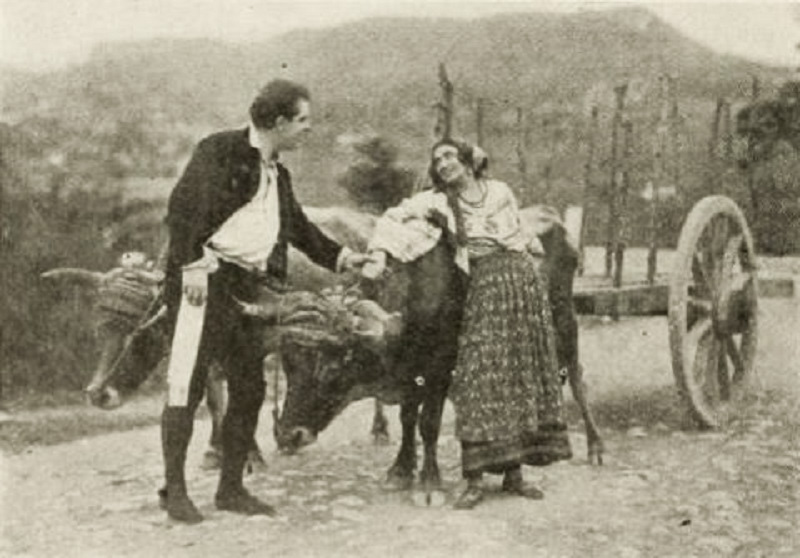
Dir: J. Searle Dawley
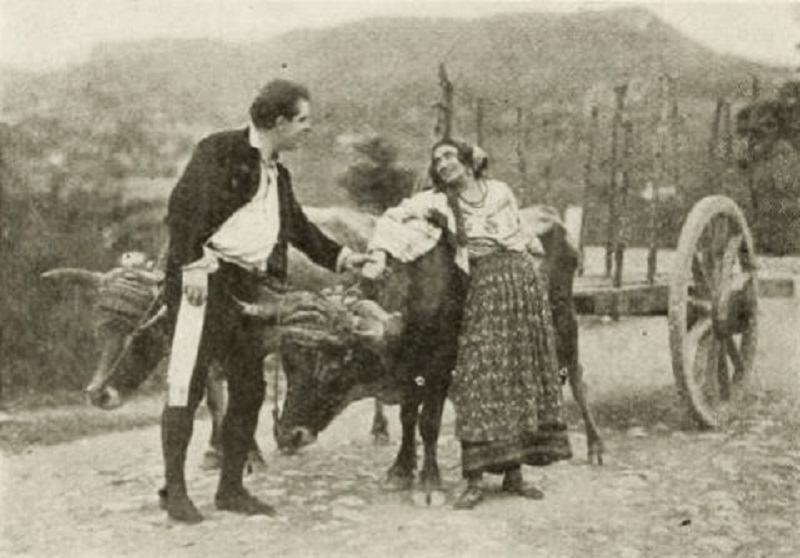
Marta is a beggar child, who is adopted by Sebastien, the wealthy landowner. Sebastien makes Marta his victim. He wishes to marry a wealthy woman, but at the same time retain his influence over Marta. He therefore arranges through Tomas, the hermit, to marry her to Manelich, a simple, untutored shepherd living in the mountains, a rough child of nature who kills wolves with his bare hands and knows naught of guile and deceit. The wedding is performed, Manelich being under the impression that Marta loves him, and being truly in love with her. Later he learns he has been tricked, while Marta, who had at first believed that Manelich had been bought with the master's gold to become her husband, finds her conclusion wrong, the honesty of his love compelling her own. Then come developments which make the drama one of the most passionate, intense, trenchant character studies ever created. Marta is a patient sufferer, a tragic figure indeed, as she bravely endures all the cruelty and indignities that are thrust upon her by the ruthless "master." We witness the poignancy of her grief, the restraint and the anguish of the oppressed woman, and her movements among the treacherous characters of her environment.
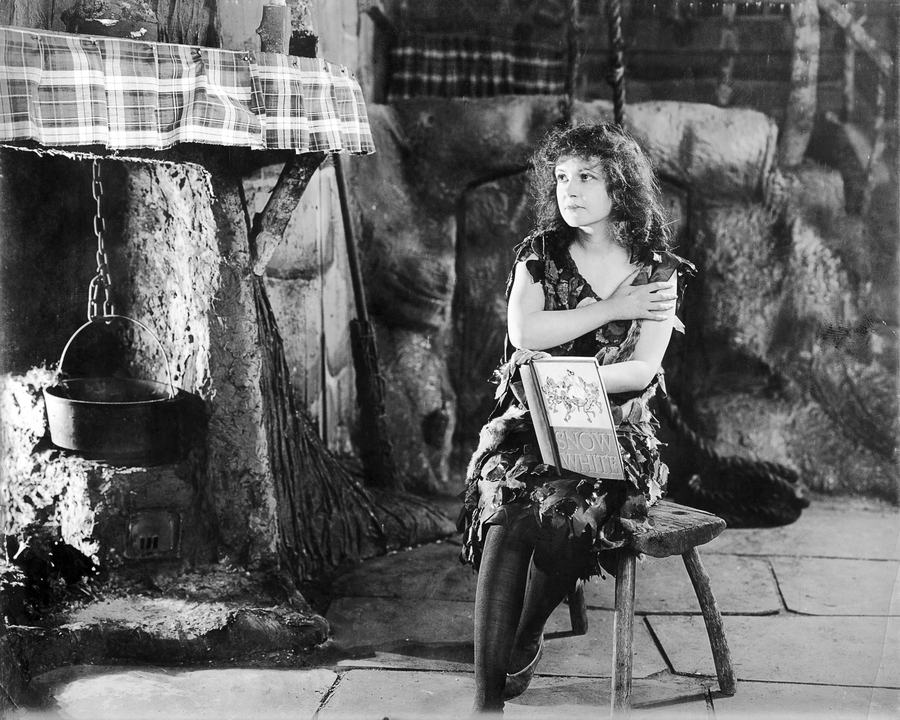
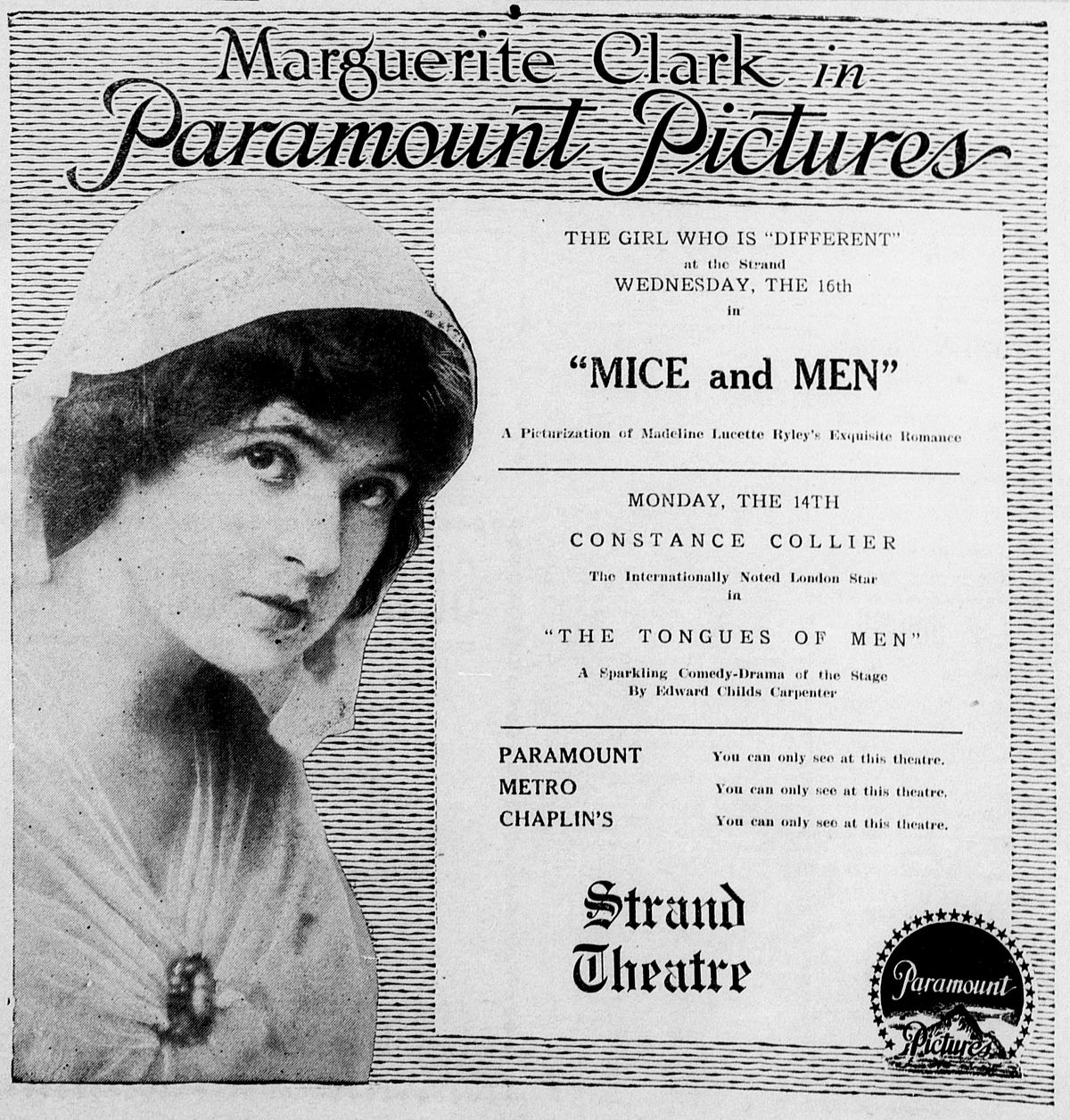
Dir: J. Searle Dawley
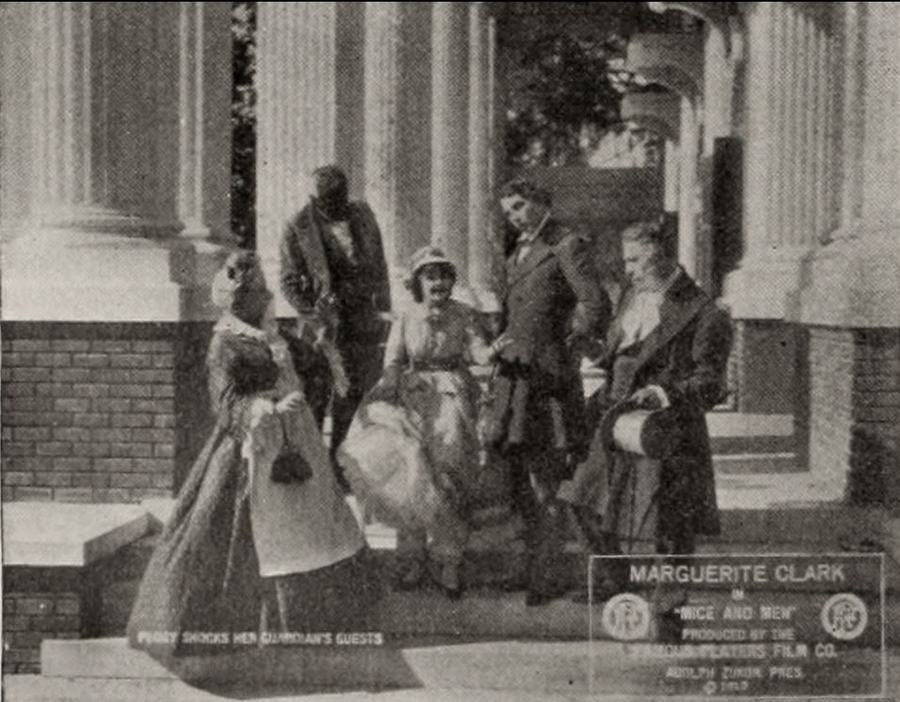
Mark Embury sets out to create the perfect wife by adopting Peggy. His work is a success until the girl falls in love with another man. Ultimately, he must give her up and become satisfied with knowing, he did create the perfect wife, albeit for someone else.
View Details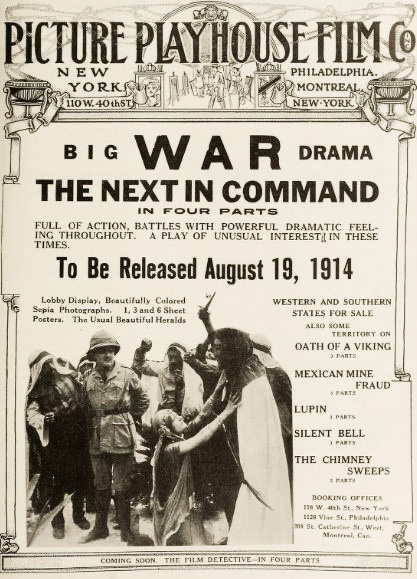
Dir: J. Searle Dawley
A fascinating piece of cinema that shares thematic elements.
Dir: J. Searle Dawley
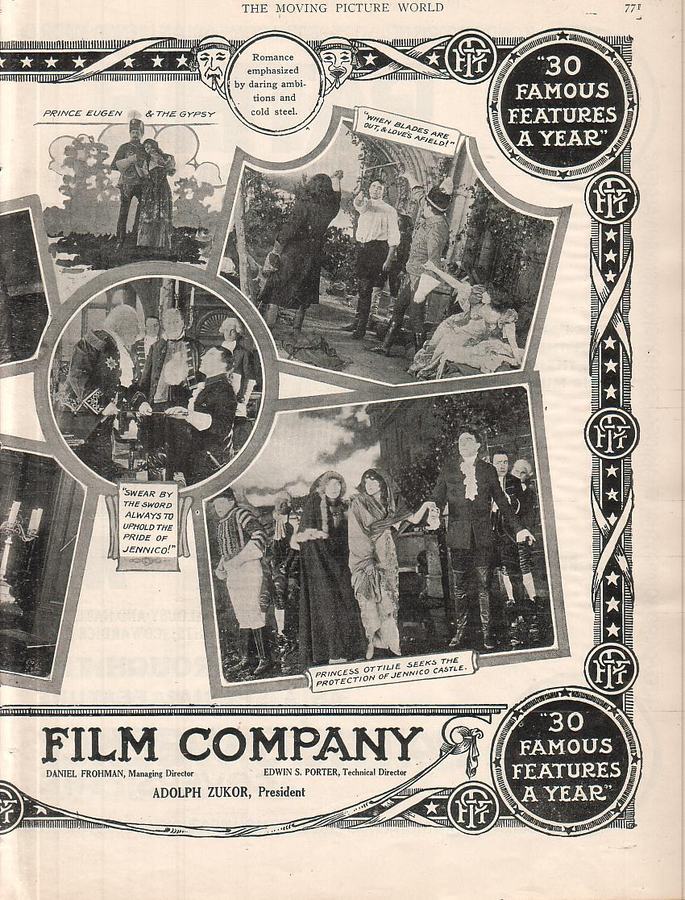
In the days of romance when fortune and glory were carved by the sword, Basil Jennico, the descendant of a proud and haughty house, walking among the old ancestral chambers, dreams of his gallant forebears and their daring deeds performed for the smile of a lady fair. Inspired by his lofty heritage and the atmosphere of nobility and bravery in which he has been reared, Basil longs for love and adventure. At this romantic period of Basil's life, his aged uncle, the lineal head of his house, dies, and makes Basil swear by the sword that he will always uphold the pride of Jennico. Basil becomes Lord of Tollendhall and master of the broad acres of the Duchy of Lausitz, but titles, estates and splendor do not compensate for the absence of love. Princess Ottilie, a beautiful, whimsical maiden, is urged by her guardian, the Earl of Dornheim, to marry Prince Eugen, a worthless rogue, whom Ottilie fears and loathes. To avoid marrying Eugen, the Princess affects her escape from the castle in the guise of her maid, Marie, who follows after her mistress. The two are overtaken by a storm and seek the shelter of Jennico Castle. Marie is introduced to Jennico as the Princess, but Jennico falls madly in love with Ottilie, whom he believes to be the maid. Love and pride struggle for supremacy. Jennico is heart-broken, because his sworn duty to maintain the dignity of his house prohibits his marriage to the maid. The willful, fascinating maid intimates to Jennico that the Princess admires him, and, repressing love for duty, he courts the "princess." The marriage is arranged. Princess Ottilie and her maid confer and arrange to change places at the altar. Jennico greets his bride, heavily veiled, but when at last he looks upon her face he sees the piquant, mocking Ottilie and thinks he has married the maid. Love bids him accept his happiness, but his pride asserts itself and he resents the supposed deception. Ottilie, noticing his anger and piqued because he is not content with her, regardless of her apparent low rank, leaves him. Desperate for the love of the absent and tantalizing beauty, he seeks the supposed maid, encounters the bitter enmity and jealousy of the defeated Prince Eugen and his trusted force; but, despite all opposition and against all odds, he wins his way to Ottilie's heart at his sword's point, to find that valor has not only won him a heart of gold, but a title that adds luster to the pride of Jennico.
View Details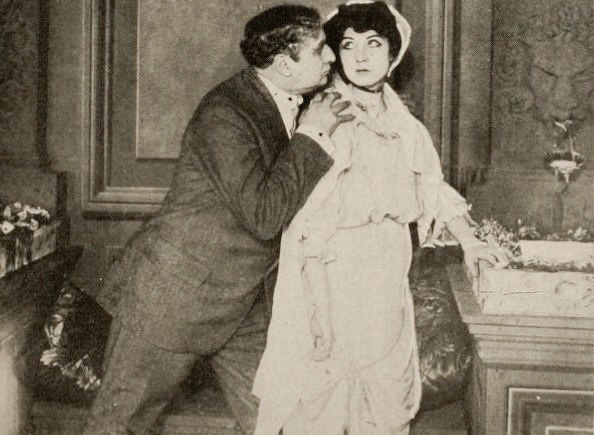
Dir: J. Searle Dawley
Arthur Stillman, the senior member of the firm of Stillman and Thornton, cotton goods manufacturers of Rockton, Mass., has closed his mills under the pretense that he cannot obtain cotton to operate, but really because he has conceived the plan of secretly buying cotton and storing it for the rise in price that he knows will come. The town of Rockton is entirely dependent upon the mills for its existence and the closing of the mills causes great suffering and even starvation. Dell Hamilton, daughter of an old mill dyer and a favorite with her people by reason of her sweet character and true sympathy with them, is probably the one in Rockton who suffers most. Her lover, Sam Lloyd, in despair at his inability to provide for his mother and sick sister, receives a note from a friend suggesting that if he can get to Springdale, a town nine miles distant, that he may get a job as fireman in a certain mill. On his way home, he accidentally comes upon a large warehouse which he learns is filled with cotton bales, and upon careful inquiry he finds that the cotton is being stored there by Stillman and Thornton. In a flash the true state of affairs is recognized by him and spurred on by bitter anger he makes his way back to Rockton, where he meets some of his mates and makes known his discovery. The news spreads throughout the town and groups of mill hands gather here and there voicing their indignation. Bill Slinger, a great strapping big-hearted fellow and a favorite among them is selected as a leader to get them either justice or revenge. Dell, in horror, goes to Stillman's house to warn him of his danger. She pleads with Stillman to open the mills and give work to the people and tries to soften his heart with her stories of the condition of the people. Stillman, whose passion for the girl has been growing stronger day by day, finally tells her that he will open the mills upon one condition, that is that she marry him. Stillman hastily arranges an illegal marriage with Dell. The girl believes she is to become his lawful wife, but Stillman has no such intention. The ceremony is performed and they repair to Stillman's home in the country. Dell writes her father of her marriage to Stillman, but he intercepts the letter and substitutes one supposed to come from a certain friend saying that Dell will not be home that night because she is going to watch by the body of the dead boy, Bennie. In the meantime Stillman's love for the girl is growing genuine and she becomes the one thing in the world that he desires and his one fear is that she may learn the secret of the illegal life. Dell returns to the mill and is indignantly repulsed by her former friends. Her father in a bitter scene renounces her and in utter dejection she finds her way to the boiler room of the mill seeking Sam, from whom she at least expects sympathy. She meets with the same treatment at Sam's hands and in fact is informed by this that he has entirely forgotten her and is to be married to another. Dell has heard the conversation between Stillman and Sam and a revelation comes to her. She realizes the true condition. She knows that Stillman is the real love and slowly and sadly she walks to him as she asks him to take her back.
Dir: J. Searle Dawley
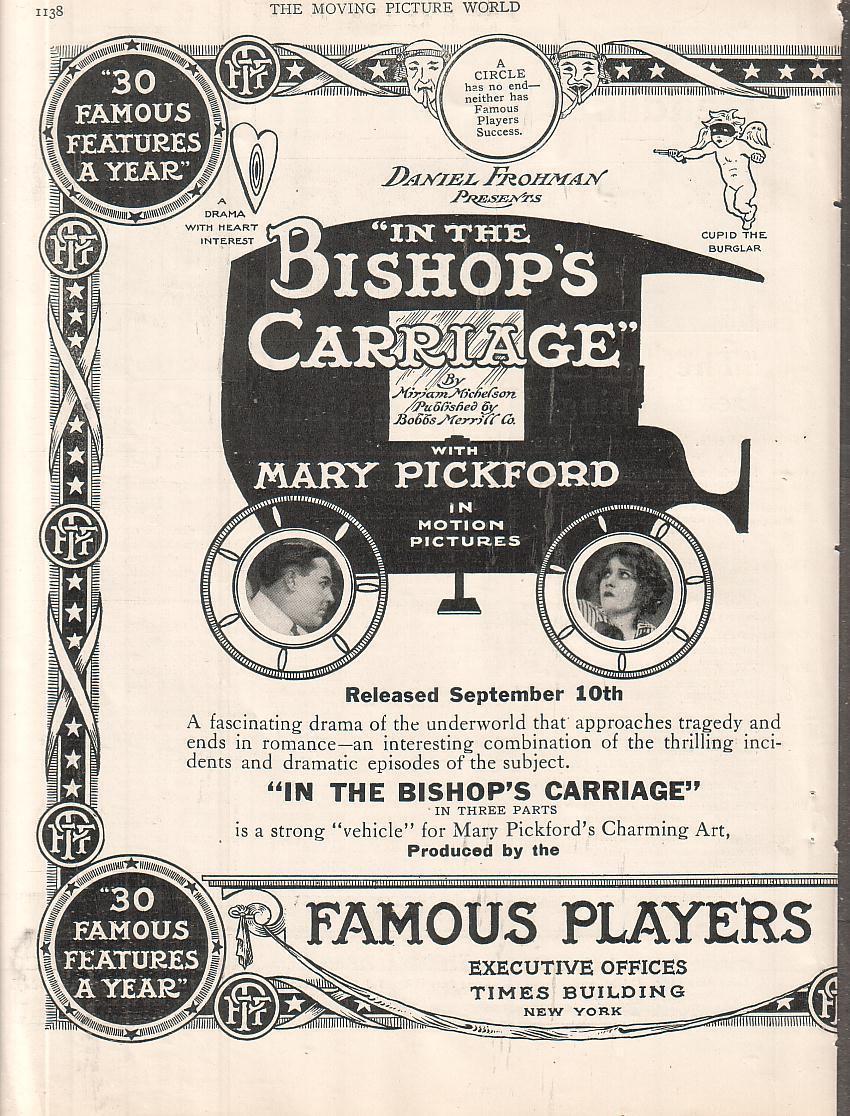
A successful stage actress with a hidden past as a criminal is kept on the path of righteousness by a benefactor.
View Details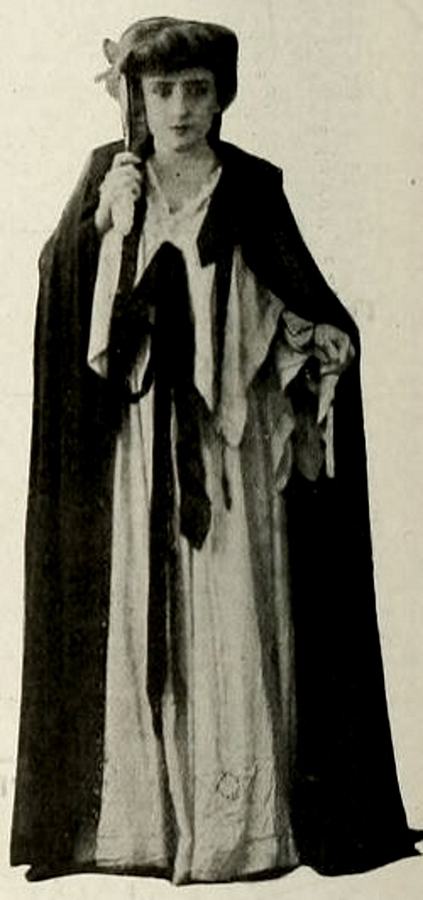
Dir: J. Searle Dawley
A peasant girl sent to make a claim on her family's ancestral home in England's Wessex is seduced and left with child by its current owner.
View DetailsAnalysis relative to Uncle Tom's Cabin
| Film Title | Atmosphere | Complexity | Similarity |
|---|---|---|---|
| Still Waters | Gritty | High | 87% Match |
| Four Feathers | Tense | Dense | 85% Match |
| Snow White | Tense | Abstract | 85% Match |
| Marta of the Lowlands | Gritty | Dense | 98% Match |
| Mice and Men | Surreal | Dense | 85% Match |
This guide was algorithmically generated using the cinematic metadata of J. Searle Dawley's archive. Last updated: 6/27/2026.
Back to Uncle Tom's Cabin Details →