
DbcultAccessing Vault...
Recommendations
Senior Film Conservator
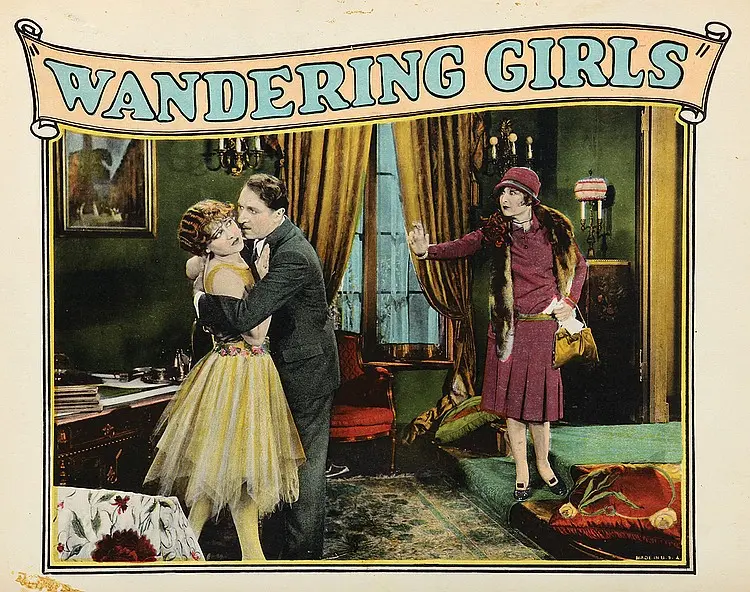
As a cultural touchstone of United States, Wandering Girls resonates with its character-driven intensity, audiences who connected with its message often look for similar thematic gravity. We've assembled a sequence of films that complement the tone of Wandering Girls perfectly.
For many, the first encounter with Wandering Girls is to establish Ralph Ince as a true visionary of the 1927s.
a small-town, jazz-mad girl, Peggy Marston (Dorothy Revier), becomes involved with a pair of society thieves, Maurice Dumond (Armand Kalis) and Maxine (Mildred Harris), and finds herself falsely accused of possession of stolen jewels.
Wandering Girls was a significant production in United States, showcasing the immense talent of Eugenie Besserer, Mildred Harris, Dorothy Revier. It continues to be a top recommendation for anyone studying Drama history.
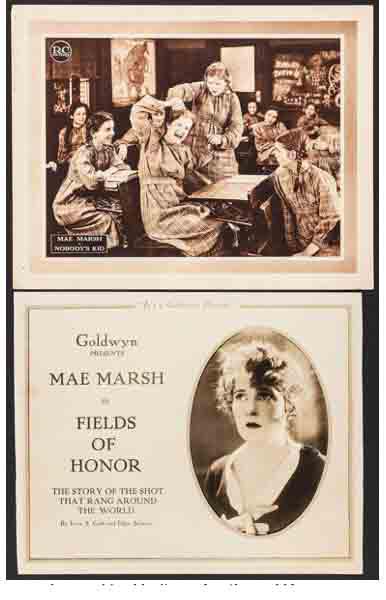
Based on the unique character-driven intensity of Wandering Girls, our vault has identified these titles as the most compelling follow-up experiences for fans of Drama cinema:
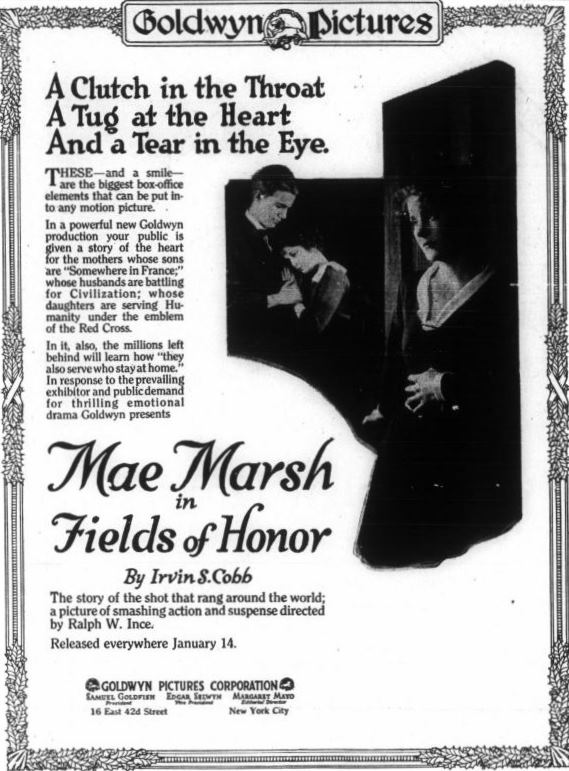
Dir: Ralph Ince
Marie Messereau, with her sister Helene and brother Paul, emigrates from France to America, the land of promise, accompanied by Helene's German fiancé, Hans Grossman. The four find employment, and all goes well until Paul and Hans are called back to Europe to fight in World War I. Robert Vorhis falls in love with Marie, but because a rejected suitor tells him that Marie's reputation is stained, he accompanies his parents to California to forget her. Helene contracts tuberculosis, and when Marie, in seeking the location of a hospital for consumptives, asks several men their address, she is arrested for street walking. Robert's father, Judge Vorhis, acquits her, but upon returning home, she discovers that Paul and Hans have been killed in battle and that her sister has committed suicide. Broken, Marie decides to return to France and is about to sail when Robert, who has been unable to forget her, rushes up the gangplank and takes her in his arms.
View Details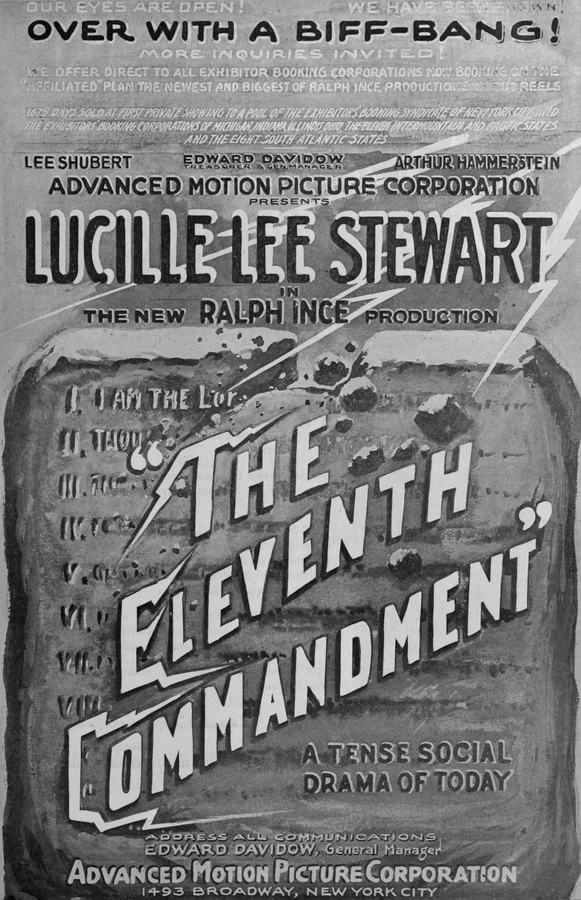
Dir: Ralph Ince
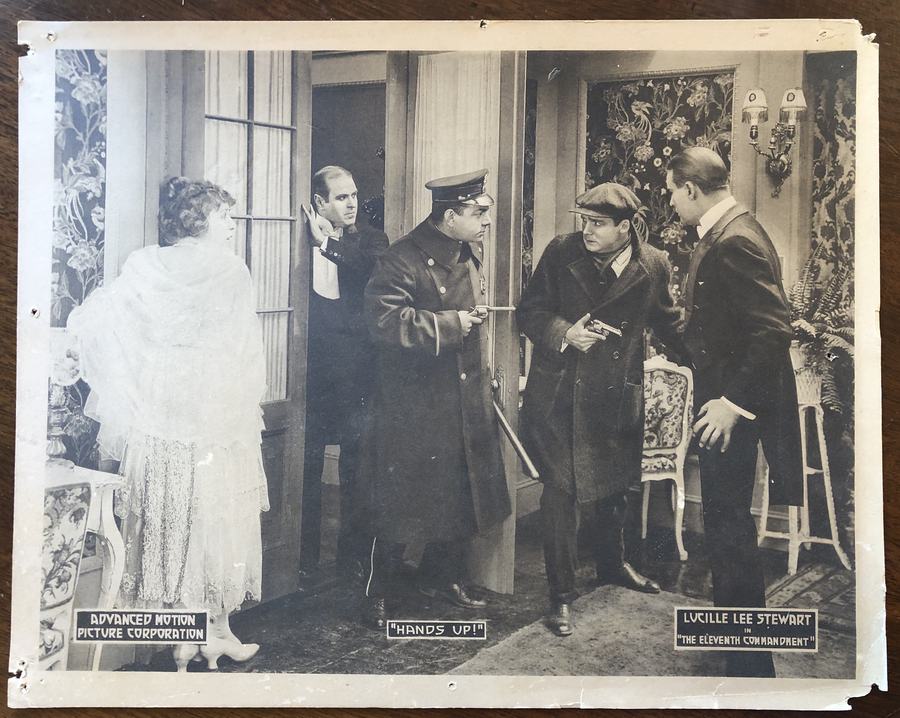
Dora Chester violates the Eleventh Commandment -- "Thou Shalt Marry None but the Man Thou Lovest" -- when she rejects her sweetheart, Robert Stanton, and becomes engaged to the wealthy Kenneth Royce. Royce is actually a stock gambler, and after he goes broke, he forces Dora to give him a sum of money that has been placed in her charge by her employer. Royce loses the money and runs away, but Dora refuses to implicate him in the crime and is sent to prison for a year. After her release, Dora meets and marries Robert, who knows nothing of the affair, but when Royce appears and threatens to blackmail her, she confesses everything. A policeman arrives and shoots Royce, who exonerates Dora just before his death.
View Details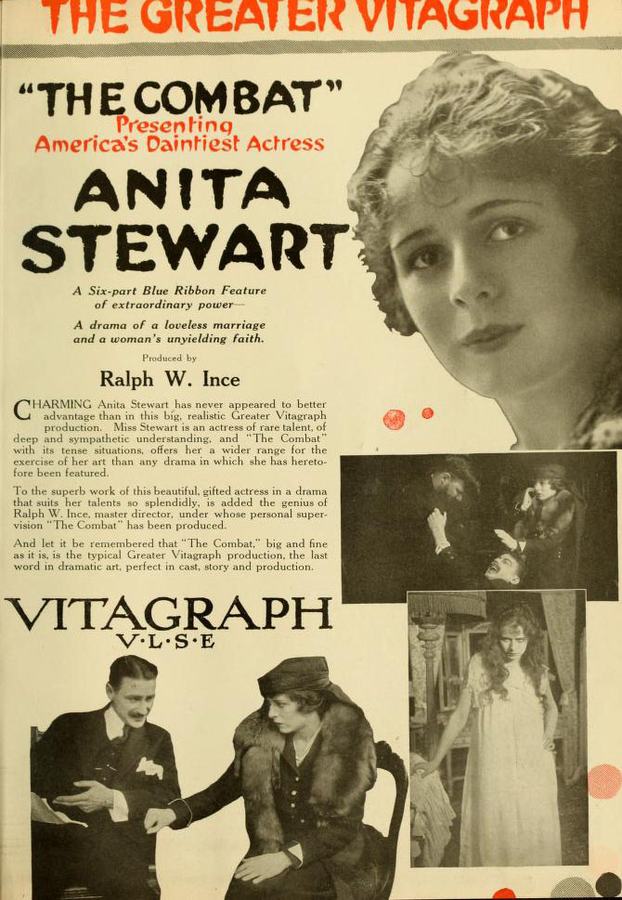
Dir: Ralph Ince
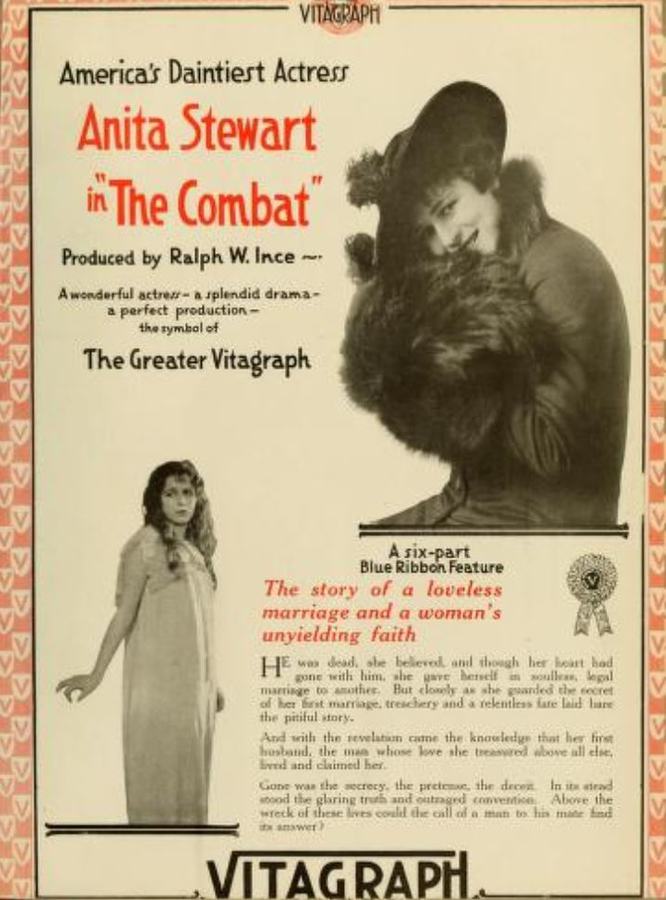
Mrs. Fleming, in secret financial distress, counts upon a brilliant match for her daughter as a way out of her difficulty. Muriel, however, in ignorance of her mother's plight, is attached to Grayson Burton, but when they tell Mrs. Fleming of their love she becomes infuriated and refuses her consent on account of his poverty. Nevertheless, Burton and Muriel secretly marry and he leaves to seek his fortune in the gold fields of the Northwest. He has two partners, Slade, a renegade lawyer from New York, and Rollins, an Englishman. The men strike it rich and Graydon writes Muriel that he is coming to claim her. Slade attempts to rob his partners during the night and is surprised by Rollins, whom Slade kills with Burton's gun. Slade escapes, but returns with police, who arrest Burton on Slade's charge. Seeing that everything is against him in court, Burton escapes and seeks refuge in the wilderness of the mountains, where he becomes a hunted outlaw. Meanwhile the train on which Graydon was supposed to leave is wrecked, and Graydon is reported to be among the dead. Muriel is grief-stricken and decides to keep her secret. Later Philip Lewis, a wealthy lawyer, becomes infatuated with her, and her mother practically coerces the girl into marrying him because of his wealth, finally telling her of their predicament. Soon after her marriage her mother dies. Graydon meanwhile grows desperate and eventually escapes. He starts for New York to claim his wife. Muriel's husband has been appointed district attorney. While Muriel is attending an opera her spying maid steals her secret marriage certificate and sells it to Slade, who has returned to New York and resumed his blackmailing law practice. He writes Muriel a threatening letter and asks her to come to his home to see him that evening. Graydon arrives in New York and sees Slade. He plans to go to his home the same evening and force him to confess to the crime of which he is believed guilty. As he stands outside the French window he is amazed to see his wife there and Slade threatening her. Stepping into the room suddenly, he surprises both, and Slade confesses his guilt. While Muriel talks to Graydon, telling him of her life, Slade seizes a gun. In a fight that follows Muriel kills Slade, fearing her husband's life is in danger and intending only to frighten him by the shot. She escapes and Graydon assumes the blame. Lewis, her husband, prosecutes the case and determines to get a trace of the mysterious veiled woman who ran from the house the night of the murder. He gets a clue to his own wife and grills her until she confesses. Angered and jealous, he prosecutes Graydon knowing he is innocent. Muriel, conscious-stricken, starts for the courtroom to confess, but arrives there after he has been convicted. Lewis promises to pardon the man when made Governor if she will keep her silence. He is elected but refuses to keep his promise. At the last moment when Muriel is determined to kill herself, he weakens and issues the pardon. She then rejoins her true husband.
View Details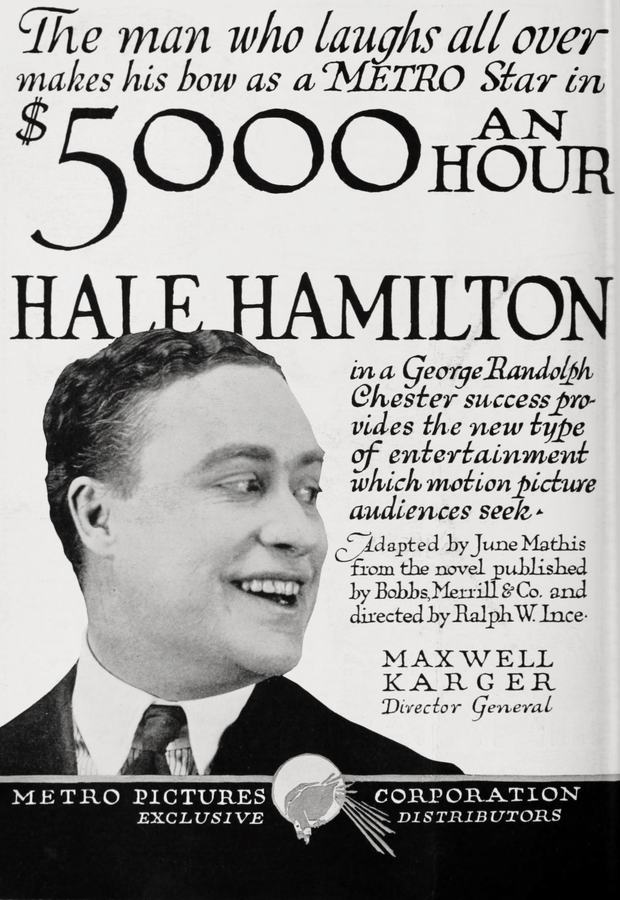
Dir: Ralph Ince
After his business partner, Paul Gresham, absconds with the company funds and books, Johnny Gamble's irrigation company folds, leaving him to pay his stockholders their claims. After parting with his last dollar, Johnny wins $15,000 on a long shot at the racetrack and meets the beautiful Constance Joy. When Johnny learns that Constance will inherit one million dollars if she weds Gresham at the end of six weeks, he decides to earn the same amount -- $5,000 an hour -- by that date and marry her himself. Despite Gresham's efforts to double-cross him, Johnny succeeds in earning all but $15,000 of the required million by the appointed time. With fifteen minutes left him, Johnny purchases a kiss from Constance for $15,000, thereby defeating Gresham and winning the girl he loves.
View Details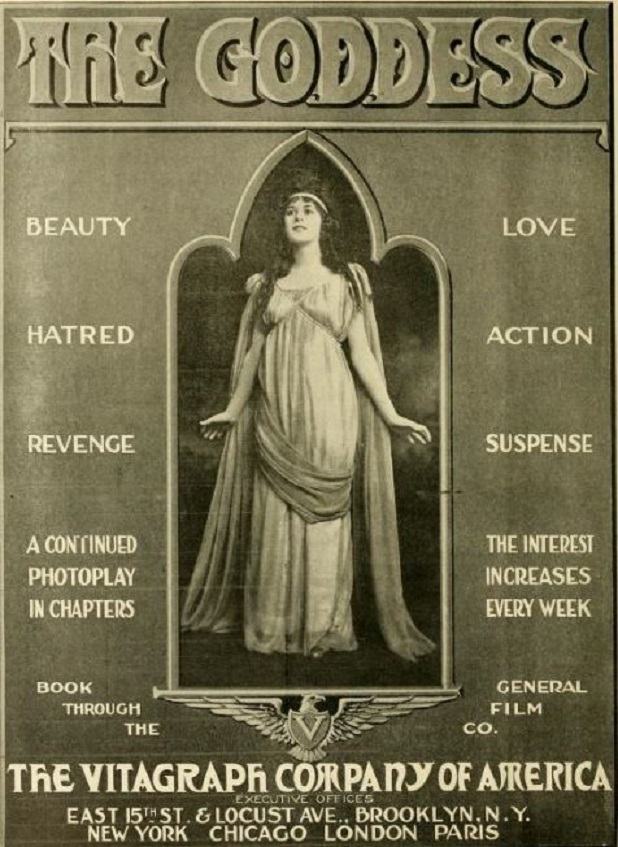
Dir: Ralph Ince
A young girl is reared on a desert island by natives and led to believe that she is a goddess. One day an outsider comes to the island, and persuades her to accompany him to preach about the kindness and love she has experienced. She agrees, but she's soon confronted by the problems and travails of the "outside" world.
View Details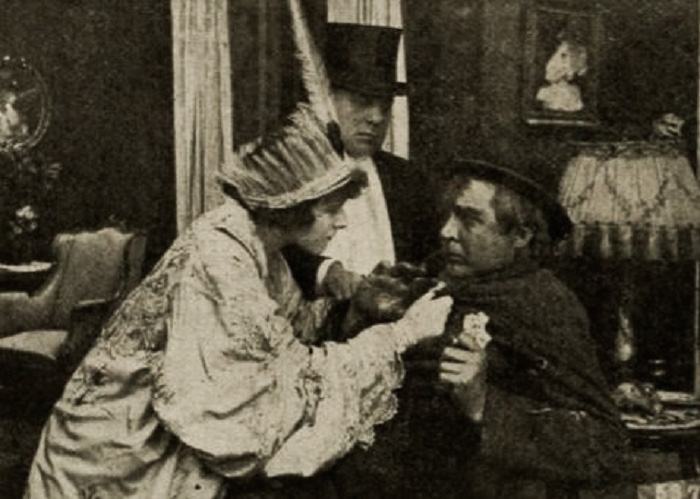
Dir: Ralph Ince
By one of those strange mistakes of nature, a child is born to Elois, an actress. The advent of the child, Yvette. arouses in Elois the one fine trait in her nature, a tremendous mother-love. To keep the child clean and to protect it from the influence of her life and that of its dissolute father, becomes the one passion of her soul. The moment comes when it is borne upon her forcibly that the child must be sent away. She sends Yvette to a fashionable boarding school, instilling in the child's mind that she is a lady and the daughter of a wealthy widow, travelling extensively. From her life at boarding school, Yvette dreads her visits home where she has to suffer the passionate, suffocating embrace and dreary companionship of a perfumed woman, her mother. On one of these visits she meets her father, under conditions so strange that she was gradually led to believe they were dreams, as her mother said, and the scar her mother carried across her eye, came to her in a fall. Her schooling over, Yvette, on the threshold of the world, returns home. Her mother leaves her alone the first night and her father, deep in his cups, pays her a visit and, in his maudlin drunkenness, discloses the fact that her mother is an actress. Yvette, unbelieving, rushes to the theater, and from a seat in the balcony, sees her posing in the semi-nude. The veneer that has been added to Yvette in years of training, lays bare the coarse, primal grain. Without letting her mother know, she becomes a burlesque queen. Her mother returns one night to find her husband there and her daughter missing. In the midst of a terrific scene, in which she tries to make him tell where the girl is, Yvette enters, now a member of the painted world. The mother realizes that her daughter is gone, and does the inevitable, saves the girl's soul at the cost of her body; lays a double crime to the man who has caused all her misery, and the tragedy ends in his being cornered, powerless to explain.
View Details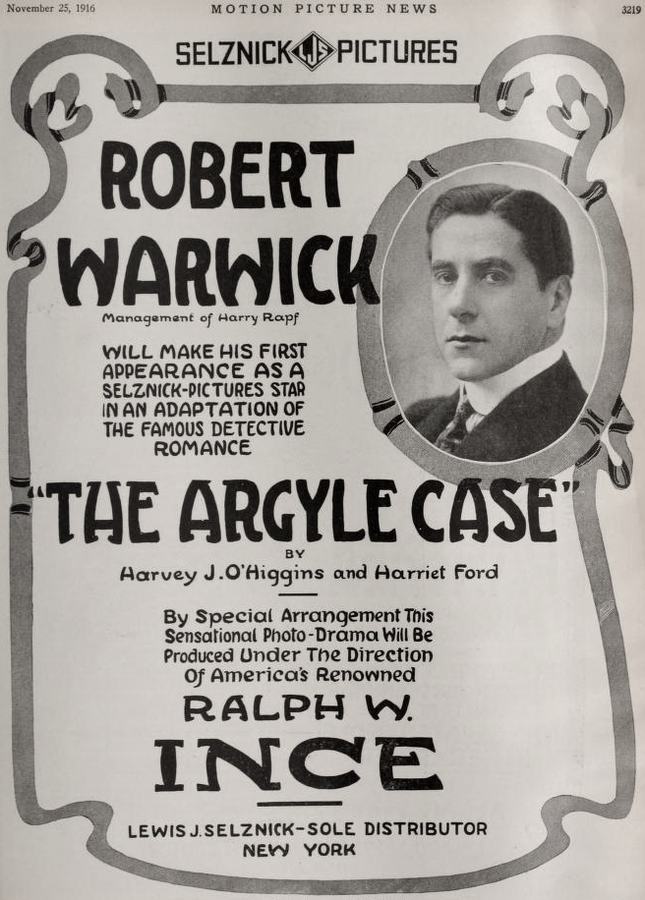
Dir: Ralph Ince
The story is that of the mysterious murder of John Argyle, a multi-millionaire, in the library of his home. Circumstances point toward Argyle's adopted daughter Mary, who is the beneficiary under his will, Argyle having quarreled with his son Bruce. Just as the case begins to look black for Mary, Asche Kayton, a great private detective, is called in by Bruce and takes hold of the investigation. His methods are scientific and swift and the trail leads to a den of counterfeiters, where, by use of the dictograph and other modern devices, the real murderer is run to his lair. Kayton falls in love with Mary, who is finally vindicated. Kayton's reward is the girl.
View Details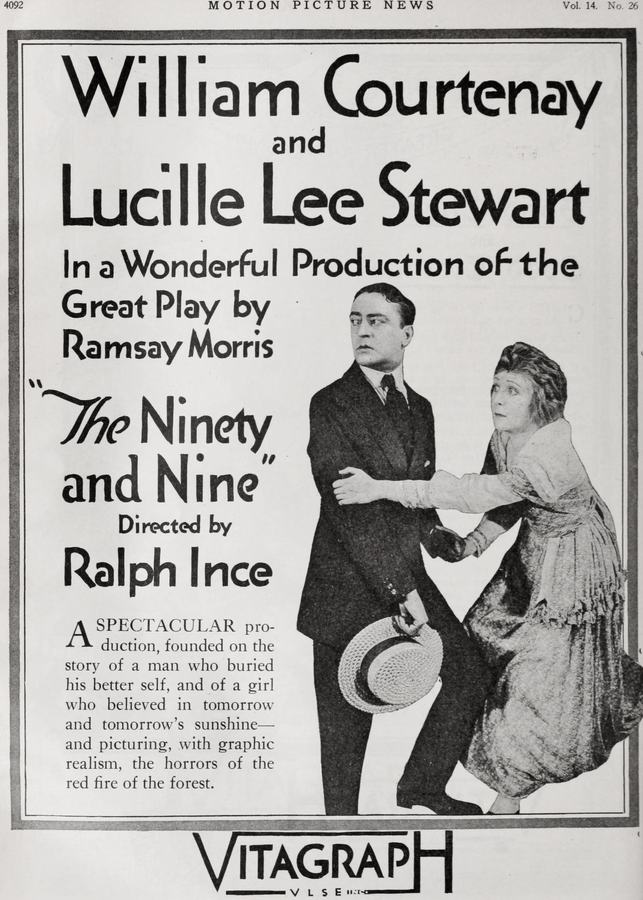
Dir: Ralph Ince

Ruth Blake lives with her father and mother in Marlow, a small town in the west. To this town comes Tom Silverton from the city. He is always intoxicated, and Ruth sets to work to reform Tom. To Marlow comes Kate Van Dyke, a city girl, and her fiancé. They stop at the Blake home. When Tom seen Kate there is mutual recognition, but when questioned both deny they have ever met one another before. Tom starts to drink heavily again, and Ruth drags him out of the tavern one day and sends him home. Her father, infuriated, forbids her to ever see the man again. There is a big barn dance, and all go, except Ruth, who refuses to go because Tom has not been invited. Blake warns his daughter again if he ever sees Silverton in his house he will kill him. Tom comes to bid Ruth goodbye for he is going away. She makes a final plea with him to reform, and he promises to make one more effort. Spying on the two is Buddy Bryson, a half-witted boy in love with Ruth. He hurries to the barn dance and tells Abner that Tom is in the house. Abner comes back. Ruth, afraid of her father's wrath, persuades Tom to escape via her bedroom window. Abner comes and she denies he has been there. He learns the truth and orders her from his home. Tom goes to the next town, Cleves, and he is there but a short time when he hears that Ruth is stopping with her aunt there. To her he goes. He breaks down and reveals the mystery that has surrounded him. In New York he was in love with a beautiful girl, Kate Van Dyke. Her weak brother committed a murder, and she begets him to flee and take the blame, for if he did so she would join him later and marry him. He fled, but instead of joining him she becomes engaged to another. He sought consolation in drink. But he is free now for her brother died in a foreign country, and before he died he confessed his guilt. In Marion the people are suffering the most intense heat of the summer. A forest fire breaks out and the entire town is threatened. They summon help, but none can be secured. Ruth and Tom learn of the predicament of Marion. They have been told there are freight cars there and all they need is an engine. Tom and Ruth secure an engine, and Tom drives through the raging forest fire and saves the population before the town is wiped out.
View Details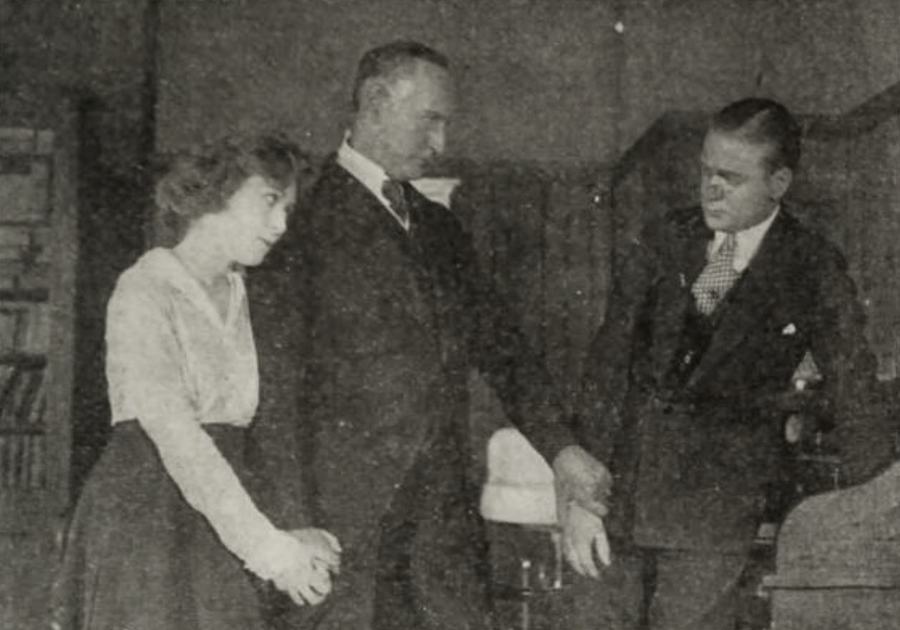
Dir: Ralph Ince
Mary Ellen McKay, a country girl, comes to New York to become a singer. She stops at a furnished room house, and expends her savings on useless lessons, for her voice is only mediocre. Harry Weatherby is a disappointment of his millionaire father, who hopes to make him a captain of industry. Instead, Harry is a ne'er-do-well. While visiting Dr. Cameron, a friend of the family, he sees Mary Ellen across the way, and a flirtation starts. It eventually results in marriage. Harry is afraid to break the news to his stern father; his mother does, and he does. Enraged, Weatherby visits Mary and tries to buy her off. But she spurns his money, and he changes his tactics. He tells her he likes her, that he will give a party in honor of the marriage. He enlists the aid of Silk Harrington, who brings along a number of his smart tenderloin friends who pass themselves off as society. They influence her to drink, and soon she is acting very foolish. Harry arrives, sees her condition, and denounces her, thinking this is her true self. Harry's father leaves her a check for $10,000 before he goes, if she will promise never to see Harry again. She crumples the check in her hand, when the truth dawns upon her, and it is later picked up by Silk Harrington, who plans to use it. Mary goes home, thoroughly crushed and humiliated. She tries to commit suicide, but a friend. Kate Weld, a trained nurse, who lives across the hall, and Dr. Cameron save her life. Learning she is a stranger in New York, Dr. Cameron takes her to his country home to recuperate. Harry plunges into business to forget, and his father is happy. Mary recovers her health, but her faith is shattered. She wants to go out into the world now and have a good time. Dr. Cameron argues in vain. He decides to take her sightseeing. First he takes her to Cherry's, then to the Haymarket, where she sees the broken-down men and women. He tells her that is the price that must be paid. Lastly he takes her to his mission on the East Side. Here he tells her a story. He, too, was in love and lost. He tried everything in his pursuit of forgetfulness, and finally discovered solace for his sorrow in brightening the lives of others. Mary tells him she, too, wants to do this work. Meanwhile Harrington tries to pass the check. Harry is summoned to the bank and learns the truth through Harrington. He goes home and a big scene follows between him and his father. He eventually locates Mary. At first she does not want to forgive him, but she finally capitulates.
View Details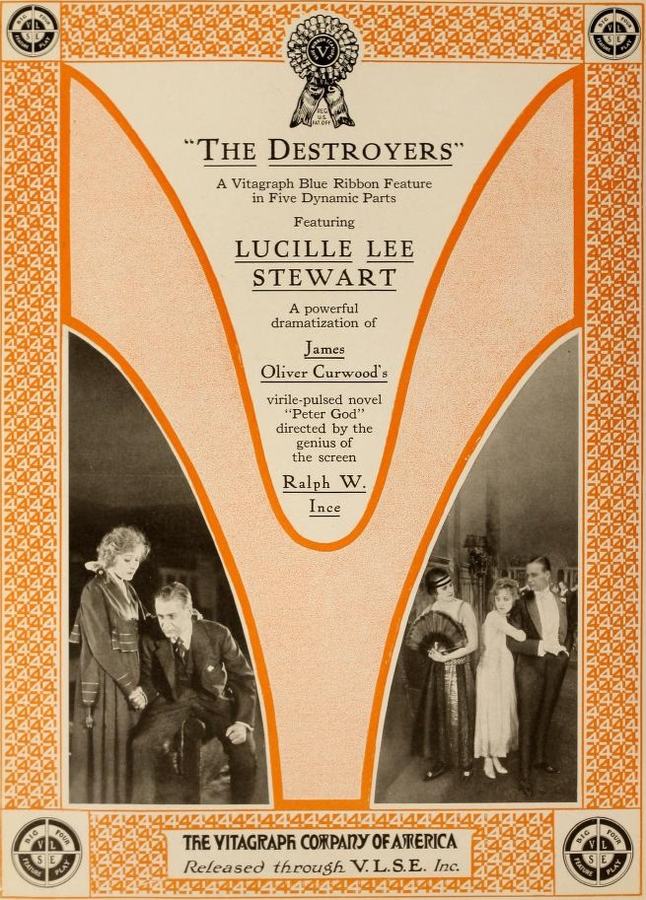
Dir: Ralph Ince
Canadian Mountie Philip Curtis is telling Josephine McCloud, with whom he is in love. about a hermit who once saved his life and nursed him back to health. Josephone remains impassive until Philip tells her the hermit's name: Peter God. At the mention of his name, Josephine begs Philip to find Peter and take him a letter she had written to him. Puzzled but not wanting to deny anything to the woman he loves, he sets out to find Peter, but when he does he discovers that Josephine has a connection to Peter that Philip knew nothing about.
View DetailsAnalysis relative to Wandering Girls
| Film Title | Atmosphere | Complexity | Similarity |
|---|---|---|---|
| Fields of Honor | Gothic | High | 90% Match |
| The Eleventh Commandment | Ethereal | Linear | 97% Match |
| The Combat | Ethereal | Dense | 96% Match |
| Five Thousand an Hour | Gothic | Abstract | 88% Match |
| The Goddess | Ethereal | Linear | 93% Match |
This guide was algorithmically generated using the cinematic metadata of Ralph Ince's archive. Last updated: 6/26/2026.
Back to Wandering Girls Details →