
DbcultAccessing Vault...
Recommendations
Senior Film Conservator
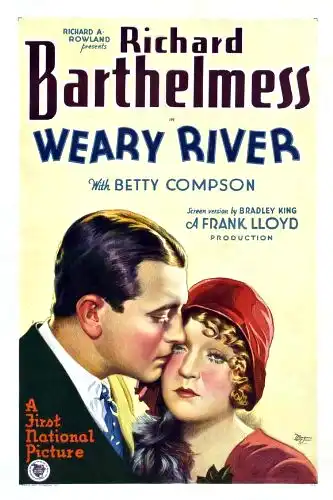
If you found yourself captivated by the emotional resonance of Weary River (1929), the profound questions raised in 1929 still require cinematic answers today. Experience the United States influence in these recommendations that echo Weary River.
Weary River remains a monumental achievement to provide a definitive example of Frank Lloyd's stylistic genius.
A gangster is put in prison, but finds salvation through music while serving his time. Again on the outside, he finds success elusive and temptations abound.
Weary River was a significant production in United States, showcasing the immense talent of Ernest Hilliard, Robert Emmett O'Connor, Richard Barthelmess. It continues to be a top recommendation for anyone studying Romance history.
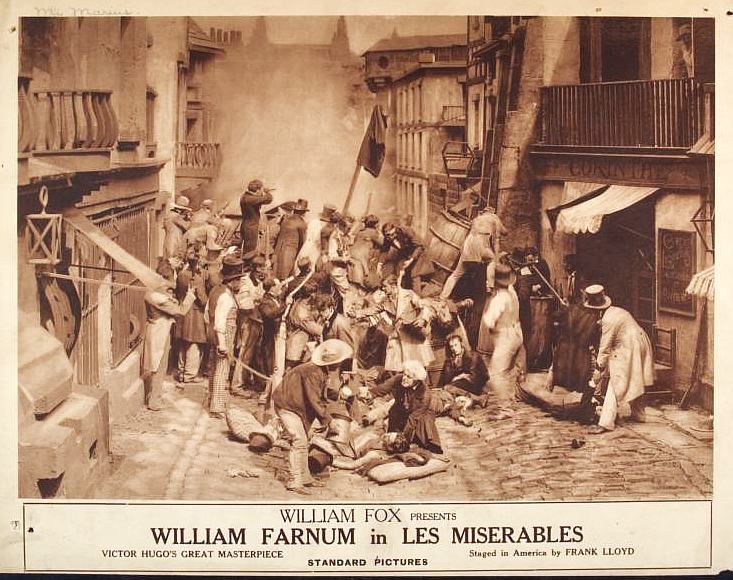
Based on the unique emotional resonance of Weary River, our vault has identified these titles as the most compelling follow-up experiences for fans of Romance cinema:
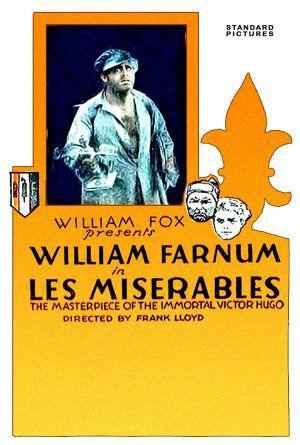
Dir: Frank Lloyd
Jean Valjean, a good and decent man who has committed a minor crime, is imprisoned but escapes. He is pursued thereafter for years by Javert, the cruel and implacable arm of the law.
View Details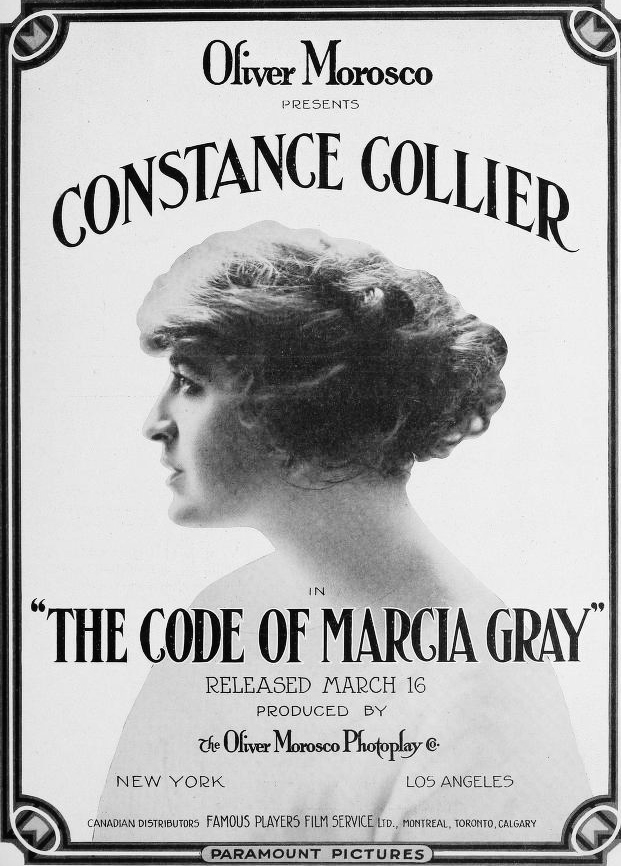
Dir: Frank Lloyd
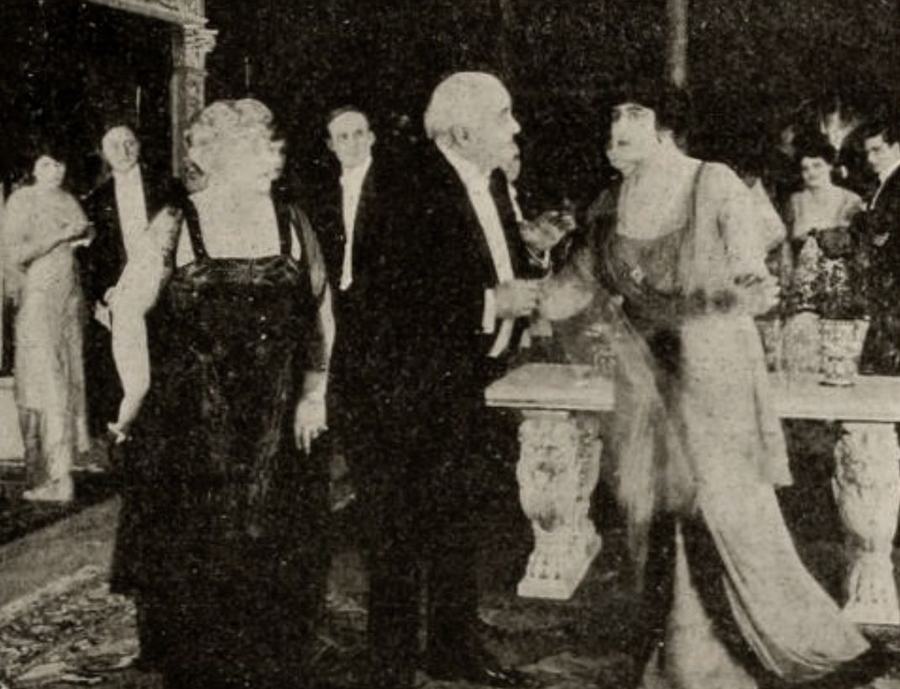
A fascinating piece of cinema that shares thematic elements.
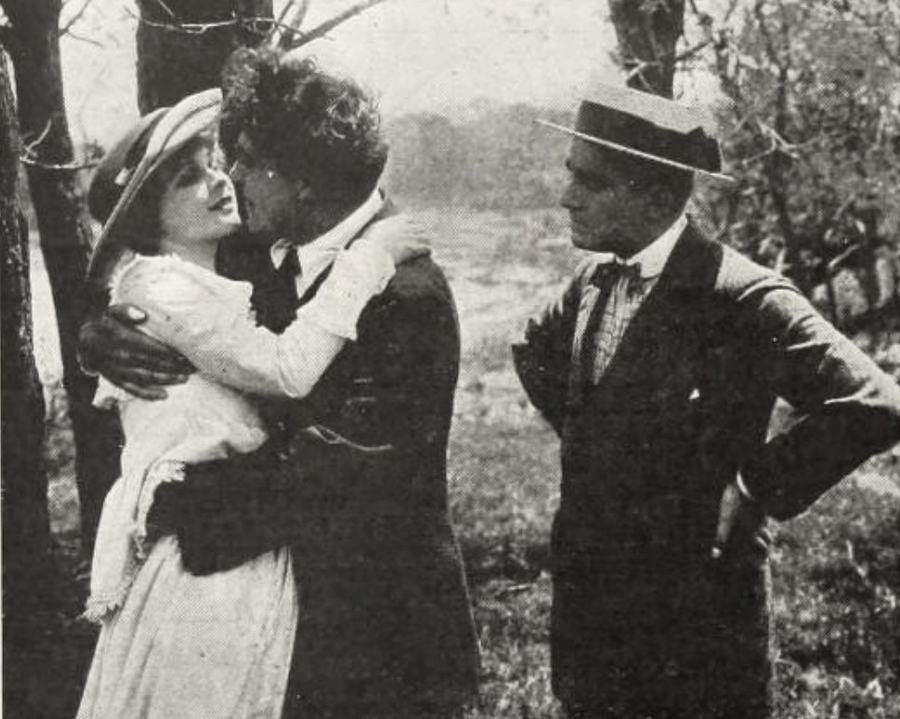
View Details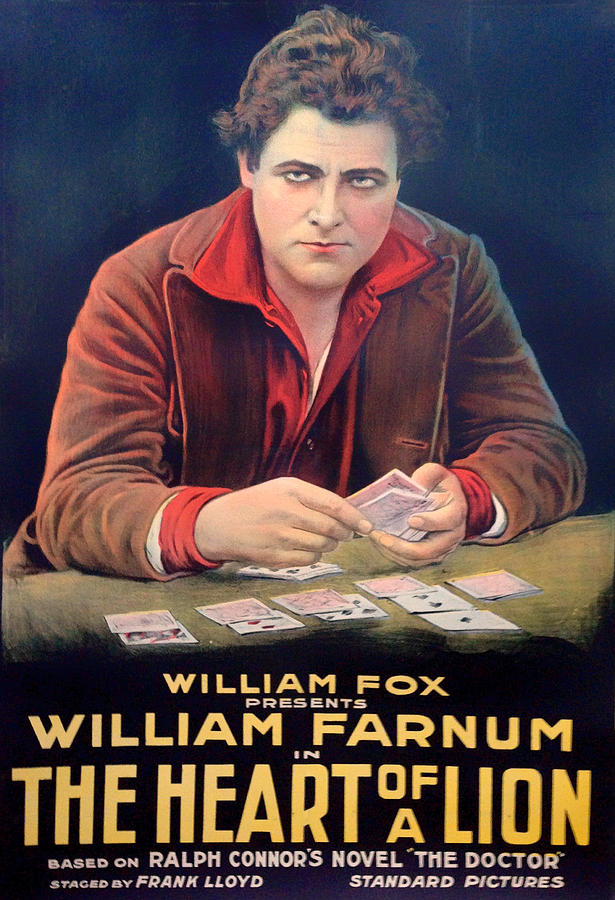
Dir: Frank Lloyd
Barney Kemper works hard on a farm so his younger brother Dick can go to college. However, Dick squanders Barney's money. Margaret Danford, daughter of the village doctor, loves Barney from afar and tries to educate him. A girlfriend of Margaret's comes for a visit and steals Barney's heart. The young girl turns to Dick, and Barney discovers them together. Embittered, Barney goes west to work in a lumber camp. But Dick reforms, and becomes a minister, and is assigned to the lumber camp. Margaret goes along to start a hospital. Tex Daly, leader of the lumbermen, resent Dick and try to frame him with a saloon girl. When Dick is shot by Tex, Barney appears and helps his wounded brother by taking charge of the church. Dick dies, and Barney kills Tex. Barney and Margaret are united.
View Details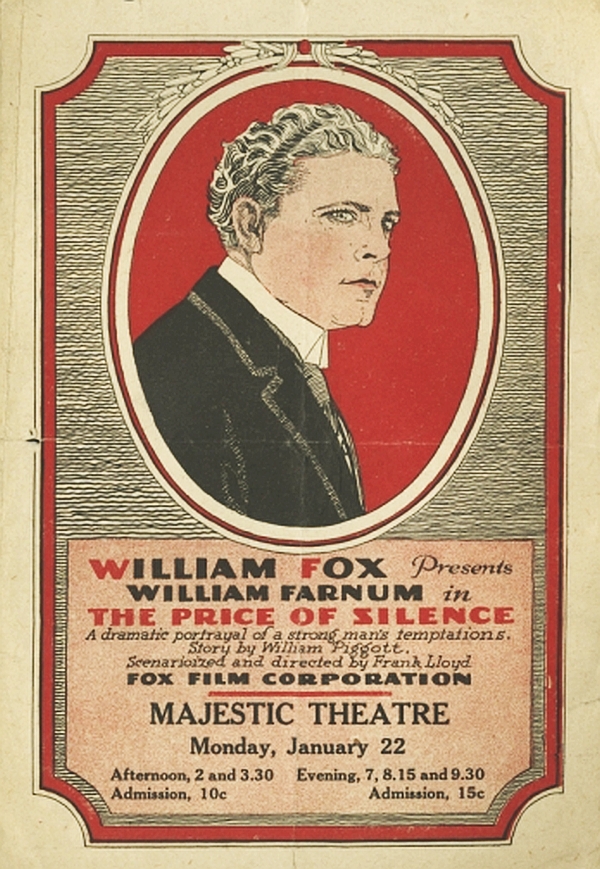
Dir: Frank Lloyd
U. S. Senator Frank Deering has spent his life trying to alleviate the misery of child labor. Judge Vernon, his closest friend, aids him in this struggle. Unexpected circumstances force Judge Vernon to borrow money from Henry McCarthy, one of the factory owners most responsible for the harsh and inhumane working conditions. Judge Vernon is unable to pay off the loan, and is reduced to accepting a bride from McCarthy. Later, the Judge is stricken with a heart-condition but, on his dying bed, he confesses the shameful act he committed to Deering. To keep his friend's name unsullied, Deering makes a deal with McCarthy and votes against the child-labor-act he sponsored. His colleagues and the world, unaware of his sacrifice, mock and jeer him.
View Details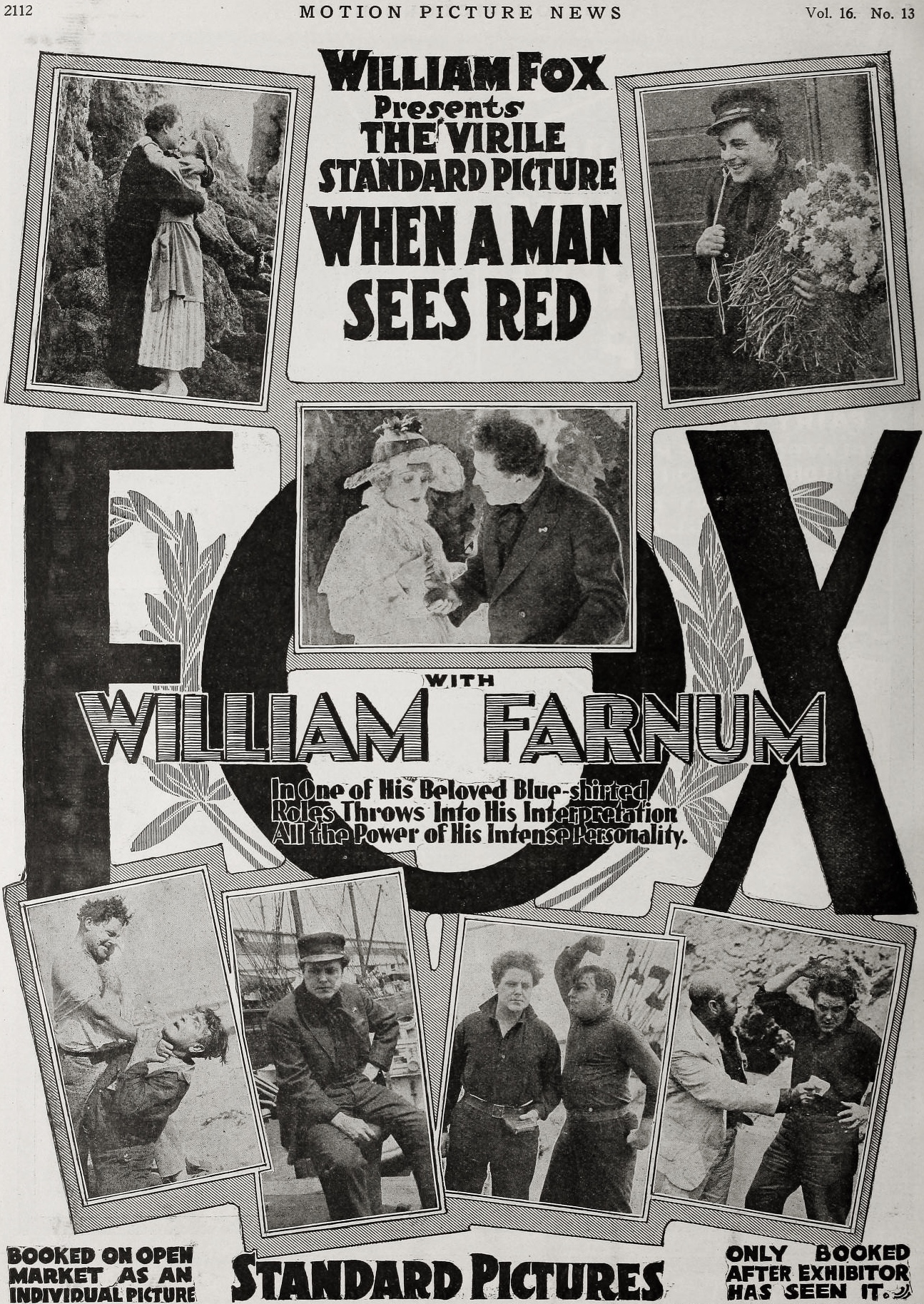
Dir: Frank Lloyd
Returning home to find that his sister has died after being abducted and violated by an unscrupulous man, sailor Larry Smith ships out as mate with Captain Sutton. After an altercation with the captain, Larry leaves the ship at a South Sea port where he meets and falls in love with Violet North, a woman of questionable reputation who is the mistress of millionaire Lewis. Larry proposes, but Violet sails with Lewis anyway. Sutton also sets sail, leaving behind inveterate drunk Logan, who informs Larry that Sutton was the man responsible for his sister's death. Sometime later, Lewis' yacht is wrecked and Violet is cast upon an island. Sutton picks her up and tries to sell her to the natives as punishment for resisting his advances, but Larry rescues her and kills Sutton. His sister thus avenged, Larry marries Violet and settles down.
View Details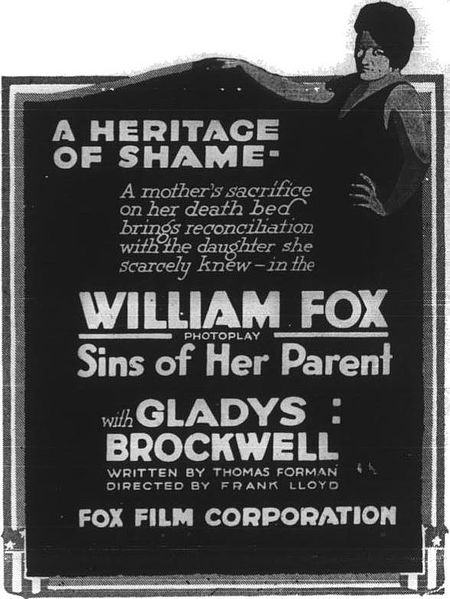
Dir: Frank Lloyd
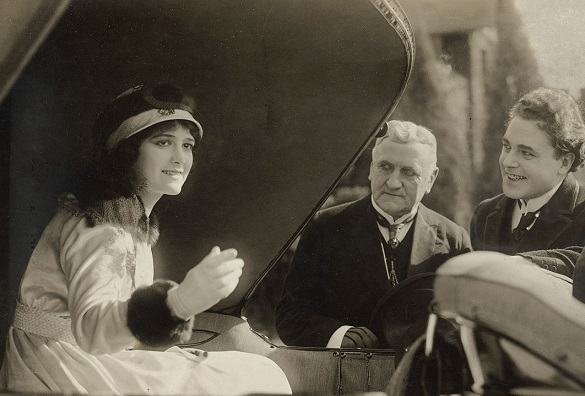
Unhappy with her shotgun marriage to Southern aristocrat Arthur Heatherway, Valerie Marchmont leaves her new husband and, after giving her infant daughter to a Virginia family, goes to Alaska to work in a dance hall. Years later, the daughter, Adrian Gardiner, wants to marry Richard Carver. Richard's father Robert, refuses them to marry because Adrian cannot provide any information about her parents. Following a hunch, Richard goes to Alaska to find the mother Adrian never knew, but just after locating Valerie, he is shot by saloon owner Jim McNeil. When Adrian and Robert go to Alaska to be with Richard during his recuperation, Robert recognizes Valerie as the wife of his old friend Arthur. As a result, he approves of the marriage, but the celebration accompanying the news is cut short when Valerie and Jim kill each other in a fight.
View Details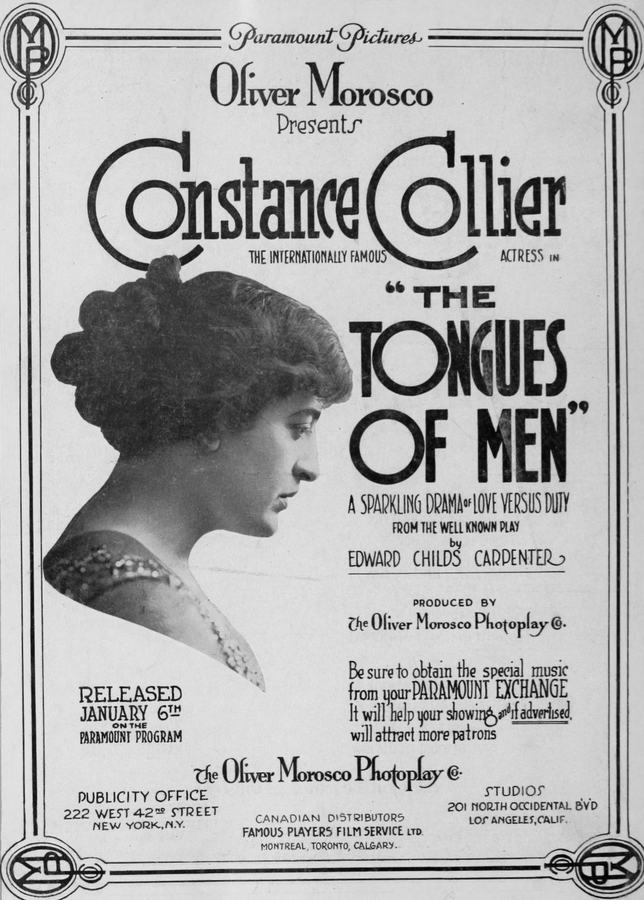
Dir: Frank Lloyd
Rev. Dr. Penfield Sturgis, of fashionable St. Martins-in-the-Lane, finds himself face to face with Jane Bartlett, a grand opera prima donna whose opera he has denounced on grounds of morality, and who comes to his very vestry room to make him "eat his sermon word for word." Out of the encounter a strange acquaintance develops, Jane Bartlett interested through vindictive reasons, the rector through the challenge to his church. She prevails upon him to visit the notorious opera, which but deepens his previous convictions, but meanwhile he discovers a surprising humanity in the woman herself. Just as it is beginning to dawn upon him that maybe he takes himself a shade too seriously, word comes that the Mayor has closed "Zaporah" on the strength of his own condemnatory sermon. Repentant, Sturgis decides to apologize in an open letter to the newspapers, at which his vestry and congregation, already perturbed by the ascendancy of the Bartlett woman, are up in arms. To preserve her dignity the young rector offers to marry her, and she accepts him, thus at last making him "eat his sermon word for word," as she had set out to do. But her vanity appeased, Jane Bartlett proceeds to make peace between her young rector and Georgine Darigal, daughter of the rector emeritus and formerly his fiancée, and the reconciliation assured, Jane Bartlett gracefully withdraws.
View Details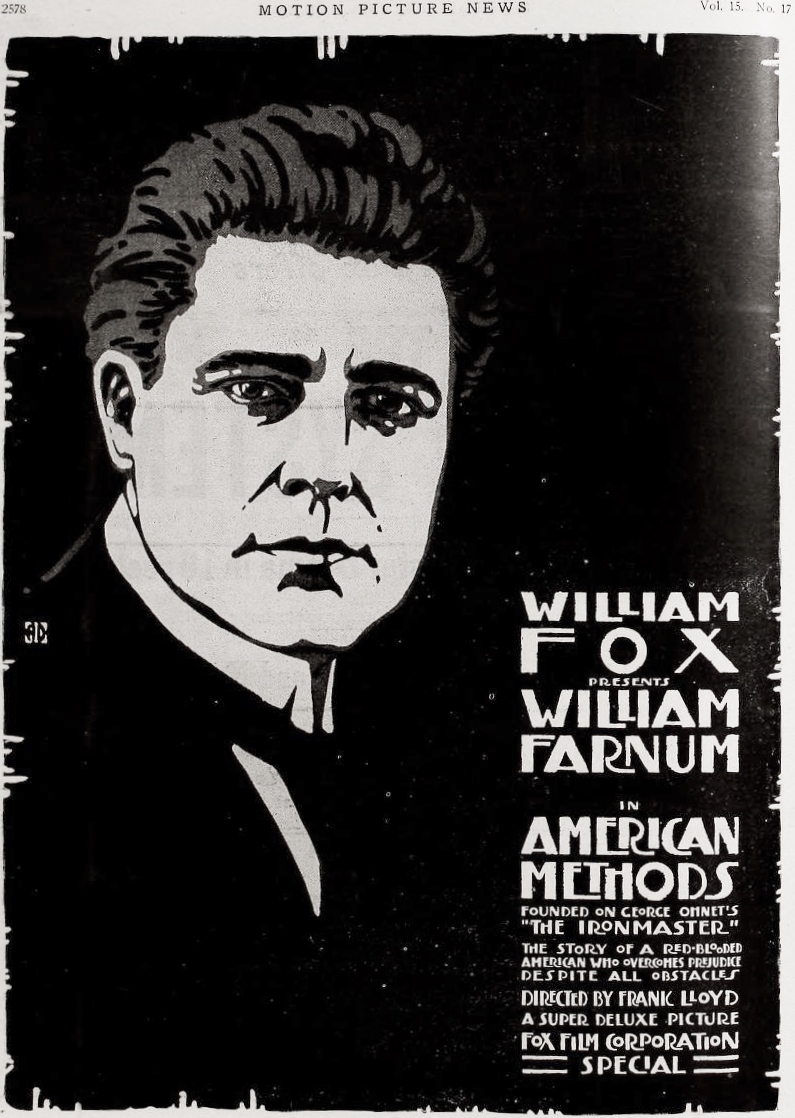
Dir: Frank Lloyd
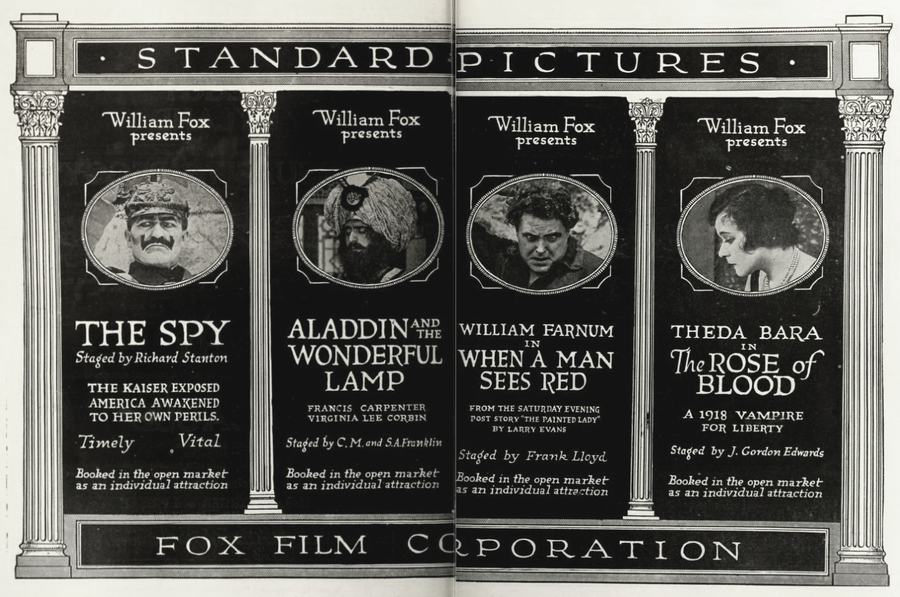
William Armstrong, an American whose family is from France, inherits an iron mine in France. With his sister Betty, he travels to France to take over the business. In the village near the mine lives Claire, the daughter of a wealthy family, who is engaged to the scheming Duc de Bligny. When Claire's family loses all their money, the Duc dumps her for the daughter of a wealthy manufacturer. Armstrong and his sister find themselves caught up in this intrigue, which becomes more complicated when Armstrong falls for Claire.
View Details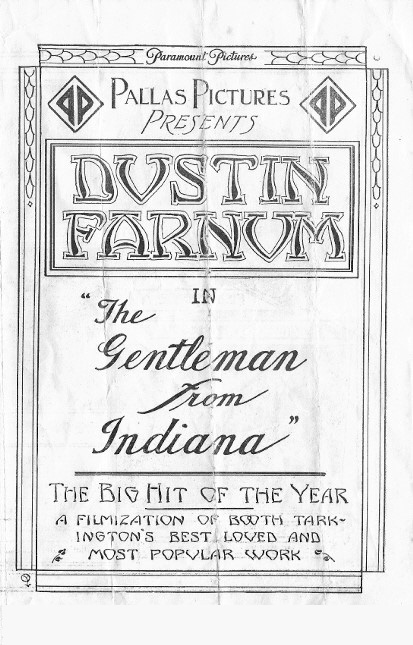
Dir: Frank Lloyd
After a spectacular college football career, John Harkless leaves the university to pursue a place in Indiana politics. He buys the failing Plattville Herald and, using the newspaper to expose various illegal activities, sets out to rid the county of all mobsters and corrupt officials. When a traveling circus comes to town, he uncovers a crooked gambling ring and drives away the fleecers. That night, returning from his sweetheart's house, he is badly beaten and left for dead by a gang of men. Believing that John has been murdered, vigilantes gather to avenge his death, but the identity of the perpetrators is in question. The evidence finally points to the White Caps, a band of thugs allied with Rodney McCune, a notorious local politician opposing John in an upcoming Congressional race. Before the angry mob clashes with the White Caps, John is located in a hospital emergency room. While he recovers, his girlfriend, Helen Sherwood, takes over the newspaper and cleverly concocts a way for John to win the election.
View Details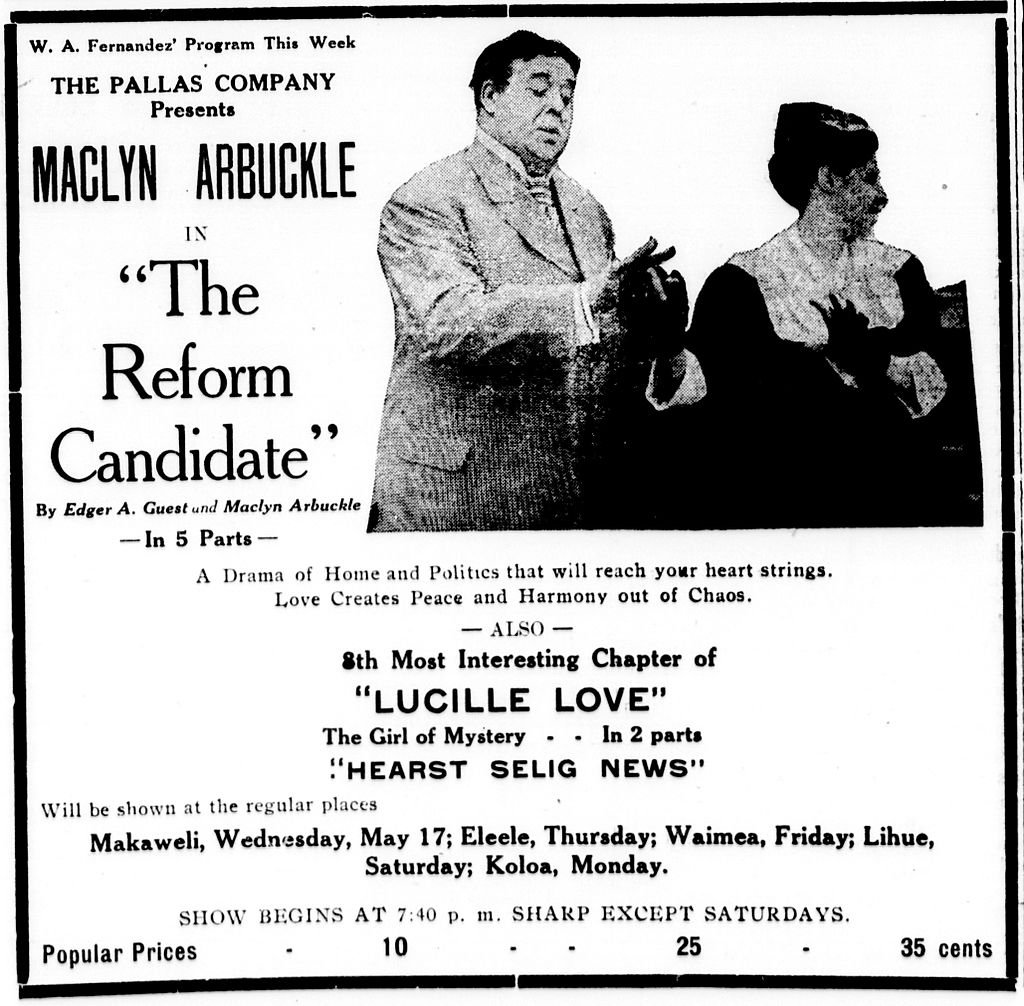
Dir: Frank Lloyd
Realizing that his mayoral campaign is in serious trouble, reform candidate Frank Grandell sends his people out to dig up some dirt on Art Hoke, the boss of the city's political machine. Their investigation leads them to Hoke's flunky, nicknamed "Looney Jim". Jim implies that he has some damaging information about Hoke's daughter, but he dies before he can reveal it. Grandell eventually finds out what the "secret" is, however, and must decide whether to use it in his campaign to defeat Hoke's candidate.
View DetailsAnalysis relative to Weary River
| Film Title | Atmosphere | Complexity | Similarity |
|---|---|---|---|
| Les Misérables | Surreal | Abstract | 95% Match |
| The Code of Marcia Gray | Tense | Linear | 89% Match |
| The Heart of a Lion | Surreal | Dense | 85% Match |
| The Price of Silence | Surreal | Dense | 88% Match |
| When a Man Sees Red | Surreal | Linear | 86% Match |
This guide was algorithmically generated using the cinematic metadata of Frank Lloyd's archive. Last updated: 8/17/2026.
Back to Weary River Details →