
DbcultAccessing Vault...
Recommendations
Senior Film Conservator
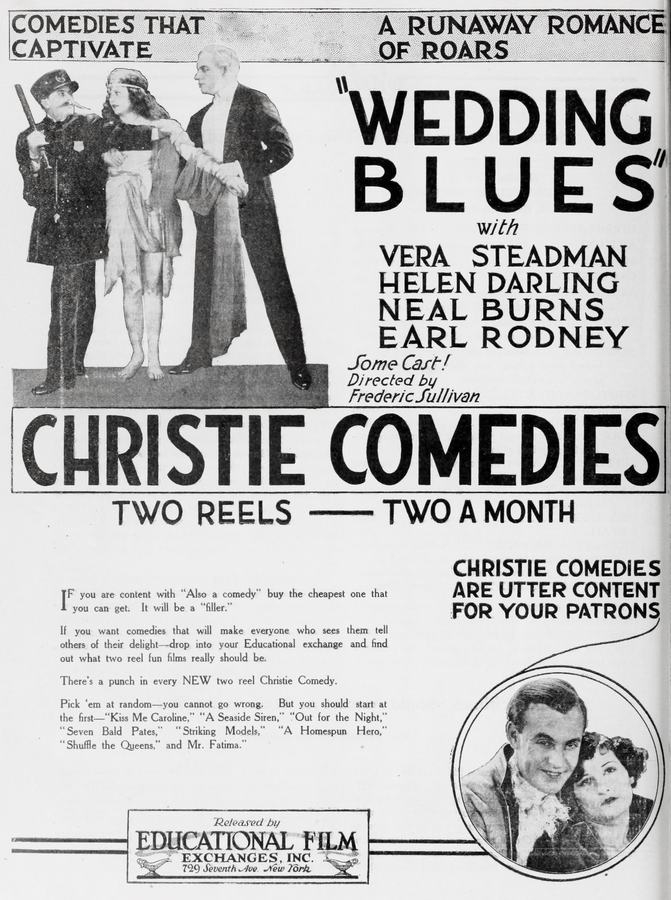
The cinematic DNA of Wedding Blues (1920) is truly one of a kind, finding other movies that capture that same lightning in a bottle is a top priority. We have meticulously scanned our vault to find hidden gems that resonate with this work.
As a pivotal work in United States cinema, Wedding Blues to challenge the status quo through its avant-garde structure.
A daughter of proud, wealthy parents wants to elope with the man of her choice. To engineer the scheme, a mutual friend is called in and Father mistrusts that he is the fellow who would steal his daughter. The schemer has his troubles in another direction too: his fiancee places a wrong conclusion on the elopement. The friend tries ways and means to get the daughter out of her own house. He is ejected by a quartet of lackeys who are drilled in deportment, but he comes up smiling and succeeds. Eventually Father discovers that his daughter's real beloved is the very man he has wanted for a son-in-law.
Critics widely regard Wedding Blues as a cult-favorite piece of Comedy cinema. Its stylistic flair is frequently cited as its strongest asset, solidifying its place in United States's film legacy.
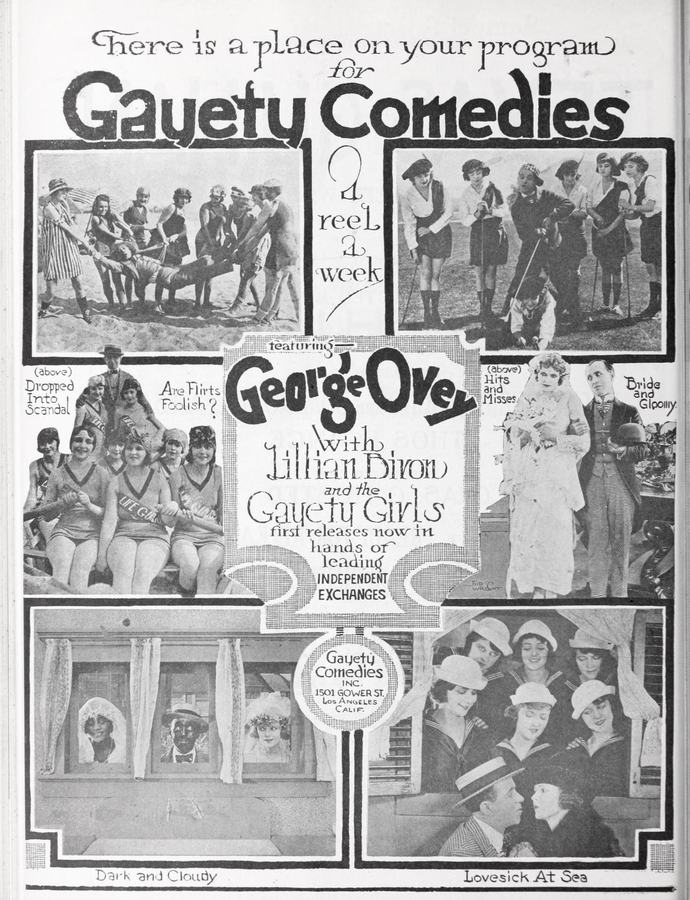
Based on the unique stylistic flair of Wedding Blues, our vault has identified these titles as the most compelling follow-up experiences for fans of Comedy cinema:
Dir: Al Christie
A fascinating piece of cinema that shares thematic elements.
View Details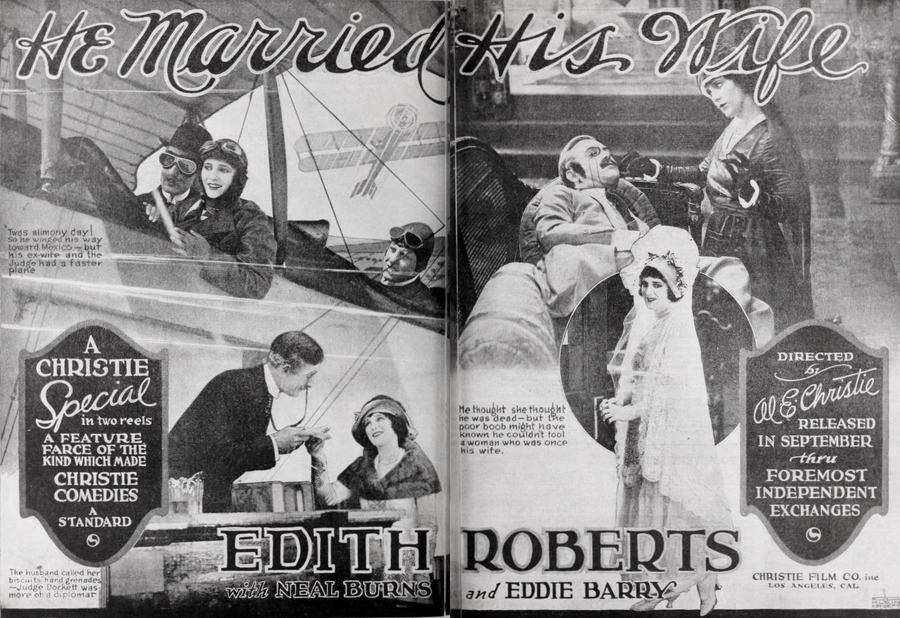
Dir: Al Christie
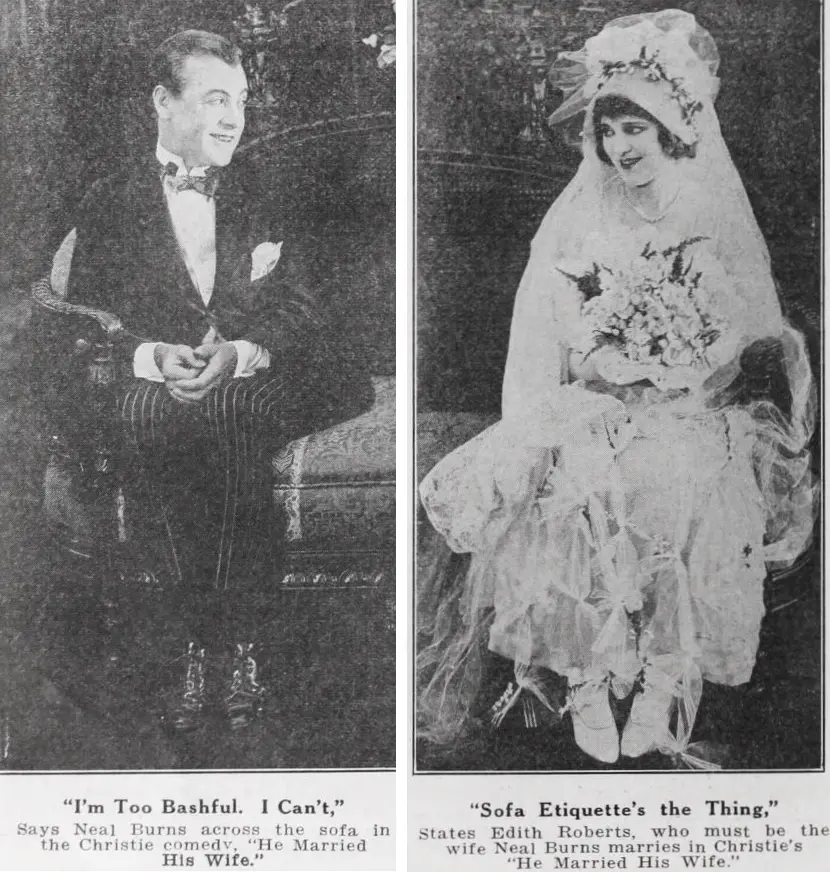
Edith and Neal have just been divorced and the judge ordered Neal to pay $300 a week alimony. Neal tried to slip out of the country on the first alimony day, but was caught in an airplane chase. Then next alimony day he got what he thought was a brilliant idea. He left his clothes on the beach and pretended to have killed himself. So Edith took possession of the house and the judge started courting her. Then Neal was informed by his lawyer that he was legally dead and his wife automatically inherited everything and in order to get his money back he would have to marry her again. So Neal disguised himself with whiskers and had a couple of thugs accost Edith so he could play the hero with her. But in the sham fight one of the thugs apologized to Edith for hitting her husband so hard and spilled the beans generally. So Edith took him in the house and nursed him back to health and he proposed. After telling him how like her poor, dear, dead husband he was, she consented, and he had to wear a suit of her supposed dead husband's to get married in. The "guests" were all detectives, the minister himself being a detective. Just as Edith was about to say "I do," she said "I don't " instead and disclosed Neal's identity. The lawyer arrived just then and said in reading over the old will he found a clause saying that quarrels in the family would have to be patched up or the money would go to charity. So they were married all over again - by the judge of the divorce court. Motion Picture News, November 1, 1919
View Details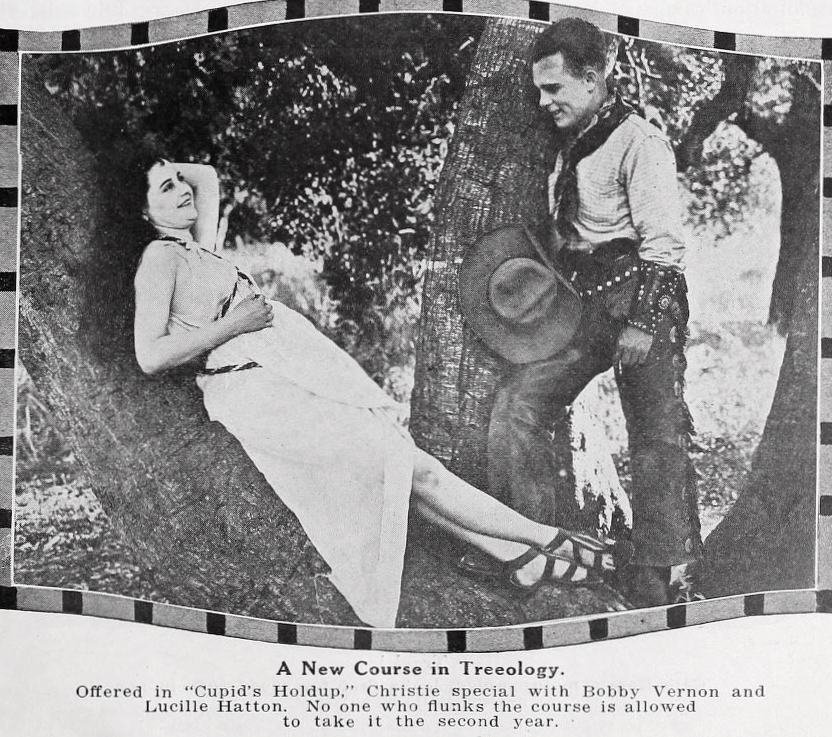
Dir: Al Christie
A fascinating piece of cinema that shares thematic elements.
View Details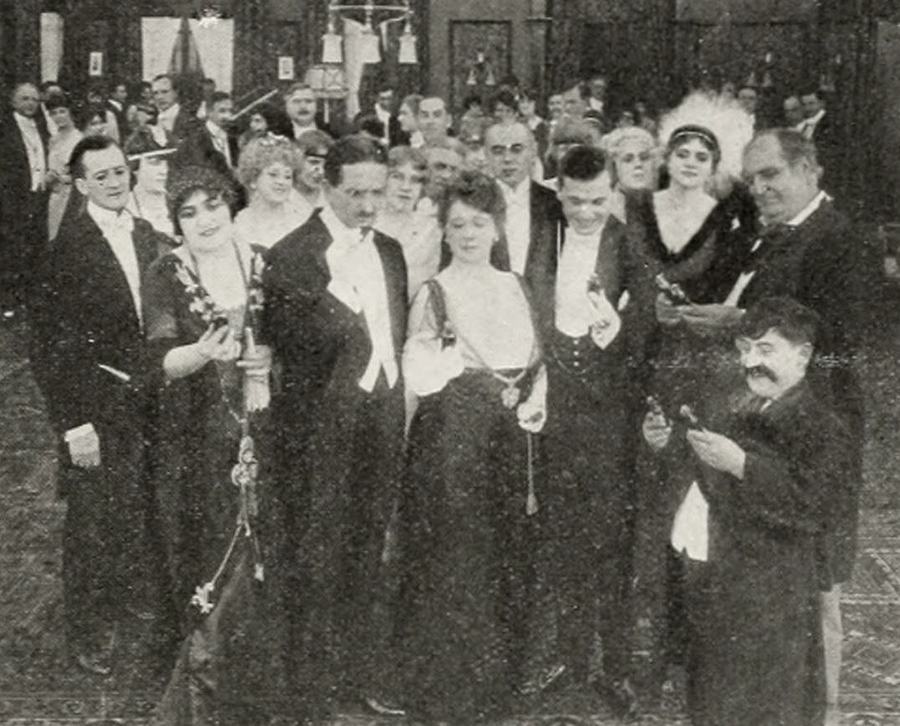
Dir: Al Christie
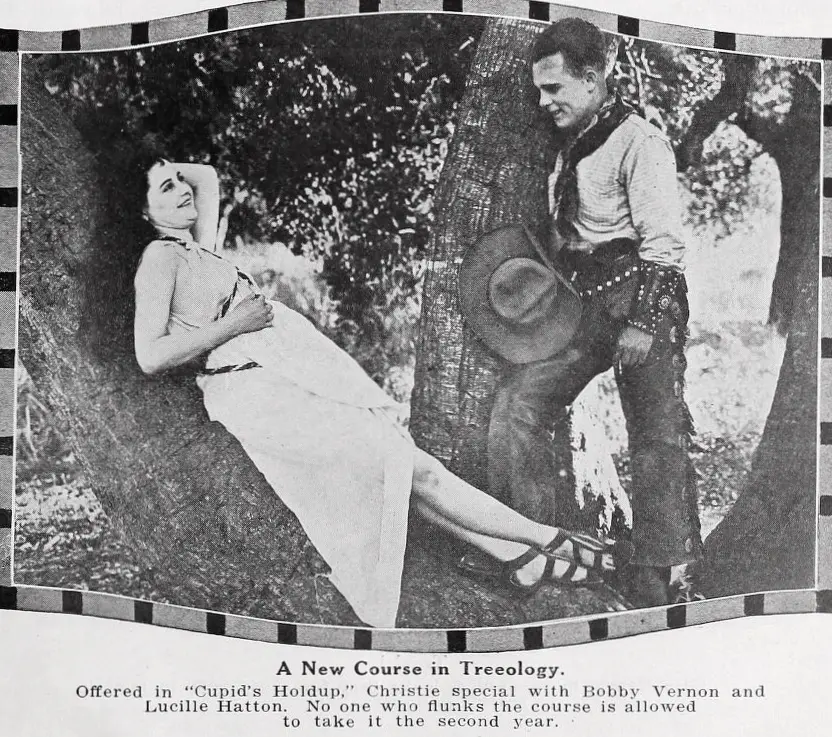
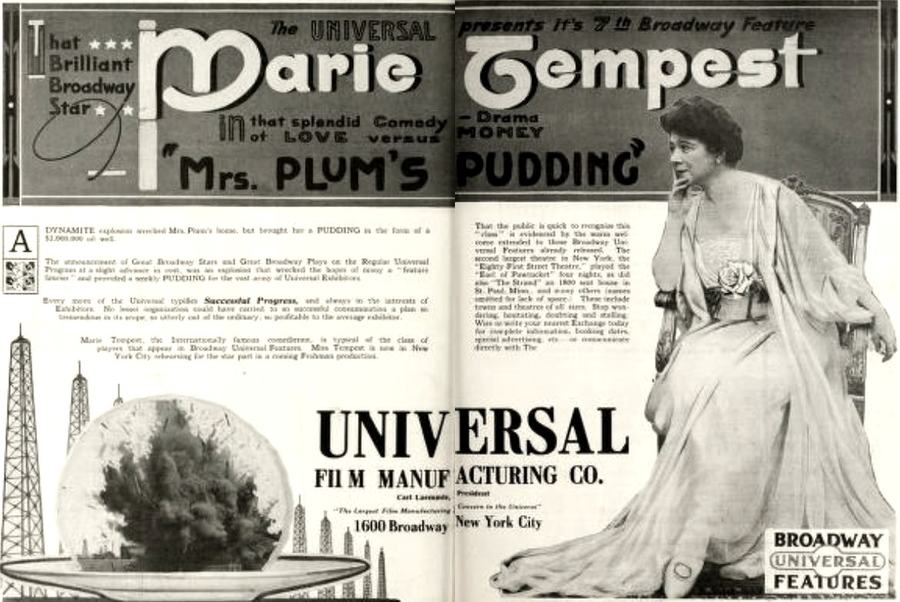
After Eddie Plum discovers oil on the family ranch, he and his widowed mother move to the city where they meet Lord Burlington, a British fortune hunter. Burlington introduces the Plums to two socialites, Mrs. Van Zant and Betty, her daughter, and while Burlington woos Mrs. Plum, Eddie falls in love with Betty. A double wedding is arranged, but on the day of the ceremony, Mrs. Plum announces that the deed to her land has been stolen and without it she has no claim. Devastated by the news, Burlington requests a postponement and leaves. In spite of the apparent disaster, Eddie and Betty elope while Mrs. Plum, hurt by the Lord's sudden departure, plans to return to the country. Realizing that his affections for the widow are genuine, Burlington asks for her forgiveness and insists on the marriage. Her faith restored, Mrs. Plum reveals that the stolen documents were fakes, and that her oil millions are safe.
View Details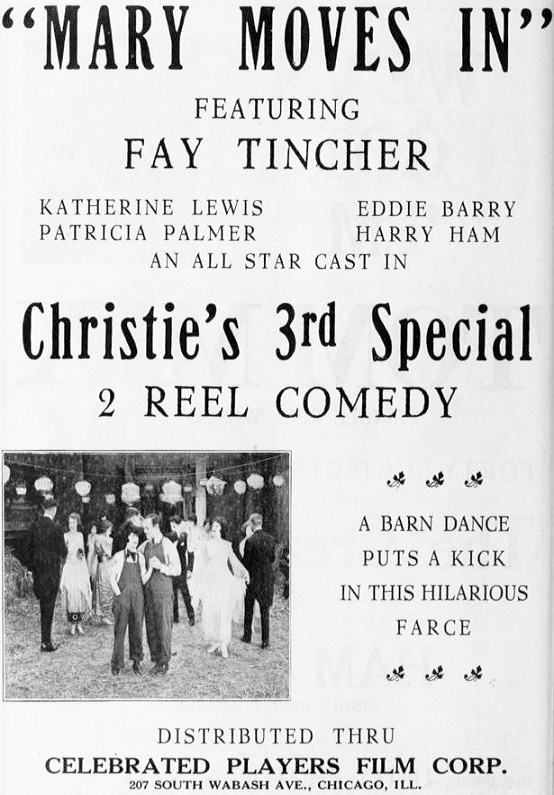
Dir: Al Christie
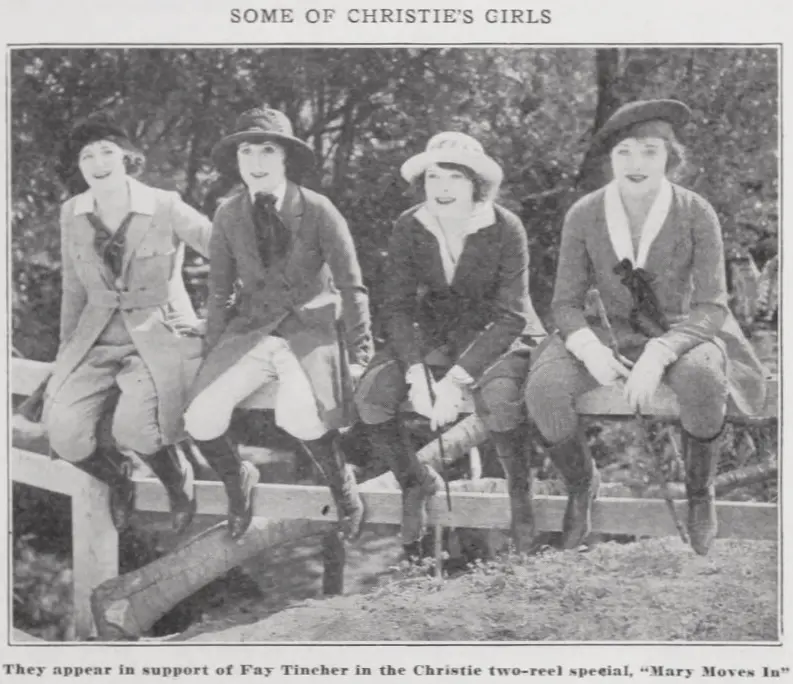
On the strength of father's promise of a $10,000 check to the happy bride and groom, a truckload of furniture arrives with which newlywed Mary desired to furnish a city flat.
View Details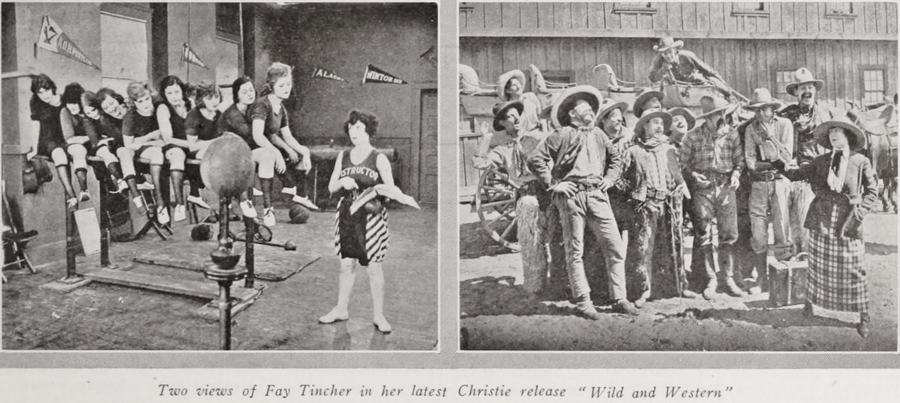
Dir: Al Christie
Rosie is a Y. W. C. A. gym instructor in the East. Coincident with her getting a little too rough with one of the girls, knocking her out and being fired from her job as athletic director, Rosie is advised of the fact that she has acquired a piece of real property in the form of the Rough Neck Rancho. There is nothing for her to do but go West, going Horace Greely one better by setting out for the Rough Neck Rancho with the idea of bringing it up right and proper with deft feminine touches. These touches turned out to be deft, but scarcely feminine, inasmuch as they were blows from Rosie's husky mitt. Naturally, a bunch of bewhiskered and devil-may-care cowboys resented the innovation of a woman manager, and when Rosie ordered the foreman and all the rest of them to shave their mustaches, it was a little too much for hard boiled Bill and his gang of leather-necked cowboys. Rosie imported a bunch of strikebreakers, some of her own girl pals, who were nicely settled in the ranch house. Bad Bill hit upon the brilliant idea of hiring a bunch of Indians to attack the ranch house, scare the wits out of the Eastern young ladies and otherwise maintain the morale of the men folks around Rough Neck Rancho. It was a bad day for the Indians and a worse day for the cowboys, as it turned out, for after Rosie and her cohort of Sure-Shot Susie's finished mopping off the Indians out of the barricades of windows, and after three or four Indians had bitten the dust after good old-fashioned melodramatic style, the redskins turned around and licked the tar out of all the cowboys for putting them up to such a hazardous undertaking. By this time one or two of the cowboys had fallen for the lure of the women folks and had sacrificed their flowing whiskers, their sole pride and joy, under the telling fire of Cupid's darts. Red Bill, the burly foreman, was finally vanquished by Rough Neck Rosie in a fist fight which was not exactly fair but thoroughly effective. Bill got the final wallop when he wasn't looking by one of Rosie's pals planted behind a carpet before which the fight took place. At the end of the second reel of desperate milling Rosie and her pals are victorious and the Rough Neck Rancho settles down to peace and quiet and every clean-shaven cowboy has a little milkmaid on his arm. Motion Picture News, November 1, 1919
View Details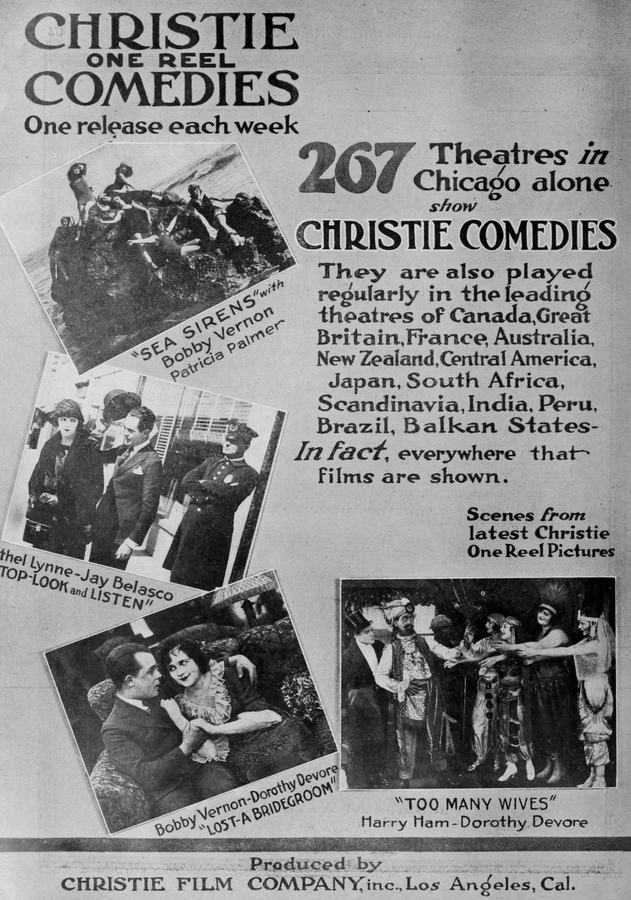
Dir: Al Christie
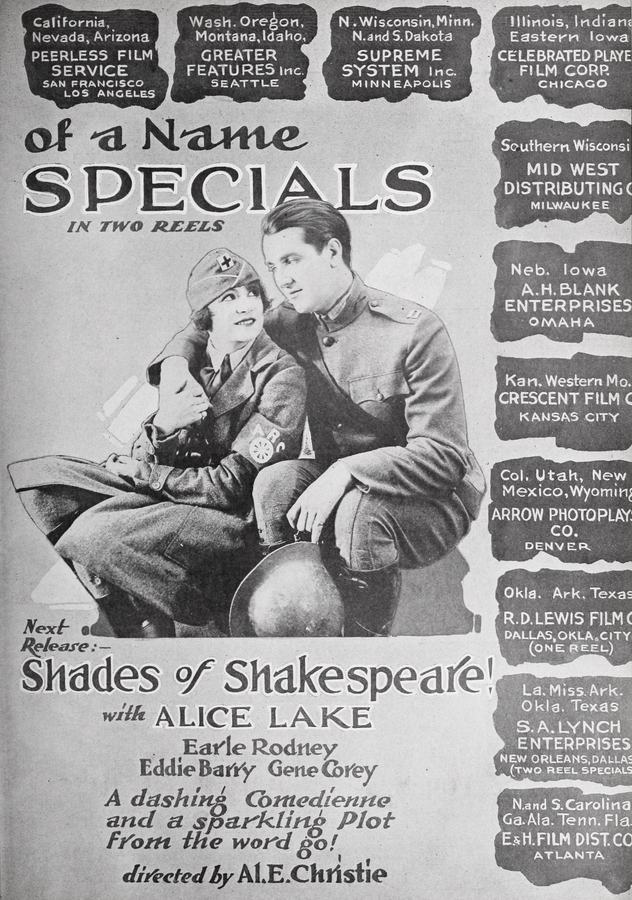
Alice undertakes to present an amateur performance at the local small town opera house. After turning down Ibsen, Shaw, Oscar Wilde and Shakespeare, Alice decides the only way to get a good play is to write one herself.
View Details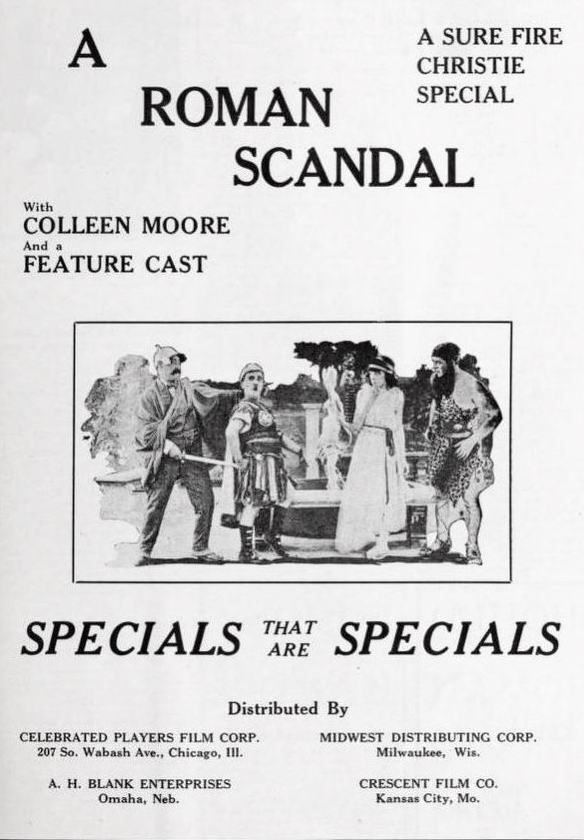
Dir: Al Christie
A company of barnstormers goes on strike in the middle of a performance and a number of local amateurs are prevailed upon to furnish the show, which they do in more ways than one.
View Details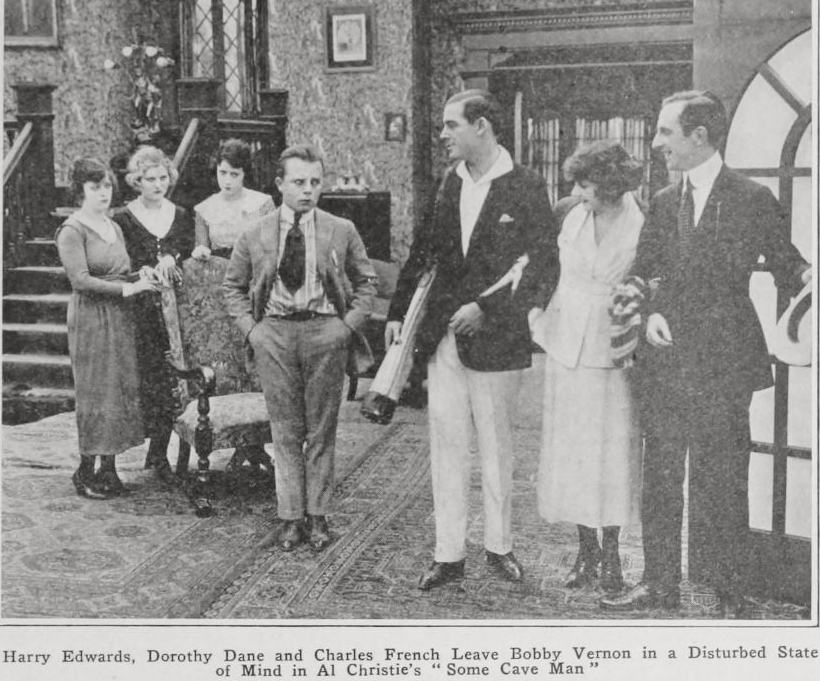
Dir: Al Christie
Bobby had been instrumental in having Dorothy Invited to a weekend party that he might propose to her in ideal surroundings. There were other chaps in the competition, however, and Dorothy was a bit coy when Bobby tried to monopolize her society. In fact, she seemed more than willing to have the other fellows do the monopolizing. Sympathetic girl friends of Bobby told him that the slogan of the tanks, "Treat 'Em Rough," was the proper rule in love making - and so Bobby tried it. He kidnapped Dorothy in a motor, drove her to the mountains and forced her by wielding the "cave man's club" to don tiger skins as dress and submit to his commands. That Dorothy liked the idea was evident when the entire weekend delegation followed them forthwith to the mountain cave, bringing along a minister to tie the knot.
View DetailsAnalysis relative to Wedding Blues
| Film Title | Atmosphere | Complexity | Similarity |
|---|---|---|---|
| Bride and Gloomy | Ethereal | Dense | 98% Match |
| He Married His Wife | Tense | Abstract | 91% Match |
| Cupid's Hold-Up | Gothic | Dense | 98% Match |
| Mrs. Plum's Pudding | Gothic | Abstract | 88% Match |
| Mary Moves In | Gothic | Layered | 96% Match |
This guide was algorithmically generated using the cinematic metadata of Al Christie's archive. Last updated: 6/24/2026.
Back to Wedding Blues Details →