
DbcultAccessing Vault...
Recommendations
Senior Film Conservator
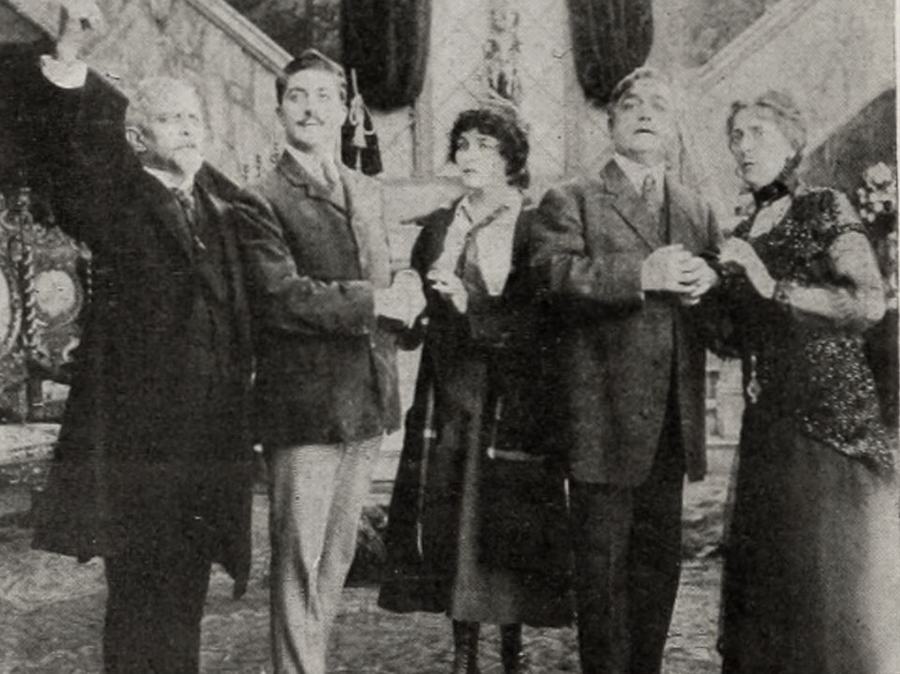
Ever since When Love Is King hit screens in 1916, fans have sought that same unique vision, the search for similar titles reveals the deep impact of Ben Turbett's direction. These recommendations provide a deep dive into the same stylistic territory occupied by When Love Is King.
Whether it's the unique vision or the thematic depth, this film to capture the existential zeitgeist of 1916.
Felix, the King of Wallonia, is sad. He wants to be loved for himself, not for his title, and he finds it a hard job. Because of state reasons, he has to marry Louise, Princess of the neighboring State of Trebizond. The old Prince, her father, craves the elixir of youth, and gets drunk so often that Trebizond is in bad shape. Thus, it is up to Felix to be King of both States. But Louise has a love affair all of her own. Felix sees her in the embrace of Stepan, the heir presumptive to his throne, and disgusted with things in general and Louise in particular, he flees to America in disguise. With him goes his faithful comrade, Baron Tarnow. By a strange twist of circumstance he takes a job as butler in the home of J.P. Morton, multi-millionaire. There he meets Marcia, Morton's daughter, and the jig is up. He loves her. At a ball given by the Mortons an ambassador from Wallonia recognizes his King. At word from Felix, the ambassador introduces him to the Mortons as a Count. Felix creates quite a stir. Janzi, a bandit, whom Stepan has sent to America to do away with Felix, sends the Mortons a note. He describes Felix as an impostor and a fraud. Thus is Felix ordered out of the Morton home. Janzi and his confederates try to kill him but succeed only in wounding him. Marcia, feeling that she really loves him, saves him from death and nurses him back to health. Then Felix and Marcia elope and plan to get married. Papa Morton catches them and prepares to let Felix have it, but his true identity is revealed. Morton realizes that Felix is a real King. The Ambassador urges Felix to return to Wallonia. Since Stepan has become King, the people are being outraged. Because of his royal blood, Marcia knows that she cannot marry him and so gives Felix up. He returns home and pays Stepan for his villainy. Then, to save the State, he prepares to marry Louise of Trebizond. No matter what the cost the State must be saved. Pop Morton finds that Marcia loves Felix and that the separation is making her unhappy. So, like a real American millionaire, he buys up the Kingdom of Trebizond, royal titles and all. When Felix goes to the altar to be married, he finds that the Princess of Trebizond is his own little Marcia. Long live the King and Queen of Wallonia-Trebizond.
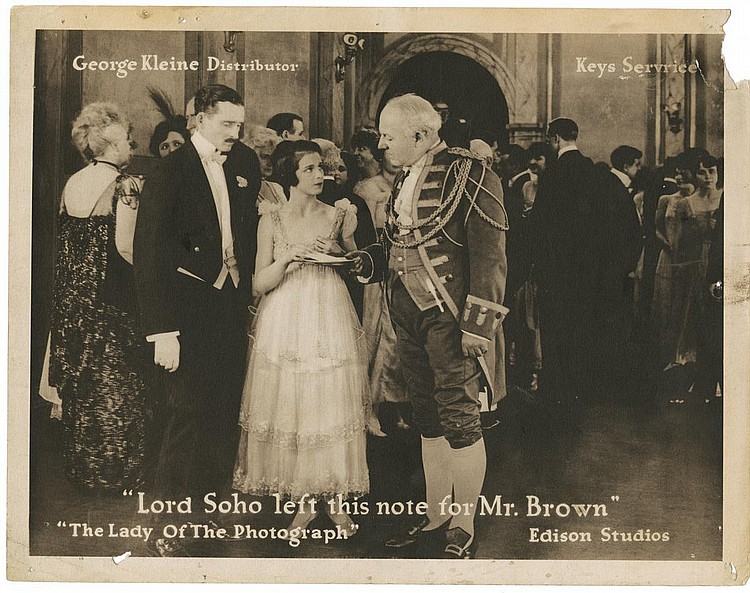
The influence of Ben Turbett in When Love Is King can be felt in the way modern cult films handle unique vision. From the specific lighting choices to the pacing, this 1916 release set a high bar for atmospheric immersion.
Based on the unique unique vision of When Love Is King, our vault has identified these titles as the most compelling follow-up experiences for fans of cult cinema:
Dir: Ben Turbett
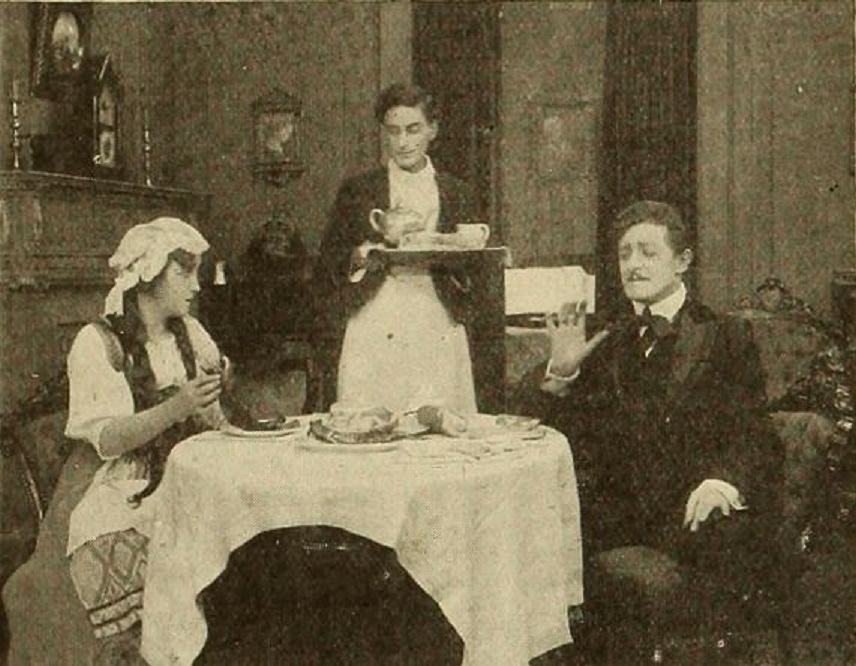
When Lord Latimer dies leaving nothing to his wanton son, young Ferdy is left penniless. Although his cousin, Eric Latimer, offers to show Ferdy a loophole in the will in exchange for a share of the inheritance, he refuses. Meanwhile, Marjorie Van Dam, the daughter of a wealthy American family visiting the neighboring estate, falls into a pond and is rescued by Ferdy. The two fall in love, and when Marjorie must return to America, she promises to wait for him. Confident of his future success, Ferdy sails for America. Upon his arrival, he falls into the water but is rescued by nouveau riche American John Brown. Brown is sympathetic to Ferdy's plight and promises to pay his debts and give him a substantial additional sum if Ferdy will help him become an "English gentleman" worthy of social acceptance by a woman whose photograph he carries. The lady of the photograph turns out to be Marjorie, but after Brown becomes a gentleman, he learns of the young couple's love and decides that Ferdy would be a more suitable husband for her. Finally, they are married with Brown's help and blessings.
View Details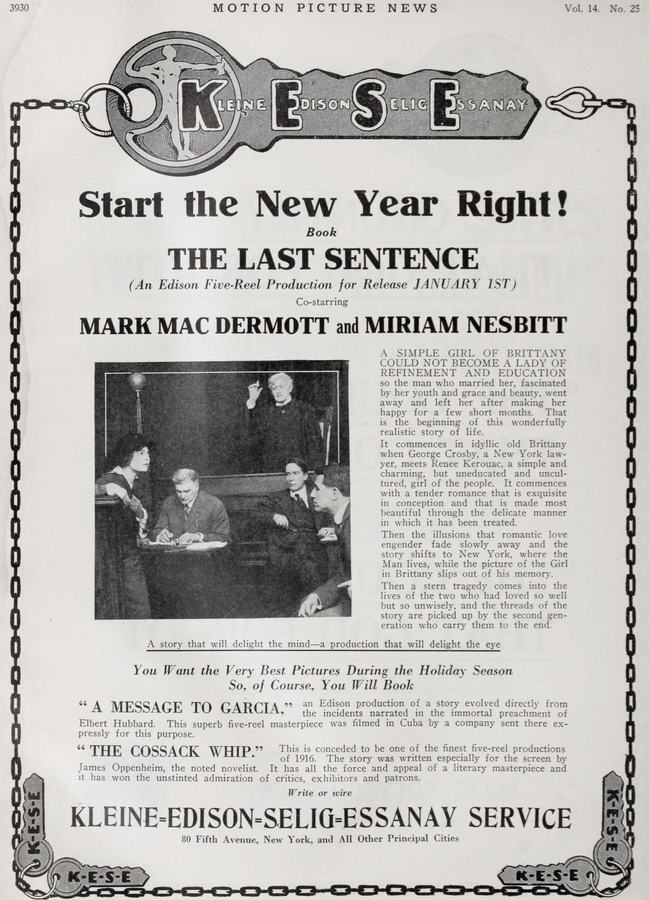
Dir: Ben Turbett
George Crosby, a New York lawyer, with a passion for painting, wearied of his legal duties, sails for Brittany, where he meets Renée Kerouac, a fisher-maiden, and sketches her as a Corregan, a fairy who destroys the men who refuse her love. Hoel Kalloc, her betrothed, becomes jealous, and George marries her, after saving her from Hoel's brutality. He soon realizes her inferiority and the impossibility of introducing her as his wife; so he sends her to a convent to be educated, promising to send for her as soon as she has acquired the polish necessary in his sphere of life. Returning to America, he keeps his marriage a secret and is struggling to forget, when he receives a note that a girl, who she has named after him, has been born to her. George later meets Cynthia Ford, with whom he falls in love, and on receiving word of the death of Renée and the baby in a fire in the convent, they become betrothed. However, during the following winter, Renée reappears, and when George denies that he knows her, she leaves her baby in the care of her landlady and goes away. The next morning in the snow in front of their house the Crosbys find her body. Clutched in her hand is the crucifix George had given her, on the back of which had been scratched the word "pardon." The landlady identifies her as the mother of the baby who has been left in her care, and George, placing the crucifix around the baby's neck, pays the landlady to take care of her. Four years pass and a daughter, Georgianna is born to Cynthia and George. In the meantime, Georgette wanders away from the landlady's home and is adopted by a barge captain. Raoul Kerouac, now a French naval officer, comes to inquire for his lost sister, Renée. Seeing Cynthia's child, he mistakes her for Georgette. George writes a confession, revealing the truth, but Cynthia destroys the confession without reading it, on account of her faith in George. Sixteen years later, George is now Judge Crosby, while Georgette has secretly married Val, the reprobate son of Mrs. Lewis, in whose home she is employed as a maid. In an effort to cure him of his love for drink, his mother sends Val away, and Georgette is left alone. A girl is brought before Judge Crosby, charged with murdering her baby, and her conviction seems assured. Among the evidence is a crucifix with the word "pardon" scratched on the back. The judge is seized with apoplexy, as realizing the prisoner is his daughter, he sentences her to death. He has pronounced his last sentence. Cynthia's love for George survives all else; she strives to secure Georgette's freedom, and finally gets word to Val in the far north, whose answer states the baby is safe with him. Val returns with the baby, and he and Georgette sail for Brittany on their belated honeymoon. For the first time in years, George's heart is lightened, although his body is distorted with pain.
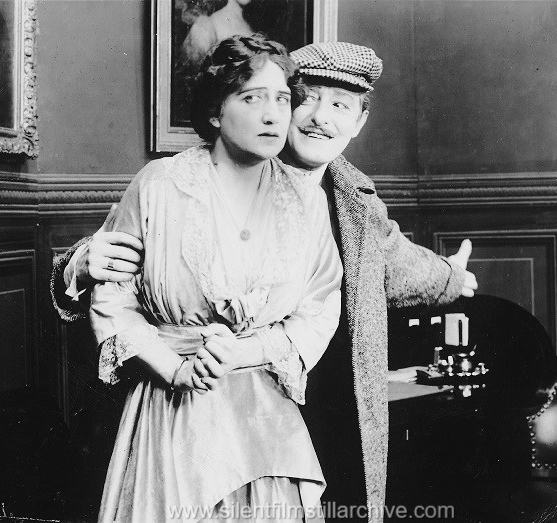
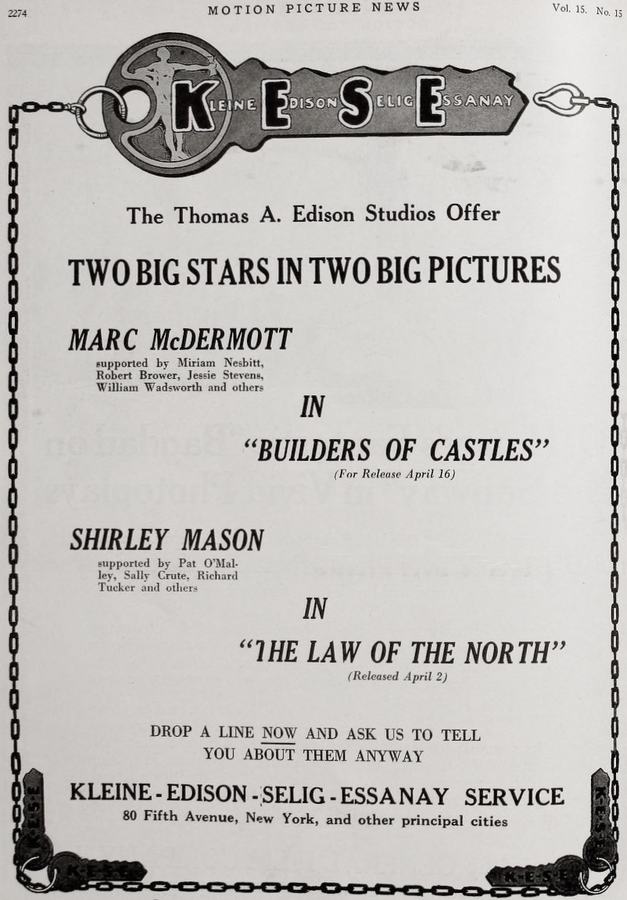
Dir: Ben Turbett
Morton, a respected businessman, is induced by Gittens to join him in a scheme to rob the poor by means of a fake building association, advertising that "a small investment will start a beautiful home. The poor may enjoy all the luxuries of the rich." Gittens manages so that when the crash comes Morton is held responsible for the investors' losses, while he himself reaps all the profits. Among the victims are Marie, engaged to marry a minister, and "The Servant of the Poor." Gittens covets Marie, and for a time, by falsely making it appear that her fiancé has married another, succeeds in his designs. Finally, however, the truth comes to light. Through the activities of Marie, now fully aware of his perfidy, Gittens is brought to justice. Morton, regenerated by his bitter experiences finds a way to make good the losses of the poor investors, and after Marie has been forgiven by the minister and installed as mistress of the little parsonage, "The Servant" once more sets out on the broad highway, to bring comfort to the weak and lowly.
View Details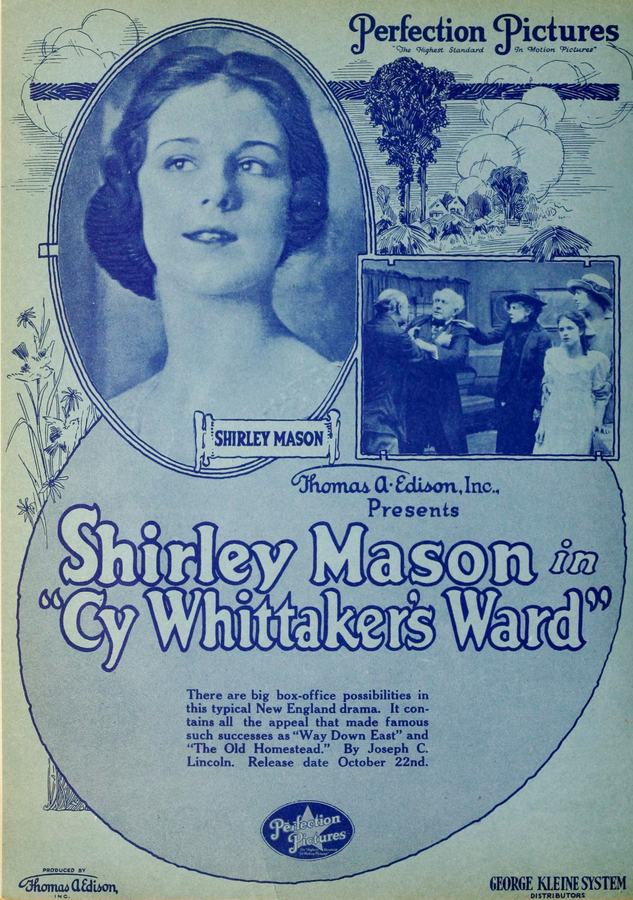
Dir: Ben Turbett
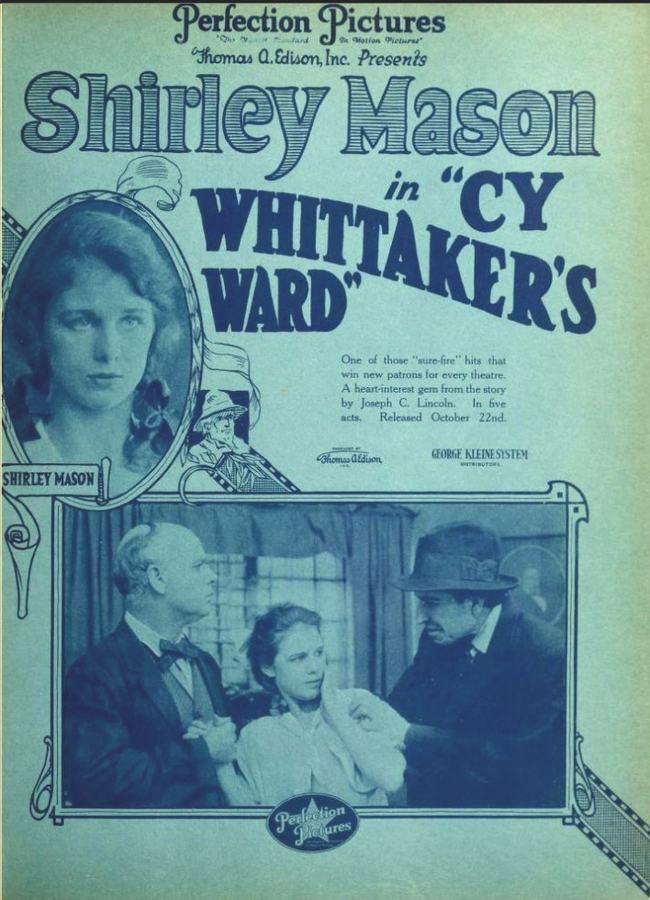
Returning to the village of Bayport after twenty-two years, retired sea captain Cyrus Whittaker finds the community under the power of political boss Herman Atkins. Cy opposes Atkin's choice for the position of teacher and helps to elect Miss Daws instead, thus earning the enmity of the politician. One day, a young girl named Emily Thomas arrives with a note from Sarah Oliver, a relative of Cy, explaining that the girl is the daughter of his old sweetheart and that her father is in jail and her mother dead. Cy develops a deep attachment to the girl and all goes well until Richard Thomas, Emily's father, leaves prison and arrives in Bayport looking for his daughter. When Cy begins to search for the man who defrauded Emily's grandfather, Thomas and Atkins form an alliance against the sea captain and demand that he drop the suit or lose custody of Emily. Fearful of losing Emily, Cy concedes to their demands until Sarah arrives and recognizes Atkins as the man who robbed Emily's grandfather.
View Details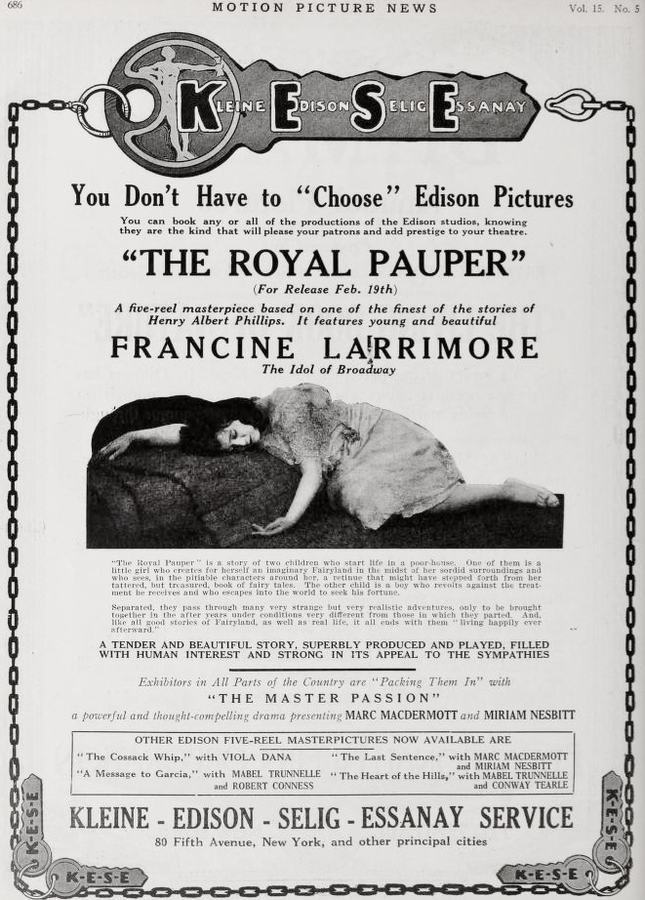
Dir: Ben Turbett
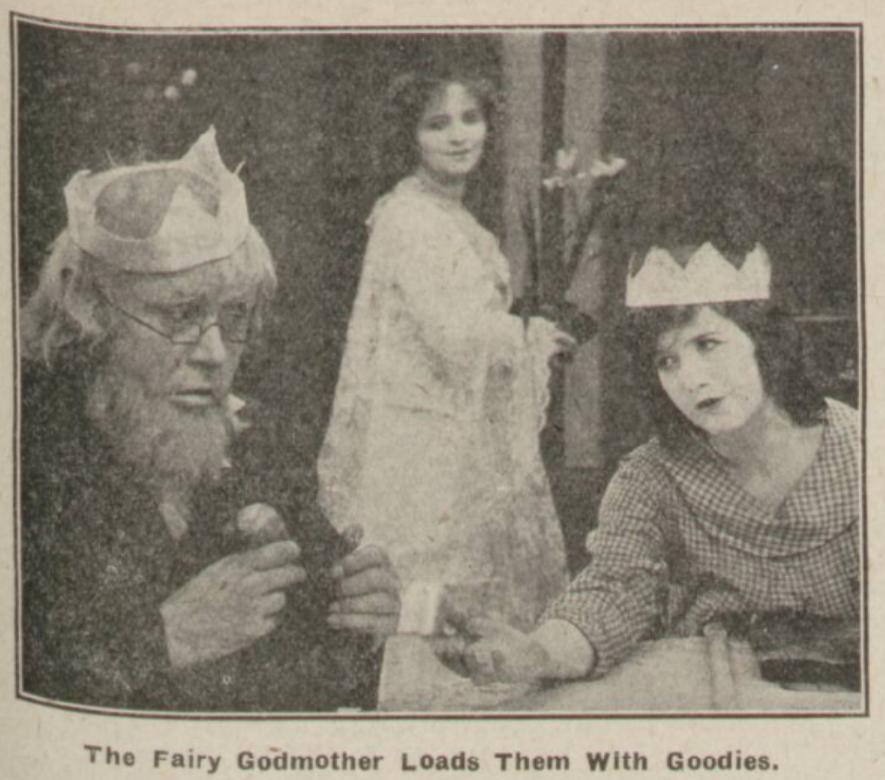
The Princess is a fairy-tale-loving workhouse child, who pretends an aged pauper and a boy inmate of her home are individuals like those she reads of. Ill-treated by the female superintendent, the three run away, and are sheltered by the childless wife of a mill-owner, who takes a fancy to the girl and adopts her, against her tyrant husband's wishes. The girl wins the tyrant's heart, and lives in the hope of meeting the runaway workhouse boy, her Prince Charming. Later on he turns up as the inventor of plans for a loom which will revolutionize the mill industry. Carruthers, a refined rogue, comes courting the " Princess," and overhears the inventor offering his loom for a huge sum of money and complete control of the works to his tyrant employer, which the latter refuses. Carruthers steals and hides the plans, which are unearthed by the workhouse dog, and find their way back the tyrant. A strike is declared, and the tyrant defies his men. The "Princess " intervenes, saves her adopted father's life, meets her "Prince," and Carruthers is "shown up" in all his villainy. A workhouse banquet, attended by the inmates, the adopted parents and the sweethearts, all in "ermined robes," to keep up the fairy tale, leads to mutual admiration, and happiness and wealth to all.
Dir: Ben Turbett
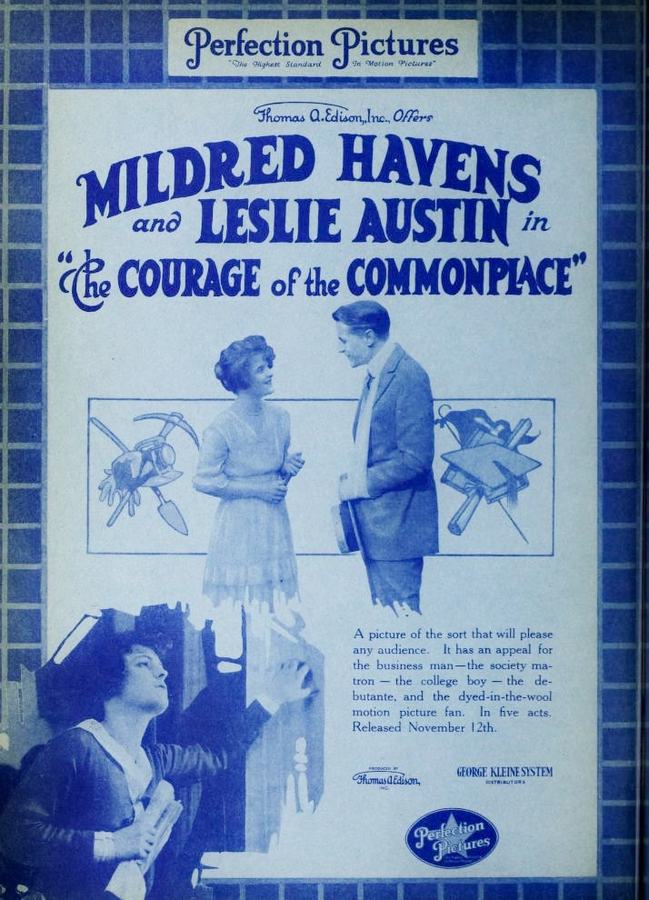
John McLean fails to obtain the coveted honor of selection to the Senior Society at Yale, but is cheered by a letter from his father who reminds him that the courage of the commonplace is the greatest of all. Nevertheless, the girl he loves leaves without bidding him goodbye and John, not knowing that her grief over his failure was the cause, assumes that she has lost faith in him. Three years later, John graduates from Boston Tech and is appointed superintendent of the Big Oriel Mine. Conditions are deplorable at his post and John sets out to win the confidence of the men, which he succeeds in doing, winning all but a few miners led by the foreman O'Hara. When a fire breaks out in the mine, the two adversaries are trapped in a shaft. O'Hara loses his mind and attacks his comrades but is knocked senseless by John. Relief arrives just in time and John finds himself a hero, not only to O'Hara and his former foes, but to the world outside. At the Yale commencement, he is praised in a speech by the president, feted by his classmates, and his happiness is made complete when the girl confesses her love for him.
View DetailsAnalysis relative to When Love Is King
| Film Title | Atmosphere | Complexity | Similarity |
|---|---|---|---|
| The Lady of the Photograph | Gritty | Abstract | 91% Match |
| The Last Sentence | Surreal | Layered | 92% Match |
| Builders of Castles | Tense | Linear | 92% Match |
| Cy Whittaker's Ward | Surreal | Dense | 98% Match |
| The Royal Pauper | Ethereal | Abstract | 87% Match |
This guide was algorithmically generated using the cinematic metadata of Ben Turbett's archive. Last updated: 6/22/2026.
Back to When Love Is King Details →