
DbcultAccessing Vault...
Recommendations
Senior Film Conservator
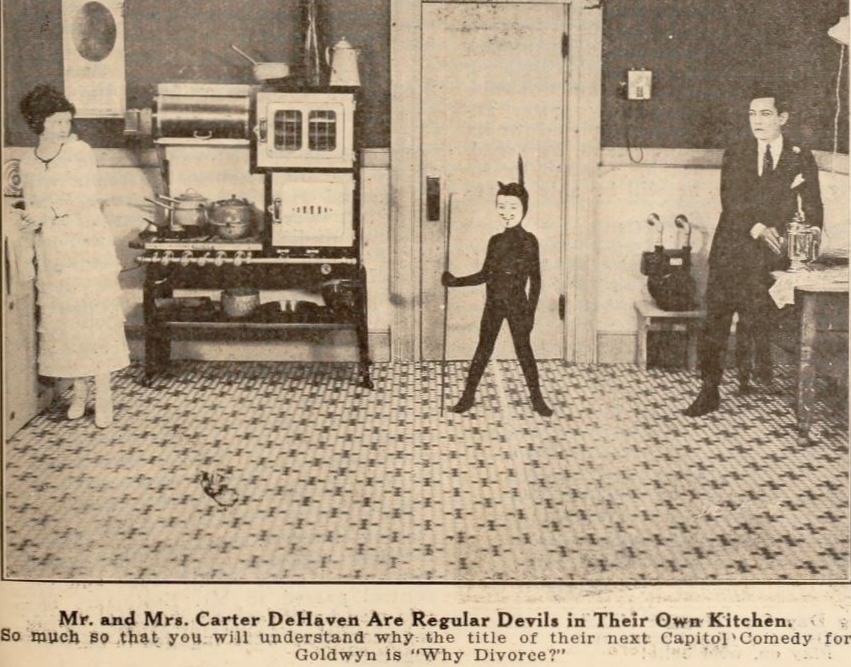
If the cinematic excellence of William A. Seiter's work in Why Divorce? left an impression, the juxtaposition of cinematic excellence and narrative makes it a cult outlier. Experience the United States influence in these recommendations that echo Why Divorce?.
By merging cinematic excellence with cult tropes, it to elevate cult to the level of high art.
A young couple quarrel and make-up and quarrel again and it is here where they determine to save the scandal of divorce by placing a white tape through the house to divide it into two parts, each section of which will be exclusively sacred to the other. In the meantime, an almost invisible Cupid hovers about trying to placate them and a little Mephisto with a pitchfork tries to prod the couple along to more troubles.
Why Divorce? was a significant production in United States, bringing a unique perspective to the global stage. It continues to be a top recommendation for anyone studying cult history.
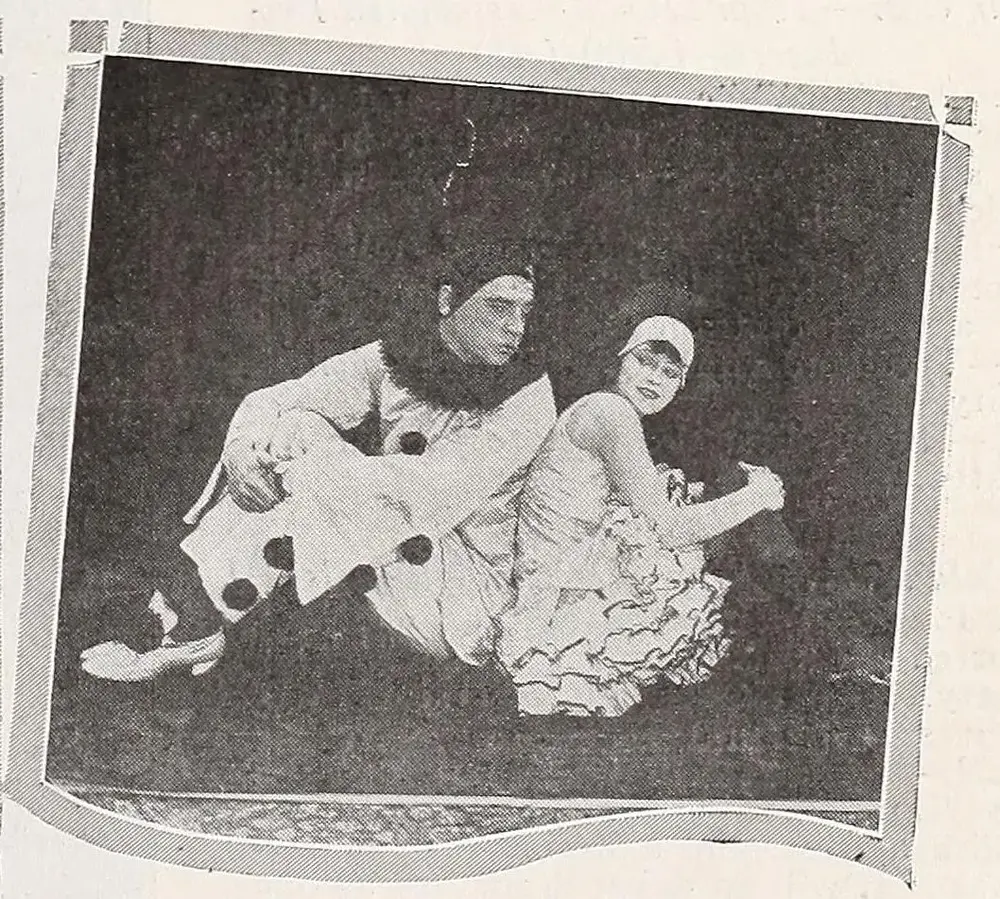
Based on the unique cinematic excellence of Why Divorce?, our vault has identified these titles as the most compelling follow-up experiences for fans of cult cinema:

Dir: William A. Seiter
Alice, an energetic vixen, lives in a country estate with her gouty uncle, who denies her any companions. She plagues him with pranks until he leaves the estate. Now free to seek adventure, she dresses as a maid and convinces a passer-by, Richard Comstock, a celebrated author, that the estate is a boardinghouse. She has the servants pose as distinguished guests. The uncle returns and spoils the spoof. Later she meets Richard at the hunt club ball, which Galloping Dick, a gentleman burglar, also attends, in a strictly professional capacity. When jewels are discovered missing, Alice, thinking Richard is the thief, hides him in the cellar, where they run into Galloping Dick's accomplice. Alice and Richard are at first denounced as thieves, but the actual culprits are apprehended.
View Details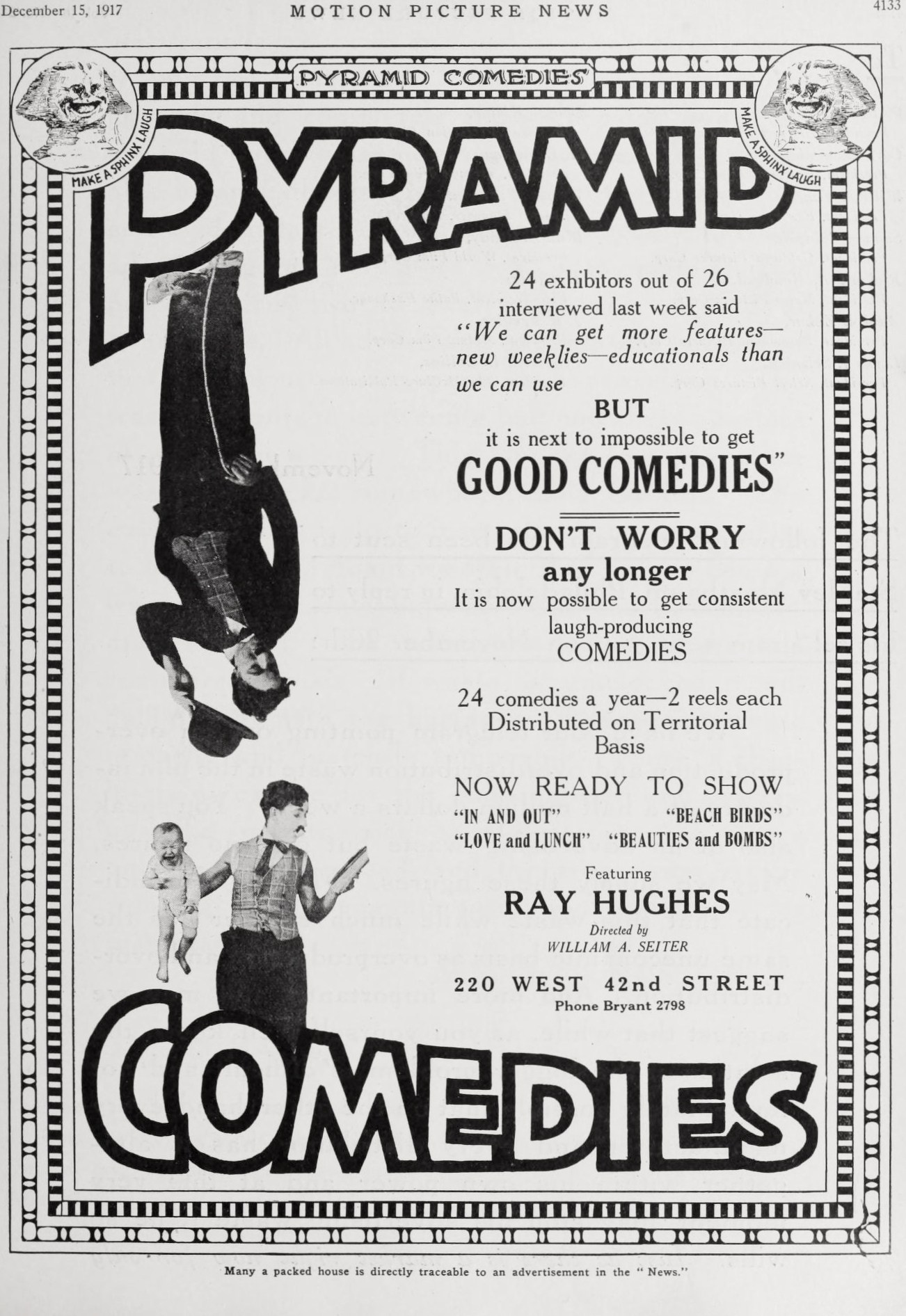
Dir: William A. Seiter
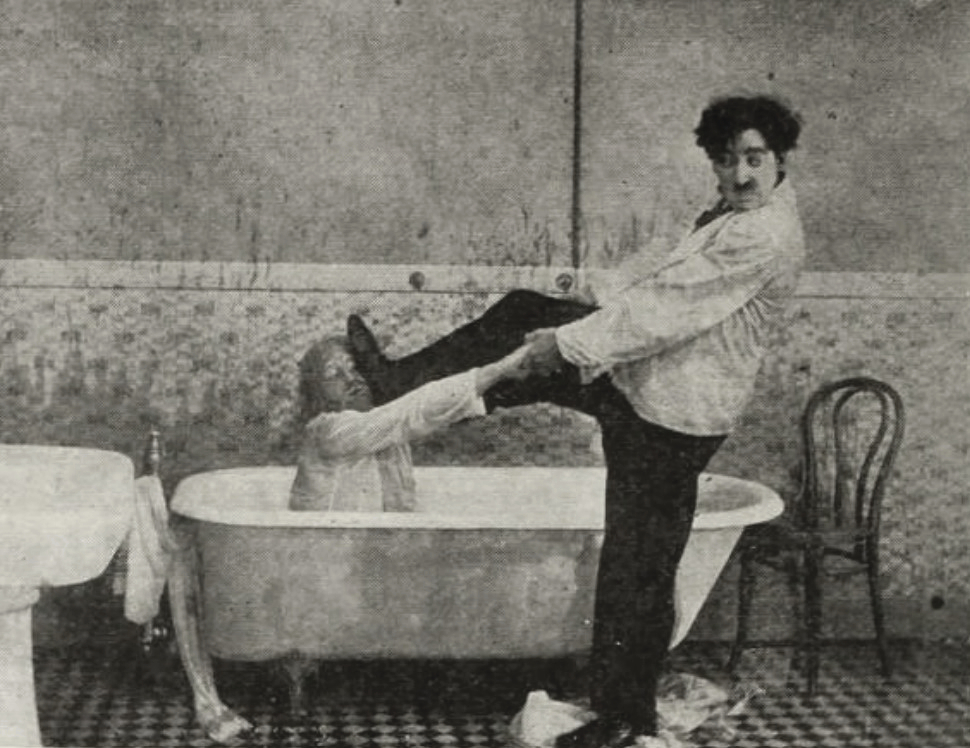
A fascinating piece of cinema that shares thematic elements.
View Details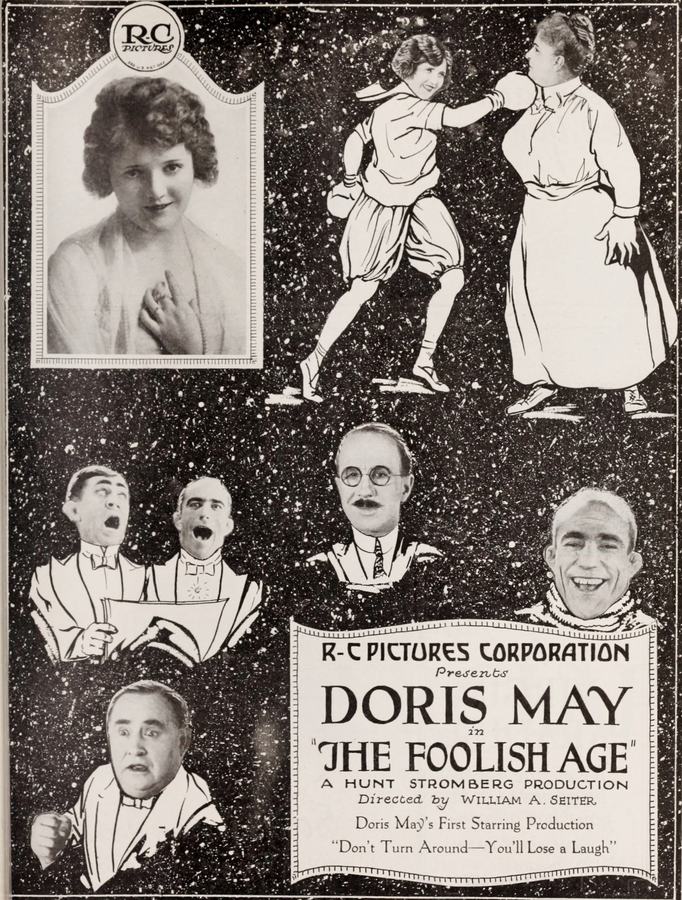
Dir: William A. Seiter
Margie Carr, the only daughter of wealthy Tom "Old Top" Carr, becomes determined to aid the less fortunate following an inspirational commencement speech at her college graduation. She establishes the Cheer Society and hires a ruffian named Bubbs as her secretary, along with three of his comrades. Her jilted fiancé, Homer Dean Chadwick, retaliates by founding a charity for impoverished chorus girls, and sparks Margie's jealousy when she sees him in the company of a former chorine named Flossy. Following a disastrous social event, which included Bubbs and his friends as guests, Margie realizes the folly of her endeavor and agrees to marry Homer.
View Details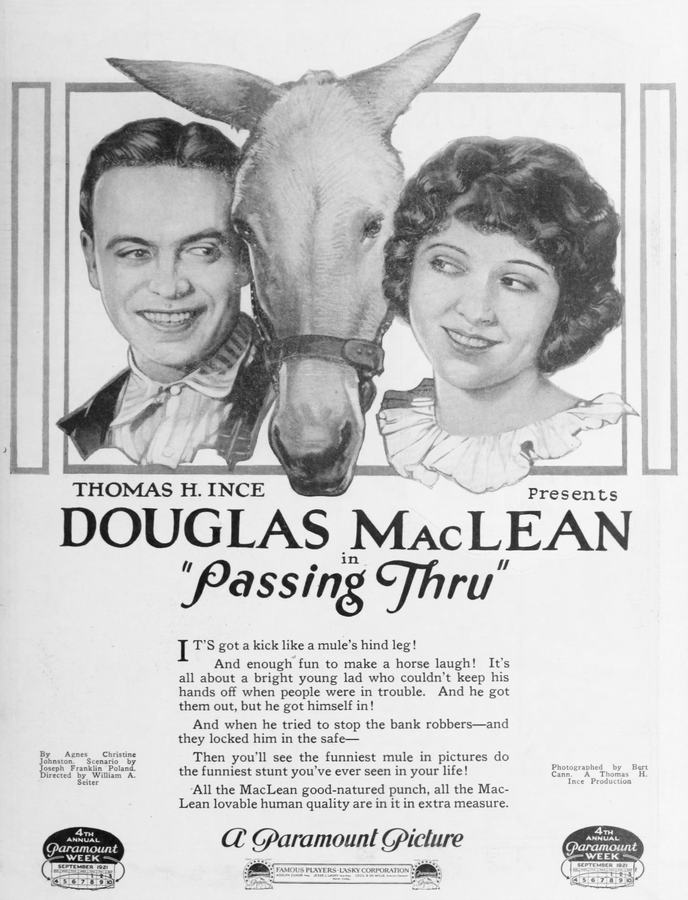
Dir: William A. Seiter

Billy Barton a bank teller, shoulders the blame for a cash shortage for which Fred Kingston, a fellow employee, is responsible and is sentenced to prison. On his way there, the train is wrecked and he escapes. In the town of Culterton, he meets and falls in love with Mary Spivins, the bank president's daughter, and charms the populace by playing the mouth organ. He obtains work as a farmhand with Silas Harkins, taking the farm mule as wages. When Spivins orders Harkins arrested for assault, Billy learns it was a kick from the mule that laid out Spivins. At the bank he finds Spivins bound while Fred and the clerk are robbing the safe; Billy is locked in the safe, and all efforts to save him prove futile until the wall is kicked out by the mule. Through the efforts of Willie Spivins, the bank is dynamited, but all ends happily.
View Details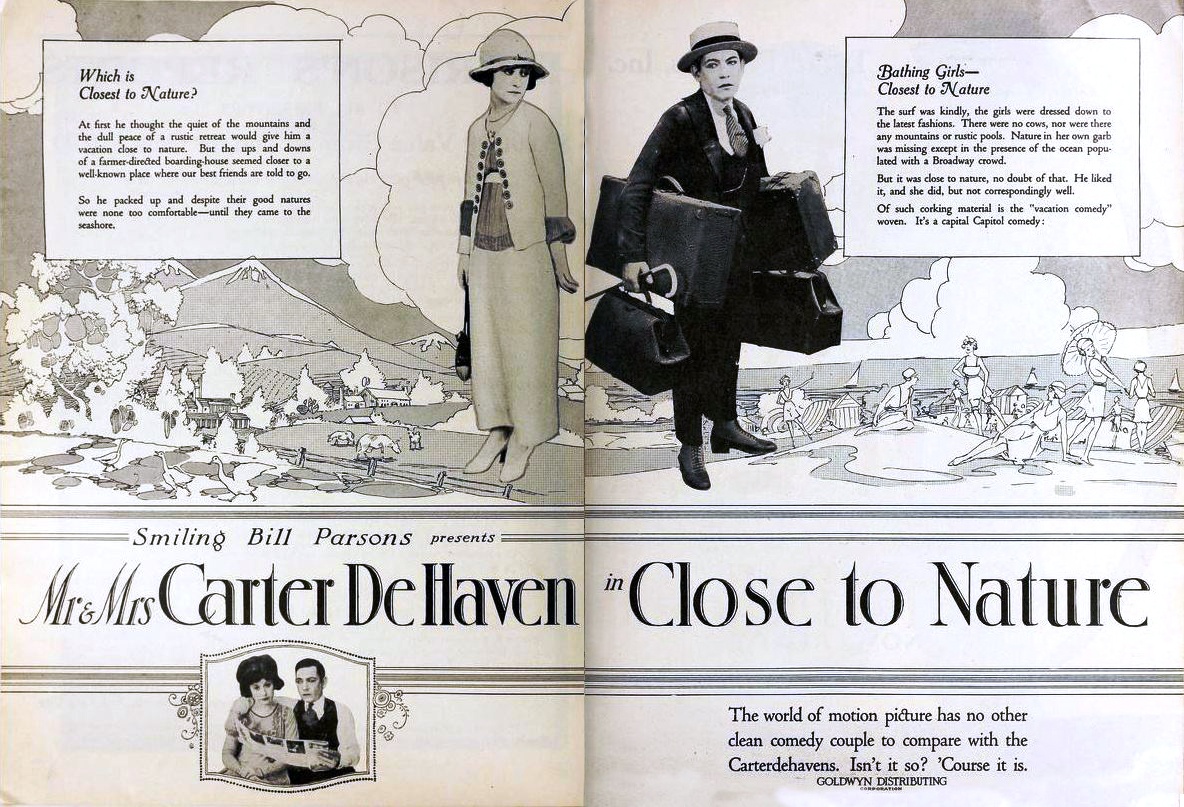
Dir: William A. Seiter
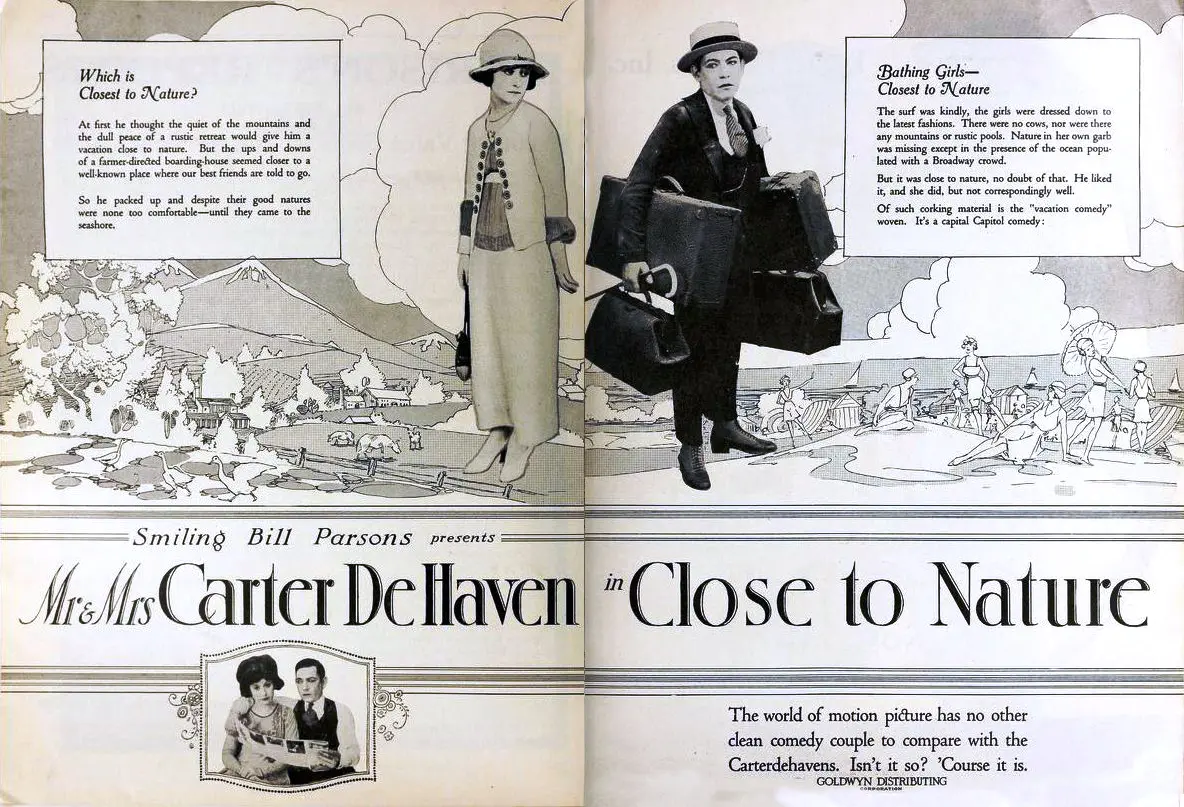
Jack wants to spend their vacation in the mountains and Daisy wants to spend it at the beach in Santa Barbara.
View Details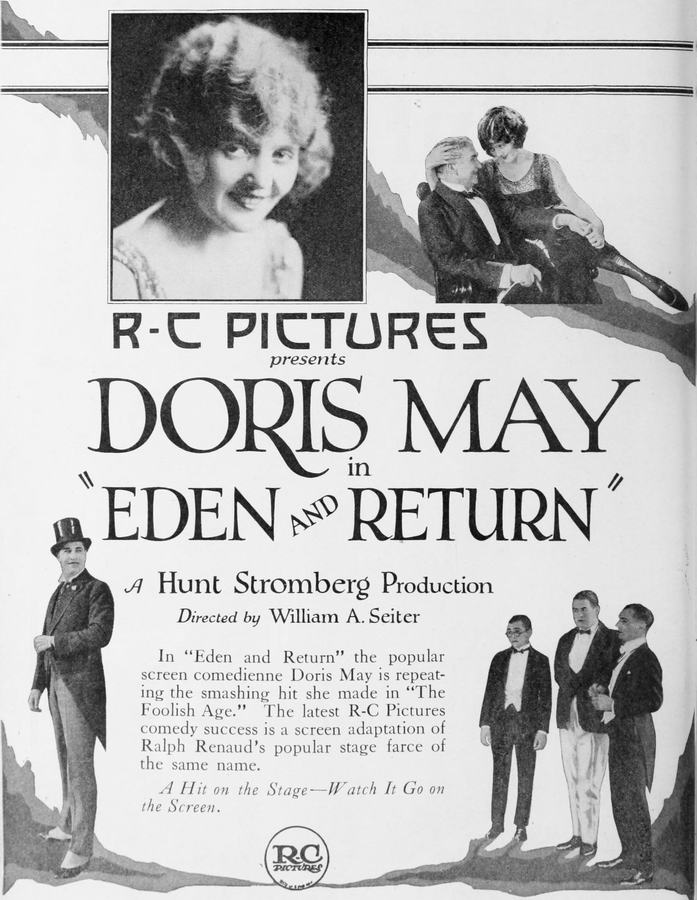
Dir: William A. Seiter
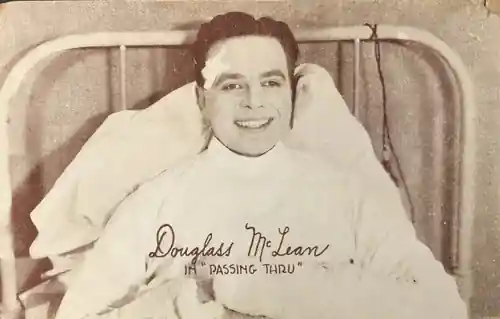
Young Betty Baylock is courted by three young men, but doesn't love any of them. However, her father--a wealthy stockbroker--demands that she choose a husband from among the three. Angered, Betty dismisses them all. She soon meets and falls for Jack Grey, a young man who has already made and squandered a fortune, and this infuriates her father even more. When Betty and Jack marry, the father throws them both out of the house, telling them that until Jack earns back all the money he has lost, he'll have nothing to do with them.
View Details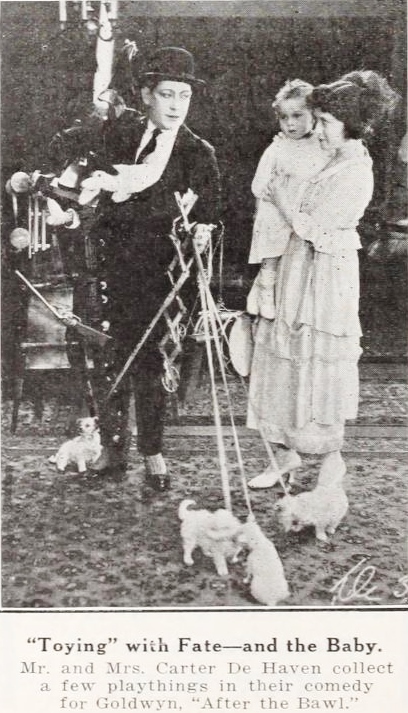
Dir: William A. Seiter
A young wife is too fond of the frivolities of life to care about raising babies. But one day she finds herself called upon to help a woman in the street who is taken suddenly ill and is obliged to hand over her baby to strangers. The young woman takes the baby home and cares for it. The old trick of the husband misunderstanding a telephone message, and rushing home with an armful of toys for an anticipated heir, is worked in. The arrival of a nurse on the scene to claim the child leaves a vacuum in the home of the young couple, and the wife's hysteria causes the husband to hunt another baby. He arrives at home with it at the same time that the other child, whose mother is unable to care for it, is returned, causing amusing complications.
View Details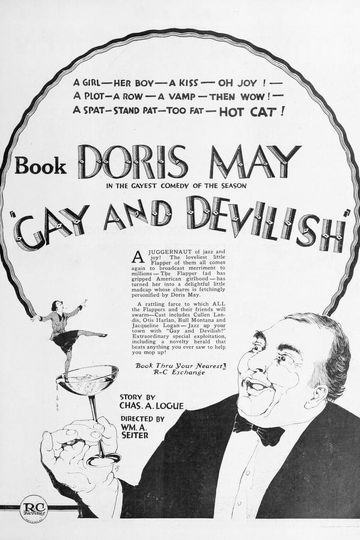
Dir: William A. Seiter
Fanchon Browne promises to marry elderly Peter Armitage to extricate Nethercote, her guardian, from financial difficulties. Before meeting him, however, she meets an attractive young man in the woods and persuades her friend Lilah to vamp the old man. Lilah, however, vamps the wrong Armitage, who turns out not only to be the nephew of the elder Armitage but also the young man with whom Fanchon is involved. Meanwhile, Fanchon's aunt falls in love with the elder Armitage, and Tony, a prizefighter, who adores Lilah, presses his suit. Fanchon borrows money from old Peter's safe to aid young Peter in speculation; when the safe is reported robbed, young Armitage is accused, but guilt is fixed on the butler. Thus, Fanchon is free to marry Armitage, Jr., and her aunt accepts Armitage, Sr.
View Details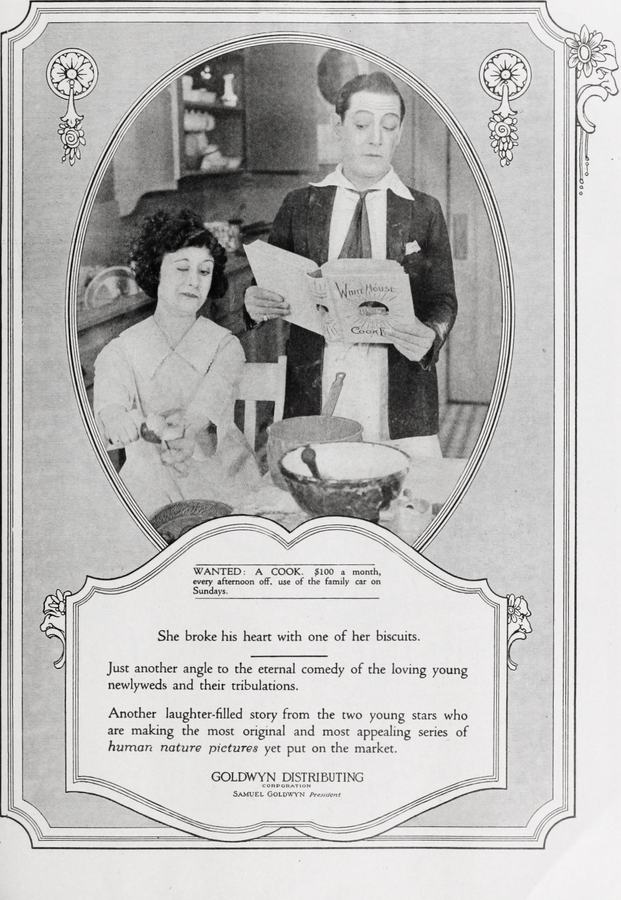
Dir: William A. Seiter
A newly married couple decide to spend their first Sunday at home. Mr. Newlywed boasts to his office associates of his wife's cooking and they immediately invite themselves for a Sunday dinner. Some friends of his wife decide to make their first Sunday at home anything but a quiet one. They advertise in the papers for a cook, giving the Newlywed's address, with the result that many applicants call for the position. Their cook, thinking that she is to be fired, packs her grip and in a huff leaves them. Nothing is left for the Newlyweds now but to cook their own dinner. The antics in the kitchen and the resulting dinner which is served to their guests are very funny. In the end they all proceed to a lunch counter where they eat a hearty meal.
View Details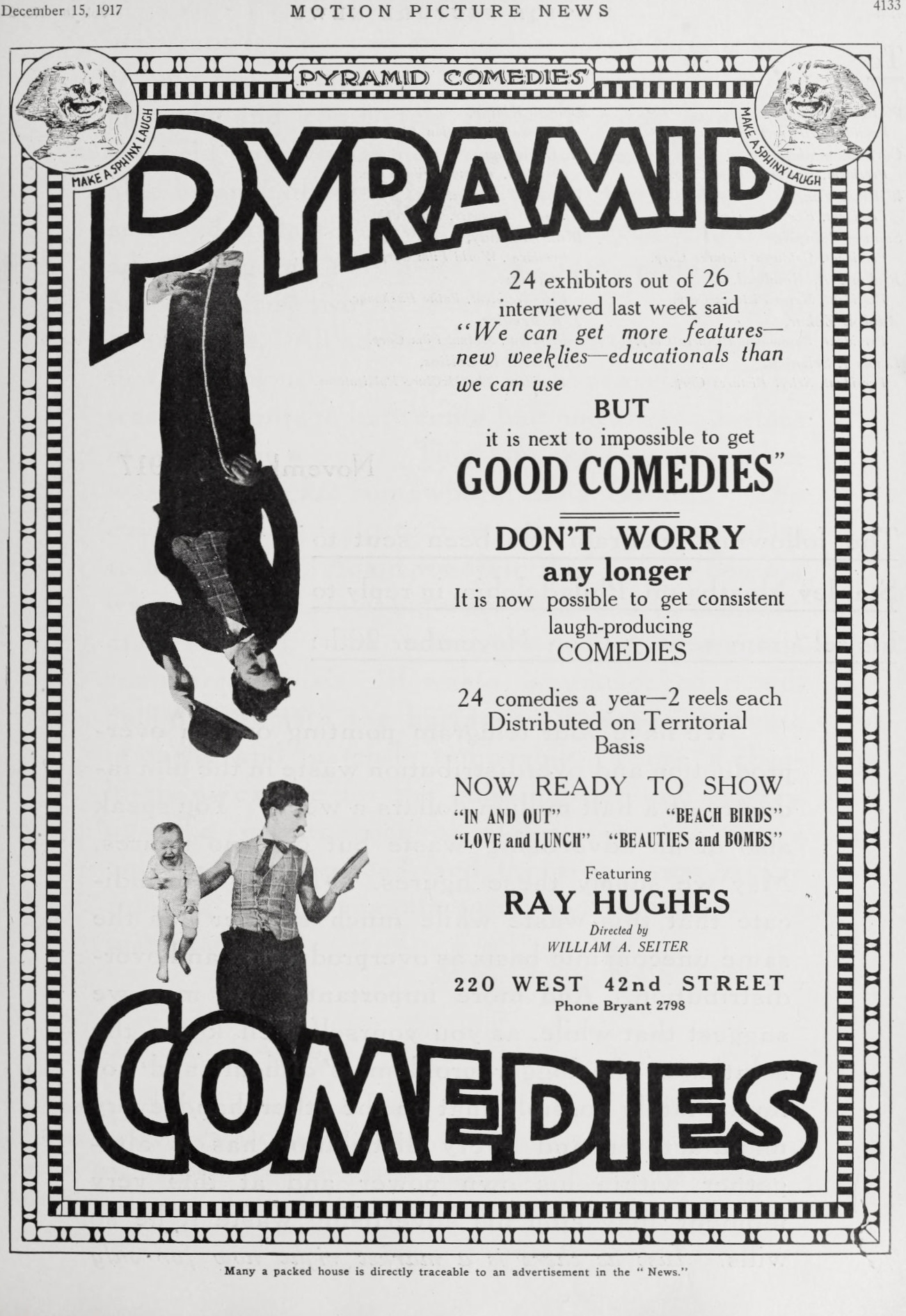
Dir: William A. Seiter
A fascinating piece of cinema that shares thematic elements.
View DetailsAnalysis relative to Why Divorce?
| Film Title | Atmosphere | Complexity | Similarity |
|---|---|---|---|
| Hearts and Masks | Tense | Layered | 95% Match |
| In and Out | Tense | Linear | 98% Match |
| The Foolish Age | Ethereal | Layered | 88% Match |
| Passing Through | Gritty | Dense | 85% Match |
| Close to Nature | Surreal | Layered | 88% Match |
This guide was algorithmically generated using the cinematic metadata of William A. Seiter's archive. Last updated: 6/28/2026.
Back to Why Divorce? Details →