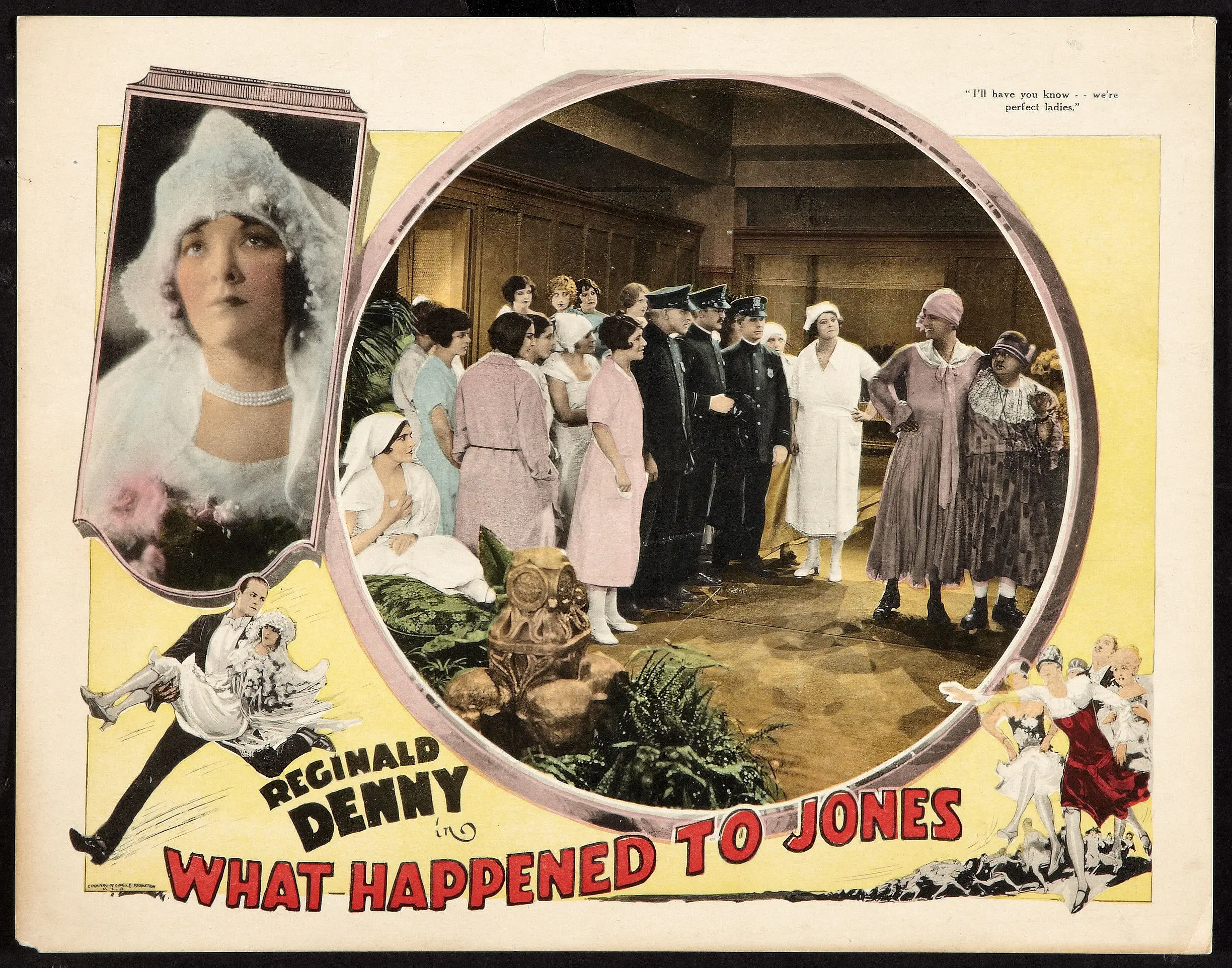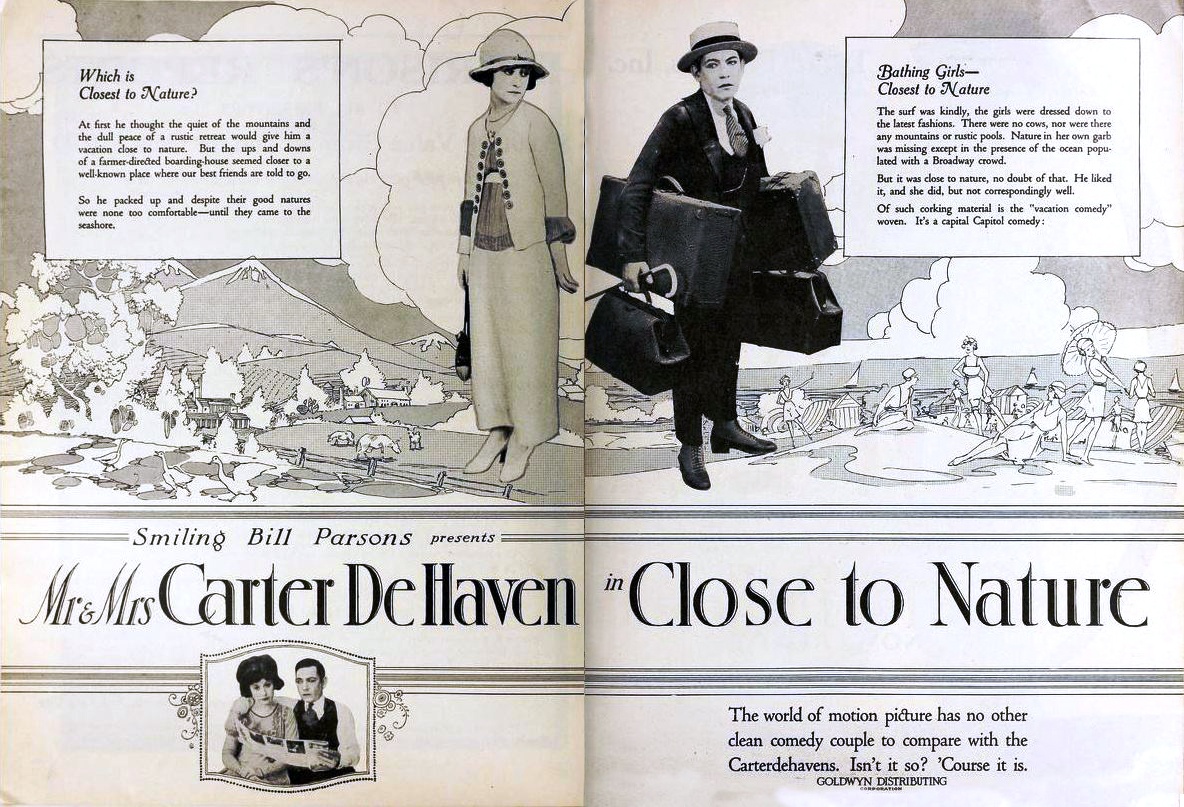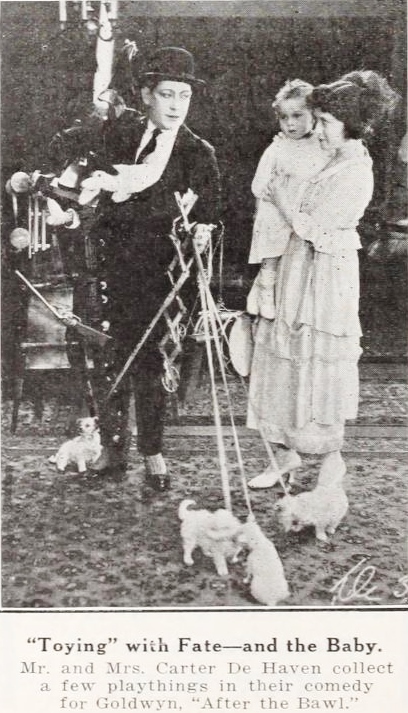
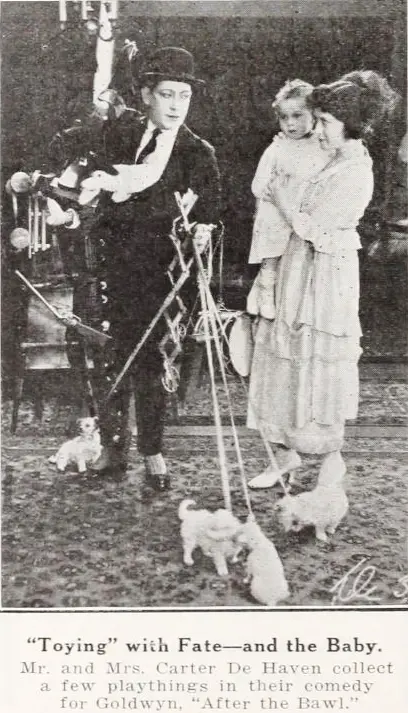
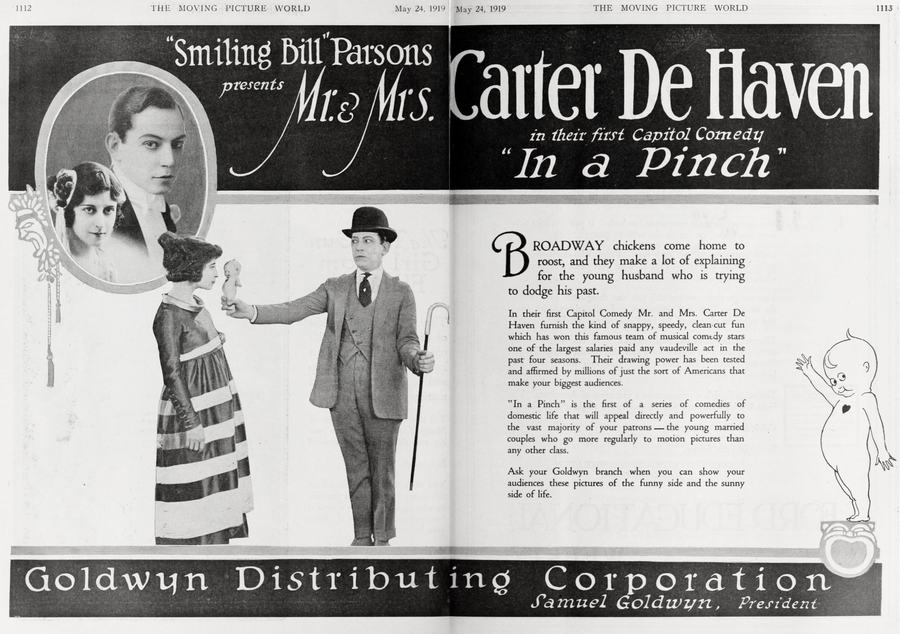
A young wife is too fond of the frivolities of life to care about raising babies. But one day she finds herself called upon to help a woman in the street who is taken suddenly ill and is obliged to hand over her baby to strangers.
United States
A custard-yellow intertitle splashes across the frame: “She wanted orchid nights, not cradle nights.” Already, the film’s wit pirouettes on the knife-edge between cynicism and tenderness, a balance that 1919 audiences—fresh from Armistice euphoria and Spanish-flu jitters—craved like bootleg gin. The plot, deceptivel...
still_frame
Comparing the cinematic DNA and archive impact of two defining moments in cult history.
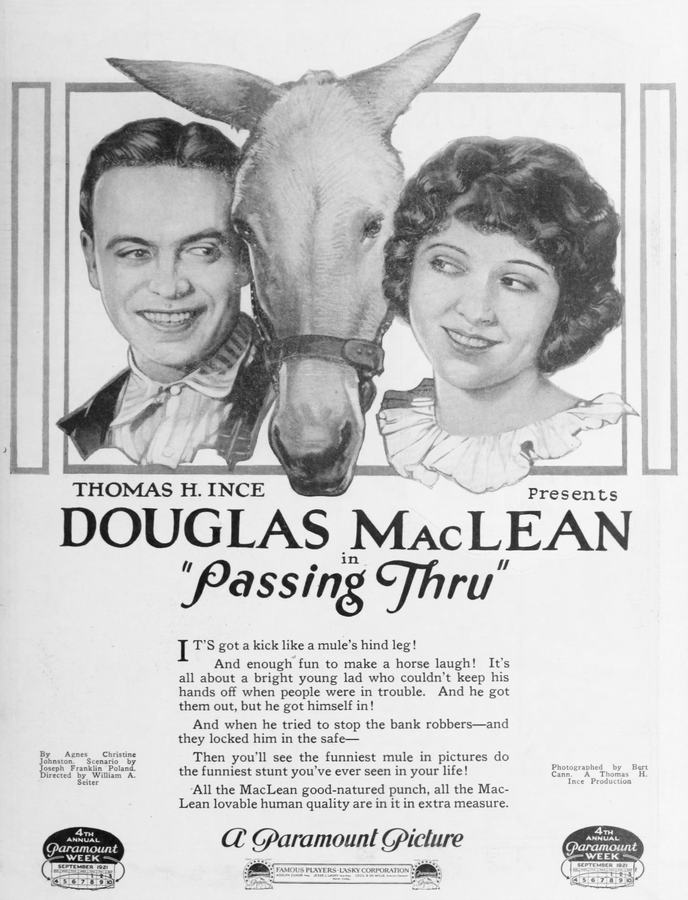
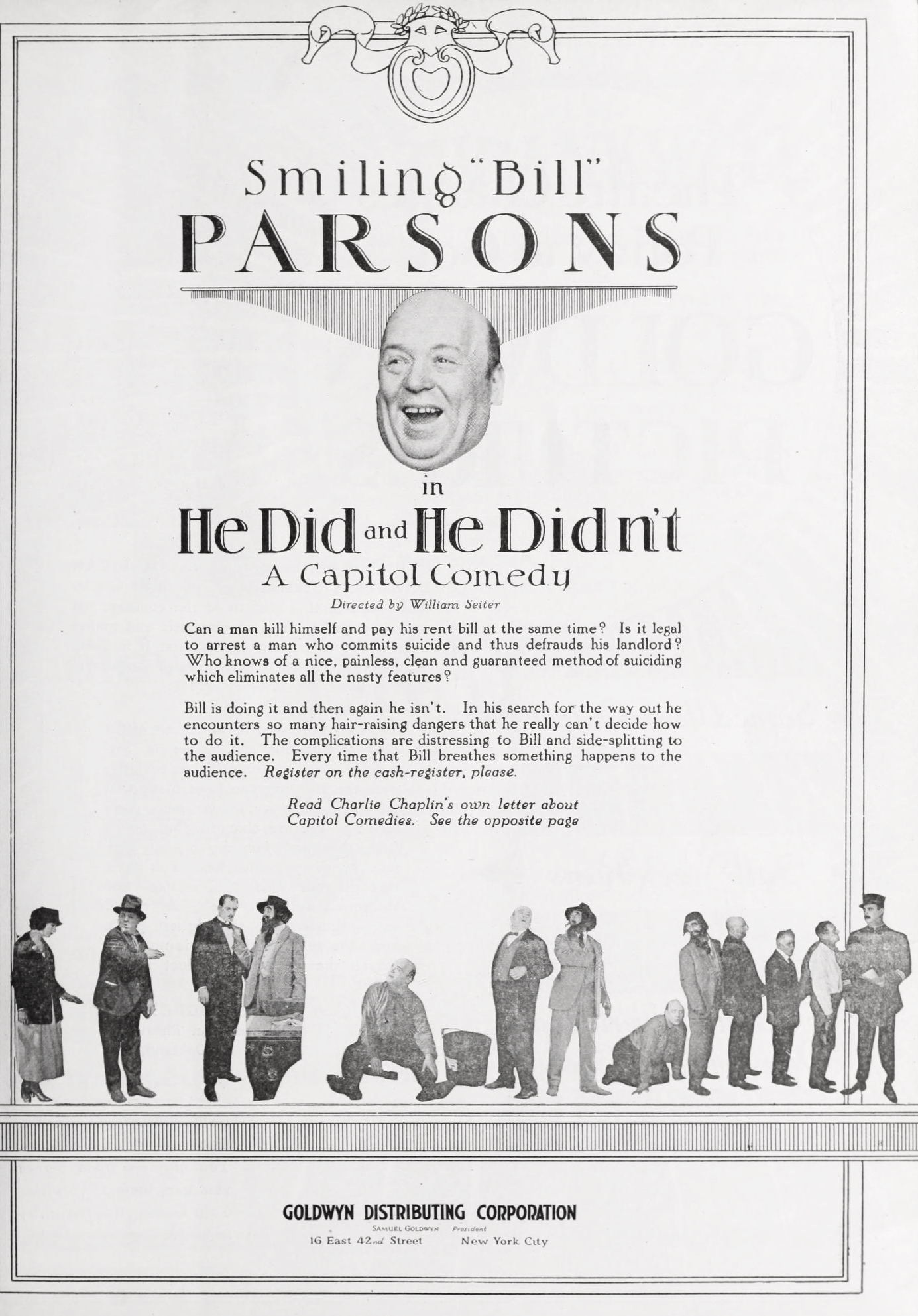
William A. Seiter
William A. Seiter
Community
Log in to comment.
" A custard-yellow intertitle splashes across the frame: “She wanted orchid nights, not cradle nights.” Already, the film’s wit pirouettes on the knife-edge between cynicism and tenderness, a balance that 1919 audiences—fresh from Armistice euphoria and Spanish-flu jitters—craved like bootleg gin. The plot, deceptively flimsy on paper, is lacquered by director-writer Carter DeHaven with a varnish of modernist panic. We open on a speakeasy-lite parlour: beaded curtains tremble to the syncopated ..."
Deep dive into the cult classic
Discover similar cinematic experiences
A Directorial Spotlight on William A. Seiter