United States
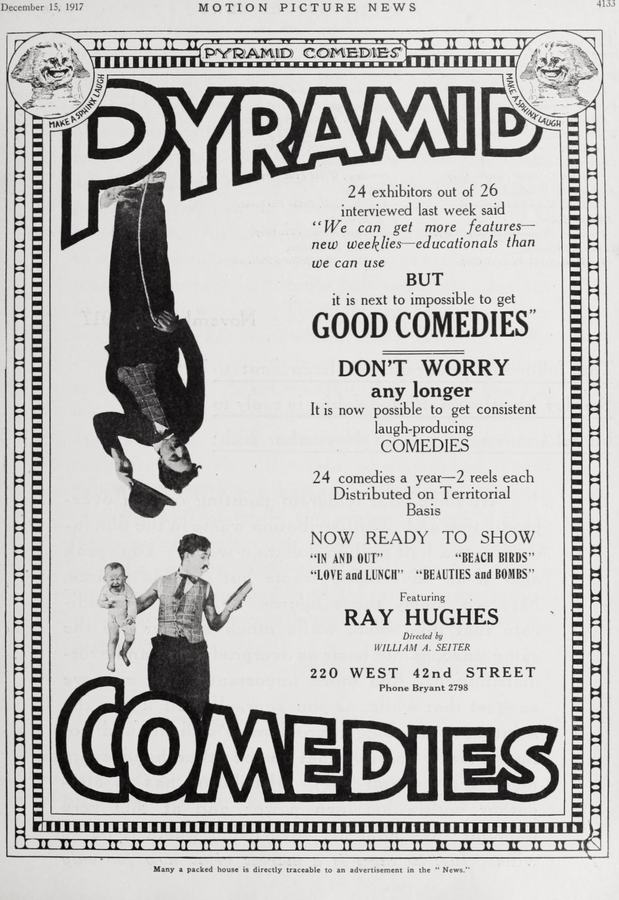
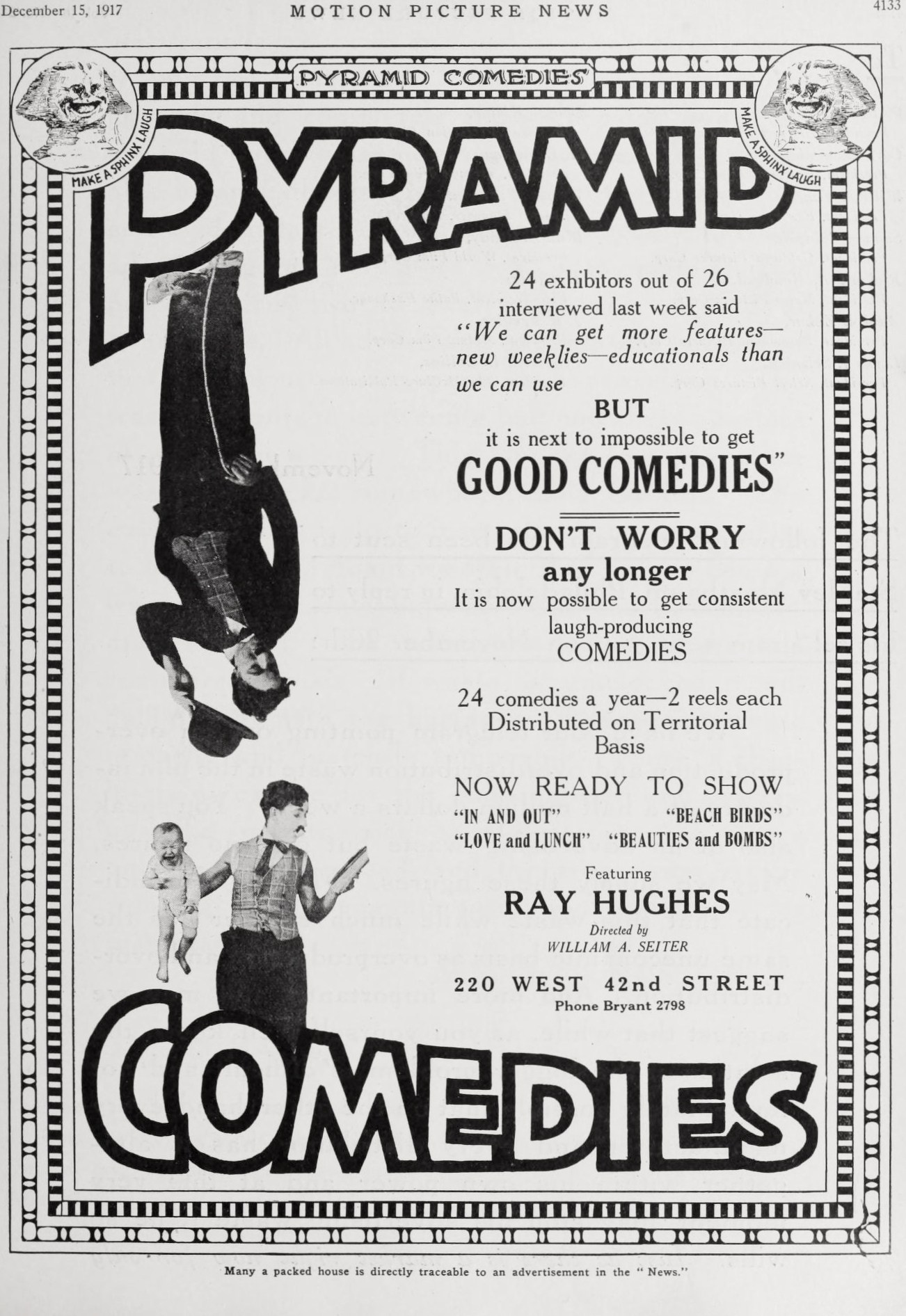
The Ontological Friction of the Silent FrameTo witness 'In and Out' is to observe the very scaffolding of cinematic language being erected in real-time. In an era dominated by the burgeoning industrialization of the moving image, this Ray Hughes vehicle emerges not merely as a relic of a bygone slapstick tradition, but...
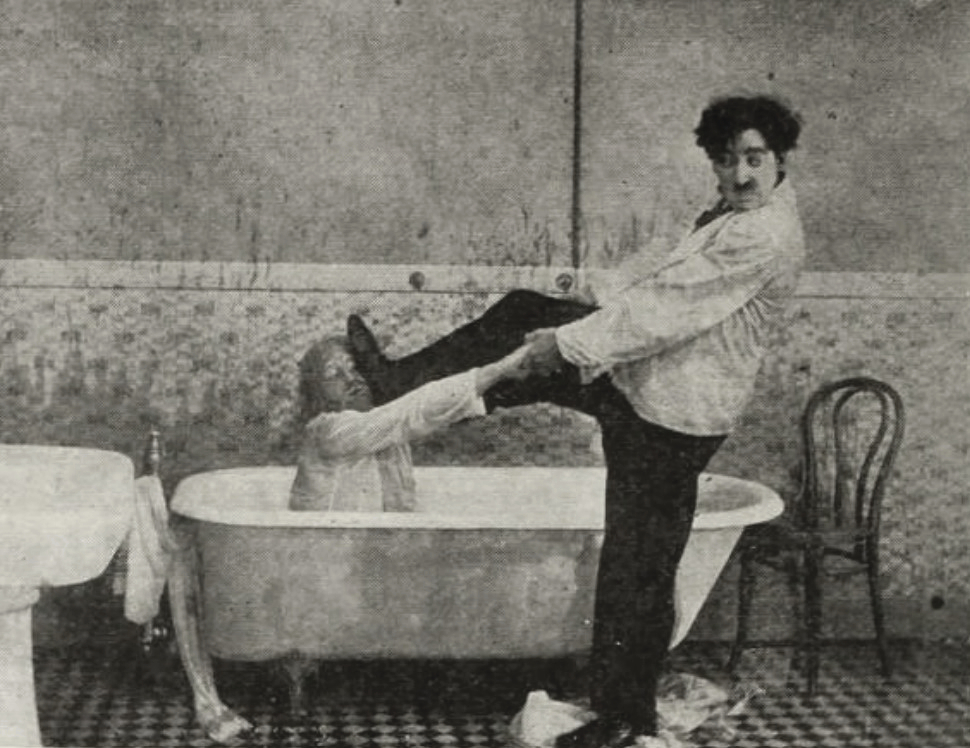
still_frame
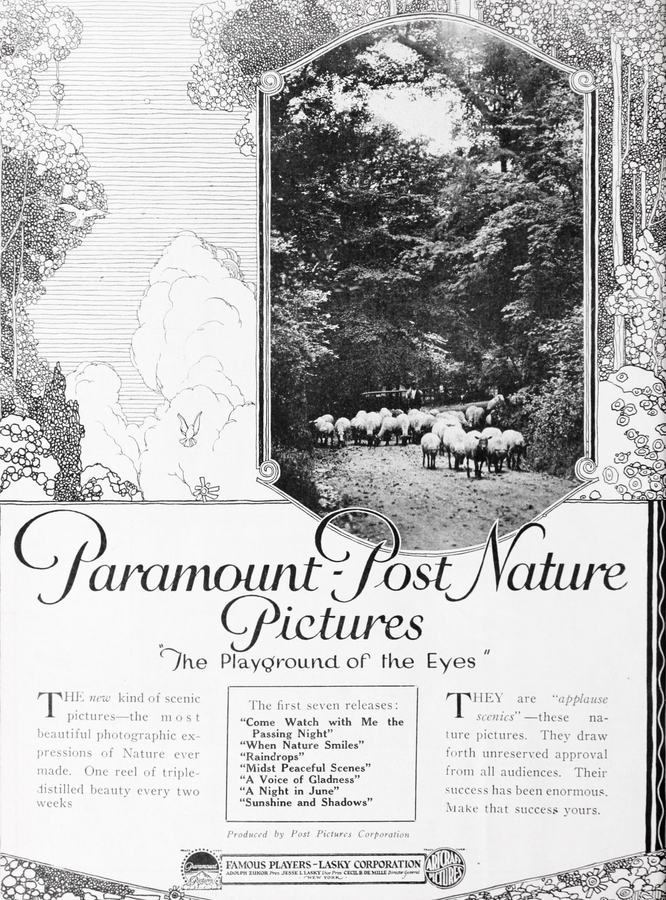
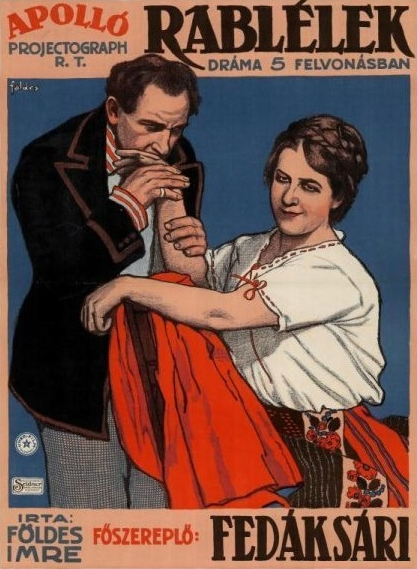
Comparing the cinematic DNA and archive impact of two defining moments in cult history.
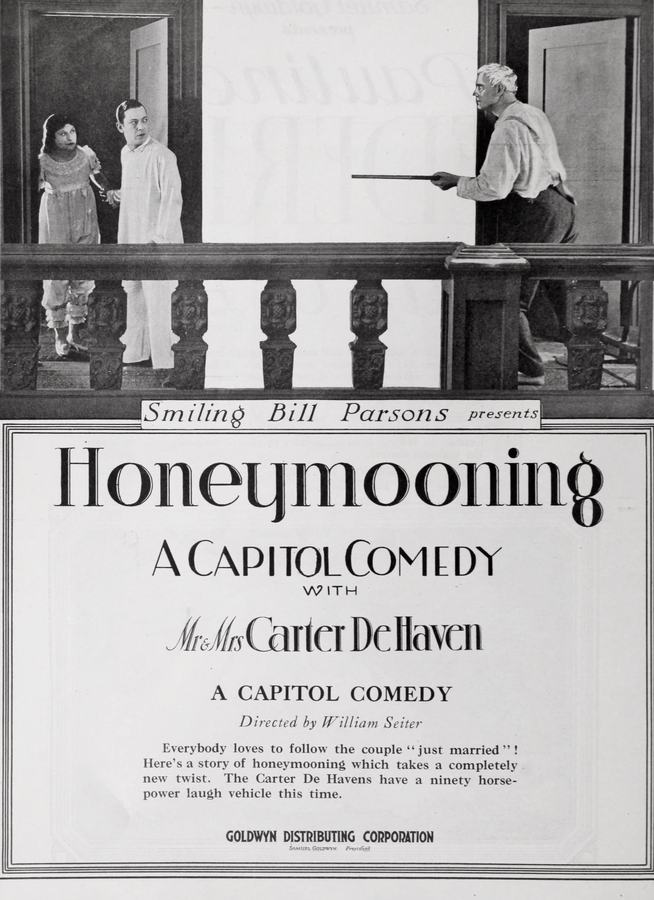
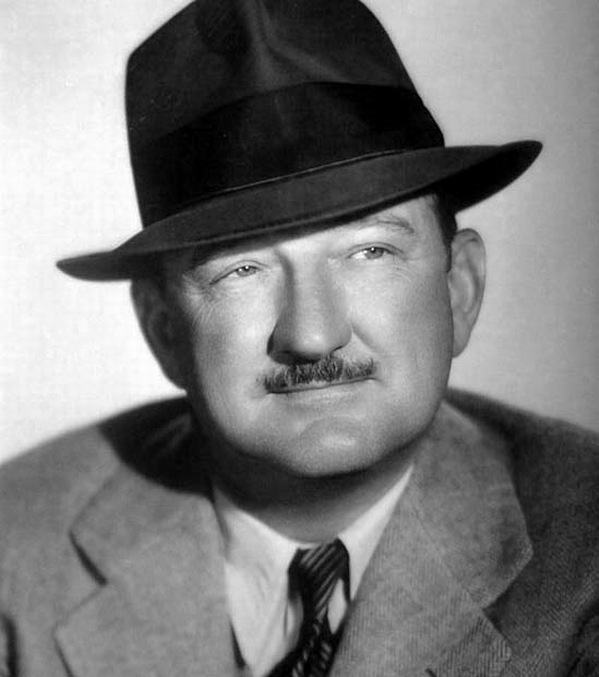
William A. Seiter
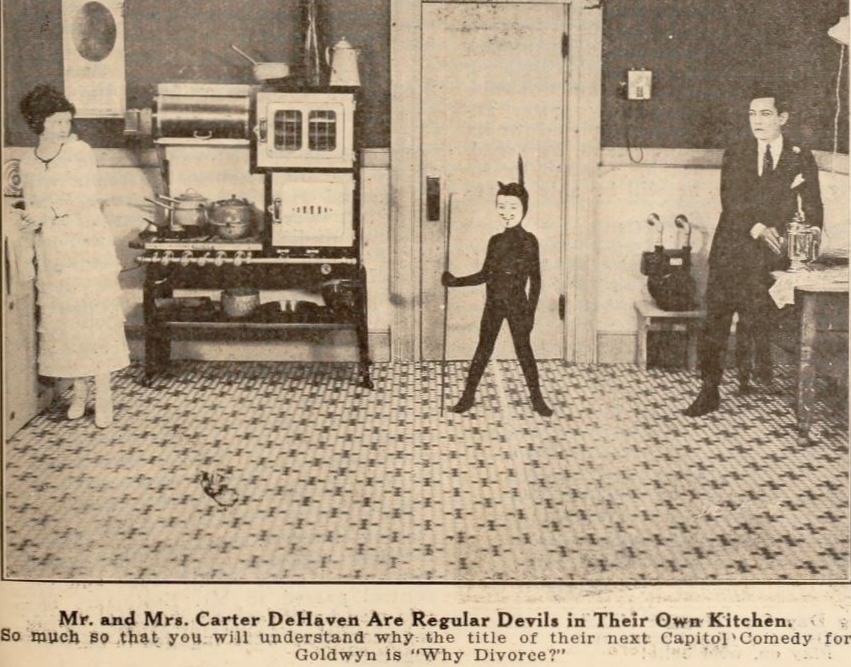
William A. Seiter
Community
Log in to comment.
"The Ontological Friction of the Silent FrameTo witness 'In and Out' is to observe the very scaffolding of cinematic language being erected in real-time. In an era dominated by the burgeoning industrialization of the moving image, this Ray Hughes vehicle emerges not merely as a relic of a bygone slapstick tradition, but as a sophisticated meditation on the permeability of social and physical boundaries. The film, stripped of the sonic crutches of modern media, relies on a visceral, choreographic ..."