
DbcultAccessing Vault...
Recommendations
Senior Film Conservator
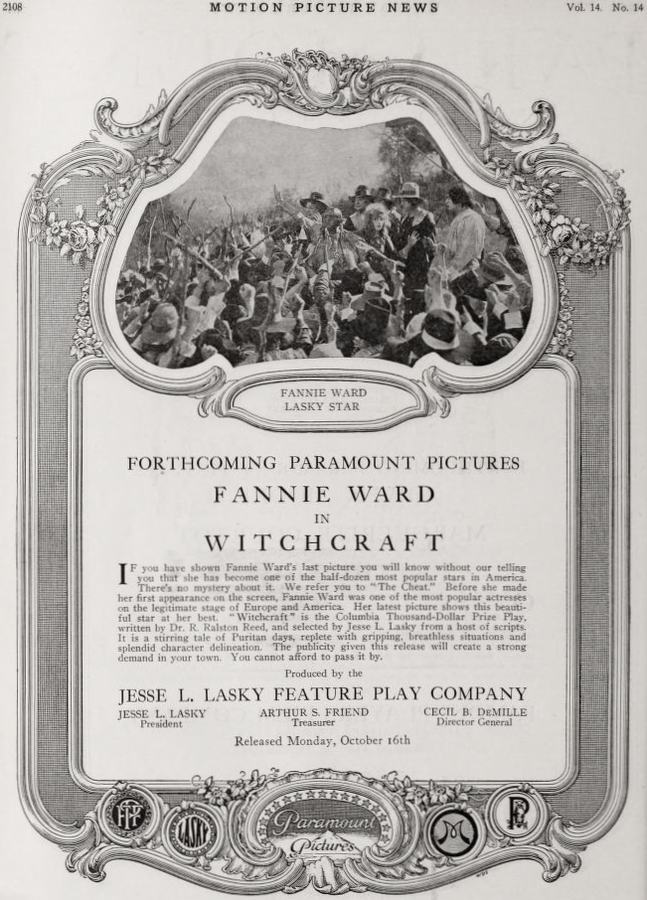
The United States-born brilliance of Witchcraft offers a unique artistic bravery, the juxtaposition of artistic bravery and narrative makes it a cult outlier. Dive into this collection and find the spiritual successors to Frank Reicher's vision.
In the Pantheon of cult cinema, Witchcraft to elevate cult to the level of high art.
Until the Governor's proclamation put an end to the folly hundreds of innocent people suffered persecution in the New England colonies in 1692-93 from the horrible delusion of witchcraft. Suzette and her mother, Huguenot refugees, take up their residence in one of the colonies. The mother falls ill and Suzette enlists the services of Nokomis, an Indian, to assist her. Nokomis is considered a witch and Suzette's mother's delirium strengthens the suspicion. Suzette meets Richard Wayne, ward of the town miser, Makepease Struble. He accompanies her to her home, and is seen by old Struble, who is angry, desiring the girl for himself. Struble sends Wayne out of the village ostensibly to join the Governor's staff, but in reality to get him out of the way that he may marry Suzette. He succeeds in convincing Suzette that the only way she can save her mother from persecution as a witch is to marry him, and horrified though she is by the idea, she consents. Just after the wedding ceremony, Suzette's mother dies. Nokomis gives the girl a talisman telling her it will make her every wish come true. Upon his return, Captain Wayne is thunderstruck that Struble has married Suzette, and believing the old man's money her only motive, fails to show her proper respect. He is surprised at Suzette's dignified rebuff, realizes his great love for her, and decides to go away forever. Struble is brutal to his young wife, and the talisman in her hand, she tells him he would be better dead. Shortly afterwards Struble is taken ill. Suzette learns from Nokomis that the Indians are planning a mutiny, and hurries to obtain the assistance of Captain Wayne. In the meantime the old man dies accusing Suzette of having cursed him, and when Suzette returns she is found guilty of witchcraft and sentenced to be hanged. Wayne and his men save the colony, and he succeeds in reaching the Governor, who arrives in time to save the innocent girl, and puts an end once and for all to the folly of witchcraft. Wayne takes Suzanne into his arms and away from the old scenes to a new life full of hope for them both.
Based on the unique artistic bravery of Witchcraft, our vault has identified these titles as the most compelling follow-up experiences for fans of cult cinema:
Dir: Frank Reicher
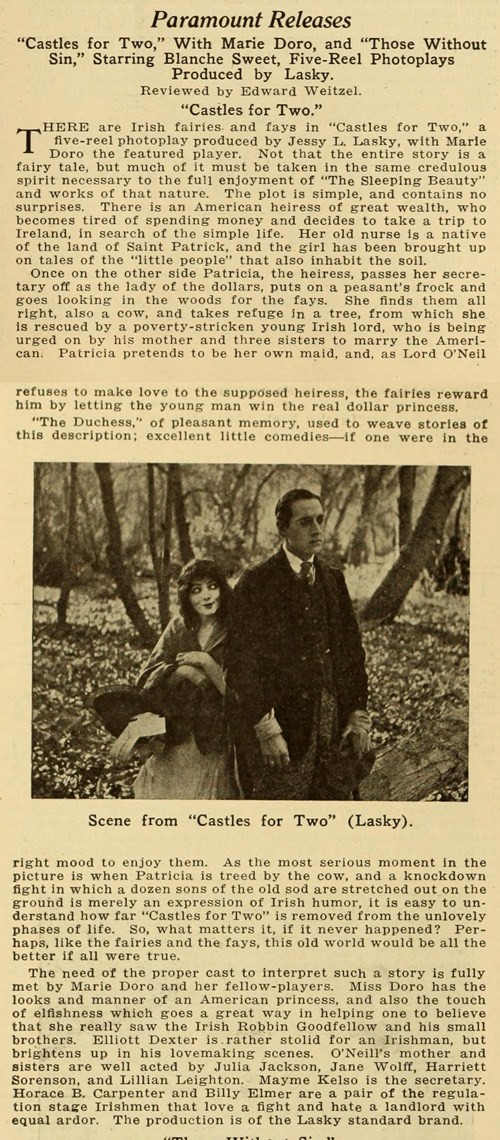
The family of an Irish landlord want him to wed who they think is a visiting heiress from the US but the real heiress pretends she is just a servant and hides her identity.
View Details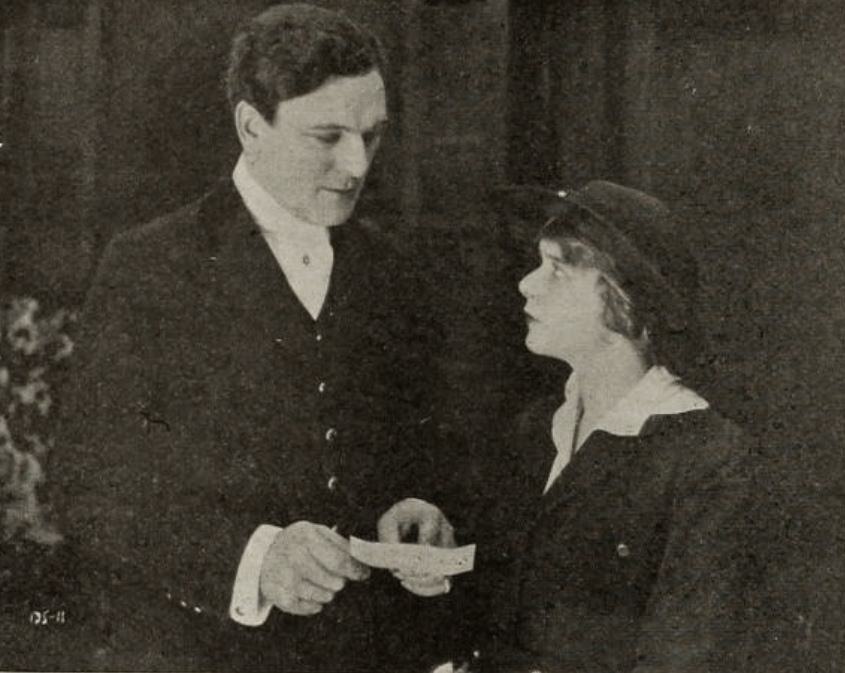
Dir: Frank Reicher
A fascinating piece of cinema that shares thematic elements.
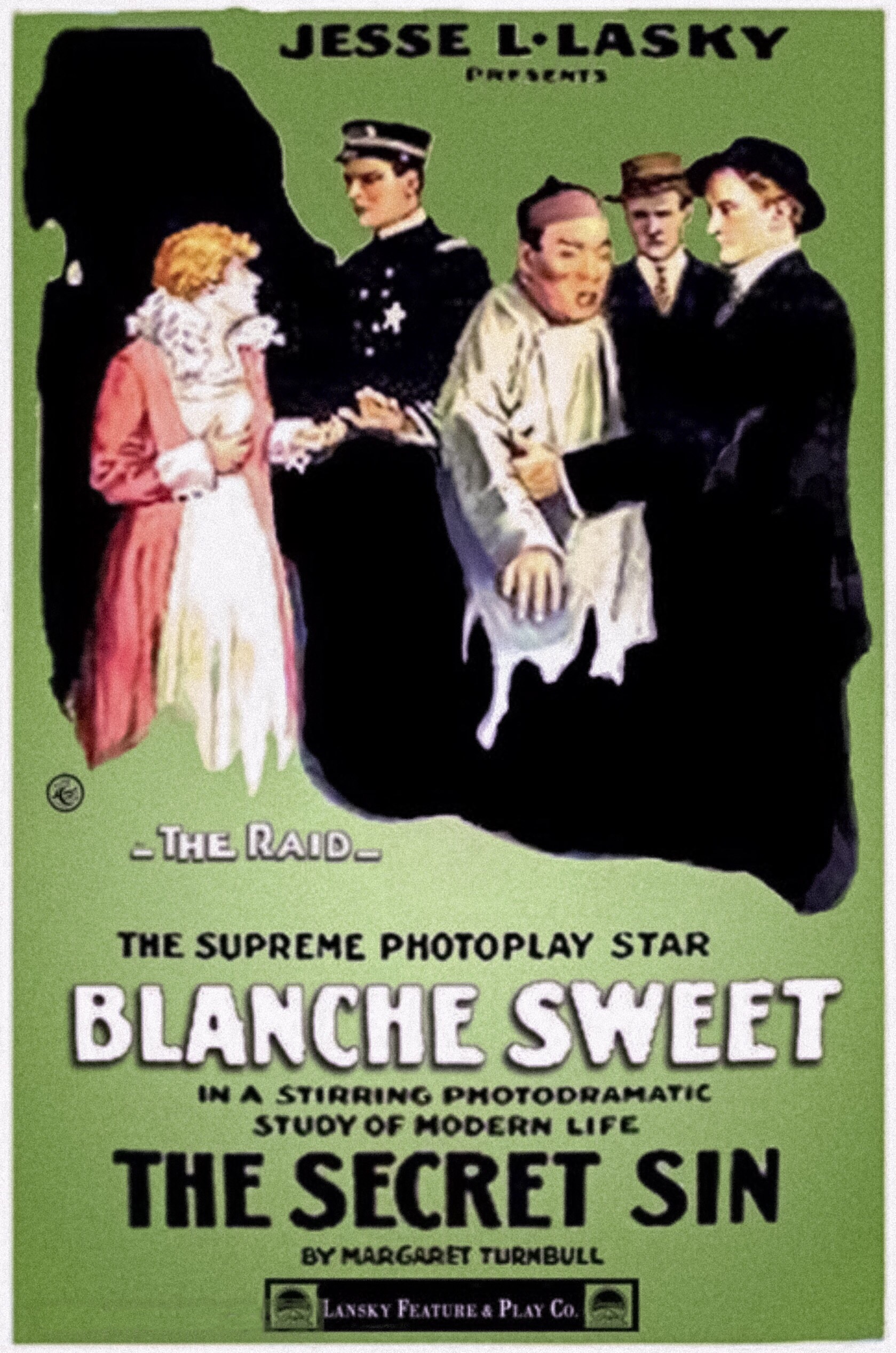
Dir: Frank Reicher
To help their unemployed father make ends meet, Edith and her twin sister Grace work as seamstresses . An invalid, Grace falls prey to the temptations of Chinatown opium and becomes an addict, a condition worsened by a misguided physician who prescribes morphine to ease her pain. When their father strikes oil, the family enjoys a new prosperity and the sisters meet the eligible Jack Herron, a fellow oil prospector. To Grace's shock, Jack falls in love with Edith and in her jealousy, Grace tells Jack that Edith, not she, has a drug problem. Hinting that her sister will soon need more morphine, Grace arranges for a dinner in Chinatown with the couple. While her sister and Jack dance, Grace slips away to an opium den. Edith follows her, but ends up in the wrong den and is arrested in an ensuing drug raid. After he bails her out of jail, Edith takes an angry Jack to search for Grace and stumbles across her half-conscious body lying in the street. The truth about the sisters is revealed, and after sending Grace to a sanitarium in the country, Jack and Edith are married.
View Details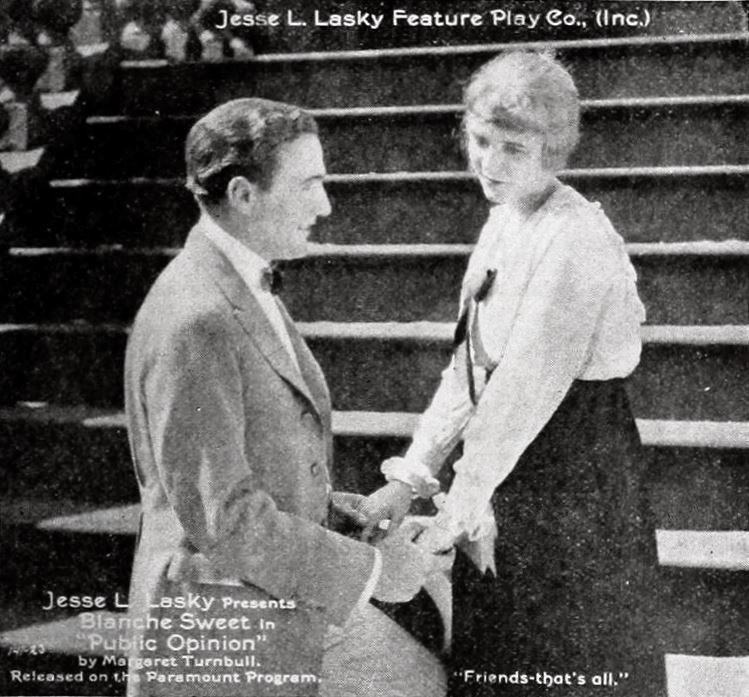
Dir: Frank Reicher
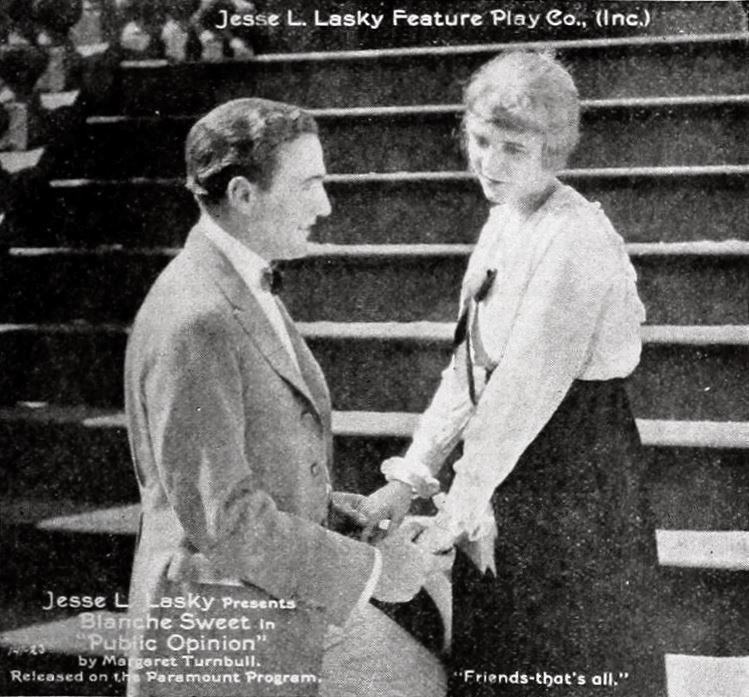
Hazel Gray, a young nurse, is in love with Phillip Carson, son of Mrs. Carson-Morgan, a philanthropist. Phillip, having quarreled with his step-father, leaves home, secures a position, and lives at the same boarding house as Hazel. Called home by his mother's sudden illness, Phillip manages to have Hazel called on the case. Her recognition of the doctor as the man whose trickery she discovered in time to save her own honor, is concealed from Phillip, but her stay is rendered almost unbearable by the doctor's forced attentions. Mrs. Morgan dies suddenly and in terrible agony, from arsenic poisoning. Suspicion points to Hazel, proof of her knowledge of the location of a bottle of arsenic being established by Morgan. Her former supposed relations with the doctor appear as a reason for the crime. Phillip's testimony is against her, but Gordon Graham, a wealthy young man who is on the jury, is at once impressed with the girl's innocence, and succeeds in securing a verdict of "not guilty." Throughout the trail the spirit of the poisoned woman endeavors to point out the guilty person. The weight of public opinion, however, falls heavily upon the girl, sensational newspapers doing their share to increase it, until Hazel can find no place to stay. Finally Graham takes her to his sister's home where he declares his love for Hazel and an unshaken belief in her innocence. Smith, a dope fiend, refused drugs by Dr. Morgan, threateningly reveals his knowledge that the doctor has substituted arsenic for powders prescribed for his wife by the attending physician. During the struggle which follows, Hazel, Graham and a policeman appear, and Smith, having secured possession of the doctor's pistol, fires the shot which mortally wounds Dr. Morgan, who confesses in his dying moments that he is the guilty person. Hazel's innocence is thus established, the public opinion is quickly changed, and the girl goes to the waiting arms of the man who has so valiantly defended her.
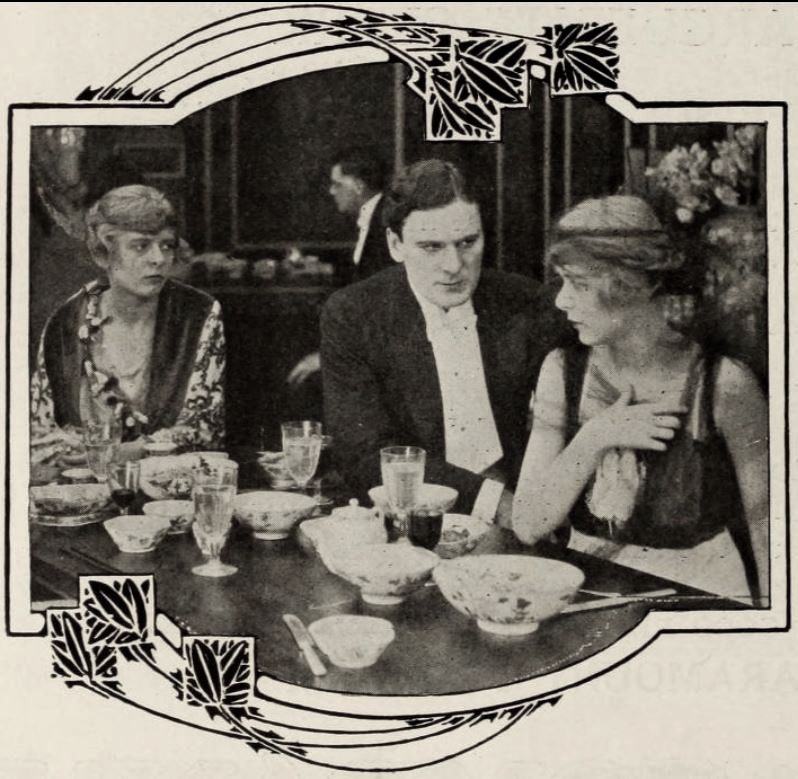
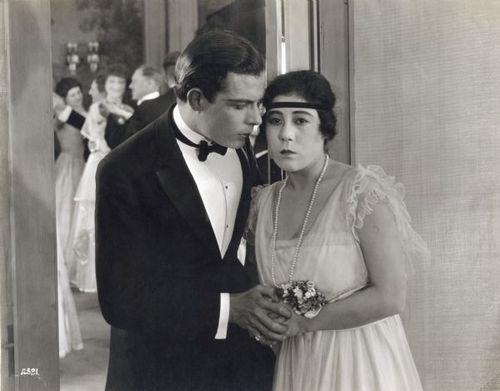
Dir: Frank Reicher
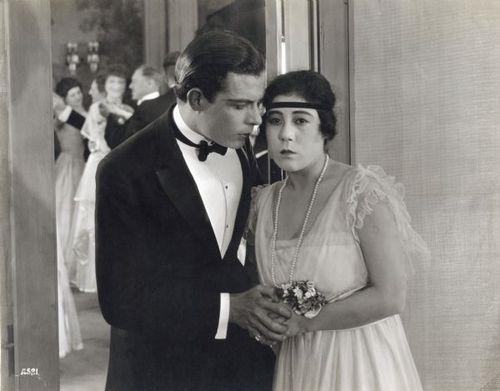
A Japanese maiden is pursued by an unscrupulous American young man who falsely believes her to have great riches.
View Details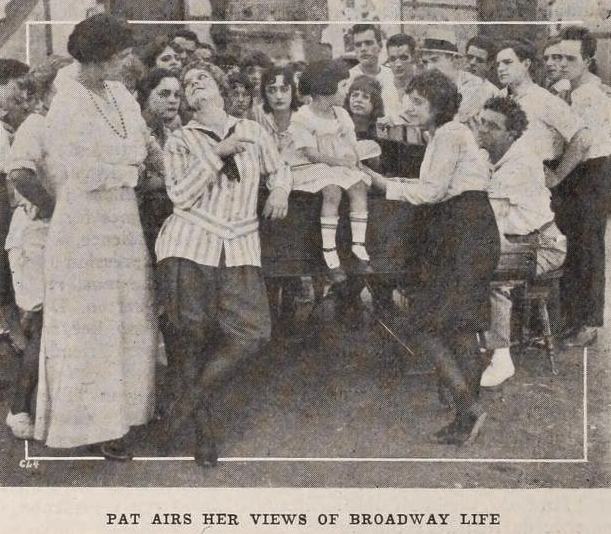
Dir: Frank Reicher
Patricia O'Brien, known as "Pat" the "Chorus Lady,' is a keen-witted, clean-lived young girl easily holding her own amid the temptations incident to her profession. She is engaged to marry "Danny" Mallory, a young detective, whose great ambition is to own a farm, marry Pat and leave the bright lights forever. Pat has a younger sister, Nora, whose yielding and idealistic natures Pat knows and she keeps her working in a country store "a million miles from Broadway," under the guardianship of a strict old woman. Nora, stage-struck and envious of Pat, leaves the store and turns up at the theater when Pat is rehearsing. Nora announces that she is going on the stage in spite of Pat's protests. Crawford, a young man-about-town, who is backing the show, struck by Nora's beauty and youth, gives her a position in the company. Crawford plies Nora with attention until she falls in love with him and Pat in her efforts to open Nora's eyes as to Crawford's true character, only succeeds in antagonizing her. Realizing that she cannot convince Nora or control her for long Pat begins a flirtation with Crawford. Nora fights bitterly to hold him. Danny becomes jealous and refuses to believe Pat when she explains that she is flirting with Crawford in an effort to disillusion Nora. At the dress rehearsal of the play in which Pat and Nora are to appear the star sends word that she is ill. Pat is given the chance to play the part. Knowing that Pat cannot leave the theater, Nora leaves a note that she is going to Crawford and slips home to pack. Pat, half-dressed to go on, finds the note, gives up her great opportunity, wraps herself in a cloak and in a cab hurries to Crawford's apartment. She arrives at Crawford's apartment first and leads Crawford into a declaration of love just as Nora appears. Pat demands that Crawford choose between them. Crawford chooses Pat. In the meantime Danny has been sent to get divorce evidence for Crawford's wife. They break into Crawford's rooms and Danny finds the woman to be his own girl. In the stormy scene that follows Pat's borrowed cloak slips from her shoulders revealing her in her underwear. With all evidence against her Pat is unable to establish her innocence. Danny cannot believe her innocent, but makes up his mind never to appear against her. Nora and the detective go, leaving Pat alone with Crawford. She promptly tells Crawford what she really thinks of him and he dismisses her from the company and orders her out of his rooms. Danny resigns his job rather than appear against Pat and the divorce suit never comes to court. Pat, out of a job, is unable to find another engagement and is about to be turned out of her boarding house when Nora, convinced of Pat's loyalty, telephones Danny and tells him the truth. Danny gets his farm and they all go to it, taking along as helper, "Bobs," the young assistant stage-manager, who cherishes an honest passion for Nora.
Dir: Frank Reicher
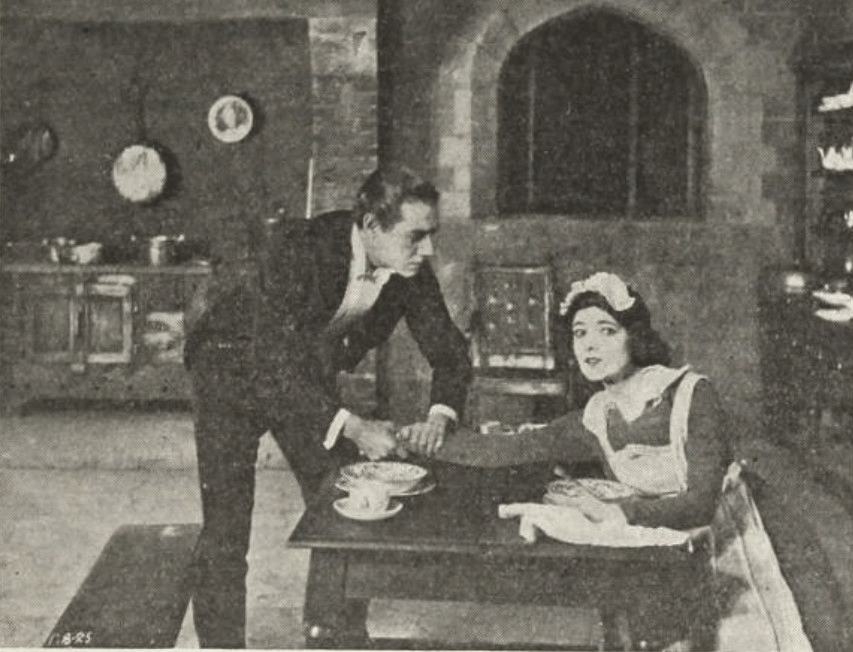
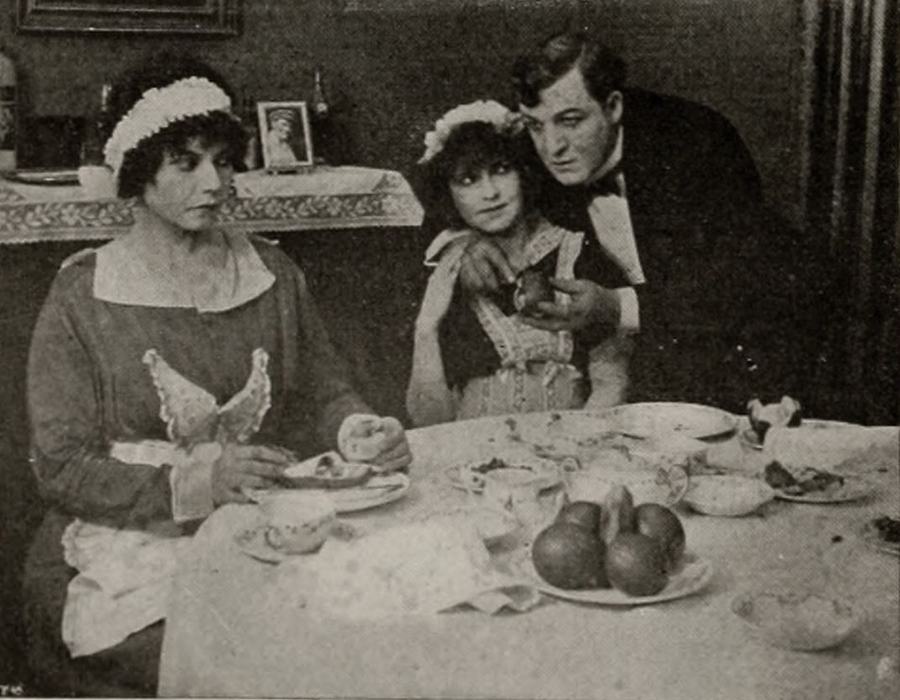
Two playboys stumble drunkenly home, where the owner falls asleep and the other attacks the maid. The butler intervenes and a fight results in the death of the assailant. A French girl, escaping from a pimp who kidnapped her, witnesses the crime. The butler convinces his master he is the killer, and must flee. He joins the girl but is caught. She helps police expose the real killer by going undercover as another maid.
View Details
Dir: Frank Reicher
Maris, having married Lynch, a worthless man who deserts her, taking their daughter Felice with him, marries mill owner Dwight Alden after receiving notification that her husband and child are dead. Discovering that Alden employs child labor, Maris, assisted by the village minister, tries to persuade him that this is wrong, but he will tolerate no interference in his business. After violently denouncing Alden from the pulpit, the minister dies and Maris becomes interested in a child who has been injured while working overtime at the mill, only to discover that the child is her daughter and her first husband is still alive. She leaves, taking Felice, and Alden, after having a fight with the first husband, discovers that Lynch had secured a divorce. Alden seeks out Maris, tells her that he has abolished child labor and made other improvements affecting the welfare of his workers, and a reconciliation occurs.
Dir: Frank Reicher
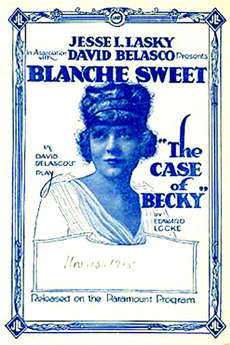
When a young girl is placed under hypnotism, it's discovered that she has a split personality.
View Details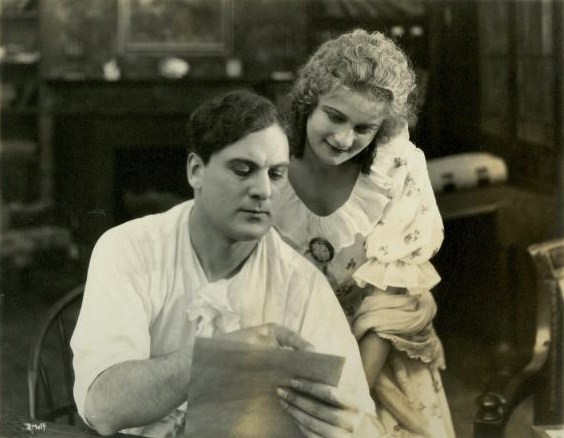
Dir: Frank Reicher
A slave switches her light-skinned baby with her master's baby. The child grows up raised by whites.
View DetailsAnalysis relative to Witchcraft
| Film Title | Atmosphere | Complexity | Similarity |
|---|---|---|---|
| Castles for Two | Surreal | High | 88% Match |
| The Dupe | Tense | Abstract | 88% Match |
| The Secret Sin | Ethereal | Dense | 91% Match |
| Public Opinion | Tense | Abstract | 86% Match |
| Alien Souls | Surreal | Dense | 86% Match |
This guide was algorithmically generated using the cinematic metadata of Frank Reicher's archive. Last updated: 6/27/2026.
Back to Witchcraft Details →