
DbcultAccessing Vault...
Recommendations
Senior Film Conservator
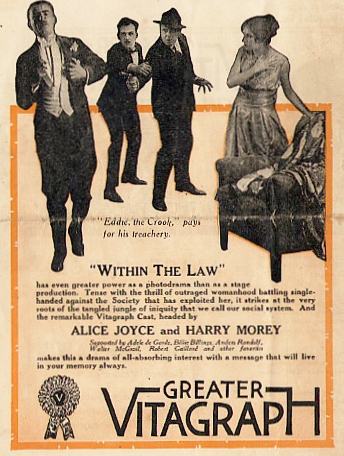
The evocative power of Within the Law (1917) continues to haunt audiences with its cult status, the artistic provocations of Within the Law demand a follow-up of equal intensity. Explore the following titles to broaden your appreciation for cult excellence.
The visceral impact of Within the Law (1917) stems from to transcend the limitations of its 1917 budget and technology.
Mary Turner is a young shopgirl who is unjustly convicted of a crime and sentenced to prison. Upon her release, she does everything possible to make the man who wronged her to suffer, always taking care to stray no further than the extremes of the law allow.
The influence of William P.S. Earle in Within the Law can be felt in the way modern cult films handle cult status. From the specific lighting choices to the pacing, this 1917 release set a high bar for atmospheric immersion.
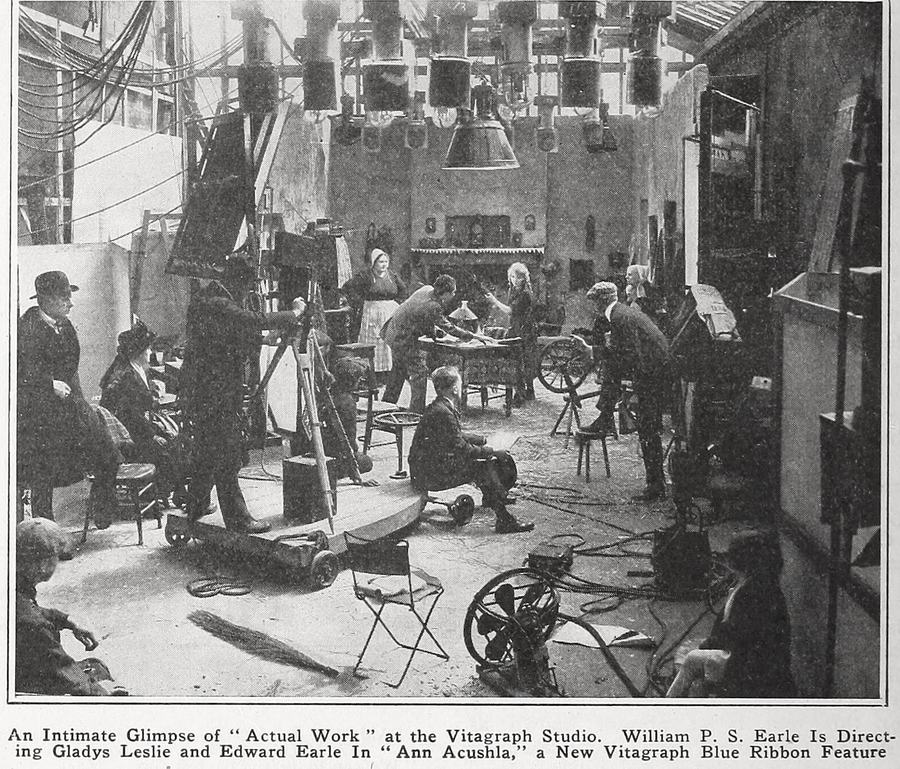
Based on the unique cult status of Within the Law, our vault has identified these titles as the most compelling follow-up experiences for fans of cult cinema:
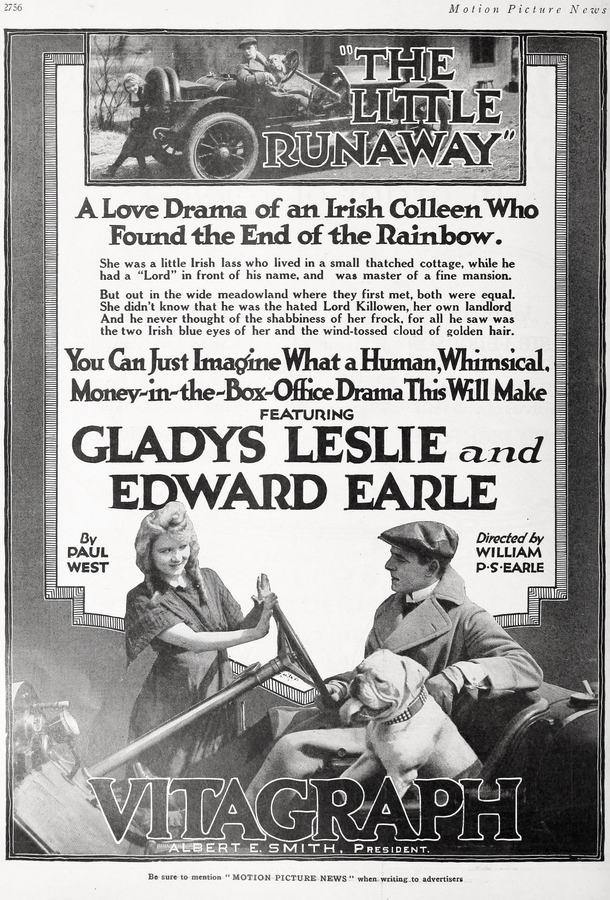
Dir: William P.S. Earle
Lord Killowen, the landlord of a little village in Ireland, employs Harvey Dowd and his worthless son, Peter, to collect the rents. When Peter arrives at the modest home of Ann, a young lace maker who lives with her aunt and blind grandmother, he makes improper advances towards her, but Killowen, who is motoring through the area, rescues her. Without leaving her a receipt, Peter absconds with the rent money to America, and Ann's family is evicted. Determined to recover her money, Ann follows Peter to New York, where she is befriended by a policeman, who informs her that Killowen has come to America to court the wealthy Eileen Murtagh. Lord Killowen takes Ann to Eileen's home, but the latter, in a fit of jealousy, orders the girl to leave. When Ann returns during Eileen's engagement party, Killowen realizes that he prefers the little lace maker and proposes to her.
View Details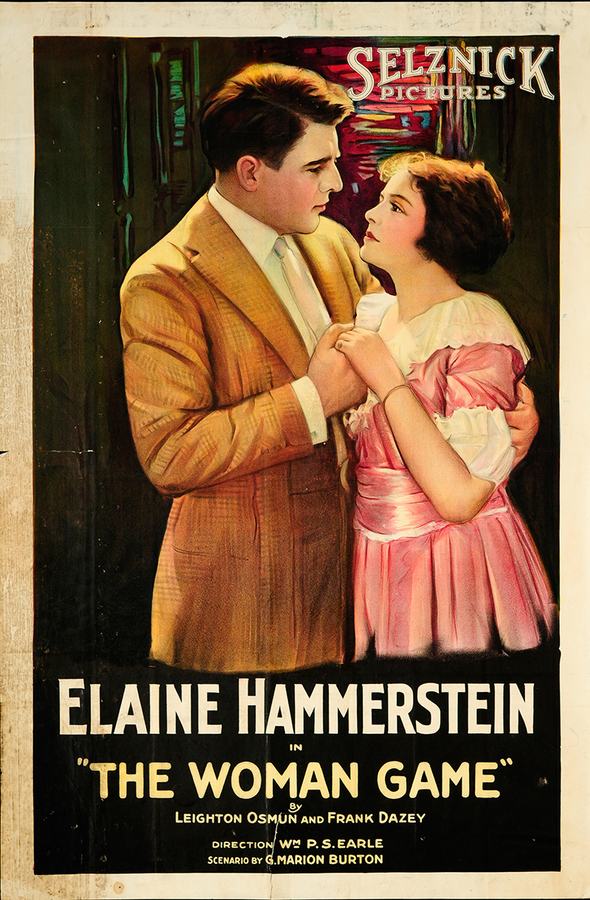
Dir: William P.S. Earle
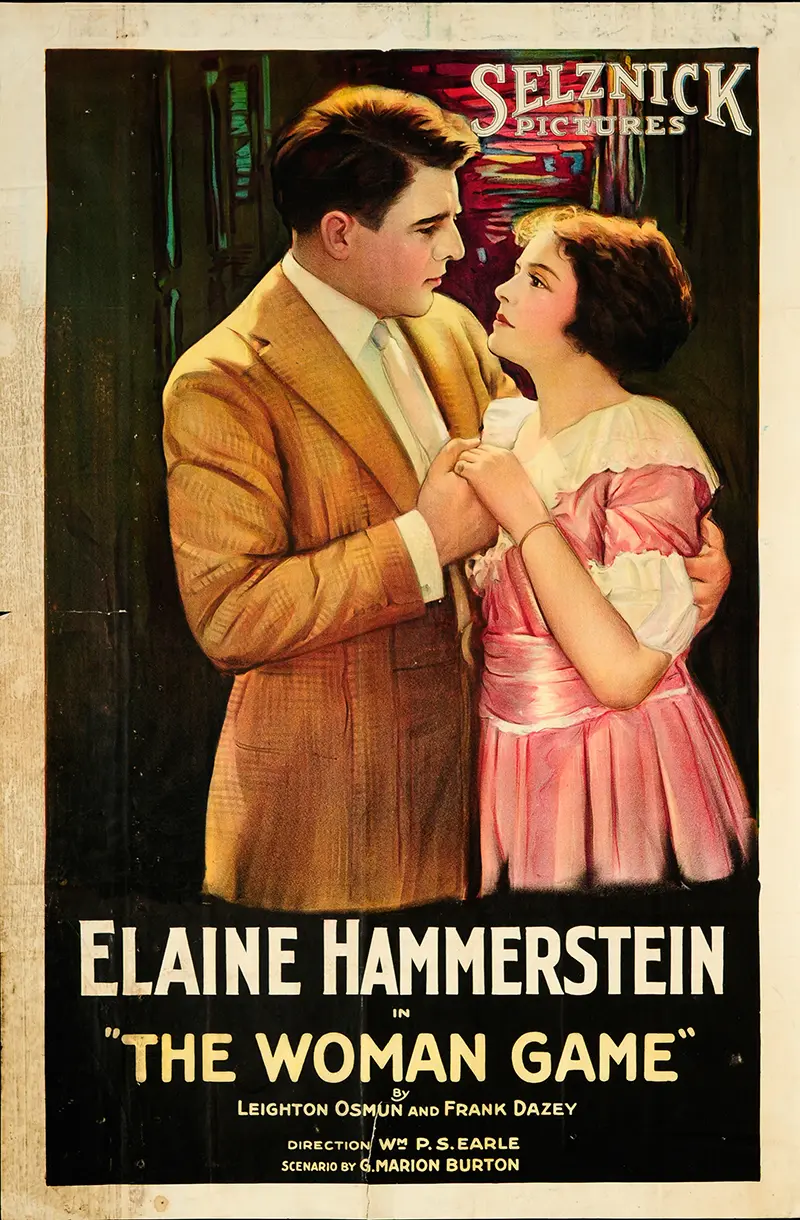
To please her once-wealthy mother, Amy Terrell fraternizes with members of high society who find her entertaining because of her beauty and charm. At one of Mrs. Van Trant's house parties, Amy is requested by her hostess to amuse Andrew Masters, an influential businessman who has an aversion to society women. Impersonating an old-fashioned girl, Amy wins Masters--until he learns of her deception and denounces her. However, when Mrs. Van Trant attempts to shield herself by involving Amy in a scandal with a young captain, Masters realizes that Amy really is the innocent girl he loves.
View Details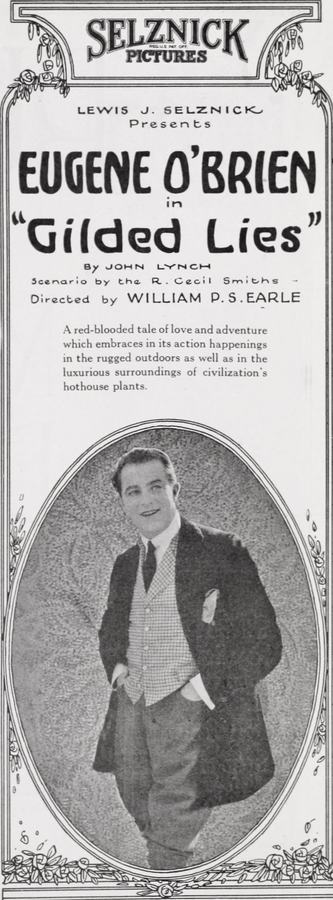
Dir: William P.S. Earle
When Keene McComb, a young explorer on an expedition to the North Pole, is given up for lost, his fiancée, Hester Thorpe, is coerced by an ambitious aunt into marrying Martin Ward, a man of reputed wealth. McComb survives, however, and returns to New York a few hours after the marriage. Later, Hester seeks his protection when Ward strikes her because of her refusal to ask McComb for money, and when it appears that Ward has committed suicide she and McComb are married. Ward is still alive, however, but he meets his death on a rocky precipice.
View Details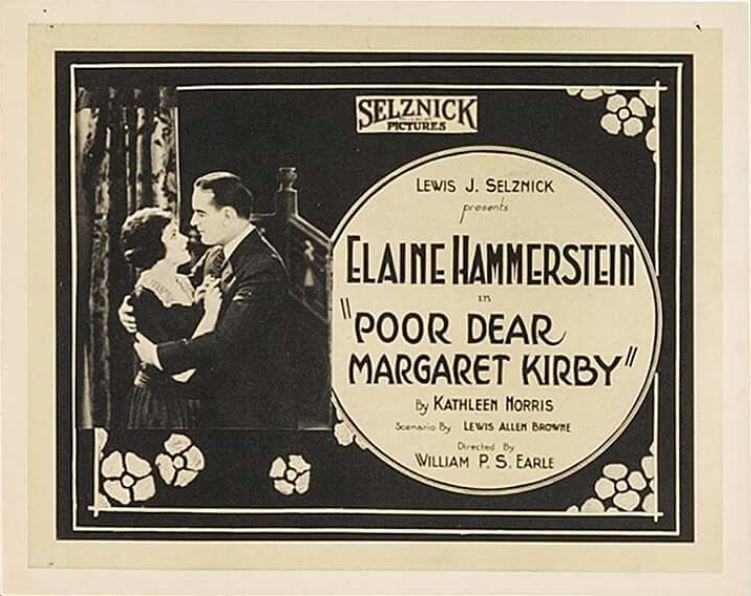
Dir: William P.S. Earle
Margaret Kirby refuses her husband's request to help him obtain a loan from her guest, Gordon Pell. The husband, John, in financial difficulties, then attempts suicide and becomes seriously ill. Margaret takes in boarders and is compelled to mix with people outside her social set. Lucille, John's former admirer, creates a misunderstanding by means of forged telegrams, but the discernment of Gordon Pell clarifies the situation and Margaret and John are reunited.
View Details
Dir: William P.S. Earle
Whispers are heard in the social circle of Daphne Morton because of her constant association with married man Dyke Summers. One night while Daphne is attending the opera with Summers, his wife spots the illicit couple, a clash erupts, and the account of the affair appears in the scandal sheet the next morning. After a quarrel with her aunt, the humiliated Daphne decides to go to Washington to seek out her father, whom she has not seen since she was a child. There she meets Pat Darrick, a young reporter assigned to the Summers scandal. Unaware that Daphne is the girl in the case, Darrick falls in love with her. Summers also follows Daphne to Washington, and when Darrick sees her with her alleged lover, he is hurt and disillusioned. Daphne finally locates her father in a nearby town, to which Darrick and Summers follow her. Learning the truth, Darrick abandons his job on the scandal sheet for the love of Daphne.
View Details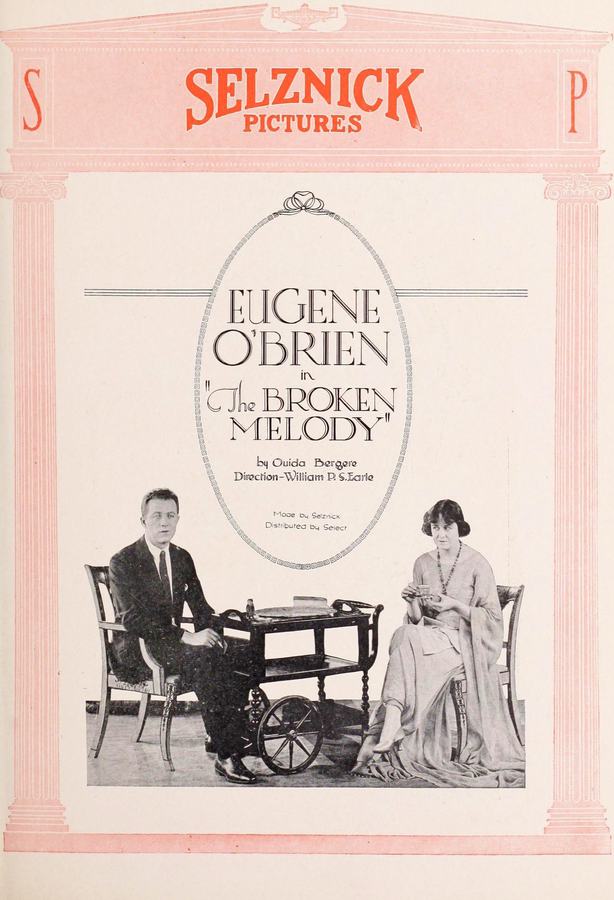
Dir: William P.S. Earle
Stewart, an art student in New York City's "bohemian" Greenwich Village, lives next door to his girlfriend Hedda, who wants to be a singer. One night while they are dining at their favorite cafe', wealthy Mrs. Trask comes up to them with a proposition: she knows he is an artist and wants to go to Paris to study and develop his talent, and she will pay all his expenses. He refuses because he doesn't want to leave Hedda, but she eventually persuades him to agree. It turns out that she has an ulterior motive--as does Mrs. Trask.
View Details
Dir: William P.S. Earle
After preaching at a camp revival meeting that charity begins in the home, Littleton minister Hamilton Gregory finds a girl calling herself only Fran on his doorstep and takes her into his home. Fran soon finds that Mrs. Gregory is unhappy because Gregory has no affection for her, preferring instead his secretary Grace Noir. When Fran admits to Gregory that she is his daughter by an abandoned woman, and attempts to have him get rid of Grace, Grace has Bob Clinton make inquiries concerning Fran's past. When the circus comes to town, Fran, in disguise, substitutes for an ill lion tamer, because the circus is her hidden background. Seeing her in danger, Gregory realizes his familial responsibilities and refuses Grace. Fran then marries the superintendent of her school.
View Details
Dir: William P.S. Earle
During World War I, Kervyn Guild, an American citizen who was born in Belgium, is captured with other Belgian refugees by the Germans. Brought before the commanding officer, General Von Reiter, Guild is offered his own freedom as well as that of the other refugees if he goes to London and returns with the officer's daughter, Karen Girard, who actually is his mistress. In the hope of saving lives, Guild consents and is sent to London where he locates Karen. Guild's suspicions are aroused when he notices that they are being protected by the German agents and hunted by the British. His instincts prove correct when he learns that Karen is carrying dispatches to the general. On their journey back, Karen falls in love with Guild and agrees to join the Belgian cause. Before they can escape, the general arrives and demands both Karen and the papers. Guild duels to defend both and fatally wounds the general. In a breach of military ethics, the dying general then gives the lovers his blessings, and grants them a pass to go through the German lines.
View Details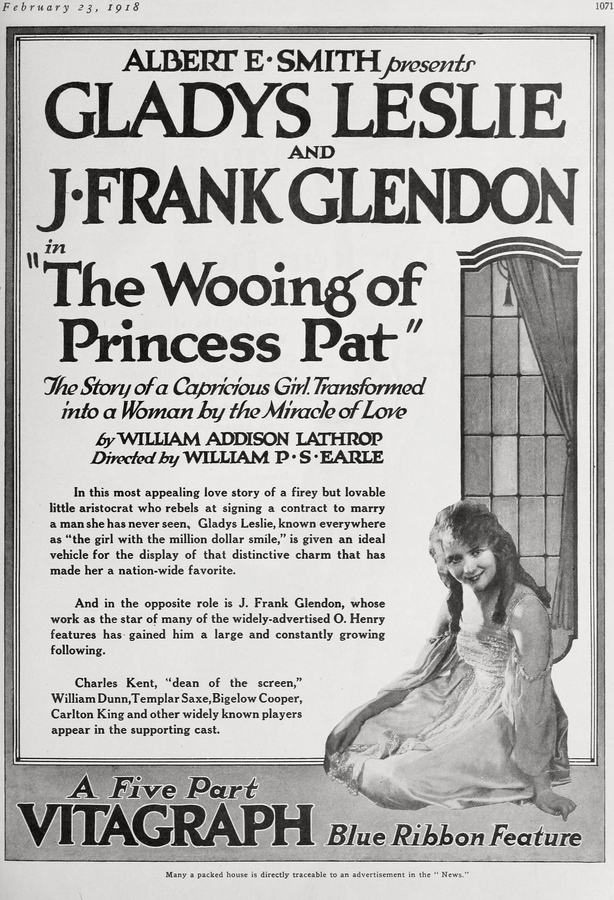
Dir: William P.S. Earle
To stave off war with a neighboring kingdom, Princess Pat of Paxitania agrees to marry Warburg's King Eric. Still very young and rebellious, the new queen finds it difficult to adjust to court life, and when she accepts an invitation to take a ride with the villainous Count Ladislaus, King Eric's patience gives out and he rebukes her severely. The banished count informs Pat's father, the Grand Duke of Paxitania, that she is cruelly abused, whereupon Pat's three brothers set out to bring her back home. In the end, however, King Eric and Princess Pat come to love each other dearly, and she sends her brothers home reassured of their sister's happiness.
View Details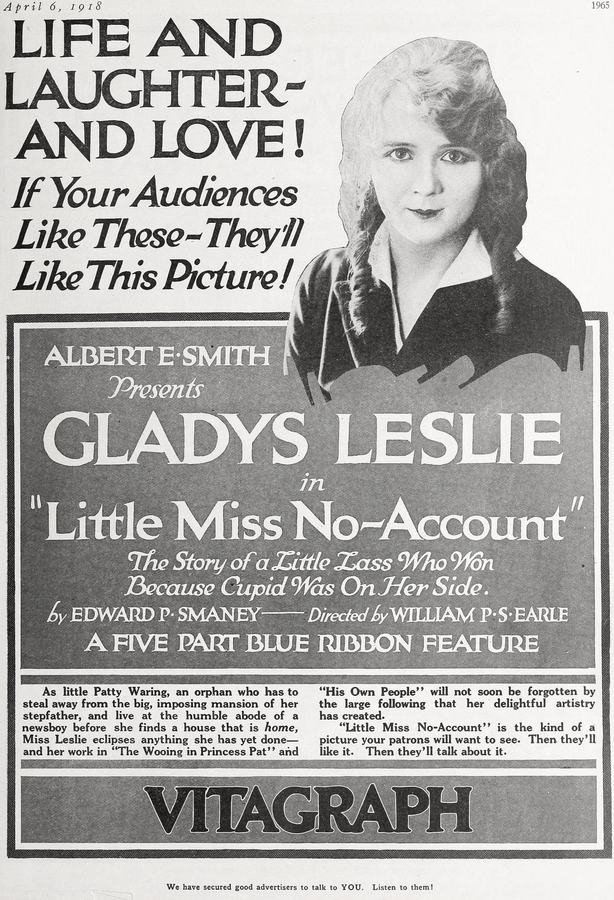
Dir: William P.S. Earle
Patty Baring will lose the fine old Washington Square house she is to inherit if her scheming stepfather Josiah Wheeler's plan to acquire it for himself is successful. Cruelly abused by Wheeler, a gambling hall owner, Patty runs away to live with a newsboy named Bobby and his grandfather Herman. There, in spite of her shabby dress and humble companions, she arouses the admiration of Edwin Sayer, the district attorney. Ned, a soft-spoken gambler, desires to possess Patty, and at the instigation of her stepfather, lures her into a gambling den that Edwin has been planning to raid. Patty is arrested, but Edwin secures her release and places her in the charge of his mother. Ned and Josiah are imprisoned, leaving Patty free to claim her inheritance and wed Edwin.
View DetailsAnalysis relative to Within the Law
| Film Title | Atmosphere | Complexity | Similarity |
|---|---|---|---|
| The Little Runaway | Gritty | High | 98% Match |
| The Woman Game | Gritty | Dense | 95% Match |
| Gilded Lies | Tense | High | 89% Match |
| Poor, Dear Margaret Kirby | Ethereal | Layered | 87% Match |
| Whispers | Tense | High | 91% Match |
This guide was algorithmically generated using the cinematic metadata of William P.S. Earle's archive. Last updated: 6/27/2026.
Back to Within the Law Details →