
Cult Cinema
Beyond the Marquee: The Genesis of Cult Cinema's Unconventional Legacy

“Cult cinema's enduring allure transcends fleeting trends, rooted in a primal cinematic spirit that champions the unconventional and the overlooked, fostering passionate communities around films that defy easy categorization.”
In the vast, ever-evolving landscape of motion pictures, certain films refuse to fade into the annals of history. They linger, not necessarily due to critical acclaim or box office dominance, but because they strike a unique, often subversive chord with a dedicated segment of the audience. This is the realm of cult cinema, a fascinating corner of film culture where the unconventional is celebrated, the misunderstood is revered, and the obscure finds its enduring spotlight. While often associated with midnight screenings of transgressive horror or avant-garde sci-fi from the latter half of the 20th century, the true genesis of cult cinema's spirit can be traced much further back, to the very dawn of filmmaking, where early maverick visions and narrative outliers laid the foundational blueprint for what would become a global phenomenon of niche devotion.
What defines a cult film isn't merely its content, but its relationship with its audience. It's a film that demands interaction, invites repeated viewings, and often inspires a communal experience, whether in a darkened theater or through fervent online discussion. These films often challenge societal norms, experiment with narrative structures, or simply possess an inexplicable, magnetic quality that resonates deeply with those who feel disenfranchised by mainstream offerings. They are the cinematic rebels, the works that dare to be different, and in doing so, carve out an indelible space in the hearts and minds of their followers.
The Early Stirrings: Proto-Cults in the Silent Era
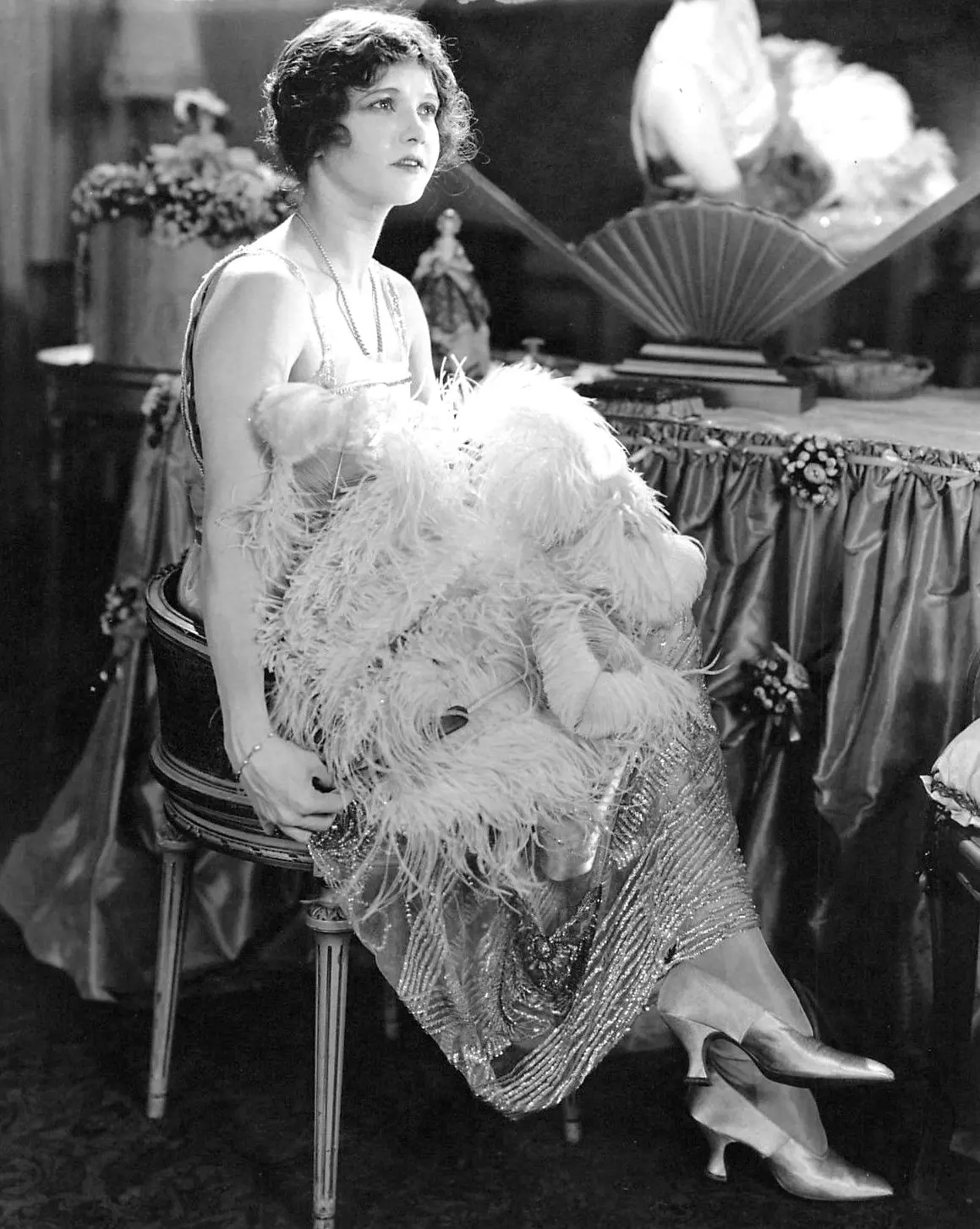
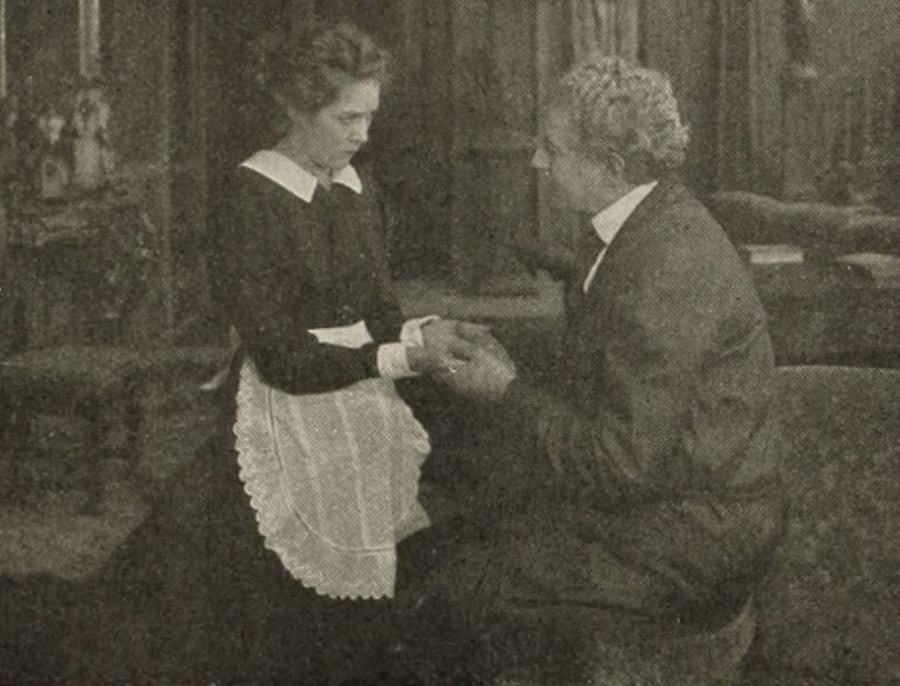
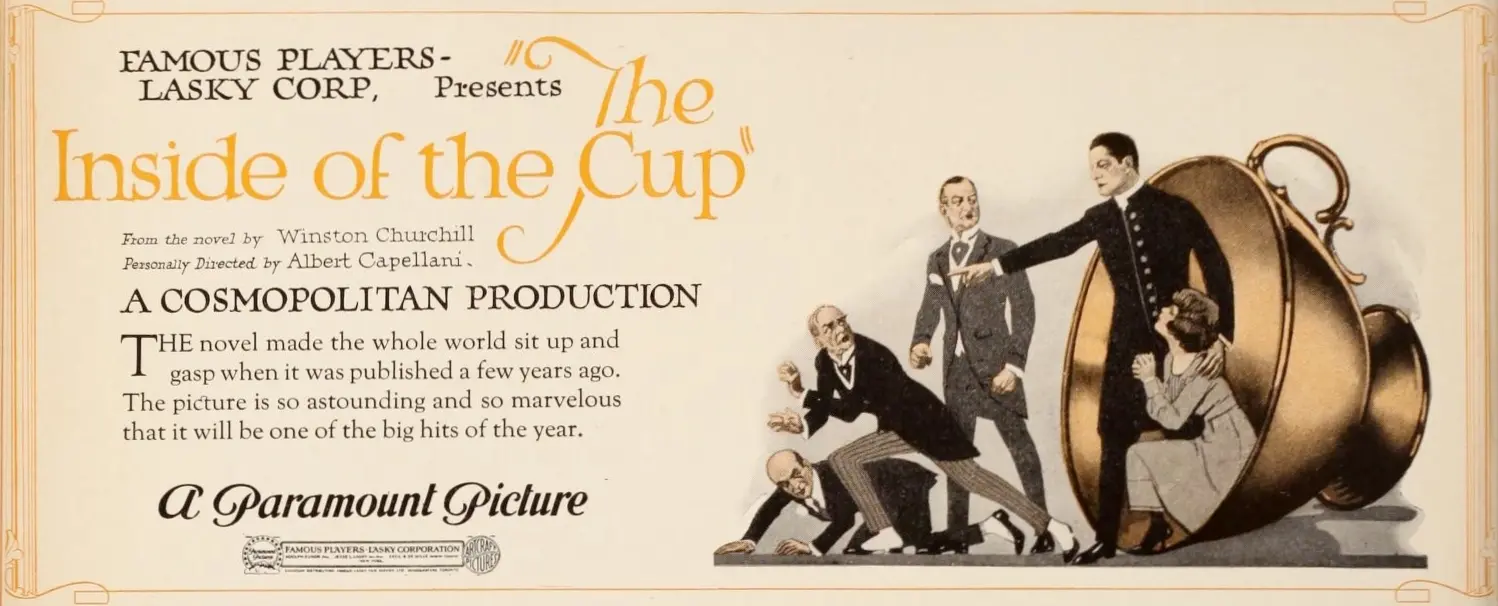
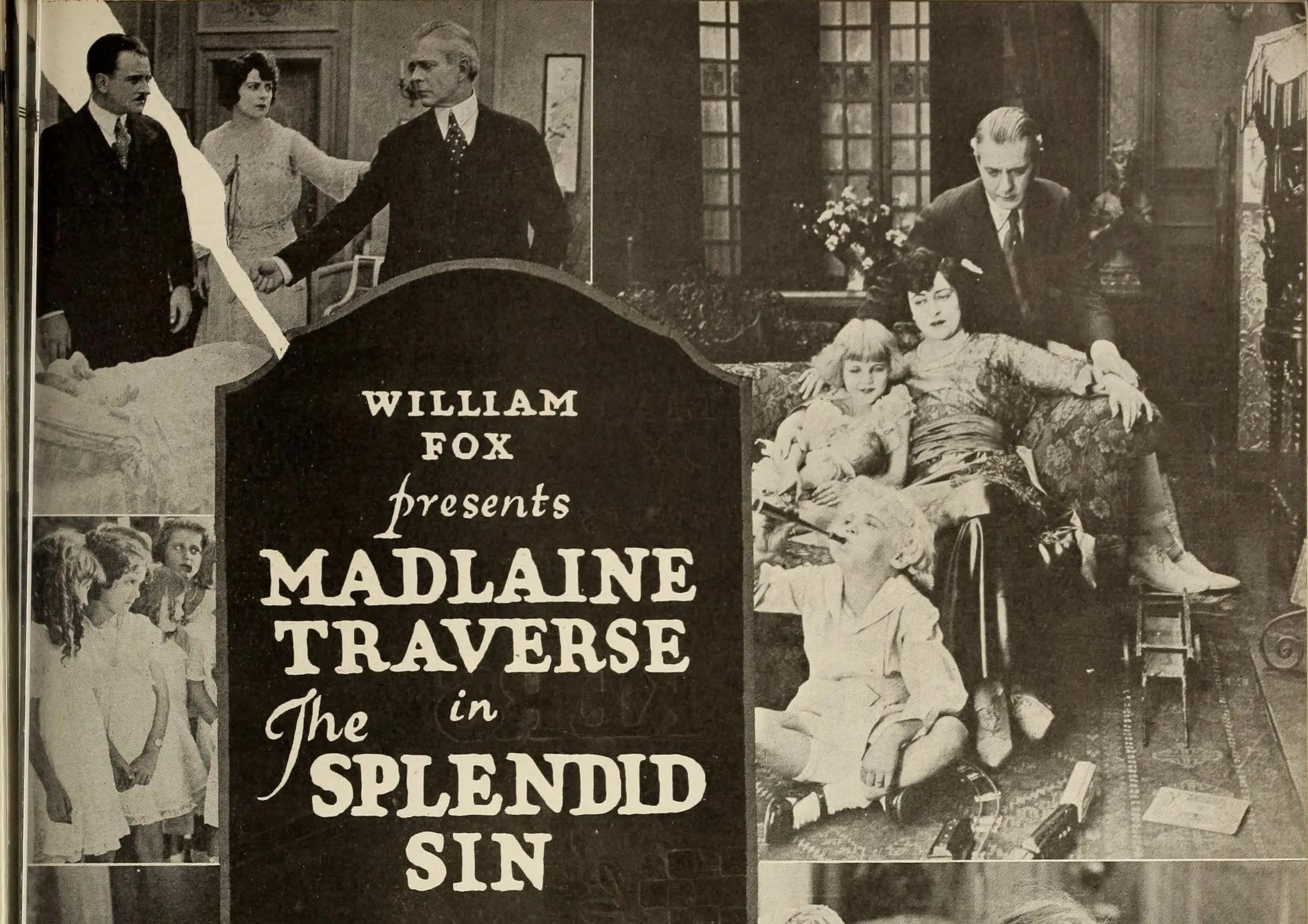
When we delve into the early 20th century, a period often characterized by nascent storytelling and technological experimentation, we find the nascent seeds of cult adoration. Films from this era, like the dramatic narratives of The Foundling or The Inside of the Cup, while perhaps not overtly transgressive by modern standards, explored themes of social injustice, moral ambiguity, and personal struggle that could have deeply resonated with specific audiences. Imagine a film like The Splendid Sin, with its exploration of childlessness within marriage and the moral compromises made, finding a particular, perhaps even hushed, following among those grappling with similar unspoken societal pressures. These were films that, for their time, might have pushed boundaries or simply connected on a profound, personal level that fostered an intimate, almost secretive, appreciation.
Even within established genres, early filmmakers demonstrated a willingness to deviate. Westerns, a staple of early American cinema, sometimes offered more than simple good-vs-evil narratives. The Lone Hand or Treat 'Em Rough, for instance, might have introduced characters with complex motivations or presented a grittier vision of the frontier that stood apart from more idealized portrayals. This subtle genre subversion, even in its nascent form, is a crucial ingredient in the cult recipe. It's the moment a film transcends its genre constraints to offer something unexpected, something that forces viewers to look deeper.
Narrative Mavericks and Thematic Departures
The very act of storytelling in early cinema was an adventure, and some narratives were inherently more adventurous than others. Consider films that explored themes of identity and transformation, like Mice and Men, where a man attempts to create the 'perfect wife,' only to lose her to love. This narrative, touching on control, creation, and the unpredictable nature of human emotion, carries an inherent strangeness that could captivate and disturb. Similarly, Peggy, about a rambunctious American girl in Scotland, might have charmed audiences with its fish-out-of-water humor and spirited protagonist, creating a unique appeal outside typical dramatic fare.
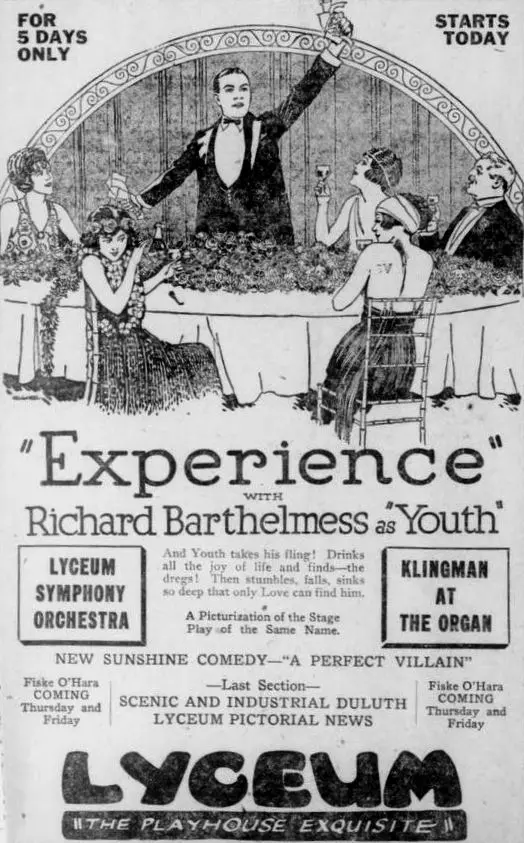
Other films delved into darker human conditions. The White Dove, with its physician whose illusions are shattered by a dying friend's confession of infidelity, presents a world where moral certainties crumble. Such a narrative, raw and emotionally complex for its time, could have forged a deep, almost conspiratorial bond with viewers who appreciated its unflinching look at human frailty. These weren't always blockbusters; they were often unconventional gems that resonated with a particular sensibility, laying the groundwork for the more overt transgressive narratives of later cult classics.
The Allure of the Anomalous: Visuals and Performance
Beyond narrative, early cult films often distinguished themselves through their unique aesthetic or performance styles. While specific details of cinematography and editing from films like Der violette Tod or Unto the Darkness might be lost to time or obscurity, the very titles hint at a visual or thematic intensity that could set them apart. The experimental nature of early filmmaking meant that visual language was constantly being invented and reinvented. A film that employed unusual camera angles, striking lighting, or highly stylized performances could inadvertently become a visual outlier, attracting those with an appreciation for artistic daring.
Performances, too, played a crucial role. Silent film acting, often characterized by exaggerated expressions and gestures, could, in the right hands, create unforgettable, larger-than-life characters. A charismatic villain, a tragically flawed hero, or an eccentric comedic turn (think of the slapstick in Hands Up or the animated antics of Mutt and Jeff in Paris) could imbue a film with a distinct personality that audiences remembered and sought out. This unique blend of visual flair and memorable characterization contributed to a film's ability to transcend its initial release and become something more – a talking point, a cherished memory, a cinematic artifact.
The Power of the Overlooked and Rediscovered
Many films from the early era faced challenges of distribution, preservation, and historical context. Some were simply ahead of their time, or perhaps too peculiar for the general taste of their contemporary audiences. A film like The Mysterious Client, a drama about an unethical legal proposition, might have been dismissed initially but held a subtle power that resonated with a discerning few. The very act of a film being 'lost' or 'forgotten' only to be rediscovered decades later can bestow upon it an almost mythical status, a core component of its cult appeal. The scarcity, the difficulty of access, and the narrative of its survival add layers of mystique that amplify its enduring magnetism.
Consider the simple yet profound narratives that explored everyday life or small-town eccentricities. That's Good, with its good-natured protagonist who optimistically responds to everything, or Squire Phin, a tale of a beloved local dispute-settler, might have resonated deeply within specific communities, becoming local favorites passed down through word-of-mouth. These films, while seemingly modest, fostered an intimate connection that mirrors the fervent, personal devotion seen in modern cult followings. They weren't aiming for universal appeal; they were speaking to a specific, appreciative audience.
Beyond Entertainment: Cult Cinema as Identity and Community
At its heart, cult cinema is often about identity. It's about finding oneself reflected in stories and characters that mainstream media ignores or misrepresents. Even in the early 20th century, films that dared to portray complex moral dilemmas, social outsiders, or unconventional relationships offered a sense of validation to viewers who felt similarly marginalized or misunderstood. The drama of The Cycle of Fate, exploring a seafaring man's domestic turmoil, or the crime-laden narrative of From the Valley of the Missing, could have provided a cathartic release or a sense of shared experience for audiences grappling with their own challenges.
The communal aspect, now synonymous with midnight screenings and fan conventions, also has its roots in this early appreciation. While not organized in the same way, the shared experience of discussing a peculiar film, recommending an obscure gem to a like-minded friend, or simply feeling a profound, unspoken connection to a film's unique sensibility, fostered a nascent sense of community. This was particularly true for films that departed from typical fare, such as the animated shorts like Why They Love Cavemen! or the early action-packed Westerns like Die Flammenfahrt des Pacific-Express. These films, through their distinctiveness, invited a deeper, more personal form of engagement.
The Enduring Legacy of the Fringe
The narrative of cult cinema is one of resilience and re-evaluation. Films that were initially dismissed, misunderstood, or simply too niche often find their true audience years, even decades, later. This trajectory is evident even in the very early days of cinema. A film like Whom the Gods Destroy, set during the 1916 Irish Easter Rebellion, might have been controversial or politically charged in its time, appealing to a specific demographic and fostering an intense, if localized, devotion. Similarly, a dramatic piece like The Conqueror, depicting the life of Sam Houston, if told with a particular stylistic boldness or an unconventional take on history, could have transcended its historical genre to become something more profound for its viewers.
The very concept of a 'cult film' implies a journey from the fringe to a cherished status, a transformation from obscurity to a beacon for a dedicated few. This journey is not accidental; it is built on the film's inherent ability to challenge, provoke, or simply exist outside the conventional. Whether it's the whimsical charm of A Rural Cinderella, the dramatic intensity of The Bondman, or the subtle mysteries of A Midnight Bell, these early cinematic offerings, by virtue of their distinctiveness, set the stage for the rich tapestry of cult cinema we know today. They proved that artistic merit and audience connection aren't always measured by mainstream success, but by the indelible mark a film leaves on those who truly see it.
Cult Cinema: A Mirror to Our Collective Subconscious
Ultimately, cult cinema, from its earliest manifestations in the silent era to its contemporary iterations, serves as a vital mirror to our collective subconscious. It reflects our fascination with the grotesque, our empathy for the outcast, our yearning for meaning beyond the mundane, and our endless capacity for artistic interpretation. It’s a testament to the fact that artistic freedom and narrative daring have always found an audience, even if that audience is initially small and scattered. The films that become cult classics are not just movies; they are experiences, rituals, and touchstones for communities built on shared appreciation for the strange, the beautiful, and the utterly unique.
The journey from a forgotten reel to a revered classic is a testament to the power of cinema itself – its ability to transcend time, overcome initial neglect, and find its rightful place in the hearts of those who are willing to look beyond the mainstream. These early films, with their diverse genres ranging from Westerns like Tex of the Timberlands to intricate dramas like The New Moon, and comedies such as What a Whopper!, demonstrate that the spirit of cult cinema is not a modern invention but an inherent part of cinematic history, an unseen legacy that continues to inspire and captivate.
So, the next time you find yourself drawn to a film that defies easy explanation, one that speaks to a hidden corner of your soul, remember its ancestors. Remember the early mavericks and outliers of the silent era, whose unconventional visions paved the way for the rich, vibrant, and eternally fascinating world of cult cinema. Their enduring resonance proves that true artistic impact is not always immediate, but often a slow burn, culminating in a passionate, lifelong devotion.
Community
Comments
Log in to comment.
Loading comments…