
DbcultAccessing Vault...
Cult Cinema
Senior Film Conservator
The very phrase 'cult cinema' conjures images of midnight screenings, fervent fan communities, and films that defy mainstream sensibilities. We think of bizarre narratives, transgressive themes, and idiosyncratic aesthetics that resonate deeply with a dedicated, often niche, audience. Yet, to truly understand the enduring allure of cult cinema, we must journey beyond the familiar touchstones of the 1970s and 80s and delve into the nascent days of filmmaking. It is in the shadows and flickering frames of early cinema, particularly the silent and pre-Code eras, that we discover the primal heartbeat of what would become the cult phenomenon. These were films that, often by accident, design, or sheer unconventionality, sowed the seeds of cinematic rebellion, laying the groundwork for a legacy of cinematic outsiders.
Long before the term 'cult film' entered the lexicon, the silent era was a fertile ground for narrative experimentation and visual audacity. Untethered by the demands of synchronized sound, filmmakers explored the full expressive potential of the moving image. This freedom often led to creations that, while perhaps not widely understood or accepted at the time, possessed an inherent oddity or a challenging perspective that resonated with specific segments of the audience. The period was a crucible where directors and writers, often operating with fewer commercial constraints than their later counterparts, dared to push boundaries.
Imagine a time when the language of cinema was still being invented, when conventions were fluid, and every new technique felt like a discovery. This environment fostered a natural inclination towards the unconventional. Films from this period, whether dramas, comedies, or nascent genre pieces, often presented a raw, unfiltered view of human nature and societal anxieties. Their visual storytelling, unburdened by dialogue, could be more symbolic, abstract, and, at times, profoundly unsettling. This inherent artistry, coupled with a willingness to explore uncomfortable truths, forms the bedrock of cult appeal.

Early cinema was surprisingly bold in its thematic explorations. While Hollywood would later grapple with the strictures of the Hays Code, the preceding decades were marked by a relative openness to controversial subjects. Films delved into themes of moral ambiguity, societal hypocrisy, and personal defiance. Narratives exploring the complexities of relationships, such as those grappling with the concept of divorce, were not uncommon, reflecting a society in flux and an art form willing to mirror its evolving values. These stories, often steeped in melodrama, provided a stage for characters who challenged norms, faced difficult choices, and sometimes succumbed to their darker impulses.
Consider the prevalence of crime narratives or tales of outlaws during this period. Films depicting secret societies, jewel thieves, or individuals driven to desperate acts by circumstance were not merely thrillers; they often implicitly questioned the justice system, social stratification, or the very nature of good and evil. A film about a 'virtuous thief' or 'sons of Satan' might have been sensationalist, but it also offered a glimpse into a world where morality was not always black and white, where the lines between hero and villain blurred. These early explorations of transgressive behavior, from desert wanderers to those caught in the clutches of urban gangs, hinted at a fascination with the forbidden that would become a hallmark of cult cinema.
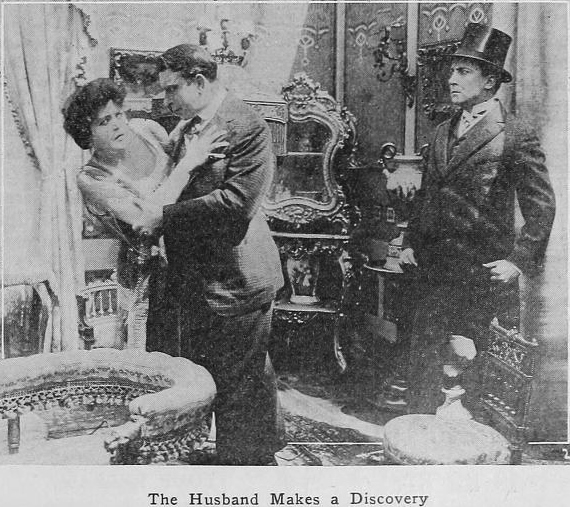
Even seemingly straightforward dramas often contained elements that pushed boundaries. A story about a woman offering herself for another's freedom, or a man grappling with infidelity, might have been presented with the melodramatic flourishes of the era, but their core themes were undeniably challenging. They forced audiences to confront uncomfortable truths about human desire, sacrifice, and the often-harsh realities of life. This unflinching gaze, even when wrapped in period drama, set a precedent for the bold thematic choices that would later define cult films.

The early days of cinema were also a time of fluid genre boundaries. The rigid categorization we see today was less pronounced, allowing for a fascinating blend of elements that could feel genuinely unique and, at times, delightfully bizarre. A Western might incorporate elements of comedy, a drama might veer into adventure, or a short film could explore a highly niche subject with surprising depth. This narrative anarchy was not always intentional subversion but often a natural outcome of an art form still discovering its own rules.
Documentaries, even then, showcased a desire to capture the unusual or provide unique perspectives on the world, from skiing marvels to intimate, perhaps scandalous, glimpses of life. These non-narrative or hybrid forms, while not always reaching mass audiences, undoubtedly cultivated a smaller, more appreciative viewership eager for something different. This inherent diversity in cinematic output meant that there was always something on the fringes, something for those seeking an alternative to the emerging mainstream.
Furthermore, many films, even those intended for a broad audience, possessed a distinctive directorial vision or an idiosyncratic performance that set them apart. The 'maverick lens' was at play, whether through innovative camera work, unconventional editing, or performances that eschewed realism for heightened theatricality. This stylistic individuality, often a product of the director's personal stamp, contributed to films having a unique 'feel' that could captivate certain viewers and be dismissed by others. These early auteurial flourishes, even in their nascent form, foreshadowed the distinct voices that would later define cult directors.
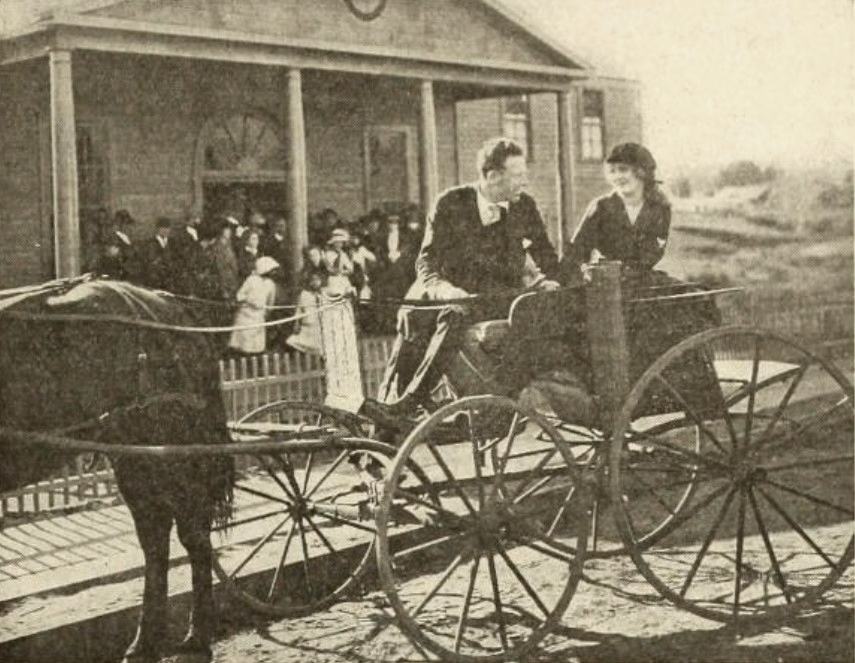
The visual language of silent cinema, with its reliance on exaggerated gestures, dramatic lighting, and elaborate set designs, often created a heightened reality that could be profoundly affecting. German Expressionism, for instance, with its distorted perspectives and stark contrasts, produced films that were inherently unsettling and visually striking. While not all early films embraced such radical aesthetics, many utilized dramatic chiaroscuro, symbolic imagery, and an operatic scale that contributed to their unique identity.
This aesthetic distinctiveness, whether through the grandeur of historical dramas or the gritty realism of urban crime tales, meant that films often possessed a strong, memorable atmosphere. The visual storytelling could be more poetic, more dreamlike, or more nightmarish than later, more literal cinematic approaches. This embrace of the visually unconventional, often pushing against what was considered 'naturalistic,' allowed these films to carve out their own niche appeal, speaking to those who appreciated cinema as a medium for artistic expression beyond simple narrative conveyance.
Many of the films from this pioneering era were, by modern standards, obscure. They might have had limited runs, been poorly preserved, or simply fallen out of the popular consciousness as tastes evolved. Yet, it is precisely this obscurity, coupled with their unique qualities, that allowed them to cultivate a nascent form of cult following. Enthusiasts, archivists, and dedicated cinephiles would champion these forgotten gems, recognizing their intrinsic value and distinctive charm.
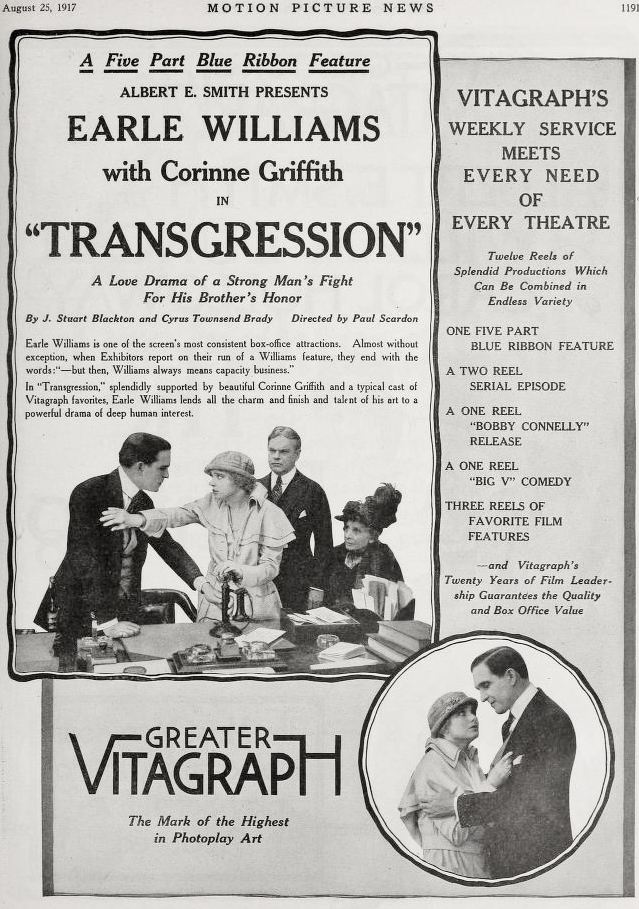
The very act of seeking out and preserving these films became a ritual, a pilgrimage for those who saw beyond the mainstream. Whether it was a dramatic exploration of a 'ghost house' or a lighthearted short comedy, the films that offered something truly different, something that challenged or delighted in unexpected ways, began to form their own secret societies of appreciation. This appreciation wasn't always widespread, but it was deep, passionate, and enduring, a clear precursor to the fervent fandoms of later cult phenomena.
The emotional impact of these films, often intensified by their visual poetry and heightened drama, created a powerful bond with viewers. Stories of 'blind youth' or 'discontented wives' resonated with audiences navigating their own complex lives, finding a reflection of their inner struggles or desires on screen. The films became more than mere entertainment; they were experiences, reflections, and sometimes, even forbidden gospels for those on the fringes.
Crucially, cult status is rarely self-proclaimed by a film; it is bestowed by its audience. In the early days, this meant that films that might have been commercial failures or critically panned could still find their ardent supporters. These audiences, often drawn to the film's perceived flaws as much as its strengths, would interpret, re-interpret, and champion the work, forming a collective understanding that transcended initial reception.
The interactive nature of silent cinema, where live musical accompaniment and audience reactions played a significant role, also contributed to a unique viewing experience. A film could be transformed by its context, becoming more comedic, more terrifying, or more poignant depending on its presentation. This fluidity allowed for a dynamic relationship between film and viewer, fostering the kind of personal connection that is fundamental to cult devotion.
The threads woven by these early cinematic rebels stretch forward, connecting to the cult classics of later eras. The willingness to experiment with narrative, to explore dark or taboo subjects, to embrace a distinctive aesthetic, and to cater to a specific sensibility – these are all qualities that were nurtured in the silent and early sound periods. Films that depicted 'shadows of suspicion' or 'the great reward' in unconventional ways, or those that explored the 'conflict' between individuals and society, paved the way for future generations of filmmakers to push boundaries even further.
The very concept of a 'midnight movie' finding its audience years after its initial release has its roots in this early appreciation for the overlooked and the unusual. The fascination with the 'unseen current' and the 'flicker's rebellion' of early cinema highlights a continuous human desire for narratives that challenge, provoke, and offer an alternative perspective to the mainstream. These films, often existing on the periphery of popular culture, formed an underground cinematic heritage, a secret history of defiance and devotion.
Ultimately, cult cinema is not merely a collection of strange films; it is a testament to the enduring power of the maverick spirit in filmmaking and the profound human need for connection through shared, unconventional experiences. From the earliest days of cinema, when the medium itself was a novelty, there were always artists pushing boundaries and audiences seeking something beyond the ordinary. Whether it was a short comedy about 'Charley at the Beach' that transcended its simple premise, or a drama about 'wings of pride' that delved into complex social dynamics, these films, in their own unique ways, contributed to a burgeoning culture of cinematic appreciation that valued the idiosyncratic and the profound.
The journey from the 'celluloid renegade' to the modern cult icon is a continuous one, marked by a shared DNA of transgression, narrative deviance, and unyielding originality. The early films, often forgotten by official histories, are the 'midnight ancestry' of this vibrant cinematic subculture, their whispers echoing through the decades, reminding us that the cult of the unusual has always been an intrinsic part of the magic of movies. They stand as a testament to cinema's power not just to entertain, but to challenge, to provoke, and to forge deep, lasting connections with those who dare to look beyond the obvious.