
Film History
The Blue Vase and the Bitter Clown: How the Silent Era’s ‘Impossible Tests’ Scripted the Cult of the Suffering Protagonist
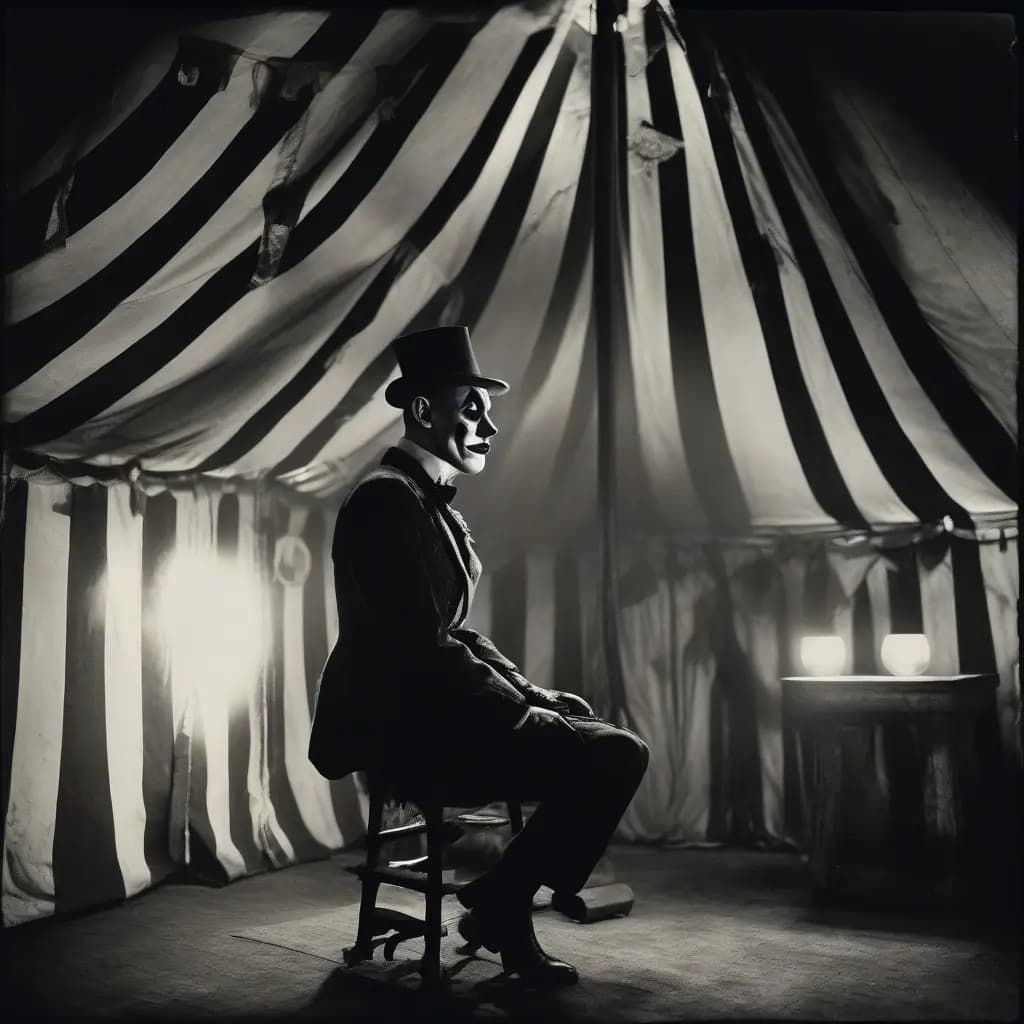
“Exploring the masochistic roots of cult cinema through the arbitrary trials and ritualized humiliations of 1920s silent masterpieces.”
There is a specific, jagged itch in the soul of the cult film devotee that can only be scratched by the sight of a protagonist being put through a meat grinder of arbitrary cruelty. We see it in the neon-soaked masochism of the 1970s and the grime of the 1980s VHS era, but the blueprint for this devotional suffering wasn’t drafted in a Soho basement or a grindhouse backlot. It was etched into the nitrate of the 1910s and 20s, a period where the 'impossible test' became the primary engine for a new kind of cinematic hero—the one who earns our love not through victory, but through the sheer, stubborn refusal to break under the weight of the absurd.
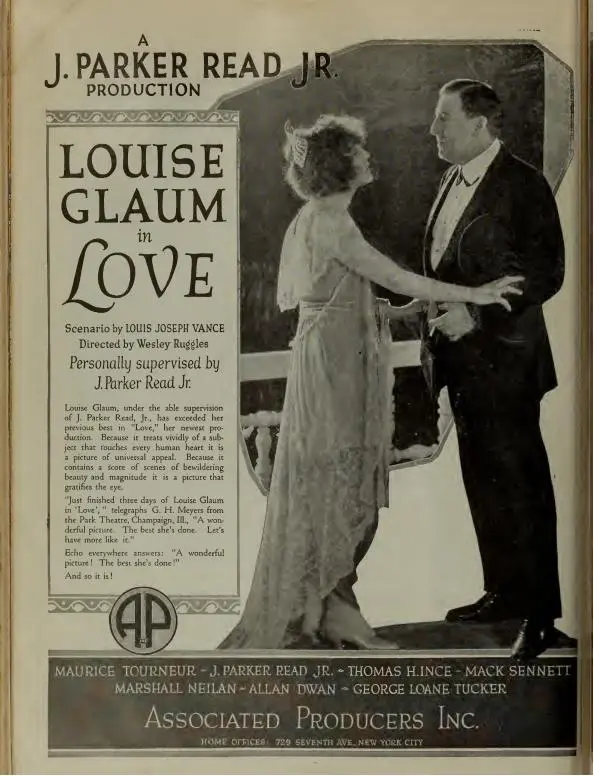
When we talk about cult cinema, we are often talking about the aesthetics of the outsider. But the outsider is defined by the barrier they cannot cross, or the hoop they are forced to jump through. In the silent era, these hurdles were often literalized into narrative 'tests' that bordered on the sadistic. Whether it was the search for a mythical blue vase or the ritualized slapping of a disgraced scientist, these films created a language of endurance that resonates in every midnight movie we celebrate today. This is the history of the cinematic trial, where the protagonist’s agony becomes the audience’s altar.
The Blue Vase Syndrome: Arbitrary Quests and the Birth of the Obsessive Hero
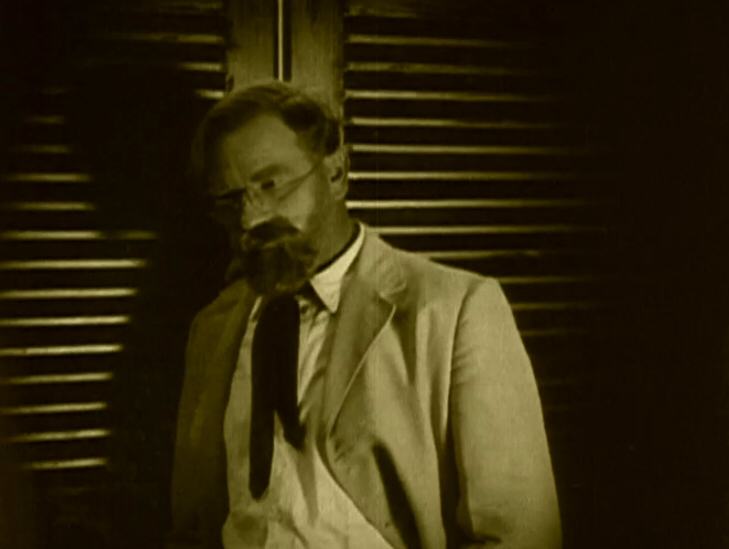
Consider the 1923 film The Go-Getter. On the surface, it presents as a standard post-war comedy-drama, but beneath its jaunty exterior lies a psychological gauntlet that would make a modern corporate recruiter blush. Bill Peck, a veteran discharged from an army hospital, is given a task by the magnate Cappy Ricks: find and purchase a specific, elusive blue vase. It is an impossible test, a MacGuffin designed not to be found, but to measure the candidate’s capacity for obsession.
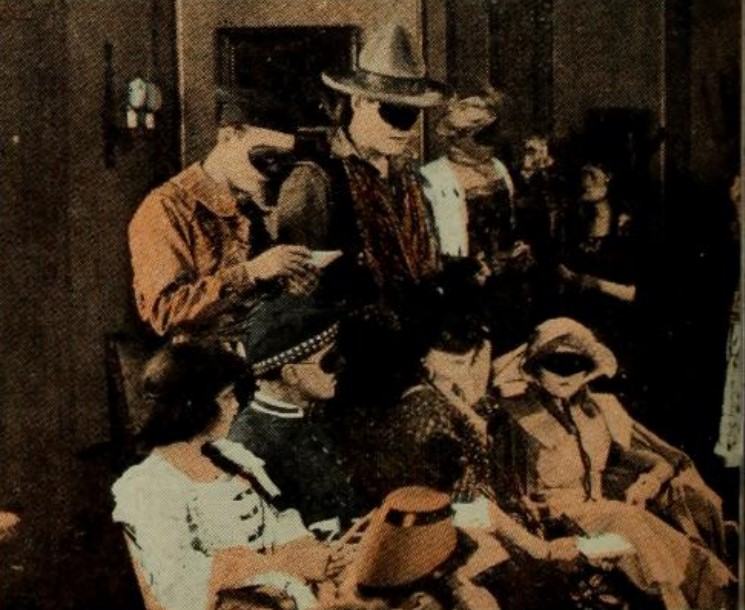
Peck’s pursuit of the vase is the proto-cult narrative. It isn't about the object; it’s about the transformation of the man into a vessel of pure, unadulterated will. This is the same DNA found in the protagonists of Herzog or Wenders—men who chase ghosts across deserts because the chase is the only thing that proves they exist. When Peck refuses to give up, he isn't just a 'go-getter'; he is a fanatic. Cult cinema thrives on this brand of fanaticism. We don't identify with the person who finds the vase; we identify with the person who is willing to burn their life down to prove they *could* find it.
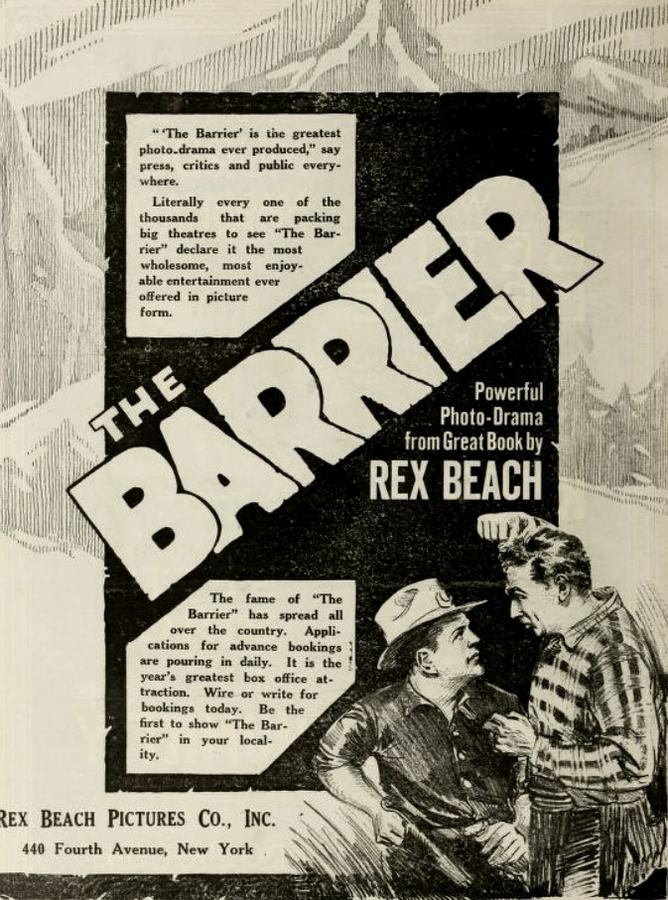
The impossible test isn't a plot device; it is a ritual of initiation for the audience. We watch the protagonist suffer to see if they are worthy of our devotion.
The Masochist’s Mandate: Why We Worship the Clown Who Takes the Blow
If The Go-Getter represents the obsession of the quest, Victor Sjöström’s He Who Gets Slapped (1924) represents the ritual of humiliation. Lon Chaney, the patron saint of the cinematic outcast, plays a scientist whose life’s work is stolen by a baron. His response is not a simple revenge plot, but a descent into the grotesque: he becomes a circus clown whose entire act consists of being slapped by his fellow performers while the audience roars with laughter.
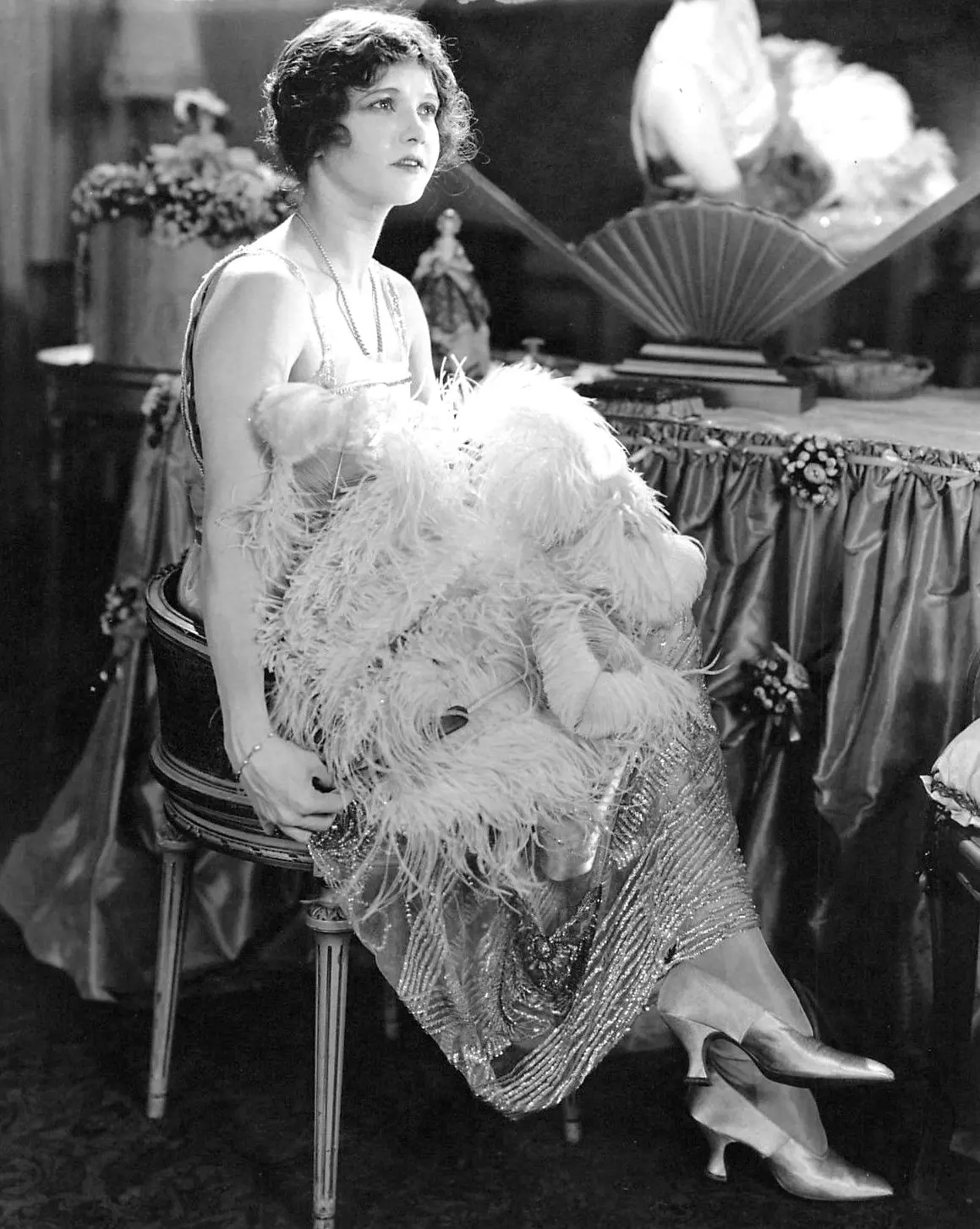
This is where the 'impossible test' turns inward. Chaney’s character, Paul Beaumont, tests his own capacity for shame. He weaponizes his humiliation, turning his pain into a spectacle that the 'normal' world can consume. This is the foundational text for the transgressive cult hero. It’s the same energy that fuels the body horror of David Cronenberg or the social alienation of Todd Solondz. The clown isn't just a victim; he is a martyr who has transcended the need for dignity. In the cult mindset, dignity is a bourgeois trap. The true hero is the one who can take the slap and smile through the greasepaint because they know a truth the audience is too afraid to face.

The Architecture of Cruelty in the Silent Landscape
The environments of these films often reflect the internal pressure of these tests. In The Iron Heart (1920), the protagonist Esther Regan is forced to manage a steel mill against a predatory trust. The industrial setting—the sparks, the heavy machinery, the looming shadows—acts as a physical manifestation of the stress she must endure. Survival in these films is a visual language. It’s about the human form silhouetted against a world that wants to crush it.
- Physicality as Narrative: In the absence of dialogue, the 'test' must be shown through the strain of the body. Chaney’s contorted face or the frantic movements of the worker in a mill tell us more about the stakes than any script could.
- The Hostile World: Films like King Spruce use the harsh northern woods as a testing ground, suggesting that nature itself is a judge of character.
- Social Ostracization: In Mästerman, the pawnbroker is tested by the hatred of his community, forcing a confrontation with his own perceived cruelty.
The Moral Gauntlet: Female Agency and the Test of Virtue
While the male protagonists of the 1920s were often tested through labor or humiliation, female protagonists were frequently subjected to a different kind of 'impossible test': the gauntlet of moral survival in a world designed to exploit them. In The Narrow Path, we see a girl from the slums navigating a landscape of vice and violence, where every choice is a trap. The 'test' here is to remain untainted in a world that is fundamentally filthy.
This narrative thread is the direct ancestor of the 'Final Girl' trope in horror or the transgressive heroines of 1970s exploitation cinema. These women are not merely survivors; they are philosophers of the fringe. When Zaza, in the 1923 film Zaza, falls for a diplomat only to discover his domestic secrets, she is forced through a trial of the heart that strips away her stage-managed persona. The cult appeal lies in the shedding of the mask. We watch these films because we want to see the moment the social contract fails and the character is left with nothing but their raw, unvarnished self.
Nitrate Phantoms and the Legacy of the Unattainable
Why do we return to these flickering, silent trials? Because they represent the purest form of cinematic empathy. In a modern blockbuster, the hero wins because the script demands it. In a cult film—and in these silent precursors— the hero 'wins' by surviving the loss. They are the 'Big Little People,' to borrow a title from the 1919 Universal drama, characters whose internal stature grows in direct proportion to their external suffering.
The 'impossible test' is a mirror. It asks the audience: *What would you endure?* Would you chase the blue vase? Would you take the slap? Would you stand against the trust? The cult of the suffering protagonist is not about sadism; it is about the recognition of the human spirit in its most desperate, cornered state. As we look back at the silent era, we see that the monsters, the outlaws, and the misfits who populate our modern cult canon were already there, waiting in the shadows of the 1920s, proving their worth one impossible task at a time.
Ultimately, the endurance of these films proves that the nitrate ghost is far from dead. It lives in every frame of a movie that refuses to play by the rules of comfort. It lives in the bitter clown and the go-getter. It lives in the realization that cinema is not just a window into another world, but a furnace where the soul of the outcast is forged. We don't just watch these films; we survive them alongside their protagonists, and in that shared survival, a cult is born.
Community
Comments
Log in to comment.
Loading comments…