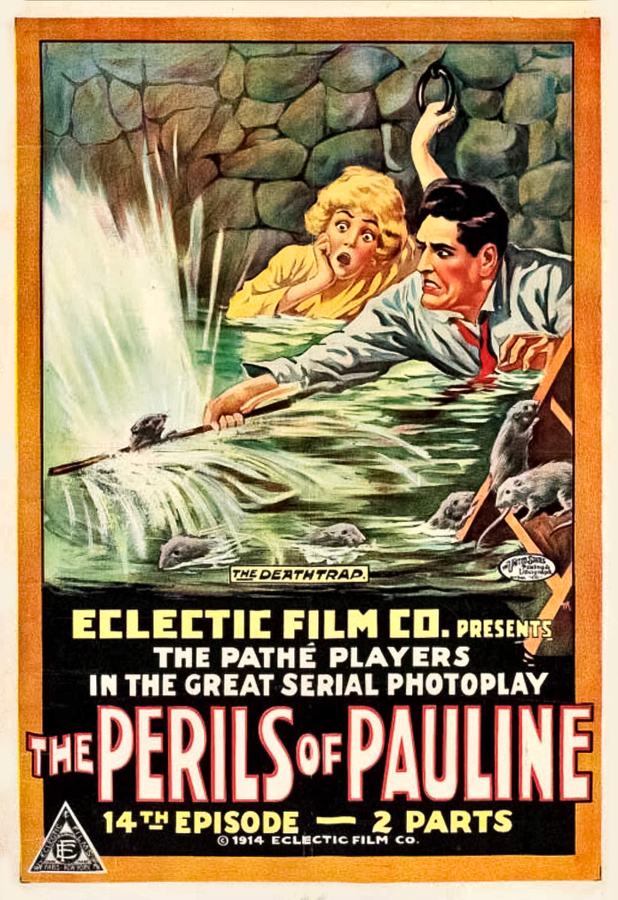
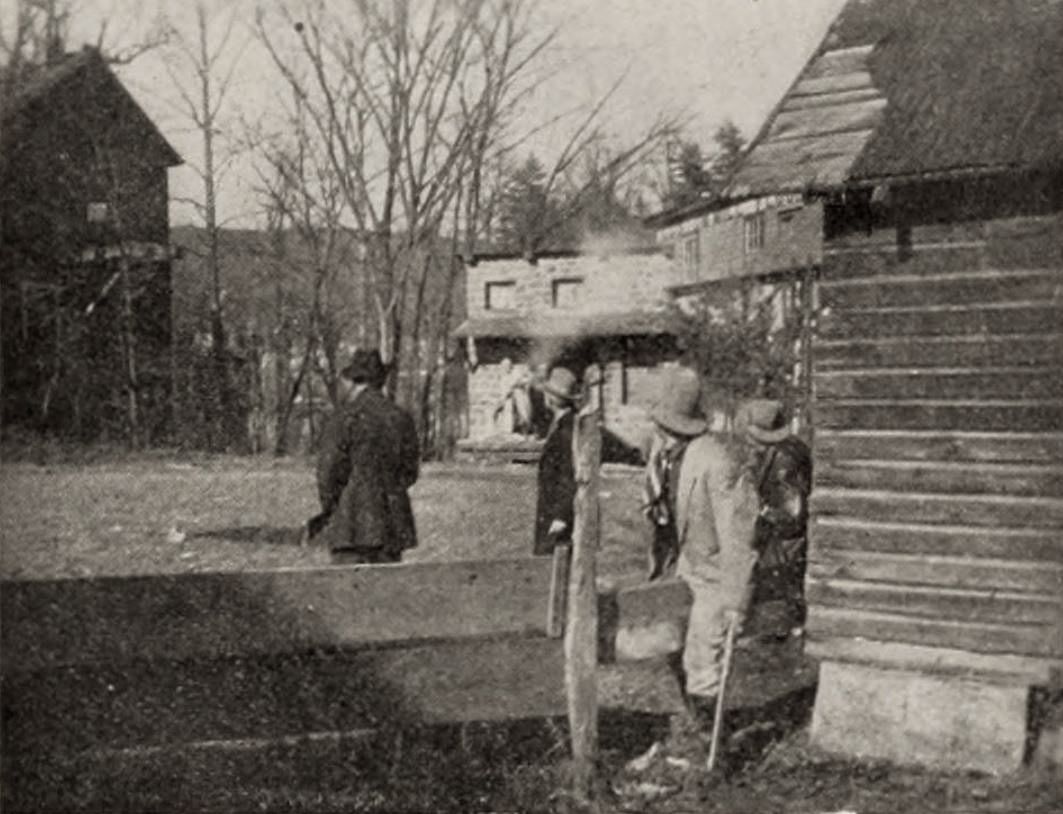
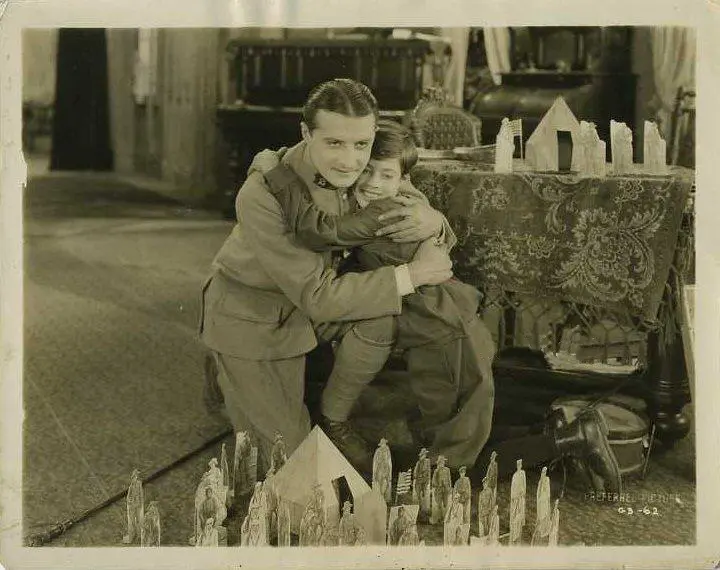
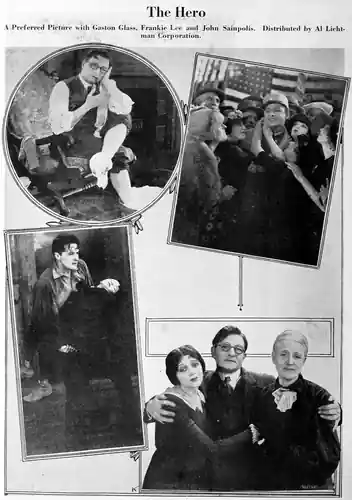
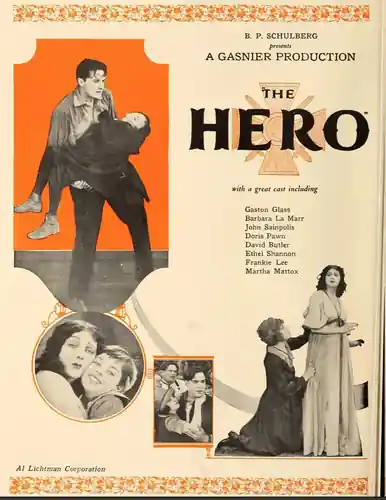
Oswald Lane is welcomed by his hometown as a war hero and enjoys recounting his adventures to anyone who will listen. He accepts an invitation to stay in the home of his rather colorless brother, Andrew, and is soon not only making love to Martha, the Belgian maid, but is also finding Andrew's wife, Hester, receptive to his flirting.
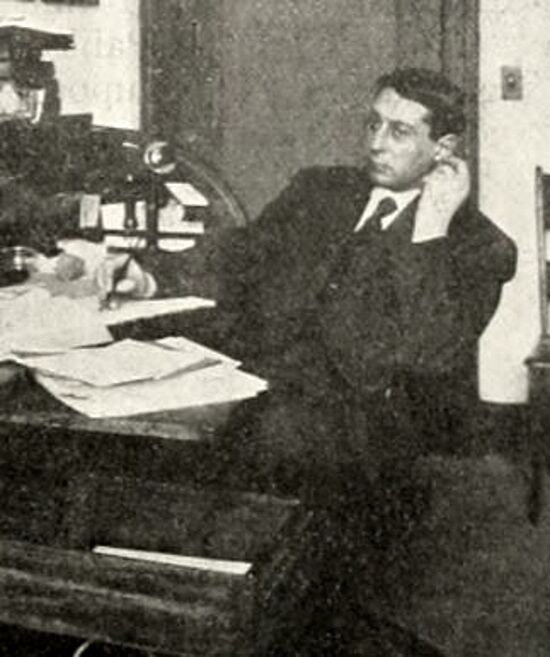
Gilbert Emery, Eve Unsell
United States
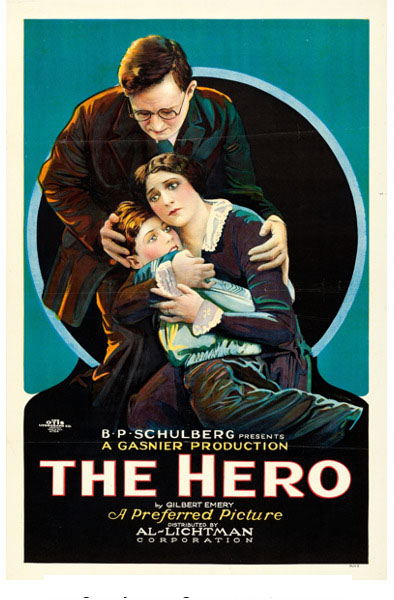
The Hero (1924) emerges as a masterclass in silent cinema's capacity to dissect the human soul without uttering a single word. Directed with surgical precision by Gilbert Emery and Eve Unsell, this 1920s drama constructs a chilling portrait of a man whose heroism is both his armor and his prison. The film's enduring re...
still_frame
publicity
publicity
publicity
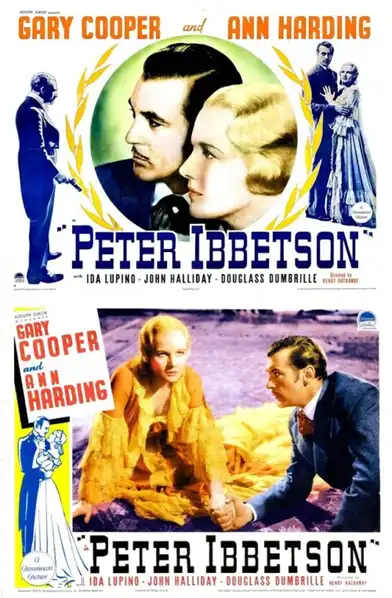
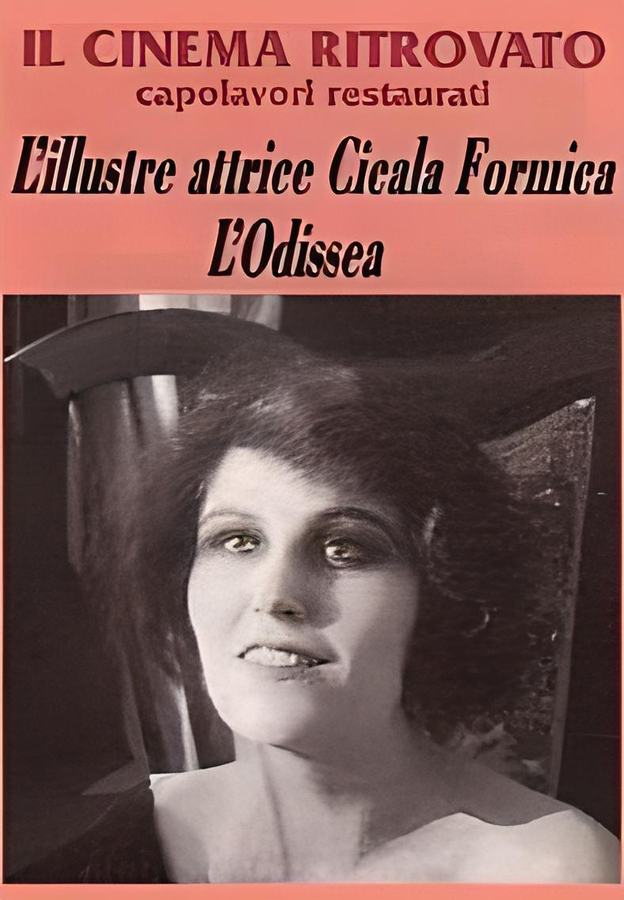
Comparing the cinematic DNA and archive impact of two defining moments in cult history.
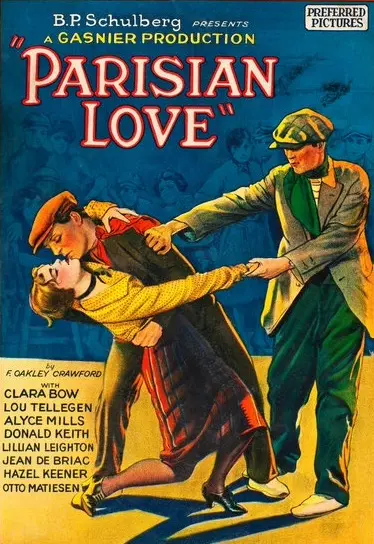
Louis J. Gasnier
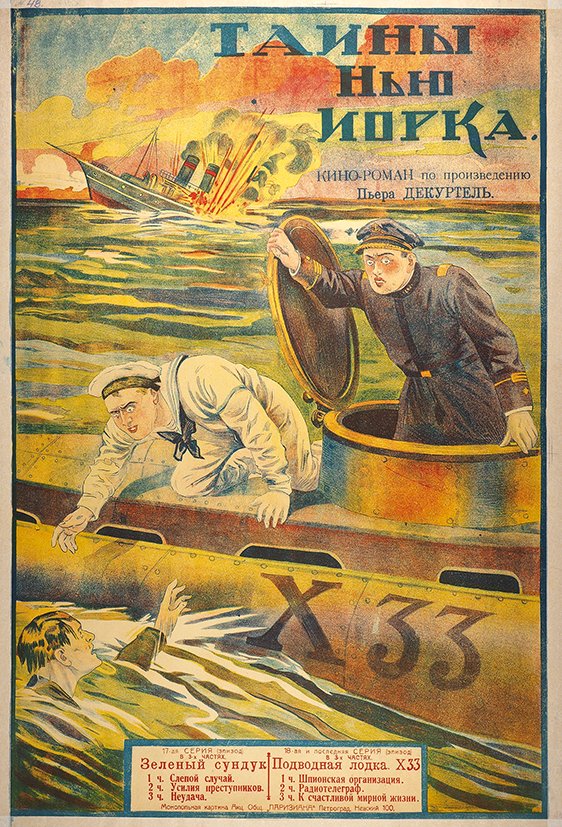
Louis J. Gasnier
Community
Log in to comment.
"The Hero (1924) emerges as a masterclass in silent cinema's capacity to dissect the human soul without uttering a single word. Directed with surgical precision by Gilbert Emery and Eve Unsell, this 1920s drama constructs a chilling portrait of a man whose heroism is both his armor and his prison. The film's enduring resonance lies in its unflinching examination of how societal adoration can corrupt the very individuals it elevates.Gaston Glass delivers a tour de force performance as Oswald Lane,..."
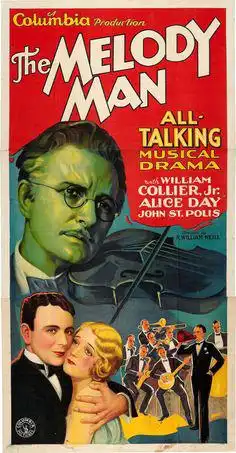
Deep dive into the cult classic
Discover similar cinematic experiences
A Directorial Spotlight on Louis J. Gasnier