
Cult Cinema
The Flickering Deviant: Decoding the Silent Era’s Blueprint for Underground Obsession
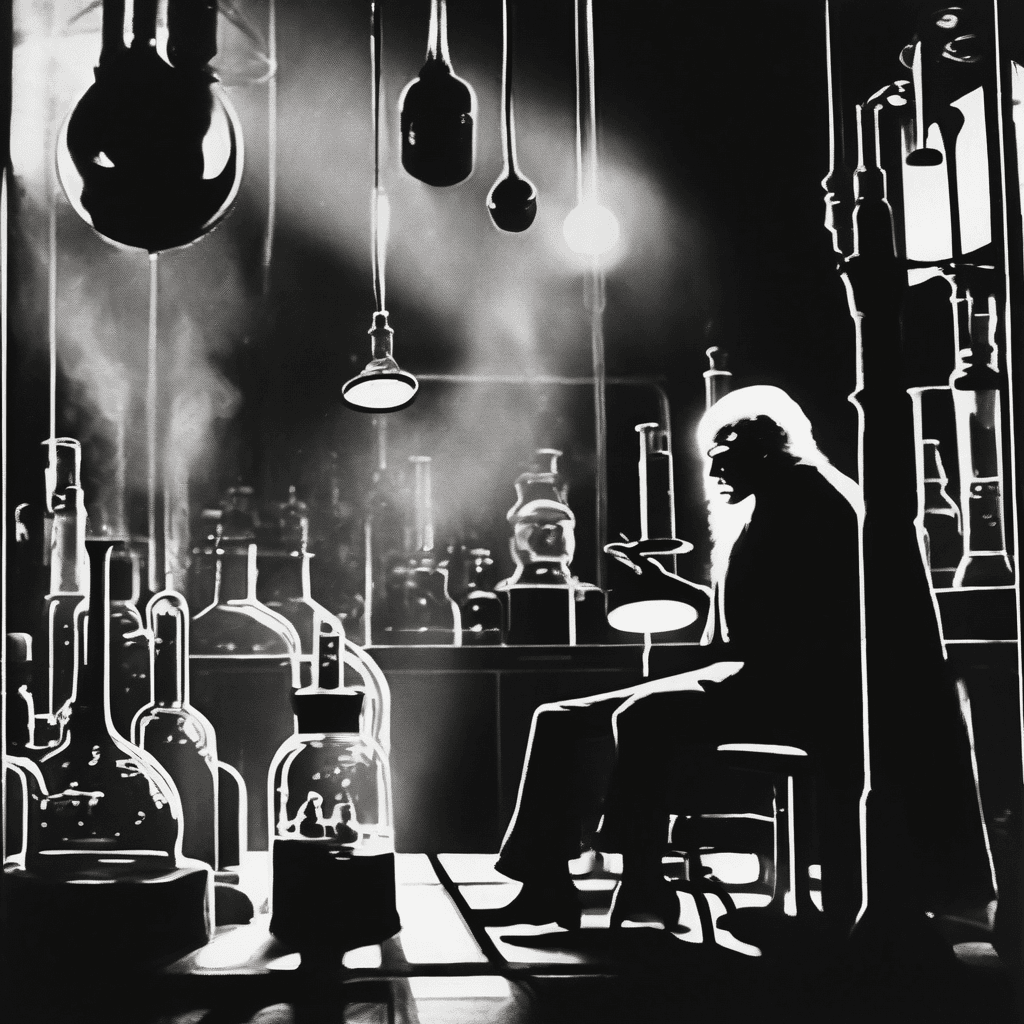
“Explore how the transgressive themes and narrative anomalies of the silent era, from body horror to social outcasts, forged the DNA of modern cult cinema.”
When we think of cult cinema, our minds often drift to the neon-soaked midnight screenings of the 1970s or the transgressive VHS tapes of the 1980s. However, the DNA of the deviant reel was spliced much earlier. Long before the term 'cult film' was coined, the 1910s provided a fertile, often chaotic petri dish for stories that defied the mainstream. These were the anomalies, the moral outliers, and the visual experiments that would eventually inform the aesthetic of the underground. To understand the modern obsession with the strange, we must look back at the flickering shadows of the silent era, where films like Mortmain and The Dragon Painter were already pushing the boundaries of what the screen could—and should—reveal.
The Architect of the Abnormal: Early Body Horror and Medical Anxiety
One of the primary pillars of cult cinema is its fascination with the grotesque and the scientifically impossible. In the modern era, we have David Cronenberg; in 1915, we had Mortmain. Directed by Ferdinand P. Earle, this film introduced audiences to the chilling concept of limb-grafting. Surgeon Crisp, a character who embodies the 'mad scientist' archetype long before it became a genre staple, announces to his students that he has solved the problem of attaching new limbs to the human body. The film’s protagonist, Mortmain, becomes deeply interested in these experiments, setting the stage for a narrative that explores the visceral anxiety of bodily autonomy.
This early flirtation with body horror is a crucial ancestor to the 'midnight movie' obsession with the physical form. Mortmain didn't just tell a story; it presented a concept that was both fascinating and repulsive—the very definition of a cult attraction. It tapped into the primitive fear of the surgeon’s knife, a theme that resonates through decades of underground cinema. By treating the human body as a modular machine, the film paved the way for the transgressive medical thrillers of the future.
The Outcast as Hero: Redefining the Moral Compass
Cult cinema thrives on the fringes of society, often elevating the thief, the slum-dweller, or the social pariah to the status of a protagonist. We see this clearly in Notorious Gallagher; or, His Great Triumph. The character of 'Buttsy' Gallagher is described as a harmless product of the slums, a man so submerged by his environment that he has forgotten how to feel anger. This narrative of the 'low-born' hero who finds a sense of agency—no matter how small—is a recurring motif in cult narratives that reject the polished, heroic ideals of the establishment.
Similarly, Ginger presents us with Ginger Carson, a girl trained from birth to be a thief by her criminal father. The film doesn't present her as a simple villain; instead, it invites the audience to follow her through a world of crime and eventual arrest. This moral ambiguity is the lifeblood of cult cinema. When we watch Ginger, we aren't just watching a crime drama; we are witnessing the birth of the anti-heroine. The fascination with characters who operate outside the law—like the troublemaker in Off the Trolley who messes with strangers and cops alike—reflects a deep-seated cinematic desire to celebrate the unruly and the unmanaged.
Subverting the Domestic: The Dark Side of the Home
If cult films love the street, they also love to tear down the white picket fence. The silent era was rife with 'domestic anomalies' that questioned the sanctity of marriage and family. In Should a Husband Forgive?, we are confronted with the fallout of an affair, a duel, and the subsequent expulsion of a mother from her family. This isn't the sanitized romance of the early studio system; it is a raw, melodramatic exploration of social shame. Such films functioned as a mirror to the repressed anxieties of the audience, much like the transgressive family dramas that would later define the works of John Waters or Todd Solondz.
The film The Moral Fabric takes this a step further, presenting Scott Winthrop, a businessman who cannot conceive of another man attempting to break up his home. These films dissected the 'fabric' of society, showing the threads coming loose. In Unprotected, the protagonist Barbara King is forced to live with an uncle who constantly reminds her of her mother’s 'wasted life' married to an artist. This tension between the artistic, free spirit and the rigid, judgmental authority figure is a foundational conflict in cult cinema, representing the eternal struggle of the creative misfit against the status quo.
Visual Poetry and the Exotic Other
Cult cinema is often defined by a unique visual language that separates it from the 'plain' style of commercial film. The Dragon Painter, starring Sessue Hayakawa, is a masterclass in this kind of visual storytelling. It tells the story of a 'wild man' and genius who becomes a master painter’s disciple, only to lose his divine gift when he finds love. The film’s focus on the intersection of madness, art, and obsession is a quintessential cult theme. Its aesthetic—infused with a sense of the 'other' and the mystical—offered an alternative to the Western-centric narratives of the time.
The allure of the exotic and the forbidden was also present in Aziade, a film that tapped into the early 20th-century fascination with Orientalism. By presenting worlds that felt 'other' to the average viewer, these films created a space for cinematic escapism that wasn't just about entertainment, but about entering a dreamscape. This 'fever dream' quality is what draws audiences to cult films like El Topo or Suspiria—the feeling that you are watching something that shouldn't exist, a secret transmission from another reality.
The Comedy of Desperation: Slapstick as Subversion
While we often associate cult film with horror or drama, the 'cult of the absurd' has its roots in early comedy. Take Mary's Ankle, a film about impoverished young doctors who are so desperate for funds that they partake in a 'tag day' scheme. The humor arises from the stark reality of poverty, a 'comedy of desperation' that prefigures the dark humor of the Coen Brothers or the absurdist leanings of Withnail and I. When characters are driven to the edge of survival, their actions become erratic, unpredictable, and inherently cinematic.
Even the animation of the era contributed to this sense of the strange. Bobby Bumps and the Hypnotic Eye features a boy and his puppy in various states of mischief, but the inclusion of 'hypnotism' as a plot device hints at the era’s obsession with the subconscious and the control of the mind. This interest in psychological manipulation would later become a cornerstone of cult thrillers. Similarly, the antics in Mutt and Jeff in London brought a sense of the surreal to the city streets, proving that the silent era was more than capable of delivering the kind of 'weird' that modern audiences crave.
The Industry as Villain: Meta-Narratives and Exposés
Cult cinema often bites the hand that feeds it, and The Failure is an early example of the film industry looking at its own dark reflection. The story of theatrical manager Isaac Shuman, who has a reputation for taking advantage of young girls looking for stardom, is a gritty precursor to the 'Hollywood Babylon' style of storytelling. By exposing the predatory nature of the industry through the eyes of a reporter, the film positioned itself as a transgressive piece of media—an 'insider' look at the rot beneath the glamour. This meta-commentary is a hallmark of cult classics like Sunset Boulevard or Mulholland Drive, where the medium of film itself becomes a source of horror or critique.
Political Paranoia and the Silent Educational
The roots of the 'cult of the political' can be found in films that sought to educate—or frighten—the public about shifting ideologies. The Hun Within explored the wartime conflict of loyalty between a German-American father and his son, tapping into the xenophobia and paranoia of the era. This sense of 'the enemy within' is a powerful narrative tool that fuels many cult thrillers, particularly those from the Cold War era. Even a short, animated educational film like Communism, which sought to explain the philosophy of Marx and Engels, contributed to the era's sense of ideological flux.
These films were not just entertainment; they were artifacts of a society in transition, grappling with new ideas and global conflicts. The fact that many of these reels are now lost or obscure only adds to their mystique. For the cult film historian, unearthing a film like Auf den Trümmern des Paradieses is akin to finding a lost scripture. These movies represent the 'other' history of cinema—the one that wasn't written by the winners, but by the dreamers, the rebels, and the misfits.
Conclusion: The Eternal Flicker of the Fringe
The silent era was not merely a stepping stone to the 'talkies'; it was a radical period of experimentation that defined the boundaries of the cinematic medium. From the body horror of Mortmain to the social subversion of Ginger and the visual genius of The Dragon Painter, the 1910s provided the blueprint for everything we now value in cult cinema. These films were transgressive, odd, and often misunderstood by the masses—the exact qualities that make a film a candidate for obsessive devotion.
As we continue to dive into the archives, we find that the 'midnight movie' was always there, waiting in the darkness of the nickelodeon. The characters—the 'Buttsy' Gallaghers, the Ginger Carsons, and the desperate doctors of Mary's Ankle—are the ancestors of our modern cinematic icons. They remind us that the heart of cinema has always belonged to the outcasts. By celebrating these silent anomalies, we aren't just looking at history; we are participating in a century-old ritual of seeking out the strange, the forbidden, and the beautiful in the flickering light of the projector.
Whether it is the mermaid's sacrifice in Queen of the Sea or the cynical playboy’s quest in The Quest, the silent era proved that no subject was too bizarre for the screen. As long as there are filmmakers willing to defy convention and audiences hungry for the unconventional, the spirit of the 1910s will continue to haunt the halls of cult cinema, reminding us that the most enduring stories are often the ones that start in the shadows.
Community
Comments
Log in to comment.
Loading comments…