
Cult Cinema
The Celluloid Alchemy: Transforming Obscurity into Enduring Cult Devotion
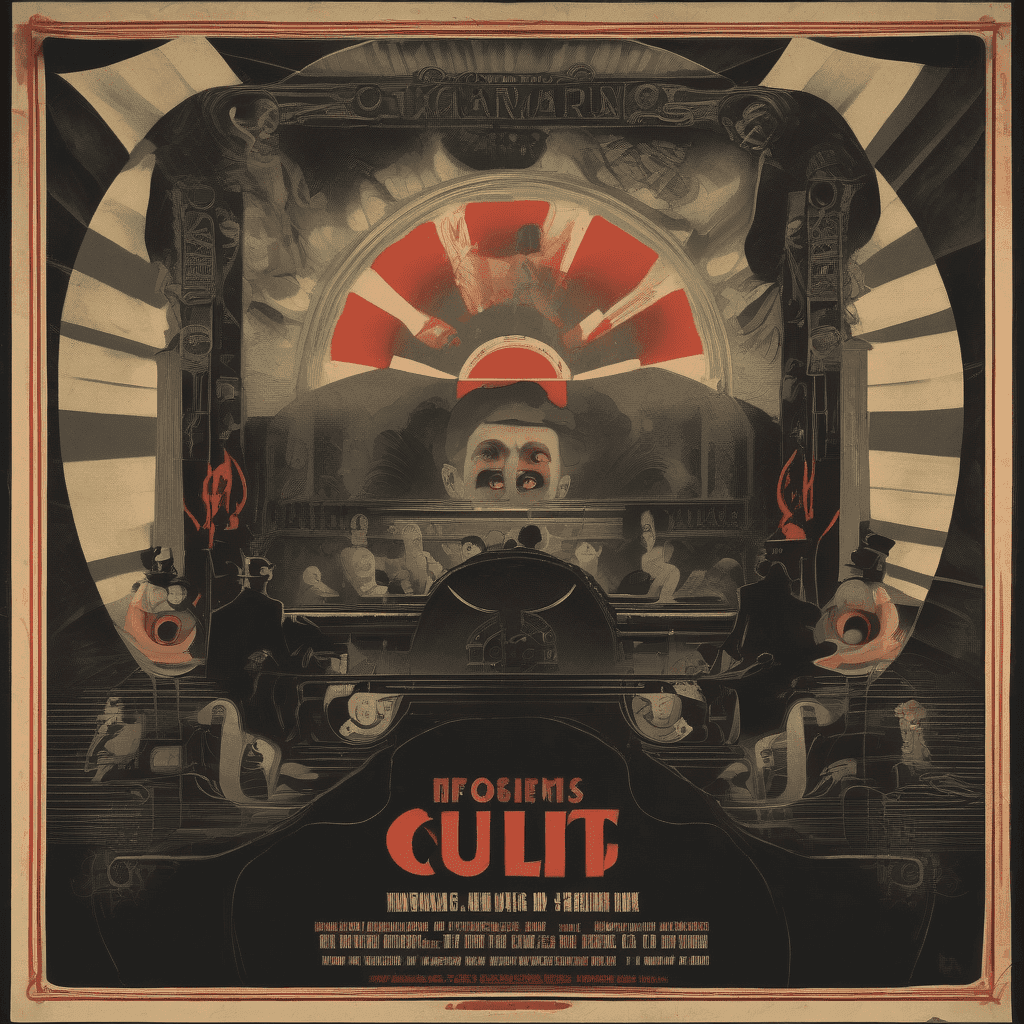
“Cult cinema thrives in the shadows, forging unbreakable bonds between unconventional films and devoted audiences. This deep dive explores how forgotten masterpieces and transgressive narratives transform from obscurity into timeless icons, captivating generations with their unique magic and rebellio…”
In the vast, ever-expanding universe of cinema, some films are destined for immediate blockbuster status, lauded by critics and adored by the masses. Others, however, embark on a different, more circuitous journey. These are the films that initially languish in obscurity, dismissed by mainstream critics, or simply too avant-garde for their era. Yet, over time, a strange and wonderful alchemy occurs: these cinematic outliers find their tribe, transforming into cherished cult classics. This phenomenon, the heart of cult cinema, is not merely about popularity; it’s about a profound, often obsessive, devotion that transcends fleeting trends and builds passionate communities around shared, unconventional tastes. It’s a testament to the enduring power of stories that dare to be different, narratives that resonate deeply with a niche, yet fiercely loyal, audience.

The Genesis of Glorious Obscurity: Seeds of Subversion in Early Cinema
The roots of cult cinema stretch back to the very dawn of the moving picture. Long before the term 'midnight movie' was coined, there were films that, for various reasons, existed outside the conventional gaze. Many of these early productions, from the silent era to the nascent days of sound, were experiments in storytelling, morality, and visual spectacle. They were often melodramas that pushed emotional boundaries, comedies that embraced the absurd, or dramas that tackled taboo subjects with a surprising frankness. Think of the societal dramas of the 1910s and 20s, like those exploring 'wayward girls' or the perils of ambition, which, while perhaps intended as cautionary tales, often contained subversive undertones or compelling, flawed characters that captivated audiences in unexpected ways. These were films that might have been deemed scandalous, overly peculiar, or simply too niche for broad appeal, yet they left an indelible mark on those who saw them.

During a period when cinematic language was still being invented, directors and writers were free to experiment with form and content in ways that might shock or confuse contemporary viewers. A film that depicted a woman seeking revenge on men, or a narrative about a 'half-breed' protagonist struggling with identity, would have challenged prevailing social norms. These early transgressions, whether intentional or accidental, laid the groundwork for the cult phenomenon. They taught us that cinema could be more than just entertainment; it could be a mirror reflecting society’s anxieties, a canvas for radical ideas, or a pure, unadulterated escape into the bizarre. The sheer variety of these early films—from westerns depicting tough outlaws and forced marriages to lighthearted shorts about mischievous lions or inventive chefs—meant that there was always something lurking on the fringes, waiting for its moment to be rediscovered and re-evaluated by a more receptive audience.

Beyond the Mainstream: A Rebellion of Form and Content
What truly defines a cult film is its unwavering commitment to the unconventional. These are the films that refuse to be pigeonholed, challenging genre conventions and narrative expectations. They might feature bizarre plotlines, idiosyncratic characters, or visual styles that are either ahead of their time or delightfully out of sync with prevailing trends. The allure often lies in their audacity, their willingness to explore themes that mainstream cinema shies away from, or to present familiar stories through a profoundly unique lens. Whether it’s a story of a child stolen by indigenous tribes and raised in ignorance of his true parentage, or a burlesque on the making of a picture, these narratives often possess an inherent 'otherness' that sets them apart.

Cult films frequently embrace a certain level of narrative dissidence. They might be disjointed, dreamlike, or deliberately obscure, demanding active participation from the viewer to piece together meaning. This isn't a flaw; it's a feature that deepens the engagement and fosters discussion. The visual aesthetic also plays a crucial role. From stark, expressionistic shadows to vibrant, surreal dreamscapes, the look and feel of a cult film are often as distinctive as its story. This unique cinematic language creates an immersive experience that resonates with those seeking something beyond the predictable. They become touchstones for audiences who crave authenticity, transgression, and a sense of discovery that Hollywood blockbusters rarely provide. This rebellion against the ordinary is precisely what transforms a forgotten film into a beloved cult object, a piece of art that speaks a secret language to its dedicated followers.

The Maverick's Manifesto: Subversion as a Core Tenet
Many cult films are, at their heart, subversive. They question authority, challenge social norms, or satirize cultural institutions. This transgressive spirit is a magnetic force, drawing in viewers who feel alienated by mainstream culture or who are simply hungry for narratives that reflect a more complex, less sanitized version of reality. A film that tackles themes of betrayal, murder, or moral downfall, even if framed within a classic melodrama, can resonate as profoundly subversive. The 'evil eye' of society, or the 'shadows of conscience' that plague characters, reveal a darker, more intricate human experience often smoothed over by conventional storytelling. These films often explore the darker facets of human nature, societal hypocrisy, or the inherent absurdities of existence, offering a cathartic release or a provocative mirror for their audiences.

This subversion isn't always overt political commentary; it can be subtle, woven into the fabric of a character’s choices, a plot twist, or a visual metaphor. It’s the unexpected turn a character takes, the moral ambiguity of a hero, or the unsettling resolution that lingers long after the credits roll. Whether it’s a story about a wealthy man trying to corner the cotton market, or a clubman marrying a chorus girl against his family's wishes, these narratives, through their unconventional portrayals of ambition, love, and class, offer a nuanced critique of the world. This enduring legacy of subversion ensures that cult films remain relevant, continuing to provoke thought and inspire debate across generations, proving that true rebellion never truly fades.

The Unseen Altar: Forging Communities Around Maverick Visions
Perhaps the most fascinating aspect of cult cinema is its ability to build communities. Unlike mainstream hits that are consumed individually and then largely forgotten, cult films foster a collective experience. They are shared secrets, whispered recommendations, and objects of communal worship. The journey of discovering a cult film often feels deeply personal, yet it inevitably leads to a shared space with others who have undergone a similar revelation. This shared passion creates an 'unseen altar,' a metaphorical space where devotees gather to celebrate, dissect, and re-experience their beloved cinematic treasures.

Historically, this communal aspect manifested in various ways. For early films, it might have been fervent discussions among local cinephiles, re-screenings in independent theaters, or simply the word-of-mouth spread among friends who appreciated something truly different. In later decades, this evolved into the iconic midnight movie screenings, where audiences dressed up, recited lines, and participated in the film itself. Today, in the digital age, these communities thrive online, through forums, social media groups, and streaming watch parties. The ritualistic viewing of films like a particular action serial, a dramatic Western, or a quirky comedy short becomes a bonding experience, a form of collective identity. The 'secret handshake' of cult fandom is knowing the obscure references, understanding the deeper meanings, and celebrating the unique quirks that make these films so special.
The Fandom's Fidelity: Loyalty Beyond Logic
The loyalty cult films inspire is often described as irrational, yet it's deeply logical to those who feel it. This fidelity stems from a sense of belonging, a recognition of shared sensibility, and the profound impact these films have on individual viewers. A film that might be dismissed as a 'frenzied film' by critics can become an object of fascination for its sheer energy and unique approach. The enduring appeal of these films lies not in their perfection, but often in their imperfections, their raw edges, and their unfiltered vision. They don't try to please everyone, and in doing so, they end up deeply pleasing a select few.
This deep connection often leads to repeated viewings, with fans discovering new layers of meaning, subtle nuances, or hidden details with each watch. The narrative of an adventurer seeking wealth, or a young American forced to find a job, can be reinterpreted through different life stages, revealing new depths. This re-watchability is a hallmark of cult cinema, transforming a single viewing experience into an ongoing dialogue between the film and its audience. It’s a testament to the fact that some stories, no matter how old or initially obscure, possess an inherent magic that only grows stronger with time and shared appreciation. The fidelity of the fandom ensures that these films, once overlooked, achieve a form of cinematic immortality, passed down from one generation of devotees to the next.
Timeless Transgressions: Why Cult Films Endure
Why do these cinematic anomalies, often created with limited budgets and unconventional visions, continue to captivate audiences decades, sometimes even a century, after their initial release? The answer lies in their timelessness. Cult films often tap into universal human experiences, anxieties, and desires, presenting them in ways that transcend their specific historical or cultural context. A story about a man bringing law and order to a town, or a tale of a girl who insists on learning life's lessons through experience, touches upon fundamental human struggles that resonate across eras.
Their enduring power also stems from their authenticity. Free from the pressures of mass market appeal, cult filmmakers often operate with a singular artistic vision, unfettered by commercial constraints. This creative freedom results in works that feel raw, honest, and uniquely personal. Whether it’s the dramatic tension of a kidnapping, or the intricate web of deceit in a crime story, these films often feel more genuine in their portrayal of humanity's complexities. This authenticity fosters a deep connection with audiences who appreciate art that is brave enough to be itself, warts and all.
From Flicker to Fandom: The Evolution of Cult Discovery
The journey of a cult film from obscurity to icon status has evolved significantly over time. In the early days of cinema, rediscovery might have occurred through rare repertory screenings, film society gatherings, or academic study. Archives and film historians played a crucial role in unearthing and preserving these 'celluloid curios' that mainstream distributors had long forgotten. The advent of home video, particularly VHS and later DVD, democratized access, allowing niche audiences to actively seek out and share these hidden gems. Suddenly, a film that only played in select theaters could find a global audience in their living rooms.
Today, the digital age has accelerated this process exponentially. Streaming platforms, digital restorations, and online communities have made it easier than ever for forgotten masterpieces to find new life. A 'world of dreams' once confined to a few prints can now be streamed by millions. Social media acts as a powerful amplifier, allowing fans to share their discoveries, engage in discussions, and even create new memes and fan art inspired by these films. This constant re-engagement ensures that the 'flicker' of an old film can ignite a new 'fandom,' ensuring its legacy continues to grow and evolve. The ease of access means that the next generation of cult classics is always just a click away, waiting to be discovered and passionately embraced.
The Unfolding Cult: A Legacy of Rebellion and Revelation
Cult cinema represents a vibrant, essential counter-narrative to the prevailing mainstream. It reminds us that artistic value isn't solely determined by box office receipts or critical consensus. Instead, it's often found in the margins, in the unconventional, and in the films that dare to defy easy categorization. From the silent era’s 'veiled adventures' and 'return of Mary' narratives to the more overt transgressions of later decades, cult films have consistently offered a space for stories that challenge, provoke, and entertain in ways that are uniquely their own.
These films are more than just movies; they are cultural artifacts, reflections of societal anxieties, and beacons for those who seek something different. They forge deep, enduring connections between art and audience, creating communities bound by a shared love for the peculiar, the profound, and the passionately unconventional. The alchemy of cult cinema is a continuous process, transforming forgotten reels into cherished relics, proving that true cinematic magic often resides not in the spotlight, but in the glorious shadows where rebel visions truly thrive. As long as there are stories to tell and audiences hungry for the extraordinary, the cult of the unorthodox will continue to unfold, enriching the cinematic landscape with its enduring legacy of rebellion and revelation.
Community
Comments
Log in to comment.
Loading comments…