
Cult Cinema Deep Dive
The Celluloid Cipher: Unlocking the Primal Rebellion and Transgressive Echoes of Cinema's First Cult Mavericks
“A deep dive into the ancestral roots of cult cinema, exploring how the silent era's transgressive narratives and maverick visions laid the groundwork for today's midnight movie obsession.”
To understand the modern cult film is to recognize that the "midnight movie" is not merely a time slot, but a genetic predisposition. Long before the 1970s birthed the counter-culture icons we worship today, the seeds of niche devotion were being sown in the flickering shadows of the silent and early sound eras. These were films that dared to operate outside the sterile boundaries of the burgeoning studio system, embracing the weird, the psychic, and the socially transgressive. This is the Celluloid Cipher—a secret language of rebellion spoken by the misfits and mavericks of early cinema.
The Hypnotic Architect: Dr. Mabuse and the Birth of the Mastermind
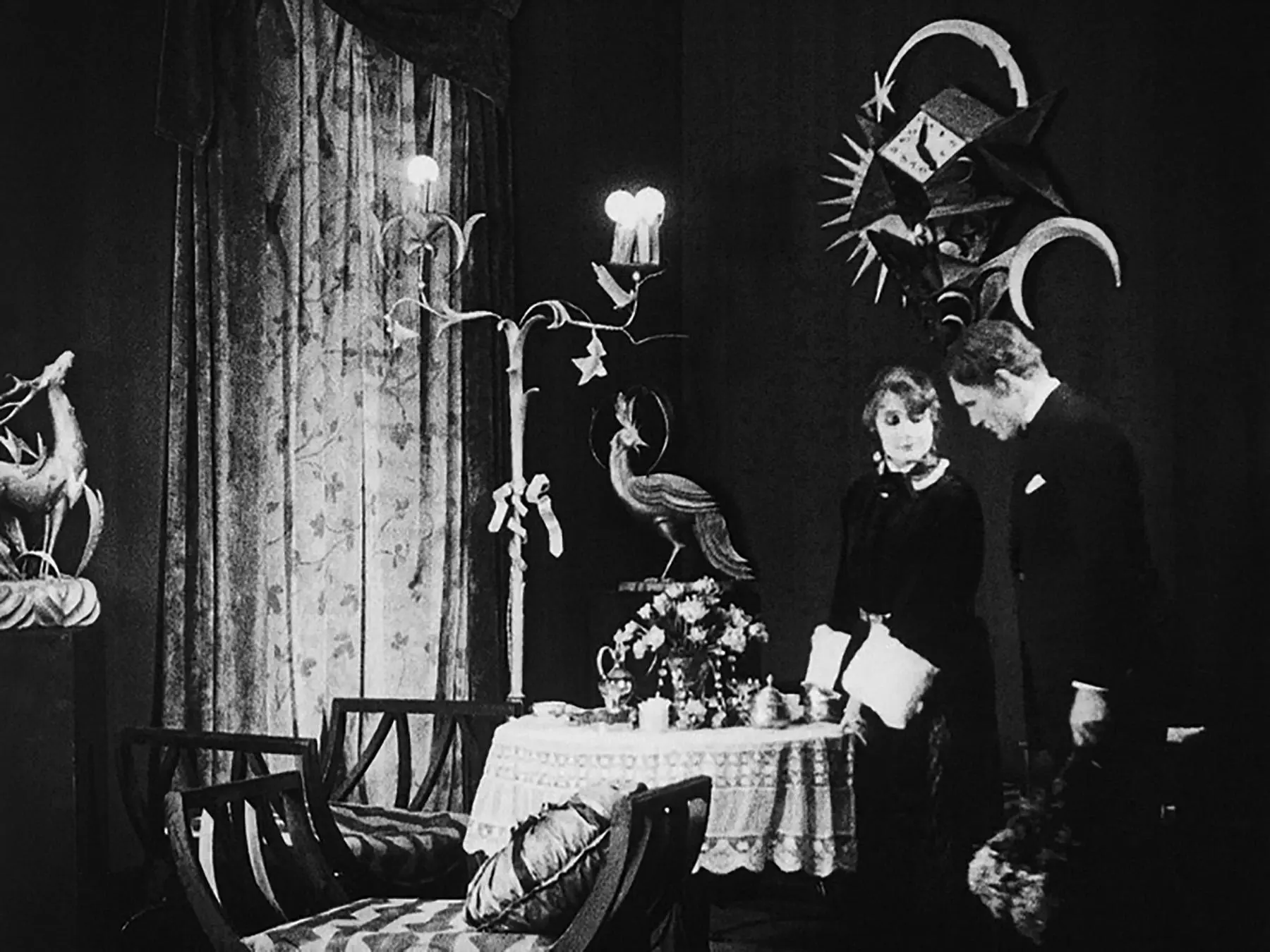
At the heart of any cult obsession lies a figure of absolute, often terrifying, magnetism. Few films exemplify this better than Fritz Lang’s Dr. Mabuse, the Gambler. In this sprawling epic of crime and control, we see the blueprint for the cinematic super-villain and the cult icon alike. Mabuse is not just a criminal; he is a master of psychic manipulation, a figure who reflects the chaotic, hyper-inflated anxieties of Weimar Germany. The film’s exploration of power and the underground gambling dens of Berlin created a template for the urban thriller that would resonate for decades.
The cult appeal of Mabuse stems from its unapologetic darkness. It invites the audience into a world where the law is a suggestion and the human mind is a plaything. This sense of being an "insider" to a grand, dark conspiracy is a cornerstone of cult fandom. When we watch Detective Wenk attempt to dismantle Mabuse’s empire, we aren't just watching a police procedural; we are witnessing the birth of the cinematic underground.
Psychic Veins: The Occult and the Unseen Power
Cult cinema has always had a flirtation with the supernatural and the unexplained. Films like The Witching Hour tapped into the era's fascination with psychic phenomena. Jack Brookfield, the gentleman gambler who discovers his own intuition is actually a potent psychic force, represents the maverick spirit—the individual who possesses a secret knowledge that separates him from the masses. This theme of "hidden truth" is what draws fans to films that explore the fringes of human experience.
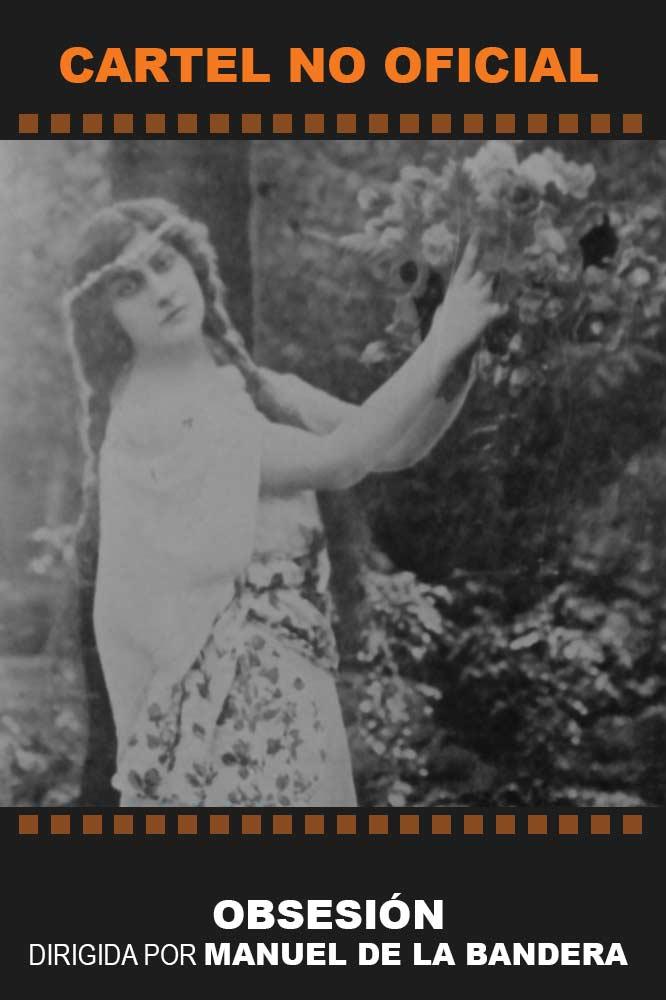
Similarly, The Avenging Arrow weaves a gothic tapestry of ancestral curses and impending doom. The story of a young woman racing against a deadline of death—her 21st birthday—echoes the primal fears that drive the horror and thriller genres. These films weren't just entertainment; they were visceral experiences that challenged the safety of the status quo. They suggested that the past was a living, breathing entity capable of reaching out and strangling the present, a concept that remains a staple in cult horror today.
Social Misfits and the Working-Class Rebellion
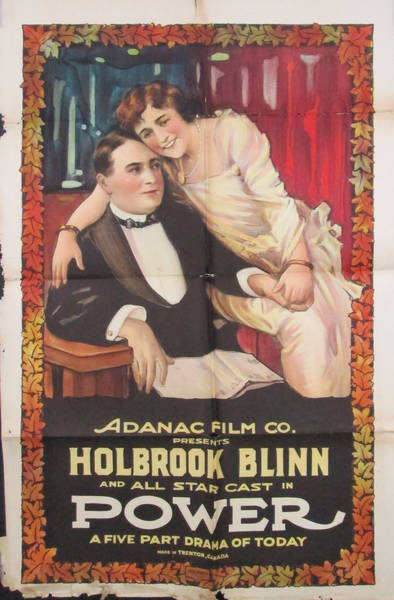
Not all cult films are born of shadows and curses; some emerge from the friction of social class. Amarilly of Clothes-Line Alley offers a vibrant, albeit stylized, look at working-class resilience. Amarilly is the quintessential cult heroine: she is fiercely loyal to her roots, rejecting the hollow allure of the upper class for the authenticity of her neighborhood and her bartender boyfriend. This celebration of the "common" over the "elite" is a recurring motif in films that find a second life in the hearts of the marginalized.
The rebellion against societal expectations is further explored in The Place Beyond the Winds. Priscilla Glenn, a "child of the woods," stands in stark contrast to her father’s oppressive, anti-nature worldview. This conflict—the wild, impulsive spirit versus the browbeating authority—is the very soul of transgressive cinema. It champions the outlier, the one who refuses to be tamed by the conventional structures of family or society.
The Ethics of the Fringe: Moral Ambiguity in Early Film
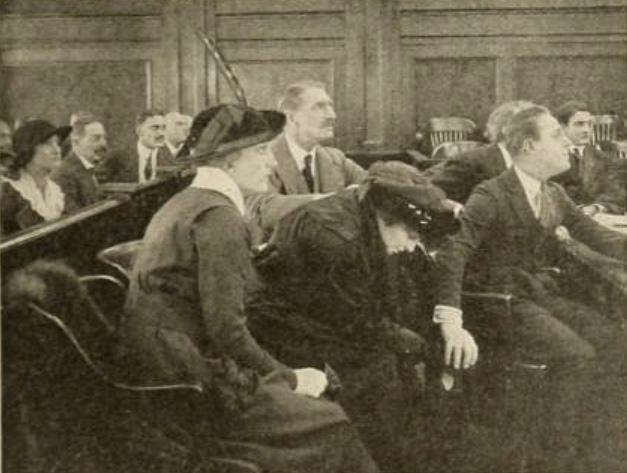
One of the defining characteristics of cult cinema is its willingness to dwell in moral gray areas. In The Inner Voice, we see a young man seeking fortune in the gold fields, only to be pushed to the brink of violence. It is only through the intervention of a "Good Samaritan" that he finds redemption. This struggle between the primal urge and the moral compass is a recurring theme in films that refuse to offer easy answers. Cult audiences often gravitate toward narratives where the protagonist is flawed, broken, or operating on the edge of social acceptability.
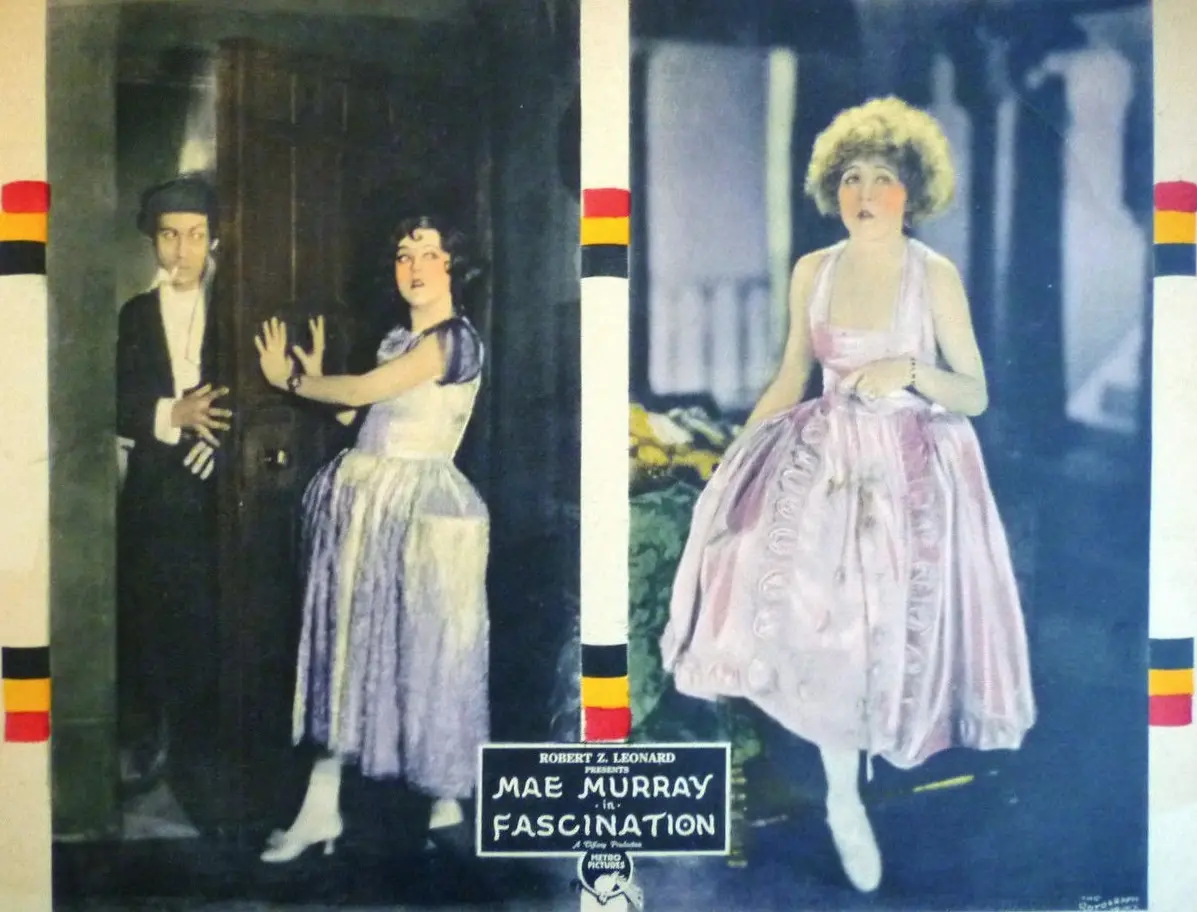
Consider the desperate measures in A Suspicious Wife, where the opening shot of the Brooklyn Bridge serves as a backdrop for a woman’s tragic leap. These films dealt with the raw nerves of the human condition—jealousy, betrayal, and the crushing weight of suspicion. Jealousy itself, as seen in the story of Jules Leroux and his daughters, highlights how the loss of wealth and the pressure of societal standing can fracture the family unit, leading to a descent into bitterness and conflict.
The Meta-Narrative: Absurdism and the Burlesque
Cult cinema often thrives on self-awareness and the subversion of genre. Salome vs. Shenandoah is a fascinating early example of the "meta" film. By burlesquing popular stage dramas through the lens of an inept theatrical troupe, the film invites the audience to laugh at the artifice of performance itself. This satirical edge is what makes certain films timeless; they don't just tell a story, they comment on the act of storytelling.
The absurdist streak continues in early animation like All That Glitters Is Not Goldfish. The surreal adventures of Mutt and Jeff, acquiring a bird and fish store, represent a break from reality that paved the way for the psychedelic and experimental films of the midnight movie era. These shorts were the anarchic ancestors of the counter-culture, proving that cinema didn't always need to make sense to be deeply resonant.
The Maverick Spirit: Soldiers, Gamblers, and Outlaws
The cult of the "tough guy" or the "lone wolf" finds its roots in films like The Conqueror, depicting the life of Sam Houston. These historical biopics often emphasized the renegade nature of their subjects—men who built republics and defied empires. This fascination with the larger-than-life figure who operates by their own code is central to the appeal of the Western and the Action film, genres that have always been fertile ground for cult followings.
In the world of the Western, Firebrand Trevison and The Home Trail showcase the rugged individualism and the romanticized danger of the frontier. Whether it's a range boss falling for a schoolteacher or a ranch owner fighting the encroaching railroad, these stories celebrate the unyielding spirit of the pioneer. They are narratives of territory—both physical and moral—and the lengths one will go to defend it.
The Mystery of Identity and the Blind Witness
Identity is a fluid and often dangerous thing in the world of the cult outlier. Dynamite Allen presents a classic trope: the blind witness who mistakenly identifies her benefactor as a killer. This play on perception and the fragility of truth is a hallmark of the mystery genre. It forces the audience to question what they see—or what they think they see—creating a sense of unease that is essential for a film to linger in the mind long after the credits roll.
The theme of the "double" or the twin is explored in The Price of Fame, where William and John represent the two sides of the same coin: success and failure. This duality is a recurring motif in cult cinema, reflecting the internal conflict of the human soul. We are all, in some way, both the hero and the villain of our own stories, and films that lean into this complexity often find the most devoted disciples.
Conclusion: The Enduring Legacy of the Silent Outcasts
From the criminal masterminds of Berlin to the psychic gamblers of Kentucky, the early era of cinema was far from a monolith of polite entertainment. It was a boiling cauldron of experimentation, social critique, and transgressive energy. When we look at films like Sången om den eldröda blomman or Shadows of the Moulin Rouge, we see the early blueprints for the erotic thrillers and psychological dramas that would later define the cult genre.
The Celluloid Cipher remains unbroken. It continues to whisper to those who seek something more than the mainstream, something that speaks to the rebel heart and the inquisitive mind. These early mavericks didn't just make movies; they forged a sanctuary for the unorthodox, a place where the weird and the wonderful could live forever in the amber of nitrate and light. As we continue to unearth these forgotten gems, we aren't just watching history; we are participating in a perpetual ritual of discovery that defines the very essence of cult cinema.
Community
Comments
Log in to comment.
Loading comments…