
Cult Cinema
The Celluloid Reliquary: Unearthing the Primal Transgressions and Maverick Fandom of the Silent Era’s Original Misfits
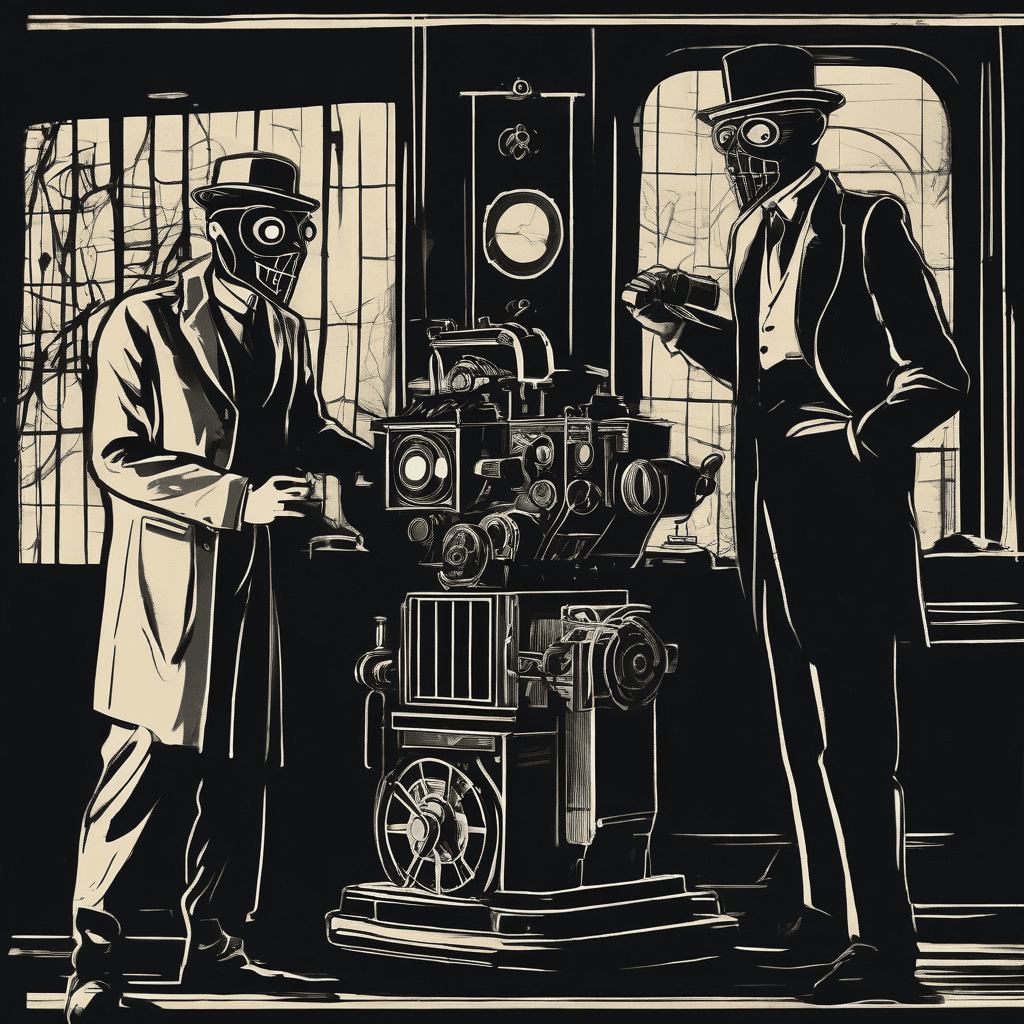
“A deep dive into the transgressive roots of cult cinema, exploring how the silent era's most daring narratives and forgotten outcasts birthed the modern midnight movie obsession.”
To the modern cinephile, the term cult cinema often conjures images of neon-soaked 1970s grindhouses, midnight screenings of The Rocky Horror Picture Show, or the transgressive body horror of the 1980s. However, the genetic blueprint of cinematic obsession—the primal urge to congregate around the strange, the forbidden, and the misunderstood—was drafted long before the advent of sound. In the flickering shadows of the 1910s and 20s, a cadre of narrative outlaws and visual provocateurs was already busy constructing what we now recognize as the cult ethos. These were films that defied the burgeoning conventions of Hollywood's Golden Age, opting instead for transgressive rhythms and moral ambiguity. To understand the modern midnight movie, we must first unearth the Celluloid Reliquary of the silent era.
The Genesis of Transgression: Sacrifice and the Taboo
Perhaps no film in the early archives embodies the transgressive soul of cult cinema more profoundly than the 1918 production Sacrifice. Directed by an industry that was still negotiating its own moral boundaries, this film presented a narrative so jarringly ahead of its time that it remains a shock to the system. The story of an insane doctor, Ten Brinken, who uses the semen of a dead man to artificially inseminate a prostitute, is the kind of high-concept, borderline-grotesque premise that would later define the works of John Waters or David Cronenberg. The resulting child, a beautiful but malevolent woman who turns against her creator, serves as a proto-femme fatale and a herald of the narrative anarchy that cult audiences crave. Sacrifice wasn't just a movie; it was a challenge to the viewer's sensibilities, a foundational stone in the architecture of the cinematic underground.
Similarly, the 1918 film Black Shadows delved into the psychological fringes of the human experience. Centered on a victim of hypnotism who develops an uncontrollable compulsion to steal, it tapped into the era's fascination with the subconscious and the loss of agency. These films didn't seek to provide the easy moral resolutions found in mainstream fare; they invited the audience to dwell in the discomfort of the "other." This invitation is the very essence of niche devotion. When a film like Zagadochnyy mir (Mysterious World) captures the imagination, it does so by offering a reality that is slightly askew, a world where the rules of logic are replaced by the logic of the dream.
The Seriality of Obsession: Judex and the Masked Vigilante
If transgression is the soul of cult cinema, then seriality is its heartbeat. Long before the Marvel Cinematic Universe or the episodic nature of modern prestige television, the silent era mastered the art of the cliffhanger and the recurring icon. Judex, the twelve-part serial directed by Louis Feuillade, introduced the world to a masked vigilante fighting a corrupt banker. This wasn't merely entertainment; it was a ritual. Audiences returned week after week, not just for the plot, but to inhabit the world of the "masked avenger." This type of Maverick Fandom—where the character becomes a symbol of rebellion against the established order—is a direct ancestor to the cult status of figures like Batman or V for Vendetta.
The era was rife with these "Girl of Mystery" and "Master Thief" archetypes. Lucille Love: The Girl of Mystery and The New Exploits of Elaine featured heroines who were constantly in peril but possessed an agency that defied the Victorian leftovers of the time. In The Lightning Raider, we see a beautiful young woman who is a daring master thief, a character who subverts the role of the victim and embraces the role of the outlaw. These films created a space for rebel rhythms, where the protagonist's morality was secondary to their charisma and their ability to navigate a world of "Serpent Signs" and hidden conspiracies. This serial format encouraged a level of engagement that transcended passive viewing, fostering a community of fans who would discuss, dissect, and obsess over every frame.
The Social Outcast as Cinematic Hero
Cult cinema has always been a sanctuary for the misfit, and the silent era provided plenty of mirrors for the marginalized. Consider The Cave Man, where a society girl wagers she can turn any man from the street into a leader. While framed as a comedy, it touches on the fluidity of class and the inherent worth of the "unseen" individual. Then there is The Derelict, a film that explores the life of a man-about-town who fakes his own suicide to free his family from his dissolute lifestyle. These narratives of self-imposed exile and social death resonate deeply with the cult audience, which often sees itself as existing outside the mainstream "polite" society.
Even the more traditional dramas of the time, such as Little Women (1918), focused on the internal lives of those often pushed to the margins of history—the domestic and the feminine. While Little Women is a classic, its early cinematic iterations allowed for a specific kind of niche devotion among audiences who saw their own struggles for autonomy reflected in the March sisters. On the opposite end of the spectrum, films like Play Square and The Woman in Politics showcased characters fighting against corrupt mayors and tenement owners, establishing the "one against the many" trope that fuels so many cult classics. In The Woman in Politics, Dr. Beatrice Barlow’s refusal to back down against a corrupt mayor is a proto-feminist anthem that would have resonated with the renegade spirits of the 1910s.
Genre Mutations and the Macabre Maciste
The beauty of the early cinematic landscape was its lack of rigid genre boundaries. This was a time of genre mutations, where a mystery could easily bleed into a supernatural horror or a slapstick comedy. Maciste contro la morte (Maciste Against Death) is a prime example. Maciste, the Italian strongman who became a recurring hero of the era, occupied a space between mortal man and demi-god. His adventures were epic, physical, and often touched on the macabre. The sheer physicality of the character, combined with the fantastical threats he faced, created a sense of sacred weirdness that modern cult fans find in the "sword and sandal" or "heroic fantasy" subgenres.
We also see the birth of the techno-thriller and the industrial nightmare in films like The Soul of Bronze (L'Ame du Bronze). A film about an engineer losing his fiancée to a captain and the resulting tension within a gun factory, it blends personal melodrama with the cold, hard reality of the machine age. The primal deviance of the era often manifested in these intersections of human emotion and industrial progress. Even in shorter works like The Gasoline Buckaroo, the introduction of the automobile into the western or rural narrative suggested a world in transition—a theme that remains a staple of cult cinema, from Mad Max to Two-Lane Blacktop.
The Myth of the Lost Film: St. Elmo and the Holy Grail
One of the most potent drivers of cult obsession is the concept of the "lost film." In the silent era, where nitrate film was volatile and preservation was an afterthought, many of the most daring visions vanished. St. Elmo, a 1914 film based on a best-selling novel about a man’s fall from grace and eventual redemption, is now a lost relic. Its absence from the physical world only enhances its mystique. Cult fandom thrives on the hunt—the search for a forgotten print, a reconstructed cut, or even just a set of production stills. The "lost" status of films like St. Elmo transforms them into legends, holy grails that exist only in the collective memory of the cinematic underground.
This sense of loss also applies to films that were misunderstood or buried by the studios of their time. The Inside of the Cup, which dealt with a rector in a slum neighborhood fighting against wealthy, hypocritical parishioners, was a biting social critique that didn't always sit well with the powers that be. Films that challenge the status quo, like Mutiny or The Way of a Maid (which subverts class expectations through masquerade), often find their second lives decades later when a new generation of Maverick Rebels discovers their subversive potential. The Celluloid Reliquary is filled with these hidden gems, waiting for a contemporary audience to recognize their transgressive soul.
Conclusion: The Enduring Pulse of the Underground
The 50 films referenced here—from the mystery of Nobody and The Triple Clue to the war-torn romance of The Four Horsemen of the Apocalypse—represent a period of unprecedented creative freedom. Before the Hays Code and the homogenization of the studio system, filmmakers were free to explore moral anarchy and narrative eccentricity. They created films that were meant to be felt as much as seen, works that demanded a specific kind of niche devotion from their viewers.
As we look back at the silent era's original misfits, we see that the "cult" phenomenon is not a modern invention but a primal human response to art that dares to be different. Whether it is the hypnotic allure of Black Shadows, the masked justice of Judex, or the transgressive horror of Sacrifice, these films established the rebel rhythms that continue to beat in the heart of the cinematic underground. By honoring this Celluloid Reliquary, we don't just preserve film history; we keep the spirit of maverick cinema alive for the next generation of devoted outcasts.
Community
Comments
Log in to comment.
Loading comments…