
Cult Cinema Deep Dive
The Chromatic Catalyst: Unearthing the Primal Deviance and Genre Mutations of Cinema’s First Renegade Wave
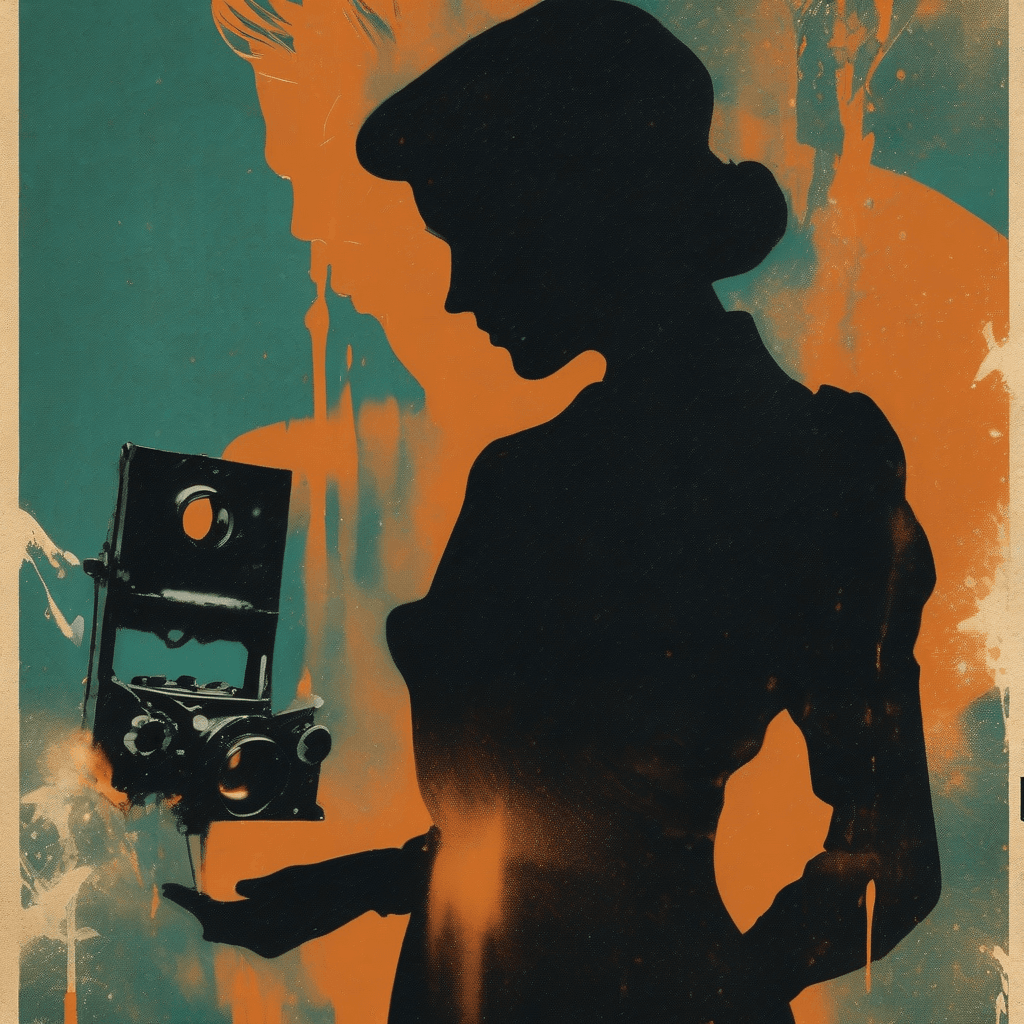
“A deep dive into the 1910s silent era, exploring how early cinematic transgressions and social outliers forged the blueprint for modern cult movie obsession.”
The history of cult cinema is often narrated as a post-war phenomenon, a product of the 1960s counterculture and the midnight movie madness of the 1970s. However, to truly understand the genetic makeup of the cinematic outlier, one must travel back to the flickering shadows of the 1910s. This was a decade of profound chromatic catalyst, where the rules of narrative were still being forged in the heat of experimentation, and the moral boundaries of the medium were dangerously fluid. Long before the Hayes Code imposed a sanitized reality upon the silver screen, the silent era was a playground for the transgressive, the weird, and the socially defiant. It is here, in the nitrate dust of the early 20th century, that we find the primal blueprint for everything we now define as cult.
The Architecture of the Outcast: Social Deviance as Narrative Engine
In the modern era, cult films are defined by their rejection of mainstream sensibilities. In the 1910s, this rejection was often literal, manifesting in stories of social outcasts, criminals, and those living on the periphery of polite society. Consider the grit and moral ambiguity found in Blackie's Redemption (1919). The character of Boston Blackie, a shrewd crook attempting to go straight, embodies the classic cult archetype: the man with a dark past seeking a redemption that the world is hesitant to grant. When a stolen jewel is planted on him during his wedding celebration, the film dives into a narrative of systemic injustice and personal resilience that resonates with the same anti-establishment fervor found in modern crime cults.
Similarly, The City of Comrades (1919) presents us with Frank Melbury, an architect whose alcoholism has rendered him a social pariah. The depiction of his descent into burglary—not out of malice, but out of sheer hunger and desperation—highlights a recurring theme in early cult cinema: the humanization of the 'derelict.' These films didn't just tell stories; they forced the audience to look into the eyes of the 'other.' This empathetic gaze toward the marginalized is a cornerstone of the cult experience, creating a sacred bond between the misunderstood viewer and the misunderstood protagonist.
The Vamps and the Villains: Forging the Iconography of the Underground
No discussion of early cult cinema would be complete without the shadow of the Vampires. In The Vampires: The Poisoner (1916), we see the evolution of the criminal syndicate as a source of dark fascination. The characters of Venenos and the iconic Irma Vep are not merely antagonists; they are symbols of a seductive, nocturnal anarchy. The way Irma Vep (an anagram for Vampire) moved through the rooftops of Paris in her black silk catsuit created a visual shorthand for rebellion that would influence everything from cat burglars to goth subcultures. These films were the 'event' movies of the underground, serialized narratives that kept audiences returning for their fix of stylized deviance.
The allure of the 'vamp' or the dangerous woman was a recurring motif that challenged the Victorian ideals of femininity. In The Sex Lure (1916) and Lure of Ambition (1919), we see the female protagonist using her wit and beauty as a weapon against a rigid class system. Olga Dolan in Lure of Ambition, a public stenographer who charms a nobleman, represents the social climber as a disruptive force. These narratives provided a cathartic release for audiences who felt trapped by their own socioeconomic circumstances, establishing the film as a site of surrogate rebellion.
Transgression and the Pre-Code Spirit
The 1910s were remarkably bold in their exploration of taboo subjects. The House of Bondage (1914) is a harrowing example of this. By depicting the trickery and tragedy of forced prostitution, the film acted as both a social warning and a transgressive piece of 'white slavery' cinema. It refused to look away from the darkness, a trait it shares with the later 'exploitation' films that would populate the 42nd Street grindhouses. This willingness to confront the 'unseen' aspects of life—the squalor of the slums in Honor's Cross (1917) or the political radicalism in Dangerous Hours (1920)—is what gives early silent film its raw, unpolished power.
Narrative Mutations: The Surrealist Spark and Genre Anarchy
Before the genres of horror, sci-fi, and comedy were strictly categorized, the 1910s existed in a state of genre mutation. Films often swerved between slapstick, melodrama, and the surreal within a single reel. Prince Pistachio (1916) serves as a perfect artifact of this fluidity. What begins as a mundane story of a plumber hunting for a gas leak with a lighted candle (a classic slapstick setup) quickly mutates into an explosive dream sequence. The protagonist is transported to a distant province where he becomes royalty, a shift into the fantastical that predates the surrealist movements of the 1920s. This 'dream logic' is a hallmark of cult cinema, where the internal reality of the film supersedes the logical expectations of the audience.
Even the early experiments in animation, such as The Fable of Fearless Fido (1918), showcased a playful disregard for the laws of physics and narrative convention. In the realm of short-form comedy, films like Going! Going! Gone! (1919) and Wet and Warmer (1917) utilized a frenetic, almost chaotic energy. The sight of Harold and Snub on a tandem bicycle encountering bank robbers and distressed women in a whirlwind of motion reflects a primitive cinematic joy—a kineticism that modern cult directors like Sam Raimi or Edgar Wright would later refine into an art form.
The Search for the Perfect Image: Artistry on the Fringe
Cult cinema has always been a haven for the visual stylist, the director who prioritizes the 'perfect image' over traditional storytelling. Inspiration (1915) is a meta-commentary on this very obsession. The story of a sculptor searching for the perfect model to inspire his work mirrors the filmmaker’s own quest for visual transcendence. This focus on the aesthetic as a spiritual pursuit is evident in the lush, atmospheric settings of The Secret Garden (1919). The contrast between the neglectful upbringing in India and the distant, gothic estate in England provides a visual richness that elevates the melodrama into something more ethereal and haunting.
Furthermore, the Lime Kiln Club Field Day (1913), featuring the legendary Bert Williams, stands as a monumental piece of film history. As one of the earliest examples of an all-Black cast in a professional film production, its existence is a testament to the diverse voices that were attempting to break through the celluloid ceiling. The rediscovery of such films decades later is the ultimate cult narrative—the unearthing of a 'lost' masterpiece that redefines our understanding of the medium’s history. This process of excavation and elevation is what sustains the cult community, turning forgotten reels into sacred relics.
The Moral Grey Zone: One Law for Both?
Early cinema often grappled with the hypocrisy of societal norms. One Law for Both (1917) explicitly tackles the double standards of the era. Set against the backdrop of a secret society fighting to liberate Poland and Russia, it weaves a tale of espionage and sacrifice. The film asks whether the same moral rules apply to the revolutionary as they do to the citizen, a question that remains at the heart of many political cult films today. Similarly, The Wheel of the Law (1916) explores the intersection of fame and crime, as a Broadway star deals with her brother’s release from Sing Sing. These stories refused to offer easy answers, preferring to dwell in the uncomfortable 'grey zones' of human behavior.
Conclusion: The Eternal Midnight of the Silent Screen
The 1910s were not merely a prelude to the 'golden age' of Hollywood; they were a distinct, revolutionary era of primal deviance. The films of this period—from the slapstick anarchy of No Mother to Guide Him (1919) to the tragic melodrama of Intoxication (1919)—established the themes of alienation, rebellion, and visual experimentation that would define cult cinema for a century. They proved that film could be a mirror for the outcast, a weapon for the radical, and a canvas for the dreamer.
As we look back at these silent rebels, we recognize the same flicker of defiance that ignites the modern midnight screen. Whether it is the pursuit of justice in The Man from Painted Post (1917) or the comedic revenge fantasies of Edgar and the Teacher's Pet (1920), the spirit of the cinematic outlier remains unchanged. We are still drawn to the shadows, still searching for the 'perfect model' of inspiration, and still finding our reflection in the beautiful, broken characters of the fringe. The cult doesn't start with us; it starts with the nitrate, the silence, and the unwavering courage to be different.
Community
Comments
Log in to comment.
Loading comments…