
Cult Cinema
The Marigold Mutiny: Unearthing the Primal Deviance and Genre Mutations of Cinema's First Rogue Century
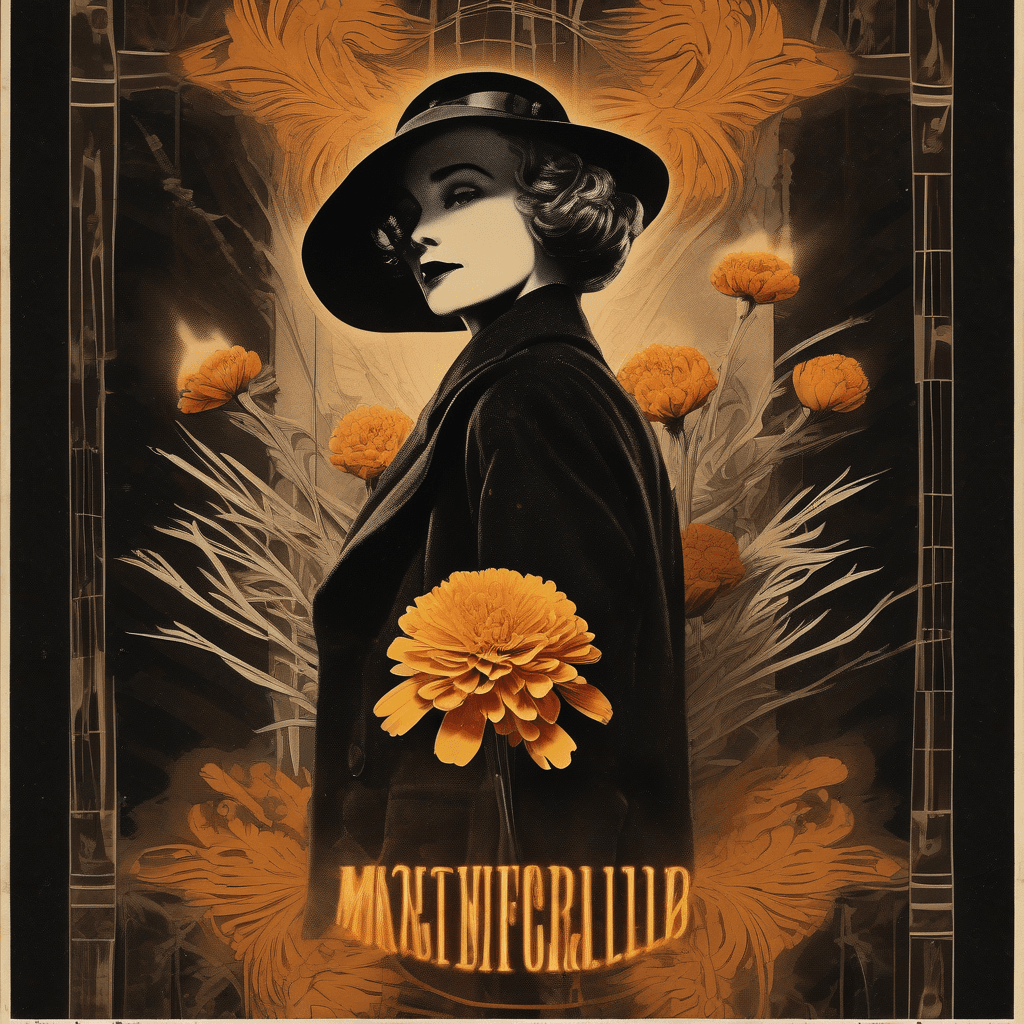
“An exploration into how the silent era’s most transgressive and eccentric films laid the groundwork for modern cult cinema through moral defiance and visual experimentation.”
To the modern cinephile, the term "cult cinema" often conjures images of midnight screenings in the 1970s, the neon-soaked transgression of the 1980s, or the grainy, low-budget aesthetics of the grindhouse era. However, the genetic blueprint of the cult movie—the DNA of the cinematic outlier—was actually forged in the flickering shadows of the early 20th century. Long before the term was coined, a wave of silent era mavericks and narrative rebels were already experimenting with the themes of obsession, social deviance, and visual surrealism that would eventually define the midnight movie mindset.
The Genesis of the Fringe: Beyond the Mainstream Canon
The history of film is often presented as a linear progression toward technical perfection and narrative clarity. Yet, parallel to the sanitized classics of the studio system, there existed a wilder, more unpredictable frontier. This was a realm where films like Der Tanz um Liebe und Glück and Titanenkampf pushed the boundaries of what the medium could represent. These were not merely commercial products; they were experiments in tone and atmosphere that appealed to a different kind of spectator—one who craved the strange, the obscure, and the morally ambiguous.
In these early decades, the concept of a "cult" following was born out of the sheer rarity and eccentricity of the material. When we look at a film like The Submarine Eye (1917), we see a proto-cult obsession with technological wonder and the "unseen" world. The story of a brilliant but impoverished inventor using an inverted periscope to find treasure reflects the very nature of the cult film fan: a seeker of hidden gems buried beneath the surface of the mainstream. This fascination with the mechanical and the voyeuristic provided a template for later genre mutations that would prioritize atmosphere over traditional plot structures.
Moral Deviance as a Narrative Engine
One of the defining characteristics of cult cinema is its willingness to engage with taboo subjects. In the silent era, this often took the form of "social problem" films that were as much about exploitation as they were about education. A prime example is Black Fear (1915), a harrowing exploration of cocaine addiction. By tackling the dark underbelly of the American family, the film signaled a departure from the Victorian moralism that dominated early storytelling. It invited the audience to gaze into the abyss, a gesture that remains a cornerstone of transgressive cinema today.
Similarly, the German production Es werde Licht! 3. Teil (1918) utilized the subject of syphilis to weave a tale of tyranny and seduction. By centering the narrative on a "fiend" who seduces the daughter of his employee, the film bridged the gap between medical warning and gothic melodrama. This willingness to showcase the "grotesque" aspects of human biology and behavior is exactly what draws devotees to the cult fringes. It is a cinema of the body, one that refuses to look away from the scars of existence.
The Architecture of Transgression: Revenge and Prostitution
The cult of the "outlaw" is perhaps best exemplified by the shocking (for its time) Die Rache einer Frau (A Woman's Revenge). In a narrative move that predates the "rape-revenge" and "nunsploitation" cycles of the 1970s, the protagonist chooses to become a common prostitute specifically to shame her brutal, aristocratic husband. This radical act of self-degradation as a weapon of vengeance is a primal example of the moral anarchy that defines the cult experience. It subverts the traditional role of the victim, transforming social shame into a tool of personal agency.
The Surreal and the Sacred: Dreaming in Nitrate
Cult cinema has always had a deep affinity for the surreal, the dreamlike, and the inexplicable. Long before Salvador Dalí and Luis Buñuel shocked the world with Un Chien Andalou, silent films were already exploring the logic of the subconscious. Marionetten (1915) presents a puppeteer whose dreams turn his protagonists into thieves. This meta-narrative about the blurring lines between the creator and the created—the puppet and the master—echoes through the history of cult film, from the uncanny valley of Dead of Night to the surrealist nightmares of David Lynch.
Then there is the ethereal beauty of The Soul of the Cypress (1921). In this short, a young composer’s music frees an immortal tree nymph. The spiritual entanglement between the human and the botanical is a precursor to the "folk horror" and "eco-cult" movements. It treats the natural world not as a backdrop, but as a sentient, mystical force. This kind of sacred weirdness allows the viewer to step outside of reality and into a mythic space where the rules of logic no longer apply.
Industrial Serials and the Birth of Fandom
The modern cult of "completism"—the need to see every chapter of a franchise—can be traced back to the massive success of the silent serial. The Million Dollar Mystery (1914), a twenty-three episode epic, created a fever pitch of anticipation among audiences. The plot, involving a secret society called The Black Hundred and a missing fortune, utilized the "cliffhanger" to forge a dedicated community of viewers. This episodic devotion is the ancestor of the modern fan convention and the obsessive documentation of lore.
Within these serials, we see the emergence of the "cool" criminal archetype. Characters like the one found in The Silk-Lined Burglar—Boston Blackie—represent the gentleman crook who operates on a moral plane above the law. Boston Blackie isn't a villain; he is a specialist, a "silk-lined" professional who only breaks the rules for the right reasons. This ambiguity is catnip for cult audiences, who often prefer the charismatic anti-hero to the one-dimensional protagonist.
The Misfit Archetype: From Freckles to Maggie Pepper
Cult cinema is, at its heart, the cinema of the outsider. We see this in Freckles (1917), starring Jack Pickford as a one-armed waif who runs away from an orphanage to find his own destiny. The physical disability of the character, combined with his status as a social outcast, makes him a prototypical cult hero—a figure who must navigate a world that was not built for him. Similarly, Maggie Pepper (1919) gives us a sharp-witted saleswoman who must fight to protect her family from a "thieving mother." These are characters defined by their resilience and their refusal to conform to the expectations of their class or gender.
Genre Mutations: The Proto-Sci-Fi and Horror Fusion
The cross-pollination of genres is a hallmark of the cult aesthetic. Alraune und der Golem represents a fascinating early attempt to merge the mythology of the artificial man with the biological horror of the "mandrake" woman. This fusion of science and mysticism created a sense of unease that the mainstream was not yet ready to categorize. It was too strange for the general public but perfect for the niche audience that would eventually form the backbone of the horror and sci-fi fandoms.
Even in more grounded dramas like The Coast of Opportunity or Pidgin Island, we see the seeds of the "action-noir" mutation. These films, dealing with copper veins in Mexico or smuggling plots involving opium and diamonds, introduced a gritty, procedural element to the screen. They explored the mechanics of crime and the geography of the borderlands, themes that would later be perfected by cult icons like Sam Fuller or Jean-Pierre Melville.
Satire and the Bourgeoisie: The Case of Bay Ganyo
Cult cinema often serves as a mirror to the absurdities of the ruling class. The Bulgarian character Bay Ganyo (1922) is a masterclass in cultural satire. Representing the negative features of the newly created bourgeoisie, Bay Ganyo is a caricature of greed and ignorance. This kind of biting social commentary—wrapped in the guise of comedy—is what gives cult films their enduring relevance. They allow us to laugh at the very systems that seek to control us, providing a cathartic rebellion through the lens of the ridiculous.
Whether it is the marital comedy of A Pair of Silk Stockings or the "comedy of errors" found in The Fibbers, these films utilized humor to expose the fragility of social norms. They showed that the "respectable" world was often just a thin veneer covering a chaotic mess of jealousy, suspicion, and deceit. This skepticism toward authority and tradition is a vital part of the rebel spirit that fuels the midnight movie circuit.
Conclusion: The Perpetual Midnight
As we trace the lineage of cult cinema back to the 1910s and 20s, it becomes clear that the "fringe" has always been the most vibrant part of the medium. The films discussed here—from the drug-fueled tragedy of Black Fear to the puppet-dreams of Marionetten—were the original provocateurs. They challenged the viewer to think, to feel, and to witness things that were supposedly "unfit" for the screen.
The cult movie is not defined by its budget or its era, but by its radical soul. It is the cinema of the "Passion Flower" (as seen in I Love You), the peasant girl whose beauty is both a blessing and a curse. It is the cinema of the "Royal Imposter," where a servant can become a prince through a simple change of clothes. Most importantly, it is a cinema of devotion—a place where the forgotten, the lost, and the strange are finally given a home. The Marigold Mutiny continues today, every time a viewer chooses the obscure over the obvious, the weird over the mundane, and the shadow over the light.
Community
Comments
Log in to comment.
Loading comments…