
Cult Cinema
The Cobalt Creed: Decoding the Primal Transgressions and Rebel Rhythms of Cinema’s First Underground Revolution
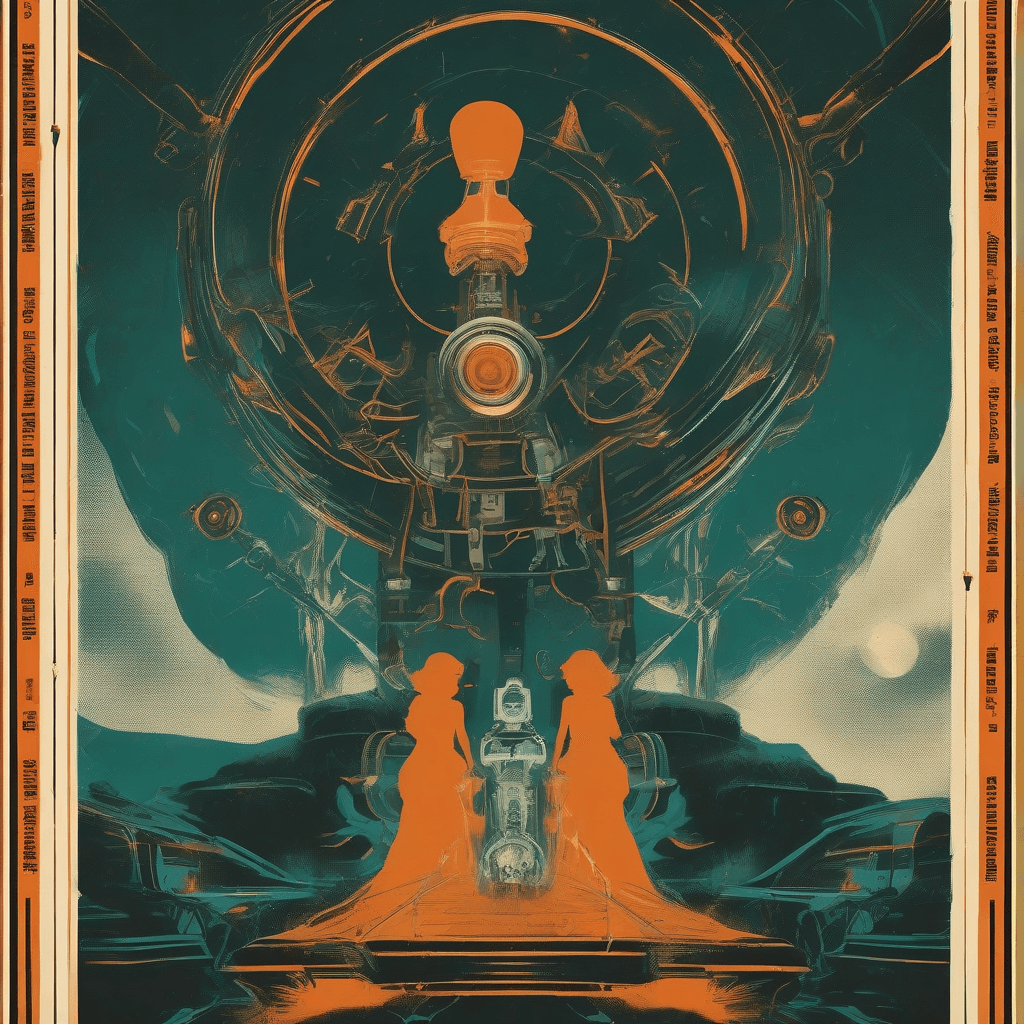
“A deep dive into how the silent era’s most transgressive and genre-bending films established the genetic blueprint for modern cult cinema devotion.”
To understand the modern midnight movie—the sweat-soaked screenings of transgressive masterpieces and the fanatical devotion to the weird—one must look beyond the neon-drenched 1970s. The true genesis of cult cinema lies in the flickering nitrate of the early 20th century, a period defined by what we might call the Cobalt Creed. This era was not merely the infancy of film; it was a radical laboratory of moral deviance, genre mutation, and visual anarchy that forged the very soul of the cinematic outlier. Long before the term 'cult' was codified, films like Genuine: The Tragedy of a Vampire and The Goddess were already mapping the boundaries of the forbidden and the bizarre.
The Divine Deviance: Supernatural Sirens and Island Isolation
The cult gaze has always been drawn to the figure of the 'Other'—the being that exists outside the conventional social contract. In the 1915 production of The Goddess, we see an early archetype of this isolation. A young girl, reared on a desert island and convinced of her own divinity, represents the ultimate outsider. When she is thrust into the 'civilized' world to preach kindness, the narrative tension arises from the collision of her primal purity and the corruption of modern society. This theme of the sacred weirdness resonates through the decades, echoing in every subsequent cult film that features a messianic or alienated protagonist.
Similarly, Genuine: The Tragedy of a Vampire (1920) provides a visual and narrative blueprint for the transgressive cult aesthetic. This isn't just a horror film; it is a fever dream of cruel divinity. The character of Genuine, an ancient deity who seduces men into acts of murder as proofs of love, prefigures the 'femme fatale' and the 'vamp' tropes that would later dominate the noir and cult landscapes. The film’s expressionistic sets and its focus on the fatal power of desire create a template for the kind of niche devotion that thrives on the dark, the stylized, and the morally ambiguous.
The Pulp and the Political: Death Rays and Social Rebellion
Cult cinema is often defined by its 'pulp' sensibilities—the embrace of high-concept, low-budget thrills that the mainstream often dismisses. Consider The Flaming Disc (1920). Here we find the prototypical 'death ray' plot, a staple of science fiction and serial adventure. The struggle of an inventor’s daughter and a government agent to retrieve a weapon that concentrates the sun’s rays is the exact kind of narrative engine that would later power the B-movies of the 1950s and the grindhouse hits of the 1970s. This early genre mutation shows that the appetite for the fantastic and the technologically terrifying was present at the very beginning.
However, the Cobalt Creed was not just about escapism; it was also a vehicle for radical social commentary. Your Girl and Mine: A Woman Suffrage Play (1914) serves as a potent reminder that the 'underground' has always been a space for political insurgency. By dramatizing the legal injustices faced by women—specifically an heiress married to a 'spendthrift and a man of loose morals'—the film used the medium to challenge the status quo. This tradition of using the fringe to attack the center is a hallmark of cult cinema, from the social satires of the 1960s to the transgressive protests of modern independent film.
The Uncanny and the Absurd: Animal Actors and Living Dolls
If there is one thing that unites cult film fans, it is an appreciation for the 'weird'—the films that defy logic and embrace the uncanny. The 1916 Russian production I my kak liudi (We Are Like People) is a prime example. A melodrama performed entirely by 'four-legged and feathered artists,' it represents a surrealist detour into the bizarre. The sight of animals mimicking human behavior is inherently unsettling and fascinating, creating a sense of the 'uncanny valley' long before the term was coined. It is this exact brand of eccentricity that draws a cult following; it is a film that exists in its own reality, refusing to adhere to the norms of human drama.
This fascination with the artificial and the animated continues in The Dream Doll (1917). The story of a 'cracked-brain chemist' who discovers an elixir to bring dolls to life is more than a simple fantasy. It touches on the primal fear and wonder associated with the inanimate becoming animate—a theme that would later be explored in cult classics ranging from *Metropolis* to *Blade Runner*. These early experiments with the fantastic and the absurd established that cinema could be a space for the impossible, a place where the logic of the dream world takes precedence over the mundane.
The Moral Mavericks: Melodrama as a Transgressive Tool
While often associated with 'high art,' the early silent era was also a hotbed of gritty, morally complex melodramas that functioned as the 'midnight movies' of their time. The Forbidden Woman (1920) explores the fallout of a scandal involving a French actress and the suicide of an admirer. It is a story of reputation, guilt, and the destructive power of public perception. This focus on the 'scandalous' and the 'forbidden' is the lifeblood of cult obsession. We are drawn to the characters who operate on the fringes of respectability, the ones whose lives are a series of transgressive acts.
In Sinners (1920), the conflict between country morality and city vice is laid bare. When a country girl moves to New York and encounters a neighbor who has embraced an 'immoral life,' the film navigates the murky waters of social expectation and personal desire. This tension between the 'pure' and the 'corrupt' is a recurring motif in cult cinema, often used to subvert traditional moral lessons. The 'sinner' in these films is often more compelling than the saint, a fact that early filmmakers understood and exploited to create narratives that resonated with the rebellious spirits of the audience.
The Architecture of Obsession: From Propagandists to Vagabonds
The diversity of the silent era’s output is staggering, and it is in this diversity that the cult soul was forged. From the Bolshevik propaganda of Tovarishch Abram (1919), which follows a Jewish pogrom survivor turned factory leader, to the vagabond rogue adventures of If I Were King (1920), the era offered a kaleidoscope of perspectives. Tovarishch Abram shows how film can be used to forge a new collective identity, while If I Were King celebrates the spirit of the poet-outlaw, a character who rules through wit and daring rather than divine right.
This celebration of the rogue is further emphasized in The Sheik (1921). While often remembered for its romantic exoticism, the film’s central conflict—an adventurous, modern-thinking Englishwoman abducted by an Arabian sheik—taps into deep-seated cultural anxieties and desires. It is a film that thrives on the 'otherness' of its setting and characters, creating a sense of forbidden adventure that is quintessential cult material. The fanatical devotion that stars like Rudolph Valentino inspired was a precursor to the modern celebrity cult, where the image of the icon becomes more powerful than the films themselves.
Conclusion: The Eternal Flicker of the Fringe
The Cobalt Creed is not a relic of the past; it is a living force that continues to shape how we consume and celebrate cinema. The early 20th century was a time of unprecedented experimentation, where the rules of the medium were still being written by moral mavericks and visual rebels. Films like The Closed Road, with its search for a cancer cure, or Brewster's Millions, with its absurd economic premise, showed that there was no subject too strange or too daring for the silver screen.
As we look back at the 50 films that define this era—from the western grit of Dangerous Love to the existential dread of Solen der dræbte—we see the foundation of everything we love about cult cinema. We see the birth of the midnight movie soul, a soul defined by its refusal to conform, its embrace of the transgressive, and its eternal devotion to the weird. The silent era’s original outcasts were the first to understand that the most enduring films are often the ones that exist on the edge, flickering in the shadows of the mainstream, waiting for a devoted few to find them and keep their flame alive.
Community
Comments
Log in to comment.
Loading comments…