
Cult Cinema
The Amaranthine Anomaly: Decoding the Taboo Narratives and Maverick Soul of the Pre-Code Underground
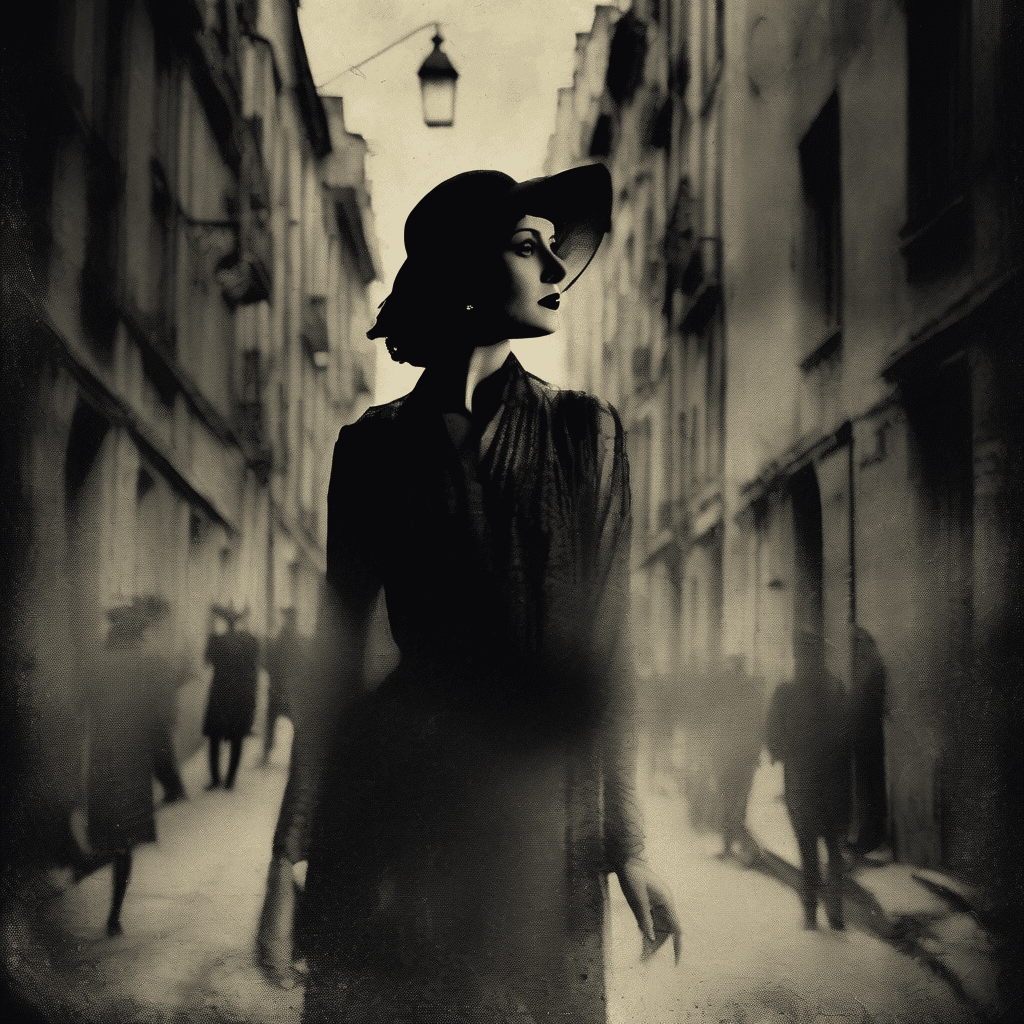
“A deep dive into the transgressive roots of cult cinema, exploring how the silent era's most daring outliers and moral anomalies forged the DNA of the modern midnight movie.”
The history of cult cinema is often erroneously pinned to the 1970s—a decade of neon-soaked midnight screenings and counter-cultural upheaval. However, the true genetic blueprint of the cinematic outlier was drafted much earlier, in the flickering, nitrate-scented shadows of the 1910s and 20s. Long before the term 'cult film' entered the common lexicon, a wave of maverick narratives and moral anomalies was already challenging the rigid structures of mainstream storytelling. These films, often relegated to the fringes of history, were the original 'Amaranthine Anomalies'—works that refused to fade, possessing a transgressive soul that continues to resonate with the modern niche obsession.
The Urban Outsider: Ernestine Bergot and the Latin Quarter
To understand the birth of the cinematic cult, one must look at the archetype of the urban survivor. In The Evil Women Do, we encounter Ernestine Bergot, a child of the Paris streets. Her journey from a beggar to a studio muse in the Latin Quarter isn't just a rags-to-riches tale; it is a primal exploration of social mobility and the 'other.' This film captured a specific kind of urban grit that would later define the noir and underground movements. The fascination with the 'streets' as a place of both peril and potential is a cornerstone of cult sensibilities, where the protagonist is often a product of an environment that the mainstream prefers to ignore.
Similarly, The Hobo of Pizen City presents a protagonist who enters the frame in the garb of a vagabond, only to undergo a speed-induced transformation. This fluidity of identity—the hobo who becomes the hero—speaks to the cult audience's love for the self-made man and the subversion of class expectations. These early films established that the 'hero' didn't need to be a paragon of virtue; they could be a drifter, a beggar, or an outcast.
The Underworld and the Architecture of Fear
The Black Hand and the Secret Society
Cult cinema thrives on the clandestine. The allure of the secret society and the criminal syndicate was perfected in the early silent era with films like The Tell-Tale Step. By depicting Giovanni Pallazzi’s struggle against his former associates in the Black Hand, the film tapped into a primal fear of the 'unseen' organization. This narrative structure—the individual against a shadowy, all-encompassing force—is a recurring motif in everything from 70s conspiracy thrillers to modern dystopian cult hits. The blind daughter Lucia adds a layer of vulnerability and sensory deprivation that heightens the tension, a technique that remains a staple of the thriller genre.
The criminal element was further explored in The Forged Bride, where the professional forger Bill Butters is forced to flee with his daughter. Here, the film doesn't just present crime as a moral failing, but as a lifestyle of necessity and flight. The 'outlaw on the run' is perhaps the most enduring archetype in cult history, representing a total break from the domestic safety of the status quo.
Diabolical Sophistication and the Rivalry of Souls
In the realm of the psychological, few films from this era are as haunting as Alone with the Devil. The story of two manufacturers whose competition descends into 'diabolical sophistication' serves as a precursor to the modern 'elevated horror' and psychological thriller. It suggests that the true devil isn't a horned beast but the capacity for cruelty within the human spirit. This internalizing of evil is a hallmark of cult cinema, which often seeks to peel back the layers of social politeness to reveal the rot beneath. The 'tempter serpent' metaphor used in the film’s context highlights a moral ambiguity that was radical for its time.
Domestic Deviance and the Corruption of the Bloodline
While many cult films take place in the streets or the underworld, some of the most transgressive narratives occur behind the closed doors of the aristocracy. Die Gespensterstunde (The Ghost Hour) uses the return of a lost heir to Medan Castle to trigger a web of fear and inheritance-driven madness. The 'lost heir' trope is subverted here by the Countess’s fear for her daughter’s future, creating a gothic atmosphere of paranoia that predates the works of Roger Corman or Mario Bava.
The theme of the 'cursed family' reaches a peak in The Fear Woman. When Helen Winthrop’s father dies in a drunken stupor, he leaves behind a note warning that alcoholism has ruined four generations of their family. This is not merely a temperance film; it is a proto-horror story about the biological and spiritual weight of the past. The idea that we are 'haunted' by the sins of our fathers is a recurring theme in the cult canon, from Southern Gothic tales to psychological dramas like Embers, where the death of a child creates an irreparable schism between husband and wife.
Genre Mutations: From Western Outlaws to Holy Knights
Cult cinema is defined by its refusal to stay within the lines of a single genre. We see this 'mutation' in films like Hands Up!, where the traditional Western train robbery is complicated by an outlaw’s attraction to the railroad president’s daughter. It blends action with a transgressive romanticism that suggests the 'bad man' might be more appealing than the law-abiding society he disrupts.
On the opposite end of the spectrum, Parsifal brought the esoteric and the mythic to the screen. The quest for the Holy Grail is a narrative of high-stakes devotion—a theme that mirrors the fanatical devotion cult audiences feel for their favorite films. The knight Sir Parsifal’s journey is the ultimate 'cult' pilgrimage, a search for a sacred truth in a world of shadows. This spiritual yearning is also present in A World of Dreams and Love's Pilgrimage to America, where characters cross oceans and social boundaries in pursuit of an ideal that the world deems impossible.
The Sport of Transgression
Even the sports genre was not immune to this early cult influence. The Right That Failed tells the story of John Duffey, a lightweight champion who breaks his wrist and is forced into the 'fashionable' world of Craigmoor. The clash between the gritty world of New York boxing and the high-society leisure of the elite provides a fertile ground for the 'fish-out-of-water' narrative that cult fans adore. It highlights the performative nature of class and the inherent violence that lies just beneath the surface of social grace.
The Legacy of the Forgotten Fringe
Why do these films, many of which are over a century old, still matter to the student of cult cinema? It is because they represent the first time the camera was used to explore the moral maverick. Whether it is the 'matrimonial martyr' in Mary's Lamb hunting the savage butterfly or the 'woman-hater' in Steelheart being forced to rescue a woman in a disreputable cabaret, these characters are defined by their eccentricities and their refusal to conform.
Films like The Poor Little Rich Girl and Divorce and the Daughter challenged the sanctity of the family unit long before the social revolutions of the 60s. They showed that wealth could be a prison and that the pursuit of art (as seen in the father’s dream in Divorce and the Daughter) could be a destructive, yet necessary, force. This tension between societal duty and individual passion is the heartbeat of every cult classic.
In conclusion, the 'Amaranthine Anomaly' is not just a single film, but a collective spirit of rebellion that began in the silent era. From the swindlers in Sherlock Holmes to the blackmailers in Find the Woman, these early narratives proved that the audience had a deep, abiding hunger for the dark, the strange, and the transgressive. By unearthing these forgotten gems, we don't just learn about film history; we rediscover the primal rhythms of the midnight soul that still drives us to seek out the strange and the beautiful on the periphery of the silver screen.
Community
Comments
Log in to comment.
Loading comments…