
Cult Cinema
The Citrine Catalyst: Unearthing the Primal Deviance and Transgressive Rhythms of the Silent Era’s Original Misfits
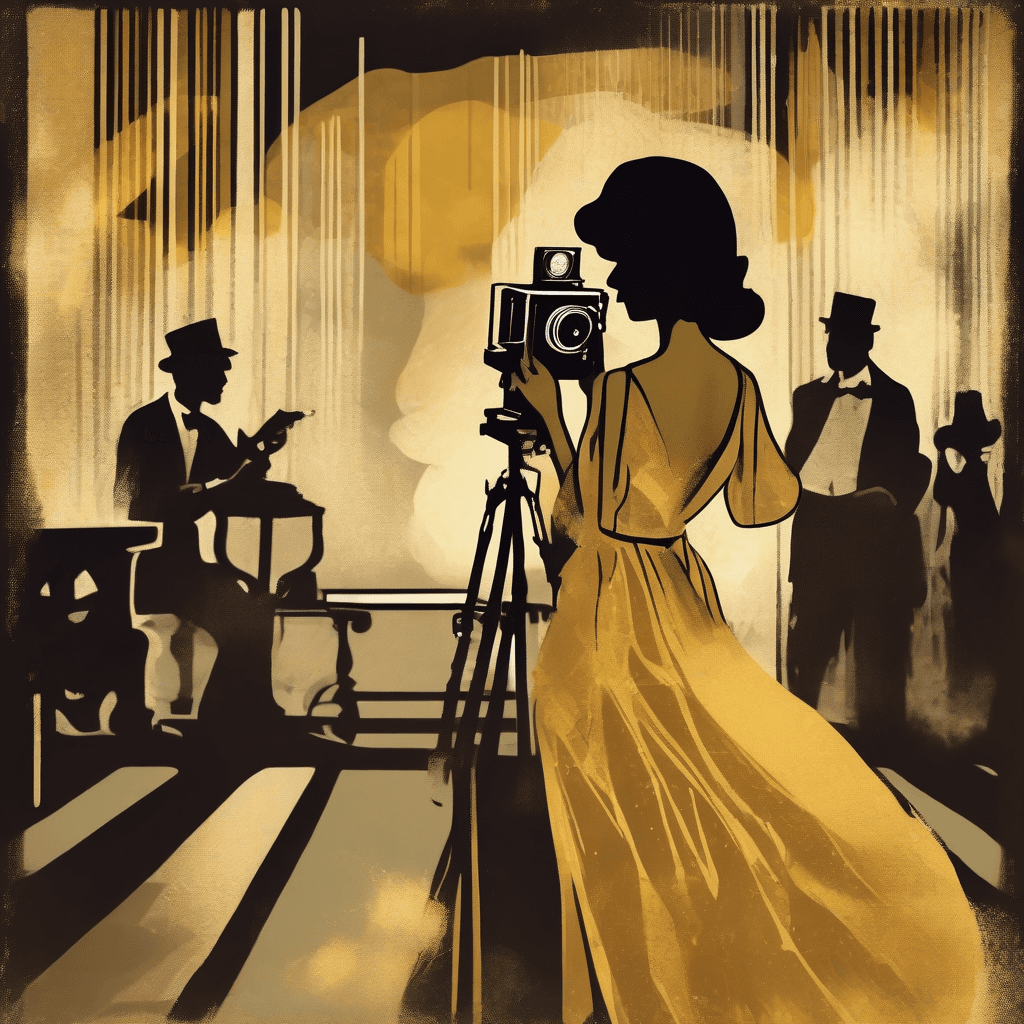
“Journey into the shadowy origins of cult cinema, where the 1910s silent fringe engineered the transgressive DNA and narrative anarchy of the modern midnight movie.”
When we speak of cult cinema, the mind often drifts to the neon-soaked midnight screenings of the 1970s or the transgressive video nasties of the 1980s. Yet, the genetic blueprint of the cinematic outlier was drafted much earlier, in the flickering shadows of the silent era. This was a time of unrestricted experimentation, where the absence of a rigid studio system allowed for a primal anarchy to thrive on the celluloid. To understand the modern cult obsession, we must look back at the Citrine Catalyst—that golden, often overlooked era of the 1910s and 1920s where moral deviance and narrative mutations first took root.
The Personification of Vice and the Allegorical Underground
One of the most striking characteristics of early cult cinema is its penchant for the surreal and the allegorical. Long before David Lynch or Alejandro Jodorowsky, directors were experimenting with the personification of human emotions to create a dreamlike, often unsettling atmosphere. Take, for instance, the 1918 film Madame Jealousy. In this narrative, abstract concepts like Charm and Valor fall in love, only to have their union systematically dismantled by the titular character, Jealousy. This isn't merely a melodrama; it is a proto-cult exploration of the human psyche, using visual metaphors to bypass traditional storytelling. The way Jealousy orchestrates a fall from grace—using a simple photograph to spark a marital fire—mirrors the psychological manipulation found in later psychological thrillers.
This era also gave us The Image Maker (1917), which bridged the gap between historical drama and mystical fantasy. By transporting the audience to Ancient Egypt and exploring themes of Prince-like boredom and the allure of the commoner, it established the 'outsider' archetype that would become a staple of cult fandom. These films didn't just tell stories; they built worlds that felt slightly askew from reality, inviting a devoted, niche audience to find meaning in their eccentricities.
Social Transgression and the Courtroom of the Taboo
Cult cinema has always been a vessel for social interrogation, and the silent era was no different. Films like The Woman Under Oath (1919) were remarkably ahead of their time, questioning the very fabric of the legal system and gender roles. By introducing the question of whether women were temperamentally suited for jury duty, it challenged contemporary prejudices through a high-stakes murder mystery. This brand of narrative deviance—using entertainment to poke at societal wounds—is exactly what draws modern cult audiences to films that 'say the quiet part out loud.'
Similarly, the 1920 comedy Love, Honor and Behave! offered a cynical, almost satirical look at the institution of marriage. When a young couple presents 'proof' of infidelity to a judge, the film subverts expectations of domestic bliss, leaning into the messy, often humorous reality of human relationships. This willingness to mock sacred cows is a hallmark of the cult ethos, found in everything from early shorts like No Children—which depicts the frantic, often absurd lengths a couple will go to hide a child from a landlady—to the slapstick rebellion of Rented Trouble.
The Macabre and the Supernatural Imprint
The roots of the cult horror aesthetic can be traced back to films that utilized the 'unexplained' as a central narrative hook. The Price of Silence (1920) features a plot point so bizarre it feels plucked from a modern supernatural thriller: a murder is 'imprinted' upon a window by a bolt of lightning. This kind of visual and narrative 'weirdness' is what defines the transgressive rhythms of early cinema. It suggests a world where the laws of nature are as malleable as the film stock itself.
We see this further explored in the dark melodrama of The Saintly Sinner (1917), where the villainous John Brock covets a stockbroker's daughter and systematically ruins her father to get to her. The resulting suicide and the bleakness of the resolution predate the noir movement, establishing a 'cinematic of despair' that would later be celebrated by underground film circles. These films were not afraid to end in tragedy or to showcase the unvarnished cruelty of the human condition, a trait that remains a cornerstone of the midnight movie mindset.
Global Rhythms and the 'Othered' Experience
Cult cinema often thrives on the 'other,' exploring cultures and experiences that exist outside the mainstream Western gaze. The Snail (1918) provides a fascinating, if dated, example of this, following a wealthy American who falls in love with a Chinese woman, only to follow her into a life of servitude in America. This narrative of displacement and obsessive devotion resonates with the 'outsider' status of cult cinema itself. It is a film about crossing boundaries—geographical, social, and moral.
The international flavor of early cultism is also evident in works like Eretz Yisrael Hameshukhreret (1919) and the German-Jewish comedy Shoe Palace Pinkus (1916). The latter, featuring an early performance by Ernst Lubitsch, showcases the 'misfit' archetype in the form of Sally Pinkus, a boy expelled for 'goofing around' who eventually finds success through a series of comedic, often transgressive social maneuvers. These films highlight the genetic rebellion inherent in the immigrant and outsider experience, a theme that continues to fuel niche cinema today.
The Tragedy of the Lost Reel: Joan of Plattsburg
No discussion of cult cinema is complete without mentioning the 'lost' film. The mystery of what we cannot see often fuels more devotion than what is readily available. Joan of Plattsburg (1918) stands as a haunting monolith in this regard. Classified as lost, its unknown status creates a vacuum that is filled by the imaginations of film historians and cult enthusiasts. The idea of a lost masterpiece—a comedy-drama that might have redefined its genre—is a powerful narrative catalyst. It turns the act of film watching into an act of archaeology, a search for the 'primal heart' of a medium that is constantly disappearing.
The Primal Anarchy of Early Comedy
While cult cinema is often associated with darkness, its roots are equally planted in the soil of anarchic comedy. The short films of the 1910s, such as Get-Rich-Quick Peggy, utilized children and animals in roles that subverted the 'preciousness' of youth. When 'Baby Peggy' is mistaken for a rich heiress, the ensuing chaos is a direct ancestor to the transgressive comedies of the 1990s. This brand of humor is fast, irreverent, and often physically violent, reflecting a world that was rapidly changing and increasingly chaotic.
Even the Western genre was not immune to this cult-like mutation. Ruth of the Rockies (1920) features a heroine who finds a trunk of stolen diamonds and flees westward, pursued by thieves. It subverts the traditional damsel-in-distress trope, offering a protagonist who is active, morally ambiguous, and driven by a desire for self-preservation. This is the Maverick Soul of early cinema—a refusal to play by the established rules of the genre.
Conclusion: The Eternal Midnight
The films of the 1910s and 1920s were more than just entertainment; they were the crucible in which the modern cult mindset was forged. From the allegorical shadows of Madame Jealousy to the social defiance of The Woman Under Oath, these works established a language of transgression that we still speak today. They taught us that cinema can be a site of sacred weirdness, a place where the misfits, the outcasts, and the dreamers can find a reflection of their own internal anarchy.
As we continue to unearth these 'forgotten gems,' we realize that the 'midnight movie' was never a time of day—it was a state of mind. The Citrine Catalyst reminds us that as long as there are filmmakers willing to challenge the status quo, and audiences devoted enough to follow them into the dark, cult cinema will never truly die. It will simply continue to mutate, shifting its shape but never losing its rebel heart.
Community
Comments
Log in to comment.
Loading comments…