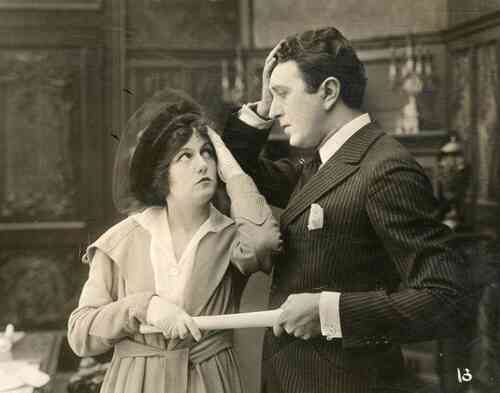
An accused girl is saved when lightning imprints her grandfather's murder upon a window..
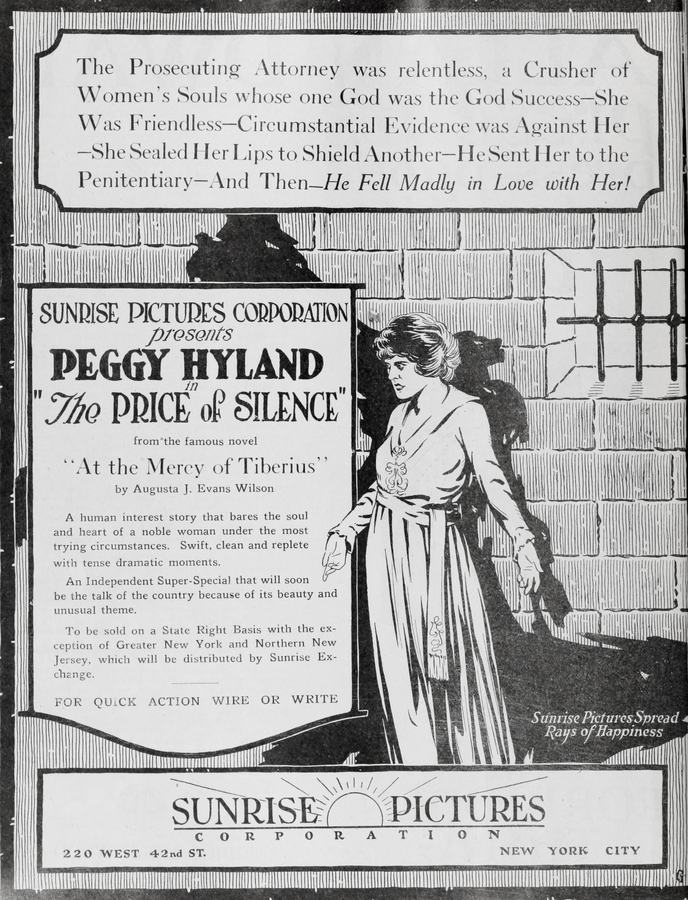
There are silents that murmur; then there is The Price of Silence, a film that arrives like a winter gale rattling stained-glass saints. From the first frame—an iris swallowing a candle’s corona—you sense director/writer Augusta Jane Evans Wilson is not staging a parlour mystery but conducting a séance. Lightning is h...
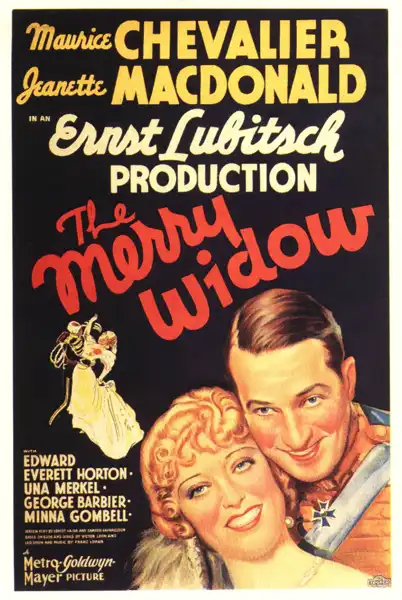
Comparing the cinematic DNA and archive impact of two defining moments in cult history.
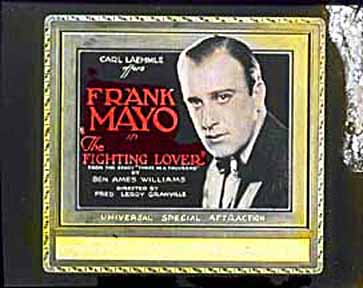
Fred LeRoy Granville
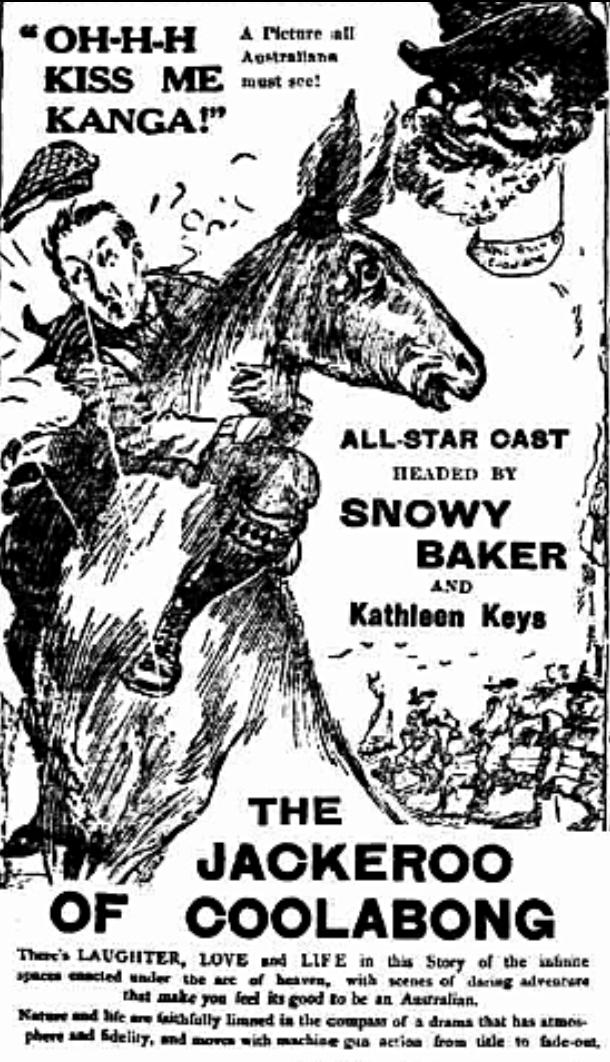
Wilfred Lucas
Community
Log in to comment.
" There are silents that murmur; then there is The Price of Silence, a film that arrives like a winter gale rattling stained-glass saints. From the first frame—an iris swallowing a candle’s corona—you sense director/writer Augusta Jane Evans Wilson is not staging a parlour mystery but conducting a séance. Lightning is her chief cinematographer; guilt, her unreliable narrator. A Glass Witness to Murder The plot pirouettes on a conceit so audacious it feels modernist: during a tempest worthy of Le..."
Campbell Gullan
Augusta Jane Evans Wilson
United Kingdom
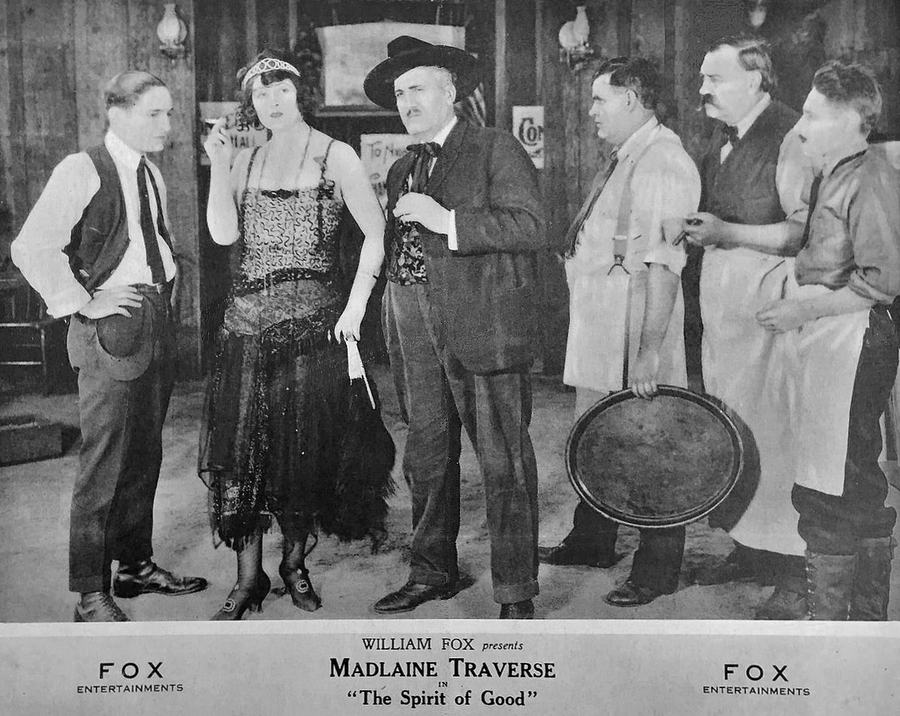
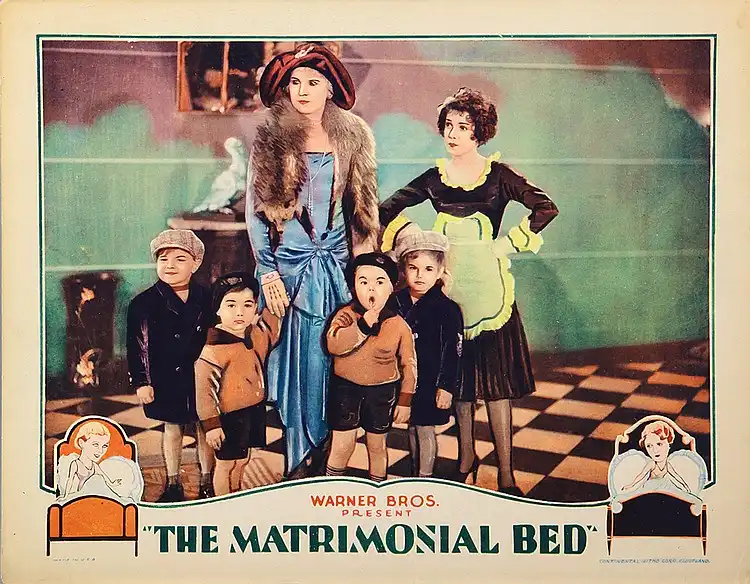
Deep dive into the cult classic
Discover similar cinematic experiences
A Directorial Spotlight on Fred LeRoy Granville