
Cult Cinema
The Onyx Obscura: Unearthing the Primal Anarchy and Narrative Deviance of Cinema’s First Renegade Century
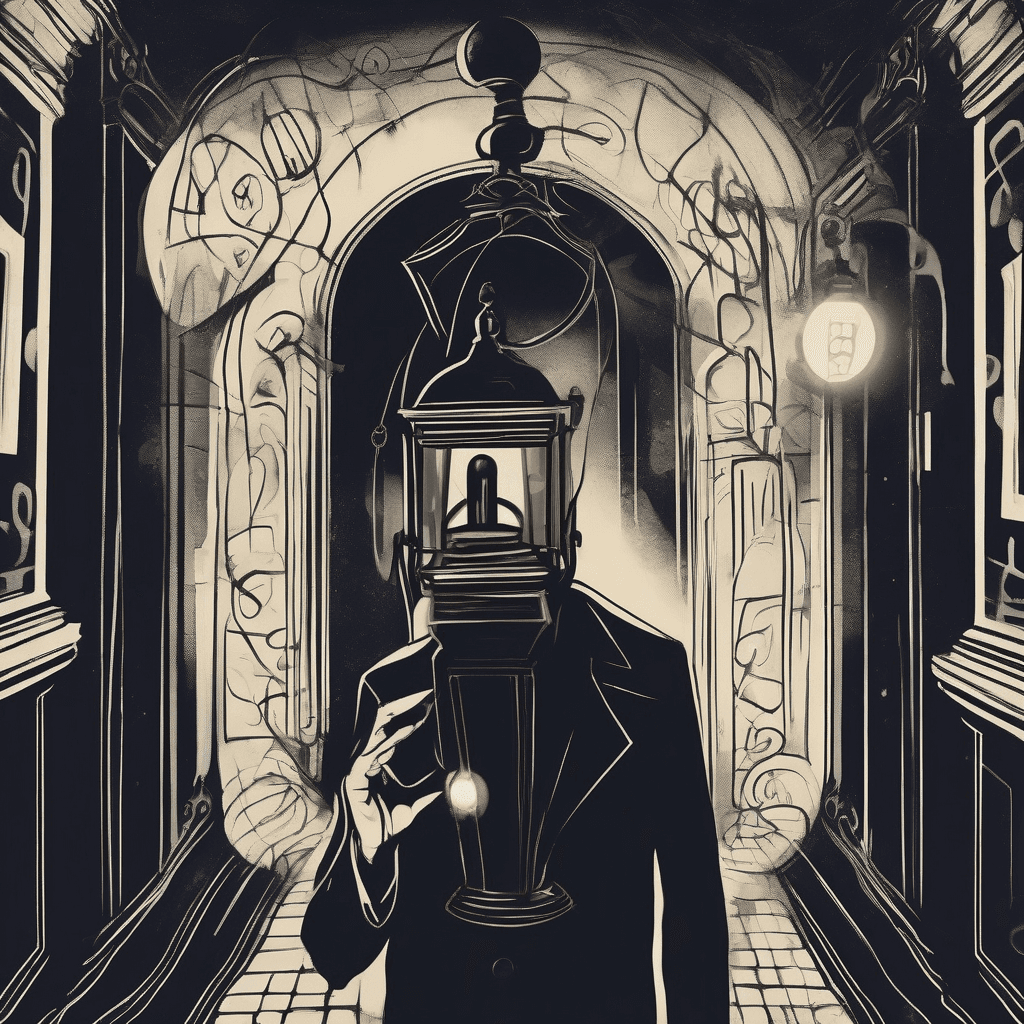
“A deep-dive editorial into the transgressive roots of cult cinema, exploring how the silent era's most bizarre and taboo narratives forged the modern midnight movie psyche.”
The term cult cinema is often associated with the neon-soaked midnight screenings of the 1970s or the transgressive VHS underground of the 1980s. However, the genetic blueprint of the cinematic outlier was drafted much earlier, in the flickering shadows of the silent era. Long before audiences threw toast at screens or memorized every line of a campy horror flick, the renegade spirit of film was already manifesting in works that defied social norms, explored moral decay, and embraced the bizarre. This editorial unearths the primal anarchy of cinema's first renegade century, tracing how the forgotten misfits of the 1910s and 20s engineered the modern midnight soul.
The Genesis of the Moral Maverick: Transgression as Narrative Engine
Cult cinema thrives on the anti-hero—the character who exists outside the polite boundaries of society. In the early 20th century, this was epitomized by films like The Unpardonable Sin. Walter Norman, a wealthy member of the 'smart set,' descends into the life of a 'habitual inebriate.' This wasn't merely a cautionary tale; it was an early exploration of the self-destructive protagonist, a trope that would later define the gritty realism of cult classics. The fascination with the 'fallen' figure is a cornerstone of niche devotion, where audiences find resonance in the flawed and the forgotten.
Similarly, One Dollar Bid presents Toby, a 'peculiar young man' living in a shack, whittling toys and drinking moonshine. Toby represents the outsider archetype—the individual who is feared and misunderstood by the collective. When the villagers revive an old custom to 'sell' him, the film touches on a primal sense of social injustice and ritualistic cruelty that echoes through later folk-horror cult films. These early narratives were not afraid to look into the dark corners of the human psyche, providing a template for the transgressive storytelling that defines the cinematic underground.
Visual Heresy and the Stylized Soul: The Aesthetic of the Bizarre
The aesthetic of cult cinema is often defined by a heightened reality or a total departure from naturalism. We see the roots of this in Giuliano l'apostata, a highly stylized biopic of the last Pagan Roman Emperor. Its focus on religious conflict and 'Apostasy'—the total rejection of established faith—mirrors the cult film's own relationship with mainstream Hollywood. By choosing a subject who stood against the tide of history, the film aligns itself with the rebel rhythms of the avant-garde.
Even in shorter formats, like the fantasy film Moongold, early filmmakers were experimenting with the ethereal and the uncanny. These films provided a visual sanctuary for those who sought something beyond the mundane. The 'sacred weirdness' of these early visions created a hunger for the unconventional, leading to the development of genre mutations where fantasy, horror, and drama bleed into one another. The cinematic séance of the silent era was not just about storytelling; it was about creating an atmosphere of total immersion in the strange.
Identity and the Masquerade: Subverting the Self
A recurring theme in cult cinema is the fluidity of identity. Borrowed Plumage offers a fascinating early example, where a kitchen maid named Nora dons the clothes of the nobility to survive a pirate raid. This act of 'borrowing' an identity—of performing a role that society has forbidden—is a powerful precursor to the gender-bending and class-subverting narratives of modern cult classics. It speaks to the audience's desire to see the social hierarchy dismantled, even if only for the duration of a reel.
This theme is further explored in The Gown of Destiny, where a 'petite' dress designer, Andre Leriche, creates a garment intended to aid his country after being rejected by the army. The idea that a piece of fashion—an object of beauty and artifice—could have political and personal power is a quintessential cult obsession. It elevates the material to the level of the miraculous, a move often seen in films that celebrate the 'camp' or the 'glamorous' as a form of resistance.
The Shadow of the Vamp: Female Agency and Moral Ambiguity
No discussion of early cult cinema is complete without the Vamp. In The Clemenceau Case and The Spider, we see the emergence of the 'wife-vampire' and the woman who deserts her family for the excitement of Paris. These characters were radical because they prioritized their own desires over the domestic roles assigned to them. In The Spider, Valerie St. Cyr’s desertion of her infant daughter for a life of money and excitement in Paris was a shocking violation of maternal norms, yet it is precisely this moral deviance that makes her an enduring icon of the fringe.
These films allowed audiences to explore the taboo of the 'unwomanly' woman. By centering narratives on characters who were 'evil' by the standards of the day, filmmakers like those behind The Dagger Woman or Human Driftwood tapped into a deep-seated fascination with the femme fatale. This archetype would become a pillar of noir and later, the transgressive heroines of the midnight movie circuit, who use their sexuality and cunning to navigate a hostile world.
Social Anarchy and the Industrial Nightmare
The cult mindset often involves a critique of the industrial and capitalist machines. The Hand Invisible presents a chilling narrative where a steel magnate, Rodney Graham, divorces his wife simply because an injury leaves her unable to provide him with an heir. This obsession with 'production'—both industrial and biological—paints a portrait of a world where human value is tied strictly to utility. The 'invisible hand' of the title suggests a cold, deterministic universe that many cult films seek to expose or escape.
Similarly, Money Madness and The Soul Market delve into the corruption of the elite and the exploitation of the artistic soul. These films reflect the cynical undercurrent of the early 20th century, providing a voice for the disillusioned. When a bank president uses his own fortune to cover losses while his vice-president undermines him, as in Money Madness, we see the early cinematic roots of the 'corporate thriller'—a genre that frequently finds a home in the cult canon due to its themes of paranoia and systemic betrayal.
The Allure of the Exotic and the Forbidden
Early cinema also fed the cult appetite for the forbidden gaze through travelogues and documentaries that bordered on the surreal. A Trip Through China and The Footsteps of Capt. Kidd offered glimpses into worlds that felt ancient and alien to Western audiences. These were not just educational films; they were visual pilgrimages into the unknown. The 'imperial ceremonies' and 'scenes of destruction' captured on film provided a raw, unmediated look at the 'other,' a quality that would later define the 'mondo' film and other exploitative cult sub-genres.
This hunger for the authentic and the extreme is what drives niche fandoms today. Whether it is a lost documentary or a bizarre short like The Merry Cafe, the cult audience is always looking for the 'unseen reel'—the piece of film that captures a reality too strange for the mainstream to process. The early 20th century was a time of unparalleled exploration, and the camera was the ultimate tool for capturing the fragments of a changing world.
Conclusion: The Eternal Midnight of the Silent Screen
The films of the 1910s and 20s, from the Western grit of The Desert Wolf to the melodramatic depths of I figli di nessuno, were the original midnight rebels. They proved that cinema could be a space for the peculiar, the transgressive, and the misunderstood. By exploring the primal transgressions of their era, these filmmakers laid the groundwork for everything we now recognize as cult cinema.
We see the DNA of modern cult obsession in the twin-brother confusion of The Man Who Would Not Die, the 'rough-hewn' rejection of marriage in A Child of God, and the 'ennui' of the social lion in The Romantic Journey. These are not just old movies; they are the foundational myths of the cinematic underground. As we continue to dig through the archives, we find that the 'midnight mindset' was never a modern invention—it was there from the very first flicker of the lamp, waiting for a devoted audience to find it in the dark.
Ultimately, cult cinema is about the sacred bond between the outlier on the screen and the outlier in the audience. Whether it's a 'slum orphan' becoming a dancer in The Heart of a Child or a 'bad organ grinder' in Sea Shore Shapes, these stories remind us that the fringe is where the most interesting things happen. The Onyx Obscura remains open, inviting us to look deeper into the shadows of the past to understand the rebel heart of the films we love today.
Community
Comments
Log in to comment.
Loading comments…