
Cult Cinema History
Echoes in the Dark: Unmasking the Proto-Cult Resonance of Early Cinema's Forgotten Rebels
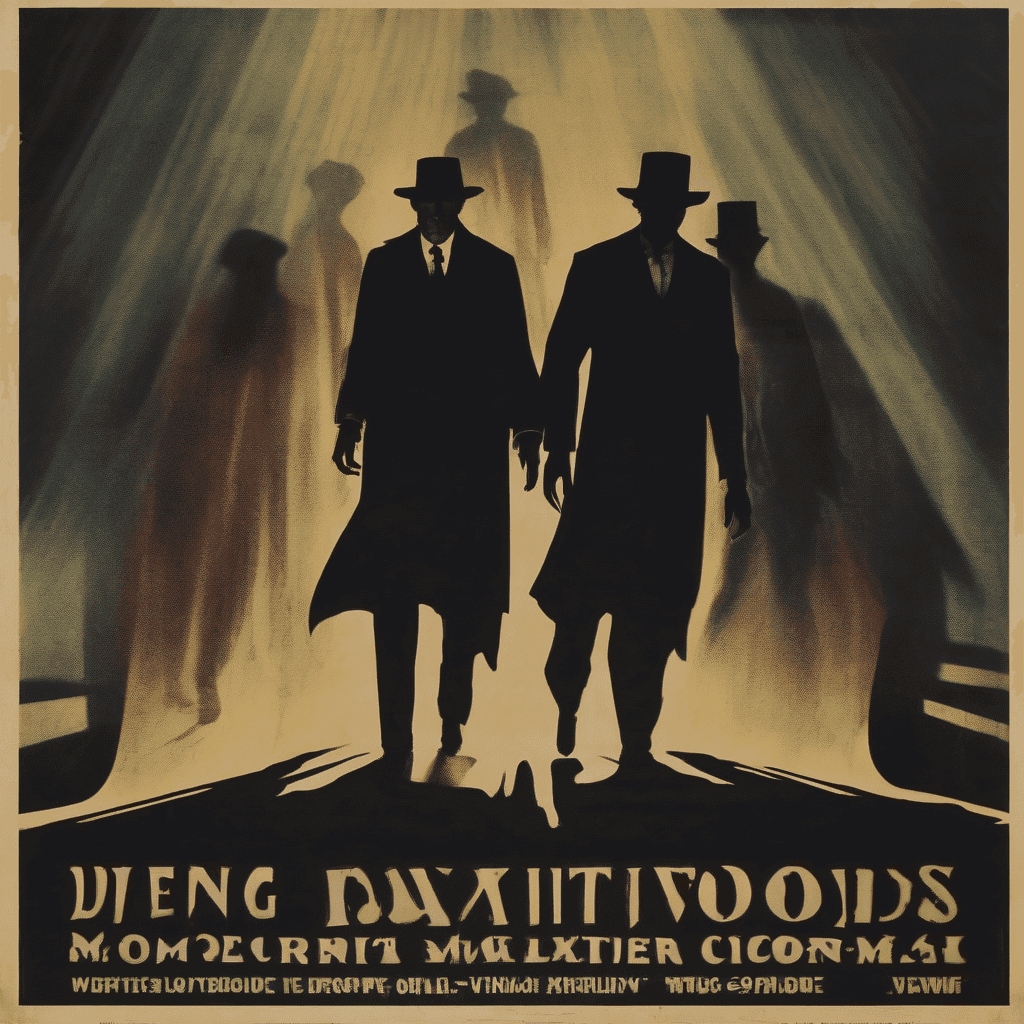
“Cult cinema, a realm of dedicated fandom and transgressive storytelling, didn't emerge fully formed. This article delves into the nascent sparks of its enduring spirit, tracing the proto-cult resonance found within the forgotten rebels and maverick visions of early cinema.”
Cult cinema. The very phrase conjures images of midnight screenings, fervent fan communities, and films that defy mainstream categorization. It’s a paradox: cinematic works often initially dismissed or misunderstood, only to be embraced with an almost religious zeal by a devoted following. From the audacious narratives to the unconventional aesthetics, cult films carve out a unique space in the cultural consciousness. But where did this phenomenon begin? While many point to the counter-culture explosion of the 1960s and 70s as the birthplace of the modern cult movie, a deeper dive into film history reveals that the foundational elements, the very proto-cult DNA, were present much earlier, flickering in the shadows of early cinema.
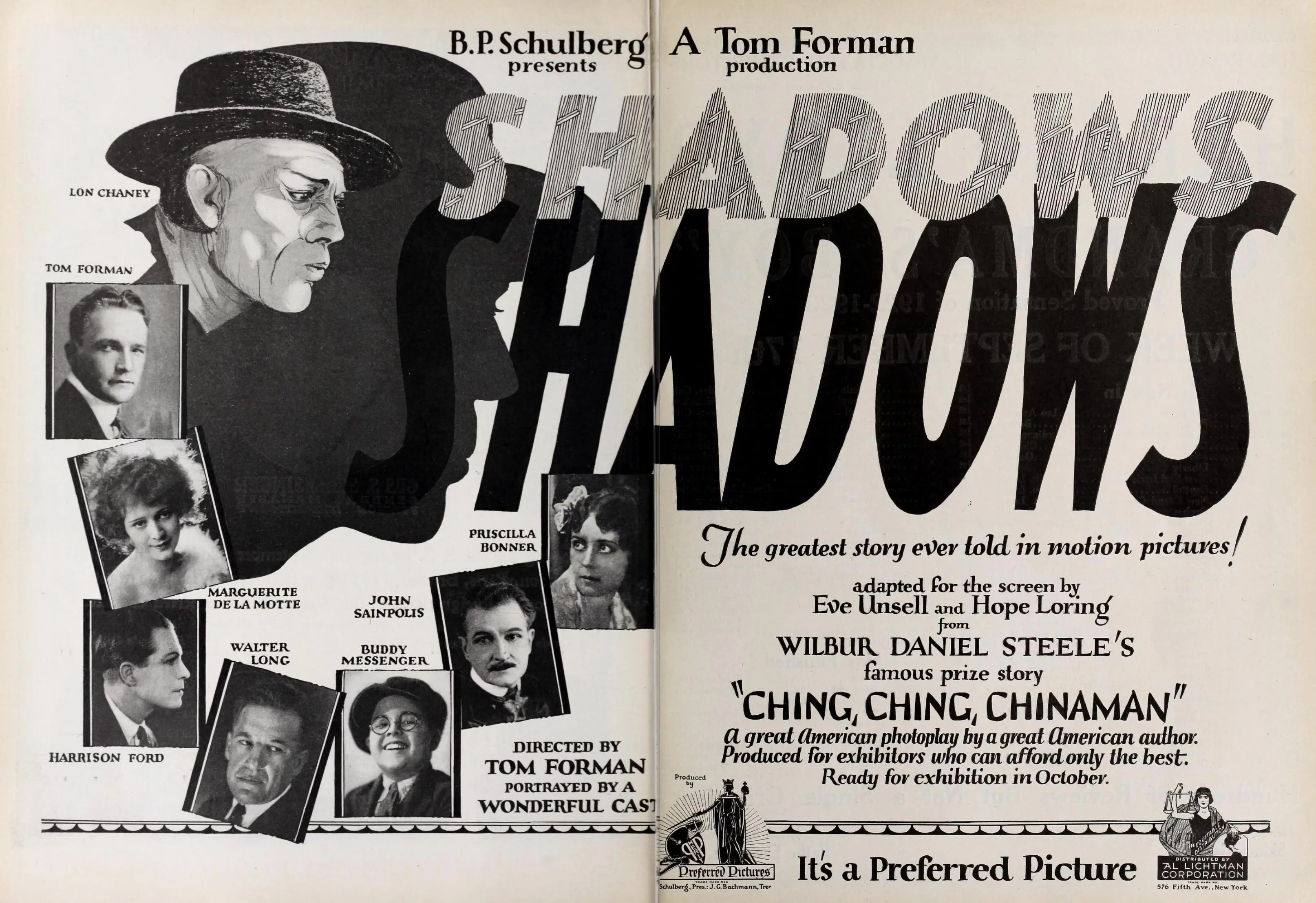
The early decades of film, particularly from the 1900s through the 1920s, were a wild west of artistic and narrative exploration. Filmmakers, unburdened by rigid industry conventions, experimented with storytelling, visual language, and emotional impact. These were the years when cinema was still finding its voice, and in that nascent struggle, many films emerged that, while not explicitly cult objects at the time, possessed the peculiar magnetism and subversive spirit that would later define the genre. These often-overlooked works, like spectral ancestors, whisper tales of transgression, otherness, and profound emotional resonance, echoing through the decades to influence the cult aesthetic we recognize today.
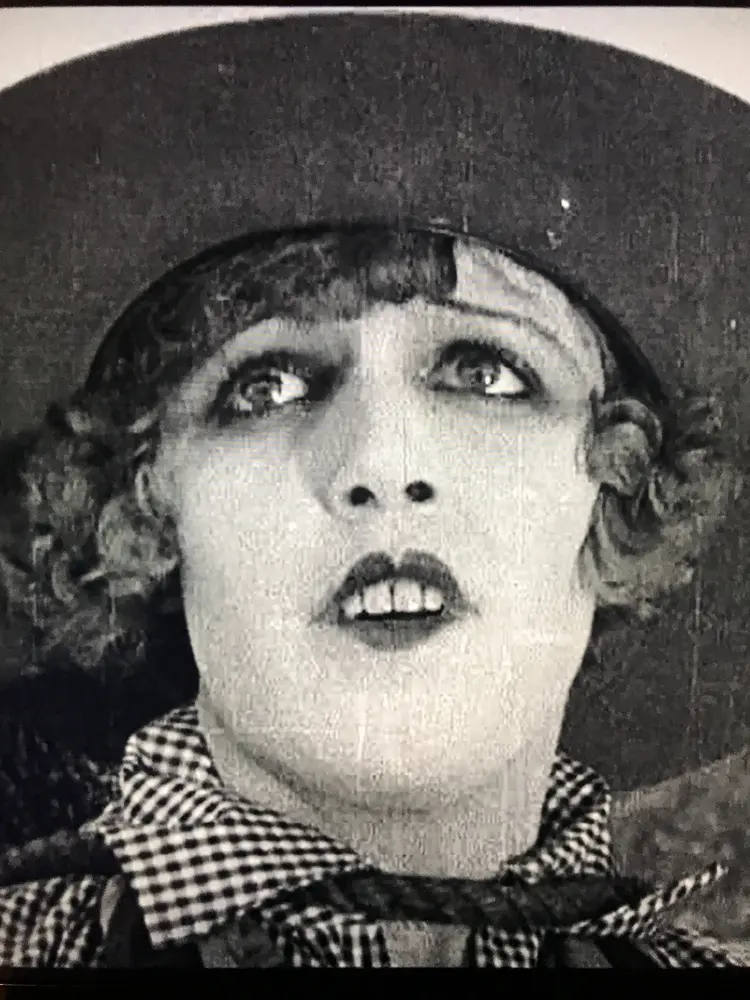
The Unseen Foundations: Early Cinema's Maverick Spirit
Before the advent of the studio system's iron grip, before the Hays Code attempted to sanitize American screens, early cinema was a fertile ground for cinematic mavericks. Without established formulas, creators were free to push boundaries, often inadvertently laying the groundwork for future cult sensibilities. These films, frequently melodramatic, sensational, or morally ambiguous, challenged their contemporary audiences in ways that resonate with the transgressive spirit of later cult classics.
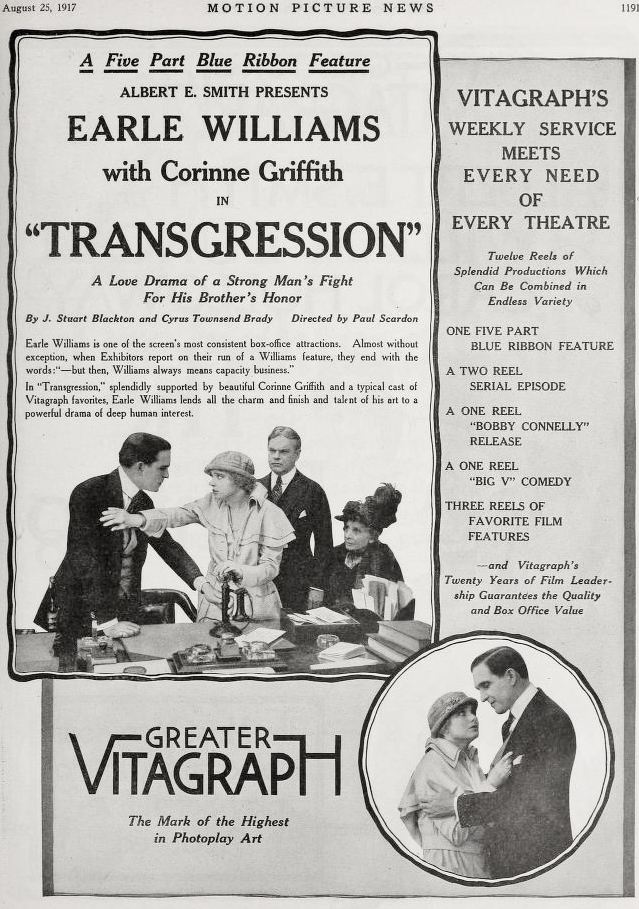
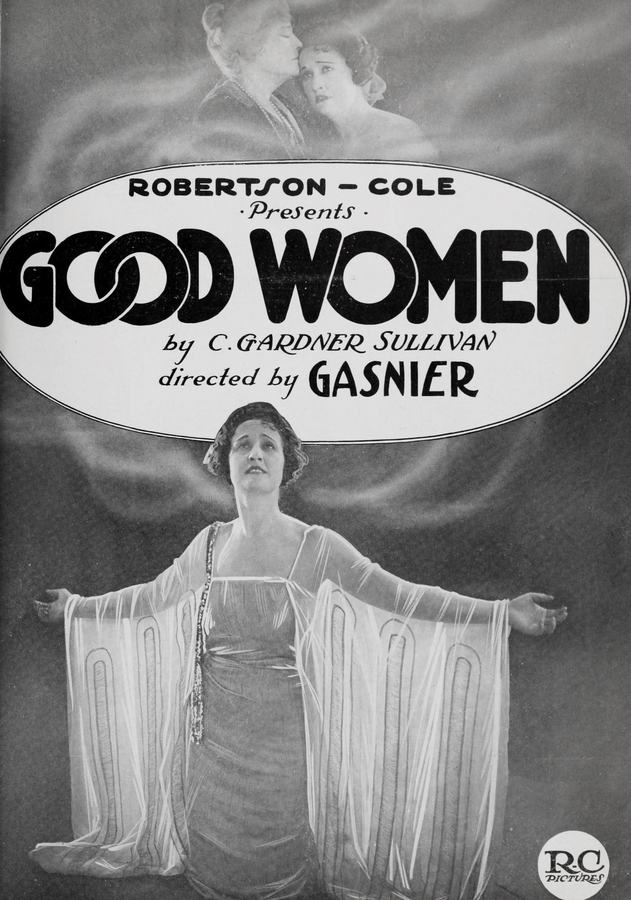
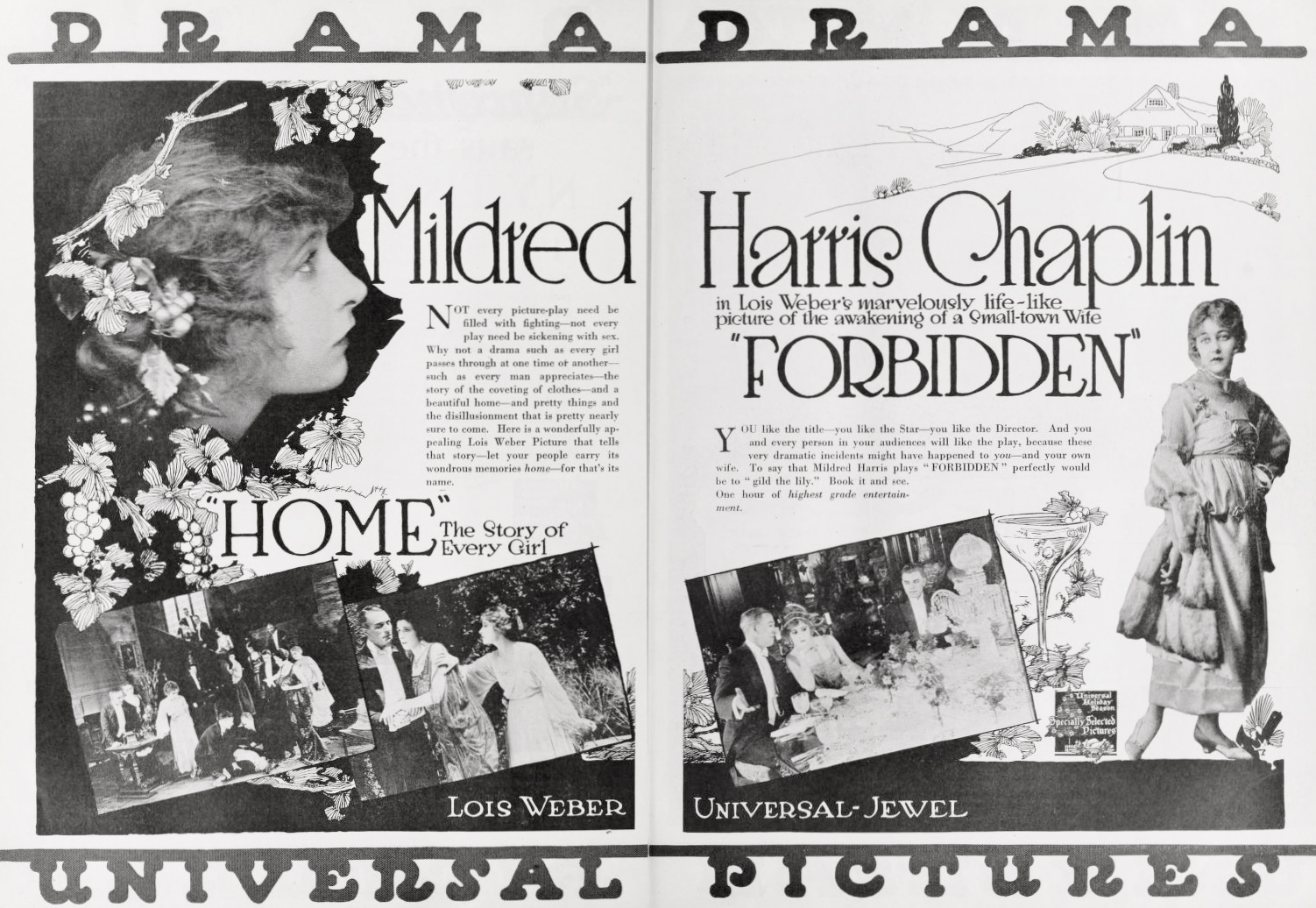
Consider the sheer variety and audacity of early narratives. From the dramatic societal critiques in films like Good Women, which explored themes of female defiance and social ostracism, to the intense emotional journeys in The Heart of a Child, depicting a poverty-stricken girl's rise through incredible adventures, these films were unafraid to tackle complex human experiences. They often featured characters on the fringes of society, struggling against overwhelming odds or societal judgments. This focus on the outsider perspective, a hallmark of cult cinema, found its genesis in these early, often raw, cinematic expressions.
Narratives of the Outcast and the Transgressive
A recurring theme in the annals of cult cinema is the celebration of the outsider, the rebel, and the morally ambiguous. Early films, perhaps due to less stringent censorship or simply the experimental nature of the medium, often delved into these territories with surprising candor. Films featuring confidence men, societal pariahs, and characters defying conventional gender roles laid a crucial foundation for the cult film's embrace of the unconventional.

Take, for instance, films that explored themes of forbidden desire and societal judgment, such as La lussuria, which delves into the intense and potentially destructive nature of passion. Such narratives, with their heightened emotional stakes and often tragic consequences, were designed to provoke strong reactions, mirroring the visceral impact sought by later cult provocateurs. Similarly, stories of deception and moral compromise, like The Shell Game, which centered on a con artist exploiting holiday sentimentality, presented characters who operated outside the bounds of conventional morality, daring audiences to empathize with the 'villain' or question the established order. This willingness to explore the grey areas of human nature, to portray protagonists who are far from heroic, is a direct lineage to the anti-heroes and morally complex figures that populate the cult film landscape.
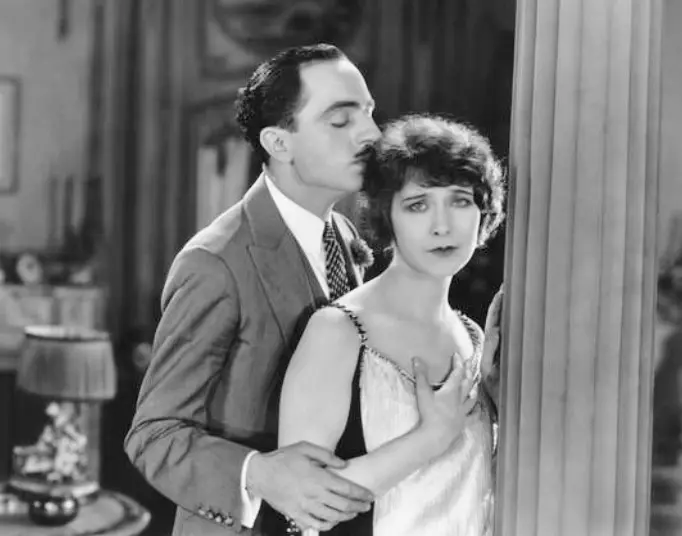
Furthermore, early cinema wasn't shy about challenging gender norms, even if subtly. Films like Her Father's Son, featuring a sweetheart who engages in espionage and even poses as a boy, or Danger, Go Slow, where the protagonist Muggsy Mulane navigates the world in boy's clothing, presented female characters who actively subverted traditional expectations. These portrayals, however brief or incidental, planted seeds of gender fluidity and defiance that would blossom into the more overt queer and subversive themes found in iconic cult films of later eras. The inherent 'otherness' of these characters, their refusal to conform, made them memorable and, for some, deeply resonant figures, fostering a nascent sense of identification that is crucial to cult following.
Genre Blending and Visual Innovation
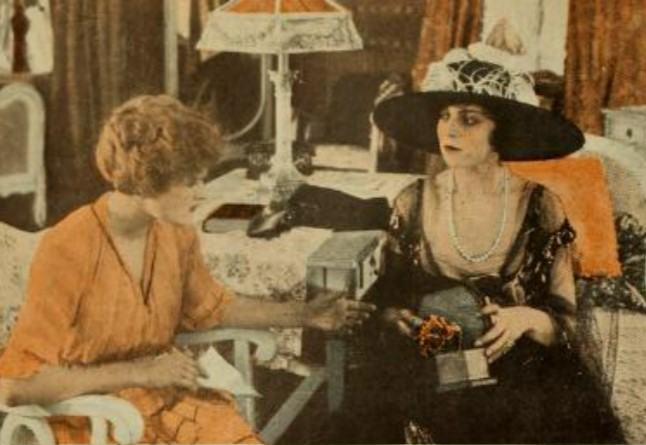
Another defining characteristic of cult cinema is its audacious approach to genre, often blending disparate elements or creating entirely new cinematic languages. Early cinema, being a nascent art form, was inherently experimental in this regard. Filmmakers were not constrained by rigid genre definitions, leading to a vibrant period of innovation that directly influenced the aesthetic and narrative freedom cherished by cult auteurs.
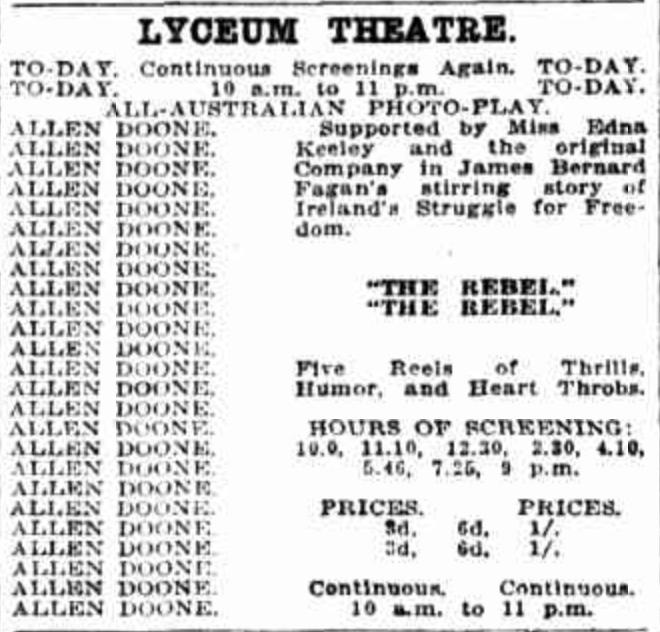
The early detective and adventure serials, for example, like Zigomar contre Nick Carter, showcased a raw, episodic thrill that captivated audiences. These films, with their exaggerated villains, daring escapes, and relentless pace, created a unique viewing experience that combined elements of pulp fiction, crime drama, and action. This kind of genre hybridity, often leaning into the fantastic or the sensational, prefigures the genre-bending nature of many cult films, from horror-comedies to sci-fi musicals. The sheer novelty of seeing these narratives unfold on screen, unconstrained by precedent, fostered an appreciation for the audacious and the unconventional.
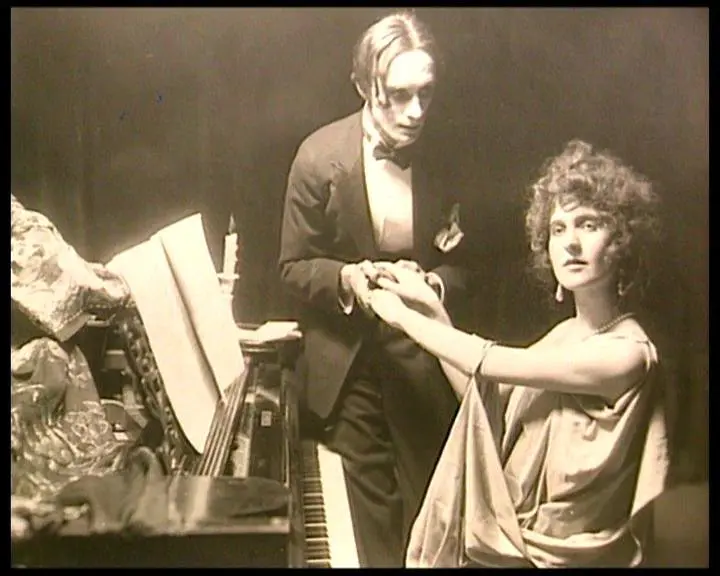
Visually, early cinema often produced striking and sometimes bizarre imagery. While not always intentional, the limitations of early camera technology and lighting, combined with the artistic ambitions of filmmakers, resulted in a distinctive aesthetic. European melodramas and thrillers from this era, such as Den sorte drøm, Die weißen Rosen, or Teufel und Circe, often employed dramatic lighting, stark compositions, and exaggerated performances to convey intense emotion and suspense. These visual choices, even if born of necessity, contributed to a heightened, almost surreal quality that resonates with the distinct visual styles of later cult films, which often prioritize unique aesthetics over polished realism. The dramatic chiaroscuro, the theatrical staging, and the raw power of silent performances created an immersive, almost dreamlike quality that could be both unsettling and captivating, laying the groundwork for the visceral and unforgettable imagery that defines many cult classics.
The Emotional Core: Exaggeration and Resonance
At the heart of many cult films lies an emotional intensity that transcends conventional storytelling. Whether through over-the-top performances, extreme narratives, or a relentless commitment to a particular tone, these films evoke powerful, often divisive, reactions. Early cinema, particularly its melodramatic offerings, perfected this art of heightened emotion, creating a direct lineage to the cult film's ability to deeply resonate with its audience.
Films like The Forbidden Room, with its intricate plot of mistaken identities and intense personal stakes, or A 111-es, a drama, thriller, and romance all rolled into one, showcased narratives designed to grip the viewer with suspense and dramatic twists. The emotional stakes were often impossibly high, featuring characters pushed to their limits by fate or circumstance. The raw power of these narratives, free from the often subtle nuances of later cinematic eras, allowed for a direct, almost primal connection with the audience. This unadulterated emotional punch, often delivered through theatrical acting and dramatic musical scores, forged a deep, if sometimes overwrought, bond between film and viewer.
Beyond melodrama, the exploration of gritty realism and tough characters also found its footing. Films like The Shark and Bare Knuckles delved into the rough-and-tumble worlds of sailors and the San Francisco underworld, respectively. These narratives, with their portrayal of brutal realities and resilient individuals, offered a stark contrast to more genteel fare. The authenticity, however stylized, of these portrayals of struggle and survival, appealed to audiences looking for something more visceral, something that felt raw and unfiltered. This pursuit of the authentic, the unvarnished, the intense, is a critical thread that connects these early dramatic works to the enduring appeal of cult cinema's more extreme and unapologetic offerings.
The Cultivation of Niche Audiences: A Proto-Midnight Experience
While the concept of the 'midnight movie' and dedicated cult screenings wouldn't fully materialize until much later, the seeds of niche audience cultivation were undoubtedly sown in early cinema. Many films from this era, due to their unconventional themes, experimental nature, or simply their obscurity, would have found favor with smaller, more discerning segments of the viewing public. These were the films that sparked conversations, lingered in the imagination, and perhaps even inspired repeat viewings among those who 'got it.'
Consider the myriad of short comedies and dramas that filled early cinema programs. While many were ephemeral, others, through a unique comedic sensibility (like Too Much Garlic or Kids and Kidlets) or a particularly poignant dramatic turn, would have stood out. These were films that, by virtue of their distinctiveness, began to attract a kind of specialized appreciation. The act of seeking out and cherishing films that deviated from the increasingly standardized fare is a fundamental aspect of cult fandom. Even in the absence of organized fan communities, the individual discovery of a film that speaks directly to one's unique sensibilities is the very essence of a proto-cult experience. The widespread availability of films today makes it easy to forget how novel and exciting even a single, unconventional film could be to an early 20th-century viewer.
Furthermore, the sheer volume of films produced, many of which quickly faded into obscurity, meant that there was a constant stream of 'forgotten gems' waiting to be rediscovered. A film like The Final Close-Up, a drama about a poor clerk and a millionaire's son, might have been a minor success, but its themes of class disparity and anonymous benefaction could have resonated deeply with certain viewers, giving it a longer shelf-life in their personal cinematic pantheon. This process of re-evaluation and re-discovery, where a film's initial reception is overridden by a later, more passionate embrace, is a cornerstone of cult cinema's enduring power. The films listed, many of which are now historical curiosities, were once fresh and daring, and it is in their boldness that we find the blueprint for future cinematic obsessions.
The Enduring Echo: From Obscurity to Iconography
The journey of a film from initial release to cult status is often a winding one, paved with obscurity, critical indifference, and eventual, fervent re-discovery. Early cinema, with its vast and largely uncatalogued archive, is replete with films that, while not explicitly cult objects of their time, share this trajectory. Many of the films from the 1910s and 1920s, now seen primarily through an academic lens, were once vibrant pieces of popular culture that, for various reasons, didn't achieve lasting mainstream recognition but held a particular, perhaps niche, appeal.
This historical context allows us to appreciate the enduring legacy of early film. Every transgressive narrative, every genre experiment, every visually audacious moment from these foundational years contributed to a cinematic vocabulary that would eventually be fully articulated in the cult films of later decades. The very act of unearthing and appreciating these films today, through restored prints and archival screenings, mirrors the cult experience itself – a passionate engagement with cinematic history that transcends commercial success or critical consensus. It’s an act of cultural archaeology, revealing the unseen ritual of cinematic devotion that has existed since the medium's infancy.
Conclusion: The Timeless Allure of the Unconventional
Cult cinema, in its essence, is a testament to the enduring human desire for narratives that challenge, provoke, and resonate on a deeply personal level. It's a celebration of the unconventional, the misunderstood, and the fiercely independent. By tracing its origins back to the embryonic stages of cinema, we gain a richer understanding of this fascinating phenomenon. The early films, with their raw energy, bold themes, and nascent visual language, were not merely precursors; they were the initial sparks in the dark, igniting a flame that would grow into the bonfire of cult fandom.
From the melodramatic tales of societal outcasts and forbidden desires to the genre-bending adventures and visually striking dramas, these forgotten rebels of the silver screen laid the essential groundwork. They taught audiences to look beyond the obvious, to find beauty in the unconventional, and to cherish stories that dared to be different. The echoes of their maverick visions continue to reverberate, reminding us that the spirit of cult cinema is as old as cinema itself – a timeless allure that ensures the most peculiar and profound films will always find their tribe.
Community
Comments
Log in to comment.
Loading comments…