
DbcultAccessing Vault...
Listicle
Archivist John
Senior Editor
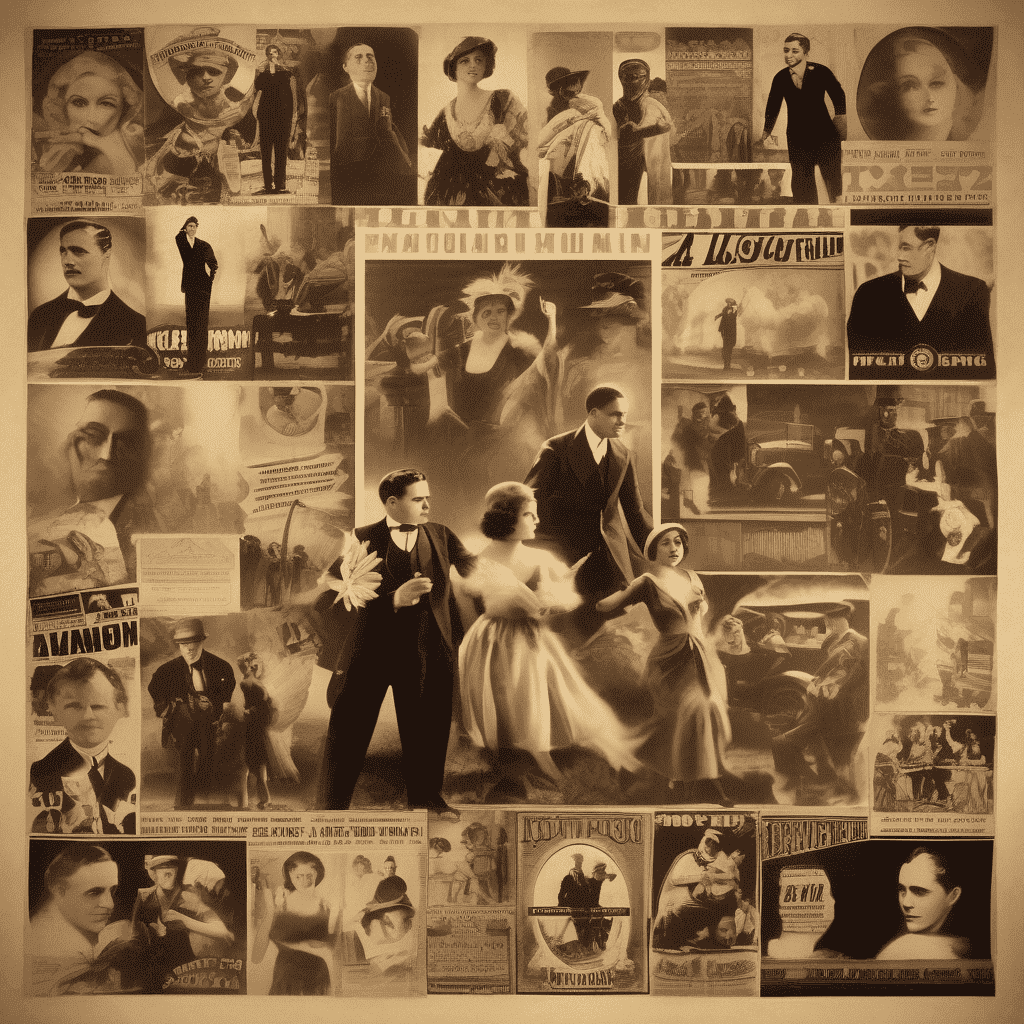
Step into a time machine and set the dial for the 1910s – an era where cinema was finding its voice, even without sound. Before the 'talkies' revolutionized the industry, silent films captivated audiences with their raw emotion, groundbreaking narratives, and the sheer power of visual storytelling. Often overshadowed by later Hollywood eras, these foundational works are far more than historical curiosities; they are masterclasses in human drama, social commentary, and the universal pursuit of ambition, justice, and belonging. Join us as we unearth 10 silent film masterpieces from 1914-1917, each a testament to the enduring artistry and profound impact of early cinema. These aren't just old movies; they're windows into a bygone world, reflecting timeless human struggles and triumphs that still resonate deeply today. Prepare to be amazed by the innovation and emotional depth present in these cinematic treasures.
Kicking off our journey into the silent era is the compelling 1914 drama, The Dollar Mark. This early cinematic gem delves deep into the corrupting influence of wealth and the relentless pursuit of financial success. Through its intricate plot, the film explores how the 'dollar mark' can both elevate and destroy, revealing the moral compromises individuals make in their quest for riches. It's a powerful narrative that showcases the nascent film industry's ability to tackle complex social issues, making a poignant statement about materialism that remains relevant even in our modern consumer-driven society. The performances, conveyed through expressive pantomime and dramatic staging, draw you into a world where every decision has a price, and the true cost of ambition is laid bare. A true precursor to many rags-to-riches and cautionary tales, The Dollar Mark is a must-see for anyone interested in the social commentary woven into early cinema.
Read full review of The Dollar Mark
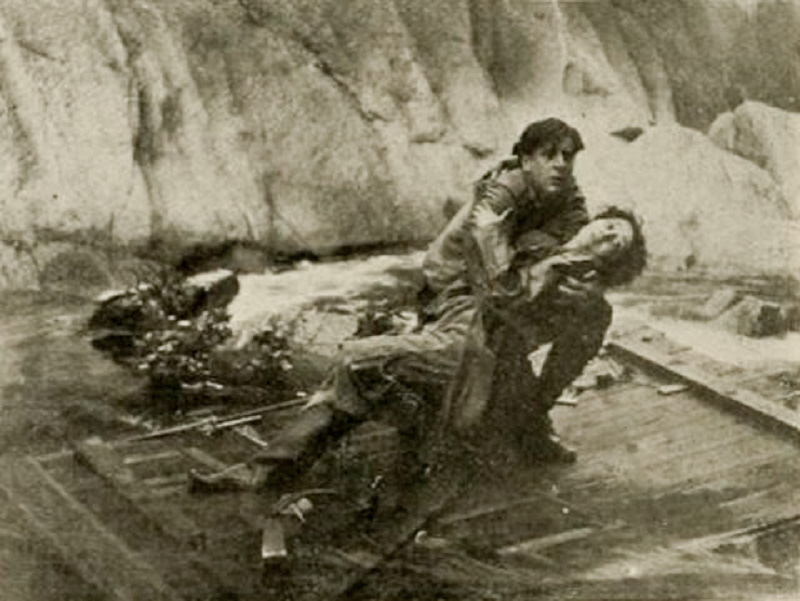
From 1915, The Long Chance emerges as a gripping tale of fate, redemption, and the desperate gamble for a better life. This film masterfully crafts a narrative around a protagonist pushed to the brink, forced to take 'the long chance' in pursuit of justice or survival. It's a testament to the era's storytelling prowess, using visual cues and compelling character arcs to build suspense and emotional investment. The film's exploration of moral ambiguity and the high stakes involved in life-altering decisions makes it a timeless piece. Audiences are invited to ponder the nature of opportunity and whether one truly gets a second chance, especially when the odds are stacked against them. Its dramatic intensity and exploration of human resilience solidify its place as an early classic.
Read full review of The Long Chance
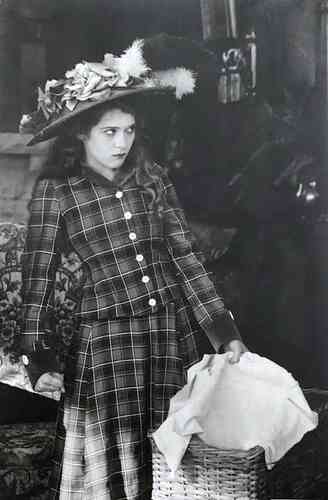
Mark Twain's timeless tale of mistaken identity and social inequality comes to life in the 1915 adaptation of The Prince and the Pauper. This early cinematic rendition beautifully captures the essence of the novel, exploring themes of class, privilege, and the arbitrary nature of birthright. The visual storytelling, characteristic of the silent era, brilliantly conveys the stark contrast between the opulent life of a prince and the harsh realities faced by a pauper, as their lives unexpectedly intertwine. It’s a compelling narrative that questions societal structures and champions empathy, proving that a powerful story can transcend time and medium. The film's ability to evoke both laughter and poignant reflection without a single spoken word is a remarkable achievement, making it a beloved classic that continues to charm new generations.
Read full review of The Prince and the Pauper
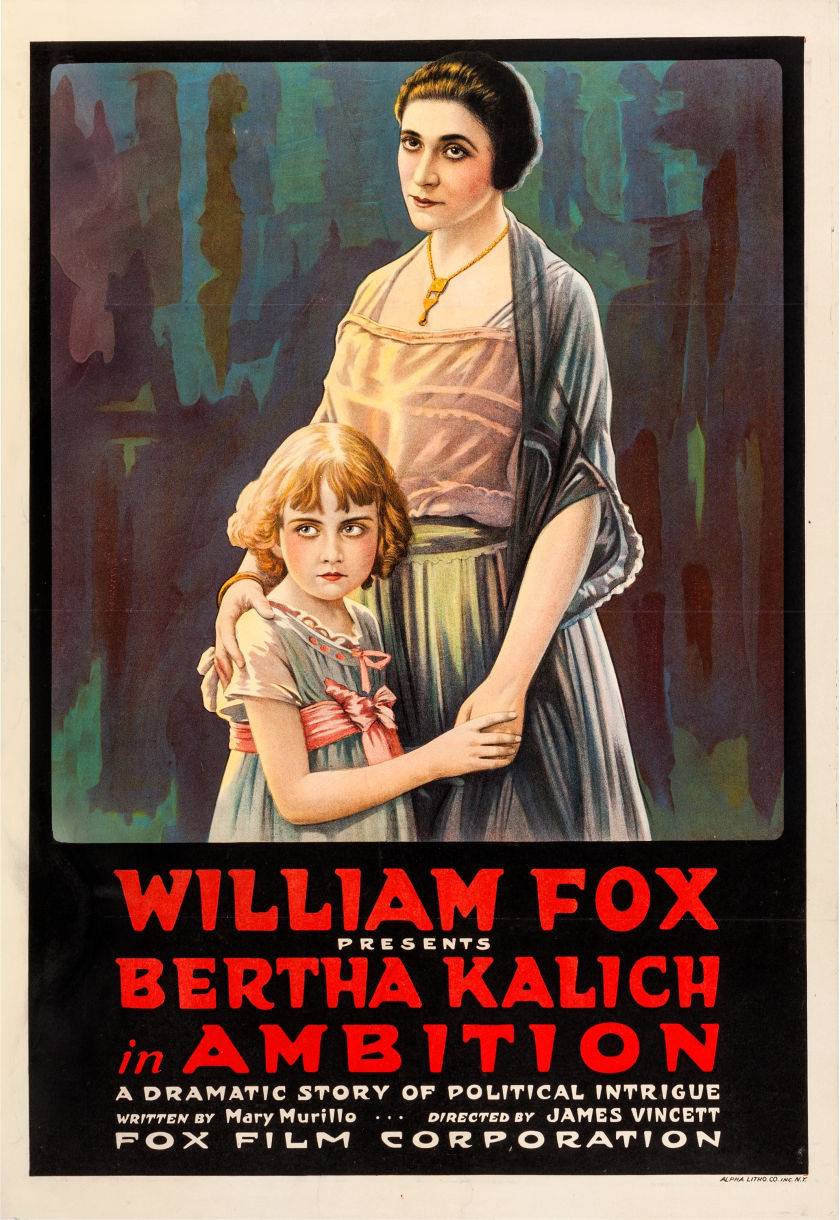
In 1916, the film simply titled Ambition offered a stark and often cautionary look at the relentless human drive for power and success. This silent drama dissects the intricate web of desires, sacrifices, and moral compromises that often accompany an unbridled quest for ambition. It showcases how a singular focus can elevate one to great heights, but also how it can lead to devastating downfalls. The film’s narrative, conveyed through powerful visual metaphors and intense character performances, explores the dual nature of ambition – both as a catalyst for progress and a destructive force. It serves as a compelling study of human nature, asking profound questions about the cost of achieving one's dreams and whether the ends truly justify the means. A thought-provoking piece that remains relevant in any era.
Journey into the poetic and symbolic world of 1916's German silent film, Das wandernde Licht (The Wandering Light). This ethereal masterpiece stands out for its contemplative narrative, often exploring themes of guidance, fate, and the search for meaning in a complex world. The 'wandering light' can be interpreted as a metaphor for hope, truth, or even a guiding spirit, leading characters through trials and tribulations. The film's stunning cinematography and evocative imagery create a dreamlike atmosphere, drawing viewers into a deeply philosophical experience. It’s a testament to the global reach and artistic diversity of early cinema, proving that profound storytelling wasn't confined to Hollywood. This film invites introspection, making it a unique and unforgettable entry in the silent film canon.
Read full review of Das wandernde Licht
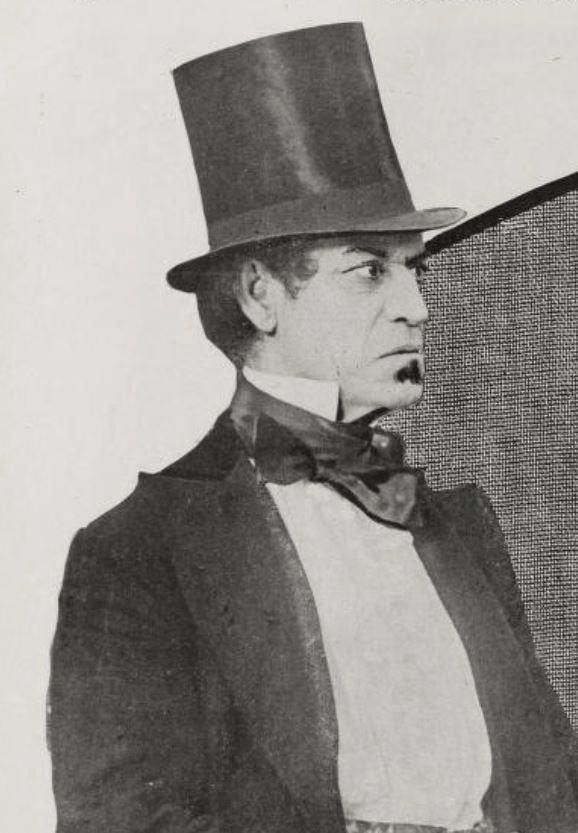
From 1917, Master of His Home offers a fascinating glimpse into societal norms and domestic dynamics of the early 20th century. This compelling drama explores themes of power, control, and the evolving roles within a household. While the title might suggest a narrative rooted in traditional patriarchy, the film often subtly critiques or challenges these conventions, revealing the complexities and sometimes hidden struggles beneath the surface of domestic life. It’s a poignant portrayal of personal agency and the search for balance within relationships, told through the expressive performances typical of the silent era. The film invites viewers to consider the true meaning of being 'master' of one's domain, and whether true happiness can be found in absolute control. A powerful social commentary disguised as a family drama.
Read full review of Master of His Home
Prepare for a thrilling adventure with 1917's The Land of Long Shadows, a captivating film that transports audiences to remote, uncharted territories where danger and mystery lurk. This dramatic narrative excels in building suspense and atmosphere, using the vast, often unforgiving landscape as a powerful character in itself. The 'long shadows' symbolize not just physical perils but also the hidden pasts and moral ambiguities faced by its characters. It’s a testament to the silent era's ability to create immersive worlds and high-stakes narratives, proving that epic storytelling didn't require spoken dialogue. The film’s exploration of survival, secrets, and the human spirit's resilience against overwhelming odds makes it a truly engrossing experience. An exciting journey into the unknown, perfect for fans of early adventure cinema.
Read full review of The Land of Long Shadows
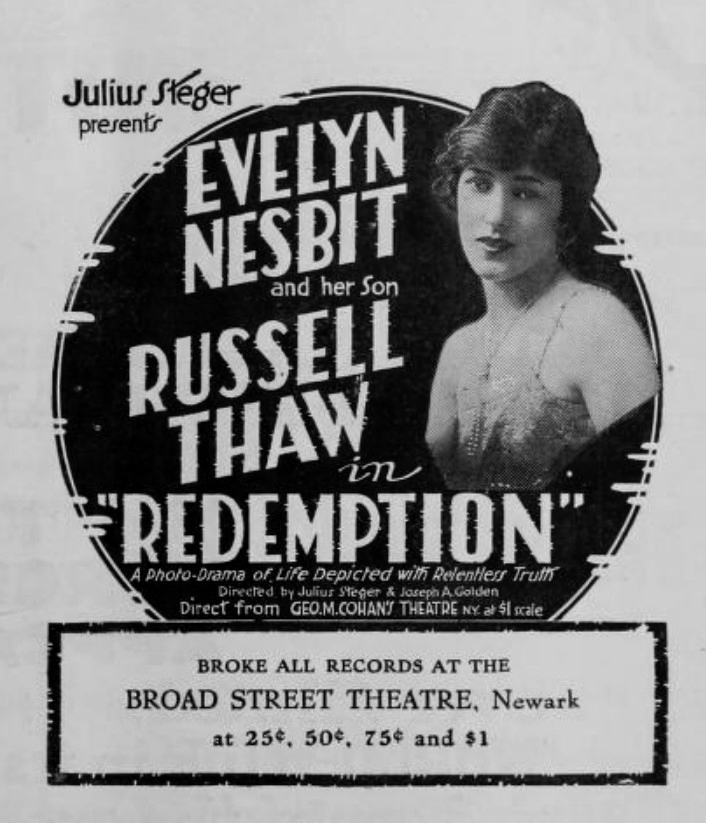
Delving into the darker corners of the human psyche, 1917's German production, Unsühnbar (Unatonable), is a profound and emotionally charged drama. This film explores the weighty themes of guilt, consequence, and the possibility – or impossibility – of redemption. The narrative often centers on a character grappling with an 'unatonable' act, leading to a journey of profound introspection and often tragic outcomes. Through intense visual storytelling and powerful performances, Unsühnbar masterfully conveys the psychological torment and moral dilemmas faced by its protagonists. It’s a stark reminder of the enduring impact of one's actions and the deep-seated desire for forgiveness, even when it seems out of reach. A deeply moving and thought-provoking piece that showcases the dramatic depth achievable in silent cinema.
Discover the true meaning of courage in 1917's inspiring drama, The Heart of a Lion. This film celebrates the indomitable human spirit, focusing on a protagonist who embodies bravery, integrity, and unwavering determination in the face of adversity. Whether it's overcoming personal struggles, fighting for justice, or protecting loved ones, the film vividly portrays the qualities that define a 'heart of a lion.' It's a powerful narrative that uses the expressive visual language of silent film to convey deep emotional resonance and inspire audiences. The story serves as a timeless ode to heroism, reminding us that true strength often comes from within, and that even in the most challenging times, the human spirit can triumph. A truly uplifting and memorable cinematic experience.
Read full review of The Heart of a Lion
Rounding out our list is the beloved 1917 classic, The Poor Little Rich Girl, starring the iconic Mary Pickford. This heartwarming yet poignant film tells the story of a neglected wealthy child who finds solace and adventure in her imagination, often blurring the lines between reality and fantasy. It's a powerful commentary on the emotional cost of material wealth when devoid of genuine affection and attention. Pickford's masterful performance, full of charm and vulnerability, captures the universal longing for connection and understanding. The film’s ability to evoke both sympathy and joy, while subtly critiquing societal values, cements its place as a significant work of early cinema. A touching and enduring tale that reminds us what truly matters in life.
Read full review of The Poor Little Rich Girl
As we draw our journey through these silent film masterpieces to a close, it becomes clear that the absence of spoken dialogue did not diminish the power or complexity of their narratives. Instead, it pushed filmmakers and actors to innovate, to communicate emotion and story through visual artistry, expressive performances, and masterful cinematography. These 10 films from 1914-1917 are more than just historical artifacts; they are vibrant, emotionally resonant works that tackled universal themes of ambition, class, redemption, courage, and identity, themes that continue to captivate audiences today. They laid the groundwork for modern cinema, proving that a compelling story, brilliantly told, truly transcends time and technology. We encourage you to seek out these foundational gems and experience the magic of early cinema firsthand. You might just find your next favorite film without ever hearing a word spoken.