
Cult Cinema
The Esoteric Reel: Unearthing Cult Cinema's Hidden Narratives and Enduring Fandom
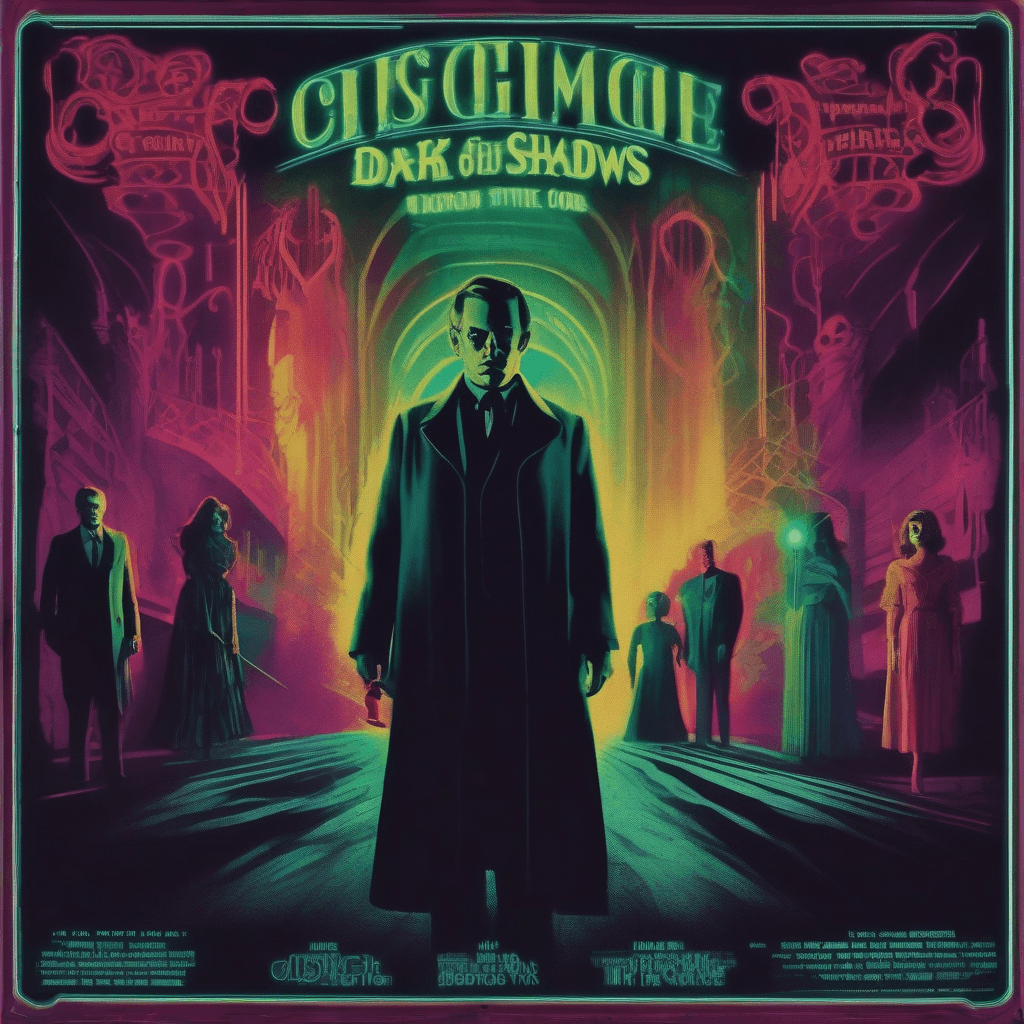
“Cult cinema thrives in the shadows of the mainstream, forging fervent communities around films that defy convention, challenge norms, and offer alternative visions. This article delves into the enigmatic allure of these cinematic outsiders, tracing their subversive roots from the silent era to their…”
In the vast, ever-expanding universe of film, there exists a unique constellation of stars that burn with a different kind of light. These are the cult films – not always critically acclaimed, rarely box office behemoths upon their initial release, yet possessing an inexplicable, magnetic pull that draws specific audiences into a passionate, almost devotional, embrace. Cult cinema is more than just a genre; it's a phenomenon, a shared experience, and a testament to the power of unconventional storytelling to forge deep, lasting connections.

What makes a film 'cult'? It’s a question film scholars and enthusiasts have debated for decades. Is it the initial failure that leads to later rediscovery? Is it the transgressive themes, the bizarre narratives, or the unique aesthetic that sets it apart? Often, it’s a confluence of these elements, culminating in a film that speaks directly to a niche audience, offering them something they can’t find in mainstream fare. These films often become cultural touchstones for their devotees, providing a sense of belonging and shared identity.
The Genesis of the Cult Gaze: Silent Era Subversions
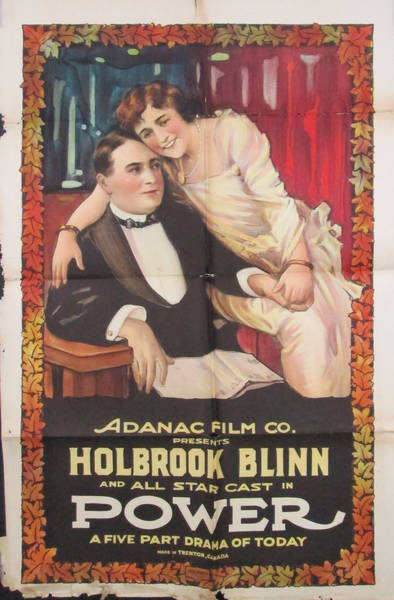
To truly understand the enduring appeal of cult cinema, we must journey back to its primordial soup: the silent film era. While the term 'cult film' as we know it today is largely a post-1960s phenomenon, the seeds of cinematic rebellion, transgression, and niche appeal were sown in the flickering nitrate prints of the early 20th century. Many films from this period, though perhaps forgotten by mainstream history, exhibited traits that would later define the cult canon.
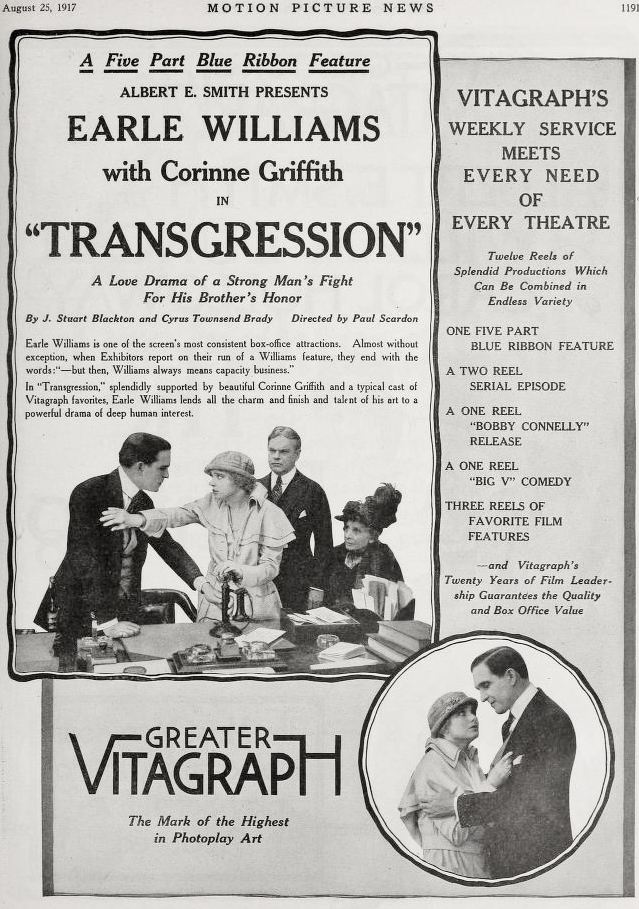
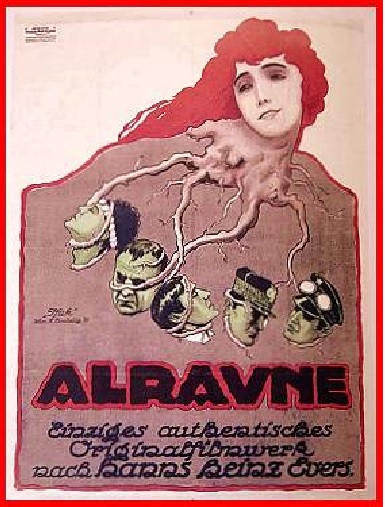
Consider the inherent experimentalism of early cinema. Filmmakers were inventing the language of the medium as they went along, often resulting in narratives and visual styles that, by modern standards, appear wonderfully strange and unconventional. Films that explored moral ambiguities, pushed social boundaries, or delved into the fantastic often found limited initial audiences but laid the groundwork for future cinematic deviance.

Pioneering the Peculiar: Early Genre Benders
The silent era was ripe with examples of films that, intentionally or not, defied easy categorization. We see the nascent forms of horror, science fiction, and crime drama emerging, often with a raw, unsettling edge. Imagine the impact of films like The Black Box, with its futuristic technical inventions and bizarre murder case, or The Mechanical Man, a short that delves into remote-controlled humanoid devices. These were early forays into speculative fiction that challenged audiences' perceptions of reality and possibility, often with a sense of wonder tinged with unease. Such narratives, far from the familiar, often found their most ardent admirers among those seeking something different, something beyond the everyday.

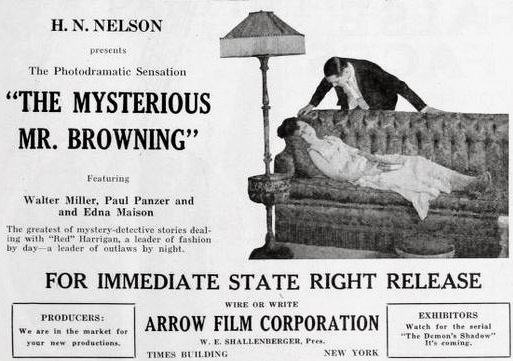
Then there were the films that explored the human psyche's darker corners or societal taboos. A film like Sacrifice, with its premise of an insane doctor using semen from a dead man to artificially inseminate a prostitute, resulting in an 'evil' child, would have been profoundly transgressive for its time. This willingness to confront controversial subjects, however sensationalized, is a hallmark of cult cinema. Similarly, The Mysterious Mr. Browning, featuring a wealthy man leading an underworld gang by night, delves into themes of duality, hidden identities, and moral corruption – narratives that resonate deeply with audiences who appreciate complex, anti-heroic figures.

Social Commentary and Rebel Spirits
Beyond genre experimentation, early cinema also provided a platform for social commentary that, while perhaps not overtly 'cult' at the time, certainly spoke to a sense of rebellion or a desire for change. What 80 Million Women Want, a suffragist film exposing political corruption, is a powerful example. These films, addressing pressing social issues or challenging established norms, resonate with audiences seeking alternative perspectives and narratives that reflect their own struggles or ideals. Even films like The Greater Woman or Clover's Rebellion, which explore themes of female independence, societal expectations, and personal choice, reflect an underlying current of individual agency against convention, a theme that cult audiences consistently champion.
The Westerns of the era, such as Hands Off! or All Man, while seemingly conventional, often presented archetypal outlaws and moral rebels who lived by their own codes. These figures, operating outside the law or challenging authority, echo the anti-establishment ethos often found in later cult films. The struggle for justice, the fight against corruption as seen in The Reform Candidate or The Master Man, also taps into a universal desire for narratives where the underdog or the morally upright individual confronts systemic flaws, a theme deeply appealing to a cult following that often feels marginalized by mainstream culture.
Defining the Cult Phenomenon: Characteristics and Community
As cinema evolved, so too did the concept of the cult film. The mid-20th century saw the rise of 'midnight movies' – films that found a second life in late-night screenings, attracting dedicated audiences who would often participate, quote lines, and dress up. This era solidified many of the characteristics we now associate with cult cinema.

Unconventional Narratives and Aesthetic Deviation
At its core, a cult film often presents a narrative that deviates significantly from mainstream storytelling conventions. It might be deliberately ambiguous, structurally experimental, or thematically challenging. Films that initially puzzle or even alienate critics often find a receptive audience among those who appreciate artistic risk-taking and intellectual engagement. The aesthetic, too, can be a major draw – whether it's a distinctive visual style, a unique musical score, or a performance that veers into the bizarre, these elements contribute to a film's memorable, often hypnotic, quality.
The films that inspire cult followings often refuse to conform. They might blend genres in unexpected ways, creating something entirely new or simply unclassifiable. Think of a film like The Pool of Flame, which sounds like an adventure romance but hints at mystical elements, or even the early spy thrillers like Protéa and The Highest Trump, which might have pushed boundaries with their intrigue and suspense, offering a more intense or complex experience than typical fare. These films, by their very nature, invite multiple viewings and deep analysis, fostering a sense of shared discovery among their fans.
The Role of Fandom and Re-discovery
Perhaps the most crucial ingredient in the cult film recipe is its audience. Cult films are not born; they are made by their fans. A small, devoted following can elevate an obscure or overlooked film to legendary status through word-of-mouth, repeated viewings, and active engagement. This fandom creates a community, a space where individuals who feel like outsiders can find common ground and celebrate their shared love for the unconventional.
Many cult films experienced initial commercial or critical failure, only to be rediscovered years later by a new generation of viewers. This process of re-evaluation is central to the cult phenomenon. What was once dismissed as strange or niche finds its true audience, often because society's tastes or sensibilities have caught up, or because the film's radical message becomes more pertinent over time. The journey of a cult film from obscurity to beloved status is often a story of perseverance and the power of dedicated cinephiles.
The Enduring Legacy: Why Cult Films Matter
Today, in an era of streaming services and endless content, the concept of cult cinema has evolved. While physical midnight screenings may be less prevalent, digital platforms have created new avenues for discovery and community building. Online forums, social media groups, and dedicated streaming channels allow niche films to find their audiences globally, instantly. This democratization of access means that a film like Adventures of Tarzan, a silent-era action-adventure, can be appreciated by modern viewers who seek out its unique blend of escapism and historical cinematic charm, long after its initial theatrical run.
The appeal of cult cinema lies in its ability to offer an alternative perspective. In a world often dominated by homogenous blockbusters, these films provide a refreshing counter-narrative. They challenge viewers to think, to question, and sometimes, simply to embrace the absurd. They are a sanctuary for those who appreciate the strange, the beautiful, and the downright bizarre.
Moreover, cult films often serve as cultural barometers, reflecting anxieties, desires, and subcultures that mainstream cinema might ignore. The themes of alienation, rebellion, identity, and societal critique found in many cult classics resonate with generations of viewers who feel misunderstood or marginalized. From the psychological drama of The Vital Question, which hints at shady business deals and investigations, to the moral quandaries of The Sign Invisible, where a doctor loses faith after a tragic loss, these films delve into universal human experiences through a lens less polished, more raw, and ultimately, more compelling for their devoted followers.
Even seemingly straightforward dramas or Westerns from the silent era, such as The Law of the North or The Man from Kangaroo, can take on cult status if they possess an unexpected narrative twist, a particularly memorable performance, or a unique take on established tropes. The narratives of Dice of Destiny, with its falsely accused ex-convict seeking redemption, or A Wife on Trial, exploring societal judgment and personal integrity, offer dramatic depth that can captivate audiences looking for more than just simple entertainment.
The films that achieve cult status are often those that refuse to be forgotten. They lodge themselves in the collective consciousness of their fans, becoming more than just movies; they become shared experiences, inside jokes, and expressions of identity. The repeated viewings, the quoting of lines, the fan art, the conventions – all these activities transform a passive viewing experience into an active, participatory cultural phenomenon.
From the early cinematic experiments that pushed technical and thematic boundaries to the midnight movie screenings that birthed fervent subcultures, cult cinema stands as a powerful testament to the diversity and depth of film art. It reminds us that sometimes, the most enduring legacies are forged not in universal acclaim, but in the passionate devotion of a chosen few. These esoteric reels, once hidden or misunderstood, continue to illuminate the fringes of cinema, proving that true artistry often thrives where the mainstream fears to tread, building communities and challenging perceptions one frame at a time.
Community
Comments
Log in to comment.
Loading comments…