
Cult Cinema
The Flickering Anomaly: Unearthing the Silent Era’s Original Misfit Masterpieces and the DNA of Cult Devotion
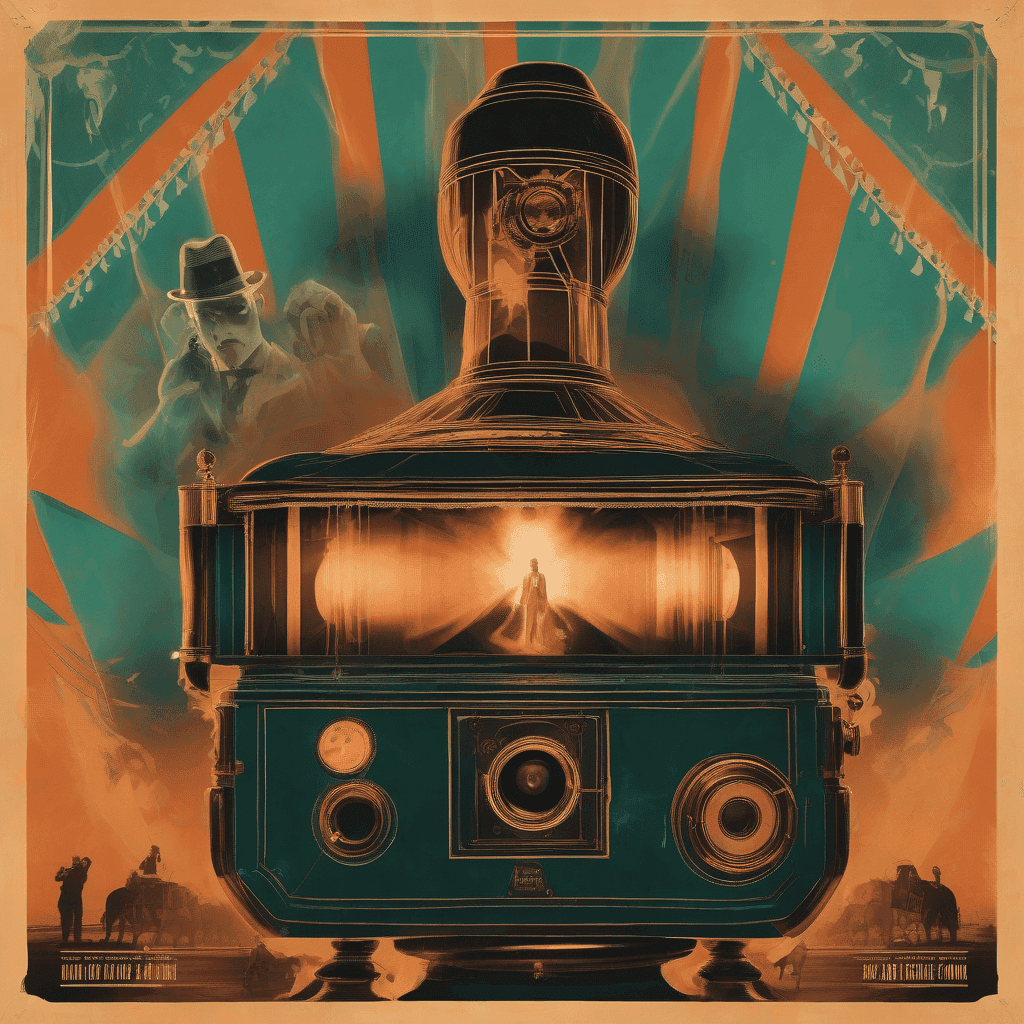
“A deep dive into the primal roots of cult cinema, exploring how the transgressive and unconventional narratives of the 1910s and 20s laid the foundation for modern midnight movie worship.”
The term "cult cinema" often conjures images of midnight screenings of 1970s schlock or the neon-soaked transgressions of the 1980s. However, the genetic blueprint of the cult movie—the film that exists on the periphery of the mainstream, speaking to a dedicated tribe of outcasts—was actually forged in the flickering shadows of the silent era. Long before the term was codified by critics, filmmakers were already experimenting with the subversive themes, narrative anarchy, and moral ambiguity that define the cult ethos today. To understand the modern obsession with the strange, we must look back at the original misfits of the early 20th century, where the boundaries of genre were fluid and the appetite for the unusual was first whetted.
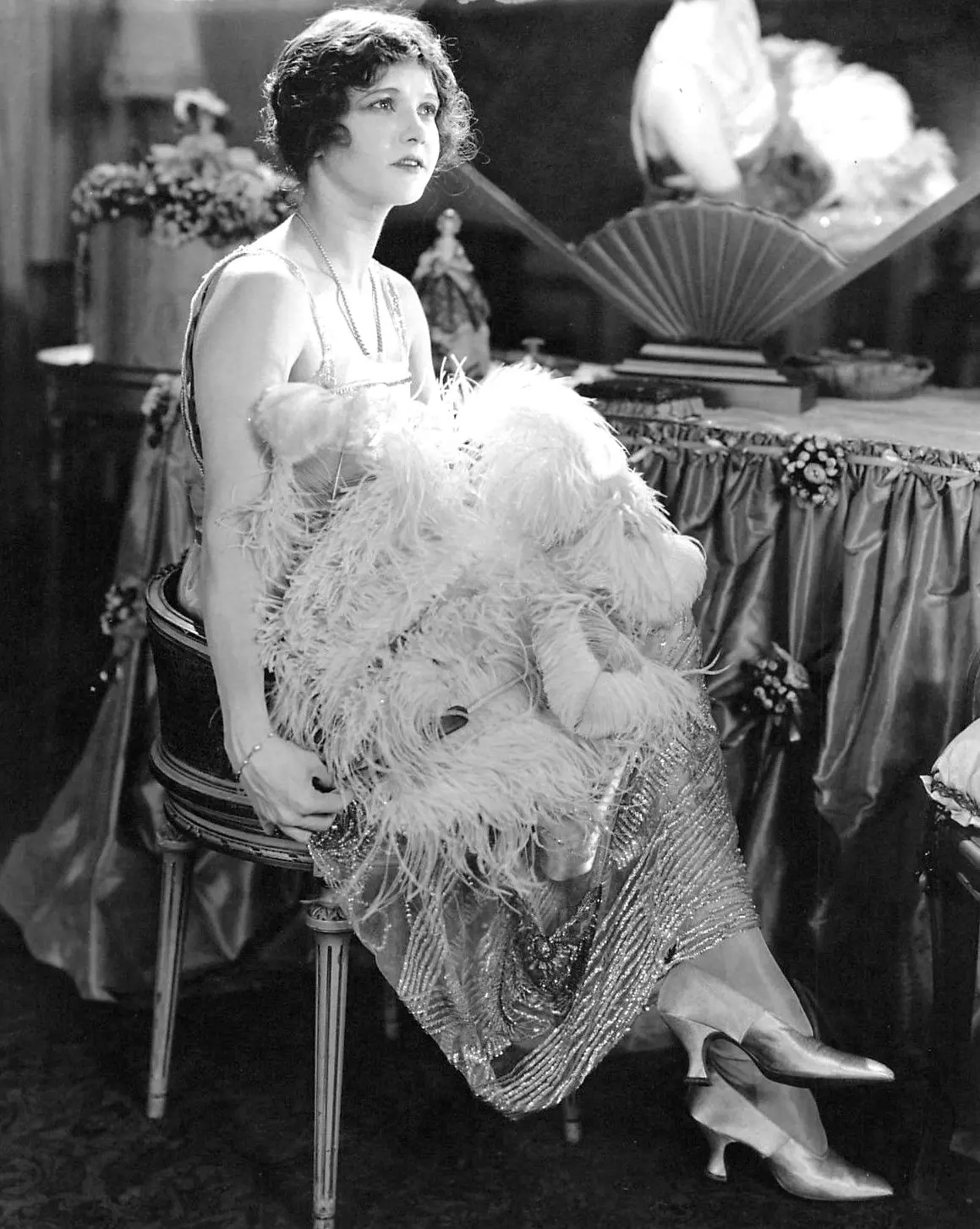
The Metaphysical Weirdness of the Early Century
One of the primary pillars of cult cinema is its willingness to engage with the esoteric. In the modern era, we see this in the surrealist works of David Lynch or the cosmic horror of Panos Cosmatos. Yet, in 1916, films like The Soul’s Cycle were already challenging audiences with concepts of reincarnation and the transmigration of souls. Founded on ancient philosophies, this photoplay didn’t just seek to entertain; it sought to provoke a spiritual curiosity, a hallmark of the midnight movie mindset. This early flirtation with the afterlife and the immortality of the soul provided a blueprint for the high-concept, often baffling narratives that cult audiences crave.
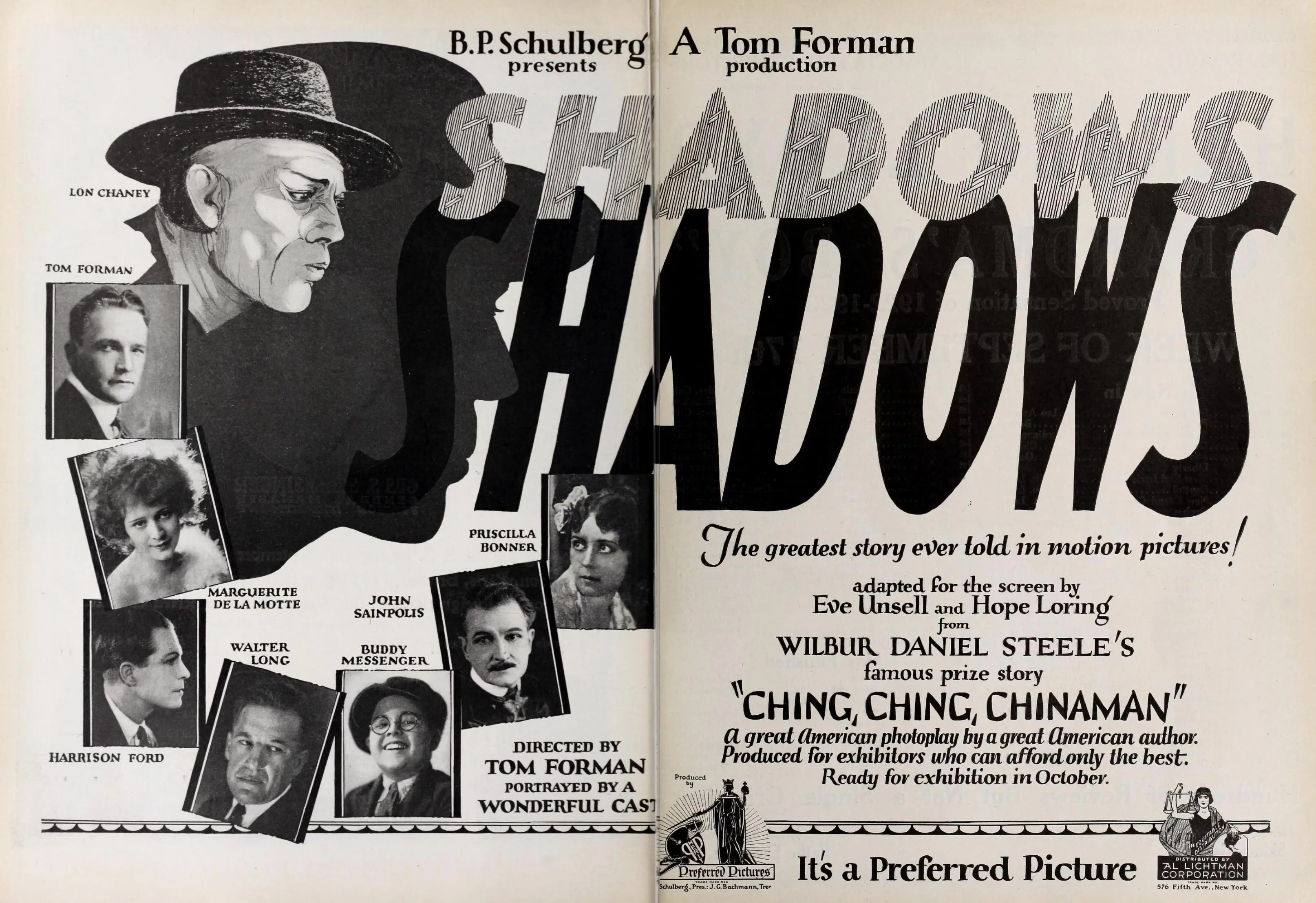
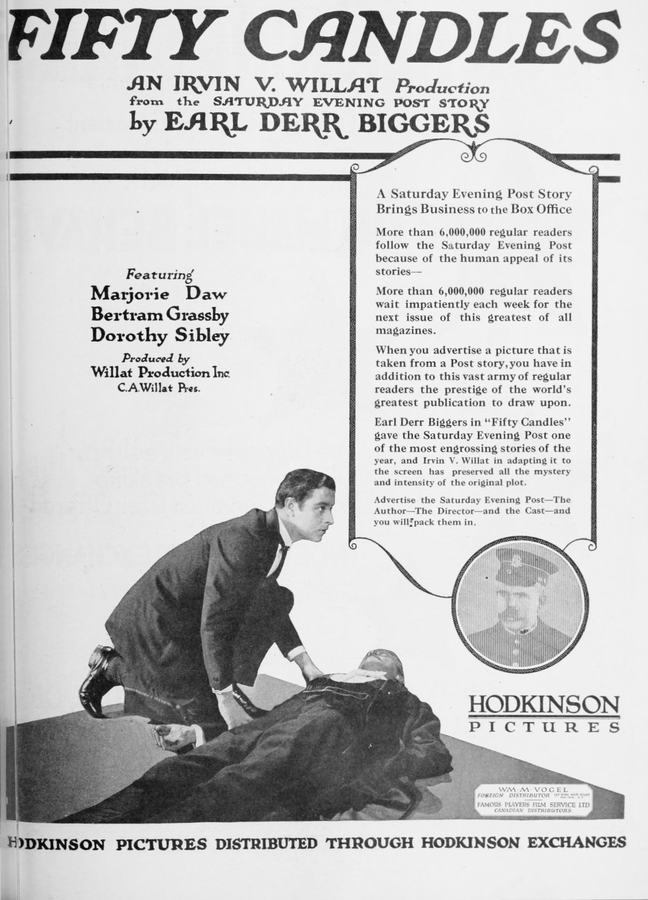
Similarly, Fifty Candles (1921) introduced a blend of mystery and Eastern philosophy that felt radically different from the standard melodramas of the time. Centered on Hung Chin Chung, a philosopher of noble birth facing deportation and death, the film explored themes of sacrifice and reprieve that resonated with those looking for deeper meaning beneath the surface of traditional detective stories. These films were not just products of their time; they were anomalies that dared to ask metaphysical questions, creating a space for the intellectual cultist to find a home.
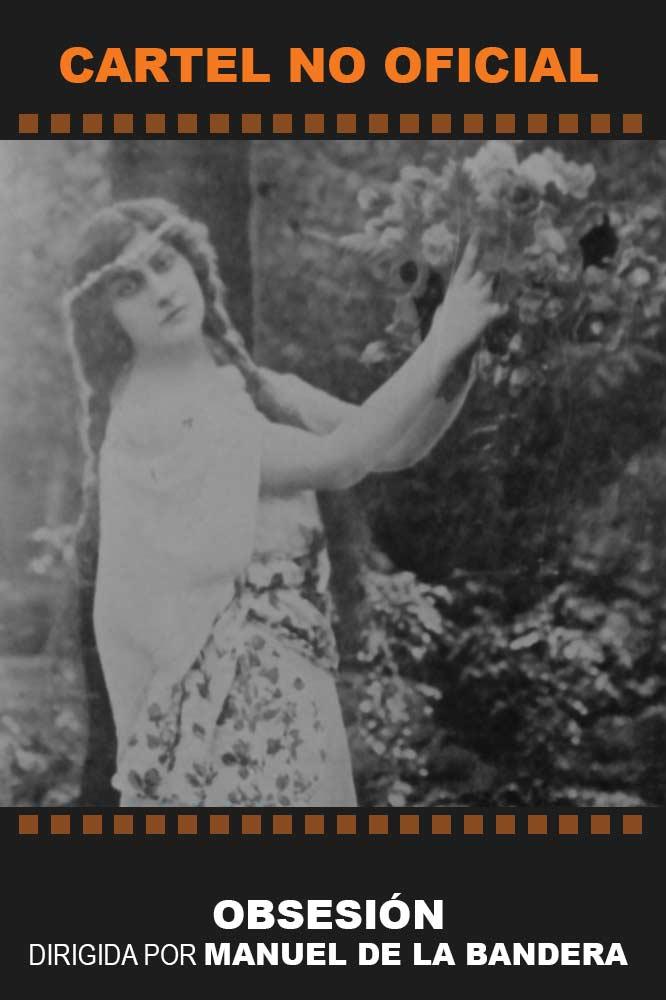
The Architecture of the Abnormal: Circus Elephants and Secret Societies
The visual spectacle has always been a driving force for niche devotion. Consider the 1917 film The Tiger, where a young orphan named Maria is saved from a burning house by an elephant. This kind of bizarre, high-stakes imagery—a beast acting as a savior—is the exact type of narrative non-sequitur that modern cult fans celebrate for its audacity. The sheer physical presence of the circus elements combined with the melodrama of a traveling life created a sense of otherness that the mainstream often shied away from.
Then there is the dark, serialized allure of The Vampires: The Terrible Wedding. This early French masterpiece of crime and suspense focused on the relentless pursuit of Philip Guard by a mysterious criminal syndicate. The idea of a recurring, shadowy threat—a secret society operating in the margins of the city—is a trope that has fueled cult fandom for decades. The serialized nature of these early films encouraged a form of obsessive viewing, as audiences returned week after week to see how the protagonist would escape the latest death trap, a precursor to the modern binge-watching culture that surrounds cult television and film franchises.
Social Subversion and the Moral Outcast
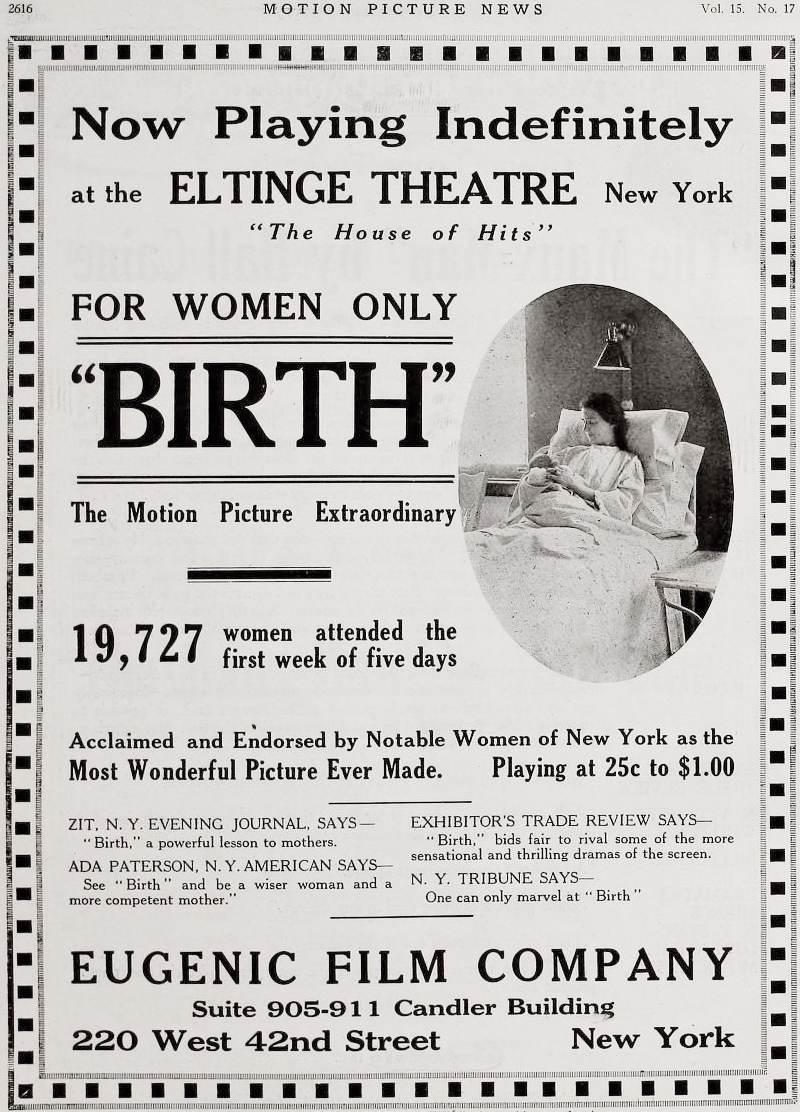
Cult cinema often serves as a mirror to the societal taboos of its era. In 1919, The End of the Road tackled the controversial subject of sexual education with a frankness that was unheard of in polite society. By contrasting the lives of two friends—one who is given the facts of life and one who is told a prudish fairytale—the film moved beyond mere entertainment to become a piece of social transgression. It was a film that dared to speak the unspoken, much like the transgressive cinema of the 1960s underground. This willingness to confront the "unmentionable" is what gives cult films their enduring power; they become artifacts of rebellion against the status quo.
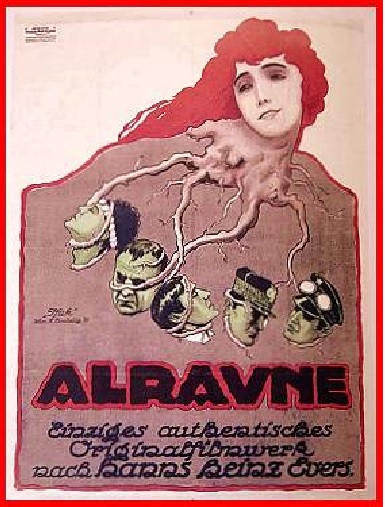
The theme of the social outcast is further explored in Gypsy Anne (1920), featuring the legendary Asta Nielsen. As a girl brought up on a farm after being left as an infant, the character of Anne embodies the classic cult protagonist: the wanderer who doesn't quite fit into the domestic structures of the world. Nielsen’s performance brought a raw, unvarnished quality to the screen that appealed to those who felt alienated by the polished icons of Hollywood. This lineage of the misfit hero can be traced through films like Kathleen Mavourneen, where the daughter of a poor tenant farmer must navigate the predatory whims of the landed gentry, a narrative of class struggle that remains a staple of the genre-defying fringe.
The Anarchy of the Action Frame
Before there was the high-octane spectacle of the modern action blockbuster, there was the "road demon." In The Road Demon (1921), Hap Higgins trades his horse for a broken-down automobile and transforms it into a racing machine. This transition from the traditional Western to the mechanized speed of the 20th century represents a seismic shift in the cinematic imagination. It birthed the car-culture cult, a subgenre that would later give us everything from *Two-Lane Blacktop* to *Mad Max*. The focus on the machine as an extension of the self—a tool for liberation and rebellion—is a core tenet of the cult aesthetic.
Westerns of the era also flirted with the mysterious and the masked. The Masked Avenger (1922) and Blue Streak McCoy (1920) utilized the tropes of the lone ranger and the vigilante to tell stories of justice that operated outside the law. These characters were the original prototypes for the anti-hero, figures who were often as dangerous as the villains they pursued. For the cult viewer, the appeal lies in this moral ambiguity—the idea that the hero is a rough-shod fighter who must break the rules to fix a broken world.
Surrealism and the Comedic Fringe
If cult cinema is defined by its weirdness, then the early animation and short comedies of the 1910s are its holy scriptures. Mutt and Jeff in Paris and The Pousse Cafe showcased a level of surrealism that was both primitive and profound. In *The Pousse Cafe*, the literal interpretation of an order leading to a kitten in a drink—and the subsequent riot—is a masterclass in absurdist escalation. This type of non-linear, chaotic humor is the direct ancestor of the underground comedy scene, where the goal is not just to make the audience laugh, but to unsettle their sense of reality.
The short film The Guilty Egg (1921) took this absurdity even further, centering on newlyweds who expect a rooster to lay eggs. While ostensibly a simple comedy, it reflects a preoccupation with the breakdown of natural order and the failure of logic, themes that would later be explored by the Dadaists and the Surrealists. These films were the "weird shorts" of their day, the kind of content that modern cinephiles dig through archives to find, seeking out that specific spark of unfiltered creativity that exists before a genre becomes too codified.
The Enduring Allure of the Forgotten
Why do we remain obsessed with these early anomalies? Perhaps it is because they represent a time when the rules of cinema were still being written. Films like Womanhood, the Glory of the Nation (1917), an early invasion fantasy where Ruthania captures New York, show a willingness to engage in speculative fiction and propaganda-as-spectacle that feels both dated and strangely prescient. It is the unconventional rhythm of these films—their sudden shifts in tone, their bizarre narrative choices, and their visual experimentation—that makes them so attractive to the cult historian.
Even a seemingly straightforward drama like The Light in the Dark (1922), involving a poor girl, a wealthy family, and a crime, contains the seeds of the "wronged woman" subgenre that would become a cult favorite in the 1940s and 50s. The way these films handle tragedy, such as in Hanneles Himmelfahrt (1922), where a beaten girl attempts suicide and experiences a celestial vision, shows an emotional intensity that transcends the limitations of the silent medium. They are raw, they are messy, and they are unapologetically themselves.
Conclusion: The Legacy of the Silent Rebel
The history of cult cinema is not a straight line; it is a sprawling, tangled vine that draws its nutrients from the most unexpected places. From the moonshiners of The Sky Hunters to the independent spirit of The Cradle Buster, early cinema was filled with characters who refused to be tied to "mother's apron strings." They were the original mavericks, the first wave of genre mutants who paved the way for the radical cinema that would follow.
As we continue to excavate the archives of the 1910s and 1920s, we find that the spirit of the midnight movie was always there, waiting in the wings. It was in the transgressive soul of a judge's daughter reading law in *A Naked Soul*, and in the desperate redemption of an alcoholic architect in *The Enemy*. These films remind us that the allure of the fringe is timeless. As long as there are stories that defy the mainstream and filmmakers who dare to be weird, the cult will continue to gather in the dark, worshipping at the altar of the flickering anomaly.
Community
Comments
Log in to comment.
Loading comments…